
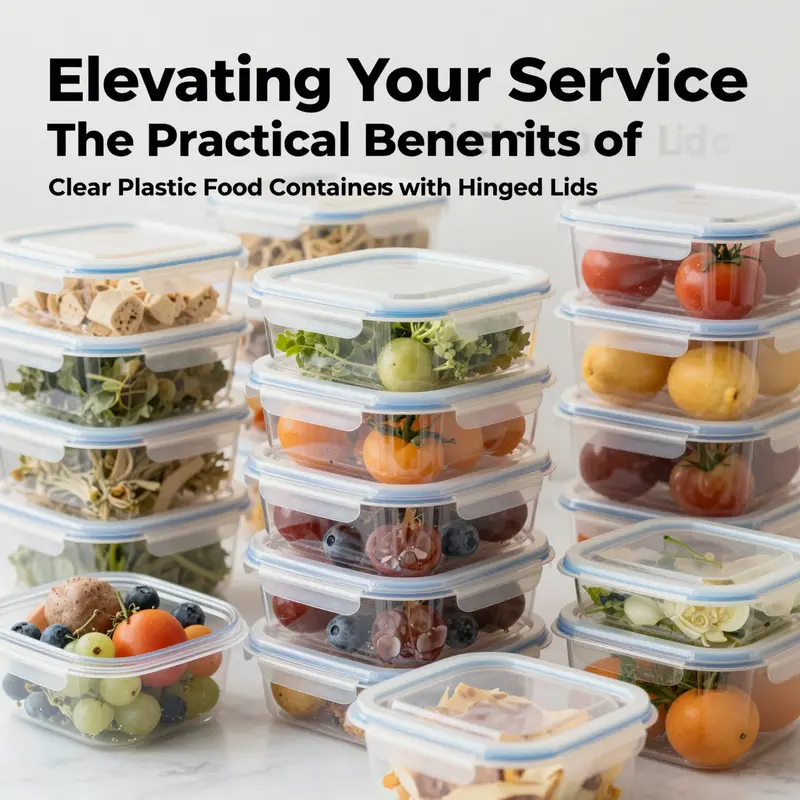
Effective food storage and presentation is crucial for any business in the food and beverage sector. Clear plastic food containers with hinged lids offer practical solutions, driving efficiency and enhancing food safety. Their design allows for easy visibility of contents, making them indispensable for bubble tea shops, restaurants, food trucks, and catering services. Each chapter explores how these versatile containers contribute to operational success, covering material properties, applications, economic considerations, sustainability, and consumer trends.
Clear by Design: How Hinged-Lid Containers Transform Transparency, Safety, and Everyday Convenience
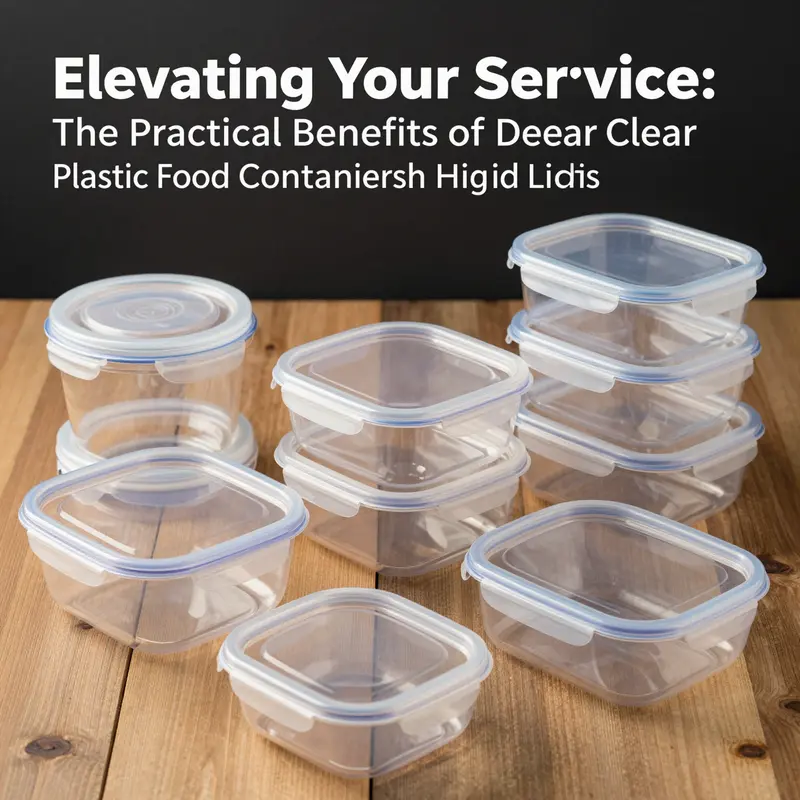
Transparency is more than a visual trait in today’s food packaging; it is a functional promise. When a container is made of clear plastic with a hinged lid, the user gains instant visibility without exposing the contents to air, moisture, or contaminants. This immediacy supports safer handling and quicker decision-making in busy kitchens, cafeterias, and takeout counters. The hinge is not a cosmetic flourish but a design principle that binds usability to protection. It keeps the lid attached, reducing misplacement and spill risk during transport, while still allowing easy access for portioning, serving, or reheating. In domestic pantries and commercial prep rooms alike, this combination—clarity plus a secure, integrated closure—creates a reliable workflow. The hinge, in other words, is both a convenience feature and a safety mechanism, ensuring that freshness travels with the food rather than evaporating or seeping into the air of a crowded fridge or crowded delivery bag.
Material choice anchors that practical promise. Most clear, hinged containers rely on food-grade polymers whose properties determine how well the package preserves what is inside. PET, or polyethylene terephthalate, is a common choice because it offers high clarity that makes the contents legible at a glance. The visual access is not merely aesthetic; it reduces the need for repeated handling, which can introduce contamination. PET’s robustness also translates into dependable impact resistance, an essential attribute when meals are stacked in a cart, dropped during a busy kitchen rotation, or carried through a hectic commute. This strength helps ensure that a container does not crack or deform under normal, everyday stresses, keeping the lid aligned and the seal intact as it travels from prep area to lunchroom to consumer.
HDPE, or high-density polyethylene, represents another widely used material class for clear, hinged containers. It offers superior chemical and moisture resistance, which translates into longer shelf life and less odor migration between stored items. While HDPE’s transparency may be slightly less crystalline than PET’s, its toughness and resilience make it a preferred choice for high-traffic environments such as delis, bakeries, and cafeterias. The resistance to oil-based residues, acidic dressings, and moisture helps maintain both the container’s appearance and its seal integrity over repeated cycles of use, washing, and reuse. When the lids snap shut, the gasket or press-fit mechanism complements the polymer’s performance by locking in flavors and odors while keeping the external environment from impacting the food’s interior state. In operation, this triad of material properties—clarity, strength, and chemical/moisture resistance—defines the container’s ability to support a broad range of foods without compromising safety or presentation.
Alongside the core materials, the hinged lid system embodies a balance between tight closure and user-friendly access. The lid must seal firmly enough to resist leaks during transport yet remain straightforward to open without fumbling. Many designs incorporate a tight-sealing gasket or a well-engineered press-fit mechanism that aligns with the container’s rim. When these elements work in concert, they create a barrier against leaks, odors, and cross-contamination. The reliability of the seal becomes particularly important for meals that travel in bulk—salads with dressing, pasta with sauce, or desserts with delicate components. The hinge itself must be robust, with reinforced pivots and precise alignment to avoid warping or looseness after repeated uses. Engineers spend substantial time tuning the hinge geometry, material thickness, and ribbing around corners to ensure the lid maintains its position and the seal remains intact under vertical stacking, cold storage, or microwave reheating.
If the story of a hinged container were told in a single breath, it would be about how shape, material, and mechanism cooperate to make preservation effortless. The design often emphasizes stackability, a practical feature that transforms pantry real estate. Narrow, uniform profiles allow containers to nest when empty and stack securely when full, freeing up shelf space in refrigerators and equipment rooms. The ability to stack without risking lid misalignment or seal fatigue reduces clutter and speeds up food-prep workflows. For kitchens that rely on pre-portioned meals, the container becomes a reusable, predictable unit that matches a standardized rack or cooler, simplifying inventory management and rotation. In the broader ecosystem, such standardization supports efficiency across producers, distributors, and retailers, enabling a smoother transition from kitchen to customer.
Wider compatibility with heating and cleaning processes also shapes the design philosophy. Many clear hinged containers are marketed as microwave-safe, dishwasher-safe, and freezer-safe, broadening their versatility beyond simple cold storage. Microwave compatibility, in particular, is a nuanced feature. The container must withstand the rapid temperature changes and localized heat without warping the base or loosening the hinge. Similarly, dishwasher cycles impose thermal and mechanical stresses. The design must resist warping, maintain an unobstructed seal, and keep the transparent walls from clouding over time. Freezer safety adds another layer of endurance, as low temperatures can make plastics more brittle and more prone to micro-cracking if impacts occur during stacking or transport. When these three safety continuums—hot-reheat, cold storage, and mechanical abrasion—are addressed in unison, the container earns a reputation for durability and cost-effectiveness in high-volume settings.
Yet no material or hinge system exists in isolation from tangible limitations. Odor absorption is one common concern, particularly with strongly scented foods or long storage intervals. Even with a tight seal, some plastics can impart or absorb odors, influencing the perceived freshness of subsequent contents. Temperature exposure is another challenge. Prolonged high heat can soften materials or alter the closure’s grip, while repeated freeze–thaw cycles can stress ridges around the lid and the base. Environmental considerations also shape the conversation. PET and HDPE, while recyclable, are not inherently biodegradable. The growing emphasis on sustainability pushes designers to explore alternatives such as PLA, derived from corn starch, which may improve end-of-life outcomes but can compromise thermal stability and mechanical performance. In many cases, the optimal path lies in selecting a material that harmonizes performance with cost, then designing for durability and recyclability within a circular economy framework. The hinge design, far from being a mere feature, is a constant test of whether a container can endure repeated use, cleaning, and stacking without degrading the user’s experience.
From a designer’s perspective, the question becomes how to integrate material properties with ergonomic, aesthetic, and logistical requirements. Reinforced corners, ribbing along the sides, and precisely engineered hinge knuckles can dramatically improve impact resistance and longevity. Ergonomic grips on the sides or near the hinge provide comfortable opening and closing, reducing user fatigue in busy kitchens or school lunchrooms. Tight tolerances between lid and base support consistent sealing with lower risk of leaks, while a well-placed gasket can seal effectively without making the lid stiff to operate. Designers must also consider labeling and readability. Clear walls aid content recognition, while embossed or printed indicators can guide users on microwave suitability, maximum fill lines, and safe handling temperatures. By integrating these design cues, the container becomes a reliable partner in a wide array of activities—from daily meal prep and school lunches to camping trips and commercial takeout packaging—without demanding special handling or excessive cleaning effort.
In this landscape, the lifecycle of the product gains significance. Reusability is a central driver for many food-service operations, where containers may travel through multiple cycles of use and cleaning. The simple act of choosing PET or HDPE reverberates through recycling streams, waste volumes, and downstream environmental impact. Clear containers that are easy to wash, resistant to odors, and capable of enduring repeated heating cycles contribute to a more sustainable routine for households and businesses alike. Nevertheless, the better alternative for the environment is not merely a matter of material choice but of system design—how containers are collected, sorted, and redirected back into new products. Clear plastics with hinged lids can play a meaningful role in circular packaging loops when paired with transparent labeling about recyclability and proper disposal. The focus on end-of-life outcomes remains a critical consideration for engineers and procurement teams who must balance performance, cost, and sustainability in every specification.
For practitioners and researchers, the interplay between clarity, durability, and safety translates into actionable insights. The priority is to preserve the sensory and visual cues that help users identify contents at a glance while maintaining a robust barrier to contamination and odors. The hinge and gasket are not decorative add-ons; they are the core of the container’s protective function. As kitchens evolve toward more efficient, compact, and hygienic work processes, these containers provide a concrete example of how thoughtful material science and precise engineering can yield products that enhance everyday life without sacrificing safety or convenience. The result is a packaging solution that supports meal prep, portion control, and reliable delivery, all the while offering the peace of mind that comes from knowing food is being stored and transported in a controlled, visible, and dependable environment.
Internal link: foldable cake boxes with window packaging can illustrate how visibility and protection can coexist in compact, portable forms, underscoring the flexibility of clear hinged designs in display and transport contexts. foldable cake boxes with window packaging
External resource for standards and safety considerations: https://www.foodsafety.gov/
Seeing, Sealing, and Structuring Freshness: The Quiet Depth of Clear Plastic Containers with Hinged Lids
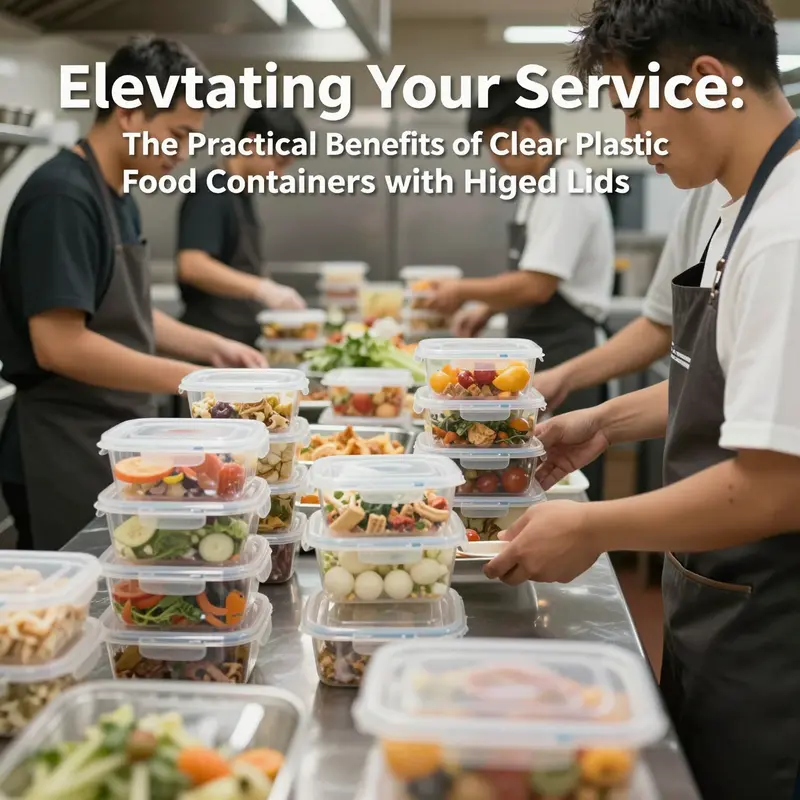
Transparency is more than aesthetics in storage; it is a practical philosophy that guides how we manage food, organize spaces, and move products from shelf to service. Clear plastic food containers with hinged lids embody this principle by marrying visibility with security, enabling a user to identify contents at a glance while relying on a reliable seal to maintain freshness and prevent spills. This combination is not merely convenient; it reshapes workflows in kitchens, on retail benches, and within home pantries by reducing the number of steps required to ascertain what sits inside and how it should be handled next. The hinged lid, in particular, is a small but pivotal feature. It anchors the container to a predictable routine: open with one hand, inspect or portion, seal with a decisive click, and stack with confidence. That simple cycle keeps the flow of meal preparation and service smooth, even during peak periods when speed and accuracy are both at a premium. The hinge’s reliability translates into fewer interruptions caused by mis-sealed lids, a detail that matters as much in a bustling cafe as it does in a family kitchen planning weeknight meals.
Material clarity and durability are the twin pillars supporting this utility. A clear plastic body invites instant recognition of contents, which reduces unnecessary handling and helps preserve the integrity of perishable items. When a chef or a shopper glances at a container, the color, texture, and arrangement of the food inside become immediately legible. This clarity speeds up everything from portion control in a busy prep line to restocking decisions in a storefront display. Yet visibility would be hollow without durability. The best iterations resist cracking when bumped, resist warping under repeated use, and maintain their pristine appearance after repeated wash cycles. Purists in both home and professional settings often look for BPA-free options, seeking reassurance that the material does not introduce unwanted flavors, odors, or safety concerns into food and skin-contact applications. Alignment between clarity and safety requires thoughtful material choices and precise molding that minimize imperfections that can cloud the view or compromise the seal.
The utility of hinged, clear containers extends across a spectrum of industries, and the narrative is consistent: visibility accelerates decision-making while the hinge preserves containment. In food service, these containers support a wide range of operations—from takeout and catering to bulk storage for meal-prep services. They enable staff to assess the appearance and portioning of items such as salads, sandwiches, and baked goods without exposing them to air and handling that could degrade quality. The ability to identify items quickly translates into faster service, reduced cross-contact risk, and a more organized workflow in kitchens or delivery hubs. In bulk storage, their flat, modular footprints maximize space efficiency in coolers and on shelves, enabling easy rotation and inventory checks. When meal-prep teams assemble ingredients and portions for the week, they benefit from a system that supports visibility, labeling, and follow-through in a single, cohesive container family. This is where durability and seal integrity intersect with operational discipline: a container that looks pristine because it stays sealed well reduces waste and preserves the sensory appeal that matters to customers and households alike.
In the retail and e-commerce sphere, the picture broadens further. Clear bodies enhance shelf presentation by letting the product speak through the container itself. Visibility contributes to perceived freshness and quality, a critical factor when shoppers decide whether to reach for a package or move on. A hinged lid adds the promise of secure closure during handling, travel, and eventual opening at the consumer’s place of use. This combination also benefits online buyers who rely on product images and text to gauge what they’re purchasing; clear containers minimize ambiguity, letting buyers see the item through reliable packaging. The same design fosters a coherent unboxing experience, where the container’s appearance reinforces the value of the product inside. Furthermore, the container’s neutral, transparent canvas accommodates labeling and branding without overwhelming the product, a balance that supports both retailer aesthetics and consumer trust.
The home kitchen benefits of clear hinged containers are both practical and psychological. When pantry items like pasta, rice, snacks, or baking ingredients are stored in transparent bodies, inventory becomes almost self-managed. A quick glance reveals what’s in stock and what needs replenishment, reducing the likelihood of duplicate purchases or forgotten staples. The hinged lid helps maintain dryness and crispness, extending shelf life for components like crackers or dehydrated goods. Stackability is another virtue, turning a cramped cabinet into an organized system that can be navigated by family members with minimal training. The same logic applies to non-food uses, where these containers protect DIY craft supplies, toiletries, or travel-sized personal care items from spills and leaks, while keeping contents easy to locate. The simplicity of the design—clear body, secure hinge, reliable seal—belies the breadth of its impact on everyday routines.
A broader perspective on packaging suggests that the hinge and the transparency are not just about containment but about trust. Consumers and professionals alike rely on packaging to protect, present, and transport goods with minimal fuss. In skincare and cosmetics, for instance, a transparent container with a secure lid allows users to gauge product texture or color while enjoying the assurance that the lid won’t leak during transit. This trust is built on a straightforward promise: you can see what you’re getting, and you can rely on the lid to keep it intact. The same premise extends to samples, testers, and travel kits, where hygiene and portability are paramount. The hinge facilitates repeated access without compromising cleanliness, smoothing the experience from first contact to repeated use across many contexts.
Despite the clear advantages, challenges persist. Heat resistance remains a constraint; many transparent plastics do not perform optimally under microwave heating or high-temperature cleaning cycles. Scratches can dull the clarity, undermining the very value that visibility provides. Fogging can appear in humid environments, masking the contents and dulling the user’s ability to evaluate the state of the food inside. Material selection, however, has evolved to address these issues. The development of BPA-free options, along with refinements in molding and sealing geometries, helps preserve clarity and extend life while addressing safety concerns. A well-designed hinge with minimal play and a robust edge seal can reduce leaks without sacrificing ease of access, aligning with the real-world needs of busy kitchens, storefronts, and households.
In the end, the practical value of clear plastic containers with hinged lids lies in their ability to integrate visibility, security, and efficiency into daily routines. They are not just boxes; they are components of a time-saving workflow that spans preparation, presentation, transport, and reuse. When procurement decisions weigh clarity against durability, seal reliability, and compatibility with cleaning and recycling streams, they are choosing a packaging system that respects food safety, reduces waste, and complements the rhythms of modern life. For readers seeking a concrete example of how windowed, transparent packaging can work in practice, consider this dessert packaging concept that blends visibility with secure closure: see the example here: see the example here: clear windows dessert packaging example. This reference underscores how a simple design choice—display through a clear wall coupled with a dependable hinge—can elevate both presentation and protection in everyday packaging challenges. The broader implication is clear: when design prioritizes transparency, reliability, and ease of use, the resulting packaging not only carries content but also reinforces trust, quality, and sustainability.
For those who want to read beyond the immediate discussion, the U.S. FDA provides guidelines on food-contact materials that help clarify what standards apply to different plastics and use cases. This external reference offers a foundation for evaluating the safety and compliance of clear plastic containers with hinged lids. External resource: FDA guidelines on food-contact materials.
Clear, Efficient, and Profitable: Navigating the Economic Terrain of Hinged-Lid Clear Plastic Food Containers
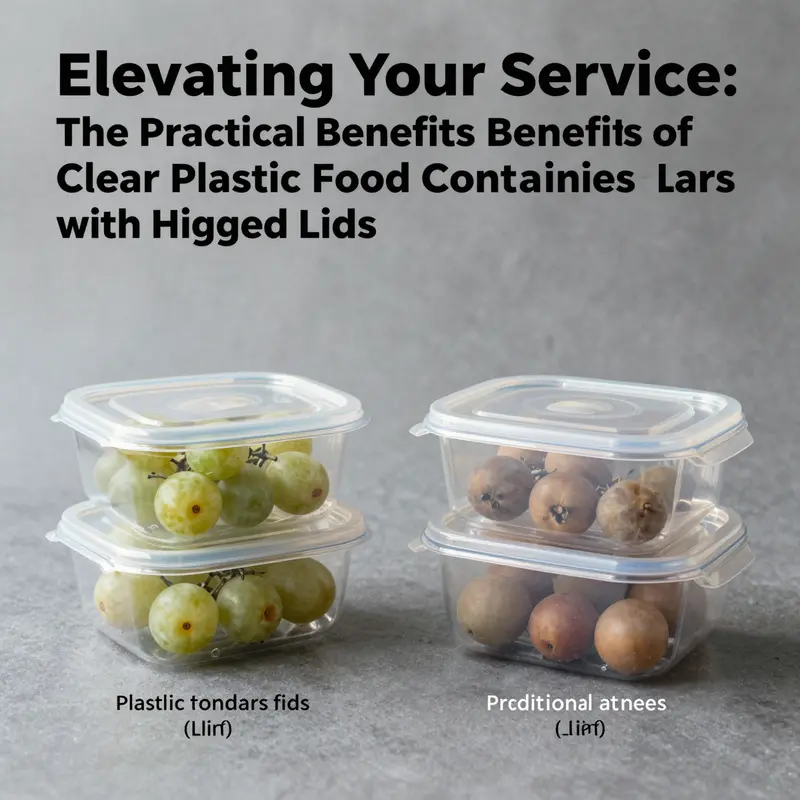
The rise of clear plastic food containers with hinged lids has not just changed the way kitchens store and transport meals; it has reshaped the economics of food preparation, presentation, and customer satisfaction. In many corridors of the food industry, from bustling delis to quiet school cafeterias, the hinged lid design offers a practical blend of accessibility, security, and visibility. A shopper or cook can quickly identify contents through a transparent wall and window, while staff can open and reseal without misplacing lids, reducing the time spent searching for the correct container and the costly spillages that can occur during handling or transit. The economic implications of this simple feature ripple through procurement, workflow, waste management, and even branding, forming a coherent case for hinged-lid containers as more than a convenience item. They impact how a facility budgets for packaging, how it trains staff, and how it communicates value to customers who increasingly demand clarity, reliability, and sustainability in their takeout and meal-prep experiences.
From a cost perspective, the most immediate considerations center on material choice, durability, and compatibility with the temperatures typical of a given operation. The two most common materials are polypropylene (PP) and polylactic acid (PLA). PP provides robust resilience to cold and heat alike, a stable platform for soups, stews, warm entrees, and even quick reheating in microwaveable contexts. Its resistance to cracking during stacking and transit helps protect margins by minimizing breakage and the associated replacement costs. PLA, a plant-based polymer, introduces a renewable narrative into the packaging mix. While its price point may be higher and its heat tolerance more limited than PP’s, PLA aligns with a growing demand for sustainability. The decision to prioritize PP, PLA, or a blend of materials weighs not only the upfront purchase price but the life-cycle costs that accrue over a container’s use—including energy in production, transportation efficiency from lighter weights, and end-of-life disposal options that affect environmental credits or liabilities. These material choices interact with the design itself. A hinged lid should seal effectively to reduce leakage and spoilage, particularly for sauces, gravies, or moisture-rich ingredients that can damage other items in a mixed order. The lid’s gasket, the hinge’s resilience, and the mating surface’s rigidity determine how often a container can be reused before replacement becomes economically prudent. In facilities that prioritize reuse, the calculus shifts toward durability and cleanability, with investment in higher-grade plastics or reusable polycarbonate options potentially yielding longer service life and lower per-use cost in high-volume environments.
The economics also hinge on capacity and portion control. The availability of a range of sizes allows a single service line to standardize portions, simplify labeling, and optimize inventory. The ability to nest or stack containers efficiently translates to tangible warehousing savings: less storage footprint, easier rotation, and faster retrieval during peak service times. In a high-throughput kitchen or deli, the reduction in handling time directly translates to labor savings. When staff can grab a pre-portioned, clearly labeled container and know it will seal securely, the risk of mistakes diminishes and lines move more swiftly. This is not just about speed; it is about consistency. Customers notice when meals arrive intact and visually appealing, and consistent presentation underpins repeat business, reducing promotional overhead and the cost of misfires that lead to refunds or negative reviews.
Transparency, the hallmark of these containers, functions as a cost-control and quality-assurance tool. The see-through wall is more than aesthetics; it enables precise visual checks for fill levels, product uniformity, and the absence of contaminants before the lid is closed. For operators who manage inventory across multiple menu items—salads, pasta dishes, desserts—the ability to identify contents at a glance minimizes mis-picks and waste. In practice, this means fewer returns due to incorrect orders and less spoilage of perishable ingredients awaiting identification. Visual identification also aligns with safety protocols that require quick confirmation of product type, especially in environments with multiple allergens or dietary restrictions. While the container itself protects contents, the visual cue helps ensure the right item reaches the right customer, reducing costly mix-ups and associated reputational damage.
Beyond the immediate cost of goods, container choice feeds into broader logistics and supply-chain considerations. Clear hinged containers often contribute to improved inventory accuracy and space efficiency. Their uniform geometry facilitates tighter stacking, more predictable palletization, and streamlined warehouse handling. In many operations, the ability to seal and stack compactly reduces storage space needed in cold rooms and prep areas, translating to lower rent, better utilization of existing space, and a lower overall overhead per meal prepared or delivered. The security of a hinged lid also plays a critical role in transportation. Leakage and contamination fears are legitimate drivers of lost product, especially in the takeout market. The dependable seal mitigates these risks, enabling safer delivery and more reliable distribution to customers, schools, or corporate offices. When a business can promise consistent condition from kitchen to consumer, the downstream effects include greater customer trust, more efficient vendor-managed inventories, and the potential for longer, more predictable order cycles that stabilize cash flow.
As sustainability moves from an ethical preference to a competitive differentiator, the economics of materials such as PLA begin to shift. PLA’s appeal lies in its renewable origin and its potential to align with corporate sustainability goals and consumer expectations for greener packaging. Yet, PLA’s performance under heat and certain composting or recycling streams remains a nuanced topic. For operations in markets where composting infrastructure is robust, PLA can be positioned as a viable part of a circular economy strategy. In other contexts, the environmental benefit may hinge on a well-defined end-of-life pathway and consumer participation in recycling programs. This has direct cost implications: some buyers may be willing to pay a modest premium for packaging that signals environmental responsibility, while others may focus on total cost of ownership, examining not only the price per container but the savings realized through reduced waste and improved product protection. Industry participants increasingly report that the long-run economics of sustainable materials improve as production scales up, technology improves, and recycling or composting options broaden. The result is a more dynamic procurement landscape, where cost assessments must incorporate lifecycle analyses, not just unit price.
In practice, the decision matrix for engineers and procurement managers extends to labeling, compliance, and compatibility with operating workflows. A container must support labeling systems that employees rely on for portioning and tracking, without obstructing the view of contents. Clear lids help with quick checks, but labels must remain legible when the container is closed and stacked. This creates a balancing act: labels should be visible yet not interfere with the seal or the handling of a hot or cold item. Materials and design need to meet food-safety regulations relevant to each jurisdiction, a factor that adds another layer of cost—testing, certifications, and potential reformulations when regulations tighten. The upshot is that the most economical choice is not always the cheapest upfront. Instead, it is the option that minimizes total cost of ownership, including purchase price, storage, waste, labor, and compliance risk over the container’s lifetime.
Innovation plays a crucial supporting role in this economic narrative. The industry has moved toward recyclable formulations and lighter-weight designs that maintain performance while trimming material use and transport-related emissions. Even small gains—per container—across thousands of units accumulate to meaningful reductions in energy consumption and waste. The push toward standardization, modular packaging, and compatibility with a wide range of food types further strengthens the business case. When a single line of hinged containers can accommodate salads, pastries, and hot meals with similar performance characteristics, procurement becomes simpler, price comparisons become more apples-to-apples, and the organization’s sustainability claims gain credibility with customers and regulators alike. For chefs and managers, this translates into a reliable platform for innovation: a set of containers that can travel, present well, and perform consistently from prep to plate.
In the end, the economics of clear plastic hinged-lid containers are not merely a matter of material science or supply-chain efficiency; they encompass the entire operational ecosystem of a food business. The container becomes a strategic tool—one that can shape menu design, influence portioning strategies, and bolster brand trust through consistent presentation and dependable performance. When buyers weigh options, they assess not just the price tag, but the potential for reduced waste, faster service, safer handling, and a stronger customer experience. The balance of visibility, seal integrity, and lifecycle costs thus emerges as the central axis around which commercial decisions revolve. As markets continue to demand clarity and accountability in packaging, the hinged-lid clear plastic container stands as a practical, scalable solution that aligns operational discipline with customer expectations and environmental responsibilities. In this convergence of efficiency and ethics, the economics of hinged-lid containers reveal themselves as a core component of modern food service strategy.
To connect this narrative with concrete procurement pathways, consider the practical benefits of sourcing choices that emphasize eco-conscious packaging without sacrificing performance. For instance, you can explore options that combine transparency, secure sealing, and multi-use potential across different meal formats. A practical reference point is available through suppliers offering eco-friendly, compartmentalized packaging solutions designed for fast-service environments. These products illustrate how the industry is translating consumer demand for sustainability into tangible, cost-aware packaging strategies that support both margin preservation and brand integrity. For readers curious about specific product configurations and how they align with sustainability goals, see the resource linked here: eco-friendly disposable 3-compartment packaging boxes.
External resource: https://www.alibaba.com/product-detail/An-In-Depth-Guide-to-Clear-Hinged-Plastic_1600745983299.html
null
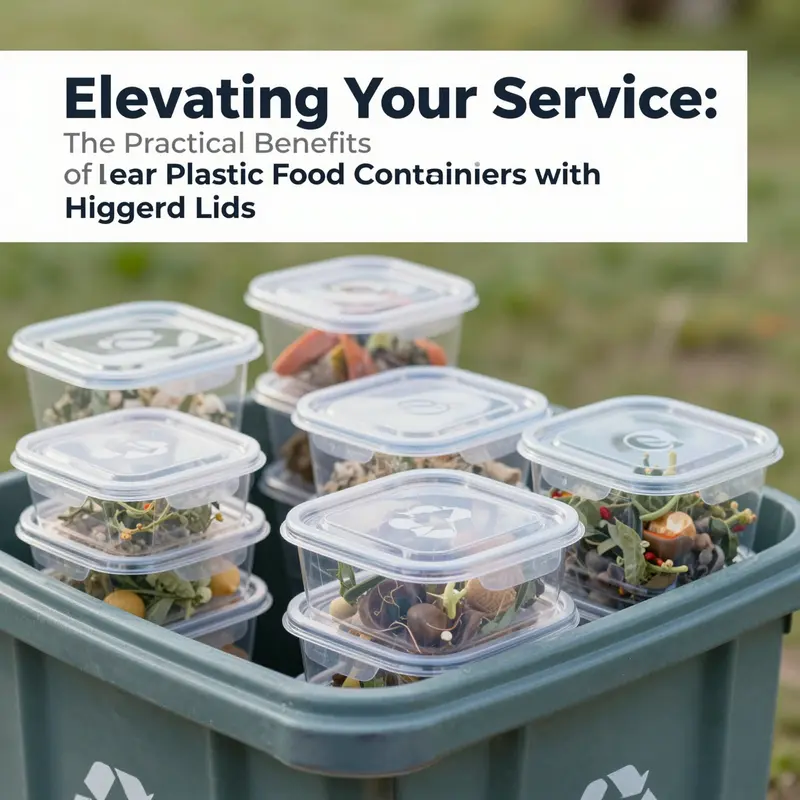
null
Clarity, Convenience, and Care: How Consumers Shape the Market for Clear Plastic Food Containers with Hinged Lids
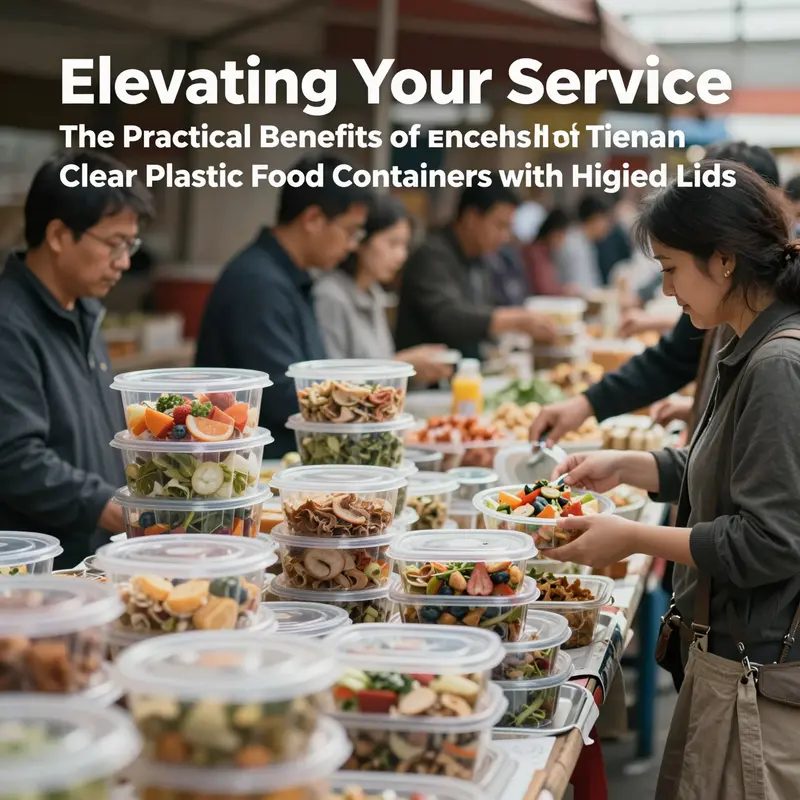
Clear plastic food containers with hinged lids are more than practical receptacles; they embody a design ethos that blends visibility with reliability, ease of use with everyday responsibility. The transparent walls let users see contents at a glance, which speeds up meal planning, reduces the chance of spoiled or forgotten food, and supports safer handling in busy kitchens, offices, and on the go. When a lid is attached by a hinge, the container earns a reliable seal that minimizes spills during transport and minimizes the risk of contamination from misplaced or swapped lids. That combination—clear visibility plus secure closure—transforms routine storage into a more trustworthy, streamlined experience for households, schools, catering operations, and small-scale food businesses alike. The consumer demand for this combination is not merely about convenience; it is about reducing waste, saving time, and supporting consistent food safety practices across myriad daily rituals of eating and sharing.
The appeal of these containers rests on several intertwined factors. First, the visibility offered by PET and APET materials allows a quick, intuitive assessment of what is inside without opening the lid. Consumers can judge freshness, portion size, and even ingredients at a glance, which cuts down on guesswork and helps families avoid duplicative purchases or mislabeling leftovers. This visual accessibility also plays into modern aesthetic expectations. A clean, crystal-clear container projects a sense of order and cleanliness that aligns with contemporary kitchen design and food presentation standards. In a world where packaging increasingly doubles as a brand gesture, the transparency of the container itself can become part of a narrative about simplicity, honesty, and quality.
Second, the hinged lid design contributes a tangible ease of use that matters in real life. One-handed operation is not a luxury; it is a practical necessity when hands are full of groceries, utensils, or busy tasks. The lid’s snap mechanism—secure yet intuitive—reduces the chances of accidental spills during transit or while being shuffled into a lunch bag, a school backpack, or a kitchen drawer. This reliability supports a wide spectrum of users, from parents packing school lunches to professionals moving meals between prep and service areas. The hinge keeps the lid from becoming a lost accessory, a small but meaningful improvement in everyday efficiency. It is this combination of a dependable seal and a lid that remains tethered to the base that makes hinged, clear containers a trusted workhorse in both domestic and commercial contexts.
From a materials perspective, consumer preference aligns with rigid, transparent plastics that maintain clarity even after repeated washing or brief exposure to reheating conditions. PET and APET have earned a favorable reputation for their optical clarity, lightweight resilience, and compatibility with standard food-contact safety requirements. Yet the market is not static. Advances in polymer science are expanding the range of options that fit the shared goals of visibility, strength, and safety while also addressing environmental expectations. A growing segment of rigid, transparent containers now emphasizes recyclability and industrial compostability, with some lines designed to be accepted in commercial composting programs or to feature clearly displayed certifications. The net effect is a broader set of choices that enable manufacturers to balance performance with environmental responsibility, while giving consumers clear signals about end-of-life handling.
This balancing act is not merely technical; it is deeply social. Consumers increasingly want products that reflect their own values, including commitments to sustainability. The market responds with materials and designs that deliver on performance while offering clearer pathways for disposal or recycling. The desire for product clarity extends beyond the container walls to how these packages are used in daily life. Pre-portioned meals, batch cooking, and takeout operations have become routine for many households and small businesses, creating demand for containers that store uniformly, travel well, and keep contents recognizable at every step of the journey. In a culture that prizes efficiency and predictability, a hinged, transparent container is a small but potent tool that supports disciplined meal planning, reduces food waste, and lowers the risk of cross-contamination during handling.
As the market evolves, the conversation around sustainability has become more prominent and nuanced. Consumers now expect packaging to perform under real-world conditions—sturdiness for stacking, resistance to leaks, clarity after repeated use—and to be aligned with broader environmental goals. This has propelled interest in compostable certifications and recyclable material streams that accommodate both home and industrial contexts. While compostable or recyclable options offer meaningful benefits, they also introduce design considerations. For instance, compostable materials may require specific processing environments to realize their environmental advantages, and clear aesthetics must be preserved even as a container’s composition shifts toward new polymers. Designers and manufacturers are responding with materials that preserve the clean, modern appearance of clear packaging while integrating sustainability-driven features such as optimized wall thickness, improved sealing technologies, and labels that communicate disposal guidance without compromising clarity.
The commercial implications are equally significant. The market for hinged-lid containers with clear walls is buoyed by growth in meal-prep services, takeout operations, bulk storage, and catering, where space efficiency, predictable portioning, and reliability during transport matter most. The geometry—flat, stackable bases, square or rectangular footprints, and edge-to-edge clear surfaces—maximizes shelf and cabinet efficiency, simplifies inventory management, and streamlines handling for staff and customers alike. Designers have leaned into features that support one-handed use while still enabling secure closure, a combination that translates into fewer spill incidents and improved customer satisfaction after delivery or consumption. In this ecosystem, a container’s performance is judged by how well it protects its contents, how clearly it communicates its contents, and how transparently it aligns with a consumer’s values about waste and resource use.
To illustrate how a display-focused packaging concept can pair with protective design, consider the idea of a container designed for both clear visibility and a restrained, windowed presentation. This approach demonstrates how transparency can be leveraged without sacrificing the containment’s integrity or usability. For a practical example of how transparent display and protective design come together in a single packaging solution, see foldable cake boxes with window packaging. This kind of packaging exemplifies how a product can communicate its contents compellingly while still offering the robustness needed for transport and handling across varied contexts. You can explore this fusion through the linked example, which embodies the principle that transparency and protection can coexist in a single, cohesive package.
Consumer expectations are further shaped by the broader packaging landscape, where brands increasingly link product design to storytelling about quality, safety, and responsibility. Clear plastic containers with hinged lids make it easier for shoppers to evaluate the freshness and appeal of a product at the moment of purchase, which can influence perceived value and reduce the need for excessive packaging embellishments. The visual honesty of a transparent container supports a minimalist, modern aesthetic that resonates with today’s design sensibilities, while the reliable hinge addresses practical concerns about leakage, contamination, and ease of use. In a marketplace where delivery speed, portion control, and waste reduction are central, the appeal of these containers grows because they reliably meet multiple expectations at once: clarity, ease, protection, and ethical signaling.
Market forecasts suggest robust growth as science and design converge to offer clearer, stronger, and more responsibly sourced options. Technological progress in materials science is enabling clearer plastics that resist scratching and clouding after repeated cycles of washing and brief heating, while also providing improved recyclability pathways. Changes in consumer habits—preparation, delivery, and consumption in smaller, more frequent portions—accentuate the value of containers that are easy to store, quick to identify, and dependable in transport. The result is a market where clear hinged-lid containers are not only practical but also expressive of a consumer’s intent to reduce waste and choose materials that align with their environmental and ethical standards.
In sum, consumer preferences for clear plastic food containers with hinged lids arise from a synthesis of functional convenience, aesthetic appeal, and sustainability considerations. These containers meet the needs of households and businesses that prize visibility, safety, and reliability, while offering brand- and consumer-valued signals about responsibility and quality. As the market absorbs ongoing material innovations and evolving disposal infrastructure, the balance among clarity, durability, and environmental responsibility will continue to define what counts as best-in-class in this space. The path forward points toward products that are not only transparent and sturdy but also thoughtfully engineered to support responsible consumption, efficient operations, and a future in which packaging serves both people and the planet. External reference: https://www.packagingdigest.com
Final thoughts
Clear plastic food containers with hinged lids significantly enhance the operational efficiency of food service providers. Their practical design, cost-effectiveness, and alignment with sustainability efforts make them a vital tool in modern food management. By considering consumer preferences and market trends, businesses can leverage these containers to improve both food safety and customer satisfaction. Adopting these containers is not just a smart operational decision but a strategic move towards meeting the evolving needs of today’s food consumers.