
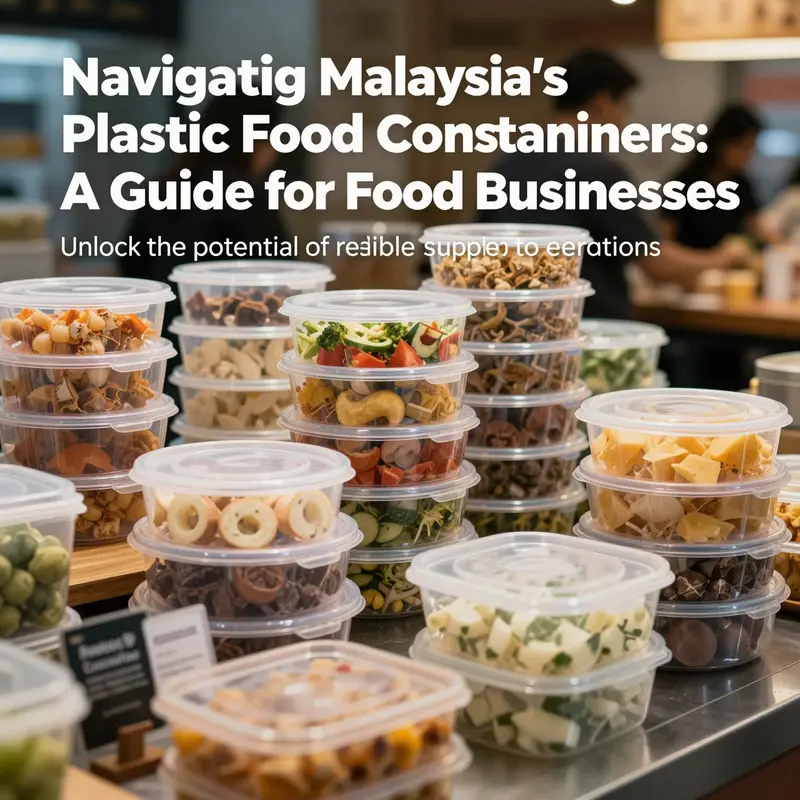
In the ever-evolving landscape of the food service industry, sourcing high-quality plastic food containers is crucial for maintaining operational efficiency and satisfying customers. Malaysia has emerged as a significant player, boasting vibrant manufacturing hubs that cater specifically to the needs of food businesses such as bubble tea shops, restaurants, food trucks, and catering services. This guide delves into the key manufacturing hubs, critical evaluation criteria for suppliers, strategic sourcing tips, and the latest market trends—equipping procurement teams with the insights needed to make informed decisions and foster successful partnerships.
Mapping Malaysia’s Manufacturing Hubs: Selangor, Penang, and Johor as the Backbone of Plastic Food Container Supply
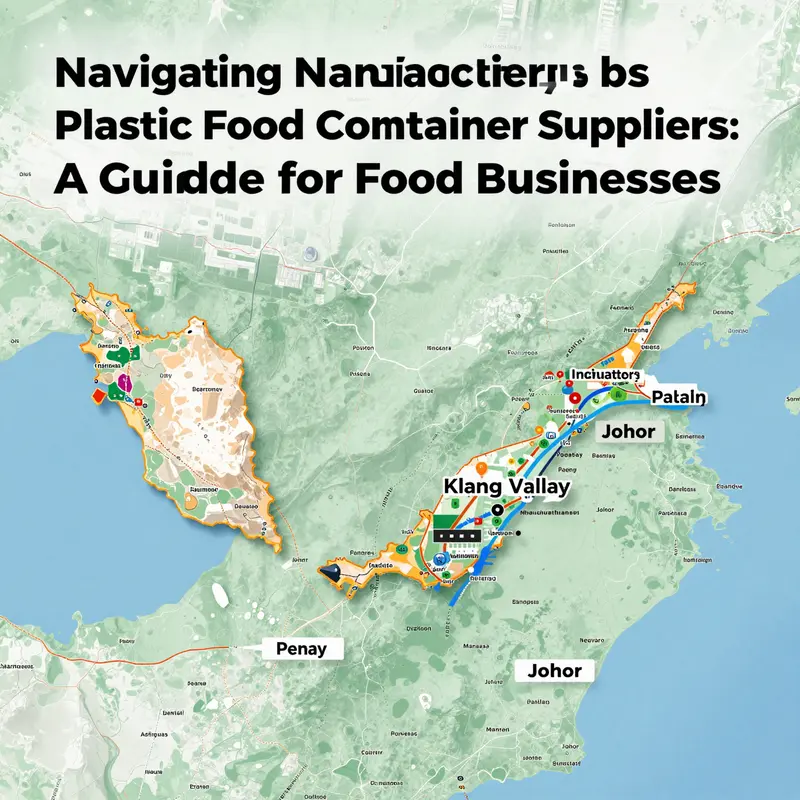
Malaysia’s position as a practical hub for plastic food container supply rests on a triad of well-developed industrial clusters, each with its own focus, strengths, and workflows. When a buyer asks where reliable, compliant packaging comes from, the answer often traces back to Selangor in the Klang Valley, Penang on the island’s northwest coast, and Johor at the southern fringe near Singapore. Together, these regions create an integrated ecosystem that supports not only the manufacturing of food-grade containers but also the end-to-end logistics, regulatory compliance, and scalability required by modern food services, retailers, and manufacturers. Rather than viewing these hubs as isolated pockets of activity, it is more accurate to see them as a connected lattice. Each node adds a layer of capability that strengthens the others, enabling faster prototyping, tighter quality control, and more dependable delivery, all while aligning with regional and international trade arrangements that soften margins and shorten time to market.
Selangor, and specifically the Shah Alam corridor near Port Klang, stands as Malaysia’s premier plastic packaging nerve center. The region benefits from a seamless convergence of material suppliers, mold makers, and processing facilities, all within a few kilometers of one of Southeast Asia’s busiest ports. This proximity to Port Klang translates into tangible advantages for exporting and re-exporting containers and trays. For buyers, this means shorter lead times, quicker customs handling, and a reduced risk of stockouts when demand spikes. The local ecosystem supports injection molding operations that can scale from pilot runs to high-volume production, leveraging automated quality control and in-line inspection to maintain consistency across batches. In practice, this translates into a reliable supply of food-grade trays and containers that meet stringent safety standards while remaining cost-competitive, given the region’s mature logistics framework and access to a broad base of material suppliers.
Penang presents a contrasting but complementary advantage. The island’s manufacturing heritage and tech-focused environment have cultivated a network that excels in high-precision injection molding and stringent process controls. Penang’s capabilities are especially valuable for applications where tighter tolerances, cleaner processes, and adherence to international compliance standards are non-negotiable. Here, the presence of cleanroom facilities, disciplined ISO-based processes, and robust testing infrastructure allows suppliers to demonstrate traceability and consistent performance under regulated market conditions. The Port of Penang itself provides a streamlined export route, reinforcing Penang’s reputation as a premier origin for sophisticated packaging solutions while maintaining competitive logistics costs for regional and global distribution.
Johor completes the triad with geographic and operational leverage near Singapore. The cross-border dynamic fosters a mature supply chain capable of handling high-volume, compliant production with reliable cross-border delivery. Johor-based manufacturers often embed close connections to regional distribution networks, free trade zones, and multi-modal logistics, enabling just-in-time delivery models and rapid responses to shifting demand. This is especially valuable for customers who need predictable replenishment cycles in high-turnover segments. In Johor, the synergy between resin processors, mold designers, and quality testing laboratories supports a seamless path from design to finished product, with the ability to scale while maintaining rigorous standards that meet both domestic and international requirements.
Together, these hubs provide a resilient and dynamic network for plastic food container suppliers in Malaysia. They are not merely local production points but an integrated system that aligns with trade policy and regional logistics capabilities. The Comprehensive and Progressive Agreement for Trans-Pacific Partnership, along with Malaysia’s broader network of free trade agreements, creates channels for market access that can improve pricing, reduce customs friction, and broaden export opportunities. In practice, buyers can pursue a sourcing strategy that respects the distinctive strengths of each hub while seeking a unified supply plan that covers design, testing, production, and distribution. The result is a supply chain that can respond to regulatory expectations, safety standards, and changing consumer preferences with confidence and speed.
For buyers who aim to verify the reliability and align with official guidance, reference points such as the Malaysian Investment Development Authority offer formal insights into how these hubs operate within Malaysia’s broader manufacturing landscape. A deeper dive into official frameworks and sector guidance can be found through the national investment body, which compiles profiles of manufacturers and outlines the criteria by which suppliers are evaluated for compliance and capability. Understanding these frameworks helps buyers map a path from initial supplier screening to ongoing performance management, ensuring that the selected partners are not only capable today but also positioned to scale alongside evolving business needs. As a practical matter, many buyers begin with a structured supplier evaluation that weighs material safety, production capacity, quality systems, and communication effectiveness—then layer in the advantages offered by each hub’s unique strengths to craft a robust, resilient supply plan that supports both domestic and international demand.
From a strategic sourcing perspective, the three hubs collectively help reduce overall risk in the supply chain. Selangor’s speed and scale reduce lead times and improve responsiveness to sudden demand swings. Penang’s emphasis on precision and quality provides a reliable foundation for more technically demanding packaging applications that require tight tolerances and rigorous process controls. Johor’s regionally integrated logistics and cross-border reach ensure that distribution can be synchronized with major markets in the Asia-Pacific region. This combination is particularly valuable when evaluating long-term supplier relationships, where the goal is not only to meet current volume but to maintain continuity in supply across cycles of growth, seasonal demand, and regulatory updates.
Material compliance and safety remain a non-negotiable axis of supplier evaluation in these hubs. Buyers should seek evidence of food-grade resin use, ideally virgin resins with clear certification trails, and demand test reports that align with international standards such as FDA-equivalent benchmarks and EU 10/2011 compliance, which dovetail with local frameworks like the Food Act and Ministry of Health guidelines. The emphasis on test reports and certifications helps ensure that containers and trays will perform under real-world conditions—resisting heat, moisture, and mechanical stress while avoiding material migration that could compromise food safety. Beyond resins, a supplier’s production capacity and scalability must be scrutinized. In a market where demand can surge with retail cycles or new product launches, the ability to increase output quickly without sacrificing quality is essential. The most capable players maintain flexible shift patterns, scalable automation, and robust supply planning that align with customer forecasts and seasonal peaks. They also implement formal quality systems, typically ISO-certified, with documented internal calibration, process audits, and traceability from raw material to finished product. These elements are the quiet backbone of reliability, allowing buyers to place orders with confidence that the same standards will hold across multiple batches and timelines.
Communication remains the invisible hurdle in any supply chain, yet in Malaysia’s hubs, it often distinguishes good suppliers from great partners. Strong, proactive communication—clear timelines, transparent capability disclosures, and rapid responsiveness to inquiries—facilitates smoother project management, reduces the risk of misinterpretation, and supports faster problem resolution when a warranty issue or a design nuance arises. A supplier who can translate regulatory language into practical manufacturing steps—without shrouding the process in jargon—helps buyers maintain compliance while pursuing efficiency gains. The value of this transparency grows as the relationship matures, enabling joint optimization of design, tooling changes, and process improvements that can lower total cost of ownership over time.
A practical sourcing framework for these hubs blends local strength with global access. While it is true that manufacturers in other regions, particularly in China, can offer lower unit costs for certain resin systems and automated lines, Malaysia’s hubs offer an undeniable advantage in proximity, lead-time reduction, and faster customs clearance. For many buyers, the cost equation is not a straight line; it is a balance between price and reliability, with a premium for reduced risk and quicker response in critical markets. In this calculus, the regional hubs can deliver consistent quality, proven regulatory alignment, and a logistical architecture that minimizes delays, especially when orders move across borders or require rapid replenishment for large retailers or food service chains.
Learners and practitioners who want to anchor their sourcing in verifiable reality should consult authoritative industry references that map Malaysia’s manufacturing capabilities to regulatory and market requirements. Official guidance bodies offer frameworks for supplier verification, quality assurance, and export readiness. By understanding these formal resources, buyers can align supplier audits with recognized standards, and design contracts that reflect the expectation of ongoing performance rather than one-off fulfillment. In this sense, the Selangor, Penang, and Johor triad becomes more than a supply route; it becomes a disciplined platform for collaboration, risk management, and continuous improvement.
To bring this into a practical frame, consider how a sourcing plan might unfold in a real-world scenario. A company aiming to consolidate its supply of food-grade containers could begin by mapping demand against the capacity footprints of Selangor for scalable mass production, Penang for high-precision, quality-driven runs, and Johor for high-volume, cross-border distribution. The plan would include a staged qualification process: first, a baseline check of material safety and regulatory alignment; second, a capacity assessment with evidence of scalable output; third, a review of quality management systems and testing protocols; and finally, a procurement and lead-time alignment exercise with cross-functional teams. The outcome would be a supplier roster that not only meets current needs but also provides a path to expansion as the business grows, while maintaining compliance across evolving markets. This approach is especially valuable in markets that rely on robust packaging solutions for perishable goods, where the cost of failure can be measured in product quality, shelf life, and consumer trust.
As part of ongoing governance, buyers are encouraged to engage with official guides and industry resources that offer deeper context on supplier landscapes, regulatory expectations, and market dynamics. These references can help validate supplier claims, benchmark performance, and support due diligence processes that safeguard both reputation and bottom line. For a structured view of official guidance and investment considerations, see the national investment authority, which consolidates sector-specific information and profiles of Malaysian manufacturers. External readers can also explore broader regulations and standards that influence packaging manufacturing in this region. External resource: https://www.mida.gov.my
For readers seeking concrete examples and to explore related packaging capabilities, a curated directory of manufacturers and packaging providers offers verified profiles and evaluation metrics. A representative example from the directory showcases a range of packaging solutions, including premium options for bakery and catering contexts. To illustrate the variety and potential fit, consider exploring Pure color foldable cake boxes with window bakery boxes, pastry boxes for cake chocolates cupcakes gift packaging paper boxes. This example demonstrates how packaging designs can evolve to meet branding, functionality, and safety requirements in a coordinated supply chain. Learn more about these types of packaging formats through the following internal reference that highlights related product configurations and design considerations: pure-color-foldable-cake-boxes-with-window-bakery-boxes-pastry-box-for-cake-chocolates-cupcakes-gift-packaging-paper-boxes.
The broader takeaway for buyers is not a simple choice of where to source; it is a strategic decision to orient procurement around a resilient network with distinct regional strengths. Selangor’s scale and logistical gravity, Penang’s precision and process discipline, and Johor’s cross-border logistics and volume capabilities together create a supply chain that can respond to regulatory changes, demand variability, and the needs of globally distributed food brands. The result is not just a repository of suppliers but a dynamic system capable of sustaining quality, ensuring safety, and delivering value across a spectrum of applications. In practice, this means establishing relationships with partners who offer transparent documentation, consistent production capacity, and measurable quality outcomes, while leveraging the region’s trade advantages to maximize efficiency and minimize risk. When combined with prudent supplier evaluation and a disciplined sourcing framework, Malaysia’s plastic food container supply chain becomes a practical, reliable backbone for businesses aiming to serve both local markets and international customers with confidence and speed.
Trust by Design: A Comprehensive Evaluation Framework for Plastic Food Container Suppliers in Malaysia
Choosing a plastic food container supplier in Malaysia is more than a price comparison. It is a decision that touches food safety, regulatory compliance, supply chain reliability, and the ability to scale with a brand’s growing needs. In a country whose manufacturing strength is anchored in three dynamic hubs—Klang Valley, Penang, and Johor—the right supplier emerges not just from cost tables but from a system of guarantees, capabilities, and transparent processes. This chapter weaves a cohesive framework for evaluating suppliers in this landscape, drawing on regulatory expectations, material science, production discipline, and sustainability. It also situates sourcing choices within the regional geography that shapes lead times, responsiveness, and risk management. The aim is to move from reactionary purchasing to strategic partnerships that deliver consistent quality, traceability, and long-term value for food brands and contract manufacturers alike.
Regulatory and certification foundations anchor every responsible choice. At the core is material safety, which in Malaysia translates into alignment with national food safety standards and the broader international frameworks that buyers increasingly demand. Suppliers should be able to demonstrate compliance through a traceable set of documents and test results. Valid SIRIM certification or demonstrated conformity to robust food safety systems is essential. On the international stage, ISO 22000 offers a comprehensive framework for food safety management that harmonizes with GMP-like practices. Beyond ISO, approvals or correspondence with FDA or EU Food Contact Material standards provide a reassuring signal for buyers who intend to export or supplier-serve markets with strict import requirements. When a supplier speaks in terms of migration testing, non-toxicity, and stability across temperature ranges, buyers should translate those assurances into concrete data: test reports, batch records, and lot traceability threads that can be followed from resin receipt to finished container.
The chain from resin to ready-to-ship container is a meticulous one. Material integrity is not simply about using a certain resin type; it is about selecting the right resin for the intended use and validating its performance. In practice, this means confirming that a supplier employs food-grade resins such as polypropylene (PP), polyethylene (HDPE), PET, or polystyrene (PS) in ways that align with the application. Microwave suitability, freezer resilience, and clarity requirements for display packaging all demand different material properties. For instance, high-clarity PS may be favored for display-oriented packaging, but it must meet hygiene standards and migration limits when used for food contact. Clear guidance about resin choice should be backed by data sheets, supplier QA protocols, and independent test results. The emphasis is not merely on legality but on demonstrable safety and performance across typical use cases in food service and consumer packaging.
Alongside material choices, a supplier’s production discipline matters. In Malaysia’s key clusters, integrated production lines that move from polymer extrusion through printing and sealing create tighter quality control and faster lead times. A mature supplier will be able to articulate how each stage contributes to consistency—how resin quality is checked upon receipt, how in-line sensors monitor thickness and temperature, and how seal integrity is tested before packaging. The most compelling evidence of capability comes from scalable capacity paired with a clear plan for ramping output as demand grows. For brands planning regional distribution, this translates into dependable delivery windows, reduced backlogs, and the confidence that a supplier can absorb seasonal spikes or sudden order increases without compromising safety or speed.
Quality systems and certifications are the silent backbone of reliability. ISO certification signals a formalized approach to quality management that goes beyond individual batch approvals. It implies documented procedures, audit trails, corrective actions, and continual improvement cycles. A supplier that can share a recent surveillance or certification report, along with evidence of calibrated measuring equipment and validated testing protocols, demonstrates a mature quality culture. In practice, this means internal quality control (IQC) teams that perform incoming resin checks, process control (PC) steps that monitor critical parameters during molding, and final finished-goods inspection that catches defects before shipment. Traceability is another non-negotiable aspect. A lot- or batch-based traceability system ensures that every container can be traced back to its resin lot, mold number, and production run date. When issues surface elsewhere in the supply chain, traceability accelerates root cause analysis and containment—two capabilities that can save brands time, money, and reputation.
Communication and responsiveness complete the core triad of capability. A supplier may have all the right certifications and manufacturing chops, yet if they fail to respond promptly or misalign on project timelines, the partnership will erode. Buyers should assess communication through multiple channels and review real-world interactions such as quotation accuracy, change-management handling, and post-sale support. A supplier who demonstrates proactive project management—clear timelines, milestone checks, and transparent escalation paths—acts as a true partner rather than a transactional vendor. In the context of Malaysia’s regional hubs, responsiveness is also a function of logistics clarity. Buyers benefit when suppliers can coordinate with local ports, customs brokers, and freight forwarders to anticipate and mitigate delays. Strong supplier communication gels with the logistics ecosystem that supports fast customs clearance and reliable distribution across the country’s industrial belts.
Sustainability and environmental compliance increasingly shape supplier selection. The global packaging agenda pushes toward recyclability, recyclability compatibility, and, where possible, circularity. A forward-looking supplier offers more than conventional plastics; they provide options in biodegradable or compostable materials, such as PLA or PBAT blends, and transparent information about end-of-life handling. Even when a brand does not require fully compostable containers, offering sustainable alternatives signals alignment with ESG commitments and growing regulatory expectations. Malaysia’s own context—its diverse materials ecosystem, including palm-based and natural rubber feedstocks—creates opportunities for bio-based packaging solutions and green manufacturing incentives. Government frameworks like Green Investment Tax Allowance (GITA) can lower the cost of adopting sustainable manufacturing practices, making Malaysian suppliers more attractive for brands pursuing long-term environmental goals. Buyers should request information about supplier sustainability roadmaps, energy usage, waste management, and any third-party certifications that verify environmental claims. The aim is to identify partners who can help brands reduce carbon footprints while maintaining or enhancing product safety and performance.
Digital integration and traceability complete the picture of a modern, resilient supplier. The most effective manufacturers increasingly deploy digital systems that connect every move from order placement to final delivery. Real-time order status, digital certificates of conformance, and online access to test results support a transparent, auditable supply chain. For buyers, digital tooling translates into shorter cycle times, fewer errors, and faster resolution of deviations. It also enables proactive risk management by flagging potential bottlenecks, tracking supplier performance metrics, and maintaining a consistent audit trail for regulators and customers alike. A supplier who can present dashboards, electronic lot traceability, and secure document portals signals readiness for the data-driven supply chains that dominate contemporary packaging procurement.
Regional sourcing dynamics in Malaysia add nuance to the evaluation process. The Klang Valley cluster, with its dense logistics network and proximity to Port Klang, facilitates rapid prototyping, quick changeovers, and tight lead times for local customers. Penang’s mature plastics ecosystem offers sophisticated plastics and electronics know-how, plus an advantageous export orientation that aligns with global distribution. Johor’s cross-border advantages with Singapore translate into favorable cost structures and reliable cross-border throughput, complemented by experienced polymer processors, mold designers, and testing labs. These regional strengths influence supplier selection by shaping performance expectations in areas like turnaround speed, customization capabilities, and logistics reliability. A supplier that can demonstrate integrated capabilities across these hubs—whether through geographically distributed production or via strong partnerships with regional sub-suppliers—gains a distinct competitive edge.
The decision to source locally versus importing from abroad hinges on a nuanced balance of cost, reliability, compliance, and scalability. While some foreign suppliers may offer lower quoted prices for specific plastics or molded components due to scale, the Malaysian ecosystem often provides shorter lead times, smoother customs clearance, and better after-sales support. For many food brands, the calculus favors suppliers who can deliver consistency in quality and timing within the regional market rather than the lowest upfront price. The most robust supplier assessments integrate all four pillars—regulatory alignment, material integrity, manufacturing discipline, and sustainability—into a coherent risk-adjusted scorecard. This approach reduces the likelihood of supply disruption, recalls, or non-compliance shocks that disrupt a brand’s ability to serve customers reliably.
In practice, this evaluation framework translates into a disciplined supplier selection workflow. Begin with a documented requirements brief that links product applications to resin types, temperatures, and regulatory expectations. Request a formal technical dossier that includes resin certification, migration data, and IQC/IPC documentation, plus evidence of ISO 9001 or equivalent quality-management systems. Seek clarity on production capacity and future scalability, including an outline of automation levels, mold maintenance schedules, and batch-changeover lead times. Insist on a clear quality-control regime with defined acceptance criteria, sampling plans, and non-conformance handling procedures. Require a comprehension of sustainability options, with credible data on recyclability, end-of-life strategies, and any certifications for bio-based materials. Finally, test the supplier’s responsiveness with a small, time-bound pilot that aligns production readiness with your forecast. A successful pilot lowers risk, builds trust, and serves as a blueprint for a broader rollout.
The practical value of this approach is illustrated by a single, representative design decision: packaging that must remain safe and intact across transit, display, and consumer handling. When a buyer selects a container for a moisture-rich or oil-based product, they must ensure compatibility with the chosen resin, seal integrity, and long-term stability. They must also ensure that the packaging can be produced in scalable quantities without compromising the controls that guarantee hygiene and safety. An integrated supplier will provide test data showing how a certain PP or HDPE formulation performs under microwave heating, or how a PS container behaves during frozen storage. The narrative behind the numbers matters just as much as the numbers themselves. That narrative is built through a partnership in which engineering teams, QA, and procurement speak a common language and share a mutual commitment to safety, performance, and sustainability.
As buyers evolve from single-order purchases to ongoing supplier relationships, the value of one reliable partner becomes clearer. The most trusted suppliers are those who can fuse rigorous standards with practical flexibility. They adjust to forecast changes, collaborate on design improvements, and respond quickly to regulatory updates. They provide transparent pricing that accounts for raw-material volatility, while offering alternative packaging configurations when needed to meet evolving food-safety requirements. They demonstrate resilience by maintaining business continuity plans, diversifying supply sources where appropriate, and ensuring that critical materials are available even in less stable market periods. In this sense, supplier evaluation becomes a strategic capability that strengthens a brand’s overall risk posture and competitiveness in Southeast Asia’s packaging markets.
For readers seeking a practical touchpoint within the broader landscape, consider the following example of packaging design as it relates to evaluation. A supplier’s portfolio of container formats often signals design maturity and manufacturing versatility. The ability to offer a range of sizes, closure types, and printing options without sacrificing hygiene or safety points to an industrial mindset that values end-user experience and compliance. Likewise, a supplier that can integrate with a client’s packaging workflow—through compatible labeling, coordinated color-matched printing, and standardized packaging units—reduces complexity and leads to smoother production flows. This is where a thoughtful, design-conscious supplier becomes a strategic ally rather than a mere vendor. And in Malaysia, where regional hubs concentrate talent and capabilities, such partnerships are more attainable than ever, given the accessibility of skilled engineers, quality specialists, and logistics experts who understand the nuances of food-contact plastics.
In closing, an evaluation framework that foregrounds regulatory alignment, material integrity, manufacturing discipline, and sustainability equips buyers to move beyond ad hoc sourcing. It supports a resilient supply ecosystem that can adapt to shifting market dynamics, regulatory changes, and evolving consumer expectations. The three Malaysian hubs offer a complementary mix of speed, sophistication, and cost structure, enabling buyers to tailor their supplier network to specific product lines, distribution models, and brand goals. The result is a supplier landscape in which reliability, safety, and environmental stewardship are not afterthoughts but foundational criteria embedded in every decision. And as the packaging world continues to innovate, those who couple scientific rigor with collaborative partnerships will lead in safety, performance, and responsible growth. To see how packaging design meets real-world constraints and supplier capabilities, consider a practical example of container formats and the ways a supplier’s design and manufacturing prowess can align with a brand’s requirements. See the example here: Pure Color Foldable Cake Boxes with Window.
For readers who wish to verify industry-standard practices and obtain up-to-date verification on supplier capabilities, the official SIRIM QAS International website offers authoritative resources and testing standards that underpin the evaluation framework discussed here. Access the resource at https://www.sirim.my.
Navigating Malaysia’s Plastic Food Container Sourcing Landscape: Strategic Pathways for Reliability, Compliance, and Growth
In the crowded arena of food packaging, reliability is the quiet currency that sustains brands, speeds distribution, and protects consumer trust. For buyers in Malaysia, the search for plastic food container suppliers is not simply a test of price or capacity. It is a strategic voyage through three interconnected ecosystems, each with its own rhythm, strengths, and risks. The Klang Valley, Penang, and Johor form a triad of industrial clusters that collectively underpin an end-to-end supply chain. Understanding how these clusters operate—where they concentrate expertise, how they move materials, and how they connect to international markets—offers a practical lens for making sourcing decisions that stand up to the demands of scaling, regulatory scrutiny, and evolving consumer expectations. The aim is not to chase the shortest lead time or the lowest unit cost, but to cultivate suppliers who can grow with you, deliver consistently, and maintain the integrity of your packaging as a frontline ambassador for your brand.
First, locating opportunity within geography is a foundational step. Selangor’s Klang Valley is a natural starting point for most strategic sourcing efforts. It is Malaysia’s economic heartbeat, with proximity to Port Klang and Kuala Lumpur International Airport creating a dual-axis of export readiness and rapid domestic distribution. This region benefits from a mature, interconnected supply chain that includes resin suppliers, mold makers, and packaging integrators operating within well-established industrial parks. The advantage is not merely speed; it is the ability to align procurement risk with production planning. When a supplier can arrange material flow, tooling, and assembly under a single umbrella, coordination complexity drops, and response times tighten. The Penang axis, anchored by the Bayan Lepas Free Industrial Zone, adds a dimension of precision engineering and rigorous quality control. Penang’s plastics community has a reputation for technical capability and process discipline, which translates into tighter tolerances for complex container designs, more consistent sealing performance, and clearer traceability from resin to finished part. Finally, Johor’s cross-border proximity to Singapore translates into favorable logistics economics and slightly lower operating costs, without sacrificing quality standards. The Johor corridor has matured into a robust ecosystem that includes polymer processors, mold designers, quality laboratories, and logistics networks that can support both regional and cross-border distribution. Together, these hubs create a largely resilient sandbox in which manufacturers can optimize cycle times, test new materials, and adjust to demand shocks without disconnecting critical elements of the supply chain.
But geography alone does not determine success. The choice of supplier should be guided by capabilities that extend beyond a single price tag or a glossy certification. Strategic sourcing in this sector demands a holistic appraisal of technical competence, compliance posture, and organizational transparency. Technical capability is essential because plastic food containers come in a spectrum of forms—from injection-m molded and thermoformed shapes to multilayer barrier films and complex lid assemblies. A supplier’s portfolio should reflect versatility in producing the exact container architecture you require, using food-grade resins such as polypropylene, polyethylene, or PET that comply with safety standards. More than accessibility, it is the ability to handle design complexity, scale production, and maintain dimensional stability under normal and accelerated use conditions that matters. Documentation accompanies capability. Material data sheets, test reports, and traceability records should be standard deliverables, particularly when exporting to markets that enforce strict food safety and environmental requirements. In practice, buyers benefit from requesting evidence of contamination controls, seal properties, contact migration data, and physical stresses such as puncture resistance and drop tests. This documentation is not merely a formality; it is the backbone that supports quality decisions and reduces the risk of post-sale defects that can erode consumer confidence.
Regulatory alignment and certifications form a second pillar of a prudent sourcing strategy. International markets reward rigor, and while ISO 9001 certification is common, the deeper value lies in the supplier’s internal quality systems and how they are executed on the factory floor. In Malaysia, compliance with FDA or EU regulations, as applicable to your target markets, should translate into clear evidence of a supplier’s quality culture. Ask for third-party audit reports, internal quality control procedures, and procedural controls that govern raw material handling, production changeovers, and end-of-line inspections. An integrated quality system means that deviations are caught early, corrective actions are tracked, and improvements are sustained rather than episodic. A responsible supplier will also be transparent about raw material sourcing and will provide assurance through certificates of conformity, supplier declarations, and, where feasible, full material traceability from resin supplier to finished container. In addition to safety compliance, sustainability is increasingly embedded in procurement criteria. A growing cadre of Malaysian manufacturers now offers options aligned with eco-friendly trends—recyclable materials, reduced oil-based content, and compostable packaging substrates where appropriate. For buyers, sustainability is not merely a branding virtue; it can influence consumer perception and regulatory alignment, as markets increasingly favor brands with credible environmental stewardship.
Capacity and throughput—or what the industry sometimes labels production capacity and scalability—cannot be overlooked. A supplier may demonstrate blue-chip certifications and robust quality systems, yet fail to meet your volume curve during peak periods. The antidote is a cross-functional perspective that blends capacity planning with supply risk management. Look for evidence of integrated production lines where material processing, molding, assembly, and packaging are co-located or tightly synchronized. This arrangement typically reduces changeover times, improves traceability, and minimizes shipment delays caused by handoffs or subcontracting gaps. Practically, you want to see credible data on lead times, order fill rates, and on-time delivery performance. A dependable supplier should be able to articulate their standard lead times—whether a modest 15 days or a longer schedule—and provide options for expedited lanes or air-freight support for time-sensitive programs. Importantly, scalability should be a deliberate capability rather than a hopeful outcome. Ask about their capacity expansion plans, supplier development programs, and how they balance custom work with high-volume production without compromising consistency.
Beyond the mechanics of production, the sourcing conversation must embrace the dynamic pressures shaping today’s packaging market. Demand for lightweight yet strong containers, barrier properties that preserve food freshness, and compatibility with rapid product life cycles calls for a supplier ecosystem that can innovate in tandem with your brand. In this regard, sustainability has moved from a compliance issue to a strategic differentiator. Buyers should evaluate whether suppliers offer a portfolio of sustainable options—such as recyclable resin streams, reduced-waste processes, and compatibility with BPA-free barriers—while maintaining the performance standards required for put- or pull-based distribution models. The value proposition is straightforward: a supplier that can deliver sustainable materials without sacrificing reliability or cost efficiency reduces total cost of ownership over the product life cycle and enhances the brand’s credibility with eco-conscious consumers.
Operational transparency remains a cornerstone of trusted supplier relationships. Clear communication, proactive project management, and consistent reporting allow buyers to anticipate issues before they escalate. A supplier who can share production calendars, material availability forecasts, and batch-level quality metrics contributes to smoother planning and lower inventory risk. In practice, this means a collaborative posture—one that treats procurement as a joint program rather than a transactional exchange. You should expect a single point of contact who understands your specifications, your packaging architecture, and your distribution timelines. A robust supplier relationship is built on regular updates, transparent change management, and a shared language around quality and safety. When questions arise, the best partners respond quickly with evidenced answers, not evasive explanations. This degree of responsiveness is a predictor of long-term reliability, especially when supply chains encounter disruptions or regulatory shifts.
In planning a sourcing strategy that remains relevant over time, it is useful to think in layered terms: location-driven efficiencies, capability-driven competence, compliance-driven trust, capacity-driven resilience, and sustainability-driven differentiation. Start with location by prioritizing suppliers who can offer proximity without compromising capability. In practice, you might structure supplier evaluation around a few core questions: Can this partner meet my current monthly volume and ramp to the next tier within a defined timeline? Do they present a credible path to acquiring or upgrading certifications that align with target markets? Are their quality systems auditable, and can they demonstrate traceability across batches? How do they communicate, and are they prepared to share regular progress reports as part of a formal vendor program? Answering these questions with data and documented evidence is far more valuable than surface-level assurances.
The sourcing journey also involves strategic trade-offs between local and imported options. Malaysia’s advantageous geographic position within regional trade agreements can support favorable pricing and quicker customs clearance compared to some distant suppliers, while China’s fully integrated supply chains and automation continue to offer cost advantages on certain commodity container types. The decision to localize versus import should be guided by a balanced calculus that weighs lead times, regulatory compliance, total landed cost, and long-term scalability. A well-structured sourcing strategy may combine both local partners and selective imports, using the local ecosystem for quick-turn projects, high-availability SKUs, and strategic collaborations, while leveraging international suppliers for specialized designs or large, long-term programs requiring deepest cost efficiency. The objective is not to choose one path exclusively but to design a resilient mix that minimizes vulnerability to single-source dependency, currency fluctuations, or border frictions.
In this strategic framework, documentation becomes a practical tool for governance. Establishing a formal supplier qualification process helps translate the above principles into actionable criteria. The process should include a clear set of requirements for material compliance, production capacity, quality systems, and communication standards. Requesting auditable pieces of evidence—FDA/EU regulatory alignment documents, internal quality manuals, process flow diagrams, and material test results—helps transform qualitative impressions into objective judgment. A well-documented vendor program also supports negotiation and collaboration by providing a baseline against which performance can be measured, reviewed, and improved over time. The goal is to cultivate a stable supply partner network in which each member understands expectations, shares progress openly, and aligns incentives with quality, safety, and customer satisfaction.
Amidst this, the role of sustainability cannot be overstated. Consumers increasingly demand packaging solutions that reduce environmental impact without compromising safety and convenience. This trend creates a guiding roadmap for supplier selection and development. Partners that actively pursue recyclable materials, BPA-free barriers, minimized solvent use, and waste reduction across the manufacturing process demonstrate a capacity to innovate in ways that support your brand’s environmental commitments. Sustainability, in turn, often coincides with efficiency gains—less waste, better yield, and improved material utilization—that translate into lower total costs and a stronger competitive edge. As you evaluate potential suppliers, look for evidence of sustainable practice in the production line, such as closed-loop recycling, material reuse programs, and packaging designs that maximize recyclable content while maintaining performance.
To translate these principles into concrete action, consider embedding them in a formal sourcing playbook. Begin with a clear supplier segmentation that prioritizes strategic partners capable of alignment on quality, compliance, and long-term growth. Then implement a structured evaluation framework that blends quantitative metrics—lead time, on-time delivery, defect rate, and audit results—with qualitative assessments of communication quality and cultural fit. The playbook should also specify escalation paths for risk events, such as supply interruptions or regulatory changes, and include contingency strategies that preserve production momentum. In parallel, develop a supplier development plan for high-potential partners. Shared improvement roadmaps—covering process improvements, equipment upgrades, and training—help elevate performance and deepen collaboration. A mature program like this not only secures supply but also positions your organization to respond with agility when market dynamics shift or new regulatory demands arise.
In the end, the strategic sourcing journey for plastic food container suppliers in Malaysia is about aligning geography, capability, compliance, capacity, and sustainability into a coherent, forward-looking procurement program. It is a continuous process of learning, testing, and refining, built on data-driven decisions and trusted partnerships. The most effective buyers cultivate close, transparent relationships with a slim, adaptable roster of suppliers who can grow with them—suppliers who can scale, who can innovate, and who can stand up to the scrutiny of global markets while maintaining the local advantages that Malaysia offers. This approach reduces risk, shortens cycles, supports consistent quality, and reinforces the brand promise that consumer trust rests on packaging as much as on product.
For practitioners seeking practical benchmarks and a pathway to verify supplier options within Malaysia’s vibrant packaging landscape, exploring the broader reference materials on packaging suppliers can be instructive. A widely used resource catalogues verified listings of Malaysian manufacturers and evaluates key metrics for food packaging solutions, helping buyers compare profiles without being overwhelmed by optional features. While individual supplier capabilities will vary, the underlying framework—assessing material safety, production capacity, quality control, and responsive communication—remains consistent and actionable. For readers who want a concrete external reference to contextualize this approach, this broader directory offers a trusted starting point for due diligence and supplier discovery. See the external resource for a more expansive look at the landscape and how it intersects with regulatory expectations and market opportunities.
Internal link reference: foldable cake boxes with window. This example illustrates how packaging components can be evaluated for versatility and supply chain compatibility, reinforcing the point that supplier capability must extend to design flexibility, packaging integrity, and reliable logistics. For readers seeking broader context on packaging categories and supplier profiles within Malaysia, a curated directory of packaging manufacturers provides a credible baseline for comparative analysis and outreach. External references can complement this approach by offering updated market intelligence on supplier performance, certification status, and regional capabilities. External resource: https://www.malaysiabusinessdirectory.com/food-tray-suppliers-malaysia/
Between Green Mandates and Global Gateways: Market Trends Shaping Malaysia’s Plastic Food Container Suppliers
Malaysia’s plastic food container landscape stands at a deliberate inflection point. A market valued at roughly 3.9 million dollars in 2024 is projected to grow to about 5.6 million by 2032, a steady 4.2% CAGR that mirrors broader global demand for rigid packaging in the food sector. The numbers reflect more than mere appetite; they reveal a shifting ecosystem where sustainability, regulatory alignment, and strategic regional advantages converge to redefine how containers are designed, manufactured, and delivered. Industry players are not simply chasing cheaper inputs or faster cycles. They are recalibrating the very criteria by which supply partners are chosen, testing new materials, and reconfiguring supply chains to balance cost with reliability, compliance, and scalability. In this sense, the Malaysian market is less about a static product and more about a dynamic capability set that can meet the complex demands of a modern food business, from local takeout fleets to export-driven brands seeking regional distribution across Southeast Asia and beyond. The shifts are being led by three forces in particular: sustainability mandates that push for greener formulations and end-of-life solutions; the evolution of industrial clusters that knit together raw-material processing, mold design, testing, and logistics; and a strategic sourcing mindset that treats supplier selection as a holistic, risk-aware process rather than a simple price comparison. The convergence of these forces is reshaping expectations around quality, compliance, and speed to market, and it is here that Malaysia’s distinct value proposition emerges with clarity.
Sustainability has graduated from a social concern to a core competency for plastic packaging in Malaysia. Manufacturers are moving away from traditional plastics toward bio-based resins and biodegradable alternatives, not just as a marketing claim but as an operational priority. Materials such as polylactic acid blends and starch-based formulations are being explored in tandem with conventional polymers like PP and PET, with careful attention paid to performance metrics such as heat resistance, seal integrity, and transparency. This transition is underpinned by a robust feedstock base—Malaysia’s strong position in palm oil and natural rubber provides a cost-edge for certain bio-polymer innovations, while specialized processors have begun integrating bio-based streams into existing production lines. Government incentives such as the Green Investment Tax Allowance further encourage investment in green manufacturing, turning sustainability into a competitive differentiator rather than a compliance afterthought. For buyers, this translates into a value proposition that combines responsible packaging with consistent performance, a combination that reduces risk in both domestic channels and export markets that are increasingly sensitive to sustainability claims and regulatory scrutiny.
Strategic industrial hubs continue to shape the economics of supply. Johor, with its close proximity to Singapore, offers a mature ecosystem that supports end-to-end production—from polymer processing and mold design to quality testing and logistics. Penang anchors a convergence of plastics and electronics know-how with a well-developed free industrial zone, while the Klang Valley provides connectivity, a skilled workforce, and proximity to raw-material suppliers and advanced logistics at Port Klang. These clusters function as integrated ecosystems, mitigating bottlenecks that plague more dispersed supply models. They enable shorter lead times, faster customs clearance, and more predictable production schedules, which are critical for food-grade containers where shelf-life, temperature stability, and regulatory compliance must be maintained from factory floor to consumer hands. The regional scale of these hubs also means faster prototyping and iteration cycles for new designs—an advantage as brands seek to differentiate through packaging features such as improved seal performance, stackability, and moisture resistance, all without sacrificing manufacturability or cost control. Across these hubs, the supply chain is more than a network of machines; it is a linked set of capabilities that span material science, tooling, process control, and rigorous quality assurance, all aligned to the food safety standards that govern local and international markets.
The regulatory and standards environment is a second pillar shaping market behavior. Compliance remains the baseline, but the expectations attached to compliance have evolved. Vendors are increasingly required to demonstrate adherence to food-contact safety regimes, including risk-based documentation such as material data sheets, test reports on seal strength and puncture resistance, and explicit conformity with recognized standards for food-contact materials such as FDA and EU 10/2011. Malaysia’s Food Act 1983, together with guidelines from the Ministry of Health, provides a framework within which suppliers must operate. The emphasis now is on traceability and validation: not only can a resin be certified as food-grade, but its path through the production line—from resin pellets to finished tray or container—must be auditable. This creates a higher barrier to entry for new players and reinforces the value of established producers who have invested in certified quality-management systems and ongoing internal testing regimes. In practice, buyers are no longer satisfied with generic compliance statements; they seek verifiable evidence of performance across multiple dimensions—printability of inks, stability under freeze-thaw cycles, and compatibility with conventional cleaning processes used in food manufacturing and hospitality operations. The upshot is a market where the confidence to scale hinges on disciplined process controls and transparent, verifiable data.
In this landscape, supplier selection has grown into a robust, strategic exercise. It transcends unit price and delivery speed to evaluate a provider’s overall capability to sustain a client’s growth trajectory. Buyers increasingly demand evidence of robust quality systems, demonstrated regulatory compliance, and the capacity to meet evolving demand patterns without compromising consistency. The evaluation extends to manufacturing scale and flexibility: can a supplier ramp output during peak periods or shift mixes to accommodate new product lines? Do they have the capacity to support regional distribution across Southeast Asia with consistent lead times? A sophisticated supplier will present a portfolio of evidence—quality certificates, process-control metrics, and a clear plan for scale-up as a customer’s orders expand. Communication becomes a live performance metric; responsiveness, clarity, and proactive project management are viewed as indicators of reliability that correlate with lower total-cost-of-ownership. In practice, this means engaging with manufacturers who can articulate a comprehensive quality-control regime, including inline inspections, regular third-party audits, and a culture of continuous improvement. It also means asking for customizations that extend beyond the basic container: UV stabilization, anti-static additives, or structural adaptations that address niche applications such as fermentation vessels or high-capacity storage, all while preserving compatibility with existing production flows.
The production front in Malaysia is increasingly defined by automation and modularity. Industry leaders are deploying high-efficiency injection molding and thermoforming lines capable of producing hundreds of thousands to millions of units per month. This scale is essential for brands seeking to optimize cost-per-part while maintaining tight tolerances for fit and finish. Yet automation does not eliminate planning discipline; rather, it intensifies the need for advanced process control and data analytics. Producers are adopting digital traceability, real-time monitoring, and predictive maintenance to minimize unplanned downtime and ensure consistent quality across batches. The result is a more predictable supply chain where risks associated with sporadic quality issues or capacity constraints are mitigated by the ability to forecast demand and adjust production schedules accordingly. This alignment of operational excellence with strategic sourcing makes Malaysia an increasingly reliable partner for global brands that require both speed and assurance in equal measure. The market’s maturity is reflected in the way conversations with suppliers unfold; buyers discuss capacity curves, service-level commitments, and contingency plans with the same ease with which they discuss resin grades and testing protocols.
The decision between local supply and imports is no longer a simple choice of domestic loyalty versus lower price. It is a calculated balance of critical trade-offs. Local suppliers bring the advantages of shorter lead times, simplified customs, and a tighter alignment with regional distribution networks. These attributes reduce the risk of stockouts and expedite replenishment cycles for fast-moving consumer goods and ready-meal packaging. Imported supply can offer cost benefits in certain resin families or when a client requires highly specialized materials or certifications that are not yet represented locally. The optimal approach today is not to default to one path but to design a sourcing architecture that can flexibly alternate between local and foreign inputs as demand, regulatory requirements, and currency dynamics change. In this architecture, a regional logistics backbone plays a crucial role. It ensures that even with a mix of inputs, products can be delivered with uniform quality and predictable timing, a necessity for food-packaging programs that support restaurants, caterers, and retail channels across markets.
Beyond the mechanics of supply and compliance, the market is also being shaped by evolving consumer expectations around packaging design and lifecycle impact. There is growing demand for packaging that balances durability with recyclability, that can withstand the rigors of cold-chain logistics, and that communicates safety and quality at a glance. This demand is pushing designers to rethink container geometry, lid integrity, and surface treatments that can support labeling and branding without compromising material integrity. In response, manufacturers are exploring more modular designs that can be repurposed for different products, enabling more efficient end-of-life processing. Even where the push toward recyclability is incremental, it is a real driver of change because it affects both the choice of resin and the compatibility of finished containers with local recycling streams. The consequence for buyers is a packaging ecosystem that can deliver on performance while also supporting sustainability targets, reducing waste, and aligning with corporate social responsibility commitments.
Against this backdrop, the practical steps for sourcing become a blend of rigorous evaluation and opportunistic engagement. Buyers should request material data sheets that reveal not only resin types but their processing histories, including additives, stabilizers, and colorants. Test reports on seal strength—vital for preventing leaks in storage and transport—along with puncture resistance and ink migration data, offer a practical basis for comparing suppliers. When a manufacturer can demonstrate these attributes through up-to-date documentation and third-party certifications, it signals a mature operation with a robust internal quality-control framework. It also signals a willingness to partner in a longer-term program that may involve co-development, customization, and joint process improvements. The trend toward customization is not simply about fancy features; it reflects the market’s demand for containers that meet specific regulatory, logistical, and customer experience needs. A supplier who can reconcile custom design with reliable mass production is uniquely positioned to support growth without sacrificing quality or timeliness.
In the broader sourcing narrative, Malaysia’s advantageous logistics position within global trade networks is a differentiator. Although China remains a dominant source for cost-sensitive inputs, Malaysia offers meaningful benefits in the form of shorter lead times, more predictable customs clearance, and stronger regional logistics support. The choice between local and imported supply becomes a strategic decision about risk, resilience, and speed to market. As such, buyers increasingly map their supplier ecosystems not just by capability but by how well a partner can adapt to changing demand patterns, regulatory updates, and evolving packaging standards. The end result is a more resilient, responsive supply chain that can support a brand’s expansion across Asia and into markets that share similar regulatory expectations for food-contact materials. For readers seeking a deeper external perspective on how these dynamics are playing out, one can consult broader industry analysis that synthesizes market trends with practical sourcing guidance. See the article How to Source Reliable Plastic Container Suppliers in Malaysia: A Strategic Guide for B2B Buyers for a comprehensive external viewpoint on these themes.
As a practical takeaway, buyers should consider engaging with a supplier who can articulate not only a current capabilities snapshot but also a credible roadmap for future-proofing packaging programs. This means partnerships that incorporate ongoing material science exploration, access to pilot lines for rapid prototyping, and the organizational discipline to implement improvements across the value chain. It means prioritizing suppliers who can demonstrate a track record of meeting regulatory milestones, who can provide assurance of scale-up capacity, and who communicate with clarity and consistency, even when schedules shift. It means recognizing that the most reliable packaging partner is not the one with the lowest price today, but the one that can deliver quality, compliance, and flexibility with minimal friction as a brand grows. In Malaysia, this combination of sustainability ambition, regional manufacturing depth, and a disciplined approach to supplier management positions the market to respond decisively to evolving global packaging needs, while continuing to serve local industries with the reliability that modern food businesses require. The narrative is not about a single trend but about a connected set of trends that together create a compelling case for Malaysia as a sourcing destination for plastic food containers, one that can meet the demands of today while strategically preparing for tomorrow.
For readers who want to explore a practical example of how these dynamics surface in the market, a relevant resource highlights verified manufacturer profiles and evaluation metrics for food packaging solutions within Malaysia. This reference provides a snapshot of how suppliers present their capabilities, how buyers can assess them, and how to translate that assessment into a sourcing plan that aligns with business goals and regulatory expectations. custom takeaway packaging supplies
External reference: For broader context on the evolving landscape and vendor selection practices in Malaysia, see How to Source Reliable Plastic Container Suppliers in Malaysia: A Strategic Guide for B2B Buyers at https://www.linkedin.com/pulse/how-source-reliable-plastic-container-suppliers-malaysia-strategic-2026/
Final thoughts
Choosing the right supplier for plastic food containers in Malaysia is essential for food businesses aiming to thrive in a competitive landscape. By understanding the key manufacturing hubs, applying critical evaluation criteria, utilizing strategic sourcing techniques, and staying abreast of market trends, businesses can ensure they partner with suppliers that enhance their operational capabilities and comply with safety standards. The right choice not only meets immediate needs but also paves the way for future growth and sustainability in the ever-evolving food service industry.