
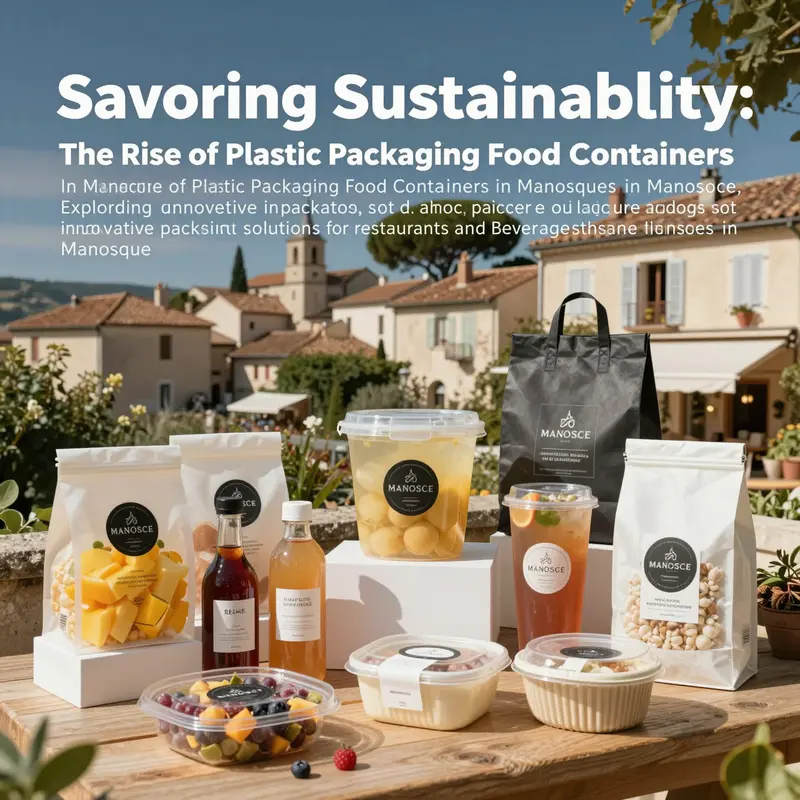
The culinary scene in Manosque, France, is vibrant and evolving, with an increasing demand for efficient and sustainable food packaging solutions. As the hub for restaurants, catering services, and trendy bubble tea shops, the choice of food containers is pivotal for service excellence and customer satisfaction. This article delves into the realm of plastic food packaging containers, outlining their types and significance in catering to the unique needs of local businesses, thereby ensuring quality, convenience, and eco-friendliness. From the diverse offerings of bubble tea to the delightful menus of food trucks, understanding the landscape of plastic food packaging in Manosque is essential for any business aiming to thrive in this competitive environment.
Sunlit Provençal Aisles: Plastic Food Containers in Manosque, France, and the Pursuit of Safer, Smarter Packaging
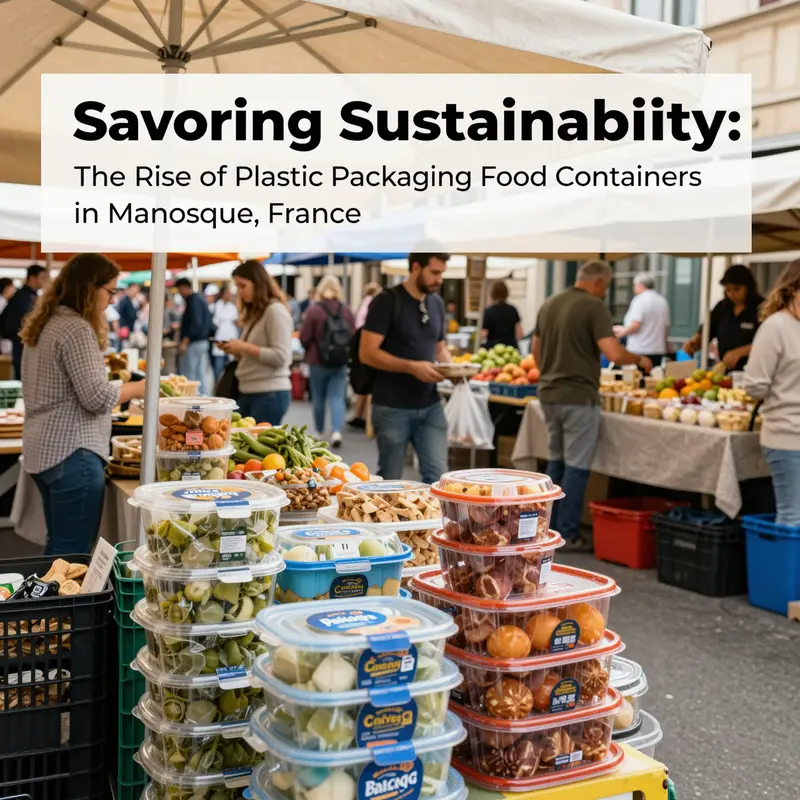
Manosque sits along the sun-warmed plains of the Provence-Alpes-Côte d’Azur region, a town known more for its lavender fields and alpine air than for being a global epicenter of packaging innovation. Yet in the economy that threads through its shops, markets, and small eateries, plastic food containers are a quiet but ubiquitous presence. The larger story here is not about a single factory or brand, but about how a town in southeastern France participates in a continental supply chain that moves everything from fresh fruit and bakery items to ready-to-eat meals into a crowded urban and rural landscape. The broader French context matters because France is a major European consumer and producer in the food packaging ecosystem. The country relies on a spectrum of plastic containers that balance clarity, weight, barrier properties, and recyclability. In practice, that means a lot of transparent PET trays for produce and baked goods, sturdy PP or PS trays for takeout, and a class of flexible packaging options that keep snack foods, dry goods, and prepared meals in good condition while traveling from kitchen to consumer.
In Manosque, as in many smaller towns, the demand signals come from a mixture of retail, hospitality, and local manufacturing. While the town itself may not host a large plastic packaging production hub, it sits within a regional fabric where small and mid-sized firms do much of the editing, labeling, and distribution work that keeps shelves stocked and takeout windows open. The implication is straightforward: local businesses rely on standard, widely available packaging formats—containers that are familiar to the waste management system, compliant with safety regulations, and adaptable to branding needs. The practical reality is that a sizable portion of the packaging used in Manosque is part of a continental supply chain that favors recyclability, safety, and functional performance. The opportunity here is to understand how those containers operate at the local level and how shifts in policy, consumer demand, and scientific insight ripple through the town’s food economy.
A telling clue about the local dimension of this story is the presence of industrial activity in the area, even if the core business is not the production of plastics themselves. For example, facilities such as LABORATOIRES M&L—though formally tied to the broader industrial milieu of the Saint Maurice zone near Manosque—underline how a regional economy supports specialized operations that require a careful approach to packaging, hygienic handling, and product protection. This does not imply that Manosque is a packaging manufacturing capital, but it does highlight a practical truth: the town depends on a network that connects raw materials, processing, packaging, and end-use in ways that matter to everyday life. In this sense, the packaging used in local groceries, bakeries, and casual dining spots is not merely a container; it is a node in a safety-conscious, efficiency-driven system that has implications for public health, environmental stewardship, and consumer trust.
To understand the kinds of plastic food containers most commonly encountered in Manosque—and in the broader French market—it helps to situate them within the European and national regulatory and industrial landscape. Transparent plastic trays, often made from PET, have become almost ubiquitous for their ability to showcase foods while offering a reliable barrier to moisture, oxygen, and contaminants. They are valued for weight, clarity, and recyclability, a mix that appeals to both retailers and waste streams that seek to close the loop. Rigid trays made of polypropylene or polystyrene are frequently used for takeout and ready-to-eat meals because they strike a balance between heat resistance, rigidity, and cost. Flexible stand-up pouches and gusseted bags serve the snack and dry-goods segment by delivering compact, space-efficient packaging that travels well through distribution channels and into households. Taken together, these formats reflect a market that prioritizes safety, convenience, and the practical realities of French consumer behavior, where meals are increasingly consumed away from home but with a strong expectation of quality and food integrity.
The French and European attention to packaging safety and sustainability has been accelerated by regulatory frames and industry-led innovation. Across France and the European Union, packaging must align with safety standards, recyclability targets, and the growing interest in reducing environmental footprints. That means container designs that minimize the use of virgin plastics, maximize recyclability, and, where possible, enable the recovery of valuable materials at end of life. In practice, this translates into designs that favor mono-materials or materials that can be separated efficiently, as well as a growing appetite for compostable and biodegradable options in appropriate waste streams. In Manosque, these trends are felt not only in municipal recycling campaigns but also in local businesses that must translate policy into everyday practice. Vendors and small manufacturers in the region increasingly speak the same language: containers must protect food, be safe for contact with a wide range of products, and be adapted to systems that recover and reprocess materials after use.
At the same time, scientific research has begun to complicate the assumption that plastic equals safe and inert. A 2026 study published in Environmental Science & Technology reported the presence of microplastics in take-out containers across several common plastic materials, including PP, PS, PE, and PET. The study highlighted that rougher surfaces in particular could contribute to higher microplastic release, possibly amplified by mechanical stress during handling and consumption. The finding matters for Manosque as a practical concern for residents who order meals out, for restaurants that rely on takeaway packaging, and for municipal bodies tasked with safeguarding public health and environmental quality. The potential intake of microplastics, even from containers produced under high standards, underscores a broader question: how can packaging evolve to reduce risk while maintaining the benefits of plastics in terms of hygiene, barrier performance, and food safety? The data invite a layered response that combines material science innovation, process improvements, and behavioral changes in consumption and disposal.
Facing these realities, the packaging ecosystem in and around Manosque is navigating a pivot point. Retailers and food-service operators are increasingly asked to balance performance with responsibility. Recyclability in practice—considering the chain from consumer disposal through local recycling facilities—emerges as a critical yardstick. This implies not only choosing materials that can be effectively processed but also designing packaging that reduces contamination and improves recovery rates. For example, a shift toward more uniform materials or clearer labeling can reduce sorting errors at recycling centers, which in turn enhances the efficiency of the circular economy. Yet the transition is not without friction. Local businesses must deal with the costs of new materials, the availability of industrial-scale composting or recycling options, and the need to communicate these choices to customers who expect convenience and price parity.
Within this climate, opportunities to innovate at the local level begin to look tangible. One strand of potential change is in the realm of reusable container systems, which have gained traction in various markets as a way to decouple consumption from waste generation. A practical pathway for Manosque could involve collaboration between restaurants, retailers, and waste management authorities to pilot exchangeable-use packaging, perhaps leveraging deposit-based models or city-supported refill schemes. Such experiments could focus on formats already common in the broader market—durable, easy-to-clean containers that perform well under transport and storage conditions. The emphasis would be on creating a reliable cycle that reduces single-use plastic while maintaining the functional expectations of busy kitchens and crowded takeout windows. The pragmatic challenge lies in aligning logistics, cleaning infrastructure, and customer habits so that reusables become a natural part of daily life rather than a complication for busy crews.
If Manosque residents and local businesses begin to imagine packaging as a shared resource rather than a disposable stack, there is a path to meaningful change. In the same breath, designers and suppliers can respond to demand for customization and branding without compromising recycling compatibility. The modern packaging market has shown that it is possible to offer customizable, multi-color options that preserve material integrity and clean separation in the recycling stream. This is where the idea of local suppliers providing adaptable, branded packaging can intersect with sustainability goals. For instance, if a local bakery or market wants a particular color or logo on its containers, there are suppliers offering customizable takeout packaging solutions that are designed with end-of-life in mind. An example of this broader market trend can be seen in dedicated providers that offer tailored takeout packaging supplies while still prioritizing recyclability and safety. Such a link points to the practical reality that even in a provincial town, the demand for flexible, branded containers can be met without sacrificing environmental standards. For local businesses seeking adaptable, branded containers, there are sources that offer custom takeaway packaging supplies—but the key is to choose formats that align with local recycling infrastructure and safety guidelines, ensuring that branding does not come at the expense of responsibility.
In the conversations that accompany the practicalities of daily life in Manosque, the interplay between consumer expectations and supplier capabilities becomes visible. French consumers increasingly weigh packaging choices not only by price or convenience but also by perceived safety and environmental impact. This means a rising interest in clear, truthful labeling about materials and end-of-life options, as well as a demand for packaging that performs consistently under the stress of transport and regular use. For restaurants and markets in Manosque, these expectations intersect with bustling tourism, seasonal cooking, and a lively street-food culture that often depends on single-use containers for efficiency. The challenge is to meet the need for quick service and reliability while reducing the ecological footprint of meals on the go. The balancing act requires strategic thinking about materials, supply chains, and customer engagement—an integrated approach that recognizes packaging as a critical interface between food safety, consumer experience, and environmental stewardship.
What does a thoughtful approach to packaging imply for the future in Manosque? It implies a push toward safer materials with better clarity on end-of-life outcomes, tighter integration with waste management logistics, and collaborative innovations with suppliers who understand the realities of a Provençal market. It also invites policymakers and regulators to consider how to accelerate practical, scalable changes without creating undue burdens on small businesses. The microplastics research, by highlighting a tangible risk associated with commonly used container materials, creates a sense of urgency that can translate into incentives for design improvements, waste separation efficiency, and consumer education. The shift may not be dramatic overnight, but over time it can transform what customers expect from a takeout experience: not only fresh food and friendly service, but packaging that protects health, respects the local environment, and remains compatible with a circular economy model that keeps resources in use longer and more effectively.
Embedded within this narrative is a reminder of how interconnected local life and global science are. The town of Manosque is not isolated from the megatrends shaping packaging worldwide. Instead, it absorbs, adapts, and contributes to the evolving conversation about how plastics serve society while also posing challenges that require thoughtful, evidence-based responses. The path forward will likely feature a mosaic of strategies: strengthened recycling and waste management, the adoption of materials with better end-of-life performance, and new operational norms in kitchens and storefronts that make sustainability easier for workers to implement. In such a scenario, Manosque can become a case study of how a modest but active regional economy negotiates the tensions between convenience, safety, branding, and environmental responsibility. It is a reminder that packaging is not merely a container but a critical element in food safety, consumer trust, and the health of local ecosystems.
As the dialogue between science, policy, and practice intensifies, the role of packaging in Manosque will continue to unfold. The town’s retail and food-service landscape will increasingly reflect innovations that prioritize safety and sustainability while preserving the essential qualities that make plastic containers effective: protective barriers, lightness, affordability, and compatibility with diverse food formats. The broader takeaway is that the future of plastic food containers in a place like Manosque will hinge on managing risk and opportunity in tandem. Advances in material science may reduce microplastic shedding, while policy and consumer demand push packaging toward recyclability, reuse, or even substitution where appropriate. The challenge is to align local realities with global knowledge, to translate research into practice, and to ensure that the everyday act of taking a meal home does not come at the cost of health or environmental integrity. In this sense, Manosque’s experience mirrors the larger European narrative: a careful navigation of materials, processes, and behaviors to sustain a food economy that is safe, efficient, and increasingly responsible.
For readers who want to connect the discussion to concrete practice in local markets, consider how packaging choices can reflect both regional taste and global standards. The conversation is not merely about what is inside a container, but about how the container itself participates in a chain that starts with raw materials, passes through processing and distribution, and ends with consumer use and eventual disposal. In Manosque, this chain is lived every day in shops and eateries that rely on standard packaging formats, while simultaneously feeling the pull of emerging solutions that promise better environmental outcomes. The chapter thus turns from a snapshot of a town to a broader reflection on how communities can shape the future of packaging—keeping food safe and accessible, supporting local businesses, and contributing to a cleaner, more sustainable planet.
External reference for further reading: Microplastics in take-out food containers – Environmental Science & Technology, 2026. https://pubs.acs.org/doi/10.1021/es250012a
Internal resource for local packaging considerations: Custom Takeaway Packaging Supplies. https://ecocupbowl.com/product/custom-takeaway-packaging-supplies-disposable-tableware-for-theme-party/
Containers of Place and Purpose: Mapping Plastic Food Packaging in Manosque, France
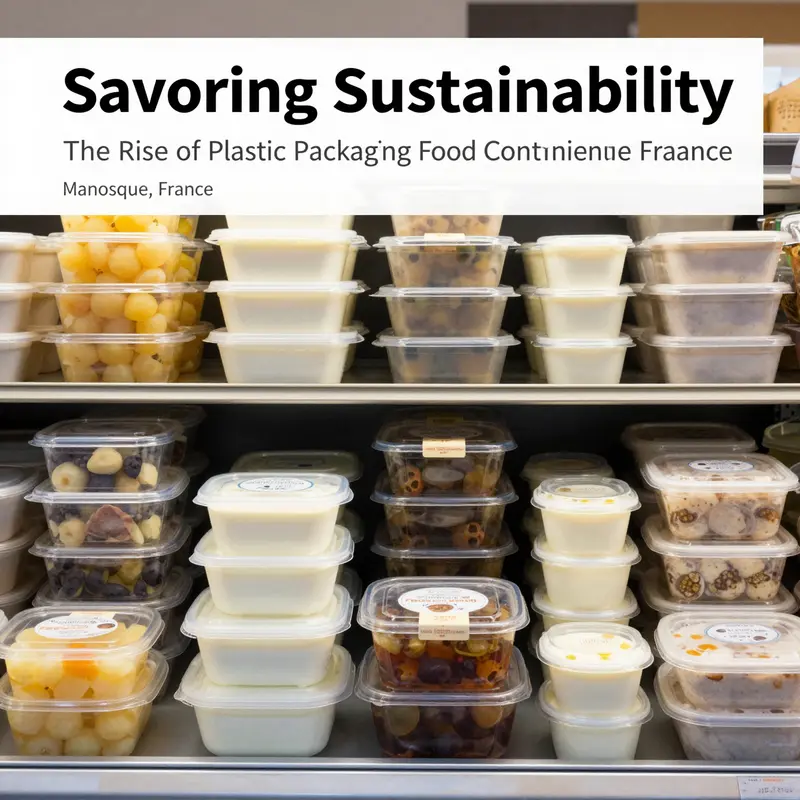
Manosque sits at a crossroads of Provençal markets, orchards, and a diversified food economy that travels from farm to table and from stall to shelf. The town’s rhythms echo a wider French narrative about how food is packaged, transported, and presented to consumers. In a region famed for its fruits, vegetables, baked goods, cheeses, and prepared meals enjoyed in summer kitchens or street-side courtyards, plastic packaging plays a quiet but decisive role. It protects freshness in the heat, preserves safety across domestic and commercial cold chains, and signals quality to buyers who often judge provenance not only by taste but by the presentation that accompanies it. This chapter traces the landscape of plastic food containers relevant to Manosque, weaving together the technical properties that make a container suitable, the practical realities of local trade, and the evolving expectations of sustainability that now shape every choice from farmers markets to takeout windows. The aim is not to catalog every available product but to understand how the palette of plastic packaging shapes, and is shaped by, Manosque’s food system and, by extension, the broader French and European context in which it sits.
When we speak of plastic packaging for food in a place like Manosque, we are really describing a spectrum of materials and designs chosen for reliability, safety, and efficiency. The most common workhorses in the valley and across the country are polymer-based containers that balance barrier properties with weight, price, and ease of handling. Transparent PET trays and clamshells are widely used for fresh fruits and vegetables, bakery items, and delicate prepared foods. The transparency is more than cosmetic: it helps customers assess quality at a glance, which matters in local markets where visible freshness translates into trust. PET’s clarity and good barrier performance against gases and moisture make it a practical choice for short- to medium-term storage, particularly for items that pass quickly from producer to consumer in the same day or a few days. In Manosque’s climate, where markets bustle in the warmer months and occasional heat can stress perishables, the choice of a packaging solution often hinges on how well it shields the product from temperature fluctuations while remaining light enough for efficient distribution.
HDPE follows closely as a workhorse for dairy, beverages, and drier goods. Its chemical stability, impact resistance, and durability translate into containers that can withstand rough handling during transport from farm to market stalls and through the sometimes crowded aisles of village shops. The HDPE tradition in French packaging also aligns with the long-standing preference for sturdy, reusable, or easily recyclable containers in many rural and peri-urban supply chains. Although HDPE is opaque, its strength becomes an asset when a container must survive stacking, shipping, and repeated use. For items destined for longer shelf lives or for products that require sturdy, reusable solutions, high-density polyethylene remains a reliable baseline in the Manosque food supply network.
Polypropylene adds another layer of practicality, especially for containers that might be heated in microwavees or cleaned in dishwashers. PP’s heat tolerance makes it a favorite for ready-to-eat meals and takeout boxes in urban kitchens and neighborhood eateries around the region. In Manosque, where street food and quick-service dining blend with home cooking, PP-based containers offer a convenient, safe option for serving, reheating, and serving again without compromising the integrity of the food. The ability to withstand some degree of reheating in a consumer’s kitchen aligns well with the expectations of urban visitors and French families who value flexibility in how they enjoy meals.
Polystyrene, particularly in its foamed form, has historically occupied a niche for disposable, lightweight containers that keep costs down and insulation decent for hot or cold foods. In a place with a mixed economy of markets, cafés, and small-scale food production, EPS-style containers have often been chosen where rapid turnover and affordability trump long-term sustainability concerns. Yet, the environmental conversation that now frames European packaging often reconsiders EPS in favor of materials with clearer end-of-life pathways. In Manosque, as in much of France, end-of-life stewardship increasingly drives procurement choices, nudging some operators toward alternatives that can be more readily recycled or repurposed.
Beyond these conventional plastics, there are newer, bio-based and compostable options that we see emerging as part of France’s broader push toward sustainability. Polylactic acid (PLA) and other biobased laminates are increasingly considered for dry foods, bakery items, and some ready-to-eat products, particularly when a vendor or retailer aims to signal environmental responsibility. The practical adoption of bioplastics in Manosque hinges on balance: ensuring that the packaging maintains barrier properties, tolerates typical handling conditions, and finally fits within a local or regional waste stream that can process it in an ecologically meaningful way. The regional context matters because a container’s life doesn’t end at a consumer’s trash bin; it continues through sorting facilities, recycling streams, or composting programs that determine whether a given container contributes to a circular economy or simply leaves a trace in the landscape.
The local food system in Manosque—rooted in agriculture, artisanal production, and the seasonal rhythms of tourism—often requires packaging that can do more than just contain. It must preserve color, aroma, and texture from field to market shelf or café counter. It must also perform in a supply chain that, at its best, is fast, reliable, and cost-effective. In practice, this means a pragmatic mix: PET for visibility on fruit and fresh items; HDPE and PP for dairy, prepared foods, and grab-and-go meals; EPS when insulation and lightness are decisive; and a measured openness to biodegradable or compostable options when the end-of-life infrastructure supports them. The choice is not purely technical; it reflects consumer expectations about freshness, safety, and even the sensory cues that accompany a Provençal meal—where the packaging is part of the dining experience as much as the product inside.
A closer look at the drivers behind these choices helps illuminate how Manosque sits within the wider French packaging ecosystem. Safety remains non-negotiable. Containers designated for contact with food must meet standards that limit the migration of substances into the product and prevent contamination. In France and across Europe, packaging materials are evaluated for their suitability in terms of food contact, barrier performance, and resistance to heat and cold. This triad—safety, preservation, and practicality—frames the design of packaging used by farmers, processors, and retailers in Manosque. For fresh produce, the priority is often minimal material thickness combined with adequate barrier properties to keep moisture in or out as needed. For dairy and ready meals, leak resistance and seal integrity are paramount, especially for longer takeout or delivery windows. For bakery items and snacks, grease resistance and clarity can be deciding factors for consumer appeal.
The regulatory environment surrounding plastic packaging adds another layer of complexity to decision-making in Manosque. In France and the European Union, producers and retailers align with rules about packaging waste reduction, recyclability, and the responsibilities of producers to finance and manage end-of-life collection. These frameworks influence which materials are favored, how containers are labeled, and how brands communicate sustainability to customers. Local waste management practices, including sorting streams and the availability of recycling facilities, shape what is practical on the ground. When a bakery or a market stall chooses a particular container, it is not only about the product’s safety and shelf life but also about how the packaging will be processed after consumption. The more recyclable and widely accepted a material is in the surrounding waste stream, the more likely it is to be adopted by local traders who want to minimize disposal costs and support community recycling goals.
In Manosque, as in many smaller towns, the packaging decisions of individual businesses resonate widely. A market baker who offers a daily selection of pastries may lean toward a grease-resistant, transparent container that showcases the product and can be disposed of easily after the sale. A fruit seller might prioritize lightweight, clear trays that allow customers to inspect the fruit without touching it, thereby reducing handling and potential contamination. A restaurant or café operating near a central square may need a stackable, microwave-safe container that travels well with customers who prefer to reheat at home. Each scenario draws on the same library of materials but emphasizes different attributes—visibility, heat resistance, stackability, or end-of-life compatibility.
These realities also intersect with consumer expectations about sustainability. In France, customers increasingly reward packaging choices that minimize waste, promote recyclability, or leverage reusable systems. This has encouraged some operators to explore multi-use packaging programs, deposit schemes, or partnerships with local recycling facilities that make a container’s lifecycle more transparent. In Manosque, the practical constraints of a small business—space, storage, staff time, and the cost of packaging—interact with these environmental goals. The result is a nuanced approach: materials are selected not only for their immediate performance but for their compatibility with local infrastructure and their resonance with customer values. In many cases, the best option is a balanced compromise that delivers safety and efficiency today while pointing toward a more circular model tomorrow.
The design and selection of containers also reflect the needs of the cold chain. For perishable foods, maintaining temperature and preventing condensation or ice crystal formation is essential. PET and HDPE often do this well for short-term storage, while PP can provide a margin for reheating and extended use. In Manosque’s market settings and small kitchens, the ability to reuse a container for a few days, or to repurpose a packaging unit as part of a household system, is not just a convenience; it is a practical response to the realities of local logistics and energy costs. The modern consumer in this part of France expects that packaging will support safe handling and minimal waste, and retailers respond accordingly with choices that balance performance, cost, and environmental considerations.
Within this landscape, a single container type rarely tells the whole story. A clamshell made of PET might be ideal for a batch of berries sold at a market stall, but the same format could be less suitable for a hot, greasy snack if protection from heat and leaks is compromised. A translucent PP container might work perfectly for a ready-to-eat lunch, yet it could be overkill for a small fruit bag that needs minimal packaging. The art of packaging in Manosque lies in selecting containers that harmonize with the specific product, the point of sale, and the customer’s flow of consumption. In this sense, packaging becomes part of the culinary narrative—the way a meal travels from producer to plate in a manner that preserves taste, texture, and presentation while respecting local waste systems and cultural expectations about cleanliness and safety.
The future trajectory for plastic food containers in Manosque is not simply a matter of replacing old plastics with new ones. It is about aligning material science with practical logistics and civic responsibility. As researchers and policymakers highlight new materials and improved recycling pathways, local businesses will weigh these innovations against cost, supply reliability, and customer acceptance. The narrative in Manosque mirrors a broader French and European arc: moving toward packaging solutions that meet stringent safety standards, deliver consistent performance across stages of distribution, and foster a circular economy that reduces environmental impact. In this evolution, the role of knowledge—about material properties, regulatory frameworks, and the practicalities of small-scale operations—remains central. Stakeholders in Manosque can benefit from a clearer map of how different plastics perform under real-world conditions, what trade-offs they entail, and how regional infrastructure can adapt to new packaging paradigms without compromising the town’s economic vitality or its culinary heritage.
There is a practical takeaway for practitioners in Manosque. Start with product-specific criteria: shelf life, temperature exposure, moisture or grease load, and the expected duration of use. Then align these with packaging that offers the needed barrier properties and the best fit for local waste streams. Remember that packaging is not an isolated choice; it interacts with vendor practices, market dynamics, and the daily routines of households. A well-chosen container can improve product safety, extend freshness, simplify handling, and even enhance consumer perception. Conversely, a poorly matched packaging solution can hinder everything from quick-service operations to the distribution of seasonal produce. In Manosque, where small businesses often operate within tight margins and diverse customer expectations, the ability to match packaging to product and process is a strategic asset that supports resilience and growth.
To weave these threads together, consider a scenario familiar to many operators in the region. A local market stall offers seasonal fruit and a small selection of pastries. For the fruit, clear PET trays allow customers to appraise color and ripeness, while a secure lid preserves hygiene during short-distance travel. For the pastries, a grease-resistant PP or a sturdy PS alternative can deliver both a crisp presentation and reliable containment of oils and steam. If a café offers takeout meals during the evening market hours, the choice may lean toward a microwave-safe PP box that can be reheated by the customer without transferring flavors or stains between different products. Each choice reflects a balance of practical performance, regulatory compliance, and consumer expectations—a balance that remains fluid as packaging science advances and as France continues to develop its sustainability framework.
In closing, the spectrum of plastic packaging containers relevant to Manosque, France, is a microcosm of a broader European story. It is a story of materials that must protect, present, and perform; a story of businesses that must navigate cost, logistics, and the evolving demands of environmentally conscious customers; and a story of communities that want to keep food safe and accessible while striving for a more sustainable future. The specific container types—PET for visibility, HDPE for durable storage, PP for heat tolerance, EPS for insulation, and emerging biobased options—each play a role in ensuring that food travels from field to fork with integrity and efficiency. The choices made in Manosque are not isolated preferences; they are expressions of a regional economy that values quality, supports local producers, and remains responsive to national and European standards. As packaging technology continues to evolve, and as recycling and composting networks expand, the containers that now carry the flavor of Provence could become even more efficient, more sustainable, and more capable of preserving the integrity of every bite.
For readers who want a deeper dive into the standards and properties that underlie these choices, the following external resource offers a comprehensive guide to food-contact plastics and their industrial applications. Understanding Food Container Plastics: Complete Guide to Standards, Properties, and Industrial Applications. https://www.plasticseurope.org/en/knowledge-center/technical-guides/understanding-food-container-plastics/
In the meantime, practitioners and scholars exploring Manosque’s packaging landscape can also look to practical examples of packaging options that blend aesthetics with function. For instance, a family-owned bakery might explore a range of environmentally conscious packaging solutions that maintain product integrity while offering clear labeling and straightforward disposal. A fresh-produce seller may test different tray formats to optimize shelf appeal and minimize waste, while a small café could evaluate takeout alternatives that balance heat retention with easy recyclability. Across these scenarios, one constant remains clear: the container is the vehicle for the product’s story. It carries not only the edible item but also trust, safety, and responsibility into every household that encounters it. The challenge—and opportunity—lies in choosing containers that honor that story while embracing the innovations that a modern packaging landscape invites.
Internal link reference for readers seeking a practical example of modern packaging options in a similar context: eco-friendly takeout boxes for food packaging. This resource illustrates a segment of the market where design, functionality, and sustainability intersect in everyday food-service operations, offering a concrete sense of how retailers translate material choices into tangible customer experiences. As Manosque continues to evolve, such examples can help local businesses think through the trade-offs they face when selecting containers for different product categories and sale channels.
By integrating material science insight, regulatory awareness, and a grounded view of local practice, Manosque can continue to refine how plastic packaging serves its food economy. The chapter’s aim—understanding the types of containers most relevant to the town—offers a foundation for more ambitious inquiries: how innovations in barrier coatings, recycling technologies, and circular design might reshape material choices in Provence and beyond. The conversation about packaging in Manosque is not merely about what is possible in the lab, but about what works on the street, in the market, and at the kitchen counter, where every lid, every wrap, and every tray helps translate the region’s culinary heritage into durable, safe, and responsible packaging choices for today and tomorrow.
External resource: Understanding Food Container Plastics: Complete Guide to Standards, Properties, and Industrial Applications. https://www.plasticseurope.org/en/knowledge-center/technical-guides/understanding-food-container-plastics/
The Quiet Link: How Plastic Packaging Keeps Provence’s Foods Moving in Manosque and Across France
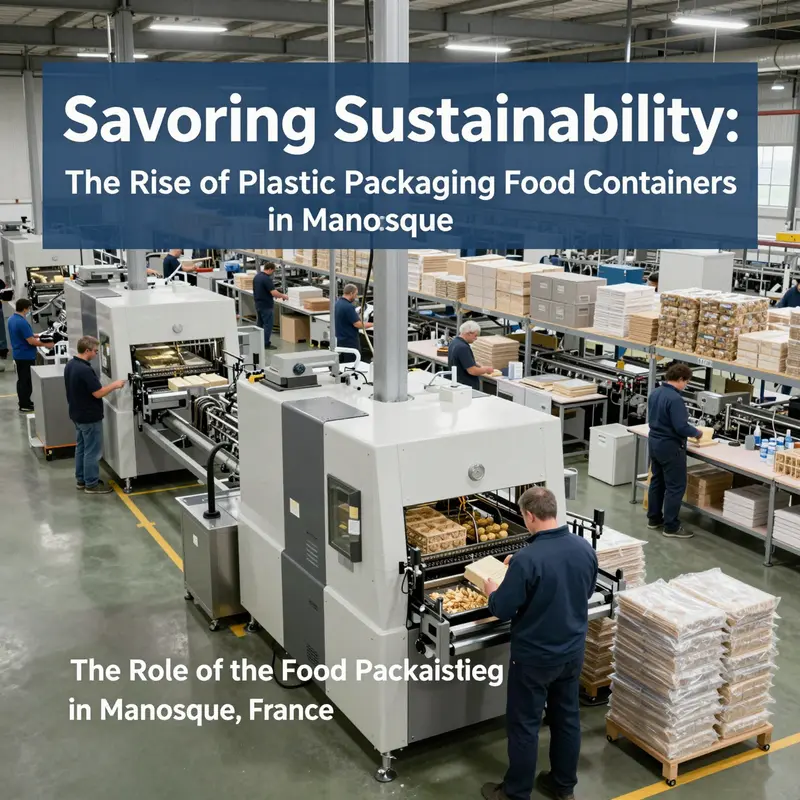
Manosque sits at a crossroads of landscapes and logistics, a Provençal town whose charm rests as much in its olive groves and lavender-scented air as in its quiet integration into France’s broader food economy. When readers picture the supply chains behind the everyday foods that arrive on tables—bread, cheese, herbs, olives, snacks—the image often centers on distant factories or glossy distribution centers. Yet the real throughput of modern food systems is more often the unseen thread of packaging that travels with those goods from field to fork. In Manosque, this thread is not a single loom but a network of small, flexible operations that connect local producers to regional distributors and, ultimately, to European and global markets. Plastic packaging, in its various forms, functions as both a safeguard and a signal: it preserves freshness, communicates quality, and enables convenience for a society that increasingly expects to access a broad range of foods with minimal waste and maximum safety.
The French food packaging industry operates at a scale that blends innovation with regulation, a balance that France has long cultivated as part of its identity as a major European player in both food production and consumer culture. France is home to influential multinational food companies, and its packaging sector supplies a wide spectrum of products—from transparent trays that showcase fresh produce to stackable, leak-resistant containers designed for quick-service and catering. The proximity of Manosque to major agricultural zones and to transportation corridors that reach into Marseille, into the Rhône corridor, and beyond means that regional players in this area are often well positioned to align packaging capabilities with the needs of premium food products. This alignment matters because the Provençal region is renowned not only for its culinary traditions but for producing ingredients that travel far beyond local markets: olive oil and olives, dried herbs, cheeses, nuts, and a range of fruits that benefit from packaging that protects aroma, texture, and taste while meeting rigorous standards for safety and sustainability.
In the everyday economy of Manosque and its surroundings, the packaging conversation unfolds across several intertwined priorities. First is functionality. The packaging has to protect perishable and semi-perishable items as they move through a network of wholesalers, retailers, and foodservice operators. For many small and medium producers, a reliable plastic container offers barrier properties that extend shelf life, preserve flavor, and minimize moisture transfer. This is especially meaningful for olive products, cured cheeses, and dried fruits that contribute to the region’s reputation for high-quality ingredients. In practice, regional packaging suppliers have adapted by offering resealable, lightweight, and translucent solutions that allow consumers to inspect products while maintaining a seal that slows oxidation and inhibits contamination. The presence of breathable, tamper-evident, or easy-to-open features can transform a modest bottle or carton into a better consumer experience, particularly for families and busy households that value convenience without compromising safety.
Second is sustainability. In the French market, there is a strong push toward reducing environmental impact, improving recyclability, and promoting circular economy practices. Packaging choices in Manosque must navigate consumer expectations as well as municipal recycling capabilities. The public conversation around plastic, paper, and biobased materials has evolved from a simple preference for “less plastic” to a more nuanced understanding of lifecycle ethics: the trade-offs between lightweight barrier plastics that reduce transport emissions and the end-of-life realities of recycling streams. Local packaging firms have responded by diversifying their materials and design strategies. They often propose multi-layer films that deliver the necessary barrier properties for delicate products while being compatible with regional sorting and recycling infrastructure, alongside compostable or biodegradable alternatives where appropriate. This is not a wholesale replacement of plastics but a strategic refinement of their use—lean, efficient packaging that reduces waste, right-sized containers that avoid over-packaging, and modular designs that support reusability in the home or across foodservice settings.
Third is the demand for convenience. French consumers, and increasingly French households across urban and suburban areas, rely on ready-to-go options for snacking and meals. The growth of on-the-go consumption in cities places a premium on packaging that travels well, resists grease, transfers heat safely, and can be carried easily without spillage. In the Manosque region, where tourism, local markets, and seasonal culinary events intersect, there is a clear preference for packaging options that can support quick purchase, simple storage, and little cleanup. This translates into a demand for stackable, space-efficient designs for takeaway and catering, as well as single-serve formats that maintain product integrity from shelf to table. Local firms have responded with a spectrum of solutions: transparent trays to display the quality of fruit and baked goods; durable clamshells for prepared foods; stand-up pouches for snacks and dried goods; and segmented, multi-compartment boxes that help keep ingredients separate and appealing. The design philosophy is practical and elegant at once—clear enough to entice a shopper, robust enough to survive transit, and adaptable enough to accommodate the diverse flavors that characterize Provençal cuisine.
The Italian and Spanish corridors of the broader European market have their own packaging nuances, but France’s standards for food-contact safety and environmental responsibility shape the goods that leave Manosque and return from markets abroad. When a producer or a small packaging firm in or near Manosque contemplates a packaging project, the decision is rarely about choosing between one material or another in isolation. It is about integrating a system: the packaging as part of a broader quality assurance framework, the labeling that communicates provenance and safety, and the logistics that align with cold-chain requirements and cross-border movement. In this sense, the packaging industry in Manosque is less about a single production line and more about a collaborative ecosystem. A network of designers, mold makers, recyclers, and logistics specialists collaborates with farmers, cheesemakers, and olive oil producers to tailor packaging solutions that reflect regional specialties while meeting the global standards expected by importers and retailers. The result is a resilient, adaptable system that can accommodate seasonal variability in production, shifts in consumer taste, and evolving regulatory landscapes without sacrificing efficiency or safety.
A critical layer in this ecosystem is the relationship between regional suppliers and international markets. The French snack and ready-meal packaging market has been described in recent market analyses as driven by consumer demand for convenience, flavor variety, and on-the-go consumption, coupled with a push toward sustainability that embraces recyclability and reduced waste. In this context, Manosque’s role is not to spearhead mass production but to contribute niche expertise and flexibility. The town’s packaging firms tend to excel in customization, offering small-batch runs that allow producers to test new packaging concepts with limited risk and cost. This capability is particularly valuable for premium or artisanal products, where the packaging design must reflect a brand story—one rooted in Provençal terroir and authenticity—while still delivering the reliability demanded by modern retail channels. The ability to blend tradition with technical performance is a hallmark of the regional packaging scene.
The symbolic moment when cultural exchange intersects with trade—such as the public recognition of cross-cultural dialogue when the Chinese Consul General in Marseille presented a letter to students in Manosque—illustrates how closely connected Europe, Asia, and beyond are becoming in matters of commerce and standards. It underscores that packaging cannot exist in isolation from the global systems that govern food safety, labeling, and export readiness. In practice, this means Manosque’s packaging suppliers must stay abreast of international guidelines, harmonization efforts, and evolving consumer expectations around transparency and traceability. They must also understand the logistical realities of moving perishable goods across borders: the need for tamper-evident seals, the use of barrier materials that minimize oxygen ingress, and compatibility with cold-chain packaging for cheese and meat products when necessary. The convenience economy demands quick turnover, but the pace of global trade requires robust documentation, clear product information, and packaging that communicates safety and quality at a glance.
From a strategic perspective, the Manosque story is one of regional specialization that integrates with broader supply chains through collaborative networks. Local producers benefit from packaging partners who can deliver rapid prototyping, test-market readiness, and small-volume production runs that scale up as demand grows. This approach mitigates risk and fosters innovation in packaging design, enabling producers to experiment with new formats, surfaces, and messaging that highlight the provenance of Provencal ingredients. It also supports sustainability goals by enabling precise packaging that reduces material usage without compromising protection. In turn, retailers and foodservice operators gain access to packaging options that help differentiate premium products on crowded shelves and menus, letting a consumer’s sense of place—Herbal notes from a hillside farm, the delicate tang of aged cheese, the glossy finish of an olive oil product—be reinforced by packaging that preserves sensory integrity from shop to stove.
The types of plastic packaging most commonly encountered in this setting reflect a balance between clarity, barrier performance, and weight. Transparent plastic trays and clamshells are widely used to present fruit, vegetables, and baked goods, providing visibility while safeguarding against contamination. Stackable, leak-resistant containers are favored in catering and takeaway contexts, where portions may be prepared in advance and transported over moderate distances. Self-sealing bags and stand-up pouches address snacks and dry goods, offering convenient handling and long shelf life when properly designed. In crafting these solutions, designers and manufacturers pay attention to the end-of-life implications of materials, aiming to align with local recycling streams and consumer expectations about waste. The regional emphasis on durability and reuse, where feasible, reflects a thoughtful approach to packaging that respects both the agricultural roots of the area and the modern imperative to reduce environmental impact.
Within this landscape, the practical realities of supply and demand in Manosque are shaped by the interplay between agricultural cycles, seasonal markets, and the rhythms of urban consumption. Spring and summer bring a surge in fruit and fresh produce that benefit from packaging that preserves moisture, aroma, and crispness. Autumn and winter, with cooking fats, cheeses, and preserved foods, place a premium on barrier protection and stable sealing. Packaging partners in the area—whether a small design studio, a local molding operation, or a regional distributor—play a role in translating agricultural abundance into shelf-stable, portable goods that can travel to far-off markets without losing quality. The resulting packaging system is not static. It adapts to new materials, evolving recycling technologies, and changing consumer preferences for design and functionality. The best packaging solutions in this region are those that anticipate how a product will be used, stored, opened, and consumed in real life, rather than how they might look on a drawing board.
The practicalities of transporting and exporting food products from this part of France draw attention to the broader, sometimes quiet, logistical innovations that underpin modern food packaging. For example, the push toward lightweight yet durable packaging reduces energy consumption in transport and lowers overall carbon footprints. The choice of plastics with improved barrier properties helps maintain product integrity across longer supply chains, thus supporting French exporters who send regional delicacies to markets around the world. And with the international exchange of ideas, even a small town like Manosque can contribute to global standards for packaging safety, labeling, and consumer communication. This is not merely a technical story; it is a narrative about place, about how a landscape of olive groves and hillside herb gardens coexists with a sophisticated system designed to keep those foods healthy, flavorful, and accessible to people who may be miles or seas away.
To connect the local with the global, one can envision how a small, agile network in Manosque would interface with international buyers who demand consistent quality and reliable supply. A cheese aficionado in another country might seek a Provençal cheese that travels well in a vacuum-sealed, barrier-protected container; a fruit producer might require clear, rigid trays that show fruit integrity and prevent bruising during long shipments. Packaging professionals in Manosque would respond by offering tailored solutions that meet these expectations while balancing cost, sustainability, and ease of use. In doing so, they knit together a regional economy with the broader European market, demonstrating how local expertise can influence global consumer experiences. Therein lies the quiet power of plastic packaging: it is both mundane and essential, a practical technology that makes regional flavors transferable and reliable, enabling the story of Provencal cuisine to be told in kitchens around the world.
Within the longer arc of France’s packaging industry, Manosque represents a microcosm of how smaller communities can become pivotal nodes in a complex system. The town’s contribution is not measured by large volumes or flashy manufacturing capacity but by the ability to respond with flexibility to shifting demand, to collaborate across suppliers and producers, and to uphold safety and quality in every packaging decision. The region’s success lies in how well it can translate the artisanal and agricultural strengths of Provence into packaging that conveys trust, preserves character, and travels with precision. This is the essence of the role described in the broader discourse about France’s snack and food packaging market: packaging as a conduit between culture, commerce, and everyday eating, carrying with it stories of place and the promise of consistency across borders.
For readers seeking a wider context, the ongoing growth of the French snack food packaging market is driven by consumer behavior and innovation trends that emphasize convenience, taste variety, and sustainability. A comprehensive external perspective highlights how market dynamics unfold across the country, shaping opportunities for small towns like Manosque to participate meaningfully in value chains that extend beyond regional boundaries. As trade links strengthen and consumer preferences evolve, the packaging sector in Manosque can continue to refine its niche—providing bespoke, efficient, and responsible packaging solutions that respect Provençal heritage while embracing global standards. This dual orientation—local authenticity coupled with international reach—defines the contemporary role of plastic packaging in Manosque and the larger French food economy.
In practice, success in this space rests on several interconnected capabilities. First, a packaging operation must be responsive to the seasonal rhythms of agricultural inputs and export schedules. Quick-turn prototyping and pilot runs enable producers to test new formats or materials without incurring prohibitive costs. Second, there is a need for technical proficiency in selecting and engineering barrier layers, seals, and closures that align with product requirements and distribution realities. Third, a culture of sustainability must permeate both materials choices and end-of-life considerations, balancing performance with recyclability and consumer demand for responsible packaging. Fourth, an understanding of labeling, safety, and compliance must be cultivated to ensure that products moving from Manosque into other European markets meet all regulatory expectations, including those related to food contact materials. Taken together, these capabilities enable a productive partnership between local producers and packaging specialists, producing a coherent value proposition that supports rather than undermines the region’s agricultural and culinary strengths.
The narrative of Manosque’s packaging landscape, then, is not simply about containers. It is about enabling possible futures for Provencal foods in an era of global supply chains, rapid urbanization, and evolving environmental norms. It is about how a small town can influence packaging practices by insisting on design that respects product integrity while reducing waste, by embracing adaptability in a market that rewards customization, and by participating in dialogues that connect regional identity with international markets. As former and current producers and processors in the area continue to explore new formats, the packaging sector will respond with solutions that strengthen the link between land and table, between the field and the consumer’s plate, between the aroma of rosemary and the certainty of a safe, well-presented product. The result is a living example of how plastic packaging—when approached thoughtfully and responsibly—serves as a functional bridge across geographic and cultural divides, enabling local specialties to become familiar favorites far from their Provençal roots.
In closing, the role of the food packaging industry in Manosque epitomizes a broader truth about France’s approach to food and commerce: packaging is an essential infrastructure, often invisible until needed, yet decisive in determining whether high-quality regional foods reach diverse audiences with their value intact. The town’s packaging ecosystem demonstrates how regional networks, when aligned with national standards and international expectations, can sustain a vibrant local economy while contributing to France’s reputation for culinary excellence and for responsible, forward-looking packaging practices. This synergy between local craft and global reach is not only a practical success but a narrative about resilience, adaptability, and the enduring power of packaging to shape how we eat, share, and connect across borders.
Internal resource for further context on sustainable packaging approaches in the broader market: eco-friendly takeout boxes for food packaging
External resource for broader market context: https://www.marketsandmarkets.com/Market-Reports/france-snack-food-packaging-market-5427.html
Final thoughts
Understanding the landscape of plastic food packaging in Manosque opens doors to enhanced operational efficiency for beverage professionals, food trucks, event planners, and catering services. With a plethora of options ranging from stackable containers for takeout sushi to self-sealing pouches for snacks, the possibilities for innovation and sustainability are vast. Choosing the right packaging not only meets operational needs but also resonates with consumers looking for responsible and eco-friendly practices. As the region continues to innovate, aligning your business with the right packaging solutions will pave the way for growth and customer loyalty.