
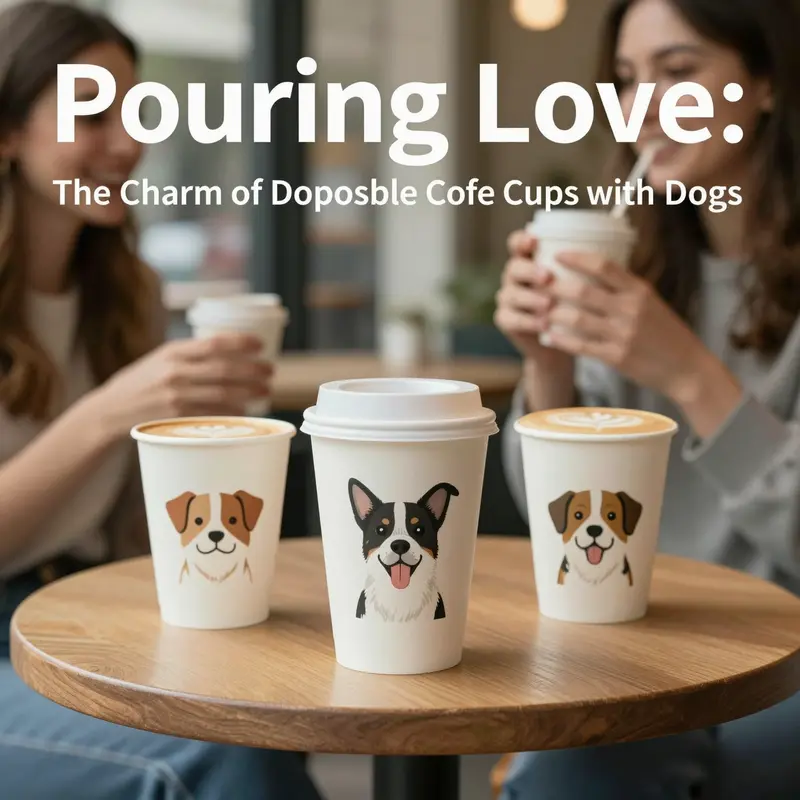
Disposable paper coffee cups featuring dog designs are captivating choices for cafes, bubble tea shops, food trucks, and corporate events. These charming cups not only serve delicious beverages but also reflect a love for pets, adding a playful touch that appeals to customers. Their eye-catching designs enhance customer experience while ensuring practicality through robust materials. This article unfolds the allure of dog-themed disposable cups by delving into their design appeal, material composition, market trends, and environmental impact, revealing how these cups can elevate brands and align with sustainability goals.
Brewing Companionship: The Design and Delights of Dog-Themed Disposable Paper Cups
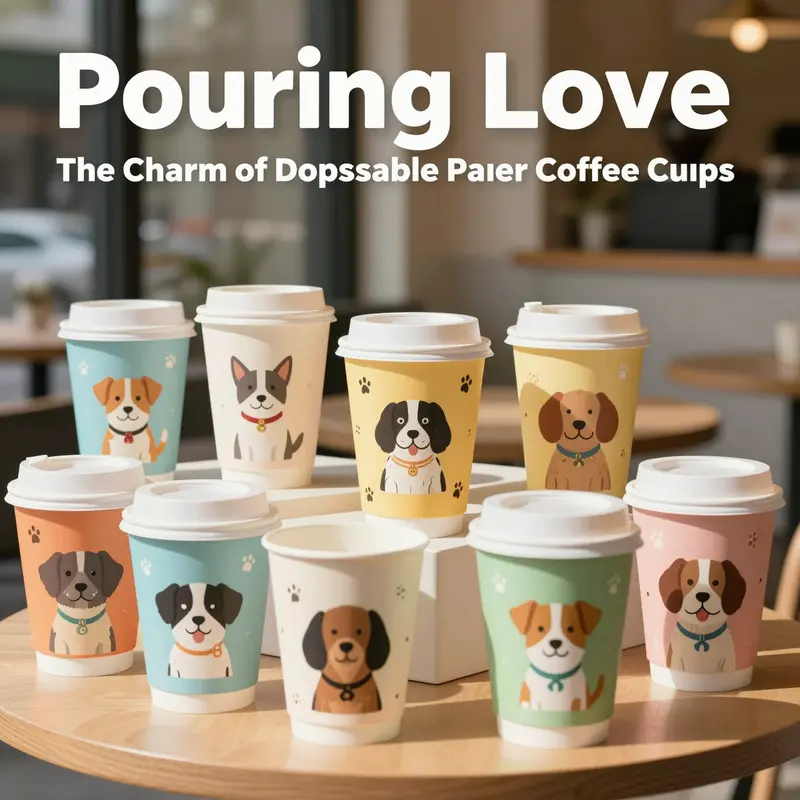
In the ordinary rhythm of a café visit or an early morning commute, a cup in your hand can do more than hold a beverage. It can carry a mood, tell a story, and cue a moment of shared delight. Dog-themed disposable paper cups do this with particular grace. They blend whimsy and warmth with the practical demands of everyday use, turning a simple drink into a small celebration of canine companionship. For many customers, the design acts like a friendly nudge, inviting a quick smile, a pause to notice, and perhaps a photo for social feeds that thrive on pet-friendly moments. For operators, the same cups offer a way to brand experiences without slowing service or complicating logistics. The appeal is not just about cute imagery; it is a thoughtful convergence of visual narrative, material performance, and a broader cultural shift toward pet-inclusive spaces. When a cup carries a dog motif, it signals hospitality. It says, in a quiet, visual language, that the place respects both people and the furry friends who color their lives. The cup thus becomes a tiny ambassador, doing double duty: delivering beverage and delivering mood. In a marketplace crowded with choices, this combination of beauty and usefulness helps a cup stand out in a sea of plain white or monochrome options, nudging customers toward one brand over another—not with loud claims, but with a tactile, shareable charm.
The design language behind these cups is where the effect originates. Designers often orchestrate a conversation between lively canine imagery and the clarity of brand markings. A common approach is to present a dozen or more dog and puppy patterns, each a mini character that invites curiosity without overwhelming the cup’s surface. When the patterns are too dense, the drink and the logo can get lost; when they are too sparse, the cup can feel generic. The right cadence—enough variety to feel playful, enough restraint to stay legible—creates a durable visual identity. Alongside these playful motifs, many lines incorporate bold, black paw prints that streak across a pale field. The paw motif is instantly recognizable and emotionally legible; it communicates movement, play, and a sense of belonging to a canine world. Then there is the minimalist end of the spectrum, where an understated silhouette or a single paw icon provides a quiet elegance that can appeal to more refined tastes. This spectrum allows brands to calibrate their mood for different settings—family-friendly mornings, coworking spaces, or upscale cafés—without changing the core product. The result is a design system that feels cohesive yet adaptable, capable of personalizing experiences for local communities or seasonal campaigns while preserving a core narrative of warmth and loyalty. Designers also use soft pastel gradients and gentle shading to add depth without visual fatigue. The color choices matter as well: light tones feel approachable and comforting, while stronger hues can announce a playful, energetic atmosphere. Taken together, these elements transform the cup from a container into a character—a friend who accompanies your beverage and your moment.
Material and performance are the quiet workhorses of the cup’s appeal. These cups are typically built from premium, food-grade paper with a moisture-resistant inner coating. The coating is not merely a barrier to leaks; it is a critical factor in how the cup handles heat, cold, and humidity, especially in bustling service environments. In practice, the liner can be a traditional plastic film or a plant-based alternative such as PLA. Each choice carries implications for recycling, compostability, and consumer perception. A cup that reliably withstands the heat of a freshly brewed drink without buckling or sweating earns trust from both barista and customer. Yet the technology inside a clean, practical cup is only part of the story. The sustainability thread runs through the entire production and distribution chain. Many of these designs are paired with recyclable packaging streams, aligning with growing consumer expectations for responsible consumption. The aim is not to disguise the cup’s disposability, but to ensure its lifecycle—delivery, use, and end-of-life disposal—fits within established recycling ecosystems wherever possible. The balance between a lightweight form factor and the integrity of the cup during transport and handling is crucial, particularly for high-volume operations that stock dozens of designs or prepare themed event kits. The sturdiness of the cup under hot beverages, the ease of stacking and rotating through a busy service line, and the predictability of printing quality all contribute to a reliable customer experience. In practice, these attributes reduce waste by limiting leaks or misgrabbed lids, streamlining workflows, and supporting quick, clean service during peak times. For operators, the material efficiency translates into tangible benefits: lower freight costs, more predictable inventory, and the confidence that the design will hold up from the moment the drink is prepared to the moment it is enjoyed.
Beyond the mechanics of make and material, the dog motif plays a subtle yet powerful role in shaping customer perception. The imagery taps into a universal shorthand: dogs symbolize loyalty, comfort, and companionship. Those associations become part of a café’s emotional ecosystem. A customer may visit a shop specifically because the dog-themed cups feel right for a family morning, or because the designs evoke a pet-friendly ethos that aligns with their values. In social settings, the cup can become a focal point for conversation, a prompt to talk about pets, adoption stories, or favorite canine characters. The social dimension is not incidental. It becomes a form of lightweight, scalable branding that travels beyond the counter when customers share photos online. If the cup design is distinctive enough to prompt a smile or a story, it extends the café’s reach through organic word-of-mouth. The act of sharing a beverage becomes a social ritual, and a dog-themed cup makes that ritual more distinctive and memorable. A brand thus benefits not only from the immediate sale but from the halo effect of a cup that looks good, feels sturdy, and invites a moment of joy to be captured and shared.
For venues considering these cups, the practical implications are as important as the emotional ones. In fast-casual environments, where speed and reliability define the customer experience, the cups must perform consistently under many hands and at many temperatures. The cup design must be legible at a quick glance, with the dog motif staying distinct when printed in bulk. The pattern work should translate across multiple sizes and line weights, ensuring coherence from 8-ounce tasting cups to 16-ounce supers. The ability to customize designs for seasonal campaigns or local partnerships is a substantial advantage. Cafés can rotate motifs to keep the visual language fresh without needing to overhaul the entire branding system. Such customization can be especially valuable for events—pet adoption days, charity fundraisers, or community festivals—where a limited run of designs can amplify participation and donor engagement. The cups can also serve as gifts or promotional items when bundled with other themed tableware or take-home pastries. In this way, dog-themed cups move beyond utilitarian function into the realm of experiential marketing, offering a playful, accessible platform for storytelling that aligns with broader brand values.
Operationally, bulk production and reliable supply chains are essential. The market for disposable cups designed with dog motifs has matured into a space where manufacturers offer a range of sizes and coatings to suit hot or cold beverages and various service contexts. The most successful offerings present a balance: they are affordable at scale, print clearly with consistent color fidelity, and maintain performance under the pressures of a busy kitchen. For buyers, this means a straightforward procurement path, with the option to mix designs and preserve a cohesive look across a campaign. The potential for customization—whether to reflect local dog communities, breed themes, or event-specific imagery—helps brands stay relevant and engaging across different markets. The design language thus becomes a portable branding toolkit, capable of supporting not just daily service but special campaigns that require a visible, lovable presence in the community.
As these cups travel from factory floor to café counter, the environmental conversation remains integral. Customers increasingly expect goods that respect the planet as part of their daily rituals. Recyclability and responsible sourcing are not afterthoughts but critical criteria in the design brief. The inner coating and the overall material economy must align with local recycling capabilities and consumer understanding of what can be recycled. A cup that can be responsibly disposed of after use reinforces trust and loyalty, while a poorly communicated end-of-life option can dampen enthusiasm for even the most charming design. Packaging efficiency and ink usage are also relevant, as are innovations in barrier coatings that extend shelf life and reduce waste. The canine motif adds an emotional layer, but it should not complicate the lifecycle assessment. Instead, it should complement a sustainability narrative that remains practical and credible. Ultimately, the cup’s appeal rests on a simple premise: it should perform well, look delightful, and respect the community’s shared environmental responsibilities. When these conditions converge, a dog-themed disposable cup can be more than a novelty; it becomes a dependable courier of comfort, courtesy, and care.
The chapter’s through-line is simple but powerful. The dog-themed disposable cup is a small object with outsized potential. It quietly invites people to treat their daily beverage as a moment of connection, not just consumption. It transforms a routine act into a moment that can be shared, photographed, and remembered. It offers brands a way to express warmth and responsibility in a single, portable canvas. And it respects the animal world that many customers love by embracing pet-friendly messaging that feels genuine rather than ornamental. The next time you pick up a cup with a wagging silhouette or paw prints, consider what that small gesture represents: a choice to celebrate companionship, to support sustainable packaging, and to participate in a culture where everyday rituals are infused with personality and care. That, after all, is the enduring design impulse behind dog-themed disposable paper cups—the fusion of function, feeling, and mending the ordinary into something a little more joyful.
External resource: https://www.alibaba.com/product-detail/Understanding-Cute-Fashion-Paper-Coffee-Cups_1600543559221.html
Under the Surface: Material Science Behind Dog-Themed Disposable Paper Cups
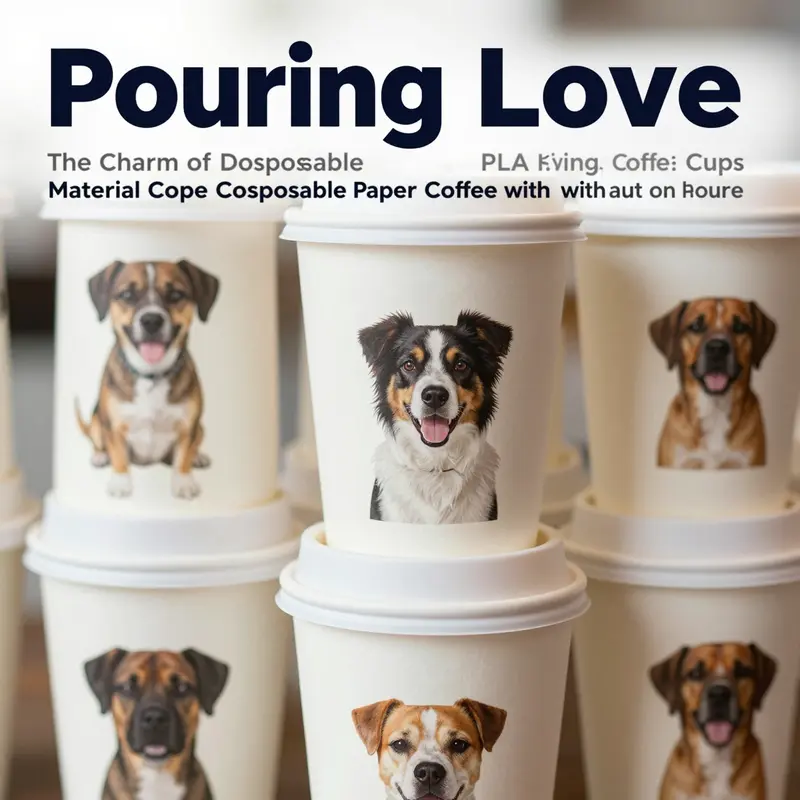
The charm of dog-themed disposable paper cups sits on the rim of every cup, where bright illustrations meet the clink of a latte and the steady hum of a busy café. But the real story of these cups starts well beneath the surface, in a carefully choreographed material stack designed to hold hot drinks, protect flavors, and navigate the complicated currents of waste and recycling. When we observe a cup bathed in paw prints or a playful litter of puppies, it is easy to assume that the only magic is in the artwork. In truth, the artwork rests on a substrate whose composition determines performance, safety, and end-of-life fate. What looks simple is, in fact, an engineered blend: a sheet of paper, a thin barrier lining, a protective coating, and a layer of inks that brings the canine charm to life without compromising the cup’s integrity. The dog design does not alter the fundamental materials; it is printed on top of a standard architecture, and that architecture constrains what can be done with the print, how it adheres, and how the cup behaves when filled with a scalding beverage or cooled with ice.
The backbone of most disposable coffee cups is paperboard—renewable, derived from wood pulp, and designed to bear the weight of hot liquids while remaining light enough to handle in high-volume settings. The paperboard serves as a rigid, printable canvas, chosen for its stiffness, fiber alignment, and moisture management. The thickness, or caliper, of the paperboard is not a trivial detail; it dictates how a cup feels in the hand and how well it resists collapse when a hot drink creates a rush of steam and liquid pressure inside. The surface is prepared to accept color and imagery, but the critical magic happens inside the cup where a barrier layer stands between liquid and the paper. This layer is essential for keeping beverages from seeping through and for protecting the consumer from unwanted interactions with the cup’s interior. In most standard disposable cups, that barrier is a thin inner lining made from polyethylene, or PE, a hydrocarbon-based plastic that forms a continuous, leak-averse shield. The lining’s role is straightforward yet indispensable: prevent leakage, preserve heat, and maintain structural integrity as the drink exerts pressure and temperature changes. The result is a cup that can handle hot coffee, tea, or even a creamy beverage for a reasonable duration without collapsing or soaking through the paper.
Where the dog imagery appears is a separate domain—the exterior printing. The exterior acts as a visual invitation, a first glance that can evoke warmth, humor, and a sense of companionship with pets. The printing uses food-safe inks applied to the surface, layered in a manner that does not compromise the barrier inside. These inks must meet food-contact safety standards, which means they are formulated to resist fading, bleed, and migration when exposed to liquids at varying temperatures. The process—often flexographic or offset printing in mass production—needs to respect the delicate balance between color vibrancy and material compatibility. The inks sit atop the paperboard, and the liner remains untouched on the interior. The result is a surface that can display detailed dog motifs, polka-dots, paw prints, or breed silhouettes without changing the fundamental materials that make the cup behave as a container. In this sense, the art is an adornment; the core remains the same, and the exterior finish does not alter the barrier properties that keep liquids from penetrating the paper or altering the beverage itself.
A growing portion of the market has explored bioplastic or plant-based alternatives to traditional PE liners, such asPLA, a polymer derived from corn starch. PLA-laminated or PLA-lined cups aim to improve compostability, aligning with sustainability goals and the broader push toward renewable materials. In practice, however, the adoption of PLA as a liner faces logistical and regulatory constraints. PLA requires industrial composting facilities to break down efficiently, and not all municipal programs are equipped to handle PLA separation from paper streams. This mismatch means that, in many places, cups with PLA linings may not end up in compostable streams, but rather in mixed facilities or even landfills if proper sorting is not part of the waste process. Consequently, the more ubiquitous PE lining remains common because it offers robust performance across a wide range of facilities and waste-management practices. The material choice for the lining is thus a balancing act: performance for hot and cold beverages, compatibility with existing recycling streams, and alignment with regional waste infrastructure. As a result, even among dog-themed cups that celebrate whimsy and warmth, the interior architecture is often dominated by PE, with PLA present primarily in niche, sustainability-driven programs where the local composting ecosystem supports the necessary separation and processing.
This alignment between interior materials and exterior artwork has practical implications for recycling and waste management. Many consumers assume that paper cups are easily recyclable as a blanket category. In reality, the barrier layer and adhesive properties create a more complicated picture. The PE lining, while excellent at resisting leaks, can complicate recycling because it is a different material from the paper. Some facilities are equipped to remove the lining before pulping, but many are not. In those jurisdictions, cups end up in the paper recycling stream with the potential to contaminate the recycle pulp, or they are diverted to energy recovery or landfilling. The adoption of recycled content in the paper itself can improve sustainability, but it does not automatically address the persistence of the inner lining. Thus, the overall environmental profile of dog-themed disposable cups depends not only on the visible exterior design but also on the enacted waste-management practices in the consumer’s region. The result is a chorus of considerations: material selection, production process, coating and printing choices, and end-of-life handling—each playing a role in the cup’s real-world environmental footprint.
Beyond the core materials, the coatings and the adhesives used to seal and protect the cup’s edges deserve attention. A corrugated or single-wall cup may include additional coatings to improve moisture resistance and to prevent delamination when hot liquids are introduced. These coatings, like the lining, must be food-safe and compatible with the intended end-use temperature range. In practice, these layers are engineered to minimize heat transfer weakness and to support a sturdy seam where the cup is stacked and transported. When the cup is filled, the heat and liquid create internal pressures that the combined material structure must withstand. If the barrier is compromised, liquefied beverage can seep into the paperboard, compromising strength and user safety. The art—dog motifs and paw prints—sits on top of a resilient, layered construction crafted to endure the daily demands of busy beverage service. This is why the integrity of the base materials matters more than the decorative layer; the design might delight the eye, but the underlying materials determine the cup’s performance and safety under real-use conditions.
From a lifecycle perspective, the interplay between material choices and end-of-life outcomes is nuanced. The initial research notes that many cups remain recyclable through standard programs, hinting at recycling compatibility when properly separated. Yet, the practical reality is regionally specific. Some communities have advanced systems that separate liners from paper pulps, while others do not. The potential for real circularity improves when suppliers and beverage operators collaborate to clarify labeling, adopt liner-free or easily separable designs, and educate consumers about recycling best practices. Even as the exterior prints—our canine companions—bring warmth to the consumer experience, they must be considered within a broader framework of sustainability that respects material science, waste infrastructure, and consumer behavior. In this sense, a dog-themed cup is not only a visual prompt for affection but also a technical artifact whose end-of-life story depends on the synergy between design, material choices, and municipal waste systems.
For readers seeking deeper insight into the materials and sustainability aspects of disposable cups, one useful reference is Understanding Disposable Cups, published by an environmental protection agency. This resource helps illuminate how the combination of paper, barrier layers, coatings, and inks interact across different waste streams and treatment facilities. Such context is essential when evaluating the true environmental footprint of any cup design, including those featuring dogs on the exterior. In the same vein, using a dog-themed cup becomes about balancing delight with responsibility—recognizing that the visual experience is inseparable from the practical realities of production, use, and disposal. The exterior design may evoke companionship and joy, but the materials inside determine how that joy translates into a sustainable practice for cafés, events, and households that crave both charm and function.
When a café contemplates purchasing or regenerating its supply of these cups, decisions often hinge on a combination of performance and sustainability metrics. The base paperboard must deliver adequate stiffness for comfortable handling and reliable stacking, while the inner lining must resist liquid seepage and maintain structural integrity through a range of beverage temperatures. The inks used for the exterior dog designs must be certified for food contact, stable under heat, and capable of remaining vibrant after repeated washing or handling over the course of service. The coating and adhesive systems must ensure a clean seal and barrier performance that preserves the beverage’s flavor and temperature. All these design considerations come together behind the bright exterior and the familiar scent of coffee, shaping a product that is as much about engineering as it is about whimsy.
In an era where brands increasingly tout sustainable packaging, the dog motif should not overshadow the practical realities of material science. The most responsible design approach acknowledges the full lifecycle: selecting paperboard with responsibly sourced fiber, evaluating the feasibility and environmental impact of PE versus PLA linings, and designing for recycling compatibility wherever possible. It means recognizing that the joy of a canine-inspired cup is complemented by a commitment to clear labeling, consumer education, and collaboration with waste-management networks to maximize the chances that the cup is diverted from landfill and treated in a manner consistent with regional capabilities. The artwork—the dogs—thus becomes a symbol not only of charm but of a broader, smarter conversation about how everyday objects can balance aesthetics with responsible material choices.
To connect this material-level understanding with practical consumer choices, consider how the contrast between exterior print and interior media influences handling. A cup with a richly colored dog scene on the outside can still function perfectly if the inside is smooth, non-reactive, and firmly lined. The ease with which a consumer recognizes the cup as safe and reliable rests on the invisible but essential layers that keep the drink contained and the cup intact. The interplay of design and material science is what turns a decorative cup into a dependable tool for daily rituals—whether it’s a quick coffee run, a study break with a warm tea, or a celebratory party featuring a litter of adorable prints. In short, the dog-themed cup is a product of precise materials engineering as much as it is a canvas for canine charisma, a fusion of form and function that travels from the factory floor to the consumer’s hand with quiet, almost invisible efficiency.
Internal link note: for a concrete example of how such dog-themed cups can be integrated into party or home settings while keeping an eye on design and packaging, see this page on dog-themed disposable paper cups: dog cups for kids and adults. This link illustrates how exterior artwork and practical packaging considerations come together in a single product line, reinforcing the idea that the exterior print and the interior barrier work in harmony rather than at odds.
As researchers and practitioners continue to refine these cups, the trajectory points toward designs that maintain performance while expanding the possibilities for sustainable end-of-life pathways. This includes ongoing innovation in barrier materials, inks with lower environmental footprints, and more robust design guidelines that facilitate recycling separate from composting. It also means a clearer, more transparent dialogue with consumers about what can and cannot be recycled in their local systems, empowering people to participate meaningfully in the circular economy. The dog motif—so universally appealing—serves as a reminder that even our everyday choices can reflect a broader intent: to enjoy a moment with a loyal companion while acknowledging the material realities that enable that moment to exist in the first place. The surface may be a playful chorus of wagging tails, but the real chorus lies in the layers beneath, where science, safety, and sustainability intersect to give each cup its dependable form and its responsible potential for the future.
External resource: Understanding Disposable Cups by the Environmental Protection Agency offers broader context on how these materials behave in waste streams and how policy and practice influence recycling and composting outcomes. https://www.epa.gov/sustainable-management-waste/understanding-disposable-cups
Paws on the Rim: How Dog-Themed Disposable Cups Are Shaping Modern Coffee Culture
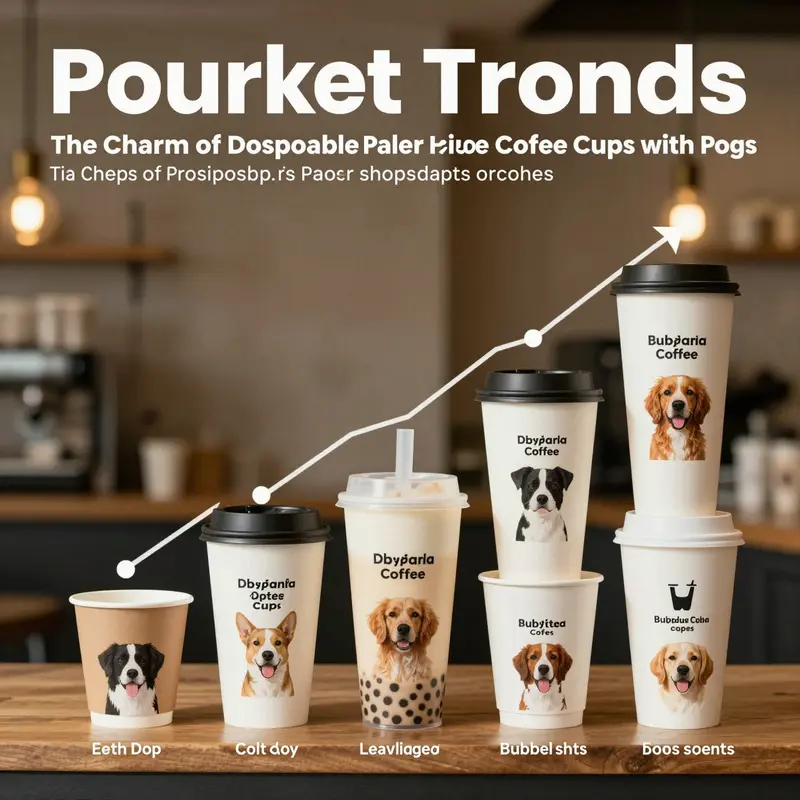
A small, clever flourish can redefine an entire moment of daily life. In the case of disposable paper coffee cups, that flourish is a dog-themed design—a playful, approachable motif that travels with a customer from the first whiff of steam to the last sip. The current market for these cups is less about a simple container and more about an experience that travels beyond the cup. It taps into a broader shift toward experiential branding, where small, highly visual details become the fuel for social sharing, word-of-mouth, and repeated visits. The rise of dog-themed cups is not an isolated gimmick; it reflects a convergence of consumer psychology, retail strategy, and sustainable design that together shape a vibrant segment of the beverage industry.
At the heart of this trend lies a simple insight: people are more likely to notice, remember, and photograph something that resonates with their own relationships and daily rituals. A cup adorned with a beloved breed, a cheerful litter of puppies, or a paw print motif can spark a moment of delight that travels online. In a marketplace crowded with beverage options and competing aesthetics, the visual appeal of a cup becomes a branded prompt, nudging customers toward sharing a photo, tagging a café, and returning for a reimagined experience next time. This is why many operators treat the cup not just as a vessel but as a micro-branding tool, designed to reinforce mood, values, and a sense of community around the brand.
Two broad patterns have emerged in practice. First, dog-themed cups are increasingly viewed as versatile design canvases for seasonal campaigns and brand collaborations. Cafés and shops lean into a rotating gallery of patterns—ranging from puppy-themed illustrations to stylized dog silhouettes and paw-print accents—that can be refreshed to align with holidays, pet adoption events, or local community happenings. Second, these cups function as social prompts, inviting customers to capture a moment and share it with peers. The social-media economy rewards the kind of eye-catching, wholesome imagery that a well-designed cup can deliver, turning a routine purchase into a moment worth posting.
From a material standpoint, these cups are typically crafted from food-grade paperboard with a moisture-resistant lining to manage hot and cold beverages. The lining—whether plastic or plant-based PLA—plays a crucial role in performance, preventing leaks and preserving structure under heat. Yet this same lining introduces a sustainability conversation. Consumers increasingly expect packaging to be recyclable or compostable, and brands must navigate the trade-offs between leak resistance, ease of recycling, and ecological footprint. The market has responded with a spectrum of options, from double-wall constructions that stay comfortable to hold to coatings and liners that enable recyclability where facilities exist. The interplay between design, durability, and environmental responsibility is now part of the storytelling around these cups.
In practical terms, the market has noticed that a dog-themed cup can amplify a café’s atmosphere without a hefty ticket price. For fast-casual chains, boutique coffee shops, and event-driven pop-ups, these cups offer quick, scalable branding that integrates seamlessly with existing service lines. The lightweight nature of disposable cups, coupled with a moisture-resistant coating, makes them suitable for both hot brews and cold beverages, including iced coffee and specialty cold drinks. The packaging becomes a stage prop for the customer’s coffee moment, a tiny billboard that simultaneously communicates warmth, playfulness, and approachability. In this sense, the cup is a conduit for the overall brand narrative, a portable extension of a café’s personality that travels with the drink.
The demographics driving demand are telling. Younger consumers—especially millennials and Gen Z—tend to prize authenticity, self-expression, and experiences over mere ownership. A cup that features an appealing dog motif offers a tangible way to express personal values and to participate in a shared cultural moment. It reduces the friction of a purchase by offering an immediate emotional cue; it also increases the odds that a customer will consider a return visit when they are seeking a similar, light-hearted experience. The design language of these cups—soft lines, friendly dog expressions, paw prints in an accessible palette—speaks to a desire for comfort and relatability. Rather than feeling like a marketing gadget, the cups become a reminder of companionship, even if the companion is simply a beloved pet imagined on the cup’s surface.
The hospitality sector has embraced these dynamics with a practical openness. The cups are readily adaptable to different venue concepts, from pet-friendly cafés to community events, bookshops hosting author-pet meet-and-greets, and charity fundraisers where the emotional resonance of dogs aligns with a good cause. Seasonal campaigns—National Pet Day, dog adoption drives, or local rescue events—become natural anchors for limited-edition designs. The cups’ aesthetic flexibility allows operators to coordinate collaborations with shelters, local artists, or dog-wellness initiatives, creating a cohesive experience that feels more like a neighborhood gathering than a simple beverage stop. The synergy between brand identity and customer sentiment strengthens community ties, translating into higher foot traffic and longer dwell times.
From a production perspective, the trend has progressed toward scalable customization. Suppliers can offer bulk orders in the tens of thousands, with options to tailor designs to fit sizes from small to large cups and to adjust the color story to match a brand’s identity. This scale matters, because the broader market rewards consistency and reliability when a brand rolls out a nationwide or regional campaign. The production ecosystem—ranging from paperboard suppliers to printing and lining specialists—has adapted to the demand for quick turnarounds and high-fidelity graphics. The ability to translate a brand’s playful personality into a cup design without sacrificing performance has been central to the expansion of dog-themed cup programs across diverse market segments.
At the same time, the consumer-facing implications of sustainability cannot be ignored. The perception of packaging as an extension of a company’s environmental values matters greatly in the eyes of modern diners. Paired with a design that endears and delights, cups that balance aesthetic appeal with responsible materials can reinforce a brand’s credibility. Yet, the practical recycling realities remain nuanced. A paper cup with a plastic or PLA coating can be recyclable in certain facilities, but not all programs are equipped to separate liners from the paper, which can complicate end-of-life processing. Operators are increasingly transparent about these trade-offs, highlighting whether their cups are compostable, recyclable, or designed for specific waste streams. This transparency itself becomes part of the brand story, signaling a commitment to responsible packaging and inviting customers to participate in a shared stewardship, even as they enjoy a moment of whimsy.
The market’s optimism is tempered by the realities of supply and logistics. Sourcing at scale often involves navigating supplier catalogs and customizing artwork to ensure legibility on curved surfaces. For buyers, lead times can be influenced by print runs, regional demand, and the availability of compatible liners. The sourcing narrative extends beyond design—logistics, cost, and compatibility with hot beverage service all factor into decision-making. In many cases, operators rely on established channels that offer bulk discounts and ready-to-ship options, while still preserving the possibility of bespoke designs for special occasions. This balance between standardization and customization is where the dog-themed cup trend thrives: it provides reliable utility while offering the flexibility to express a brand’s personality in a single, portable moment.
To illustrate how sourcing and design converge in practice, consider the pathway from concept to cup. A café might begin with a general design brief—friendly dogs, paw prints, and a color palette aligned with its branding. A design agency or in-house team translates this into a set of patterns arranged to maximize visibility on the cup’s curved surface. The printing and lining partners then apply the artwork to pre-printed stock, with the liner chosen to meet the beverage’s temperature profile and the café’s waste-management reality. The finished product lands in a distribution channel that can include storefronts, promotional events, or partner venues. In this ecosystem, the cup is not a one-off novelty but a scalable asset that can support seasonal campaigns, loyalty programs, or cross-promotional activities with local pet-related initiatives.
For readers exploring practical pathways to incorporate these cups into their business, a useful reference point is to examine how dog-themed cup lines are positioned in contemporary sourcing catalogs. Consider the idea of a dedicated dog-themed design set that can be adapted to multiple cup sizes and event types. Such a set can serve as a versatile toolkit for brand storytelling across menus, social media, and in-store displays. The key is to align the visual narrative with customer expectations—moments of delight that feel authentic, not forced—and to ensure that the packaging practices reflect a deliberate approach to sustainability, safety, and quality.
From a marketing perspective, the cup’s design becomes a storytelling element, inviting customers to participate in a shared moment. A dog-themed cup can signal warmth, friendliness, and a sense of community—qualities that not only attract new customers but encourage repeat visits. When combined with a cohesive in-store experience—consistent tone in the décor, staff communication, and product naming—the cup amplifies the perceived value of the beverage. It signals that the brand cares about more than the drink; it cares about the experience of drinking it. This holistic approach is what turns a routine purchase into a social occasion, one worth documenting, sharing, and returning for time and again.
As operators continue to experiment with dog-themed designs, many will test cross-promotions with animal welfare organizations or local shelters. These partnerships can amplify social impact while expanding reach. The resulting campaigns may pair limited-edition cups with donation drives or adoption events, creating a narrative that both elevates the customer’s experience and contributes to a cause. This approach aligns with a broader consumer expectation that brands actively participate in communities beyond the checkout counter. In this light, the cup moves from being a functional artifact to a catalyst for connection, conversation, and community building—the kind of momentum that sustains a trend across seasons and market cycles.
For those who want to explore sourcing options while keeping a clear eye on brand consistency, a practical step is to review catalogs that offer durable, food-grade materials and flexible designs. The goal is to identify lines that can scale with demand, deliver crisp, legible artwork on curved surfaces, and accommodate hot beverages without compromising user comfort or safety. The art of selection lies in balancing the visual impact of the dog motif with the practical realities of service, temperature, and waste management. In this balance, the dog-themed cup becomes a reliable, repeatable touchpoint in the customer journey, a small but mighty ambassador for the brand’s personality.
For readers seeking an example of the sourcing continuum in action, consider exploring a dedicated page devoted to dog-themed cup designs that emphasize kid- and adult-friendly motifs and easy customization. This page is one potential touchpoint in the broader ecosystem of supply, design, and distribution, offering a window into how brands can leverage a unified set of patterns across sizes and channels. dog-cups-for-kids-adults The potential is to build a cohesive, recognizable look that travels from the cup to the brand’s broader messaging, reinforcing a sense of familiarity and warmth with every pour.
As this chapter turns toward the horizon, the trajectory of dog-themed disposable cups appears buoyant but nuanced. The trend promises sustained relevance because it speaks to enduring human preferences—affection, play, and sociability—while offering brands a practical mechanism for differentiation. The most durable applications will come from operators who couple whimsy with responsibility: compelling artwork that respects accessibility, clarity of information about materials and waste streams, and a clear stance on environmental stewardship. In this sense, the cups become a microcosm of contemporary packaging thinking: an opportunity to fuse emotion with utility, aesthetics with ethics, and individual expression with communal values.
External resource: https://www.amazon.com/dp/B0C3VZ9W5H
Dressed in Pawprints: A Look at Dog-Themed Disposable Coffee Cups
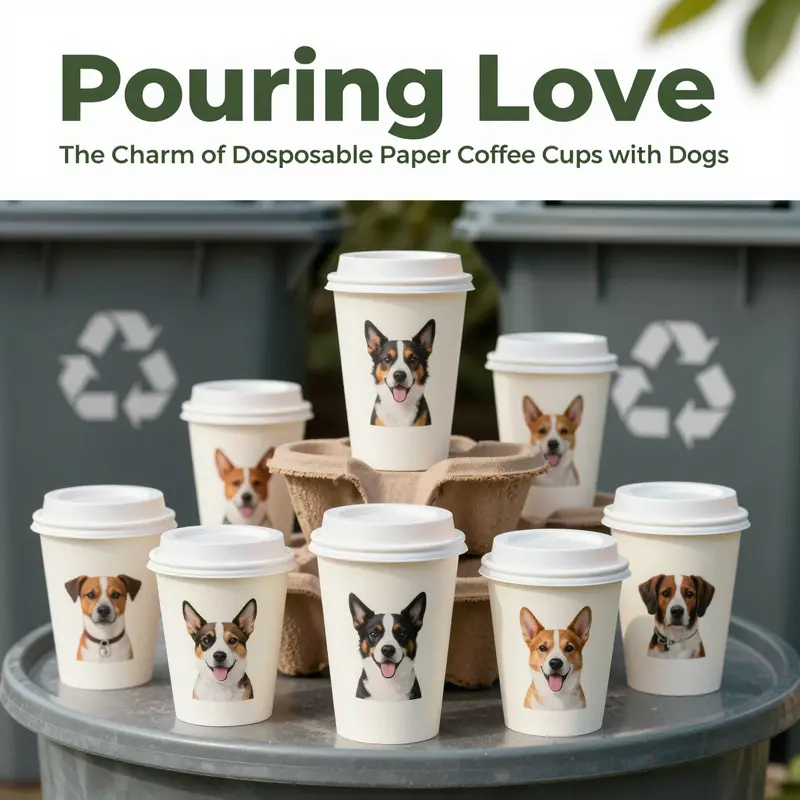
An image of a dog-themed disposable coffee cup can brighten a morning, but the environmental reality behind the design deserves equal attention. This chapter traces how dog motifs interact with material choices, recycling infrastructure, and consumer behavior, revealing that aesthetics alone do not determine sustainability. It asks how cup construction, inks, and end-of-life options align with municipal waste systems, and what that means for brands, cafes, and customers.
Material composition forms the first hinge in this examination. Most disposable cups rely on a multilayer structure designed to resist heat and moisture: an outer paper shell for shape, an interior barrier to block liquid, and a barrier layer such as a thin plastic coating. This plastic layer can complicate recycling when the paper and plastic must be separated, and even paper itself may not be recoverable if separation is not possible. In some cases, companies market compostable or plant-based liners, but industrial composting capacity varies by location, and curbside streams are not always able to handle PLA or other bio-based materials. The result is that environmental benefits depend on how local waste systems are designed and operated.
The decorative printing adds another layer of complexity. Inks and coatings influence recyclability and compostability, and some formulations hinder material recovery. A dog portrait, paw prints, or playful typography does not automatically make a cup worse, but it does require designers to consider end-of-life outcomes from the outset. The interplay between artwork and material science can shift a cup from a simple consumer item to a product whose fate is tied to local recycling and composting capabilities.
A path forward combines better design with clearer disposal guidance. This might include pursuing simpler barrier technologies that are easier to separate, or using liner materials that are compatible with existing recovery streams. Reusable cup programs offer another route, reducing single-use waste even as they introduce logistics and energy considerations of cleaning and return systems. Clear labeling—whether a cup is recyclable, compostable in industrial facilities, or destined for general waste—helps bridge the gap between product design and end-of-life reality. Collaboration among manufacturers, retailers, waste managers, and policy makers is essential to turn design choices into real-world environmental benefits.
Ultimately, the lure of dog-themed cups lies in their charm and branding. When paired with responsible end-of-life planning, the same playful motifs can support a more sustainable coffee culture. Consumers, too, play a crucial role by following local disposal instructions and supporting products that align with their community’s waste system.
Final thoughts
Embracing disposable paper coffee cups adorned with dog designs not only serves practical beverage needs but also enhances the overall brand experience. Their designs resonate with pet lovers, creating a unique angle for businesses in the food and beverage sector. As trends evolve, maintaining an eye on sustainability while offering delightful products will position brands favorably in competitive markets. Consider integrating these whimsical cups into your service to charm your customers while supporting eco-friendly initiatives.