
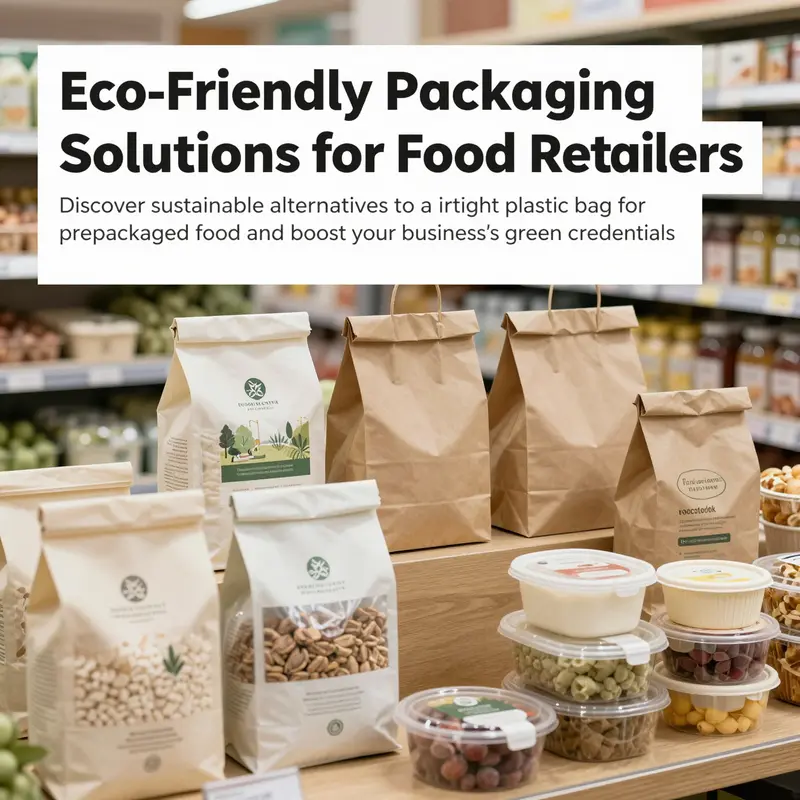
As consumers become increasingly aware of environmental issues, businesses in the food industry, including bubble tea shops, restaurants, food trucks, and catering services, are seeking sustainable packaging solutions. Airtight plastic bags, while effective, contribute significantly to plastic waste, prompting a shift toward environmentally friendly alternatives. This article explores innovative options such as compostable and biodegradable bags, high-quality paper bags, Mylar pouches, and reusable containers, each designed to maintain product freshness while aligning with eco-conscious consumer preferences. By embracing these alternatives, your business can enhance its appeal to eco-aware customers while adhering to evolving environmental regulations.
Rethinking Airtight: Compostable, Paper, and Reusable Pathways for Prepackaged Food Packaging
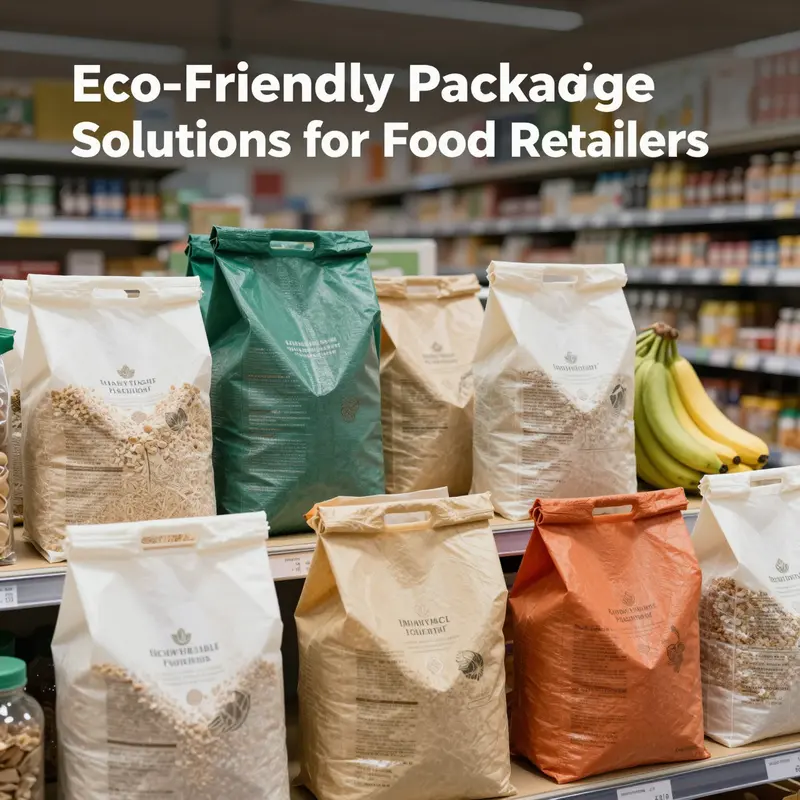
Regulatory pressures and changing consumer expectations are converging to redefine what we consider acceptable for prepackaged food retail packaging. The familiar airtight plastic bags that once seemed indispensable are being challenged by a suite of safer, more sustainable alternatives. The shift is not a single fad but a comprehensive realignment of materials science, supply chains, and consumer behavior. It starts with a material family that promises to close the loop on waste: compostable and biodegradable options derived from renewable resources. Among these, polylactic acid (PLA) has emerged as a leading candidate for films, liners, and even some container formats. PLA can be certified as compostable under recognized standards and, in markets where industrial composting infrastructure exists, can break down into water, carbon dioxide, and organic matter within a practical time frame. Within the Chinese standard landscape, PLA-based packaging meets GB/T38082-2019 and GB/T33798-2025, signaling alignment with both older and newer regulatory expectations. The industrial composting window of roughly six months offers a credible route to end-of-life recovery in facilities designed to process biopolymers alongside other plant-based inputs. In practice, cities like Shenzhen have begun integrating these materials into market stalls and retail counters, where customers respond positively to the environmental promise without sacrificing performance. The result is a pragmatic demonstration that compostable films and bags can function in everyday retail settings, delivering adequate strength, puncture resistance, and reliable seal integrity while reducing long-term waste streams. The evidence from field pilots is nuanced but encouraging. In particular, PLA/PBAT blends—biobased polymers that fuse the rigidity and compostability of PLA with the toughness and flexibility of PBAT—have shown strong seal performance and resilience under typical handling conditions. Trials in more than 200 market stalls across a province in the region yielded a notable level of consumer acceptance, with roughly three-quarters of participants responding positively to the new packaging solution. That kind of uptake is meaningful, not simply as a consumer convenience but as a signal that the retail ecosystem can absorb more sustainable materials without compromising the shopping experience. The reinforcing narrative here is that breakthrough materials, when paired with robust certification and clear labeling, can coexist with retailer needs for durability, shelf life, and product safety. This is especially important for perishable items where airtight barriers contribute to freshness and protection from contamination, but it is equally critical for dry goods and shelf-stable products where moisture and oxygen control matter for quality and shelf life. The science supports a broader narrative: the barrier properties of PLA-based films, especially when fortified through blending with PBAT or other biopolymers, can rival conventional plastics for many applications, all while offering the potential to integrate into composting streams rather than landfills. Beyond PLA and PBAT, there is a broader family of paper-based options that address a different part of the packaging equation. For meat, seafood, and ready-to-eat foods, laminated paper bags that have been engineered for water resistance and grease repellence present a compelling alternative. In Guangzhou, a market pilot demonstrated that coated kraft paper bags could achieve excellent waterproofing and grease resistance for up to eight hours, a window long enough to handle typical cold-chain storage needs and retail display cycles while maintaining sanitary conditions. This is not merely a laboratory result; it is a practical demonstration of how paper-based packaging can perform in real-world retail environments where hygiene, customer confidence, and convenience converge. The beauty of these paper systems lies in their ability to stand alone or pair with compostable inner liners. Thick kraft paper bags have also earned traction for produce, with Beijing vendors reporting that bags can hold up to about five kilograms of potatoes and corn without tearing. Adoption rates in that provincial capital have surpassed sixty percent among vendors, a level of uptake that signals a meaningful shift in everyday packaging choices. The implications extend beyond a single product category. When retailers deploy durable, grease-resistant paper packaging, they simultaneously reduce plastic usage and improve end-of-life options for customers who either choose or need to dispose of packaging in municipal composting streams or home composting where feasible. In parallel to plant-based and paper-based strategies, longer-term storage needs have driven attention to barrier-focused, non-plastic options such as Mylar or metalized polyester pouches. These pouches exhibit exceptional oxygen, moisture, light, and pest barriers—traits that are particularly valuable for dry goods like grains, nuts, and freeze-dried items. Although traditionally associated with home storage, vacuum-sealable and heat-sealable Mylar pouches are increasingly finding a place in commercial prepackaging workflows. They can be integrated with labeling, institutional quality controls, and supply chain traceability to ensure stability over extended periods and under fluctuating storage conditions. The shift toward Mylar-based solutions does not occur in isolation; rather, it complements other strategies by offering a credible alternative when longer shelf life is essential and where the product profile makes other materials less suitable. Finally, the move toward sustainability has broadened the mitigation toolkit beyond biopolymers and wind-resistant papers. Reusable containers—made from glass, stainless steel, or recycled metals or composites—are gaining traction in certain retail formats, especially in bulk sections and farmers’ markets where customers bring their own containers. The potential environmental impact of reuse is substantial. Dr. Lena Torres, a food sustainability researcher at the University of Vermont, notes that switching to reusable airtight containers can reduce kitchen plastic waste by more than 60 percent over time. This statistic isn’t just a hopeful projection; it reflects a fundamental shift in consumer habits and retailer strategies. The reuse model invites vendors to rethink the economics of packaging, and it prompts customers to weigh convenience against environmental values in a way that can transform shopping behavior over the long term. Taken together, these diverse approaches—compostable biopolymers like PLA and PBAT blends, paper-based systems with grease and water resistance, Mylar barriers for longer storage, and reusable containers for certain shopping formats—offer a cohesive pathway toward reducing plastic waste while preserving food safety, shelf life, and overall consumer satisfaction. But the story is more nuanced than a binary choice between plastics and alternatives. The success of any given material depends on a complex interplay of regulatory compliance, processing capabilities, supply chain readiness, labeling clarity, and consumer perception. Certification standards and testing protocols play a crucial role in aligning industry practice with environmental goals. In China, for example, the GB/T33798-2025 standard—tublished by the National Standardization Administration—defines specifications for compostable plastic bags and sets criteria for biodegradation, seal integrity, and product safety. The accompanying GB/T38082-2019 standard provides a robust framework for evaluating compostable plastics, including life-cycle considerations and compatibility with industrial composting facilities. These standards are not merely bureaucratic hurdles; they shape how products are designed, manufactured, and distributed. They influence which materials can legally claim compostability, how packaging must be labeled, and what testing regimes are required before a retailer can confidently place a product on the shelf. For retailers transitioning away from airtight plastic bags, the implications are practical: cost structures shift as new materials enter the procurement mix, certification incurs upfront and ongoing costs, and consumer education becomes a strategic lever. Yet the benefits can be tangible. Reduced waste management burdens, clearer end-of-life pathways for customers, and a narrative of environmental stewardship can translate into stronger brand loyalty and even new market opportunities. The supply chain implications extend to packaging design and vendor selection. When a retailer considers a switch to compostable or biodegradable options, it is essential to map the entire packaging ecosystem—from resin suppliers and film extrusion facilities to lamination houses and converting partners who can produce heat-sealed pouches or laminated bags with the required barrier and seal performance. Material compatibility with existing processing lines is another critical factor. A move to paper-based or biopolymer packaging may necessitate changes in sealing equipment, coating chemistries, and moisture management during storage and transport. This is where collaboration with suppliers, packaging engineers, and quality control teams becomes central. A successful transition often hinges on pilot programs that test performance across the product portfolio, storage scenarios, and end-user handling. The market dynamics in coastal and inland regions alike reveal a spectrum of readiness. In coastal cities with robust recycling and composting infrastructure, PLA and PBAT blends may find particularly favorable reception, aided by municipal programs that recognize the value of improved end-of-life outcomes. In areas where the composting ecosystem is still maturing, paper-based alternatives may offer a lower barrier to adoption due to their familiarity and perceived universality of disposal. As retailers plan for scale, the role of ready-to-use, compostable packaging becomes more evident. Suppliers now offer turnkey solutions designed for e-commerce and retail environments, enabling smaller businesses to adopt sustainable packaging without sacrificing efficiency or increasing overhead. In this sense, the transition away from airtight plastic bags becomes not only a materials question but a business design question—how to structure procurement, how to educate customers, and how to measure progress toward waste reduction targets. The literature from the Detailed Research Results highlights several additional focal points that bear consideration for practitioners. First, the performance of compostable options must be understood in context. The barrier performance, seal strength, and biodegradation rate must be validated under realistic handling scenarios, including stacking, freezing, and transit. Standards such as GB/T33798-2025 provide a framework for this validation, but retailers and manufacturers should also align with testing protocols that reflect their specific product categories and climate conditions. Second, labeling and consumer education matter. Even when a material is compostable in industrial facilities, customers must understand the disposal pathways and the differences between home composting and industrial streams. Clear, informative labeling reduces confusion and improves the likelihood that packaging returns to an appropriate end-of-life channel. Third, investment in infrastructure matters. Without access to industrial composting facilities or curbside programs that accept compostable plastics, the environmental benefit may be limited. Coordination with municipal programs, waste haulers, and community groups can help align packaging choices with local capabilities, turning a theoretical advantage into tangible environmental outcomes. Fourth, cost considerations remain central. While the price gap between conventional plastics and biopolymers has narrowed over time, compostable and paper-based alternatives still require careful budgeting. Retailers should assess lifecycle costs, including potential savings in waste management, potential premium pricing for sustainable packaging, and the strategic value of a strong sustainability story that informs customer choice. Finally, the ecosystem around packaging design is moving toward more versatile, modular solutions. Multi-material systems that combine a compostable outer layer with an inner barrier designed specifically for moisture-sensitive products can expand the range of goods that can be packaged in sustainable formats. This direction aligns with a broader movement toward functional, intelligent packaging that not only protects contents but also communicates freshness and safety to consumers through smart labels and controlled release features. For readers seeking a concrete example of how these concepts converge in a real-world setting, consider the internal reference to eco-friendly takeout boxes for food packaging. This example illustrates how retailers can implement sustainable packaging across product formats—from single-serve meals to bulk foods—without sacrificing the convenience and appeal customers expect. The wider lesson is that sustainable packaging is not a single material substitution but a carefully choreographed portfolio of options. It requires attention to end-of-life pathways, regulatory alignment, manufacturing capabilities, and customer engagement. In the long run, the combination of compostable biopolymers, reinforced paper solutions, barrier-rich Mylar pouches, and reusable containers can reshape the landscape of prepackaged food packaging in retail. The path forward involves a staged, evidence-based approach: pilot programs that confirm performance and acceptance, scaled rollouts that optimize procurement and logistics, and transparent communication with customers about how their choices influence the environment. This approach respects the integrity of the supply chain while honoring the market’s evolving expectations for sustainability. It also respects the practical realities of retail operations, ensuring that changes do not compromise safety, shelf life, or consumer experience. The chapter’s exploration of these alternatives is meant to illuminate a spectrum of viable options rather than prescribe a one-size-fits-all solution. Different markets, product categories, and regulatory environments will favor different mixes of materials. What unites them is a shared objective: to reduce plastic waste, improve end-of-life outcomes, and maintain the trust and satisfaction of customers who value responsible packaging. For retailers embarking on this transition, the journey should begin with a clear assessment of product-specific needs, regulatory requirements, and the local waste-management landscape. It should be followed by a careful, staged testing plan that analyzes barrier performance, seal integrity, and consumer acceptance across categories. And it should culminate in a coherent strategy that communicates the environmental benefits to shoppers in a way that is credible and helpful. The road ahead is not merely about replacing one material with another; it is about assembling a packaging system that can adapt to evolving standards, consumer expectations, and waste-management infrastructures. The material science behind compostable plastics, paper-based laminates, barrier pouches, and reusable containers offers a toolkit with the potential to redefine prepackaged food packaging. As standards evolve and performance data accumulates from pilots and early adopters, retailers will be able to make more informed choices about which combinations of materials and container formats best align with their product portfolios, store formats, and community waste streams. In the same breath, suppliers and manufacturers must continue to innovate, ensuring that new materials not only meet or exceed the performance of traditional plastics but also integrate seamlessly into certification regimes, labeling requirements, and end-of-life programs. That synergy—between material science, policy, retail practice, and consumer behavior—will determine whether the march toward sustainable packaging becomes a durable trend or a temporary shift. The chapter, anchored in the possibilities of compostable and biodegradable alternatives, through to paper-based solutions, barrier pouches, and reusable containers, aims to map a future where prepackaged foods can reach shelves with less environmental impact while still delivering the freshness, safety, and convenience that customers expect. For practitioners seeking further detail on testing, certification, and deployment, consult the official standardization guidance and the linked resource for practical context. Additionally, the internal example linked above illustrates how a retailer can embed sustainable packaging choices into everyday operations, offering a concrete reference point for ongoing integration. External standards and testing resources continue to evolve, and staying aligned with them will help ensure that the packaging choices made today remain robust and responsible as markets grow and waste-management infrastructure expands. External resource: https://std.samr.gov.cn/gb/Detail?gbCode=GB%2FT+33798-2025
Kraft, Consciousness, and the Fresh Seal: Redefining Food Packaging with High-Quality Paper Bags as a Sustainable Alternative to Airtight Plastics
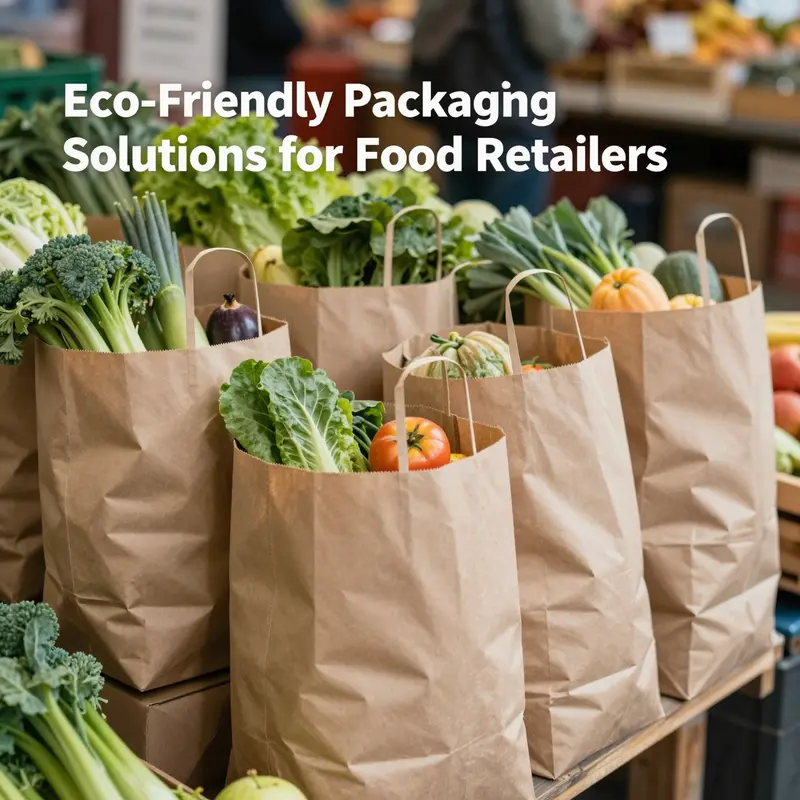
The shift toward sustainable prepackaged foods in retail is reshaping how retailers think about the first moment a product meets a customer: the package. High-quality paper bags emerge as a durable, versatile, and increasingly premium option that aligns with both environmental aims and consumer expectations. They sit at a compelling intersection where aesthetics, performance, and end-of-life considerations converge. In many markets, kraft-based and recycled paper solutions offer a tangible path away from single-use plastics without compromising the integrity of the contents on the shelf and during transit. The conversation about alternatives to airtight plastic bags is not a simple substitution; it is a reimagining of what “protective packaging” can mean in a circular economy. Paper, when crafted and managed with care, can hold strong appeal for retailers seeking to communicate restraint and responsibility while still delivering convenience and trust to shoppers who demand freshness, hygiene, and a clear environmental story.
The advantages of high-quality paper bags begin with material choice. Kraft paper, especially when derived from recycled fibers or certified sources, provides a robust base that readily accepts design work, enabling brands to carry bold, high-resolution prints that communicate taste, provenance, and sustainability in one glance. The tactile experience of a thick, natural-feeling bag reinforces a premium perception that is often associated with quality foods and artisan brands. The earthy aesthetic of paper—a warm brown tone or a crisp white for upscale presentations—helps convey values such as sustainability, minimalism, and authenticity. From the retailer’s point of view, these bags are compatible with point-of-sale campaigns and seasonal branding, allowing a coherent narrative across in-store displays and digital channels. The potential for customization extends beyond visuals; it encompasses structural design that improves handling in busy storefronts, reducing the risk of accidental spills or product shifting during customer transport. In this regard, high-quality paper bags are not merely containers but rather integral components of a brand’s storytelling.
Yet every choice in packaging design must confront practical realities. For paper bags to compete with airtight plastics on retailer-wide performance, moisture handling is central. Uncoated, fully uncoated kraft bags offer the strongest environmental case, since they disassemble cleanly with composting programs and recycling streams. However, uncoated paper bags tend to have lower moisture resistance, which can be a challenge for beverages, moist foods, or products that exude oils. To address that, many paper bags incorporate a thin interior or exterior coating—commonly a transparent polymer or film layer—that creates a barrier against spills, condensation, and humid conditions. This coating significantly improves performance for water-based or oil-rich contents, extending handling time in carts and clean-up efficiency in stores. The trade-off is clear: coatings enhance barrier properties and user experience but can reduce the bag’s environmental friendliness in some end-of-life scenarios, depending on the specific materials and waste management infrastructure in place.
The lifecycle implications of these design choices matter. In markets with mature composting or industrial recycling streams, coated paper bags can be part of a sustainable system when properly collected and processed. In regions where consumer waste streams are fragmented, uncoated or minimally coated options that prioritize recyclability tend to perform better for diversion from landfills. This nuance is essential for retailers who seek to align with local regulations and consumer expectations. The research landscape indicates a growing preference for packaging that either can be composted in industrial facilities or is fully recyclable after a standard end-of-life cycle. When retailers and suppliers collaborate on supply-chain clarity—for instance, making sure that packaging products advertise their compostability or recyclability in a transparent, consumer-friendly way—consumers become more confident in their disposal choices. There is also a keen interest in how this packaging interfaces with brand protection and product integrity during shelf life, transport, and consumer handling. Paper bags can accommodate heat-seal or untied closures tailored to product type, and many bag formats allow for resealing strategies that preserve freshness without relying on plastic film, thereby supporting a more circular packaging approach.
One of the most compelling aspects of high-quality paper bags is their adaptability to different food categories. For staple produce, thick kraft paper bags can support significant weight, resist tearing, and offer a reassuring, sturdy feel that mirrors consumer expectations of freshness and care. For bakery items, coffee and tea blends, or snack assortments, paper packaging can be paired with kraft window elements or clear accents that reveal the product without sacrificing the natural aesthetic retailers want to project. The ability to print bold, high-definition artwork on durable paper surfaces enables brands to communicate not only flavor and origin but also commitments to sustainability and social responsibility. This fusion of form and function helps retailers differentiate themselves in a competitive marketplace and creates a cohesive consumer experience from back dock to checkout.
Moisture management remains a nuanced topic in the paper-bag solution. For beverages or items with liquid content, moisture resilience can be achieved with interior coatings designed to resist seepage through the bag walls. The coatings employed are often selected to minimize odor transfer, oxidation, and flavor interaction, thereby protecting the food’s sensory qualities. In this context, the packaging decision is not simply about containment; it is also about maintaining consumer trust. A bag that dries and presents cleanly after a brief walk from store to car supports the perception of careful handling and food safety. Retailers can also consider complementary packaging tactics, such as combining paper bags with compostable liners or inserts for fragile or moisture-prone items, thereby balancing environmental goals with practical performance. The ultimate aim is to deliver a solution that keeps products fresh enough for retail display and consumer transport, while also integrating smoothly with municipal waste streams and consumer habits.
Lifecycle considerations feed into the economic calculus that many retailers must perform. High-quality paper bags, especially when sourced from recycled or FSC-certified material, can be cost-competitive with certain plastic alternatives when volumes are high and the total cost of ownership is evaluated over multiple uses and waste-management savings. The premium perception associated with paper packaging can justify higher price points in certain channels, particularly in premium grocery sections, artisanal outlets, and eco-conscious stores where branding communicates a steadfast commitment to sustainability. In bulk purchasing, retailers and brand owners can leverage scalable options that enable consistent quality, color tolerance for printing, and uniform thickness to ensure reliable performance across varied store layouts. The financial aspect is not simply the price per bag; it includes the downstream savings from reduced litter, improved consumer satisfaction, and alignment with municipal or national packaging-reduction mandates. The broader market trend toward greener practices means paper-based solutions are increasingly perceived as a strategic investment rather than a trade-off.
Consumer perception plays a decisive role in the adoption of paper bags as a standard packaging option. Many shoppers associate paper with environmental stewardship, a quality-conscious mindset, and a preference for locally sourced materials when given a choice between bags that look and feel natural versus those that appear synthetic or wasteful. The premium look of a well-produced paper bag can enhance perceived value, particularly for prepared foods, deli items, or ready-to-eat meals where presentation matters. Yet perception also hinges on transparency about disposal and recycling pathways. Clear labeling that explains whether the bag is recyclable, compostable, or intended for a specific waste stream helps demystify end-of-life options and reduces hesitation at the point of sale. Brands that invest in packaging education—via QR codes, shelf signage, or in-store displays—tend to build stronger customer loyalty among environmentally minded consumers who are frequently balancing convenience with ethics. This educational approach can be reinforced by consistent design language across packaging and marketing materials, ensuring that sustainability claims are credible and easy to verify.
From a supply-chain perspective, the move toward high-quality paper bags requires alignment among mills, converters, and retailers. The paper itself must perform consistently under the pressure of daily store operations: rapid restocking, frequent handoffs, and varying climates. Suppliers that offer foldable, reusable paper shopping bags with logo printing provide a pathway to scalable, sustainable packaging programs that support reuse principles in some retail contexts. The practical reality is that these bags can be integrated into bulk-order programs with competitive unit pricing and customization options that preserve brand integrity. In many cases, the most sustainable outcomes arise when retailers pair paper bags with programs that encourage reuse and responsible disposal, rather than treating the bag as a single-use artifact. Programs that promote container reuse in bulk and at consumer touchpoints can amplify the environmental benefits and reduce waste streams over time, contributing to a broader circular economy.
The conversation does not stop with bag design alone. It extends into how paper bags fit within a broader packaging ecosystem that includes alternative materials like compostable films, plant-based laminates, and barrier-enhanced laminates designed for specific product sets. The choice among these options is highly contextual, dependent on product type, supply-chain capabilities, and local waste-management infrastructure. Paper bags offer a flexible, design-forward option that can be integrated with other sustainable packaging strategies to create a portfolio of choices for retailers. This approach supports risk management by diversifying packaging modalities and reduces dependence on a single material class. It also helps retailers hedge against regulatory shifts that impose tighter restrictions on plastics by enabling a smoother transition to greener packaging without sacrificing performance or brand identity.
For readers seeking more technical, design-oriented guidance, there are resources that delve into the composition, structure, and performance considerations of paper bags for engineers and packaging professionals. These guides provide deeper analyses of how coatings, fiber blends, and recycling streams interact, and they offer practical insights into optimizing strength, tear resistance, and print fidelity while preserving end-of-life compatibility. In the broader literature and practitioner networks, the emphasis is on balancing barrier properties, mechanical performance, and environmental outcomes. The evolving standards and certifications related to paper-based packaging continue to shape how products are developed, tested, and marketed. Retailers who actively participate in this knowledge ecosystem—engaging with suppliers, waste-management partners, and industry groups—are better positioned to lead transitions that are both commercially viable and environmentally responsible.
Ultimately, the case for high-quality paper bags as sustainable alternatives to airtight plastic bags rests on a clear, integrated narrative of environmental stewardship, consumer trust, and practical performance. They enable retailers to present a premium, natural aesthetic while delivering reliable protection for a range of foods. They support responsible disposal through recyclability and compostability where infrastructures exist, and they offer a pathway to reuse-focused models that can extend the life of the packaging itself. In markets where conservation of resources, reduction of plastic waste, and transparent communication with consumers are daily imperatives, paper bags provide a credible and adaptable alternative. They are not a universal solution in every situation, but they are a strong, scalable path for many food categories and store formats. As retailers continue to explore the full spectrum of options, high-quality paper bags will likely play a central role in crafting packaging systems that honor both freshness and responsibility, while still delivering the brand experience and operational practicality that modern retail demands. For practitioners seeking to integrate these concepts into concrete procurement and design decisions, an accessible point of reference is available in the broader literature that examines paper bag design, composition, and performance in engineering terms, and it can be found at this external resource: https://www.example.com/paper-bag-print-guide.
To further explore practical pathways for sourcing and implementing paper-based packaging with an emphasis on eco-friendly takeout and retail applications, retailers can consider connecting with suppliers that offer foldable, reusable bags suitable for logo customization and bulk deployment. A few industry-standard practices include selecting FSC-certified or recycled-content paper, evaluating barrier requirements for different product categories, and aligning with waste-management capabilities in target markets. The goal is to create packaging that is durable enough to protect product quality during transport, visually consistent with the brand’s sustainability narrative, and easy for consumers to dispose of in a manner that aligns with local infrastructure. When done well, high-quality paper bags can become more than just packaging; they can become a tangible extension of a brand’s environmental ethos, a signal of responsible stewardship, and a practical, aesthetically pleasing consumer experience that helps reframe what it means to package food in a world increasingly mindful of plastic waste.
In sum, the adoption of high-quality paper bags as sustainable alternatives to airtight plastics supports a coherent strategy for retailers aiming to reduce single-use plastics while preserving product protection, consumer appeal, and brand integrity. The approach invites careful consideration of material choices, moisture management strategies, end-of-life pathways, and customer education. It asks retailers to view packaging as an opportunity to elevate the consumer experience rather than a mere cost of goods sold. As waste-management systems evolve and consumer expectations sharpen, high-quality paper bags stand out as a versatile, responsible, and commercially viable component of a broader, more resilient packaging portfolio. The narrative emerging from current research and industry practice suggests that this is not a temporary shift but a sustained trajectory toward packaging solutions that respect both the product and the planet, even as markets respond to regulations, demand, and the realities of everyday retail operations.
Guardians of Freshness: Mylar Pouches and Reusable Containers Redefining Prepackaged Food Packaging
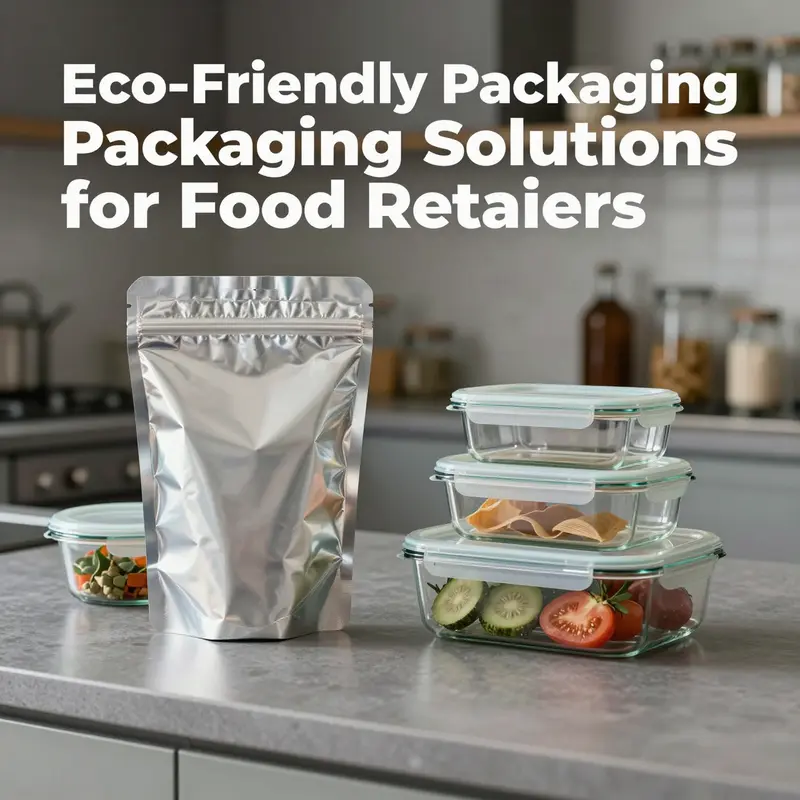
The shift away from single-use, airtight plastic bags in prepackaged food retail has moved from a disruptive impulse to a sustained design philosophy. In this evolving landscape, two approaches stand out for their balance of performance, consumer convenience, and environmental merit: Mylar pouches and reusable containers. Together, they offer a pathway to extend shelf life, protect sensory quality, and reduce plastic waste, all while aligning with increasingly stringent regulations and bold consumer expectations. The narrative of these technologies is not merely about replacing one material with another; it is about reimagining how packaging functions across the supply chain—from the producer’s line to the shopper’s pantry—and how a retailer communicates value through packaging that embodies both reliability and responsibility.
Mylar pouches represent a mature, high-barrier technology that has gradually moved from niche applications to mainstream prepackaging. At their core, these pouches rely on a multilayer structure that typically weaves together a polymer base, a metallic layer, and a polyethylene sealant. The result is a barrier system that drastically reduces the ingress of oxygen, moisture, light, and odors. When properly sealed and stored, products protected by these pouches can enjoy an extended shelf life—often five to ten years for dry goods such as coffee, grains, and spices, as long as the storage conditions remain controlled. This extended stability is not just a convenience for retailers and distributors; it translates into practical implications for supply chain resilience, seasonal demand management, and inventory turnover. The science of barrier properties matters less to the shopper than the tangible outcomes: consistent product quality, stable aromas, and dependable freshness from warehouse to shelf.
The performance of Mylar pouches is not limited to shelf life alone. They are designed to withstand high-temperature retort processing, enabling sterilization that satisfies stringent food safety standards. Such capability is especially valuable when the packaging must endure processes that eliminate microbial risk without compromising the integrity of the contents or the packaging itself. In practical terms, this means retailers can confidently offer a range of dry goods and shelf-stable items that require robust protection from environmental factors, including fluctuations in temperature and humidity during transport or storage. The pouches’ rigidity relative to simple films also supports stable presentation on shelves, reducing the likelihood of product crushing or deformation—an advantage when the goal is to preserve both the visual appeal and the structural integrity of the packaging during handling.
Certifications and regulatory alignment reinforce the credibility of Mylar-based solutions. Many Mylar pouch offerings carry food-safety approvals such as FDA-related designations and compliance with recognized packaging standards. In the broader sustainability discourse, certifications and certifications-adjacent schemes—like global recycling standards and extended producer responsibility regulations—play a growing role in consumer trust and retailer confidence. The combination of barrier performance, process compatibility, and regulatory reassurance makes Mylar pouches a compelling option for products where freshness and longevity are paramount, whether the category is premium coffee, medicinal herbs, or specialty dry foods. A retailer that chooses Mylar pouches can also leverage branding opportunities through surface printing. Gravure or high-quality printing allows logos, nutritional statements, and certifications to appear directly on the pouch surface, creating a distinct visual identity that can communicate quality and safety at a glance. This is an area where packaging design and consumer perception intersect, shaping how customers interpret value and care in the product they buy.
Yet a barrier-focused solution by itself does not capture the full spectrum of sustainability. This is where the idea of a dual-layer system, combining Mylar pouches with reusable containers, offers a more holistic strategy. The concept is elegant in its simplicity: a Mylar pouch, with its superior barrier, holds and protects the product inside, while a durable, reusable container provides a secondary, long-term option for consumer reuse. This approach aligns with the growing trend of consumers bringing their own containers to reduce waste, while retailers can offer bulk or semi-bulk configurations that maximize both shelf presence and reuse potential. The internal pairing is not just about practicality; it is a conversation about lifecycle thinking. It invites retailers to consider how a product travels through the store, how the consumer handles it at home, and how the packaging is returned, repurposed, or responsibly recycled at end of life.
The practicalities of deploying such a system are grounded in thoughtful design choices. For example, a Mylar pouch inside a sturdy, food-grade reusable container can create a compact, yet high-capacity packaging unit that protects fragile contents during transport and keeps them visually appealing on shelves. The pouch’s barrier properties safeguard aroma and freshness, while the container offers thermal stability and durability for repeated use. This dual-layer approach can be especially compelling for premium or delicate items—coffee, tea blends, dried fruits, or specialty botanicals—where both long-term stability and consumer engagement matter. It also aligns with a broader narrative about value-based packaging: customers pay for quality and stewardship, and retailers reward that commitment with packaging that performs over multiple uses instead of a single disposal.
From a consumer behavior perspective, sensory quality and perceived freshness are central to acceptance of such packaging. The Mylar pouch delivers reliable protection against oxygen and moisture, preserving flavor compounds and texture, while the resealable zipper variants enhance convenience. The container’s form factor further reinforces positive experiences: a robust, easy-to-clean exterior, clear visibility of the contents, and a design that supports portioning and reuse without compromising hygiene. Consumers increasingly seek packaging that supports a lower overall environmental footprint without sacrificing convenience or safety. In this context, the Mylar-plus-reusable-container model offers a tangible pathway to reduce waste, especially in categories where single-use plastic films and weaker pouches lead to frequent resealing, leakage, or damage.
Regulatory dynamics and industry expectations continue to shape adoption trajectories. Governments pursuing plastic reduction policies are progressively evaluating end-of-life pathways for packaging materials. Mylar pouches, with their multilayer construction, present both opportunities and challenges: while their barrier properties reduce waste through longer shelf life, the aluminum layer complicates recyclability in some jurisdictions. Saliently, this tension is driving innovations in recycling streams, recycling-ready laminates, and post-consumer collection schemes. Retailers and packaging engineers increasingly seek solutions that balance product protection with responsible end-of-life handling. In this light, the dual-layer approach gains additional appeal. It provides a path to reduce single-use reliance while maintaining high standards of product protection. The reusable container, particularly when crafted from glass or BPA-free materials, offers durability and the potential for substantial waste reductions over time, provided that systems for cleaning, return, and reuse are practical for store operations and customer routines.
Real-world adoption of these concepts reflects a broader shift toward certification-driven, sustainability-focused packaging ecosystems. Retailers experimenting with high-performance barrier materials and reusable container systems are often guided by standards that emphasize not only safety and shelf life but also recyclability, reuse, and traceability. These standards help retailers communicate the responsible nature of their packaging to customers who are increasingly skeptical of green claims without substantiation. The conversation around Mylar pouches and reusable containers thus extends beyond technical performance to include storytelling about product integrity, waste reduction, and the responsible stewardship of resources across the supply chain. In this environment, packaging becomes a strategic asset, enabling brands to demonstrate commitment to sustainability while delivering the reliability that shoppers expect.
The integration narrative further benefits from a pragmatic approach to implementation. Retrofits in existing lines, pilot tests with select SKUs, and cross-functional collaboration between sourcing, packaging engineering, operations, and marketing can accelerate the path from concept to store shelves. The Mylar pouch, with its strong barrier profile, serves as a capable primary containment that fits a wide range of product sizes and shapes. Pairing it with a durable, reusable container requires careful attention to hygiene protocols, cleaning cycles, and customer education about reuse expectations. Transparent communication about the purpose and benefits of the packaging system is essential to ensure shopper buy-in and to minimize confusion at the point of sale. Retailers can position the dual-layer approach as a commitment to quality, safety, and the planet—an alignment that resonates with the values of a growing segment of eco-conscious consumers without compromising the shopping experience.
This approach, while technically sound, also invites ongoing innovation. Manufacturers could explore modular designs that allow the reusable container to be adapted for different product families, or introduce liners and detachable seals that simplify cleaning and refilling. Eco-conscious materials for the container, such as borosilicate glass or food-grade ceramics with tight-sealing lids, could further enhance durability and user satisfaction. At the same time, the Mylar pouch family could be expanded with barrier configurations tailored to specific product needs—varying oxygen transmission rates, moisture barriers, and light protection to optimize freshness for different categories. The future of prepackaging, then, is less about one material replacing another and more about a coherent system of protection, reuse, and storytelling that aligns with the circular economy ethos.
The potential of these innovations is not merely theoretical. Retailers implementing a Mylar-based solution with a reusable container already report improvements in product retention, fewer incidents of compromised packaging on the shelf, and a clearer path toward waste reduction goals. The economic calculus, though nuanced, often favors higher upfront packaging costs when the longer-term savings from reduced waste, improved shelf stability, and enhanced brand value are factored in. Moreover, as consumer demand for sustainable choices intensifies, the willingness to participate in more durable, reusable packaging ecosystems grows. The packaging decisions made today thus have implications that ripple through the supply chain, influencing sourcing, logistics, and in-store presentation, while also shaping consumer expectations for responsible product stewardship.
As a practical guide for retailers considering this route, the emphasis should be on selectivity and integration. Start with categories where barrier protection translates most clearly into tangible benefits—coffee, dried herbs, specialty grains, and premium snacks are natural fits. Evaluate container materials for market readiness, hygiene compliance, and ease of cleaning. Establish clear return or reuse pathways, perhaps through in-store take-back programs or partnerships with local recycling or waste reduction initiatives. And maintain a transparent narrative about the environmental trade-offs, helping customers understand the value of longer shelf life, reduced waste streams, and the responsible use of resources. The aim is not to push a single technology but to foster a packaging strategy that preserves the integrity of the product, elevates the consumer experience, and advances broader sustainability objectives.
In sum, Mylar pouches and reusable containers represent a compelling, integrated response to the pressures facing modern prepackaged food retail. They deliver the best of both worlds: the reliable barrier performance needed to protect quality and the durable, reusable container framework that reduces waste and supports reuse across consumer routines. This combination enables retailers to navigate regulations, satisfy evolving consumer expectations, and differentiate on packaging that is as responsible as it is practical. The journey toward sustainable prepackaging is ongoing, but the alliance of high-barrier materials with durable, reusable containers offers a coherent, scalable pathway that aligns with the future of food retail.
For readers curious to explore the practicalities and equipment options behind these packaging approaches, a related resource highlights the broader landscape of Mylar-based systems and their applications in commercial packaging. See the external reference for a deeper look at how retort-capable Mylar pouches are deployed across home and commercial contexts: https://www.alibaba.com/product-detail/Mylar-Vacuum-Plastic-Bags-with-Retort-Pouches1600439863295.html?spm=a2700.galleryofferlist.pyjg1_1.1.4b3a4e65c9xYXf
Internal link to an ecosystem of sustainable packaging options emphasizes the practicality of reuse in everyday retail settings. Retailers exploring the use of reusable containment solutions can consult examples of eco-friendly takeout packaging that illustrate durable, safe, and recyclable design paradigms. See this resource for an overview of takeout packaging options that emphasize sustainability and user experience: eco-friendly takeout boxes for food packaging.
And for readers seeking additional context on the broader packaging ecosystem—beyond single-use plastics—this internal link provides a gateway to related materials that discuss consumer-facing packaging choices, design considerations, and the ongoing evolution of sustainable packaging in retail. eco-friendly takeout boxes for food packaging
Final thoughts
Transitioning away from traditional airtight plastic bags to sustainable alternatives is not just good for the environment—it’s beneficial for your business’s brand image and customer relationships. By adopting compostable and biodegradable options, utilizing high-quality paper bags, and integrating Mylar pouches and reusable containers, you can meet consumer demands for greener packaging while also ensuring your products remain fresh and appealing. Not only will you minimize plastic waste, but you’ll stand out as a leader in sustainability, gaining the confidence and loyalty of eco-conscious patrons.