
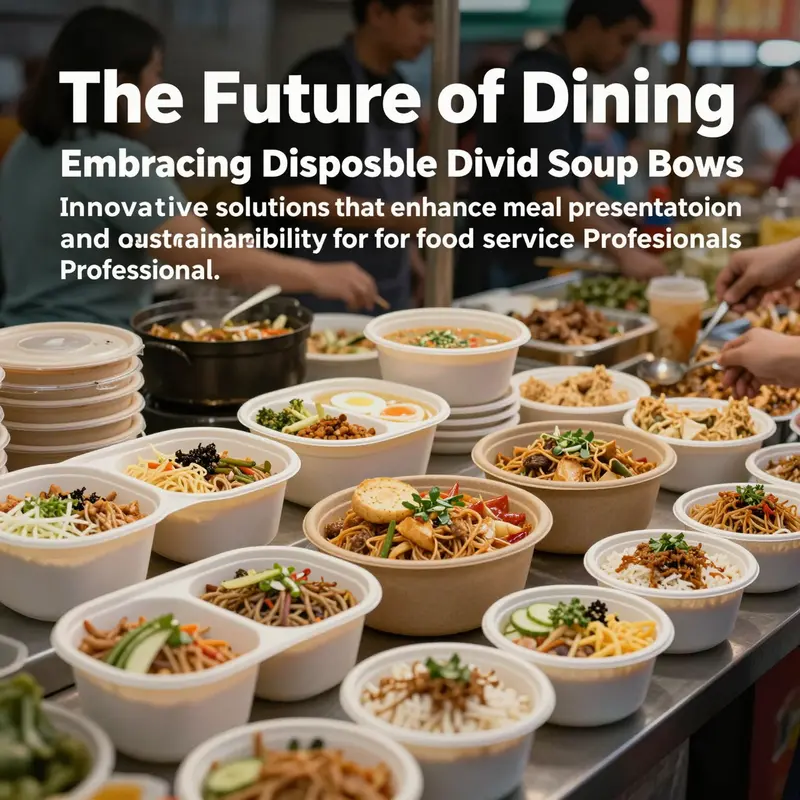
In the competitive landscape of food service, offering innovative and practical solutions is key to staying ahead. Disposable divided soup bowls are gaining traction among various sectors, including bubble tea shops, restaurants, food trucks, and catering services. These bowls not only keep distinct meal components separate but also cater to the rising demand for sustainable and convenient options. In the following chapters, we’ll explore how these bowls are utilized in meal prep and catering, delve into sustainability trends shaping consumer choices, examine the economic implications of their manufacturing, and analyze growing consumer preferences in takeout and delivery services.
Partitioned Portability: Elevating Meal Prep and Catering with Disposable Divided Soup Bowls
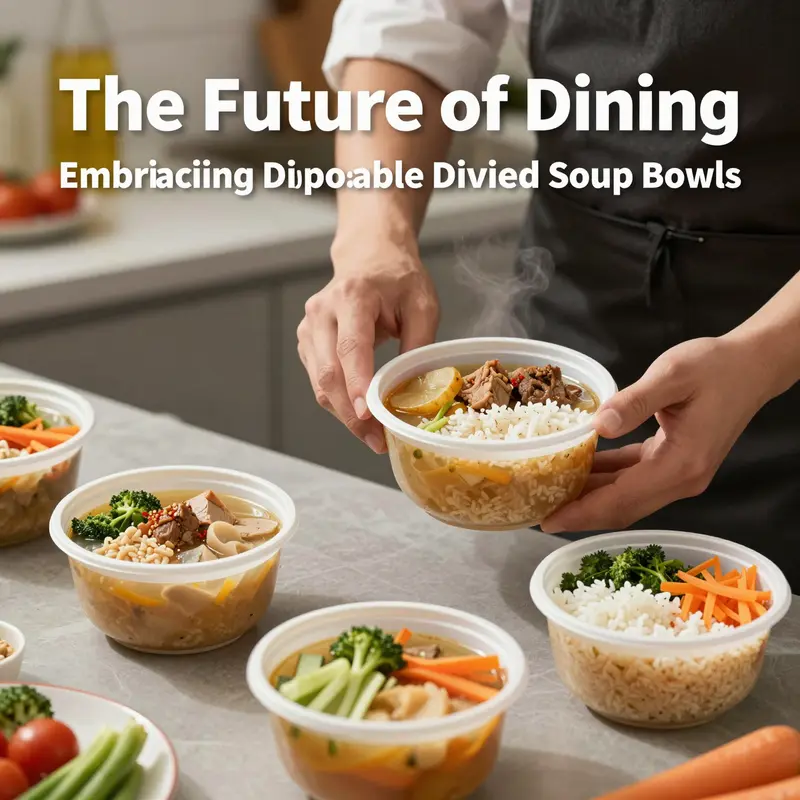
In the busy ecosystems of meal prep and catering, where timing, hygiene, and consistency dictate success, a simple design choice can ripple through every link in the service chain. Disposable divided soup bowls, with their upright partition and integrated structure, have quietly become a workhorse for operators who need to present multiple components together without sacrificing texture, temperature, or flavor. The core appeal lies not in novelty alone but in the practical fusion of organization and convenience. A single container can cradle broth, grains, vegetables, and protein in distinct compartments, enabling cooks to craft meals that feel cohesive while remaining faithful to each component’s identity. This is especially valuable in settings that must serve diverse dietary preferences at scale, from corporate cafeterias to event kitchens, where batch-cooked staples meet the need for personalized plate assembly. The bowls act as a miniature logistical compact, a portable station where the culinary story of a meal is told in parallel tracks that stay true to their course until the moment of consumption.
At the heart of the design is the divider, a feature that transforms a single vessel into a controlled storytelling device. The divider’s position and curvature are calibrated to minimize cross-talk between components. Broth can wash around the edges of a grain bowl without turning the rice into a soggy companion; greens can retain their snap while a separate protein keeps its own juiciness intact. This level of separation is not merely a textural concern. It preserves the sensory hierarchy of a dish—temperature, aroma, and mouthfeel—so that the eater experiences each element as intended. For the caterer or meal-prep kitchen, this means fewer last-minute adjustments in the dining room or front-of-house line. The meals arrive looking ordered, and the consumer perceives a deliberate, balanced composition rather than a casual jumble of leftovers pooled together by heat and time.
From a workflow perspective, the value of these bowls extends beyond the plate. In high-volume environments, batch cooking is common practice. Dishes are prepared in large quantities, portioned, and kept in a state of readiness until service. The divided bowl supports this workflow by enabling pre-portioned components to be assembled quickly during service, with minimal risk of cross-contamination or flavor migration. The central divider becomes a little runway for efficiency: components stay in their lanes, reducing the need to replate or to separate sauces after the fact. In a catering operation, where a single event might demand hundreds or thousands of distinct meals, the time saved in assembly translates directly into labor savings and a faster service tempo. The bowls also fit easily into existing logistics stacks, which means stock rooms and delivery totes can be optimized for volume rather than fragility. Lightweight materials, stackable geometry, and predictable sizing work together to lower storage costs and shorten replenishment cycles, which matters in any operation where every inch of storage and every hour of labor counts.
Hygiene and safety are foundational to the appeal of disposable divided bowls. The disposable nature of the container aligns cleanly with established food-safety protocols, particularly in environments where sanitation is prioritized or where external kitchens supply meals for large groups. The tendency toward single-use solutions helps reduce the risk of cross-contact and contamination that sometimes arises when shared plates or re-used vessels are employed to manage a variety of dishes in the same service window. Each bowl becomes a closed system, a defined footprint that limits exposure of contents to external contaminants during transport and handoff. From a risk-management standpoint, the divider’s role is double-edged in the best possible way: it protects the integrity of the dish while supporting a safer, more predictable handling process across the supply chain, from prep tables to delivery stations. Consumers, in turn, achieve the convenience of a tidy, self-contained meal that travels well and arrives ready to eat, with the knowledge that their chosen components will hold their shapes and flavors through transit.
Yet the practical benefits extend into sustainability and waste management, areas where modern kitchens are increasingly asked to demonstrate responsibility. In many markets, paperboard-based bowls coated with polylactic acid (PLA) or polyethylene (PE) are standard. PLA coatings add the allure of compostability and a reduced environmental footprint, appealing to brands that emphasize eco-conscious packaging. The sugarcane bagasse-based variants represent a further step in sustainable material science, offering strength and heat resistance suitable for hot soups and cold salads alike. The choice of coating and base material is not solely about environmental labels; it also influences performance. A well-chosen coating provides water resistance, leakage prevention, and durability during the rigors of shipping and handling. For kitchens, this means less worry about soggy bottoms or brittle walls when the container encounters heat and movement. For end users, it translates into a more reliable dining experience, where components stay within their compartments and the lid remains secure during a commute or event setup.
These sustainability considerations intersect with customization and branding, which have become essential tools for catering businesses seeking to differentiate themselves in competitive markets. Modern disposable divided bowls often support customization through printing—logos, color schemes, and promotional designs can be applied on a bulk scale using flexible printing methods. This is not just about aesthetics. Custom branding reinforces a client’s identity during corporate events, conferences, or charity fundraisers, turning a utilitarian item into a touchpoint for engagement and recall. The capability to print at scale makes it feasible to align packaging with a broader brand or event theme without sacrificing the efficiency advantages that make disposables attractive in the first place. It is not uncommon for operators to pursue a balance between sustainability and branding, selecting coatings and materials that satisfy both environmental goals and marketing needs. In the end, the container becomes a visible extension of the service model, signaling a commitment to quality, organization, and care for the guest’s experience.
The scope of applications for divided bowls is broad, and the versatility of use feeds back into operational planning and menu design. In cuisines that emphasize contrasts—hot broths with crisp greens, tender proteins with vibrant grains, or a mix of textures that benefit from controlled moisture—the divider preserves the intended textures and aroma profiles. This makes such bowls particularly well-suited for menus that rotate seasonally or cater to a wide range of dietary preferences, from gluten-free to plant-forward options. For hot and cold presentations alike, the container supports a flexible service approach: it can accommodate steaming liquids and still-separate components without compromise, or hold a chilled mix with elements that retain crunch or tenderness. The adaptability is a valuable attribute for event planners and large-scale cafeterias that need to curate multi-component meals without assembling separate dishes at the point of service.
An often underappreciated dimension is the way these bowls influence the culinary narrative around portion control and cost management. The compartments encourage precise portioning, which helps vendors standardize serving sizes and reduce waste. In catering operations, where food waste translates into lost margin, the ability to predefine exact components for each meal helps maintain consistency across dozens or hundreds of plates. The internal architecture of the bowl supports this discipline, enabling staff to assign fixed volumes to each section without overfilling or underrepresenting a component. Over time, this translates into more predictable yields, which simplifies inventory planning and forecasting. When combined with a responsible sourcing strategy for proteins, vegetables, and grains, the bowls become part of a financially sustainable model that aligns with corporate or institutional procurement goals.
For teams that rely on partnerships and outsized orders, the logistical reality of packaging supply chains matters as much as the design of the bowl itself. Orders often move through distribution networks that favor bulk purchasing, predictable lead times, and standardized specifications. The market offers a spectrum of options, from minimalist two-compartment designs to larger, multi-component configurations that can hold more substantial portions, such as 35-ounce formats suitable for family-style servings or buffet-style setups. This scalability is not a luxury; it is a practical response to the variability of event sizes and venue constraints. Suppliers frequently emphasize that the best solutions are those that demand minimal handling in transit, stack securely, and nest within each other for efficient storage. In effect, the divider is paired with a packaging system that respects both the physical realities of a kitchen and the logistical realities of a catering operation.
From a business development perspective, the potential for customization extends beyond branding. Some operators use the divider-based bowls as a canvas for cross-promotional opportunities, pairing meals with recipe cards, dietary tips, or QR codes that link to menus or loyalty programs. The packaging becomes a conduit for deeper engagement with customers, transforming a disposable container into a lasting impression of the service. In this sense, the bowl is more than a packaging solution; it is a touchpoint that reinforces reliability, hygiene, and an elevated dining experience. The strategic implications are nuanced: while disposables may be perceived as a cost of convenience, the right design and material choices can reduce waste, boost guest satisfaction, and enable more efficient service, which, in turn, bolsters margins and client relationships.
As operators explore the balance between form and function, they often weigh the trade-offs between sustainability, cost, and performance. The choice of material—whether PLA-coated paperboard, PE-coated variants, or compostable bagasse—carries implications for end-of-life options, local composting infrastructure, and consumer perception. In markets with robust composting programs, PLA and bagasse options can deliver meaningful environmental benefits, aligning with corporate sustainability goals and consumer expectations for responsible packaging. In other contexts, the emphasis may shift toward recyclability or minimal resource use, guiding procurement toward lighter-weight formulations or more efficient manufacturing processes. Regardless of the mix, the central message remains clear: when the container is well designed, the meal travels with clarity, the kitchen scales remain manageable, and the guest experiences a meal that is thoughtful as much as it is convenient. This convergence of practicality and purpose is what makes disposable divided bowls a notable, if understated, asset in modern meal preparation and event catering.
For readers seeking ways to integrate this packaging into a broader service strategy, consider the potential for a tailored approach to packaging partnerships. A collaboration that blends manufacturing efficiency with branding capabilities and sustainable design can yield a solution that meets both budgetary realities and environmental aspirations. For instance, a partner offering custom takeaway packaging supplies for theme party can help align the packaging with the event’s aesthetic while maintaining the operational benefits of a divided bowl. Such alignment can simplify inventory management, reduce switching costs during seasonal menus, and strengthen the overall guest experience by presenting a cohesive, on-brand service from kitchen to table.
In sum, disposable divided soup bowls are more than convenient vessels. They are purposeful tools that enable precise portioning, maintain the integrity of multiple components, and support efficient, hygienic service across a range of settings. They offer a practical answer to the tension between the need for multi-component meals and the realities of scale, transport, and waste management. They support sustainability without sacrificing performance, and they invite operators to reimagine how meals are prepared, packaged, and presented. In the hands of thoughtful cooks, caterers, and meal-prep teams, these bowls become catalysts for consistency, speed, and care—an understated facilitator of a better dining experience that travels well, arrives intact, and invites diners to savor each element on its own terms.
External resource for further reading: https://www.alibaba.com/product-detail/In-Depth-Guide-to-Soup-Disposable-Divided1600745329888.html?spm=a2700.details.related.1.6d2a4b7cZVQxKl&from=productdetail
Sustainability Trends in Disposable Divided Soup Bowls
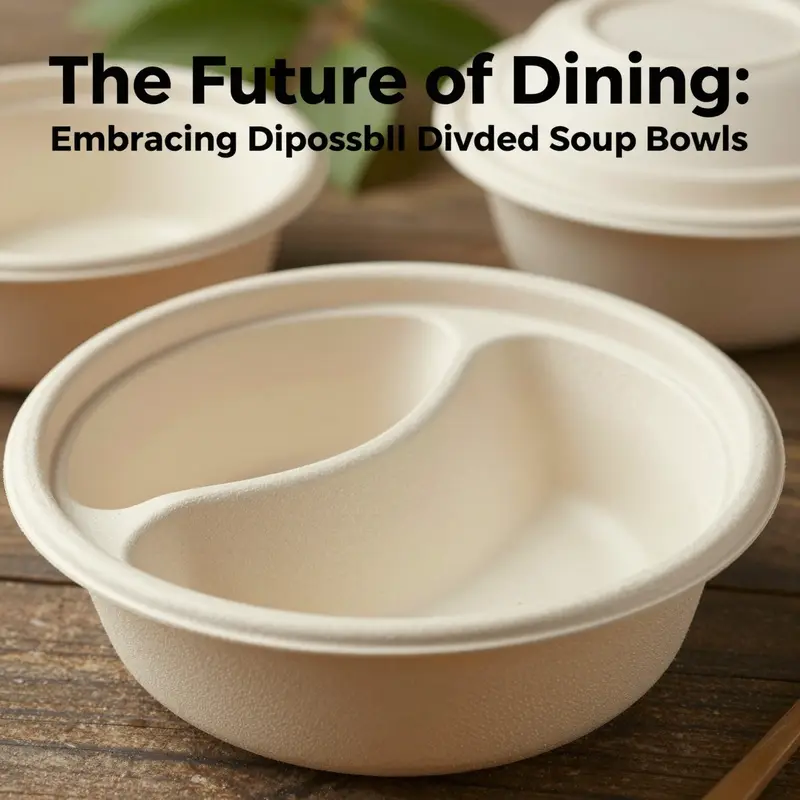
The sustainability trends shaping disposable divided soup bowls are unfolding with a momentum that mirrors broader shifts in packaging and food-service practices. As businesses seek to deliver convenience without compromising environmental responsibility, these bowls have become a focal point where material science, waste-management realities, and consumer trust intersect. The central promise remains simple: keep components separate enough to preserve texture and flavor, while aligning the container with a lifecycle that minimizes harm to the planet. In practice, this promise is becoming more sophisticated every year as materials evolve, certifications tighten, and design thinking expands beyond the single-use moment to encompass end-of-life outcomes. The result is a narrative that combines engineered performance with a growing appetite for transparency, accountability, and true sustainability.
Historically, many divided bowls relied on expanded polystyrene (EPS) foam for insulation and structure. EPS offered dependable heat retention, a light weight, and cost-effective mass production, which made it a staple in hot-soup contexts, ramen stations, and mass catering. Yet the environmental footprint of EPS has long cast a shadow over its practicality. Non-biodegradability, persistent environmental presence, and the challenges of recycling a material that is often contaminated by food residues all contributed to a mounting recognition: convenience cannot come at any cost to the planet. As regulations narrowed permissible practices and consumer expectations shifted toward responsible consumption, the industry began a measured transition away from traditional foams toward materials with clearer end-of-life pathways. The shift did not happen overnight. It required a rethinking of insulation performance, moisture resistance, and structural integrity in materials that could still withstand hot liquids and heavy use while offering improved compostability or recyclability.
A core driver of current trends is the transition to compostable and biodegradable alternatives. Plant-based materials—such as bagasse derived from sugarcane fiber, bamboo-fiber composites, and cornstarch-based formulations—have emerged as leading candidates for the central body of the bowl and the divided walls. These materials can deliver adequate heat resistance, moisture barriers, and leak-proof performance, while offering a more favorable ecological profile across several life-cycle stages. The appeal extends beyond end-of-life advantages: bagasse and similar fibers tend to be lighter than traditional cardboard composites, can be designed for industrial composting or home composting where appropriate, and often carry a lower carbon footprint when produced with efficient, low-energy processing. The practical payoff is a container that can keep soup hot, ingredients distinct, and sauces contained, without the ripple effects associated with non-biodegradable plastics.
However, the march toward greener materials has also exposed new complexities. Recent analytical investigations have revealed that some products marketed as eco-friendly may still harbor problematic chemicals. In a notable case, a category-marked compostable bowl bearing a widely recognized certification faced scrutiny after laboratory testing detected PFAS in leachate exposed to hot broth within a short time frame. The finding—47 ng/g of PFAS in leachate after two hours of exposure—hints at material-sourcing and formulation nuances that can slip through even stringent labeling and third-party claims. This is not an indictment of all so-called eco-friendly bowls, but rather a clear signal that consumer safety and environmental safety require rigorous, independent verification and continuous monitoring. It underscores a fundamental truth about sustainability at scale: it is not enough to claim eco-friendliness; the claim must be verifiable under real-world conditions and across the product’s lifecycle. Third-party certifications and open data about materials, additives, and manufacturing processes become essential tools for restaurants, caterers, and retailers who want to stand behind their packaging.
In response, the industry has intensified its focus on truly sustainable solutions, prioritizing materials that are not only compostable but also free from PFAS and other toxic additives. Plant-based feedstocks are scrutinized for their lifecycle performance, including water use, energy requirements, and transport emissions. The aim is to balance performance with ecological responsibility, ensuring that heat resistance, leak resistance, and durability do not come at the cost of environmental stewardship. Designers are also experimenting with recyclable multi-layer structures that maintain barrier properties while enabling easier separation and recovery at end-of-life. Another key vector is packaging minimization: reducing packaging volume, eliminating unnecessary layers, and adopting more compact forms without sacrificing functionality. The practical effect is twofold. First, it can lower shipping and storage costs for suppliers and operators, reducing the total cost-to-serve for takeout and delivery. Second, it improves the overall waste profile of a food-service operation by increasing the likelihood that the container completes its lifecycle as intended—whether recycled, composted, or otherwise diverted from landfill.
To navigate this evolving landscape, businesses are increasingly driven to verify claims through credible standards and robust testing regimes. Certifications such as TÜV OK Compost HOME or ASTM D6400 offer pathways to credible, independent validation of home- or industrial-compostability. These certifications help distinguish products that truly decompose in appropriate waste streams from those that require specialized facilities or that simply fail under real-world conditions. The emphasis on transparent labeling, accessible documentation, and clear instructions about appropriate disposal channels is essential for both operators and customers who want to participate responsibly in the circular economy. The lifecycle perspective matters here: a bowl’s environmental credentials are shaped not only by the policy-labeled material but by the energy intensity of its production, the efficiency of its distribution, and the ease with which it can be recovered and processed after use.
From a design standpoint, sustainability is increasingly about defensible performance alongside responsible packaging. Innovations in wall thickness, barrier coatings, and fiber blends aim to optimize heat retention and leak resistance while ensuring that the product remains compatible with recycling streams or composting programs. The design ethos shifts from a single-use artifact toward a device that supports a broader sustainable system. This sometimes means embracing modular or conditional use cases—where a lid, a liner, or a divider might be used strategically to extend shelf life, reduce waste, or enable precise portion control. It also means embracing the reality of diverse waste infrastructures around the world. In regions with robust composting networks, home or industrial compostability might be a meaningful selling point; in other regions, recyclability and the feasibility of mechanical separation may be more impactful. The technology must be adaptable to local waste-management realities, not just global marketing narratives.
A practical implication for operators is the necessity of educated procurement and careful vendor evaluation. Cost remains a central consideration, but it is increasingly paired with risk management and reputational capital. Operators are urged to demand evidence of performance and safety across the product’s entire lifecycle: origin of fibers, energy use in processing, water stewardship, and post-consumer fate. In this context, a single, well-documented supplier relationship can be a strategic asset, enabling consistent performance and easier traceability in the event of a safety or environmental audit. For businesses exploring options, a balanced approach often emerges: select materials that meet strict safety and environmental criteria, verify claims with independent testing, and align with local waste-stream realities. When possible, choose packaging that can be integrated into existing waste-management programs to avoid introducing new, incompatible disposal steps for customers.
For researchers, policymakers, and industry observers, the PFAS discussion represents a critical inflection point. The ScienceDaily report on PFAS contamination in compostable bowls underscores the importance of independent testing and credible labeling. It also highlights the need for an industry-wide commitment to lifecycle transparency and continuous improvement. While the future undeniably includes more plant-based, compostable options, the path forward must be anchored in rigorous science, robust certification, and a willingness to adapt as new data emerges. This is not a barrier to innovation but a boundary condition that helps ensure that sustainability claims are meaningful, verifiable, and protective of public health and the environment. It invites a broader conversation about how to reconcile the desire for convenience with the responsibilities that come with modern consumption patterns.
The shift toward smarter materials, transparent labeling, and responsible lifecycle management does not merely reflect a trend. It signals a fundamental realignment of the value proposition for disposable divided bowls. No longer is it sufficient to offer a product that performs well in a kitchen or in a takeaway bag; the product must also perform well in the broader system of waste streams, land-use pressures, and climate considerations that define today’s environmental agenda. The most successful players in this space are those who can couple innovation with accountability, delivering packaging that meets the demands of busy service environments while earning the trust of customers who want to know that their meals arrive in containers that reflect their values. In this sense, sustainability becomes not just a feature but a guiding principle embedded in material choices, design architecture, and the governance around supply chains.
From an actionable standpoint, businesses can begin by mapping the lifecycle of their current or prospective divided bowls. This includes sourcing decisions, energy intensity, and the end-of-life pathways available in their markets. Engaging with third-party certifiers early in the product development cycle can reduce the risk of misrepresentation and help ensure that claims survive regulatory scrutiny and consumer scrutiny alike. It also creates a baseline for communicating with customers about what is genuinely compostable, what requires a specialized facility, and what practices customers can adopt to close the loop. Within this framework, certain supplier capabilities emerge as differentiators: the ability to provide detailed material disclosures, performance data under heat exposure, and demonstrable compatibility with common waste-management infrastructures. The outcome is a more resilient supply chain that can weather regulatory shifts, market fluctuations, and evolving consumer expectations without compromising safety or environmental goals.
For readers interested in a practical pathway to more responsible takeout packaging, a relevant reference point is the growing availability of eco-friendly, three-compartment packaging that emphasizes safe, food-grade materials and clear disposal guidance. Such options can be integrated into menus and marketing strategies, helping to reinforce a brand narrative centered on care for the environment and for diners’ well-being. Where possible, manufacturers and distributors may also offer customization that aligns with sustainability goals, such as logos and colors that reflect environmental commitments, while maintaining the integrity of the product’s compostability or recyclability. A balanced approach to branding, safety, and waste management can thus translate into tangible competitive advantages for operators who prioritize responsible packaging as part of their service proposition.
Ultimately, the future of disposable divided bowls lies in a synthesis of smarter material science, rigorous validation, and transparent communication. It is a future in which environmental claims are backed by independent testing and credible certifications, and where design principles are informed by real-world waste-management capabilities. The trajectory points toward packaging that supports not just immediate service needs but also the broader imperative to reduce pollution, conserve resources, and empower consumers to participate in sustainable practices without sacrificing convenience. In this sense, sustainability becomes a strategic asset rather than a compliance burden—and a driver of innovation that continuously redefines what it means to serve a hot meal with care, clarity, and responsibility.
Internal link for further reading: for operators exploring compliant, diapered packaging options that balance performance with sustainability, see the eco-friendly three-compartment takeout packaging solution. eco-friendly three-compartment takeout packaging.
External reference: for an independent evaluation of how compostable packaging can still pose chemical concerns under heat, see PFAS Contamination Found in Compostable Bowls. https://www.sciencedaily.com/releases/2026/03/260312142538.htm
Economic Currents in the Divide: The Global Manufacturing Pulse of Disposable Divided Soup Bowls
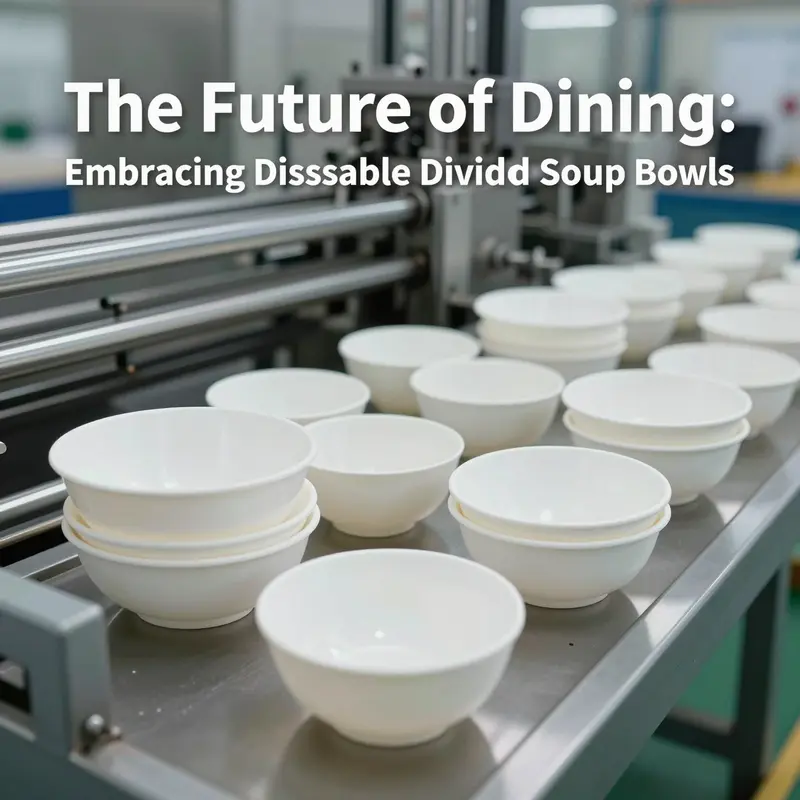
Across the modern dining landscape, a disposable divided soup bowl may seem like a small thing. Yet it sits at the crossroads of design, logistics, and economic strategy. The simple container that holds broth, grains, vegetables, and protein without blending them is a microcosm of how the packaging economy operates. It is an artifact of convenience that also carries the weight of environmental responsibility, cost discipline, and global supply chains. The economic story of this bowl unfolds in layers, from raw material markets to the ambitions of quick service restaurants, from the decisions of small caterers to the policy signals that steer investment in sustainable materials. As the market for disposable bowls grows, the divided format becomes a litmus test for pricing, resilience, and adaptability in a world that prizes speed and cleanliness as much as it demands renewal and responsible waste management.
The market backdrop is instructive. The broader disposable food packaging sector sits in a growth path that has seen value rise from approximately fifteen billion dollars in the recent past to an expected twenty four point five billion by the early to mid decades ahead. The cadence of this expansion is not uniform, yet it is sustained by a trio of persistent forces: the accelerating tempo of food service operations, the rise of meal delivery and takeaway platforms, and the ongoing push for cleaner, more efficient packaging that still performs under heat and moisture. Within this expansive arena, the disposable divided soup bowl is a niche that behaves like a high leverage asset. It is inexpensive to produce at scale, yet it offers a differentiated experience by keeping components separate. The central divider is not merely a physical feature; it is a value proposition that preserves texture, aroma, and the sensory cues of a meal that would otherwise be compromised if components mixed together.
From a regional perspective, the manufacturing heat map follows where urban density, consumer spending, and quick service density converge. North America and Europe maintain mature demand channels with a robust appetite for both efficiency and quality. In these markets, the alignment of material selection with environmental expectations is not optional but a baseline requirement. Asia Pacific, in contrast, presents a dynamic growth engine. Rapid urbanization, expanding QSR networks, and a burgeoning delivery ecosystem push production volumes higher and widen the range of materials used. In these regions, the supply chain is often more global and more integrated with raw material suppliers from different continents. The result is a multi tiered employment structure that begins with the collection of pulp and fiber resources, moves through the conversion into barrier-coated paperboard or bagasse based substrates, and ends in the assembly lines that shape bowls, dividers, and lids. The labor force grows along the way, encompassing roles in materials sourcing, container fabrication, flexographic printing, quality control, packaging design, and logistics.
The material choices themselves tell a story about cost, performance, and sustainability. Paperboard remains the backbone for many divided bowl formats, owing to its light weight and printability. Coatings such as plant based PLA or conventional PE are used to deliver water resistance and leak resistance that keep sauces and broths contained. PLA coatings align well with environmental narratives because they can be compostable under appropriate conditions, a feature that resonates with brands pursuing greener footprints. Sugarcane bagasse, a byproduct of the sugar industry, emerges as another compelling substrate. It blends strength with heat resistance and, crucially, offers a pathway to compostability that can differentiate a brand in crowded markets. The broader implication for manufacturers is clear: material science is not just about protecting contents; it is a strategic lever that shapes product positioning and pricing in a crowded field.
The production dynamics are equally telling. A typical division bowl starts as a sheet of board or a molded form that is cut, formed, and assembled into a bowl with a central divider. The divider itself is a deliberate design choice that requires precise folding or molding. The coating process is synchronized with the forming line to ensure moisture barriers do not compromise the barrier between the liquid section and the solid components. Printing surfaces are prepared for brand marks and promotional graphics, often through flexographic processes that support high volume runs from tens of thousands up to millions of units. The ability to print in brand colors and logos at scale creates a downstream effect on demand: it broadens the value proposition for retailers and caterers who want a consistent packaging experience that reinforces their identity, rather than a generic container. In practical terms, this means that customization is no longer a luxury; it is a demand driver that opens new revenue streams for manufacturers who can offer attractive MOQs and reliable supply chains.
The supply chain architecture that underpins these bowls is intricate and interconnected. Raw materials flow from forestry and pulp producers to board manufacturers, then to coating and barrier technology suppliers, and finally to the packaging converters who transform these inputs into ready to fill bowls. Printing inks and varnishes enter the mix as well, contributing to the visual impact that drives consumer recognition. On the logistics side, the lightweight nature of the product supports favorable shipping economics, especially when orders are placed in bulk and distributed through centralized hubs. The portability facet—often included with a matching lid—adds another layer to the logistical considerations, as lid integrity must be maintained during transit and handling. Businesses that master this chain tend to demonstrate resilience in the face of demand volatility, a lesson that has become particularly relevant as delivery platforms experience surges in volume at unpredictable intervals.
Innovation in materials signals a broader strategic shift within the sector. The adoption of PLA coated boards is one of the most visible signals of a move toward biodegradable packaging options. It signals a willingness to invest in sustainability even when the upfront costs are higher, because the long run benefits include alignment with environmental policies, consumer preference, and potential access to incentive programs. The sugarcane bagasse based alternatives add another layer to the innovation spectrum, offering both ecological and performance benefits. In many markets, the appeal of compostable supply is matched by consumer enthusiasm for brands that advertise a circular economy narrative. For manufacturers, this translates into a dual pathway: capture premium price points in segments that value eco credentials and secure longer term contracts with clients who embed sustainability into their procurement criteria. The net effect is a broader opportunity set for producers who can combine material savvy with efficient manufacturing processes.
The economic implications of this dynamic extend beyond plant floors and warehouse racks. The packaging segment contributes to employment across several linked activities. There is demand for fiber sourcing and pulp processing, board production, coating and barrier technology, and the finishing touches of printing and lamination. There is also demand for package design expertise that can translate client needs into functional, visually compelling solutions. Logistics and distribution networks are invigorated by the need to move high volumes with high reliability and low damage rates. The quality assurance functions, too, are elevated as the market pushes for consistent performance in heat resistance, leakage prevention, and structural integrity under various climatic conditions. In aggregate, this creates a chain of value that not only fuels direct manufacturing jobs but also sustains ancillary roles in research and development, regulatory compliance, and corporate sustainability reporting.
However, this positive trajectory is not without its tensions. The economic landscape bears the weight of trade offs between low cost plastic variants and more sustainable alternatives. PS and non biodegradable PP based designs face increasing scrutiny and, in some jurisdictions, growing compliance costs or access limitations. These regulatory pressures can influence the cost of capital for producers and can shape the pricing dynamics offered to clients. In response, leading manufacturers are investing in process optimization, material substitution strategies, and end of life solutions that emphasize compostability or recycling compatibility. The shift toward sustainable options, while sometimes more expensive upfront, can unlock advantages in brand perception, eligibility for governmental incentives, and enhanced customer loyalty. These are not passive benefits; they translate into measurable improvements in profitability and resilience over the long term as consumer demand shifts and policy landscapes evolve.
The economic story also hinges on the capacity to respond to changing consumer preferences. In a world where convenience remains at the center of dining decisions, the appeal of a bowl that keeps components distinct resonates with both taste and texture. The ran across of broth and grains in one container may ruin the experience for some dishes, while for others the separation preserves delicate sauces and crisp vegetables. The central divider thus becomes a design feature that preserves the sensory characteristics of meals in transit and on display. It also enables marketers to craft multi component options that cater to diverse menus, from hot soups to cold salads, without requiring separate packaging. The ability to sustain quality through the entire shelf and service life is a key determinant of repeat orders and customer satisfaction in a highly competitive space. To that end, the industry sees growing interest in materials that balance barrier performance, user friendliness, and environmental stewardship, a balance that will likely define profitability and growth in the years ahead.
In concrete terms, the economic impact of manufacturing disposable divided soup bowls is inseparable from the future shape of the broader packaging economy. As the sector continues to mature, producers who invest in sustainable inputs, process optimization, and flexible, scalable printing will likely enjoy stronger margins and more durable client relationships. The integration of customization with efficient production lines is not just a marketing advantage; it is a product of economic conditions that reward differentiation in a market with ubiquitous one time use packaging. The balance between cost discipline and value creation will determine which firms scale, which markets become core, and which innovation cycles deliver the next leap in performance and perception. The divided bowl thus stands as a microcosm of the packaging world at large, reflecting how design choices, supply chain efficiencies, and sustainability commitments converge to shape economic outcomes across continents. It is a story of how a single container can ripple through factory floors, supplier networks, and consumer expectations to influence the pace and direction of industry growth.
For practitioners seeking a concrete example of how the ecosystem around this product can be aligned with both cost efficiency and sustainability, consider the eco friendly 3 compartment packaging option available on the supplier platform. The page showcases the potential for integrated packaging systems that support multi component meals while maintaining performance standards. It is a direct reminder that the value chain for disposable divided bowls is not just about the physical object but about the broader packaging system that surrounds it. Such systems can help food service operators streamline procurement, improve waste handling, and present a unified brand message across channels. This alignment between product design, material choice, and logistical execution explains why the market remains attractive to investors and why the sector continues to attract attention in strategy and policy discussions. As the landscape evolves, the conversation is not simply about achieving cheaper production. It is about delivering a credible, environmentally mindful solution that meets the expectations of consumers, regulators, and business partners alike. Read together, the data points from material science, manufacturing capacity, and consumer demand form a coherent narrative of growth, resilience, and opportunity for the disposable divided soup bowl segment.
External resource: MarketsandMarkets disposable bowls market report. https://www.marketsandmarkets.com/Market-Reports/disposable-bowls-market-179682431.html
Preserving Texture and Trust: The Rise of Disposable Divided Soup Bowls in Takeout and Delivery
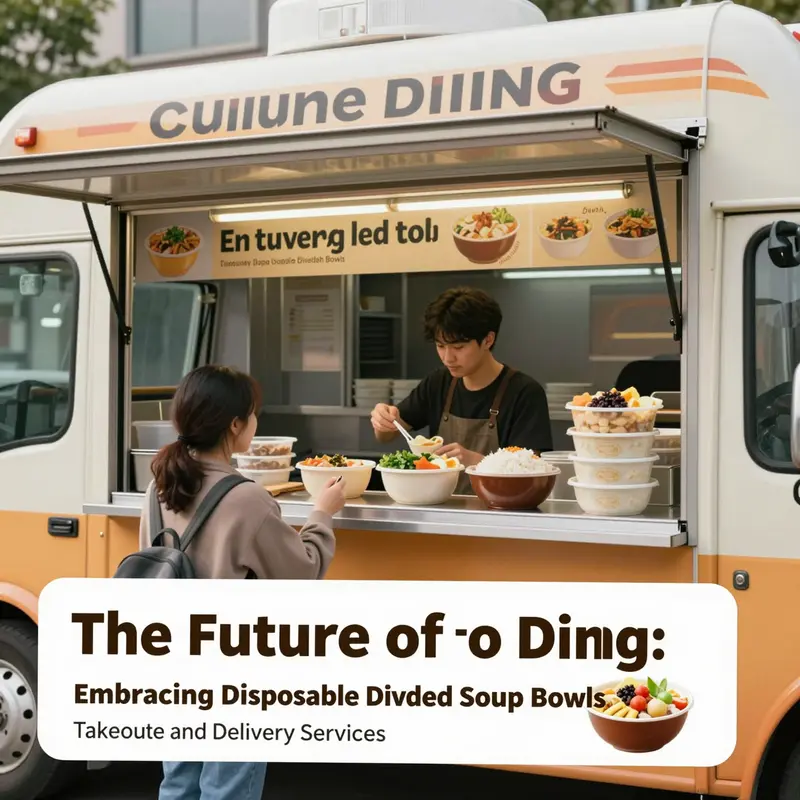
The rise of disposable divided soup bowls intersects with a broader shift in how people experience food outside the home. In a market crowded with prompts to order faster and pay less, consumers judge packaging by whether it respects the food, keeps components separate, and signals a brand’s commitments to quality and responsibility.
Functionality sits at the core of consumer preference. People want designs that clearly separate ingredients while allowing easy access to each component. A central divider that forms a stable barrier without crowding edges reduces cross contamination and preserves texture. Leak resistance, heat retention, and reliable lids turn a routine takeout item into a reassuring dining experience.
Sustainability matters as much as performance. Traditional plastics carry concerns about waste and recyclability. Plant based bioplastics, renewable pulp fibers, and recyclable cardboard are increasingly expected, with coatings like PLA that support compostability and clear labeling about end of life. In sugarcane bagasse bowls, strength and heat resistance can coexist with compostability, enabling easier waste management.
Brand identity and convenience: packaging becomes a branded touchpoint. Logos, colors, slogans, and even QR codes can connect diners to menus, rewards, or nutritional info. This turns a disposable container into a meaningful channel for trust and loyalty.
Operational realities shape design choices. The bowl must scale in production, tolerate transit, and minimize returns. A robust central partition, heat resistant walls, and a dependable lid reduce mess and complaints, while allowing customization without sacrificing performance.
The social dimension: consumers discuss sustainability claims and look for clear signals. Transparent labeling, compostable coatings, and accessible recycling guidance help brands win credibility and loyalty.
Practical implications for brands and suppliers: balance cost, performance, and environmental impact; consider minimums, lead times, and supply chain flexibility. The market rewards solutions that unify function with responsibility, enabling repeat purchases and brand advocacy.
Future vision: packaging features that blend convenience with waste reduction, enabling responsible disposal without compromising the dining experience. The divider bowl thus becomes a symbol of how modern takeout can be efficient, tasteful, and principled.
Closing line: For designers, the challenge is to deliver a product that preserves flavor and texture, travels well, and communicates a story that resonates with evolving consumer ethics and taste.
Final thoughts
The integration of disposable divided soup bowls in meal preparation and service reflects a thoughtful response to modern dining needs. By embracing these innovative solutions, businesses—from bubble tea shops to catering services—can enhance customer satisfaction while promoting sustainability. As trends shift and consumer preferences evolve, staying agile and forward-thinking is essential for success in the food service industry.