
The effective management of cattle feed is a critical aspect for various agricultural enterprises, including bubble tea shops, food trucks, and catering services. As these organizations explore efficient solutions to improve operational workflows, plastic food containers designed specifically for cattle feed emerge as a superior choice. Crafted from high-density polyethylene (HDPE), these containers offer unmatched durability and safety, ensuring feed quality while providing innovative designs that cater to diverse needs. This article delves into three crucial aspects: the durability and safety of these containers, their innovative applications, and the sustainable practices associated with their use, helping industry players understand the holistic benefits of integrating plastic food containers into their agricultural processes.
null
null
Rethinking Silos and Systems: How Modern Plastic Containers Transform Cattle Feed Storage
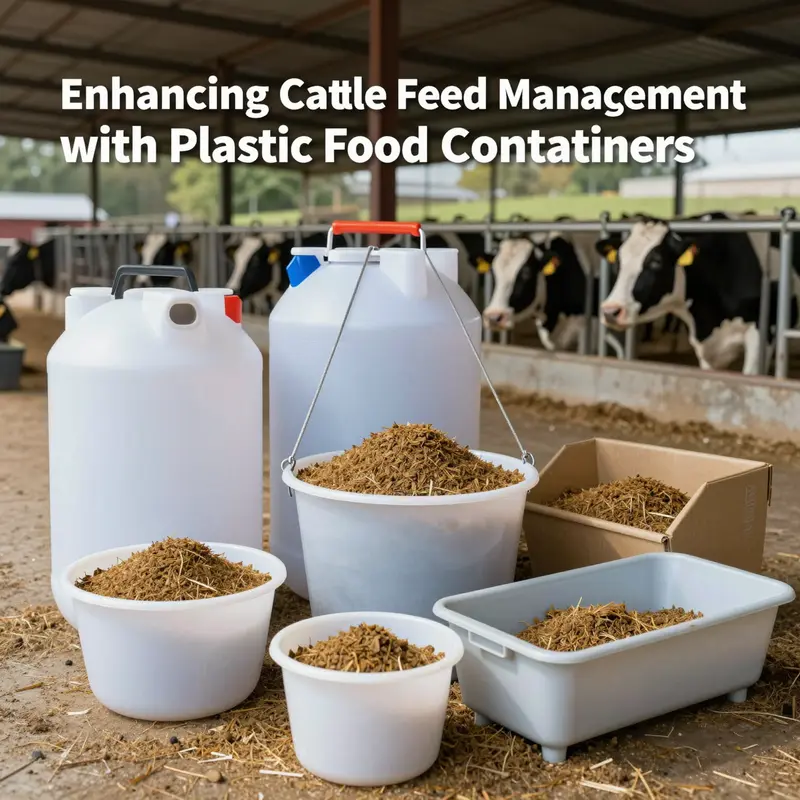
Storage is often the quiet bottleneck in cattle operations. It happens behind the scenes, in the corner of a dusty barn or along a wind-swept alley where rain and sun beat down on the feed. The challenge is not merely to hold a pile of grain or pellet but to protect it from the elements, pests, and the inevitable mechanical wear of daily handling. When feed is stored in traditional sacks or loose bins, moisture can creep in, odors drift, and the risk of mold increases with every retreating storm. The shift to purpose-built plastic containers represents more than a change of material; it marks a shift in how farms think about feed quality, animal health, labor efficiency, and environmental stewardship. Plastic containers designed for cattle feed bring together a convergence of durability, hygiene, and practicality that aligns with the broader needs of modern livestock management. They are typically made from high-density polyethylene (HDPE) or food-grade polypropylene (PP), polymers chosen for their strength, chemical resistance, and resilience in outdoor conditions. HDPE, in particular, offers a combination of impact resistance, moisture barrier properties, and UV stability that makes it a logical choice for long-term storage and transport across varied farm environments. In practical terms, this means feed can be kept drier, fresher, and safer for longer, reducing the spoilage that eats into feed budgets and animal health alike. Yet the real value lies not only in the robustness of the material but in the thoughtful design alterations that come with modern storage solutions. The better containers are built to perform in the field as if they were engineered for a controlled warehouse, and that is no small feat when you consider the vagaries of farming life—dust, rain, hot sun, cold nights, and busy handling routines that require containers to endure repeated clamping, lifting, and stacking.
One of the most impactful design features is the locking lid with an airtight seal. In environments where feed is exposed to pests, dust, or humidity, a secure lid becomes a frontline defense against contamination and moisture ingress. Airtight seals prevent fungal growth and odor migration, preserving palatability and reducing the risk that spoiled pockets of feed will go unnoticed until it is too late. The practical effect is not only healthier cattle but also more predictable feed intake, which translates into steadier weight gain and easier ration planning. On farms where feeds are moved across rough terrain or transported to different paddocks, these lids also help contain the contents during transit, reducing spillages and the associated waste. In fact, when compared with non-locking designs, containers with secure lids can cut spillage by a noticeable margin, a benefit that compounds across a season and begins to justify the capital investment in better storage systems.
Beyond the lid, modular, stackable shapes have become a hallmark of efficient feed storage. Modern plastic containers come in square or near-square configurations that maximize space usage in barns, sheds, or feed rooms. The geometry is not just for aesthetics; it supports practical handling, enabling crews to slide one unit into another for stacking or to fit a precise number of containers into a given footprint. The stackability reduces clutter and makes daily feeding routines smoother, especially on larger operations where scale matters. Lightweight yet robust, these containers can be moved and reorganized as feeding programs shift with seasons or herd dynamics, without compromising the integrity of the stored feed. For farm teams that juggle multiple roles—from feeding to cleaning to maintenance—the ability to reconfigure storage quickly is a quiet but powerful productivity boost.
Integrated measurement markings and ergonomic handles have also become standard in many contemporary designs. Built-in volume indicators help farm staff gauge portions with a level of precision that supports consistent feeding schedules and reduces waste. Ergonomic handles improve grip and reduce the risk of slips or dropped containers during daily chores. When portion control is accurate, cattle are less likely to experience underfeeding or overfeeding, and the accompanying metabolic consequences—ranging from digestive upset to wasted energy—are mitigated. These design elements may seem small, but they accumulate into a broader impact on animal welfare, feed efficiency, and farm profitability. The same principles apply when containers are used for supplements or oils stored for short periods: clear measurement cues prevent misdosage and ensure the right supplement is delivered at the right time.
Innovations extend to how the containers manage moisture and air flow. In some designs, perforated elements or vented sections support airflow when damp feeds or damp batches require ventilation to prevent condensation and mold growth. While perforation is not universally suitable for all feed types, selective venting can be advantageous for certain blended feeds or dampened supplements where controlled airflow helps maintain quality without compromising the container’s primary role as a storage vessel. The key is to balance ventilation with protection against ingress of rain and pests, ensuring that any airflow serves a defined purpose in maintaining feed integrity rather than becoming a channel for spoilage.
The sustainability story for these containers also matters. Recycled plastic and the reuse of HDPE and PP components have gained traction in livestock operations seeking to reduce waste. Recycled plastics can furnish durable, food-safe storage options that extend the life of feed containers while decreasing the environmental footprint of the farming operation. The emphasis is on a closed-loop approach: containers are designed for repeated cleaning, sanitization, and resale or repurposing, rather than a single-use lifecycle. This aligns well with broader industry trends toward sustainable farming practices that balance productivity with environmental responsibility. In some cases, farms adopt a mix of recycled-content containers and new units to meet both safety standards and budget constraints, ensuring that feed remains protected without compromising the farm’s sustainability commitments, a balance many operations find increasingly essential as markets demand greater transparency and responsible sourcing.
A broader design thread in this space is the move toward multi-use, multi-function containers that can adapt beyond mere dry feed storage. Some containers are capable of handling oils, liquid supplements, or small quantities of value-added feed ingredients, provided the materials meet strict food-contact standards. The versatility of HDPE and PP allows for these cross-uses, supporting a more flexible, cost-effective storage strategy on farms that manage diverse operations in a single footprint. The practicality of this approach is clear: fewer specialized containers, simpler inventory, and lower maintenance overhead. The trade-off—ensuring that one container can safely handle multiple substances—requires careful attention to material compatibility and cleaning protocols, but when designed correctly, it can yield substantial long-term savings and improved biosecurity.
From a management perspective, the shift to high-quality plastic feed storage containers is also a shift in farm culture. The ongoing benefits accrue not just from a container’s physical properties but from how the design encourages better handling practices, sanitation, and routine maintenance. Thorough sanitation between uses is essential. Plastic containers are well-suited to cleaning cycles, which helps minimize the carryover of contaminants that could otherwise compromise animal health. Cleanability is enhanced by smooth surfaces, minimal seam complexity, and accessible corners where residues can hide. The ability to sanitize effectively reduces the risk of mold, bacterial growth, and pest attraction between loads of feed, which is particularly important in environments with fluctuating temperatures or prolonged storage periods.
An additional consideration is how these containers perform under varying climatic conditions. In hot, humid environments, heat stability and UV resistance become crucial to maintaining feed quality over extended storage periods. In colder regions, lid integrity and gasket performance must resist cracking or becoming stuck in freezing temperatures. Contemporary HDPE and PP formulations address these scenarios by incorporating stabilizers and impact modifiers that reduce brittleness, shrinkage, and warping. The result is a storage system that remains functional from the first frost to the peak of summer heat, delivering consistent protection no matter the season. That reliability is essential for farms that rely on predictable feeds to support consistent production and animal well-being.
It is also important to recognize the role of design in reducing labor costs and enhancing safety. Containers with secure lids and easy-grip handles reduce the risk of spills during refilling and transport, which translates into less wasted feed and fewer slips or strains among farm workers. In larger operations, the ability to stack, seal, and move multiple units with confidence lessens the physical toll on staff and contributes to a safer, more efficient workflow. When these containers are kept clean, their ability to maintain a stable internal environment supports better pathogen control and a reduced need for corrective interventions later in the production cycle. These advantages, while sometimes quiet and incremental, collectively contribute to more sustainable farm performance by aligning animal health with labor productivity and cost discipline.
From a standards perspective, these storage solutions must meet safety requirements that protect both animals and humans involved in farm operations. Food-contact safety is non-negotiable, and many modern containers are manufactured to be BPA-free and compliant with applicable food-safety guidelines. The emphasis on hygienic design—smooth surfaces, minimized crevices, and components that tolerate repeated washing—reflects a broader commitment to controlling contamination risks across the feed supply chain. The result is a container that not only stores feed effectively but also supports responsible feeding practices that contribute to overall herd health and farm profitability. When farms adopt these containers, they often discover that the investment pays back through reduced spoilage, less waste, and improved predictability in feeding schedules.
The practical implications for different scales of operation are meaningful. Smallholder farmers benefit from compact, modular units that fit into modest storage spaces while delivering reliable protection against weather and pests. They can be integrated into simple, daily routines without imposing complex handling requirements. On large commercial farms, the same principles scale up. A network of modular containers can be deployed across multiple barns or paddocks, enabling centralized inventory control and standardized feeding protocols. In either case, the underlying thread is consistent: better storage translates into better feed quality, which in turn supports better health outcomes for cattle and more stable farm economics. The design language—HDPE and PP materials, airtight locking lids, modular forms, built-in measurement, ergonomic handling, and selective ventilation—reflects a mature understanding of what a truly effective storage solution must accomplish. It protects feed against moisture and pests, supports precise rationing, reduces waste, and enhances labor safety and efficiency. It also opens doors to sustainable practices through the use of recycled content and longer service lives. As farms navigate the considerations of climate, scale, and budget, these containers offer a resilient path forward—one that preserves feed quality, protects animal health, and strengthens the economics of feeding operations across the spectrum of livestock production.
For readers seeking a broader sense of the technical benchmarks and performance considerations underpinning these innovations, a comprehensive overview is available that discusses food-safe storage bin designs, locking mechanisms, and material choices in related livestock contexts. This resource offers additional context on how locking lids, airtight seals, and durable plastics contribute to feed integrity and farm efficiency without venturing into brand-specific recommendations. It is a useful reference for understanding the spectrum of options that farmers evaluate when choosing storage solutions for cattle feed, silage, or other agricultural inputs. Additionally, it highlights how quality control, sanitation, and ergonomic design work together to produce containers that are reliable in the field while simple to maintain in busy farming environments.
In summary, the evolution of plastic containers for cattle feed storage embodies a thoughtful synthesis of material science, practical design, and farm-centered workflows. The move toward HDPE and PP, with features such as airtight locking lids, modular shapes, built-in measurement markings, and ergonomic handling, reflects a mature understanding of what a truly effective storage solution must accomplish. It protects feed against moisture and pests, supports precise rationing, reduces waste, and enhances labor safety and efficiency. It also opens doors to sustainable practices through the use of recycled content and longer service lives. As farms navigate the considerations of climate, scale, and budget, these containers offer a resilient path forward—one that preserves feed quality, protects animal health, and strengthens the economics of feeding operations across the spectrum of livestock production.
External resource for further technical benchmarks and related material standards can be found here: https://www.alibaba.com/product-detail/Plastic-Horse-Feed-Storage-Bins-with-Locking-Lid_1600582937432.html?spm=a2700.184943.p1.1.4c4d1f2aQxYjDv
Footprints in the Feed: Unpacking the Sustainability and Environmental Footprint of Plastic Cattle-Feed Containers
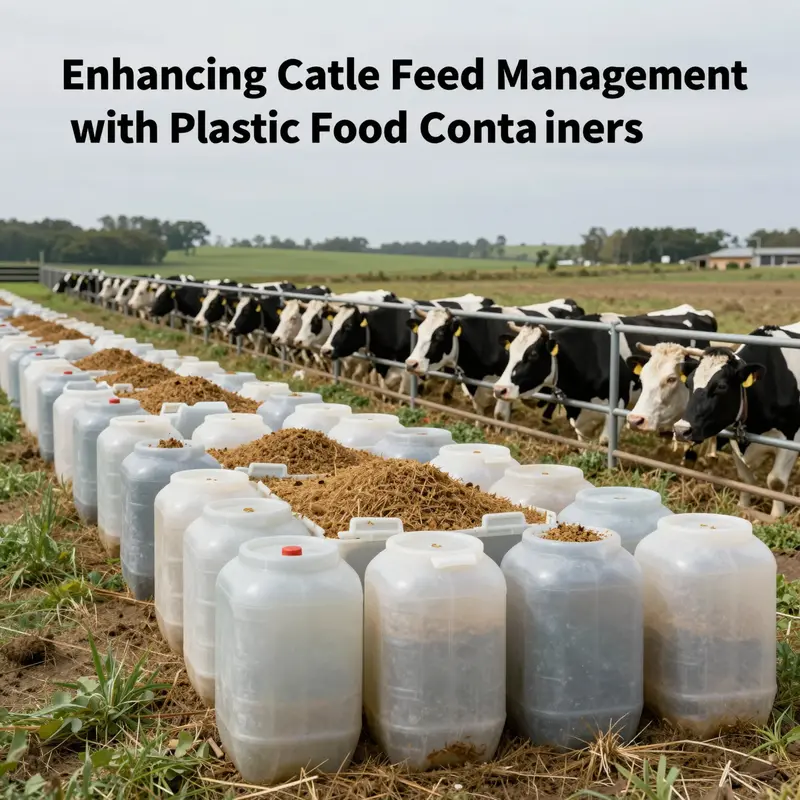
The storage and transport of cattle feed hinge on durability, cleanliness, and reliability. Plastic containers engineered from high-density polyethylene (HDPE) have emerged as a practical answer to these needs, offering a lightweight yet tough option that can withstand outdoor conditions, resist moisture, and endure repeated handling. Yet beneath the surface of convenience lies a larger conversation about sustainability and environmental impact that extends far beyond farm gates. This chapter weaves together what is known about the practical benefits of plastic feed containers with the broader ecological considerations that accompany industrial packaging in livestock operations. It is a conversation about trade-offs, design choices, and the pathways toward a more resilient agricultural system that still honors the health of animals, soil, and water alike.
From a farming perspective, the appeal of HDPE containers is straightforward. They provide robust protection of feed against moisture, pests, and contamination. This translates into reduced spoilage, lower waste, and a predictable supply chain, especially in large-scale operations where feed must move between storage sites, mixing stations, and feeding points. The ability to sanitize containers thoroughly between uses minimizes the risk of cross-contamination, a factor that has direct implications for animal welfare and productivity. Secure locking lids, in particular, help curb spillage and limit the ingress of moisture and rodents, offering a measurable performance improvement over non-locking designs. In many farming contexts, this translates into tangible gains in feed efficiency, less waste, and more consistent nutrient delivery to animals.
But the environmental story does not end with performance metrics. The sustainability question begins with how these containers are made, used, and eventually disposed of or recycled. HDPE, while durable, is ultimately derived from non-renewable petroleum resources. Its production consumes energy and emits greenhouse gases, contributing to the broader climate footprint of agricultural supply chains. When multiplied across thousands or millions of containers used on farms, the cumulative emissions and energy demands become a critical consideration. The lifecycle perspective invites questions about how long a given container will remain in service, how many times it can be cleaned, and how efficiently it can be recovered at end of life for recycling or repurposing.
A further layer of complexity arises from the potential for leakage and chemical migration. In theory, repeated exposure to moisture, UV light, and fluctuating temperatures can affect the integrity of plastic feed containers. Additives used to improve performance—such as stabilizers, plasticizers, or other compounds—may, under certain conditions, migrate or leach. While contemporary food-contact plastics tend to adhere to strict safety standards, the agricultural setting presents unique exposure pathways. There is concern, particularly in long-term durability scenarios, about the possible presence of additives such as phthalates or bisphenols in some materials or formulations. In systems where feed storage is extended or where containers store vegetable oils or other sensitive products, the conversation about chemical safety becomes especially salient. The precautionary principle would encourage ongoing monitoring, material improvements, and transparent testing to ensure that any potential contaminants do not find their way into feed or into soils and water through spillage or improper disposal.
The environmental footprint of plastic feed containers also touches the soil and water systems through the broader issue of plastic pollution. A 2025 synthesis in Sustainability highlights that packaging plastics constitute a meaningful portion of the plastic waste stream. The persistence of plastics in ecosystems, their fragmentation into microplastics, and the ecological effects they can trigger are concerns that extend to agricultural landscapes where cattle graze and water is drawn for herd management. Microplastics have been discussed as detectable in grazing pastures and in water sources in some regions, raising questions about potential exposure routes through feed, drinking water, or soil contact. While the direct transfer from HDPE feed containers to the animal product chain remains a nuanced topic, the broader risk profile underscores the need for careful end-of-life handling, responsible waste management, and an emphasis on materials and designs that minimize environmental leakage.
In addition to end-of-life considerations, the lifecycle footprint of these containers invites a nuanced assessment of reuse. The ability to reuse HDPE containers many times is a notable strength from a sustainability standpoint. Reuse reduces per-use environmental impact compared with single-use packaging, especially when cleaning protocols are robust and sanitation is maintained. Yet reuse also carries responsibilities: effective cleaning, storage conditions that prevent degradation, and routine inspection to identify cracks, warping, or compromised seals. When containers approach the end of their usable life, the choice between recycling, repurposing, or legitimate disposal becomes central. Recycling infrastructure, local markets for recycled HDPE, and the availability of collection streams shape the ultimate environmental outcome. In regions where recycling networks are strong, containers can be recovered, reprocessed, and fed back into the production stream, closing a portion of the loop and diminishing virgin-material demand. In places with weaker systems, containers may end up in landfills or informal waste streams, where environmental concerns multiply.
To understand how farmers navigate these trade-offs, it helps to think through a practical, farm-level lifecycle. The journey begins with procurement and storage in a dry, sheltered location, where feed is protected from weather and pests. The container’s design—strong walls, secure lids, and smooth interiors that resist biofilm formation—facilitates cleaning and reduces contamination risk. The use phase favors longevity: a container that remains structurally sound after repeated opening, closing, and transport will deliver lower environmental impact per ton of feed stored over its lifetime. However, if a container experiences damage or degrades under environmental stress, it may require more frequent replacement, which increases material throughput and energy use. This dynamic underscores a key sustainability insight: durability and proper maintenance are as important as the material choice itself. When a container finally reaches the end of its usable life, the decision tree branches toward recycling, energy recovery, or donation for lower-grade applications, each with its own environmental signposts and logistical requirements.
A constructive path forward emerges when considering alternative materials and system-level changes. While HDPE containers perform well in many respects, some experts advocate exploring metal, glass-lined, or bio-based polymer options for certain applications. Each alternative brings its own balance of advantages and challenges. Metal bins may offer long life and excellent recyclability but can be heavier and more prone to corrosion in damp environments. Glass-lined containers can be highly inert and chemically resistant, yet they add weight and fragility concerns for handling in rough farm settings. Bio-based polymers derived from plant sources promise lower fossil fuel dependence, but scalability, resource competition, and performance under farm conditions remain critical questions. The practical takeaway is not a universal replacement but a careful optimization: selecting materials and designs that minimize environmental impact while preserving or enhancing feed safety, shelf life, and farm productivity. In the spirit of a circular economy, the most sustainable choice may involve a combination of durable containers, enhanced cleaning protocols, and robust recycling or repurposing channels at the farm or regional level.
Design improvements can also help address environmental and health considerations without sacrificing performance. For instance, containers can be engineered to minimize surface porosity, which reduces residue buildup and simplifies cleaning. Improved closure systems can further limit moisture ingress and pest access, thereby extending shelf stability and reducing waste. From an environmental perspective, maximizing the container’s usable life translates directly into lower material throughput and lower energy consumption per unit of feed stored. Design choices tied to end-of-life options—such as compatibility with recycling streams or the potential for repurposing into secondary storage containers—also influence the overall footprint. These considerations demonstrate how engineering decisions intersect with sustainability outcomes on real farms.
Importantly, any discussion of sustainability in cattle feed management must acknowledge the broader supply-chain context. Feed itself travels from mills to storage sites, blending stations, and feeding areas, often crossing regional borders. Each step introduces opportunities for waste, leakage, or mishandling. Plastic containers can help reduce some losses by improving seal integrity and ease of cleaning, yet the chain’s environmental burden cannot be isolated from the upstream impacts of plastic production, including energy use and petroleum extraction. Effective sustainability requires a systems view: material choice, manufacturing practices, transportation logistics, farm-level handling, and end-of-life management all interact to shape the total environmental load. When farms actively pursue improvements, they contribute to a broader shift toward more responsible packaging practices across agricultural operations.
To support this shift, many practitioners are exploring practical, scalable pathways that align with farm realities. Emphasizing reuse, establishing clear cleaning and inspection routines, and investing in recycling-ready designs can collectively reduce the environmental burden. Policies that encourage or require end-of-life recovery, along with incentives for using recycled-content HDPE, can help close the loop. Educational resources and extension services play a crucial role in translating these concepts into day-to-day farm practices. The result is a more resilient system where feed integrity, animal health, and environmental stewardship reinforce one another rather than compete for scarce farm resources. As the field evolves, ongoing assessment and transparent reporting of life-cycle impacts will be essential to validate improvements and guide future innovations.
For readers who want to explore broader packaging sustainability discussions beyond the farm, a recent external reference offers a comprehensive overview of how food packaging materials contribute to environmental burdens and potential pathways for improvement. The study synthesizes evidence across packaging types and emphasizes reduction, reuse, and recycling as core pillars of sustainable practice. While the context differs from cattle feed storage in some respects, the fundamental principles—minimizing resource use, preventing contamination, and closing material loops—are widely applicable to agricultural packaging.
Internal link note: for readers curious about eco-friendly packaging design and how it translates to farm use, a practical example of sustainable packaging options can be explored through a resource focused on recyclable and grease-resistant container designs. eco-friendly-disposable-3-compartment-food-grade-packaging-box-for-fast-food-high-quality-takeout-boxes-for-fried-chicken-french-fries-packaging. While this link points to consumer-oriented packaging, the underlying principles of durability, cleanability, and end-of-life management resonate with the farm-level challenges of feed container sustainability.
In sum, plastic feed containers offer meaningful operational benefits in cattle feed management, from reduced spoilage and cleaner handling to more secure storage. Yet their environmental footprint—rooted in plastic production, potential additive migration, and end-of-life fate—requires deliberate design, responsible use, and coordinated recycling strategies. The best path forward blends durable, cleanable, and safely manufacturable materials with practical on-farm practices and robust waste-management options that keep plastic out of the environment while preserving the integrity of feed and animal health. The conversation is not a simple choice between plastic or no plastic; it is a continuous re‑engineering of packaging to fit the realities of farming, while advancing the shared goal of sustainable food production. External research continues to illuminate where gains are most feasible, and farm communities that adopt a lifecycle mindset will likely lead the way toward packaging strategies that both support productivity and protect the ecosystems on which livestock systems depend.
External resource: Environmental Impact of Food Packaging Materials: A Review of Sustainability (MDPI Sustainability, 2025): https://www.mdpi.com/2071-1050/17/18/6432
Final thoughts
Plastic food containers designed for cattle feed stand out for their durability, safety, and innovative applications, making them a game-changer in feed management. Their versatility meets the specific needs of various agricultural enterprises, from restaurants to corporate procurement teams. Furthermore, their sustainable attributes align with the growing demand for eco-conscious solutions. By adopting plastic food containers, businesses not only ensure the quality and longevity of cattle feed but also contribute positively to environmental stewardship. This transition fosters healthier livestock, supports sustainability goals, and can lead to economic savings, thereby enhancing the overall efficiency of agricultural operations.