
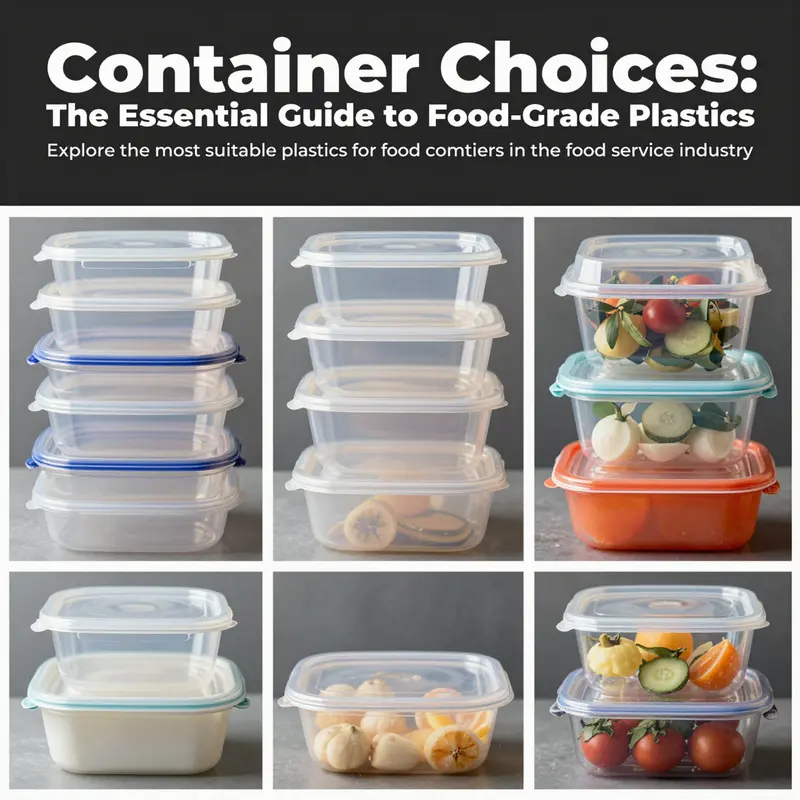
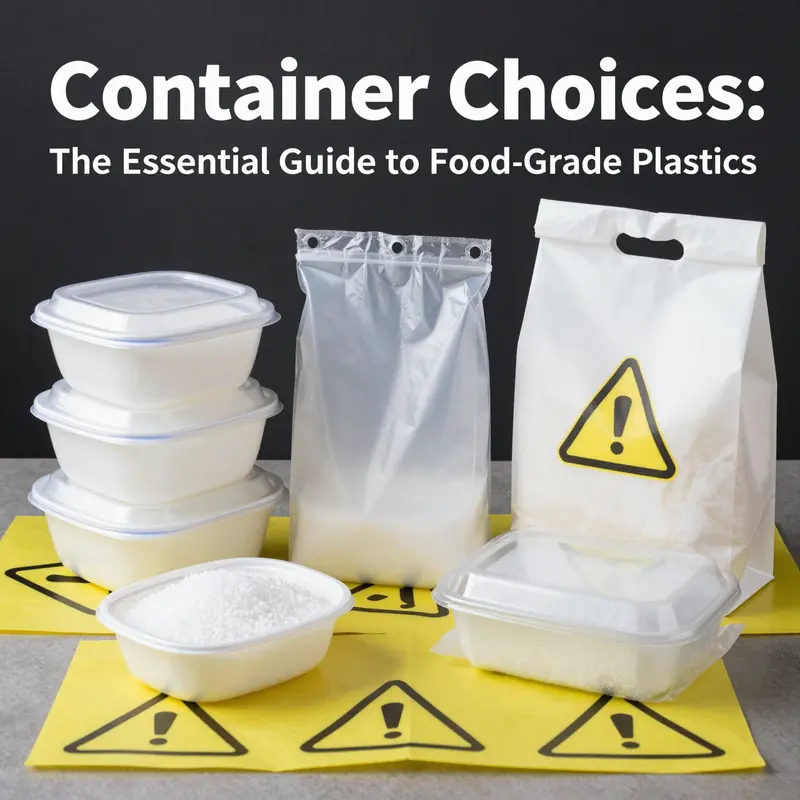
In today’s food service landscape, the choice of packaging can significantly impact customer satisfaction and safety. With many options available, it’s crucial to understand the different types of plastics used for food containers. Not only do these materials need to maintain food safety standards, but they also require the right properties for various applications—from beverages served in bubble tea shops to meals prepared by catering services. This guide will illuminate the characteristics of Polypropylene (PP), High-Density Polyethylene (HDPE), Polyethylene Terephthalate (PET), and the considerations of Polystyrene (PS) and Low-Density Polyethylene (LDPE). Each chapter will provide valuable insights that empower your business decisions about packaging.
PP in the Kitchen: How Polypropylene Shapes Safe, Reusable Food Containers
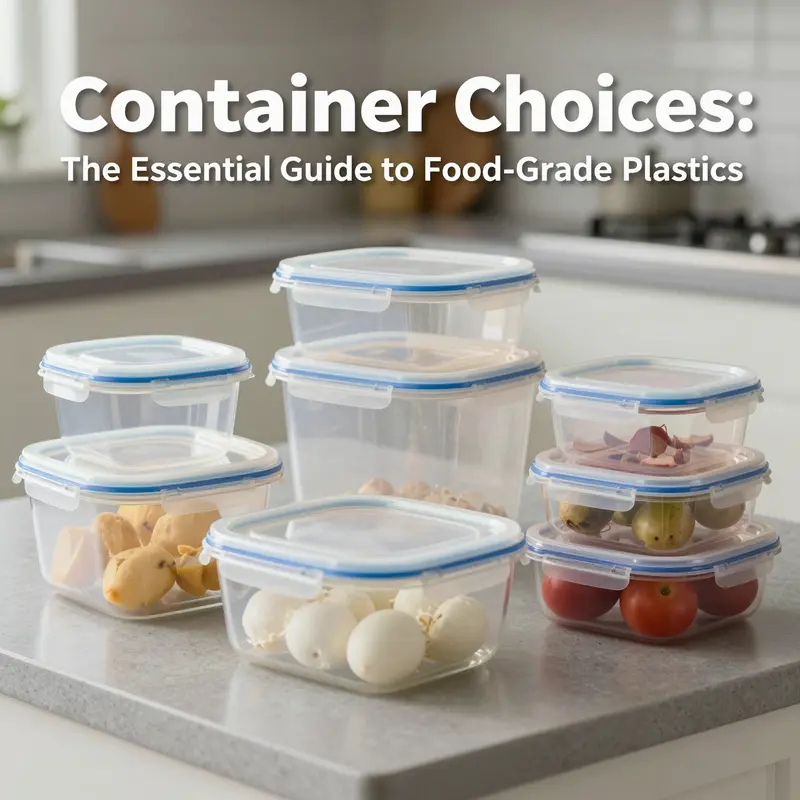
Polypropylene, or PP, sits quietly at the core of how we store, transport, and heat our meals. It is a common material in reusable containers and lids, valued for durability, chemical resistance, and safety for direct food contact. In everyday use, PP’s balance of properties translates into practical guidance: containers that withstand dishwasher cycles, are safe for microwave use when labeled, and remain lightweight for easy handling. This chapter links material science to kitchen practicality, showing how heat resistance, chemical inertness, and a clear regulatory framework contribute to safe, reusable storage.
From a design perspective, PP enables a wide range of shapes and closures, from compact lunch boxes to stackable jars, while maintaining a reliable seal and long service life. Regulatory standards and recycling pathways reinforce confidence: PP is labeled with recycling code #5, is BPA-free in typical food-contact applications, and is subject to oversight by agencies such as the FDA and international standards bodies. The bottom line is simple: when used as intended and disposed of responsibly, PP containers help reduce waste and support safe, convenient food storage.
HDPE in Food Containers: Strength, Safety, and the Quiet Reliability of #2 Packaging
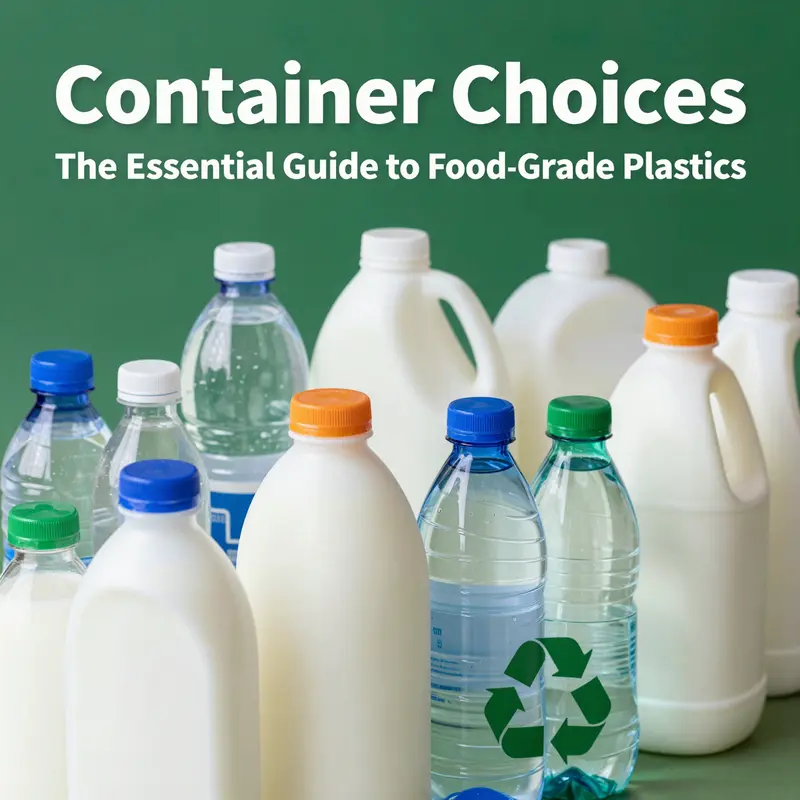
High-Density Polyethylene, or HDPE, sits quietly at the core of modern food packaging. It is not flashy, but it is dependable. In many kitchens and warehouses, HDPE underpins the everyday flow of food—from simple dairy jugs to sturdy storage bins and from deli jars to bulk ingredient containers. The material’s safety credentials are not merely academic; they are enshrined in regulation. The U.S. Food and Drug Administration explicitly approves HDPE for food contact applications, which means manufacturers can rely on it to keep contents secure without introducing new hazards to the foods it touches. This foundational trust is one reason HDPE remains a staple in both home storage and commercial packaging systems, even as new materials enter the market. The discussion that follows moves beyond glossy marketing claims and into the practical, science-grounded reasons HDPE endures as a go-to option for food containers. It also connects the dots between the material’s intrinsic properties and how those properties translate into real-world performance, safety, and sustainability across the supply chain.
At the heart of HDPE’s usefulness is its distinctive molecular structure. HDPE is a polymer with a high degree of crystallinity, which translates into a high strength-to-density ratio. That combination yields a material that is light yet tough, capable of resisting impacts and handling stresses during production, transport, and storage. For product designers, the impact strength matters: containers must survive stacking, accidental drops, and the rough handling that can occur in busy kitchens or in shipping environments. Yet HDPE remains flexible enough to resist cracking and to tolerate minor deformations without compromising the integrity of the seal. This balance makes HDPE ideal for sealable jars and storage bins that must endure repeated opening and closing while preserving the contents. The result is packaging that stays functional, reduces waste from breakage, and supports efficient handling throughout the lifecycle of a product.
A practical way to picture HDPE’s versatility is to consider the kinds of containers commonly seen in daily food storage. HDPE is frequently manufactured into sealable jars for leftovers, sauces, or condiments, as well as sturdy storage bins for dry goods, grains, and snacks. These containers can be transparent enough to let users glimpse contents or opaque for a clean, uniform appearance. Either way, airtight lids provide a critical barrier against moisture, oxygen, and contaminants. The seal’s reliability is not a luxury; it helps preserve aroma, texture, and freshness, especially for foods that are sensitive to humidity or air exposure. Consumers appreciate this, and producers leverage it to extend shelf life, reduce waste, and maintain consistent product quality across batches.
HDPE’s role in dairy packaging offers a clear example of its safety profile and practical performance. Milk jugs and similar containers rely on HDPE’s chemical stability and barrier properties to minimize flavor transfer and microbial ingress. The material’s resistance to many of the solvents and cleaning agents used in dairy processing helps sustain hygiene standards. In meat packaging, HDPE’s puncture resistance and robust mechanical properties help protect products from damage during handling and transport. When applied to baked goods packaging, HDPE provides abrasion resistance and a dependable barrier to moisture, helping to maintain product quality during distribution and on the retail shelf. These broad applications illustrate how HDPE’s balance of rigidity, toughness, and chemical resistance supports multiple food categories without requiring different materials for each.
The side of performance that often travels beneath the surface is HDPE’s compatibility with labeling and branding. Because HDPE can be molded into various shapes and finished with different surface treatments, it serves well for retail packaging that carries logos, nutritional information, and usage instructions. The ability to print or apply labels on HDPE surfaces enables brands to communicate safety assurances, lot codes, and product claims clearly. This is vital in markets where traceability and consumer trust are increasingly important. HDPE’s durability also helps ensure that labeling remains legible through the product’s life—from production lines and cold storage to consumer kitchens and recycling streams. In this way, HDPE supports not just the containment of food, but also the integrity of information that accompanies it.
One must also attend to the thermal realities of HDPE. Its heat resistance is a practical boundary that guides safe usage. HDPE handles cold and room temperatures with ease and performs well for many everyday storage tasks. Its heat tolerance, however, is more limited. It can withstand higher temperatures than many other plastics, but it should not be subjected to microwave heating in all cases. Although some HDPE products may be labeled microwave-safe, it is essential to heed manufacturer guidance and the material’s specific formulation. Exposing HDPE to prolonged, direct high heat can cause deformation, warping, or in some instances the leaching of additives if the plastic is not designed for such use. For hot liquids or foods, reliance on HDPE should be tempered by temperature limits and the product’s labeling. This caution aligns with safety-first packaging practices that prioritize consumer protection while preserving container performance.
Beyond safety and performance, HDPE earns a strong sustainability profile, which has become a central consideration in modern packaging decisions. HDPE is widely recyclable, and many programs identify it by the resin code #2. This labeling helps curb waste by guiding collectors and recyclers to appropriate processing streams. In a circular economy framework, HDPE can be reprocessed into new containers, reducing the need for virgin materials and lowering the environmental footprint of food packaging. The efficiency of HDPE recycling is aided by its chemical resistance and relatively straightforward processing, which together support scalable recovery. Yet recycling outcomes depend on local infrastructure, consumer participation, and the consistency of material streams. When these elements align, HDPE contributes meaningfully to resource conservation and waste reduction. In contrast, mixed plastics or materials with unclear recycling streams can complicate end-of-life management, underscoring the importance of clear labeling and responsible disposal.
For those designing or evaluating packaging systems, the decision to choose HDPE often turns on a blend of safety, practicality, and lifecycle considerations. HDPE’s safety credentials are robust enough for direct food contact, but understanding its limits is essential. It is not universally heat-safe for all hot-food scenarios, and its performance can vary with content type, fat content, and processing temperatures. This nuance matters in the broader context of food packaging strategies, where each material must be weighed against product requirements, supply chain logistics, and consumer expectations. To realize the best outcomes, companies must integrate knowledge of material science with pragmatic rules of usage, labeling, and end-of-life planning. This holistic approach helps ensure that packaging choices protect consumers, preserve product quality, and align with sustainability objectives.
For readers who want to explore how HDPE fits into a broader packaging ecosystem, an example from the field illustrates the point. A company might use HDPE for dairy containers due to its clean surface and reliable barrier properties, while selecting alternating materials for microwave-ready applications, depending on the product’s heat exposure and labeling needs. The design decision is rarely about a single attribute—strength, barrier performance, heat resistance, or recyclability alone—but about how these attributes interact to support safety, efficiency, and brand integrity across the entire product life cycle. When HDPE is chosen, the result can be a package that reliably guards contents and information, remains durable in transit, and participates in recycling streams that reduce environmental impact.
The practical implications of HDPE extend into the consumer experience as well. The material’s appearance—whether clear enough to show product visibility or opaque to convey a hygienic, uniform look—can influence consumer perception. Clarity is beneficial for certain products, but opacity can help protect light-sensitive ingredients and create a consistent shelf presence. In both cases, the packaging must still convey essential safety cues, such as whether the container is suitable for contact with hot foods or microwaving. Clear labeling about temperature limits, food contact safety, and recycling helps consumers make informed choices and use containers within safe bounds. The reliability of HDPE packets, jars, and bins thus rests not only on the polymer itself but also on the clarity of information provided to users.
Within the broader literature, regulatory guidance supports these practical conclusions. The FDA’s official guidance on food contact materials offers a framework for evaluating whenever there is a doubt about safety, migration, or compatibility with food. This guidance confirms that HDPE is suitable for many direct-contact applications under defined conditions, while emphasizing the importance of following labeled temperature limits and usage instructions. For practitioners and students seeking authoritative direction, engaging with these materials helps anchor decisions in established standards and helps avoid assumptions that could compromise safety. The takeaway is not a universal prescription but a disciplined approach: know the material, know the limits, and follow the labeling and regulatory guidance closely. This approach protects consumers while enabling packaging designers to optimize performance and sustainability outcomes.
To connect theory with practice, it is helpful to consider the broader ecosystem of design, production, and retail. The selection of HDPE moves through stages of material selection, mold design, testing, and quality assurance. Each stage seeks to maximize barrier performance, mechanical resilience, and user safety while minimizing costs and waste. For teams involved in product development, the question is not whether HDPE is adequate, but how to specify its grade, thickness, and processing conditions to meet exact product requirements. The interaction between polymer science and real-world use becomes a narrative of careful calibration—balancing rigidity with resilience, clarity with protection, and recyclability with market demands. In this sense, HDPE is more than a plastic; it is a material system that, when correctly leveraged, supports safer foods, better consumer experiences, and responsible resource management.
The literature and regulated guidance also remind us to remain vigilant about quality control and supply chain transparency. Consumers and professionals alike should look for indicators of quality that align with food safety expectations. Clear markings that identify the resin code, explicit statements such as “food contact safe,” and temperature guidance help ensure that containers perform as intended. Avoiding products that lack clear markings, or that manifest unusual odors or visible contaminants, remains a practical precaution. These cues help ensure that the packaging in use and on the shelf upholds safety standards and preserves product integrity as it moves through distribution channels. In short, the strength of HDPE lies not only in the polymer’s robust properties but also in the clarity and reliability of the information that accompanies it.
For readers seeking a quick path from theory to procurement decisions, consider this practical takeaway: HDPE provides a versatile, safe, and recyclable option for a wide range of cold and room-temperature food storage needs, with the caveat that hot or microwave-related uses require careful attention to product labeling and supplier specifications. When correct-use scenarios are observed, HDPE containers can offer durable performance, straightforward recycling pathways, and compatibility with labeling strategies that support traceability and branding. This synthesis of safety, practicality, and sustainability is what has sustained HDPE’s prominent position in food packaging for decades—and what will continue to guide its evolution as food systems grow more complex and sustainability objectives sharpen.
If you’re exploring ways to broaden your packaging repertoire without sacrificing safety or circular economy goals, you might find it worthwhile to review related takeout and storage solutions in practical contexts. See one example collection of professional-grade packaging options that emphasize functional design and sustainability; it offers a sense of how HDPE is balanced with other materials to meet diverse needs. custom-takeaway-packaging-supplies-disposable-tableware-for-theme-party.
In sum, High-Density Polyethylene remains a cornerstone material in food containers because it combines safety, mechanical robustness, and a path toward recyclability in a way that supports both industry realities and consumer expectations. Its resin code, #2, is not merely a label but a signal of a mature, well-understood material system that has earned broad regulatory acceptance and practical trust across supply chains. It is a material that, when used with proper guidance, can help preserve food quality, extend shelf life, and reduce environmental impact without compromising safety. Guidance from regulatory bodies and adherence to labeling and usage instructions remain essential as products, markets, and technologies continue to evolve. For stakeholders, HDPE’s enduring value lies in its proven reliability and its capacity to adapt to changing requirements while continuing to safeguard the foods we rely on daily.
External references for further authoritative context include regulatory guidance that underpins these conclusions. For authoritative direction on food contact materials and safety considerations, consult the FDA’s official guidance on this topic: https://www.fda.gov/food/food-contact-materials/food-contact-materials-questions-and-answers.
null
null
null
null
Final thoughts
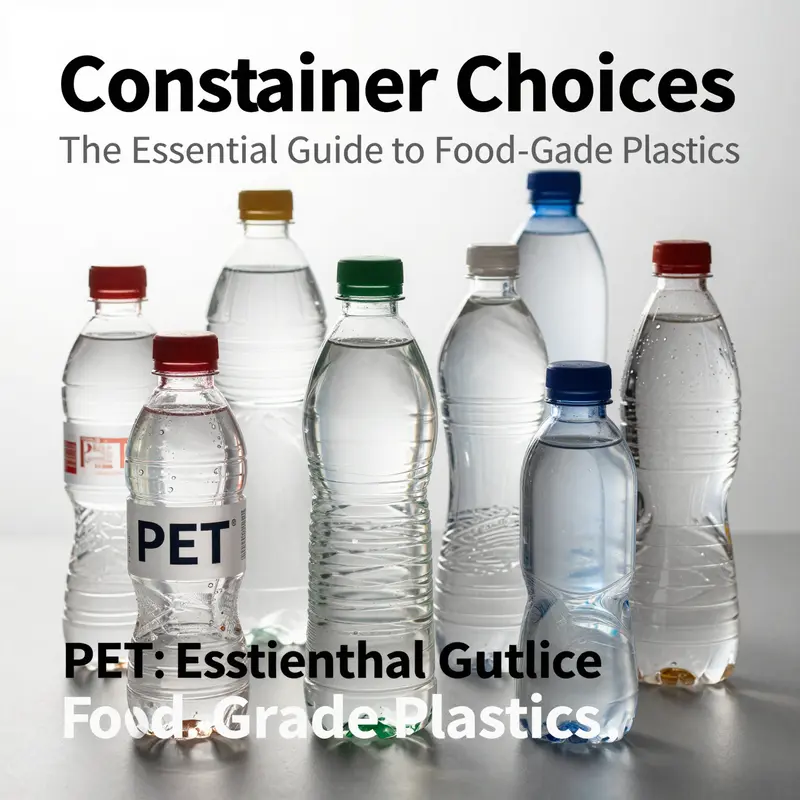
Understanding the types of plastics used for food containers is essential for your operation’s success. Polypropylene and HDPE are the gold standards for durability and safety, while PET offers a lightweight alternative for beverages. On the other hand, awareness of polystyrene and low-density polyethylene’s limitations in high-heat situations is crucial for food safety. This knowledge will help ensure you make informed decisions that protect your customers and enhance your brand’s reputation.