
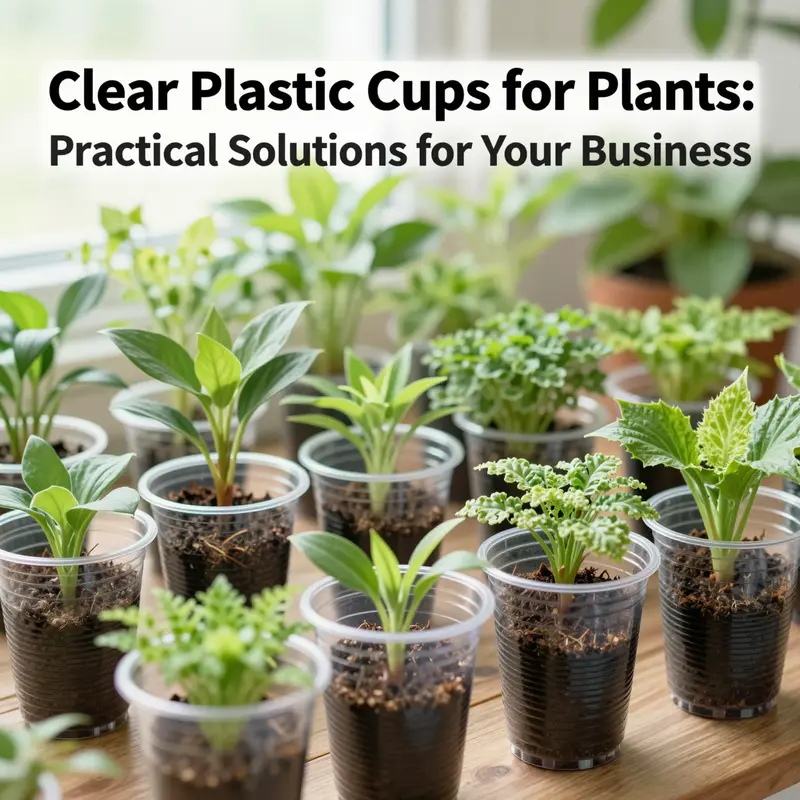
As the demand for sustainable and innovative solutions in the food service industry grows, clear plastic cups for plants have emerged as a quirky yet effective choice for businesses. Not only do these transparent containers provide invaluable visibility into plant growth, but they also align well with eco-friendly initiatives. This article will uncover the numerous benefits of using clear plastic cups for your plants, explore the various types available, highlight their environmental impacts, discuss educational applications, and offer maintenance tips. Each chapter aims to equip food industry professionals with practical knowledge to utilize these versatile containers effectively.
Transparent Windows for Growth: How Clear Plastic Cups Illuminate Seed Starting and Plant Education
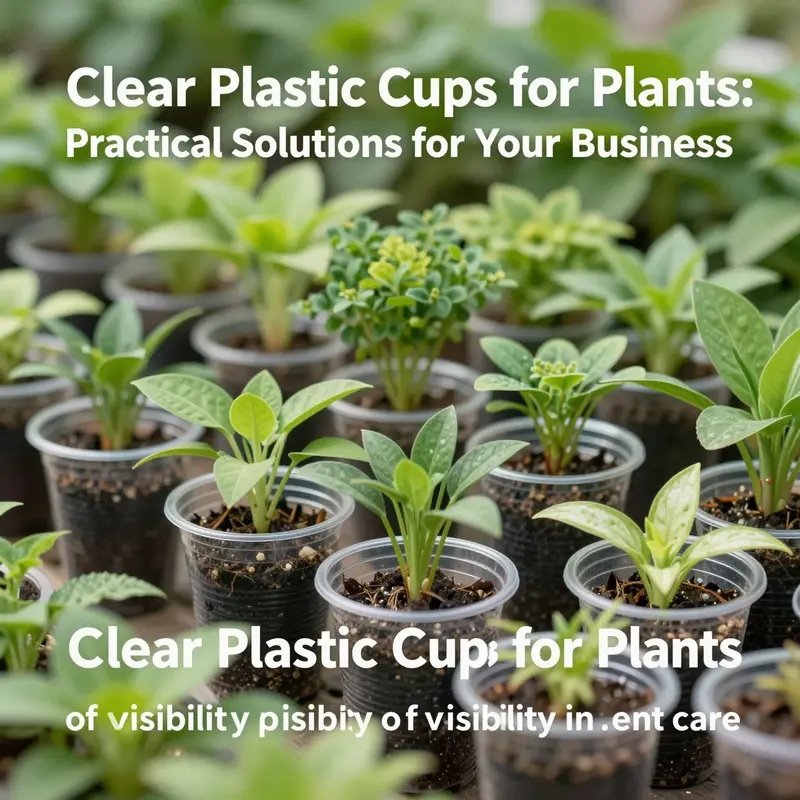
Clear plastic cups offer much more than a simple container for soil and seed. They are small, portable classrooms that fit easily on a windowsill, a shelf, or a desk, and their transparent walls turn the act of growing into a visual experiment. Seed starting is a delicate stage in a plant’s life, when moisture, temperature, and root development determine whether a tiny shoot will become a thriving plant. In this context, the see-through nature of clear cups becomes a practical advantage. Rather than guessing at what is happening beneath the surface, a gardener can observe the subtle shifts in soil moisture and the first appearance of white embryonic roots or green shoots. This direct line of sight helps gardeners tailor their care with a level of precision that is rarely possible with opaque pots, where the plant’s inner life remains hidden until transplanting day.
The transparency also makes the cups valuable tools for education. In classrooms, home schools, and community gardens, clear cups transform a standard science project into a living demonstration of germination, root growth, and nutrient uptake. A student’s report from a 2025 study described using a simple setup—a clear cup, paper towels, and green beans—to launch an inquiry into germination timelines, root length, and the influence of moisture on early root architecture. The simplicity of the setup lowers barriers to entry, while the visual feedback reinforces the scientific method: observe, hypothesize, test, and adjust. When students can see every centimeter of root tissue developing, they begin to ask nuanced questions about why some roots branch sooner or why others fade when the soil becomes waterlogged.
Beyond education, the practical benefits of clear cups extend to everyday urban gardening. Lightweight and often inexpensive, they are ideal for beginners who want to explore plant propagation without committing to expensive, larger pots. Their typical small footprint allows multiple experiments to run simultaneously—different species, different watering schedules, or different soil mixes. Many clear cups come with pre-drilled drainage holes or with the option to add them, a feature that keeps water from pooling in the bottom and creating anaerobic pockets that can invite root rot. In environments where space is at a premium, such as apartment balconies or compact indoor corners, the ability to scrutinize moisture levels while keeping plants small is a clear advantage. The cups thus serve both as a launchpad for plant life and as a practical learning tool for novices and seasoned growers alike.
The scientific appeal of transparency is echoed in contemporary online observations as well. A 2026 Douyin video emphasizes how “transparent cups can very intuitively show the substrate and root system inside,” offering a direct, noninvasive way to monitor how plants respond to different watering regimes and soil textures. This firsthand visibility supports careful experimentation: you can detect early signs of overwatering before leaves show stress, or notice a drying ring in the soil that signals a need for more frequent irrigation. For growers managing a rotating collection of seedlings, such as herbs, ornamentals, or small vegetables, this clarity translates into healthier roots and more reliable transplant success when the plants move to larger containers or outdoor beds.
In educational contexts, the portability and repeatability of clear cups also matter. A 2025 account from a student who used a sequence of cups to compare germination rates across bean varieties highlights how the same setup, reused under different conditions, can yield compelling data over a few weeks. Clear cups make those data visible and manageable, ensuring that observations aren’t buried in opaque soil or hidden behind the walls of a larger pot. Teachers appreciate the ability to demonstrate a full growth cycle—from seed to sprout to a seedling ready for transplant—within a single classroom unit. The cups thus bridge scientific inquiry with hands-on care, converting abstract concepts about photosynthesis, respiration, and nutrient transport into tangible, watchable processes.
Yet some gardeners and writers have speculated that clear cups offer a peculiar kind of advantage beyond monitoring. The argument is that because light can reach the roots, photosynthesis might occur through the cup walls to a limited extent, potentially promoting a sturdier root system in certain plants. A 2020 article in a popular home-garden resource suggested that transparent seedling trays can permit light to reach roots, which could support healthier roots in orchids and other light-tolerant species. While the idea prompts lively discussion, it is important to approach it with nuance. Roots are not typically photosynthetic to any meaningful degree under ordinary indoor conditions, and the bulk of root health still hinges on balanced moisture, well-aerated soil, and gentle handling during transplantation. The transparency should be celebrated for its educational and practical value, not misinterpreted as a substitute for proper horticultural care.
An often overlooked virtue of clear cups is their contribution to sustainability through repurposing. In communities around the world, discarded beverage cups are cleaned and transformed into nursery pots for seedlings and even starter trays for school gardens. This practice reduces waste and reinforces the idea that gardening can be a holistic, circular activity. A 2025 article highlighted a trend where young urban gardeners turned milk-tea and coffee-cup waste into functional planters, integrating creativity with ecological responsibility. In practice, repurposing is most effective when the cups are thoroughly cleaned, air-dried, and equipped with drainage. Used cups may require some reinforcement if the walls are thin, but for many small plants and herb starts, even a lightly reinforced cup can be a viable, low-cost option. The act of repurposing itself becomes a teaching moment, inviting students and hobbyists to think about materials, waste, and the life cycle of everyday objects.
Another standout benefit centers on ease of use. Clear cups are highly accessible, often sold as part of seed-starting kits or as standalone containers in bulk. Their light weight reduces the strain of handling dozens of seedlings, especially for educators who manage large groups or families working together on a single project. The pre-made drainage holes that come with many cups simplify initial setup, eliminating the need for improvisation. When seedlings are delicate and require frequent observation, this simple design feature minimizes the risk of disturbing roots during watering or handling. While a sturdy, larger pot may be needed later, the clear cup stage offers a gentle, adaptable transition from seed to seedling to transplant, and it does so with a minimal investment of time and resources.
In the broader arc of sustainable, educational gardening, clear plastic cups occupy a unique niche. They are not a replacement for purpose-built nursery pots, but they are an accessible first step that invites curiosity, fosters responsibility, and demonstrates the interconnectedness of light, moisture, root growth, and plant health. They also encourage a culture of observation—a habit that benefits not only growers but teachers and students who crave evidence-based understandings of living systems. The cups act as transparent witnesses to the invisible work plants perform, turning a simple potting exercise into a vivid narrative of growth. For those who are ready to expand from seedling to transplant, the cups offer a natural ramp, a friendly invitation to observe, learn, and adapt as plants move from indoor starters to thriving contributors in balconies, windowsills, or garden beds.
Internal link for practical ideas about reusing clear cups in urban settings: clear cake cups for packaging.
External resource for further reading on transparent containers and plant care: https://www.the-spruce.com/using-clear-plastic-cups-for-plants-4159874
Seeing Growth in Clear Cups: A Practical Guide to Selection and Sizing for Plant Starters
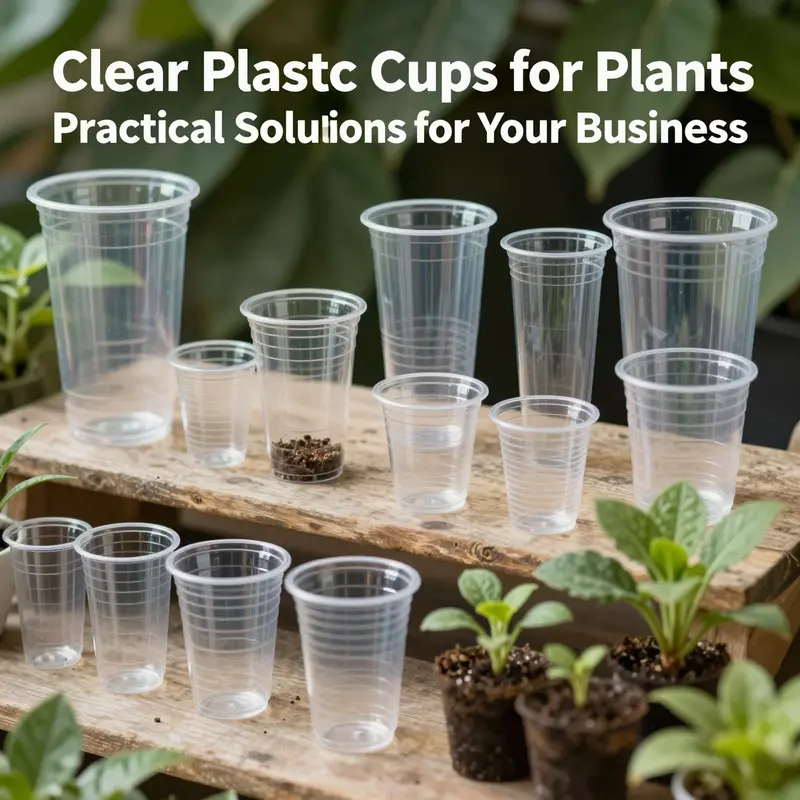
Clear plastic cups provide a transparent window into seedling development, helping you monitor moisture, roots, and early growth with minimal disturbance. Choose cups with drainage, match size to plant needs, and label clearly to support steady, transplant-ready growth. Materials like PP or HDPE are common and durable enough for indoor use; plan for eventual replacement as wear accumulates. A practical progression uses small cups for seeds, then medium cups for transplants, finally moving to larger pots as roots fill the space. Proper drainage and careful observation enable better hydration decisions and healthier transplants.
Seeing Roots, Quiet Footprints: Reframing Clear Plastic Cups in Plant Growth Toward Sustainability
Clear plastic cups have long been a quiet backbone of seed starting and small-scale indoor gardening. Their transparent walls invite a kind of intimacy with plant life: you can watch the first curls of a root tip, gauge when a seedling needs more light, and assess soil moisture without lifting the plant from its small home. This visibility makes clear cups especially appealing in educational settings and hobbyist spaces where hands-on learning is prized. Yet the same clarity that reveals growth can also reveal an inconvenient truth about the materials that bear those green ambitions. The environmental footprint of clear plastic cups—predominantly made from polystyrene, PET, or other fossil-fuel–dependent resins—becomes a nontrivial consideration when a practice that nurtures life also risks leaving a lasting imprint on ecosystems. The tension between short-term gardening benefits and long-term ecological costs invites a more deliberate approach to container choice, handling, and end-of-life planning. The overarching question becomes not whether clear plastic cups can support plant life, but how to preserve that support while reducing harm to soil, water, and air streams that sustain plant communities beyond the garden bed.
One of the most persistent challenges is non-biodegradability. In the absence of robust collection systems, many cups persist in the environment for centuries, fragmenting into microplastics that can migrate through soils and waterways. Even when recycling streams exist, the lifecycle of these materials is rarely circular in practice. Post-consumer plastics often lose some of their original structural integrity, limiting how many times they can be reprocessed and still perform as intended. Across life-cycle assessments, the production footprint of PS and PET cups includes energy use, fossil-fuel consumption, and greenhouse gas emissions, with the added complication that recycled plastics may degrade in quality. The practical upshot is that a container designed to foster living systems can paradoxically contribute to ecological stress if it becomes litter or if mismanaged waste leaks into natural habitats.
A 2025 study by C Galafton provides a nuanced lens on this issue. It compares materials commonly used for disposable cups, including polypropylene (PP) and polylactic acid (PLA) in various forms, under a range of real-world conditions. The findings suggest that PP cups may exhibit lower environmental impacts than PLA cups in certain scenarios, yet both categories contribute to plastic pollution and microplastic contamination when mismanaged. More strikingly, the research notes that plastics can influence plant development in subtle but meaningful ways. Germination rates and root growth can be affected by the very containers intended to cradle young plants, underscoring a paradox: a tool meant to support life can, under some circumstances, hinder it through chemical leachates, physical constraints, or altered soil microenvironments. This does not indict plastic per se but calls for a careful appraisal of material choices, usage patterns, and end-of-life strategies within the broader ecological context.
Sustainability, then, demands more than a one-time substitution of material. It calls for a shift toward practices that embrace reuse, durability, and a circular economy mindset. When plastic remains part of the toolkit, the most responsible path centers on reusability and robust end-of-life stewardship. Reusable clear plastic pots with durable construction can extend the lifecycle of a container, reducing the frequency of disposal. Pairing this with accessible recycling programs, local collection points, and consumer education about proper disposal can transform a disposable habit into a more restorative practice. Yet even reusable plastics have limits: over time, wear and micro-abrasions can harbor microbial communities and degrade the substrate’s aeration properties. Maintenance, cleaning, and inspection become essential rituals in keeping the container functional and safe for both plant growth and the people tending the garden.
Beyond plastics, sustainable alternatives offer a spectrum of ecological benefits. Biodegradable and compostable options—such as those made from peat, coconut coir, or compostable cellulose—provide pathways to close the loop without injecting microplastics into soil systems. These materials break down under appropriate composting conditions, returning nutrients to the growing medium rather than lingering as persistent particles. For educators and hobbyists who want to retain visibility into plant development while minimizing waste, these options can be especially attractive. They enable seed starting and transplanting with a gentler environmental profile and can teach a practical lesson about material lifecycles in a hands-on way. It is not simply a matter of replacing one material with another; it is about choosing containers that align with a gardener’s broader ethics and waste management realities, and about designing experiments and demonstrations that illuminate both biology and ecology without compromising the environment.
In practice, several guiding principles emerge. First, minimize single-use plastic where feasible. When a project demands clear visibility, consider using thicker, more durable clear pots that are designed for repeated use and can tolerate cleaning, sterilization, and repurposing across growing seasons. Second, optimize the end-of-life path. If you must use plastic, prioritize institutions and households that can participate in reliable recycling streams or take advantage of programs that facilitate proper plastic recovery. Third, weigh container choice against the actual growing context. Small seedlings, shallow rooting, and short cultivation cycles may justify short-term use, but longer-term transplants and resilient species may benefit from more durable or biodegradable media from the outset. Fourth, blend educational needs with ecological literacy. Demonstrations can be designed to compare outcomes across container types, encouraging students to observe how root architecture, moisture retention, and aeration interact with different materials, while explicitly discussing the environmental trade-offs. This approach mirrors the scientific spirit of inquiry and fosters responsible stewardship as part of the learning journey.
In the realm of practical garden management, the dialogue between utility and sustainability persists. Clear cups offer an accessible, transparent window into plant life, but they also prompt gardeners to reflect on the broader material lifecycles that accompany cultivation. A thoughtful cycle might begin with seedling propagation in reusable clear pots that can be cleaned and stored, followed by a shift to biodegradable or compostable media when transplanting into the final container or garden bed. Even within a single growing season, gardeners can record moisture patterns and root development with minimal disturbance, then transition to a more sustainable medium for subsequent cycles. This approach preserves the educational and observational advantages of transparency while aligning daily practice with ecological accountability. It is a practical synthesis: use the tool that reveals plant biology, but do so with a plan that reduces waste, minimizes microplastic exposure, and supports soil health over the long term.
The broader takeaway extends beyond individual pots and seed trays. Reducing reliance on disposable plastics, embracing reusable or naturally decomposing alternatives, and strengthening end-of-life recycling and composting networks all contribute to a more sustainable gardening ecosystem. As communities, schools, and home gardeners navigate these choices, the focus should be on creating resilient systems that can sustain plant growth without compromising the ecosystems that nurture that growth. The capacity to monitor, learn, and adapt remains central to both science and stewardship. In the end, the question is not only about what clear plastic cups can do for plants, but about what we can do to ensure that our curiosity and care do not come at an unacceptable ecological cost.
For further context on disposable cup materials and their broader implications, see the internal resource on disposable clear cups used in everyday demonstrations and activities: disposable-clear-plastic-cup-outdoor-picnic-pet-cup-drinking-cup-for-parties-birthdays-weddings-camping-utensils. This link provides insight into how commonly used containers operate in real-world settings and why their lifecycle matters to gardeners who care about sustainability as much as seedling vigor. External reading that broadens the scientific lens on this topic can be found in the 2025 Galafton study, which situates these materials within a broader environmental and littering context: https://www.sciencedirect.com/science/article/pii/S0956053X2400789X.
Seeing Roots, Growing Minds: How Clear Plastic Cups Spark Plant Biology in the Classroom
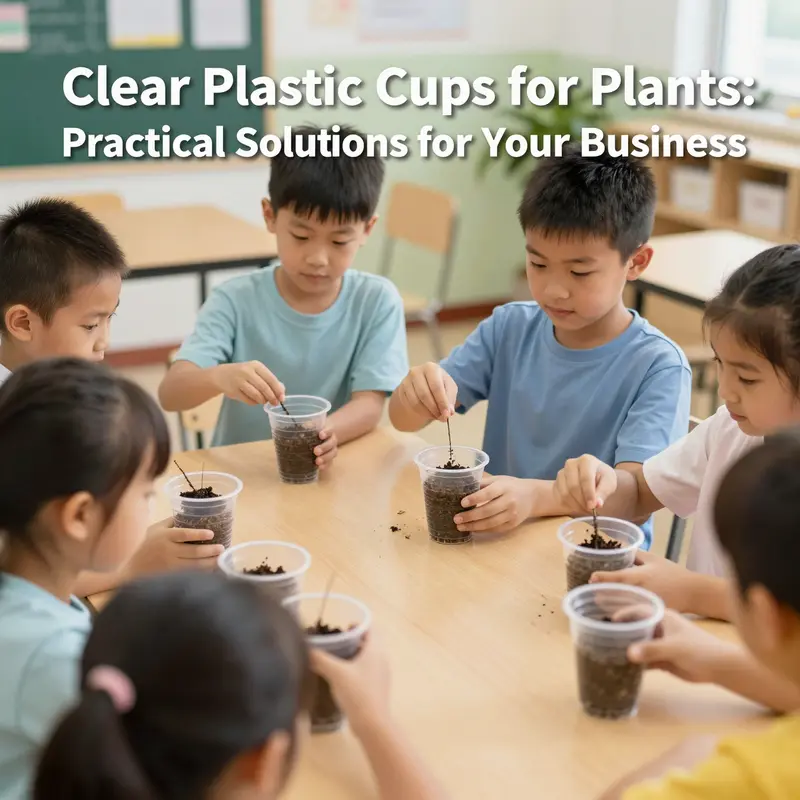
Clear plastic cups function as more than simple tools for seed starting; they are windows into the living world that surround students every day. In classrooms and after-school programs, these transparent containers transform dry theory into something tangible. A seed sits in damp soil, and through the cup wall, learners watch the miracle unfold. The seed coat splits, a thin root threads downward, and a pale shoot fights its way toward the light. This is not a spectacle reserved for botanical laboratories; it is a common, affordable, repeatable way to bring plant biology to life in a way that teachers and students can see, measure, and discuss together. The see-through walls invite questions that might have remained unasked in opaque pots. How fast does germination occur in different conditions? How does a plant respond to changes in moisture, light, or soil composition? The cup becomes the classroom’s first line of inquiry, a gentle invitation to observe cause and effect in a living system without destroying the plant or complicating the setup with invasive techniques.
Observing germination through a clear cup also opens an avenue to understand root development, an aspect often hidden from view. Roots silently explore the soil in search of water and nutrients, while shoots reach for light. When a learner can glimpse the earliest root growth, it becomes possible to discuss how roots anchor the plant, why root architecture matters for nutrient uptake, and how a light source influences shoot growth. The transparency of the container lets students connect the visible aboveground growth with the hidden belowground activity, reinforcing the idea that plant health rests on a balance between light, water, and soil structure. The cups provide a low-risk environment for trial and error, so curiosity can flourish without the fear of harming a precious plant.
Moisture is another concept that can be explored with clear cups in a direct and meaningful way. Soil moisture is easy to gauge when the container walls show the wetness in the exact layer where roots form. A student can compare how quickly the soil dries after watering, or how a damp surface differs from a moist core in supporting root growth. When moisture patterns change, the plant’s response—whether in root length, leaf color, or stem sturdiness—becomes visible, providing a tangible link between water uptake and plant metabolism. This immediate feedback helps demystify one of the most essential aspects of plant care: water management. It is also a gentle reminder that even small adjustments can influence growth outcomes, a core idea in scientific thinking.
The educational potential of these cups extends beyond germination and moisture. They are well suited to demonstrations of photosynthesis and light as drivers of growth. Placed in a sunny window or under a controlled lamp, plants in clear cups reveal the pace at which leaf development occurs in response to light exposure. Observations can be translated into simple data sets: measure plant height weekly, note the number of leaves, or record the time to first true leaf. Students can chart growth trajectories, leading to discussions about variables, controls, and experimental design. The transparent medium makes it possible to discuss how light quality and duration influence photosynthetic efficiency, while keeping the experimental setup straightforward enough for large classrooms or community groups.
The structure of the cups themselves reinforces the science of drainage and soil physics. With just a few holes punched in the bottom, well-drained cups prevent waterlogging, and by observing the effects of overwatering versus underwatering, learners can connect practical gardening practice to plant physiology. In a science project, teams can test how different soil types or amendments affect plant vigor. The same cup can host a seedling in potting mix, a sand-and-soil blend, or a peat-based mix, allowing students to compare drainage, aeration, and nutrient availability side by side. The clarity of the walls makes the outcomes conspicuous: root masses that struggle in dense soil appear stunted, while well-aerated media support more robust root systems and healthier shoots. This direct line from cup to plant to data heightens students’ sense of agency and responsibility for their experiments.
Such cups are ideally suited for cross-curricular integration. In math, students can be taught measurement, unit conversions, and graphing by tracking plant height, stem thickness, or leaf count over time. In literacy, they can practice recording observations in a scientific journal, write captions for time-lapse photos, or craft short narratives about what their plants reveal about growth under different conditions. In art, learners can illustrate the life cycle of a plant or design labeling systems for multiple cups, reinforcing organization skills and scientific thinking at once. These connections demonstrate that plant science is not a solitary pursuit but a flexible framework that can enrich reading, writing, and even social studies through project-based learning and collaborative inquiry.
Accessibility and affordability lie at the heart of these cups’ appeal. Because the containers are inexpensive and easy to obtain, teachers can involve large groups of students in hands-on experiments without sacrificing depth or rigor. The simplicity of setup—clear cups, a modest amount of soil, seeds, water, and light—encourages schools to initiate whole-class experiences rather than limiting seed experiments to a few gifted students. This democratization of hands-on science strengthens classroom culture, builds confidence in emerging scientists, and fosters a sense of shared discovery. For educators and program leaders focused on equity, the cups offer a scalable pathway to high-quality science experiences that do not require expensive equipment or specialized spaces.
Yet even as clear cups democratize access to inquiry, they invite reflection on sustainability and responsible use of materials. Their plastic composition is not ideal in a world of growing concern about waste, so classrooms can model conscientious practices: using cups for reusable seedling projects, washing and drying them for reuse, or selecting cups with high durability to extend their life cycle. In parallel, teachers can pair each lesson with a brief talk about recycling and waste minimization, turning a simple science activity into an early lesson in environmental stewardship. When students see their experiments thrive and are then responsibly disposed of or repurposed, they experience a holistic approach to science—one that honors both curiosity and the planet.
Within this context, it is worth noting the ubiquity of generic clear cups in educational settings. They are often used for seed starting, classroom displays, and small-group experiments, making them a familiar and reliable resource for teachers who need predictable results and straightforward maintenance. In practice, a typical classroom workflow might involve labeling each cup with species or treatment, monitoring daily or weekly changes, recording measurements, and sharing findings in a classwide data book. The practice reinforces scientific habits of mind: careful observation, systematic data collection, and honest interpretation of results. It also cultivates collaboration, as students discuss contrasts between treatments, plan new iterations, and present evidence to their peers.
For educators seeking ready-made ideas, consider how these cups can be integrated into a broader unit on plant life cycles, ecology, or urban gardening. A seed started in a clear cup can become a micro-lesson on transplanting, root pruning, or container-sized gardening strategies. The same cup can serve as a teaching aid in a community science project, helping neighbors understand plant growth in shared urban spaces. In this way, the humble clear cup extends its usefulness beyond the classroom, becoming a bridge between personal curiosity and communal learning.
To keep the conversation grounded in practical classroom realities, a simple reminder about an accessible, cost-effective option exists: these disposable clear plastic cups are widely used for seed starting and as an educational tool because they are easy to punch with drainage holes, light enough for students to handle, and simple to store upright when not in use. In the hands of teachers who value experiential learning, the cup becomes a hinge point between theory and practice, a tangible medium through which young minds can observe, question, measure, and reason their way toward a deeper understanding of plant biology.
Internal link note: in classrooms, these disposable clear plastic cups for outdoor use disposable-clear-plastic-cup-outdoor-picnic-pet-cup-drinking-cup-for-parties-birthdays-weddings-camping-utensils are often repurposed for seed starting and science activities, illustrating how flexibility and budgeting can support robust, inquiry-driven learning. Meanwhile, educators can complement activities with external resources that expand both technique and context. External resource: https://www.amazon.com/Milisten-Plastic-Gardening-Cups-Seed-Starting/dp/B0C2J7Y6XH
The Tiny Glasshouse: Maintenance and Care with Clear Plastic Cups for Plant Propagation
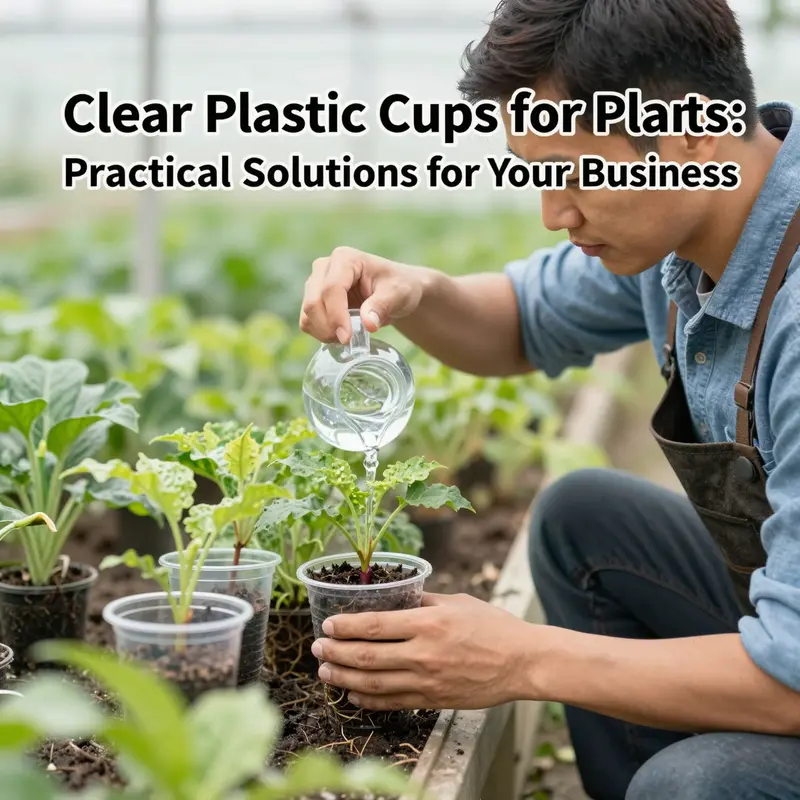
Clear plastic cups offer a quiet, almost magical, doorway into the early life of plants. Their transparent walls become a living window that lets you watch soil, roots, and new shoots unfold without pulling the plant from its temporary home. This visibility is more than curiosity; it’s a practical advantage for propagation, seed starting, and the gentle care of small houseplants. In a way, the cup becomes a miniature greenhouse, a microclimate that can steady humidity and temperatures when external conditions are uncertain. Yet the same transparency that makes this method appealing can also reveal missteps in real time: a drooping stem, a pale root, or a slick layer of condensation signaling a humidity level that may be too high. The art, then, is to balance the cup’s protective glow with attentive, responsive care.
The starting point is understanding what the cup can do and what it cannot. It can shelter a baby plant long enough to establish roots and learn to photosynthesize in a steady, sheltered environment. It can also trap moisture, which, if left unchecked, becomes a double-edged sword. The differences between a thriving, dew-kissed cutting and a stagnant, moldy cup are subtle but visible through the clear plastic. As a propagation tool, the cup invites patience and observation, two traits every gardener values when bringing a plant from cuttings to a transplant-ready seedling.
A critical first act is to ensure drainage. The single most important habit is to poke holes in the bottom of the cup. Without holes, water sits, roots suffocate, and rot takes hold. Tiny, many holes are preferable to a few larger ones, because they encourage even drainage and reduce the risk of a clogged outlet. A simple metal implement—a nail, a needle, or a heated rod—works well for this job. The aim is not to ruin the cup but to create a safe, breathable pathway for excess water to escape while still retaining enough moisture for the plant to drink. After you make the holes, examine the base to confirm there is a gentle, even pattern that won’t crack the plastic under pressure. This practical step reflects the cups’ broader purpose: they are tools, not a permanent home, and their function rests on thoughtful setup.
With the cup ready, the Greenhouse in miniature begins to reveal its daily dialogue: the soil’s texture, the plant’s turgor, and the ever-changing balance of moisture. The first habit to embed is moisture monitoring. The major advantage of a clear container is that you can see what the soil is doing. Dusting your fingers and checking the top inch is a quick, reliable cue. If that top layer feels dry to the touch, it is time to water. If it remains slightly damp, you wait. The objective is to water only when the top of the soil is dry, ensuring the plant’s roots do not sit in a perpetual pool of water. Overwatering is the most common misstep when working with closed or semi-closed systems like these cups. The transparent walls help you see rising moisture at the top that might look harmless but can signal a deeper problem as roots begin to suffocate in damp soil.
Humidity, too, must be managed with care. The glassy interior can trap a lush, humid environment, which is excellent for cuttings that relish high moisture but dangerous for those prone to fungal growth. Large droplets on the inside walls are not a badge of success; they are a signal to adjust. If condensation beads into conspicuous droplets or fog blankets the interior, remove the cup briefly to vent the air and restore balance. A few minutes outdoors or near an open window can refresh the air inside the cup, reducing the risk of mold, mildew, or bacterial favorites sharing your tiny ecosystem with the plant. The goal is not dryness but steady, gentle humidity that supports growth without fostering disease.
Light is another thread in this fabric. Clear cups pass light easily, which supports photosynthesis. Place the plant where it will receive bright, indirect light. Direct sun, especially in a sealed or semi-sealed cup, can heat the interior quickly and scorch tender leaves. The same sunbeams that energize growth can become magnifying glasses that burn a young plant if the cup becomes a greenhouse on a hot afternoon. A spot near a bright window with a sheer curtain or filtered light is ideal. If you notice the plant stretching toward the light or pale, weak leaves, it may need more consistent illumination or a repositioning to avoid sunburn and to ensure the roots receive adequate moisture from the soil.
Ventilation completes the routine. Clear cups tempt us to leave the lid on or to keep the top sealed as if the plant cannot breathe. In reality, fresh air accelerates root development and reduces pathogenic risks. Plan to ventilate by removing the cup for a defined window of time, such as 30 minutes to an hour, after watering or when condensation is excessive. This periodic airing interrupts the stagnation that can occur inside a closed microclimate and helps the plant acclimate to normal room conditions. It is a balancing act: you want air exchange enough to deter mold but not so much that the soil dries out prematurely. Over time, you’ll recognize patterns—some species want a gentler, longer ventilation, others can tolerate briefer intervals—so you can adjust without sacrificing plant health.
The container’s cleanliness matters as well. A clear plastic cup is only as good as its cleanliness. Start with a thorough rinse using soap and warm water to remove any residues that might harbor contaminants. After a few uses, inspect for scratches or any micro-abrasions where bacteria could settle. If you intend to reuse the cups, sanitize them between uses and allow them to dry completely before refilling with fresh potting mix. Clean containers are the quiet foundation of a healthy microenvironment. Dirty cups can introduce pathogens that challenge even robust plants and obscure the subtle signs of trouble you rely on for early intervention.
Beyond the mechanics, this approach serves multiple purposes. For succulents and small houseplants, the cup’s modest size can be a boon. It creates a snug, controlled space in which the plant can establish roots and begin a compact growth phase. In propagation, you can observe the precise moment roots emerge, a signal that the cutting has found its footing and is ready for a more spacious home. The see-through nature of the cup becomes a teacher, showing how roots proliferate in response to moisture and warmth, how roots spread through the media, and how stems and leaves respond to light exposure. The cup becomes less of a container and more of an observatory, inviting hands-off observation that can reduce transplant shock later when the plant moves to a traditional pot or a garden bed.
In educational settings, this method has proven a simple, powerful way to convey plant biology to learners of all ages. The transparent walls, the fluctuating humidity, the visible roots, and the gentle, measured care together form a living lesson on life cycles, adaptation, and the delicate balance between moisture, airflow, and light. The practical benefits extend into the home garden as well. For a gardener seeking to minimize waste and maximize success in seed starting or cuttings, the clear cup offers a low-cost, reusable option. It invites experimentation: you can compare how different plant types respond to the same microclimate, watch how quickly jade plant cuttings take root, or observe how a pepper seedling vines toward a lamp while its roots seek steadier moisture.
Of course, this approach is not a universal remedy. Some plants require greater drainage or more complex soil media than a small cup can support, and several species will outgrow a cup quickly, necessitating a move to a larger pot. The key is to respect the plant’s signals and act with intention. For those who begin with succulents, which tolerate drier conditions, you’ll still want a well-draining mix and careful monitoring of the top layer’s moisture. For moisture-loving seedlings, the cup can be a more forgiving nursery that supports rapid growth if you balance humidity and air exchange. In every case, you’ll learn a little more about your plant’s preferences with each propagation cycle, and that knowledge translates into healthier transplants and a deeper understanding of plant needs.
The practice described here, summarized in a simple principle: use the cup to observe, regulate, and gently guide growth. It is not a passive container but a dynamic tool that teaches you to read a plant’s microenvironment. The cup’s power lies in its transparency—literally and figuratively—allowing you to see the subtle cues that indicate when to water, when to vent, and when it’s time to graduate the plant to a roomier home. As you develop a routine, you’ll notice patterns across plant types. Jade and other succulents may enjoy briefer humidity and steadier air exchange, while leafy seedlings may tolerate or even benefit from more frequent ventilation and a bit more humidity. The science of this method rests on simple, repeatable steps rather than on guesswork, and that predictability can be incredibly reassuring for new gardeners.
In the end, the value of clear plastic cups for plant care resides in their dual role as teacher and caretaker. They illuminate the often invisible life processes of roots and soil, while protecting a tender young plant from the unpredictability of outdoor conditions. If used thoughtfully, these cups can become a reliable, reusable prop in propagation and early growth—a testament to how basic tools, when applied with care, can unlock a deeper intimacy with plant life. For readers curious to explore further, an external guide on using plastic cups for plant propagation offers broader context and practical tips that align with the principles described here. The Spruce article, linked below, expands on techniques and scenarios that mirror the microgreenhouse concept presented in this chapter.
External resource for further reading: https://www.thespruce.com/using-plastic-cups-for-plant-propagation-4783919
Final thoughts
Clear plastic cups for plants offer a unique solution for food service professionals looking to enhance their business with sustainable practices. The transparency allows for close monitoring of plant health, making them ideal for restaurants and cafes looking to engage customers or teach younger audiences about botany. By selecting the right type and size of cup, understanding the environmental impacts, and applying proper maintenance, these containers can improve your green initiatives while promoting an engaging brand image. Embrace this practical yet innovative tool in your plant-growing endeavors to flourish in your culinary ventures.