
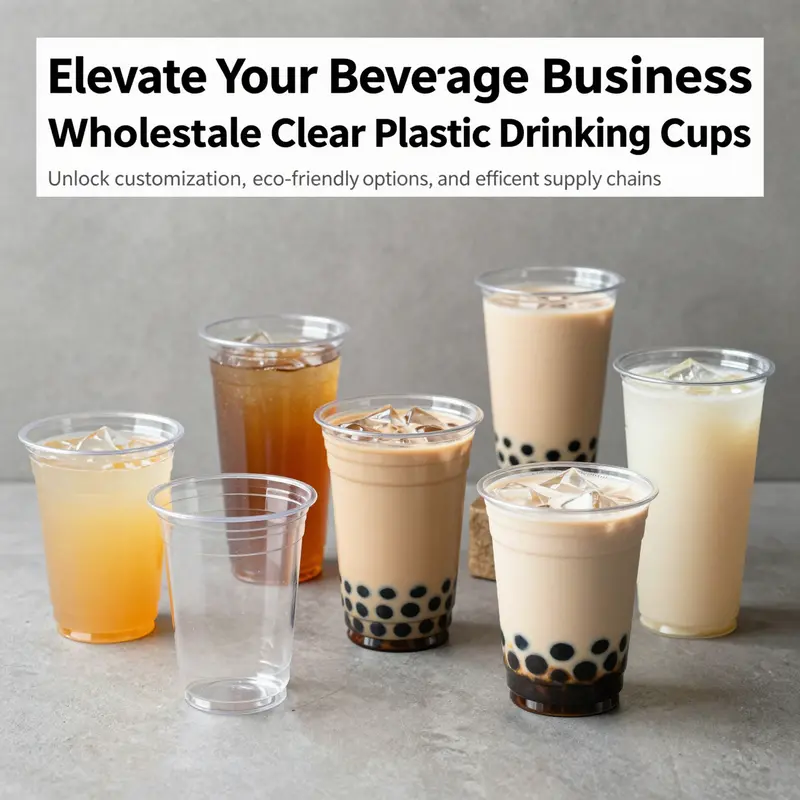
As the demand for convenience and aesthetics in the beverage industry continues to grow, clear plastic drinking cups have emerged as the go-to solution for businesses ranging from bubble tea shops to catering services. These versatile cups not only enhance the presentation of drinks but also cater to a wide array of operational needs. This article explores essential aspects of wholesale clear plastic drinking cups, focusing on customization options, material analysis, market trends, eco-friendly innovations, and the global supply chain dynamics that keep businesses running smoothly. Each chapter offers insights tailored to your industry, ensuring you have the knowledge to make informed purchasing decisions.
Brand Identity in Wholesale Clear Plastic Cups
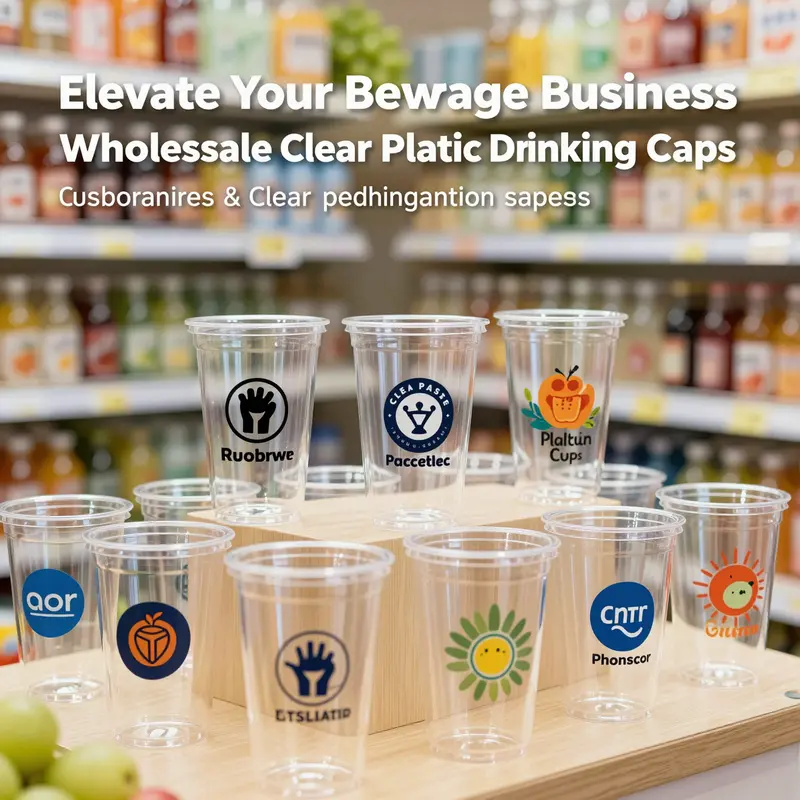
Customization bridges a generic clear cup and a branded experience in wholesale programs. By adding logos, color accents, or messaging at scale, a brand can stand out while maintaining cost efficiencies and delivery speed. The most common customization methods are screen printing, pad printing, and laser etching. Screen printing delivers bold color on clear bases but may require masking for readability; pad printing handles curved surfaces and small logos with precision; laser etching offers durable, monochrome marks that resist moisture and handling but may be limited to single-tone designs. The choice of method affects ink safety, cure times, and long-term durability in foodservice environments. Beyond the print on the body, consider the lid, sleeve, or grip as additional canvases to reinforce branding while preserving the cup’s transparency. Material selection matters too: PET cups provide crisp visuals and recyclability, PP cups offer higher heat resistance, and Tritan or PC variants can boost clarity and toughness if cost allows. Safety certifications (FDA, EU standards) should be documented to reassure buyers. Environmental considerations are increasingly important, with options for recyclable, compostable, or biodegradable variants that align with corporate sustainability goals. Operational realities—minimum order quantities, lead times, sample programs, and reliable supply—shape the final decision. A cohesive customization plan defines brand colors, typography, and usage context up front to ensure consistency across touchpoints from event kiosks to retail displays.
Between Clarity and Choice: Material Realities in Wholesale Clear Plastic Drinking Cups
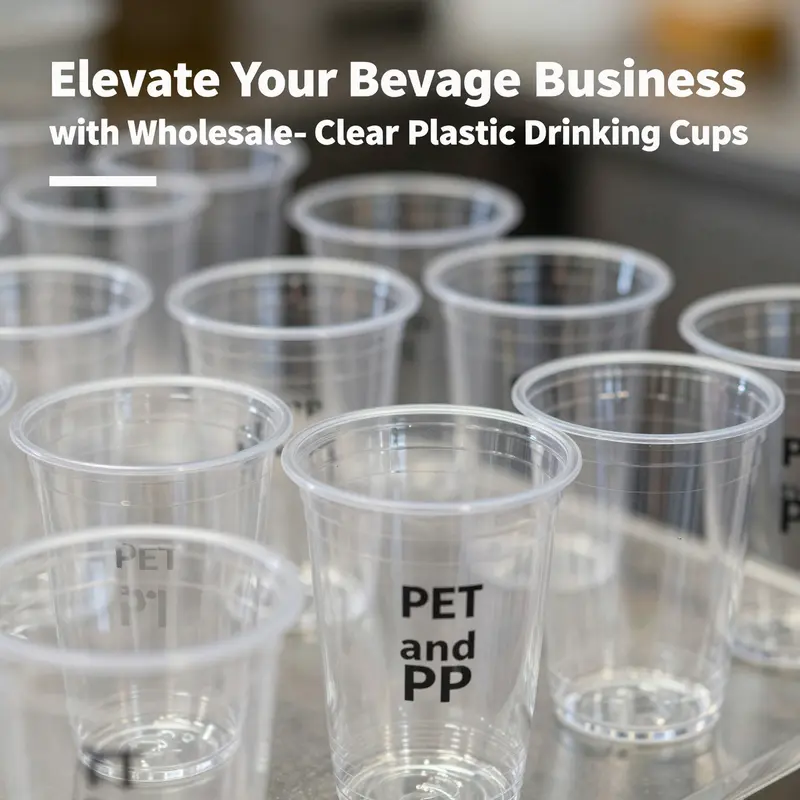
Clear plastic drinking cups occupy a quiet but essential niche in wholesale supply, where decisions about material, design, and end-of-life pathways ripple through every event, venue, and snack bar that relies on a disposable solution. In the wholesale landscape, the most common choices converge on two polymers, each offering a distinct balance of performance, cost, and sustainability credentials. The dominant narrative in practice centers on polypropylene (PP) and polystyrene (PS). PP is prized for durability and heat tolerance, enabling cups that hold hot coffee, tea, or soups alongside cold beverages without cracking or deforming. PS, while more fragile in the face of heat, shines in optical clarity and a price point that makes it attractive for large-scale, short-lived uses where the consumer just needs to see the beverage and move on. Taken together, these materials map the practical spectrum of what buyers expect from wholesale clear cups: reliability in peak service, crisp presentation, and alignment with safety requirements that underscore food-grade use. The balance between these attributes defines not only performance in the moment but the broader conversation about waste, recycling, and post-consumer handling that increasingly accompanies bulk purchasing decisions.
PP, the more versatile of the two, has qualities that align well with active service environments. Its heat resistance—well above room temperature and approaching boiling scenarios in typical consumer experiences—makes it suitable for both hot and cold beverages. This resilience translates into fewer cracks, less leakage, and a more secure user experience in busy settings such as events or fast-service outlets where handling roughness and jostling are realities. Beyond heat, PP’s chemical stability ensures predictable performance when beverages include carbonation or acidity, which can sap the integrity of weaker plastics over time. Crucially, PP is amenable to recycling streams designed for plastic packaging, provided that post-consumer processing facilities exist and are properly managed. Some segments of the market also point to premium PP cups certified for compostability under recognized standards, offering a more sustainable end-of-life option that aligns with rising consumer expectations about waste stewardship. In practical terms, this means that a wholesale supplier can offer a PP cup that remains visually clear, holds its shape under pressure, and still be routed toward reuse or recovery pathways at the end of its life cycle.
PS cups, by contrast, present a different calculus anchored in clarity and cost. The single most compelling advantage of PS is visual perfection: a crystal-clear transparency that makes the beverage visually appealing, which is especially valued in tasting events, sampling campaigns, and catered experiences where appearance matters as much as taste. The trade-off is heat sensitivity and fragility. When exposed to hot liquids, PS can deform or warp, and its structural integrity can be challenged by rough handling. The material’s brittleness also raises concerns about breakage in high-traffic environments, a consideration that must be weighed against convenience and presentation. From an environmental perspective, PS has a more complicated relationship with municipal recycling streams in many jurisdictions. Its recyclability varies by locale, and because PS is often discarded in contexts where contamination or missorting occurs, its true end-of-life impact depends as much on local infrastructure as on the cup’s intrinsic properties. Yet PS remains a staple in many wholesale assortments because its upfront cost is typically lower, enabling large-volume orders that align with price-sensitive event planning and food-service campaigns.
The material story does not end with the raw polymer. In practice, the full value proposition hinges on a constellation of factors that buyers weigh during procurement. First, there is the matter of safety and compliance. Reputable suppliers will ensure that materials used in clear cups are BPA-free and conform to food-grade safety standards established by regulatory authorities. This is not merely a box-ticking exercise; it addresses the risk of chemical leaching under various beverage conditions, from acidic fruit drinks to steaming hot brews. Certifications such as FDA compliance in the United States or EU food-contact approvals act as a bridge of trust between manufacturers, distributors, and hospitality operators who must deliver safe products to customers daily. Second, environmental considerations loom large in the decision-making process. While both PP and PS are technically recyclable, real-world outcomes depend on how well post-consumer streams are managed. Contamination, improper sorting, and insufficient recycling infrastructure can undermine the environmental advantages that manufacturers and policymakers highlight in theory. Some suppliers are beginning to meet this challenge by offering lines that are certified by third-party bodies for compostability or biodegradability, or by highlighting recyclability through clearly labeled post-consumer pathways. For buyers prioritizing sustainability, these signals—when verified—can influence supplier selection and overall lifecycle thinking.
The design dimension adds another layer of sophistication to this narrative. Clear cups are not merely shells for beverages; they embody decisions about user experience, ergonomics, and even energy efficiency in production. A growing segment of the market explores double-wall insulation or multi-layer configurations in PP formats. These innovations preserve beverage temperature longer without sacrificing the cup’s external clarity, making them particularly attractive for travel, outdoor events, or service scenarios where customers expect portability and stable temperature. Such designs underscore the material choice: PP’s heat resistance supports insulated variants, while PS models tend to emphasize clarity and cost in standard, non-insulated formats. Even the lids—flat, dome, or spill-proof variants—play into this equation by aligning sealing performance with beverage type and service context. Each added feature, while enhancing the user experience, affects the overall cost, MOQs, and lead times that buyers encounter when sourcing wholesale.
From a procurement perspective, the wholesale market is as much about supply-chain flexibility as it is about polymer science. The economics of bulk buying reward scale, with per-unit costs decreasing as order quantities climb. Yet not all buyers operate at the same scale, and many suppliers recognize the need for a breadth of options: lower minimum order quantities for startups or pilot runs, and larger quantities for large-scale events. The presence of customization options—OEM and ODM services—allows brands to imprint logos, color schemes, or messaging directly on the cups. This capability can transform a simple vessel into a marketing touchpoint, a feature that often makes wholesale cups an appealing choice for businesses aiming to reinforce their branding with every disposable unit. In addition, the industry has seen a shift toward offering a spectrum of capacities—commonly 12 oz, 16 oz, and 20 oz—and a range of lid styles that endues a cup with a complete service package. The logistics of sourcing also matter: suppliers located in major manufacturing hubs typically offer direct factory pricing, with shipping facilitated by established port networks. For buyers, this translates into lead times and cost considerations that must be weighed against event dates, storage capacity, and inventory planning.
A practical strand in this material narrative is the decision process around sampling and testing. Prospective buyers often seek samples to verify thickness tolerances, clarity, and lid-fit quality. The ability to obtain free samples, with the buyer covering postage, speeds up due-diligence without imposing upfront costs on a business’s experimentation phase. Once a choice is made, bulk ordering typically brings substantial savings per unit, but it is essential to align MOQ expectations with actual demand to avoid overstock or underutilization. Payment methods—ranging from traditional bank transfers to platform-protected payments—offer security and recourse for buyers who are navigating the risks of international procurement. All told, the journey from material selection to final purchase is shaped by a blend of technical performance, regulatory compliance, sustainability commitments, and commercial practicality.
In the broader wholesale ecosystem, this material calculus also interacts with how suppliers position themselves in the market. A representative pathway involves offering stock-ready, high-clarity PP or PS cups that can be customized quickly for branding needs while maintaining predictable performance in typical service conditions. The opportunity to see real-time pricing and product details on B2B platforms adds another layer of visibility, enabling buyers to compare options across vendors, volumes, and lead times. Embedded pathways for education and decision support—whether through technical datasheets, safety certifications, or environmental claims—help buyers navigate the complexity of material choice with confidence. An accessible reference point for understanding how a clear cup performs in real-world contexts can be found in product pages that discuss disposable clear plastic cups suitable for outdoor use and gatherings. See here: disposable-clear-plastic-cup-outdoor-picnic-pet-cup-drinking-cup-for-parties-birthdays-weddings-camping-utensils.
Ultimately, the decision between PP and PS in a wholesale program is not about declaring a universal winner but about matching material properties to the intended use, customer expectations, and end-of-life possibilities. For events that prize pristine presentation and low breakage risk, PS may be favored for its visual appeal and low upfront cost. For venues that require resilience, temperature versatility, and end-of-life recyclability, PP offers a more robust path. Buyers who can integrate sustainability into procurement—by selecting certified or compostable options where feasible, and by aligning with post-consumer recycling programs—often find that the total cost of ownership improves when environmental considerations are treated as strategic factors rather than afterthoughts. The result is a more resilient, adaptable wholesale program that can respond to the varied demands of food service, beverage production, and event-focused retail—an ecosystem where clarity, performance, and responsibility converge in every cup.
For readers seeking a tangible reference to an external supplier ecosystem, one example illustrates how a PP-based, transparent cup might be positioned within the market, including aspects of eco-friendly disposal and certification processes. See the external resource: https://www.alibaba.com/product-detail/FULING-Disposable-PP-Plastic-Cup-Clear_1600534879579.html
Clear Trends, Bright Branding: The Wholesale Market for Transparent Drinking Cups
The wholesale market for clear plastic drinking cups sits at a crossroads where practicality, marketing potential, and environmental responsibility meet. At the core, two plastics dominate the landscape: PET, prized for its clarity, rigidity, and recyclability, and PP, valued for durability and reliability under both hot and cold conditions. These attributes shape how brands and operators approach usage across a spectrum of settings—from quick-service restaurants and beverage brands to large-scale events and retail displays. The cups themselves function as more than containers; they are canvases for logos, color accents, and seasonal campaigns. A bulk buyer cannot ignore the economics of customization, which many suppliers now offer as standard OEM/ODM services. Print-ready options allow a business to imprint a logo, a slogan, or a special graphic directly onto the cup, transforming a disposable vessel into a portable advertisement that travels from the back of a kitchen to the hands of consumers at a concert, stadium, or trade show. In this way, the very act of choosing a clear cup becomes a branding decision as much as a packaging decision.
As the market evolves, a pattern emerges around size flexibility and lid configurations. The most common capacities—12 oz, 16 oz, and 20 oz—mirror the needs of different beverage categories and consumption moments. Lids have also diversified, with flat and dome-style closures as well as spill-proof options designed to minimize mess in high-traffic venues. This is not simply a matter of convenience; it is a factor affecting cost, logistics, and consumer experience. The ability to tailor a cup’s dimensions and lid type to a specific event or service line means wholesalers can offer end-to-end packaging solutions rather than a collection of standalone items. The result is a more streamlined procurement process for buyers who must manage ideas, inventory, and promotions across multiple outlets or event timelines.
Sustainability has become a central driver in all these decisions. The industry is increasingly pivoting away from a narrow focus on price and purity of clarity toward a broader portfolio that includes biodegradable, compostable, and recyclable options. Bioplastics such as PLA, derived from renewable resources like corn, are moving from experimental corners into mainstream lines. The appeal is clear: consumers want products that look and perform as expected while reducing environmental impact. At the same time, manufacturers are experimenting with slope-bright hybrids that blend recycled content, such as rPET, or bio-based polymers with high clarity. The resulting cups aim to deliver the same visual appeal and mechanical performance—clear visibility, sturdy rim integrity, and reliable sealing—while advancing a more circular lifecycle. The market’s push toward sustainability is not just about the material; it is about production practices, end-of-life considerations, and the certification framework that makes these claims credible. For buyers, this translates into a growing emphasis on certifications, including FDA compliance for food contact, ISO9001 quality management, and EU standards for safety and sustainability. These certifications are not decorative badges; they are practical assurances that products meet rigorous safety and environmental criteria in a global supply network.
The regulatory environment adds a consequential layer to product development and sourcing. Across Europe, Canada, and several U.S. states, single-use plastics face bans or restrictions that can quickly render a previously viable option noncompliant. Wholesalers and manufacturers respond by expanding lines of compliant products—clear cups that are certified recyclable or compostable, and lines that accommodate local waste-management realities. Compliance becomes not just a selling point but a market-entry gate. It compels suppliers to invest in traceable materials, clearly labeled packaging, and transparent supply chains so buyers can demonstrate responsibility to customers, regulators, and investors. In practice, this means a growing integration of certified compostable cups alongside recycled-content PET options, with clear guidelines on how to dispose of each lineage. The result is a more complex but more resilient product ecosystem, where a single cup can be chosen not only for its transparency and lid compatibility but also for its alignment with a region’s waste-management infrastructure.
Transparency, literally and figuratively, is a design principle shaping how these cups are used for branding. The clear window on a cup allows the beverage to be part of the visual narrative—colorful drinks, layered gradients, or even the natural hues of fruit and tea become part of the marketing image. Brands recognize that a well-placed logo, an accent color, or a bold graphic can travel with a customer from kitchen to curb and into social feeds. This marketing potential is amplified by the growing availability of clear cups built to support high-clarity printing or wrap-around branding, without sacrificing the essential properties of rigidity and leak resistance. In venues where speed and consistency matter, the ability to deliver uniform visuals at scale is not an afterthought; it is central to the value proposition for wholesalers and their commercial customers.
To meet these evolving demands, industry players are expanding beyond a simple dichotomy between PET and PP. Some manufacturers now offer hybrids that blend the clarity of PET with the renewable or recycled content of other polymers. Recycled PET, for instance, delivers a lower footprint while maintaining the transparent appearance customers expect. Bio-based polymers aim to close the loop further by reducing reliance on virgin fossil resources, while still delivering reliable performance across cold, iced, and mixed beverage applications. This diversification reflects a broader strategic push to balance performance and aesthetics with environmental responsibility. It also aligns with consumer expectations for responsible packaging in social spaces—from sports arenas to wedding receptions—where the identity of a brand is reinforced by how responsibly it is packaged and presented.
The wholesale landscape is also expanding its capacity to support large, event-driven orders. Event calendars and seasonal promotions demand reliable supply chains, fast lead times, and predictable pricing. Wholesalers often provide tiered MOQs, with lower thresholds for samples or smaller events and higher thresholds for bulk campaigns that seek to minimize per-unit costs. The promise of direct factory pricing—especially when combined with favorable logistics from major hubs in Asia and the Americas—creates a compelling business case for large distributors and hospitality buyers alike. While bulk orders reduce cost per piece, buyers must also factor in the total landed cost, which includes shipping, customs clearance, and handling charges. The ability to secure samples—sometimes with postage covered by the buyer—helps buyers validate fit before committing to longer supplier relationships. In this ecosystem, payment terms such as T/T or platform-protected payments provide financial reassurance to buyers navigating multi-country acquisitions and large purchase orders.
For those who are exploring the practicalities of procurement, the category’s versatility is evident in the way clear cups are integrated into broader packaging solutions. Lids, sleeves, and ancillary items tie the cup to a larger system of hospitality supplies. The wholesale market thus operates as a network, where a request for a 12 oz PET cup with a dome lid can ripple through a supply chain to affect a factory schedule, a freight route, and a marketing campaign in a matter of days. This interconnectedness is a defining feature of modern packaging procurement, enabling brands to synchronize beverage formats with event timelines, menu changes, and seasonal promotions. And as small and mid-sized operators increasingly adopt bulk purchasing, the economies of scale become more accessible, making high-clarity cups a feasible option for retailers and venues that previously prioritized cost-cutting over presentation.
From a strategic vantage point, buyers are learning to view clear cups not just as a disposable vessel but as a flexible platform for growth. The ability to adapt materials, print capabilities, and regulatory compliance across different regions supports a truly global procurement approach. A grocery retailer may need recyclable options in one market and compostable options in another, while a catering business might prioritize printed branding for custom events without sacrificing cups’ performance. The evolving mix of materials, certifications, and supply chain arrangements is gradually reshaping the wholesale market into a more resilient, design-conscious, and regulation-ready ecosystem. The future of clear plastic drinking cups wholesale, then, rests on balancing peak performance with environmental stewardship, while maintaining the speed and flexibility that buyers expect in a fast-moving market. The practical consequence is clear: suppliers must continue to diversify their materials, expand their certification portfolios, and invest in scalable customization capabilities to stay competitive in a world where both consumers and regulators demand accountability and aesthetic clarity.
As buyers navigate this landscape, it can be useful to connect with suppliers who offer turnkey solutions that marry clarity with sustainability, branding with compliance, and volume discounts with reliable delivery timelines. For a practical glimpse into how an everyday event cup can perform in real-world settings, consider sources that illustrate the tangible benefits of disposable clear plastic cups for parties and events. disposable clear plastic cup for parties and events. This kind of product profile underscores the central tension in the market: you want a cup that looks pristine on display, holds up under busy service, and aligns with a sustainability strategy that resonates with today’s informed consumers.
For readers seeking a broader context beyond product specifics, the global plastic packaging market—especially the share driven by bioplastics and recycled plastics—offers a macro view of the forces shaping the category. External data on this broader market can provide a framework for forecasting demand, pricing, and regulatory scenarios. External context: Global plastic packaging market trends. https://www.statista.com/statistics/1345976/global-plastic-packaging-market-size-by-material/
Clear, Clarity, and Consciousness: Eco-Friendly Innovations Redefining Wholesale Clear Plastic Drinking Cups
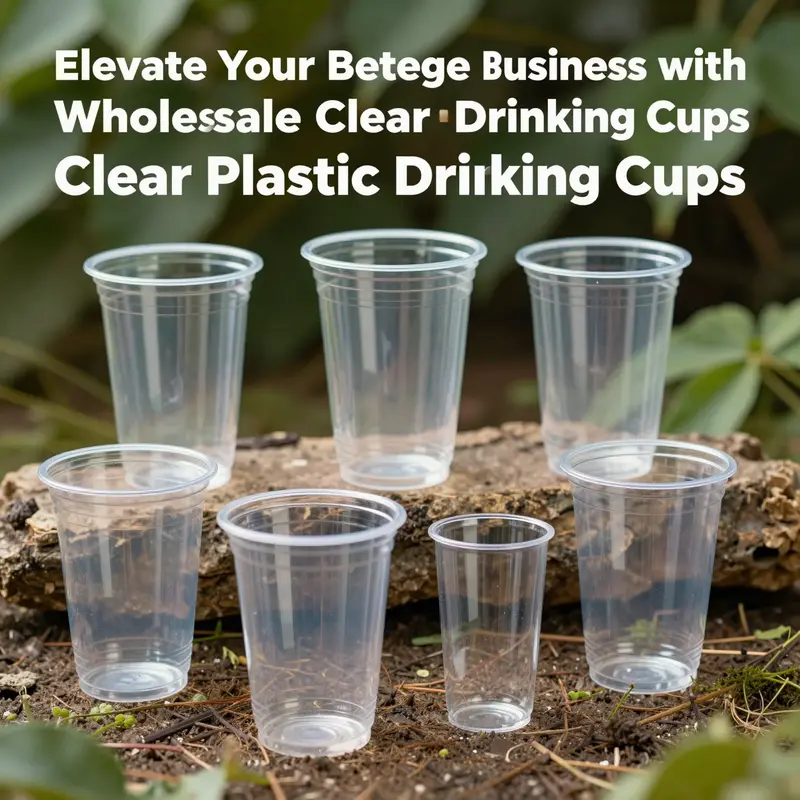
The wholesale market for clear plastic drinking cups sits at a fascinating crossroads where performance, design, and environmental responsibility converge. For buyers in foodservice, beverage production, events, and retail, the demand curve now bends toward products that deliver reliable clarity and strength while aligning with circular economy goals. Two traditional plastics—PET and PP—have long dominated the field. PET cups are prized for their optical purity, rigid feel, and recyclability, making them a staple for cold beverages such as water, juice, and iced tea. PP cups, by contrast, offer a tougher density and greater temperature tolerance, supporting hot drinks, milk tea, and smoothies. Yet even as these materials meet immediate functional needs, the market is increasingly prioritizing eco-friendly options and smarter lifecycle thinking. In this evolving landscape, the question for wholesale buyers becomes not only which cup performs best, but which cup respects resources, reduces waste, and still supports strong branding and moment-to-moment customer experience.
The push toward sustainability unfolds in several interlocking streams. First, there is the rise of plant-based, compostable alternatives that still deliver the familiar convenience of single-use cups. Second, innovative blends aim to preserve the best properties of traditional plastics while enhancing compostability and end-of-life options. Third, some suppliers are exploring reusable, dishwasher-safe formats that temper the environmental impact of regular disposables while requiring appropriate cleaning infrastructure. Across all these paths, the market emphasizes customization and branding as essential tools for engagement, especially in events and hospitality where cup visuals travel with the guest experience.
Among the most notable shifts are developments around Polylactic Acid (PLA) cups. PLA is derived from renewable resources, such as cornstarch or sugarcane, which positions it as a compelling alternative to purely petroleum-based plastics. The core appeal of PLA cups lies in their 100% compostability under industrial conditions, a feature that resonates with brands seeking to minimize landfill waste while preserving the clean, glass-like clarity customers expect from clear cups. In practice, suppliers offer PLA cups in standard cold-beverage formats—8oz, 12oz, 16oz, and 22oz—with matched lids designed to maintain a smooth, spill-free experience from pour to sip. The economic side of PLA is also attractive: bulk orders in the tens of thousands can drop to highly competitive unit prices, with examples in the wholesale space showing material costs that approach a few cents per cup when volumes climb. This combination of performance, compostability, and cost efficiency makes PLA a cornerstone in the eco-friendly beverage cup conversation.
A related advancement builds upon PLA by blending it with PBAT, a flexible, biodegradable polymer that enhances toughness and durability, particularly in cooler storage conditions. This PLA-PBAT hybrid maintains compostability while improving resilience against repeated handling, stacking, and transport—an important consideration for distributors and event organizers who expect reliable performance from bulk shipments. The hybrid’s balance of rigidity and flexibility supports a broader range of designs, from standard cup shapes to more curved profiles that maximize branding space without compromising recyclability. In practice, these cups are frequently produced in high-volume manufacturing hubs where scale and precision drive down unit costs. They are also frequently printed with UV-ink branding, a method that yields vivid, multi-color logos directly onto the cup surface while keeping the packaging simple and export-ready in standard cartons. For buyers, the combination of branding potential and responsible material choice creates a compelling value proposition: a cup that looks premium, functions across a spectrum of cold beverages, and signals a commitment to sustainability.
Beyond compostable solutions, a growing portion of the market pursues reusable plastic formats as a pragmatic middle ground. Reusables, often made from PP or PVC, are designed to withstand multiple uses and dishwasher cycles. While these cups do not biodegrade, they offer meaningful waste reduction when consumed in venues with the necessary cleaning infrastructure. For cafes, event venues, and catering services that operate a return system or in-house dishwashing, reusable cups can align with broader sustainability goals without requiring wholesale shifts away from familiar tableware. The durability of these cups—resilience to cracking and the ability to tolerate moderate heat—makes them a practical option for both in-store and on-site use. The trade-off, of course, centers on the logistics of washing, collecting, and redistributing cups, which means buyers must weigh operational capabilities against the environmental benefits.
Custom branding remains a pivotal driver for wholesale buyers seeking to maximize impact while staying true to eco-friendly commitments. Suppliers commonly offer silkscreening or multi-color printing on clear cups, enabling logos, taglines, and event details to travel with the product. In many cases, environmental narratives are reinforced through color choices, printing techniques, and the use of compostable or recycled-content packaging. The branding conversation overlaps with regulatory and safety considerations: cups carrying food-contact approvals and certifications—such as FDA recognition or ISO quality management standards—help ensure that green messaging travels in tandem with trusted performance. In an era when a well-branded cup can function as a moving billboard at a trade show or festival, the fusion of aesthetics and sustainability emerges as a core competitive advantage for wholesale suppliers and their customers.
From a supply-chain perspective, the eco-friendly cup story is also a story about cost and scale. Manufacturers in large regional hubs leverage efficiency gains to deliver competitive pricing across a spectrum of sizes—commonly 12oz, 16oz, and 20oz—while offering a range of lid options, including flat, dome, and spill-resistant varieties that align with different beverage formats and service styles. The economics of MOQ (minimum order quantity) and per-unit pricing reflect the broader market dynamic: greater volumes translate into lower unit costs, enabling buyers to incorporate sustainable options into menus and events without eroding margins. This is particularly relevant for businesses that routinely place orders for large-scale operations, seasonal promotions, or recurring events, where the incremental cost of upgrading to an eco-friendly cup is offset by the savings from bulk procurement and the favorable reception from eco-conscious customers.
Another layer of complexity enters when considering certifications and safety compliances. As more consumers demand transparency about material origins and disposal pathways, suppliers increasingly highlight compliance with food-safety and environmental standards. Certifications such as FDA approval for contact with food, ISO quality systems for consistent manufacturing, and EU-equivalency marks help reassure buyers that eco-friendly cups meet stringent requirements. In practice, this means that a consumer’s time at the event table can be enhanced by a product that is not only visually appealing and durable but also scientifically vetted for safety and sustainability. The result is a more trustworthy story around a cup’s lifecycle, which, in turn, strengthens brand credibility for businesses that choose to market themselves as environmentally responsible.
For buyers exploring samples and trial orders, the path is straightforward yet purposeful. Many suppliers offer free samples with postage covered by the buyer, allowing teams to assess clarity, rigidity, and lid compatibility before committing to larger runs. When transitioning from samples to bulk orders, platforms often support secure payment methods, such as bank transfers or platform-protected transactions, smoothing the procurement journey. This practical scaffolding—samples, certification assurance, scalable production, and flexible logistics—helps ensure that eco-friendly cups can move from concept to kitchen or event space with minimal friction.
To bring this discussion into sharper focus for readers planning purchases, consider a cup’s end-of-life story as part of the selection process. PLA and PLA-PBAT blends promise industrial compostability, but success hinges on having access to appropriate composting infrastructure. Reusable plastics demand reliable cleaning channels and a user base that is prepared to participate in the cycle. PET and PP remain viable options for users who prioritize durability and clarity, provided their extraordinary recyclability and collection streams are well managed. In this sense, the choice of cup becomes a decision about how a business imagines its environmental footprint—whether through compostable alternatives that close the loop in dedicated facilities, through durable reusables that reduce single-use waste, or through careful selection of recyclable plastics that feed into robust recycling programs.
For readers seeking a concrete touchpoint within this eco-friendly evolution, one practical route is to explore product pages that align with events and bulk customization while preserving clean aesthetics. Internally, you can explore a page focused on disposable clear plastic cups suitable for outdoor use, parties, and weddings, which highlights the versatility and branding potential of this category: Disposable clear plastic cup for parties and events. This resource illustrates how suppliers present a uniform, export-friendly solution for customers who want to pair eco-minded materials with strong visual identity.
The broader takeaway is that the eco-friendly cup segment is not a single product line but a spectrum. It blends biobased materials, innovative polymer blends, and practical reuse models into a cohesive narrative about responsible consumption. Buyers who understand both the performance demands of their beverage service and the lifecycle implications of their packaging are better positioned to select cups that deliver on clarity, reliability, and environmental stewardship. As the market continues to evolve, success will live at the intersection of material science, manufacturing scale, and authentic sustainability messaging, all supported by transparent safety standards and efficient logistics. The cup becomes a vehicle for brands to communicate care for customers and the planet alike, without compromising the everyday experiences that customers expect from clear, dependable disposables.
External resource: https://www.alibaba.com/product-detail/Hot-Selling-Eco-Friendly-PLA-Cup-PLA-Cold_1600342752588.html
Clear Currents: Navigating the Global Supply Chain Behind Wholesale Clear Plastic Drinking Cups
The wholesale market for clear plastic drinking cups operates with a scale and precision that most buyers only glimpse in procurement dashboards. Behind the seemingly simple product—an almost invisible vessel that holds a juice, a water, or a milk tea—lies a carefully choreographed global system. This system has found its center in a particular economic geography where manufacturing clusters, logistics networks, and regulatory pathways converge to deliver predictable volumes, consistent quality, and the visual clarity customers expect from PET and the durable resilience of PP. In many ways, the story of these cups maps the broader story of modern commercial manufacturing: specialization within a tightly integrated ecosystem, proximity to ports and suppliers, and the relentless optimization that makes bulk buying efficient without sacrificing customization or safety.
China dominates the modern supply chain for clear cups, and the advantage is clear once you trace the flow from raw material to finished product. The most active regions—Guangdong, Fujian, and Jiangxi—house sophisticated thermoforming and injection-molding facilities that produce PET and PP clear cups along with the necessary lids. The geographic clustering matters because it shortens the distance between the mold makers, the material suppliers, the printers who add logos or branding, and the logistics providers who organize export. It’s a tightly coupled network where a single addition to the mold, or a color change in the print, can ripple across thousands of units with rapid lead times. In practice, factories in places like Fuzhou and Guangzhou have pushed automation to new levels, enabling monthly production in the tens of millions of units. This scale is what makes large, customized runs feasible, from simple stock cups to complex, multi-color branding campaigns.
From the outset, PET and PP serve distinct purposes in the market, and the choice between them is often driven by end-use realities. PET cups, prized for their high clarity and rigidity, are ideally suited to cold beverages such as water, juice, and iced tea. Their clarity conveys product appeal and brand integrity, a factor in hospitality settings and retail displays where presentation matters. PET is also prized for recyclability, aligning with growing sustainability expectations across markets. PP cups, by contrast, bring durability and resilience to environments that demand more robust performance. They handle hot or cold drinks with greater ease and are popular for beverages that may be consumed quickly in high-traffic venues, including milk teas and smoothies. The material properties dovetail with practical considerations—the temperature profile, the type of lid used, and even the user experience of sipping or sealing a drink. In both cases, the cups are available in multiple sizes, commonly 12 oz, 16 oz, and 20 oz, and with a range of lids—from flat to dome, and even spill-proof variants. In procurement terms, this means buyers can curate a lineup that supports diverse outlets, from quick-service restaurants to large events, all while maintaining a consistent brand story.
Quality assurance arises early in the chain, not as an afterthought. Leading manufacturers in these clusters adhere to stringent food-safety standards and operate environments that meet or exceed international norms. The presence of clean-room practices, controlled production lines, and rigorous testing of resin and finished cups helps ensure that both PET and PP cups perform safely in hot or cold beverage contexts. Certification profiles—FDA in the United States, LFGB in key European markets, ISO9001 for quality management—and compliance with EU standards offer a map of reliability for buyers who plan global distribution or shelf presence in regulated markets. The upshot is simpler compliance for customers who value safety and a smoother path to market entry for new brands.
The supply chain’s efficiency rests as much on logistics as on molding and molding-ready innovation. The same clusters that produce raw materials, molds, and cups are often within proximity to major ports, notably Shenzhen and Guangzhou, enabling faster export processes and reduced transit risk. This proximity is not incidental. It reflects a deliberate alignment of manufacturing capacity with the needs of importers who require reliable, repeatable delivery cycles. Quick reorders and repeat business become feasible when suppliers can align with the schedules of large buyers who maintain predictable consumption patterns. The end-to-end service model—mold design, material selection, printing, assembly, and export logistics—exemplifies a turnkey approach to wholesale procurement. For brands expanding into new markets, this means fewer handoffs and less risk of delays during peak seasons or new product launches.
Yet no supply chain thrives in isolation. The global landscape for clear cups includes other hubs, and diversification remains a prudent strategy for buyers exposed to currency swings, port congestion, or regional demand spikes. While China remains dominant, suppliers in other regions—Mexico and Indonesia among them—offer alternatives that can reduce lead times or provide favorable tariff conditions for specific markets. The ability to source from multiple hubs provides not just resilience but also opportunities to optimize total landed cost, balancing unit price with freight, duties, and insurance. In practice, buyers often negotiate tiered supplier relationships, where core long-term partners provide the bulk of standard stock and secondary partners handle rapid-response or customized runs that require shorter lead times or different branding configurations.
As suppliers mature, their evaluation criteria shift beyond price alone. A robust supplier relationship rests on tangible performance indicators that translate into predictable procurement outcomes. On-time delivery in the climbing 97–98% range reflects a disciplined production rhythm and logistical planning, while a reorder rate that tops 15% signals healthy product-market fit and steady demand. Such metrics are more meaningful than a single price quote because they reveal a supplier’s capacity to maintain continuity across cycles, scale to larger projects, and respond to shifts in consumer demand. Certifications also serve as a quiet but powerful signal of alignment with global expectations. A provider’s ability to meet FDA, LFGB, or EU standards is not simply about compliance; it is about confidence—the confidence that a brand can run a large event or open a new market with minimal friction.
The customization layer adds another dimension to the wholesale equation. Across the industry, buyers seek cups that reinforce brand identity through color, printing, and packaging options. The capacity to implement multiple color designs, brand logos, and packaging configurations on a single order is a practical expression of the OEM/ODM capabilities that many suppliers advertise. At the same time, a growing share of customers demand eco-friendly or BPA-free materials, recyclable solutions, and sustainable packaging options. The push toward sustainability is not superficial; it aligns with regulatory trends, consumer expectations, and the broader corporate responsibility agendas that shape brand narratives. In response, suppliers increasingly offer a portfolio of BPA-free resins, recyclable materials, and compostable or certified biodegradable options, alongside clear documentation on compatibility with different lid systems and printing methods.
The commercial structure of the market—particularly the minimum order quantities—also frames how buyers plan procurement. MOQs can range from as low as a thousand units to fifty thousand units, a spread that mirrors the diversity of use cases. For many hospitality operators and event organizers, larger orders can reduce the per-unit cost significantly, enabling aggressive pricing strategies for bundled beverage programs or promotional campaigns. For startups or smaller venues, lean MOQs can be achieved through pooled orders with other brands or by selecting more standardized designs from stock programs. The balance between customization, lead time, and price is a core negotiation axis in wholesale cups and, when managed well, yields stable supply across multiple campaigns and seasons.
Sample programs and payment options further smooth procurement paths. Several suppliers offer free samples with postage paid by the buyer, a practical way to validate fit with branding and performance before committing to larger runs. Payment methods—secure options like T/T or platform-protected transactions—provide the financial assurances buyers need when moving large volumes across borders. For buyers who must forecast far ahead, the combination of stock-ready options and print-ready customization enables a quick transition from design to deployment, with fewer surprises in the supply chain.
In thinking about the broader procurement strategy, it helps to view clear cups not as standalone products but as components in a larger system of events, retail experiences, and beverage programs. The shapes and sizes are designed to fit, the lids are engineered for reliability, and the materials chosen respond to both performance and sustainability goals. The chain’s strength lies in its orchestration—the way manufacturers, mold shops, printers, and logisticians synchronize calendars, color confirms, and quality checks so that a cup that looks identical across all markets can perform identically, whether it sits on a hotel breakfast buffet, a crowded food hall, or a stadium concession stand. The buyer’s role becomes one of curating a network of trusted suppliers, mapping lead times to promotions, and maintaining a careful balance between price, speed, and brand integrity.
For readers exploring practical procurement narratives, one glimpse into the wholesale landscape can be found in industry resource compilations that present pricing benchmarks, MOQs, and supplier performance insights for clear plastic cups with lids. These references illuminate how regional advantages translate into cost efficiencies and how end-to-end services simplify export logistics for global brands. When evaluating suppliers, look for indicators beyond unit price: on-time performance, repeat orders, responsiveness, and certifications that align with your target markets. Customization capacity, sustainability commitments, and the ability to support both standard stock and bespoke runs should all factor into the decision framework. In the end, the strongest partnerships are those that help a brand translate a simple cup into a reliable, scalable channel for growth—one that preserves the clarity of the product while delivering consistency in service and story across every market.
Internal link reference for practitioners seeking a practical, branded packaging angle is available here: custom takeaway packaging for theme parties. This resource illustrates how packaging and presentation extend beyond the cup itself and into the broader experience of takeout and event service, a reminder that the wholesale cup is part of an integrated ecosystem of branding, packaging, and customer touchpoints.
External resource for further context on global supply landscapes can be found on major wholesale platforms, which catalog real-time pricing, MOQs, and supplier performance metrics for clear plastic cups with lids: https://www.alibaba.com/product-detail/Wholesale-Clear-Plastic-Cups-with-Lids_1600434744412.html. These references complement the chapter’s emphasis on end-to-end supply chain dynamics, quality assurance, and the ongoing balance between customization and efficiency that defines the wholesale market for clear plastic drinking cups.
Final thoughts
In today’s competitive beverage landscape, understanding the dynamics of wholesale clear plastic drinking cups can empower your business to thrive. From exploring customization options to recognizing eco-friendly innovations and grasping global supply chain efficiencies, the insights shared in this article facilitate informed decisions that elevate customer experience and brand connection. With the right clear plastic cups, you can enhance your service while meeting sustainability goals—making them a pivotal component of your beverage offerings.