
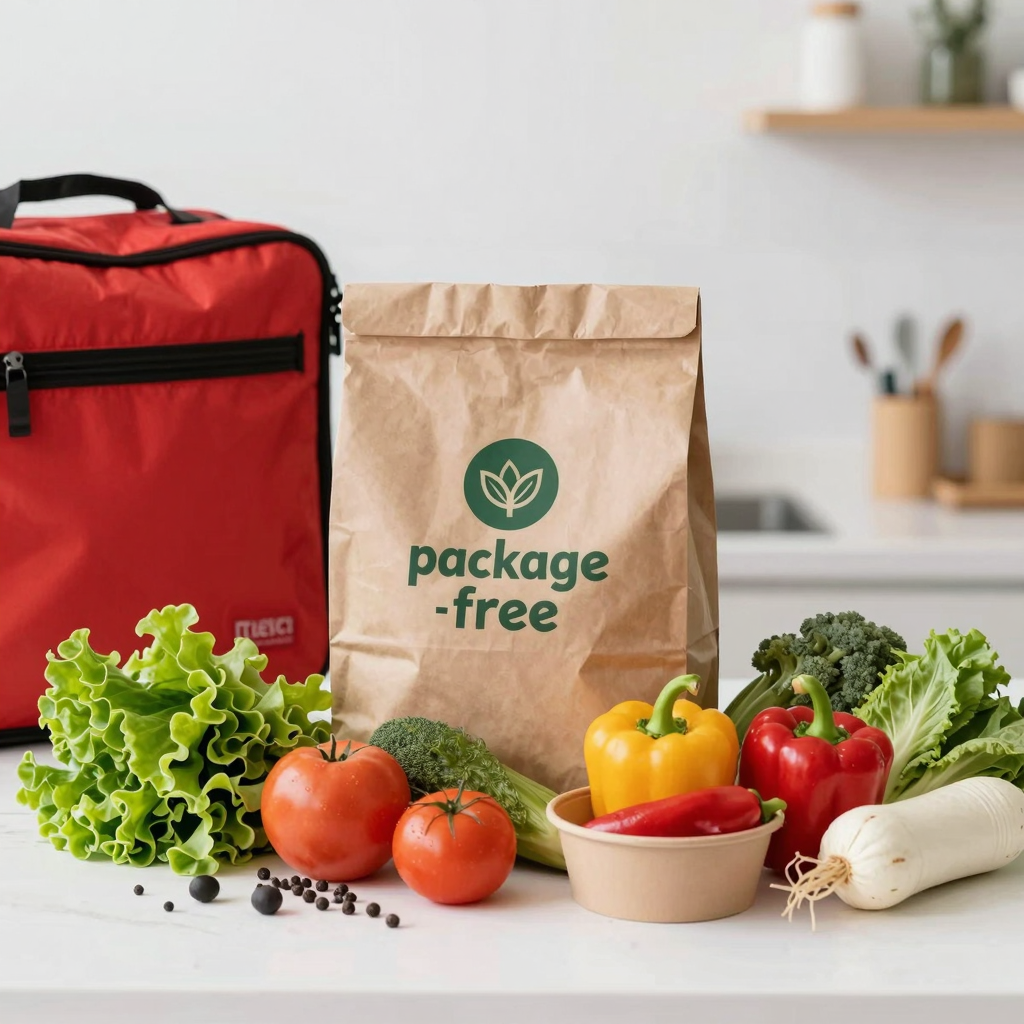
In an age where sustainability is no longer just a buzzword but a movement, the trend of package-free food delivery is gaining significant traction. Consumers are increasingly seeking eco-friendly options, and this shift is particularly relevant for bubble tea shops, restaurants, food trucks, and event planners. As the food industry grapples with plastic pollution, the demand for solutions that eliminate waste continues to rise. By embracing package-free delivery methods, businesses not only cater to the changing preferences of their customer base but also contribute to a healthier planet. This innovative approach aligns with a shared goal of sustainability, making it easier for establishments to enhance their brand image while working towards reducing their environmental footprint. From delicious boba teas to gourmet meals and elegant event catering, the exciting possibilities of sustainable packaging are boundless. As we explore the advantages of this trend, it’s essential to remember that our collective actions can create a more sustainable future for the food industry, ensuring that we meet the needs of today without compromising the planet for future generations. For more insights into sustainable practices within food delivery, learn more about plastic containers in the food industry and check out our guide on non-plastic disposable food containers.
Benefits of Package-Free Food Delivery for Food Businesses
-
Cost Savings: Implementing package-free food delivery can significantly reduce packaging costs. A study by the Green Business Journal indicates businesses can save up to 30% annually on packaging materials. This also lowers waste disposal fees, enhancing overall profit margins.
-
Reduced Waste: Package-free systems eliminate the need for single-use packaging, leading to a remarkable decrease in environmental waste. For instance, restaurants adopting reusable containers have reported a 22% reduction in operational costs, as less waste translates into fewer landfill contributions and lower cleaning costs associated with discarded materials.
-
Improved Customer Satisfaction: Customers increasingly favor eco-conscious businesses, with roughly 78% expressing a higher likelihood of reordering from establishments committed to sustainability. Faster delivery times and fewer delivery errors due to streamlined processes also enhance customer experiences. As reported, repeat orders can increase by 25% when businesses utilize package-free models.
For more insights, learn more about plastic-free containers or explore sustainable delivery trends.
Exploring the Growth of the Package-Free Food Delivery Market
The package-free food delivery market is increasingly becoming a focal point for businesses aiming to capitalize on sustainability trends. According to recent data, the global online food delivery market is projected to grow at a compound annual growth rate (CAGR) of 16.24% by 2027[^1]. While specific statistics for package-free food delivery are less readily available, the overall demand for sustainable practices in food delivery presents a robust opportunity for market players.
In 2023, the global online food delivery market reached approximately $114.07 billion, with a projected CAGR of 11.1% from 2024 to 2030[^2]. This growth is heavily influenced by consumers’ increasing preference for convenience and sustainability, signaling a shift towards delivery services that reduce packaging waste.
As per recent trends, sustainable packaging practices are gaining traction among food delivery companies, with significant advancements in biodegradable materials and reusable containers[^3]. This shift is not merely for compliance; it represents a pivotal change in consumer expectations. A recent study found that consumers are increasingly concerned about the environmental impact of food packaging, particularly plastic, leading to a rise in companies adopting package-free delivery models inside urban centers[^4].
Impact on Target Audience
For the target audience-bubble tea shops, restaurants, food trucks, and catering services-the implications are profound:
- Brand Image: Businesses adopting eco-friendly practices tend to experience improved brand perception among consumers who value sustainability.
- Customer Loyalty: Implementing package-free options or sustainable practices can enhance customer satisfaction and loyalty, as customers prefer brands that demonstrate a commitment to environmental stewardship[^5].
- Operational Challenges: Transitioning to package-free models may involve higher operational costs and logistical complexities, yet it opens opportunities for businesses to differentiate themselves in a crowded market.
In conclusion, the engagement in package-free food delivery aligns not only with current market trends but also with consumer values, helping businesses cater to an increasingly eco-conscious clientele while potentially enhancing profitability both in the short and long term.
Footnotes
[^1]: Mordor Intelligence
[^2]: Research Team
[^3]: Packaging Digest
[^4]: Sustainability Journal (MDPI)
[^5]: Journal of Business Research
Customer Personas for Bubble Tea Shops and Related Businesses
Creating effective customer personas can significantly improve how bubble tea shops, restaurants, food trucks, catering services, and corporate procurement teams engage with their audience, especially regarding packaging. Here are some detailed personas along with their pain points related to packaging:
1. The Trendy Millennial (Aged 25-35)
- Demographics: Young adults, often engaged on social media.
- Pain Points:
- Seeks sustainable, eco-friendly packaging but faces challenges with availability and cost.
- Frustrated by non-recyclable materials used by some brands.
- Values aesthetic design which may not align with eco-friendly options.
2. The Health-Conscious Gen Z (Aged 18-24)
- Demographics: Recent college students or young professionals.
- Pain Points:
- Prefers packaging that showcases health benefits but is often disappointed by misleading labels.
- Needs assurance that packaging is food-safe, particularly for bubble tea drinks.
3. The Busy Professional (Aged 30-45)
- Demographics: Work-focused individuals who often rely on takeout.
- Pain Points:
- Dislikes slow delivery; requires efficient packaging that maintains food temperature.
- Concerned about spills due to poor-sealed containers.
4. The Executive Host (Corporate Events)
- Demographics: Corporate decision-makers arranging events.
- Pain Points:
- Stresses over packaging being environmentally responsible while being functional for events.
- Last-minute changes in ordering complicate packaging requirements.
5. The Event Planner
- Demographics: Professionals coordinating services for various gatherings.
- Pain Points:
- Consistency in packaging sizes and types is crucial, yet often inconsistent.
- Needs to ensure allergen labeling is clear and precise.
Conclusion
By understanding these personas and their pain points, businesses can tailor their packaging solutions to better meet customer expectations, ultimately promoting package-free food delivery options. For further insights into packaging concerns in the food industry, learn more here and explore options for eco-friendly packaging solutions at EcoCup Bowl.
| Aspect | Traditional Packaging | Package-Free Options |
|---|---|---|
| Cost | Lower upfront costs ($0.10-$0.30/unit) but incur higher disposal costs. | Higher initial setup cost, but 22% cost reduction over 3 years due to decreased material use and waste disposal fees. |
| Sustainability | Higher carbon emissions; contributes to landfill waste. | Reduces carbon emissions by up to 45% per product; promotes circular economy. |
| Customer Appeal | Viewed as convenient but less trusted among eco-conscious consumers. | 68% of consumers willing to pay a premium; perceived as more authentic and trusted. |
| Infrastructure Needs | Established supply chains, widely available. | Requires bulk dispensing systems and reusable containers, which can be costly to implement initially. |
| Brand Image | Neutral, with less focus on environmental impact. | Enhances brand image among eco-conscious consumers and aligns with sustainability efforts. |
| Growth Potential | Slower adoption in urban areas lacking recycling infrastructure. | Rapid growth in urban centers, particularly among millennials and Gen Z. |
Eco-Friendly Materials for Food Delivery Packaging
In the ever-evolving world of food delivery, the demand for sustainable practices is at an all-time high. Eco-friendly packaging materials are becoming essential not only to reduce environmental impact but also to meet consumer preferences for sustainable choices. Here’s a comprehensive look at some of the most popular eco-friendly materials used in food delivery packaging, along with their benefits.
Benefits of Using Eco-Friendly Materials
- Reduced Environmental Impact: Eco-friendly materials help decrease waste in landfills and reduce pollution.
- Renewable Resources: Most eco-friendly packaging materials are made from renewable resources, ensuring sustainability in their production.
- Customer Appeal: As consumers become more environmentally conscious, businesses that adopt sustainable packaging often see increased customer loyalty.
- Regulatory Compliance: Using biodegradable or recyclable materials can help businesses comply with environmental regulations.
Examples of Eco-Friendly Materials
-
Biodegradable Plastics: Made from natural sources such as corn starch (PLA) or other renewable materials, these plastics decompose in a composting environment. Companies like GreenPack Technologies are leading the way in developing these innovative packaging solutions.
-
Recycled Cardboard: Cardboard packaging not only reduces deforestation but is also recyclable and can be made from a significant percentage of post-consumer waste. This type of packaging is particularly suitable for food service. For instance, EcoWrap Solutions offers sustainable and biodegradable cardboard options for various food items.
-
Plant-Based Containers: Featuring materials derived from plants, these containers break down easily without leaving harmful residues, making them a great choice for food-delivery services.
-
Kraft Paper: Used widely for its strength and sustainability, kraft paper is an excellent alternative for bags, wraps, and containers. It is not only biodegradable but is also recyclable and compostable, making it a favorite among businesses aiming for eco-friendly practices.
The Growing Market for Eco-Friendly Packaging
The global biodegradable food packaging market is projected to grow significantly, with estimates suggesting it will reach $353.9 billion by 2033, reflecting a CAGR of 5.6% from 2026 to 2033. This trend highlights the increasing demand for sustainable solutions in the food industry.
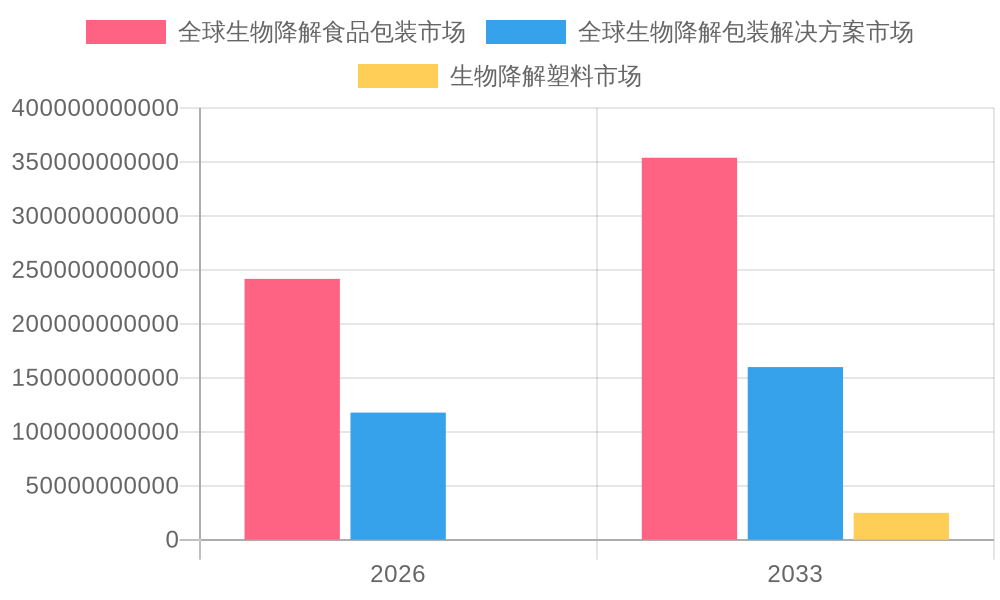
In conclusion, switching to eco-friendly materials in food delivery packaging not only benefits the environment but also aligns with consumer demands for sustainability. By making thoughtful choices about packaging, businesses can contribute to a healthier planet while enhancing their brand image. Embracing these eco-friendly materials positions your business as a responsible player in the food industry.

“Consumers are increasingly holding brands accountable for their packaging footprint. In food delivery, where single-use items dominate, the shift to compostable, recyclable, or reusable materials isn’t just an eco-friendly gesture; it’s a strategic imperative for brand loyalty and regulatory compliance.”
- Dr. Elena Martinez, Sustainability Researcher at the University of California, Davis.
(Source: Forbes)
This quote emphasizes the growing importance of sustainable packaging in food delivery, making it essential for maintaining brand loyalty and meeting regulatory requirements.
In conclusion, partnering with us for your disposable tableware and packaging solutions can significantly elevate your business operations. We understand the unique needs of bubble tea shops, restaurants, food trucks, and event planners, providing eco-friendly and reliable products that align with your commitment to sustainability. By choosing our customizable, high-quality options, you will not only enhance customer experience but also reduce your environmental footprint, making a positive impact on the planet. Our solutions are designed for convenience and efficiency, allowing you to focus on what you do best-delivering exceptional food and beverages to your customers.
Don’t wait any longer! Explore our diverse range of products, including plastic-free food containers and customized clear plastic cups. Visit our website at ecocupbowl.com today to find the perfect packaging solutions that meet your needs. Join the movement towards sustainable packaging and make a difference in your business today!
Implementing Package-Free Delivery
Transitioning to package-free delivery can significantly reduce waste while attracting environmentally-conscious customers. Here’s a practical guide for food businesses:
Practical Steps:
-
Partner with Local Delivery Services: Collaborate with services that use reusable containers. This ensures your food reaches customers without the need for single-use packaging. As highlighted in the National Restaurant Association’s guide, integrating ‘no-package’ options into their systems can streamline the process.
-
Encourage Customer Participation: Offer discounts or incentives for customers who bring their own containers. Create a program that rewards loyal customers for participating in your package-free initiative, thereby increasing customer engagement and satisfaction.
-
Menu Optimization: Design your menu to minimize the need for packaging. For instance, serve salads in bowls and eliminate plastic lids, as suggested by the Ellen MacArthur Foundation toolkit. Make sure your menu items are compatible with reusable containers.
-
Staff Training: Educate your team about the benefits and operations of package-free delivery. Ensure that they are equipped to handle customer inquiries and can promote the program effectively.
-
Use Technology: Implement digital systems such as a QR code on receipts that link to delivery instructions. This can help reduce printed materials, aligning with sustainable practices.
-
Pilot Programs: Start with a select group of menu items that are simple to deliver without packaging, such as sandwiches or baked goods, to test customer response and operational efficiency.
-
Monitor and Adjust: Track your waste reduction metrics and solicit customer feedback. Use this data to refine your package-free program and make necessary adjustments based on performance.
Implementing these steps can enhance your brand’s sustainability efforts while attracting a larger customer base interested in eco-friendly practices. For more detailed insight, explore the best practices for restaurants.