
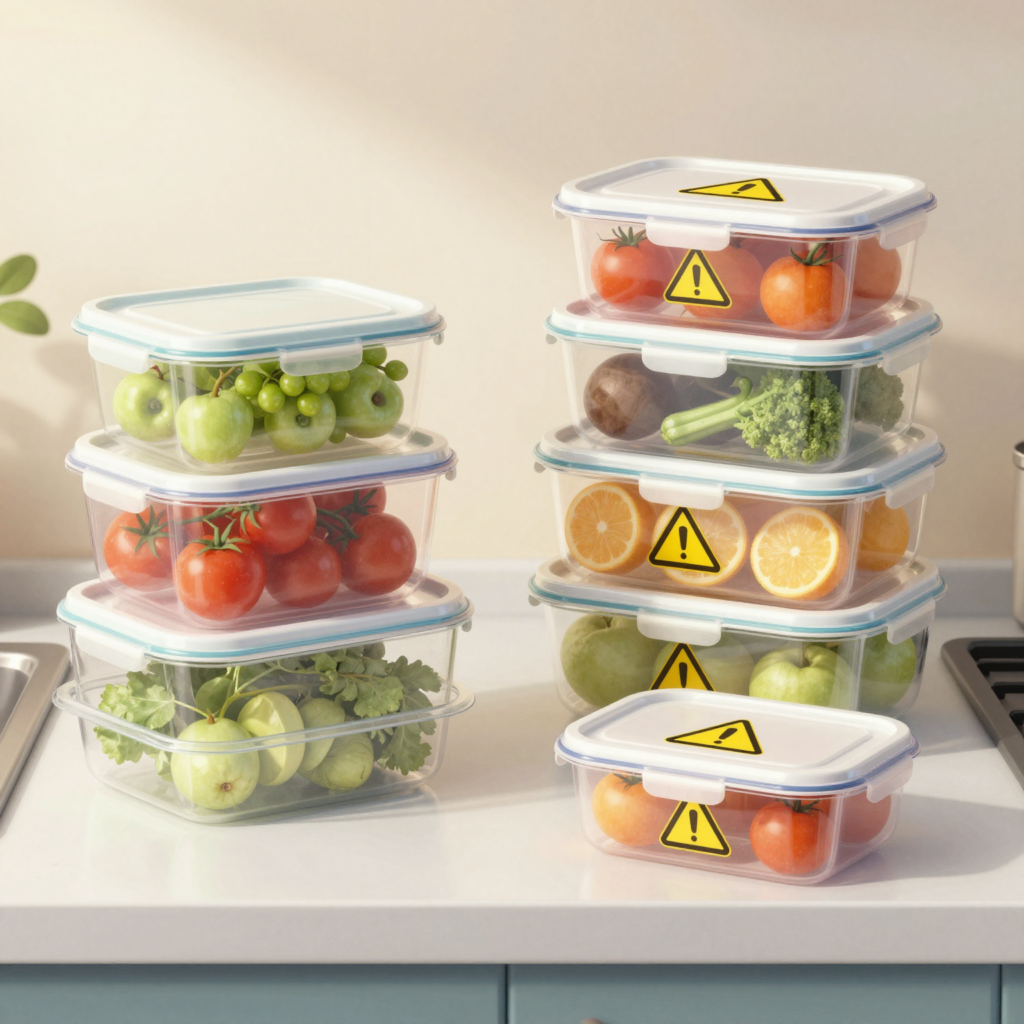
In today’s fast-paced world, plastic containers for food storage have become a staple for many businesses, including bubble tea shops, restaurants, and catering services. While they offer convenience and light-weight storage options, rising health and environmental concerns challenge their widespread use. Studies indicate that harmful chemicals such as BPA can leach from plastic into food, especially when containers are heated or damaged. These toxins may pose risks to our health, prompting discussions about safer alternatives. Additionally, excessive plastic waste contributes to environmental degradation, raising questions about sustainability in food packaging. As the food industry navigates these complexities, it’s essential to reconsider our reliance on plastic and explore eco-friendly options. For more information on these challenges and potential alternatives, check out Plastic Container Safety and 5 Types of Eco-Friendly Food Packaging.
Health Risks Associated with Plastic Food Containers
Plastic food containers are a staple in kitchens, from restaurants to catering services. However, recent studies have raised significant concerns regarding the health risks associated with using these containers. Many plastic containers can leach harmful chemicals into food, especially when exposed to heat or acidic substances. Here we summarize the key findings from scientific studies and expert opinions on the potential health effects of chemicals found in plastic containers.
Leaching of Harmful Chemicals
According to a study highlighted by NPR, researchers identified over 3,000 chemicals in plastic food packaging. Notable contributors include:
- Bisphenol A (BPA): Linked to hormone disruptions, increased blood pressure, type 2 diabetes, and other serious health issues (Mayo Clinic).
- Phthalates: These chemicals can interfere with hormonal functions, causing reproductive and developmental issues, particularly in children (source: PubMed Central).
- Microplastics: Research shows these particles can impair metabolic functions and cause inflammation and toxicity to human organs (MDPI – Microplastics from food packaging).
Effects of High Temperatures
Heat exacerbates the leaching process, allowing more chemicals to seep into food. A recent article from Integris Health warns against microwaving food in plastic containers, as this practice can significantly increase the risk of chemical exposure.
Summary of Key Chemicals and Risks
| Chemical Type | Associated Health Risks | Source URL |
|---|---|---|
| Nonylphenol (NP) | Highly toxic to fish; potential endocrine disruption in humans | ScienceDirect |
| Microplastics (MPs) | Impair metabolism; damage human systems; linked to inflammation and organ toxicity | MDPI |
| Phthalates | Endocrine disruption; reproductive toxicity; developmental issues in children | PubMed Central |
| Bisphenol A (BPA) | Hormone mimicry; linked to cancer, metabolic disorders, and neurological effects | Environmental Health Perspectives |
Plastic food containers pose significant health risks that cannot be ignored. Transitioning to alternatives, such as non-plastic containers, can help ensure the safety of food storage. Learn more about non-plastic disposable food containers.
Eco-Friendly Alternatives to Plastic Containers
As awareness of environmental issues grows, many food businesses are recognizing the need to shift away from plastic containers for food storage. Here are some excellent eco-friendly alternatives:
-
Glass Containers: These are durable, non-toxic, and do not leach chemicals into food. They can be used in the oven, microwave, and dishwasher, making them versatile for various food storage needs. Learn more about the benefits of glass containers.
-
Stainless Steel Containers: Perfect for both food storage and meal prep, stainless steel is highly durable and resistant to rust and corrosion. They don’t emit harmful substances and are fully recyclable.
-
Bamboo Containers: A renewable material, bamboo is biodegradably eco-friendly. Bamboo containers are lightweight and come in various styles, adding a natural aesthetic to food packaging.
-
Beeswax Wraps: These are reusable wraps made from organic cotton infused with beeswax. They are perfect for covering bowls or wrapping sandwiches, serving as a fantastic alternative to plastic wrap.
-
Silicone Bags: Eco-friendly silicone bags offer a flexible, reusable solution for storing food. Safe for freezing and microwaving, they come in various sizes and are easy to clean.
Switching to these options can significantly reduce plastic waste and promote sustainability within the food industry. For more information on how plastic impact the food industry, check out this informative article.
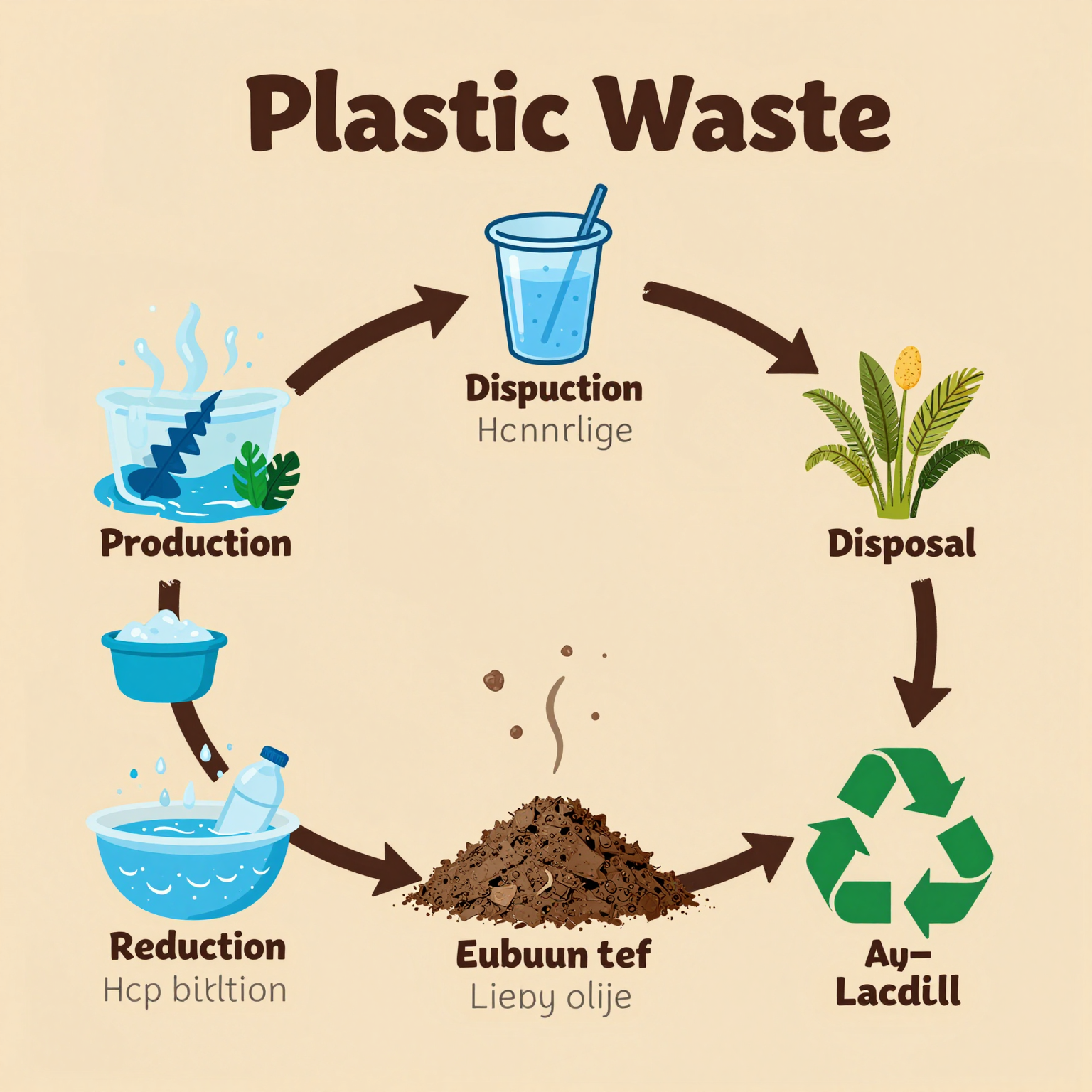
Plastic waste presents severe environmental challenges, particularly affecting our oceans, wildlife, and ecosystems. Each year, an estimated 19 to 23 million tonnes of plastic waste leaks into aquatic environments, creating significant pollution that alters marine ecosystems and threatens biodiversity (UNEP). The matter has escalated to such a magnitude that plastic debris constitutes over 85% of the total waste found in oceans (UNEP).
One concerning statistic reveals that approximately 100,000 marine mammals, including whales and dolphins, succumb to plastic pollution annually through ingestion or entanglement (WWF). Additionally, around 8 million metric tons of plastic find their way into the oceans each year, severely impacting marine life and food chains. These pollutants lead to the degradation of habitats and contribute to the decline of various marine species, reflecting a broader ecological crisis.
Furthermore, microplastics have infiltrated marine organisms, with studies showing significant accumulation rates. This situation compromises the food chain and threatens not only marine biodiversity but also human health as these contaminants make their way back to our tables through seafood consumption (National Geographic).
The cumulative effects of plastic waste are alarming. A projected 16 million metric tons of plastic waste might enter the oceans by 2025, exacerbating the already critical situation (UNEP). As we deepen our reliance on plastic containers for storing food in the food industry, it is vital to explore alternative, environmentally-friendly options such as non-plastic disposable food containers that can help mitigate these environmental impacts.
| Material | Durability | Safety | Environmental Impact |
|---|---|---|---|
| Plastic (BPA-Free PET/PP) | High – Resistant to impact and shattering; suitable for daily use. However, may degrade over time with heat or UV exposure. | High – BPA-free variants are safe for food contact and do not leach harmful chemicals. Internal testing shows effective airtight seals. | Moderate – Recyclable in some regions; however, plastic waste remains a global issue. EPR-compliant products support responsible disposal. |
| Glass | Very High – Extremely durable, resistant to heat, chemicals, and scratches. Does not degrade over time. | Very High – Non-reactive; ideal for acidic or oily foods. No chemical leaching. Safe for microwave and oven use (if labeled). | Moderate to High – Fully recyclable and inert. Production is energy-intensive, but long lifespan reduces overall environmental burden. |
| Stainless Steel | Very High – Highly resistant to dents, corrosion, and temperature extremes. Long-lasting even under heavy use. | Very High – Non-toxic, non-reactive, and safe for all food types. Commonly used in commercial kitchens. | Low – Highly recyclable and reusable. Minimal degradation over time. Lower long-term environmental cost due to durability. |
| Bamboo | Medium – Naturally strong but can crack or warp if exposed to moisture or high temperatures. Requires careful handling. | High – Naturally antibacterial and free from synthetic additives. Eco-friendly lids meet safety standards. | Very High – Renewable resource, biodegradable, and compostable. Low carbon footprint during growth. Sustainable sourcing reduces deforestation risk. |
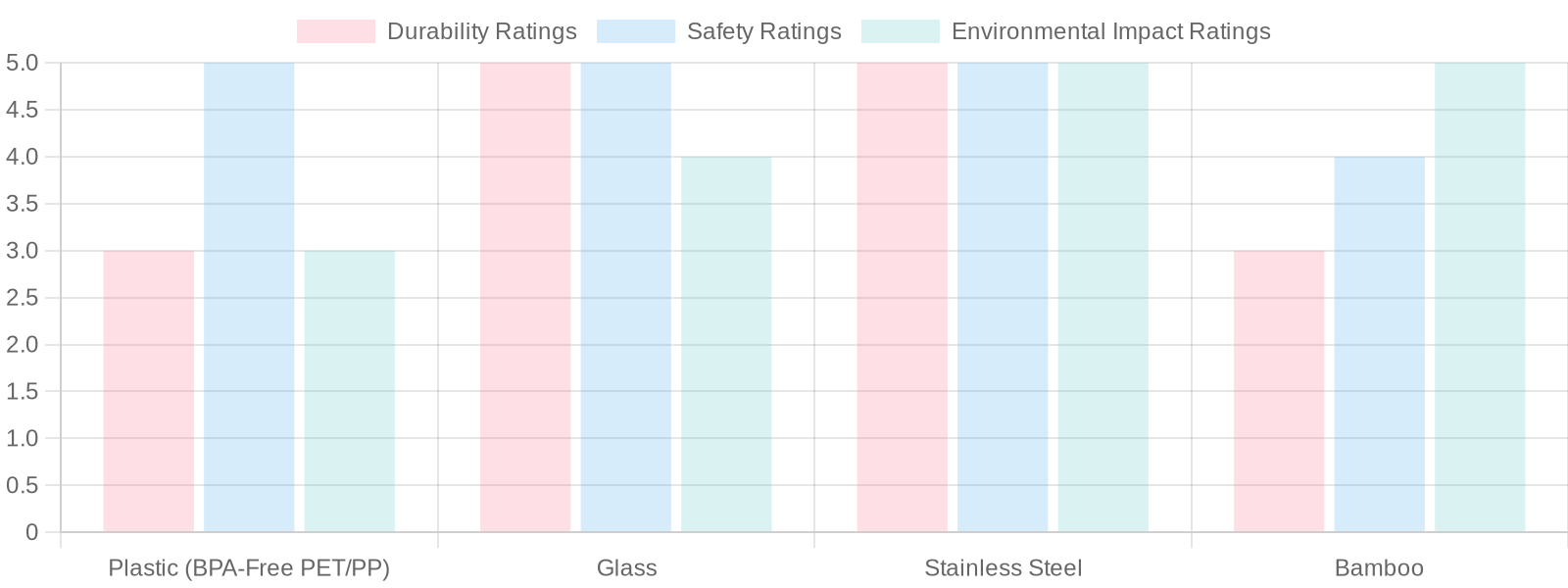
Material Comparison on Durability, Safety, and Environmental Impact.
For a detailed understanding of each material, read more about safe food storage containers and practices or explore the environmental impact of food packaging materials.
Expert Insight on Plastic Containers
“Plastics can leach harmful chemicals into food when they are heated, and these chemicals can disrupt hormones and cause long-term health issues,” – National Institutes of Health.
This insight emphasizes the critical perspective on the hazards associated with plastic food containers, reinforcing the importance of seeking safer alternatives for food storage.
For food industry leaders, such as bubble tea shops and catering services, understanding these risks is essential for ensuring the health and safety of your customers. Transitioning to alternatives to plastic can offer a path towards better sustainability and customer trust. To explore more about alternatives, check out our insights on non-plastic disposable food containers.
This expert quote and information provide a solid basis to advocate for abandoning conventional plastic storage practices in favor of more sustainable options.
The Benefits of Using Eco-Friendly Containers
Switching to eco-friendly food storage options comes with a wide range of benefits that cater not only to health and safety but also to environmental sustainability.
Safety and Health Benefits
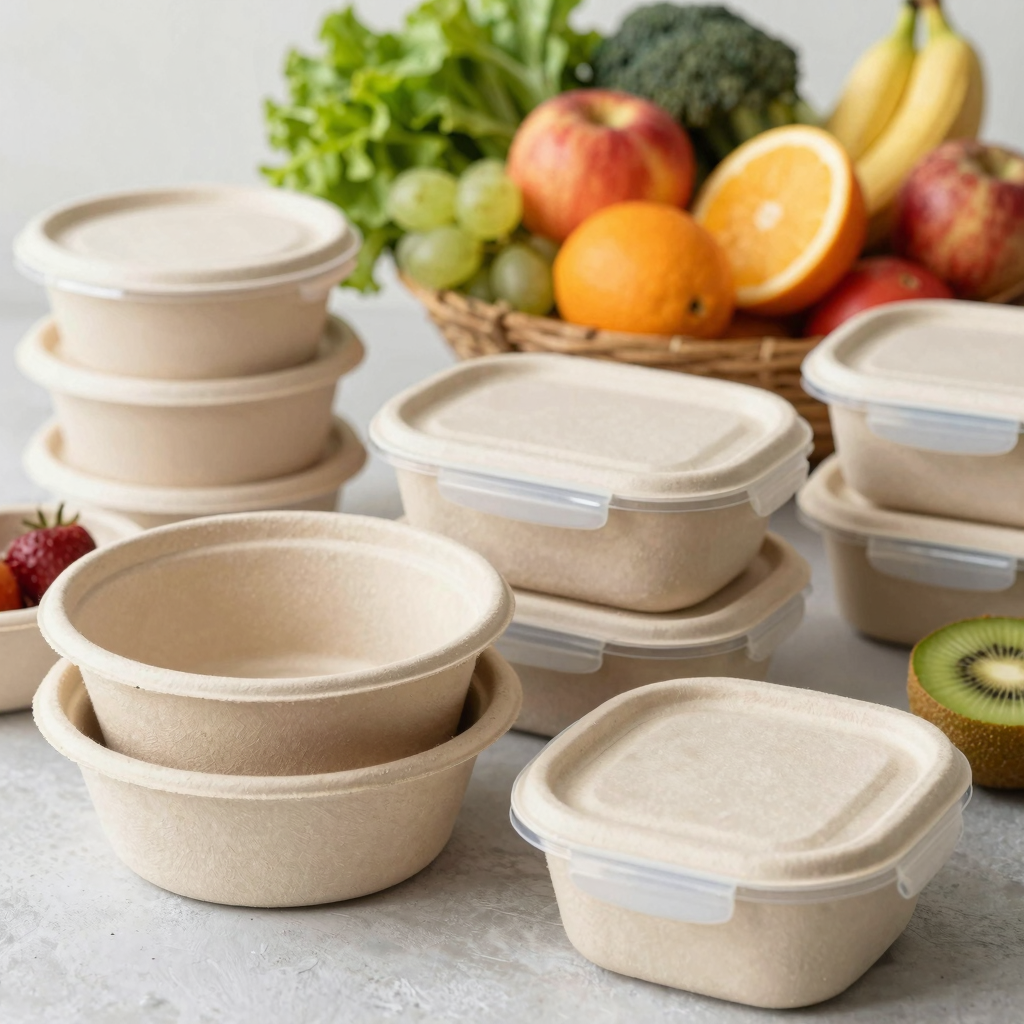
Eco-friendly containers are primarily made from materials that are less likely to leach harmful chemicals into food. Unlike traditional plastics, which can contain harmful substances like BPA, many eco-friendly alternatives ensure your food stays uncontaminated. These containers often comprise biodegradable and compostable materials, reducing plastic pollution while promoting a healthy lifestyle. This makes them a safe choice for everyone, especially for families and foodservice providers aiming for the highest standards in food safety.
Positive Environmental Impacts
Using eco-friendly containers significantly contributes to the reduction of plastic waste. As these materials decompose naturally, they minimize the burden on landfills and decrease pollution levels in our environment. Furthermore, choosing sustainable options not only supports a healthier planet but also enhances your brand’s eco-conscious image. For businesses in the food industry, this shift aligns with growing consumer demand for greener products. To learn more about the importance of eco-friendly containers, check out our detailed post on the topic!
As the consciousness around environmental sustainability grows, many businesses within the restaurant and food service sectors are making the critical shift from plastic to eco-friendly packaging. Here, we explore some notable case studies that highlight this transition, their motivations, and the positive outcomes achieved.
1. Sustainable Brands in Eco-Friendly Packaging
A detailed analysis featured by Allpack discusses brands like IKEA and Apple who have successfully made the transition to eco-friendly packaging. These companies not only responded to rising consumer demands for sustainable options but also positioned themselves as leaders in green initiatives. The transition involved adopting biodegradable materials and streamlined packaging processes, resulting in a significant reduction in their environmental footprint.
Key Motivations and Benefits:
- Enhanced brand loyalty and public image.
- Competitive edge in a market increasingly favoring sustainable practices.
- Potential cost savings in production over time due to streamlined processes and waste reduction.
You can read more about this shift here.
2. Collaborative Innovations in Singapore
A*STAR collaborated with Aegis Packaging in a project designed to embed scientific advancements into their packaging solutions. This initiative not only focused on creating recyclable materials but also aimed at improving the overall performance of these products. The strategic partnership has led to innovations that contribute to Singapore’s economic sustainability, demonstrating a successful model for collaboration in the food industry.
Key Motivations and Benefits:
- Addressing environmental challenges through innovation.
- Creating added value for the food industry by enhancing product functionality.
- Contribution to local economic sustainability by promoting locally recyclable materials.
For more insights, check this case study.
3. Circular Economy in Food Packaging
Another pivotal study available on ScienceDirect looks at external enablers that help the food packaging industry shift toward a circular economy. This research emphasizes the need for collaborative efforts among businesses, consumers, and regulatory bodies to facilitate the transition to sustainable packaging. The focus here is on the collective impact of various sectors in promoting and adopting sustainable practices.
Key Motivations and Benefits:
- Enhanced sustainability across the supply chain.
- Improved resource management and waste reduction.
- Long-term economic benefits from sustainable practices.
This emphasizes the collaborative effort necessary to achieve a circular economy in the food packaging sector.
Conclusion
The shift from plastic to eco-friendly packaging is not just a trend but a necessary evolution for restaurants, food trucks, and beverage chains. The highlighted case studies exemplify how businesses can benefit from such transitions, including improved brand reputation, economic sustainability, and enhanced regulatory compliance. For those in the food industry, embracing eco-friendly practices not only addresses environmental concerns but also strengthens market positioning.
To delve deeper into the implications of using environmentally friendly packaging in the food industry, learn more here.
By taking these steps, businesses can not only contribute to global sustainability efforts but also witness tangible benefits in their operations and customer satisfaction.
In conclusion, the drawbacks of plastic containers for food storage are prominent and concerning. Not only do they contribute significantly to environmental pollution and waste, but they also pose potential health risks due to chemical leaching and microplastic contamination. Consumers are becoming increasingly aware of these issues, leading to a demand for safer and more sustainable options.
On the other hand, eco-friendly alternatives, such as biodegradable containers and reusable packaging, offer a host of advantages. These products not only reduce environmental impact but also resonate with consumers seeking healthier options. They are designed to minimize waste and are often safer for food storage, contributing to better health outcomes for your customers.
As businesses in the food service industry, it is crucial to consider these alternatives as part of your sustainability strategy. Transitioning to eco-friendly packaging can enhance your brand’s image while contributing positively to the planet.
For more information on how you can start making the switch today, explore our range of eco-friendly food packaging products or learn more about the environmental impact of plastic. Together, let’s step towards a greener future!