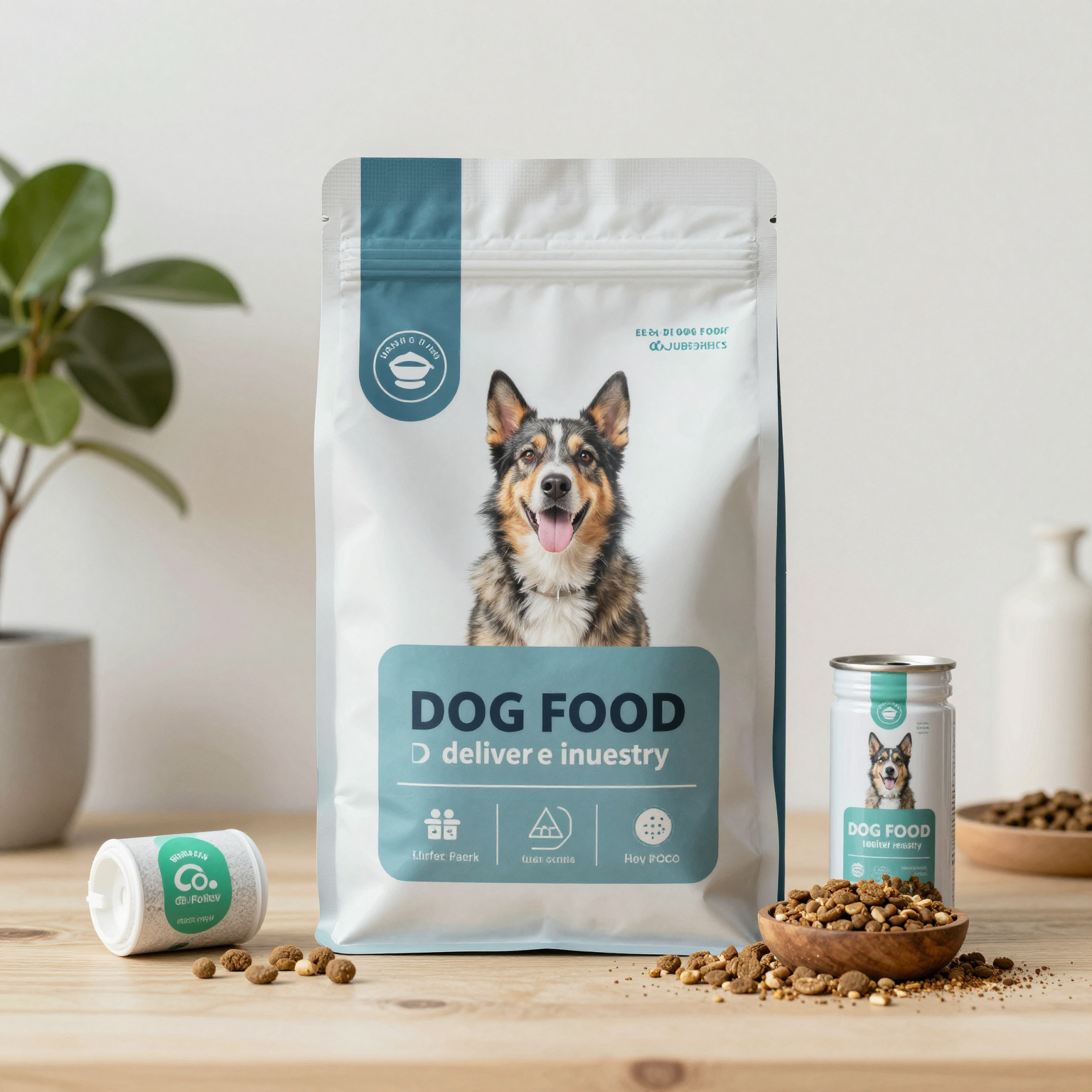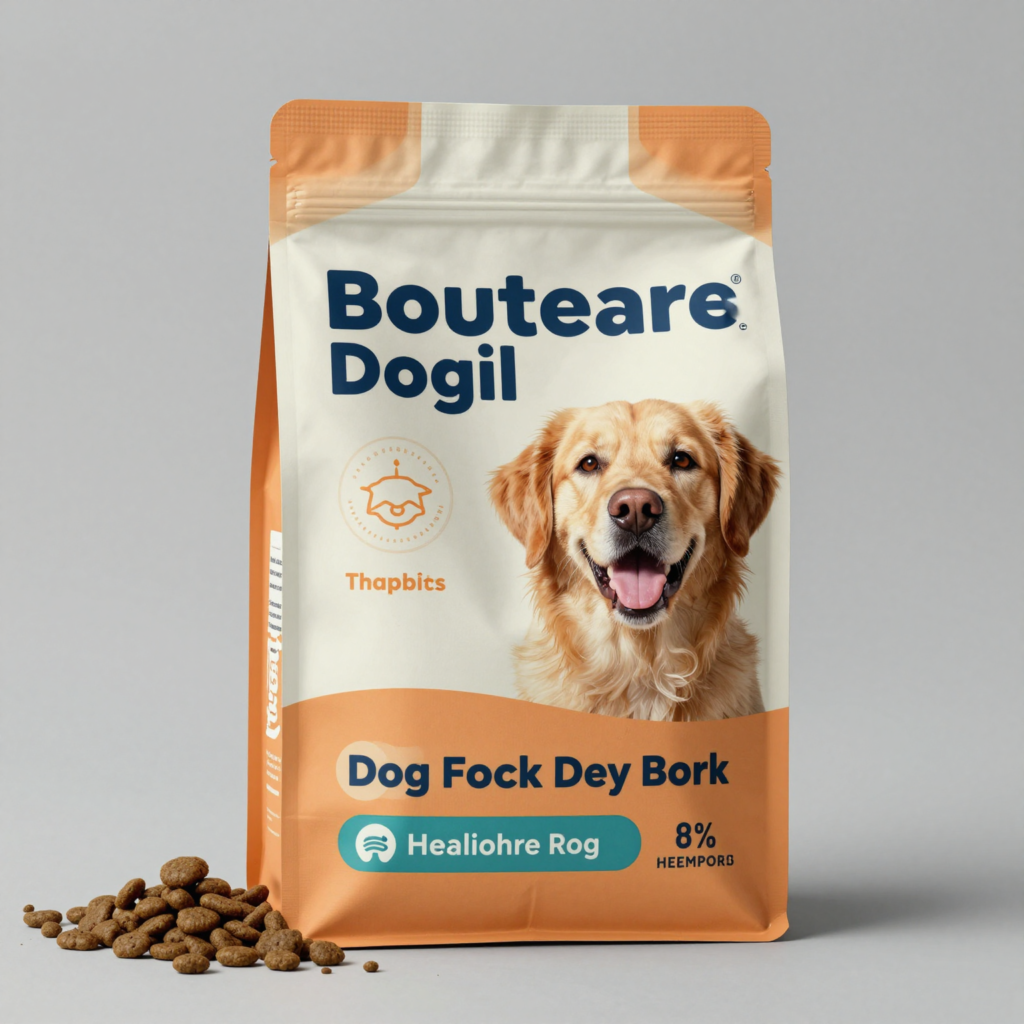
In the rapidly growing market of dog food delivery, effective packaging design is crucial for ensuring a seamless customer experience. When consumers place their orders, they don’t just want high-quality food for their furry companions; they also expect packaging that is reliable and functional. Well-designed packaging enhances not only the aesthetic appeal but also the usability, safety, and convenience of the food delivery. It acts as the first point of contact between your product and the customer, creating an impactful impression that can influence their purchasing decisions.
Ultimately, thoughtful packaging solutions can significantly elevate brand perception and establish trust among pet owners who prioritize quality in their purchases. Whether you’re a bubble tea shop expanding your offerings or a restaurant looking to deliver the best for every occasion, understanding the connection between packaging and customer satisfaction is essential. Learn more about effective food packaging to ensure you meet the needs of today’s discerning consumers.
Marketing Appeal Through Design
The design of dog food delivery packaging plays a crucial role in attracting customers, especially for food trucks, catering services, and beverage chains. By leveraging effective design principles, businesses can not only promote their products but also resonate with their target audiences.
Color Psychology
Color is a powerful tool in packaging design. Different colors elicit various emotions and perceptions, influencing how customers view a product’s quality and taste. For instance, green often signifies freshness and health, making it an excellent choice for eco-friendly dog food packaging. Research has shown that effective use of color can enhance customer attraction and retention. Brands aiming for a premium feel might use darker colors like black or navy blue, which can evoke sophistication and trustworthiness. For more insight into how color impacts food perceptions, check out this article on color psychology in food packaging.
Eco-friendly Materials
In line with increasing consumer demand for sustainability, utilizing eco-friendly materials in packaging is key. Biodegradable materials such as paperboard with compostable coatings, and plant-based plastics can communicate a brand’s commitment to environmental sustainability. This not only aligns with green practices but also appeals to the growing segment of eco-conscious consumers. If you’re interested in exploring eco-friendly packaging options, this guide on sustainable packaging is informative.
Communicating Brand Values
Effective packaging design does more than just hold a product; it reflects the brand’s values. Thoughtful designs can convey stories, evoke emotions, and build a connection with customers. By incorporating unique elements that resonate with their brand identity, businesses empower themselves to differentiate in a crowded market. Packaging is thus not merely functional but a vital marketing tool that can significantly influence consumer choices.
Current Trends in Dog Food Delivery Packaging
The dog food delivery landscape is evolving rapidly, driven by trends in sustainability, convenience, and consumer preferences. Here are the key trends:
1. Sustainability
- Eco-Friendly Packaging: There is a significant shift towards using eco-friendly materials in packaging. Brands are increasingly utilizing biodegradable and recyclable materials to reduce their carbon footprint.
- Consumer Demand: Today’s consumers prefer products that showcase environmental responsibility. A 2023 report highlights a 70% increase in demand for sustainable packaging in pet food.
2. Convenience
- Easy-to-Open Designs: Packaging that is easy to handle and open is gaining popularity, particularly among busy pet owners who appreciate convenience in their shopping experience.
- Subscription Services: The rise of e-commerce and subscription-based deliveries has transformed how dog food is packaged, often leading to more compact and efficient packaging solutions.
For more insights, you can learn about plastic containers in the food industry and explore options for non-plastic disposable food containers.
| Packaging Material | Durability | Eco-Friendliness | Cost | Best Suited For | Product Example |
|---|---|---|---|---|---|
| Plastic (PE, PP, PET) | High – resistant to moisture and punctures | Moderate – recyclable but not biodegradable | Low | Restaurants, Food Trucks | High-quality plastic containers for dog food from Biopacktech |
| Aluminum Foil | High – excellent barrier to moisture and oxygen | Moderate – recyclable but energy-intensive to produce | Moderate | High-end dog food brands | Vacuum-sealed pouches with aluminum foil lining |
| Cardboard | Moderate – prone to moisture but can be treated for strength | High – biodegradable and recyclable | Low | Restaurants, Event Planning | Cardboard boxes for doggie treats from SFPouch |
| Composite Films | Very high – combines different materials for strength | Varies by composition – can be eco-friendly if designed that way | Moderate | Food Trucks, Gourmet Services | Composite film pouches that prevent spoilage |
| Compostable Materials | Moderate – can withstand some handling | Very High – designed to break down in compost | Higher | Eco-conscious restaurants | Compostable dog food bags as highlighted by Paramount Global |
Key Takeaways:
- Plastic remains the most popular and cost-effective option but has sustainability concerns.
- Aluminum foil offers excellent protection for high-quality products, ideal for premium dog food brands.
- Cardboard can be an eco-friendly choice, especially for businesses aiming to reduce their carbon footprint.
- Advanced composite films provide enhanced durability, particularly useful in the food truck setting.
- Compostable materials appeal to environmentally conscious consumers and are suitable for brands looking to enhance their sustainability profile.
This table provides valuable insights into the advantages and disadvantages of the various materials, supporting your business’s unique needs in dog food delivery. Businesses can learn more about suitable packaging for food to optimize their delivery solutions effectively.
Compliance and Safety Standards in Dog Food Packaging Design
When it comes to dog food packaging design, compliance with safety standards is not just important; it is essential. Adhering to these standards safeguards consumer health and the integrity of the product. Regulatory bodies such as the FDA (Food and Drug Administration) oversee the safety of pet food packaging, ensuring that materials used do not contaminate the food or expose pets to harmful substances.
Importance of Compliance
Packaging is an important aspect of supply chain management, particularly in the food industry. Companies involved in dog food packaging must comply with regulations that specify manufacturing practices, safety standards, and labeling requirements. The FDA enforces guidelines that all pet food manufacturers must follow, which are outlined in 21 CFR Part 507. Failure to comply with these regulations can result in serious health risks for pets, legal issues, and damage to the company’s reputation.
Moreover, adherence to the standards set by organizations like AAFCO (Association of American Feed Control Officials) ensures that pet food is produced under sanitary conditions and handled properly during transport and storage, as referenced in their guidelines on product handling safety.
Conclusion
For corporate procurement teams, understanding the importance of compliance is vital in making informed decisions when purchasing dog food packaging supplies. It not only enhances the safety and quality of the products but also aligns with the ethical standards of today’s consumers who are increasingly concerned about pet safety. Ensuring compliance with safety standards in packaging will contribute to a business’s bottom line and its commitment to consumer health.
For further insights, businesses can explore pet food packaging regulations.
The Art of Dog Food Packaging Design
In today’s competitive market, effective packaging design for dog food plays a crucial role in attracting consumers and conveying the brand’s message. The right packaging should not only be visually appealing but also functional, ensuring the food stays fresh while being easy to handle.
Key Design Elements to Consider:
- Labeling: Bright, engaging labels with clear information about ingredients and nutritional value can catch a pet owner’s eye. Utilizing pet-friendly graphics and colors helps to create a friendly appearance.
- Materials: The choice of materials is essential. Options include biodegradable packaging for environmentally conscious consumers or resealable bags to preserve freshness. Each material offers different aesthetic and functional qualities.
- Functional Aspects: Easy-open tops, resealable zippers, and informative printed labels enhance usability for consumers, ensuring they can conveniently store and serve dog food.
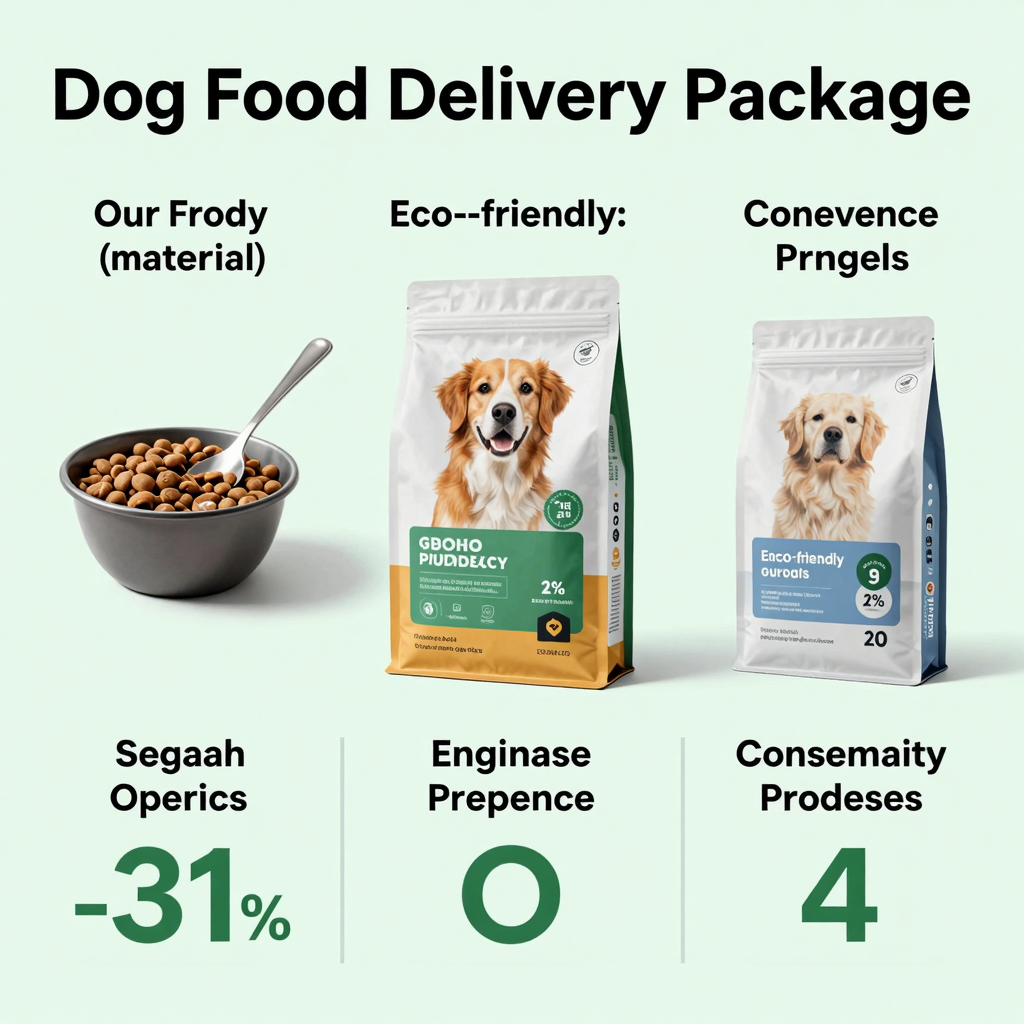
These elements come together to create a packaging design that resonates with dog owners while being functional and sustainable. The fusion of creativity and practicality in packaging design ultimately helps brands stand out in the competitive food service industry.
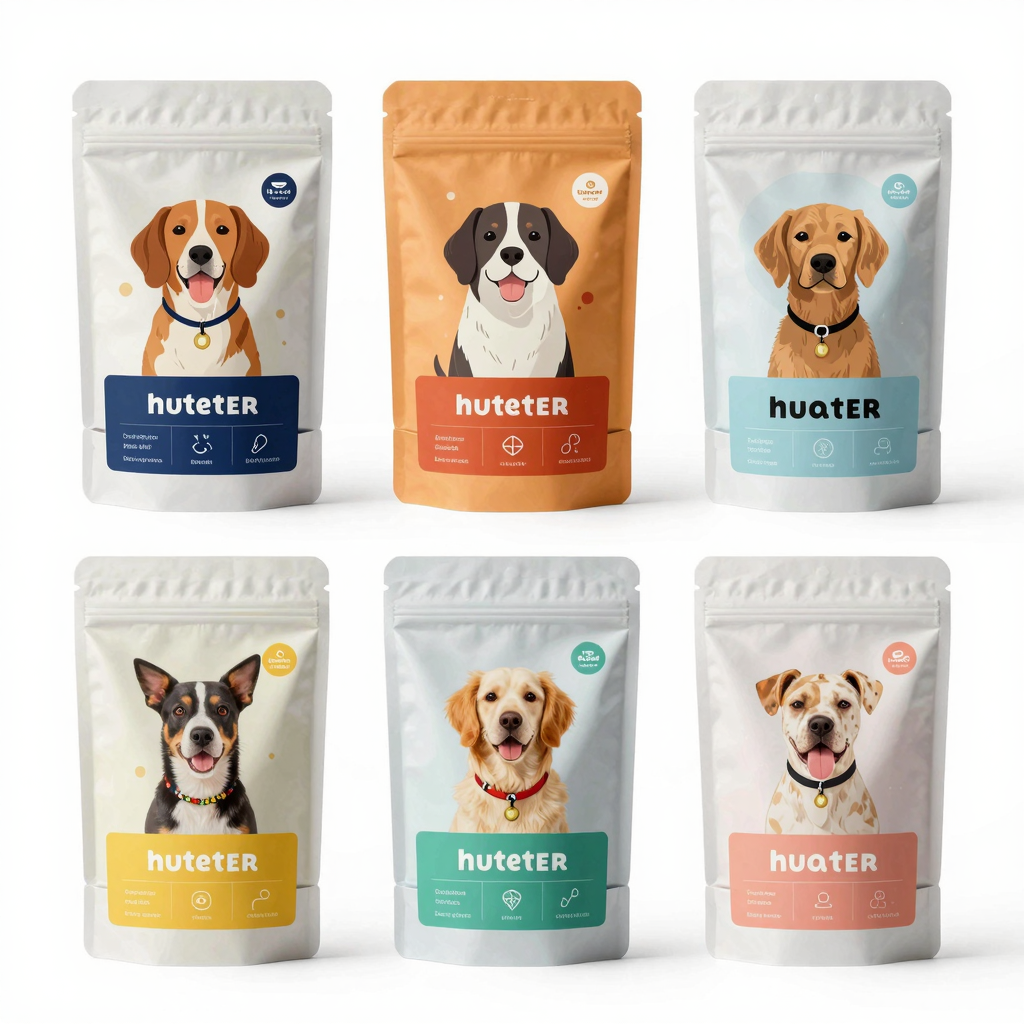
An illustration showcasing various elements of dog food packaging design.
To learn more about functional food containers, check out our article on plastic containers in the food industry.
Case Studies on Successful Dog Food Delivery Packaging
In an increasingly competitive market, dog food delivery services are turning to innovative packaging designs to enhance customer engagement and boost sales. This article highlights several successful case studies that showcase how businesses improved their brand image and customer satisfaction through creative packaging strategies.
1. DoGood’s Sustainable Dog Food Packaging
Company: DoGood
Source: NewtonPak
DoGood has made a name in the pet food industry by implementing sustainable packaging that appeals to eco-conscious consumers. By using low minimum order volumes, they enable quick artwork adaptations for their dog food products, ensuring timely responses to consumer trends. This flexibility in design not only enhanced customer satisfaction but also improved brand visibility, connecting with an audience increasingly concerned with environmental impacts.
Key Outcomes:
- Increased customer engagement through unique packaging.
- Ability to swiftly adapt designs which resonates well with trends.
2. Bella and Duke’s Cost-Effective Linerless Packaging
Company: Bella and Duke
Source: Ravenwood
Bella and Duke took a groundbreaking step by switching to linerless packaging, which dramatically reduced their shipping costs by 98%. This innovative design ensures that the wrap maintains product integrity while significantly cutting down excess material. Not only did this move enhance their bottom line, but it also communicated their commitment to sustainability and efficiency to their consumers.
Key Outcomes:
- Substantial reduction in shipping costs.
- Positive consumer perception due to sustainable packaging practices.
3. Ollie’s Enhanced Retail Visibility
Company: Ollie
Source: SmashBrand
Ollie focused on improving its retail presence through a fresh packaging design that emphasized the quality of its dog food. The new design employs vibrant colors and clear messaging to attract potential buyers. By highlighting the premium aspects of their offerings, Ollie improved customer engagement and sales, affirming that packaging can play a vital role in a product’s market performance.
Key Outcomes:
- Enhanced visibility in retail spaces.
- Increased sales attributed to improved packaging design.
4. Frozen Dog Food Company’s Sustainable Innovation
Company: Ranpak
Source: Ranpak
In an effort to innovate within the frozen dog food sector, Ranpak provided paper pads that enhanced temperature management during transport. This method not only preserved product freshness but also aligned with eco-friendly values, appealing to a broader consumer base. This packaging solution supports cold-chain logistics while reducing reliance on plastic materials, showing consumers a commitment to sustainability.
Key Outcomes:
- Improved product freshness during delivery.
- Appeal to environmentally conscious customers.
Conclusion
Effective packaging does more than protect products; it engages customers, enhances brand perception, and drives sales. Companies like DoGood, Bella and Duke, Ollie, and Ranpak exemplify how thoughtful packaging design can lead to significant marketing successes in the dog food delivery space. As consumer preferences evolve, innovative packaging will remain a crucial factor for businesses aiming to thrive in this competitive landscape.
For further information on the impact of packaging in the food industry, check out our blog on plastic containers in the food industry and learn how design can affect your bottom line.
The Importance of Innovative Packaging in the Pet Food Industry
When it comes to pet food delivery, packaging plays a pivotal role in not only preserving the quality of the product but also enhancing customer satisfaction. Innovative packaging solutions can significantly impact consumer choices and create a positive perception of the brand. As highlighted in a recent guide by Paramount Global, “Embracing technology and ongoing improvement can enhance packaging efficiency, sustainability, and consumer satisfaction.”
Effective packaging also signals quality to customers, assuring them that they are purchasing the best for their pets. This aspect is crucial in a highly competitive market where brands must differentiate themselves to capture customer loyalty.
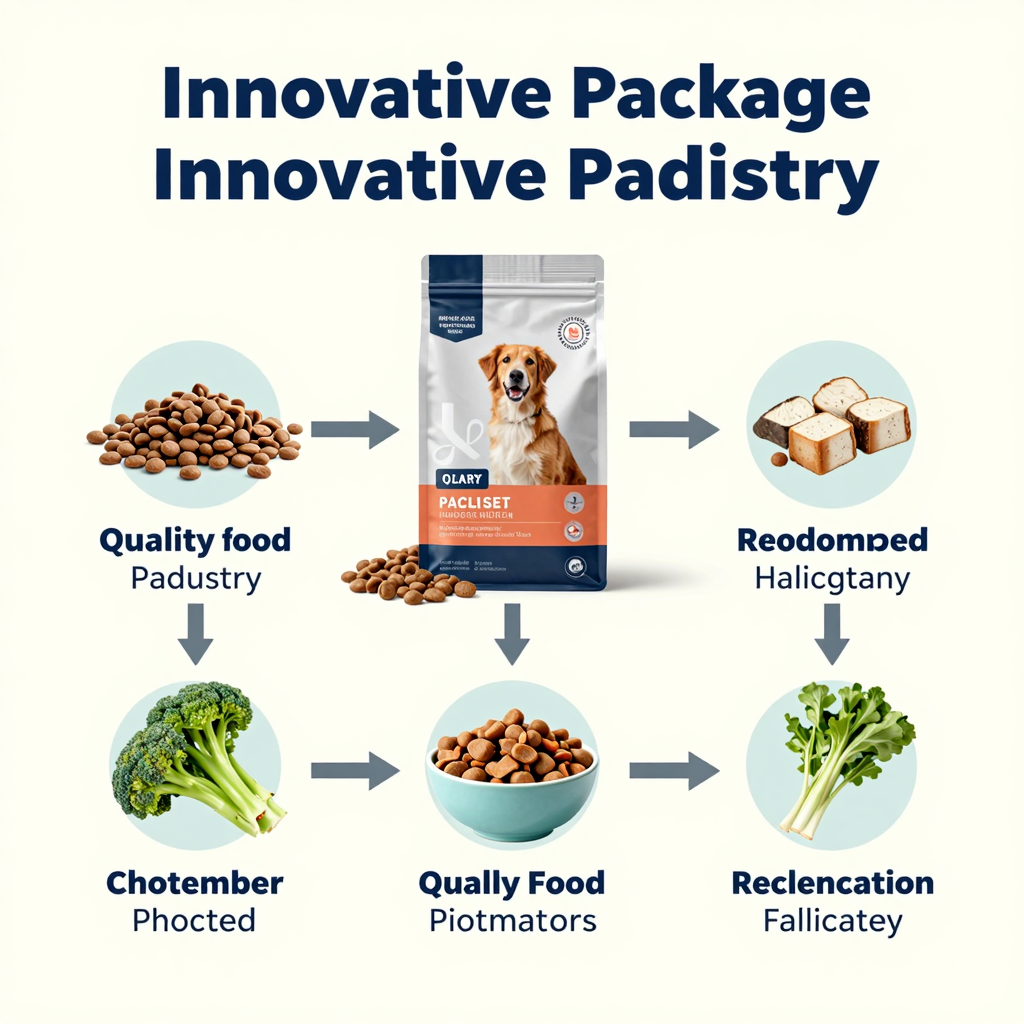
Consumer Satisfaction Tendencies
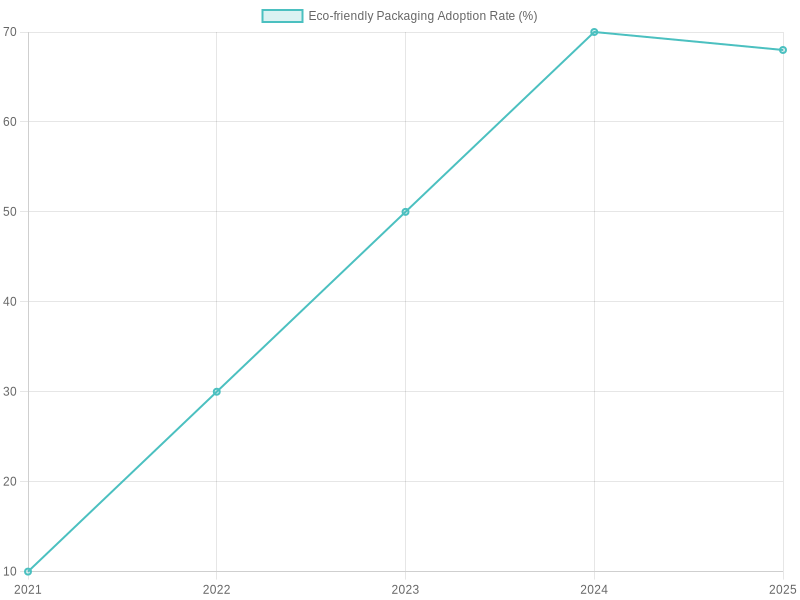
Innovative packaging not only enhances the product appeal but also positively influences consumer satisfaction levels. In the last few years, there has been a noticeable trend towards increasing satisfaction among pet food buyers due to advancements in packaging. Below is a chart illustrating this trend:

The above chart indicates that as brands adopt innovative packaging strategies, consumer satisfaction has shown a steady increase. This trend reflects the need for businesses in the pet food industry to innovate continuously in their packaging solutions to meet evolving consumer expectations.
For pet food brands, the message is clear: invest in high-quality and innovative packaging solutions to not only satisfy your customers but also build long-lasting relationships with them.
Understanding Consumer Preferences for Dog Food Packaging Features
When it comes to dog food, packaging design plays a crucial role not only in consumer aesthetics but also in practical usage and sustainability. Today’s consumers are more conscious about the products they choose, which extends to how these products are packaged. In recent surveys conducted in 2025, three main preferences emerged among pet owners concerning dog food packaging features: eco-friendliness, ease of use, and aesthetic appeal.
Key Consumer Preferences
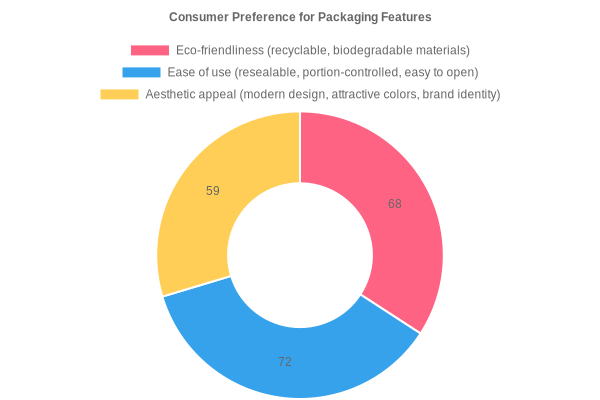
According to data collected from over 3,500 pet owners across the United States and Western Europe, the following preferences were noted:
| Packaging Feature | Percentage of Consumers Preferring This Feature | Source |
|---|---|---|
| Eco-friendliness (recyclable, biodegradable materials) | 68% | Pet Product Association, 2025 Consumer Trends Report |
| Ease of use (resealable, portion-controlled, easy to open) | 72% | Pet Product Association, 2025 Consumer Trends Report |
| Aesthetic appeal (modern design, attractive colors, brand identity) | 59% | Pet Product Association, 2025 Consumer Trends Report |
This chart illustrates how these preferences translate into actual consumer behavior:
The Importance of Each Feature
- Eco-friendliness: With 68% of consumers caring about the environment, it’s evident that eco-friendly packaging is not just a trend but a necessity for brands aiming to appeal to today’s conscientious buyers.
- Ease of use: The highest preference at 72%, highlights that convenience is paramount for consumers. Features like resealable bags and portion-controlled options enhance user satisfaction significantly.
- Aesthetic appeal: While the appearance is important, it holds slightly lesser weight compared to functionality, with 59% showing a desire for attractive packaging that aligns with brand identity.
In conclusion, understanding these preferences can guide companies in the dog food sector to tailor their packaging strategies effectively, ultimately leading to enhanced sales and customer loyalty. For more insights into packaging options, consider exploring sustainable dog food packaging.
Ultimately, consumer demand for sustainable and functional packaging continues to shape the landscape of pet food manufacturing, making it essential for brands to develop solutions that effectively meet these preferences.
In summary, effective packaging design is paramount in the dog food delivery industry. It not only protects the product but also enhances customer experience and brand identity. Eye-catching designs, sustainable materials, and secure sealing contribute significantly to customer satisfaction and repeat business. Understanding these factors can set your brand apart in a competitive market.
Ready to elevate your packaging game? Explore our dependable packaging solutions tailored specifically for the dog food delivery industry. Don’t underestimate the power of packaging-let it reflect the quality and care that goes into your products.