
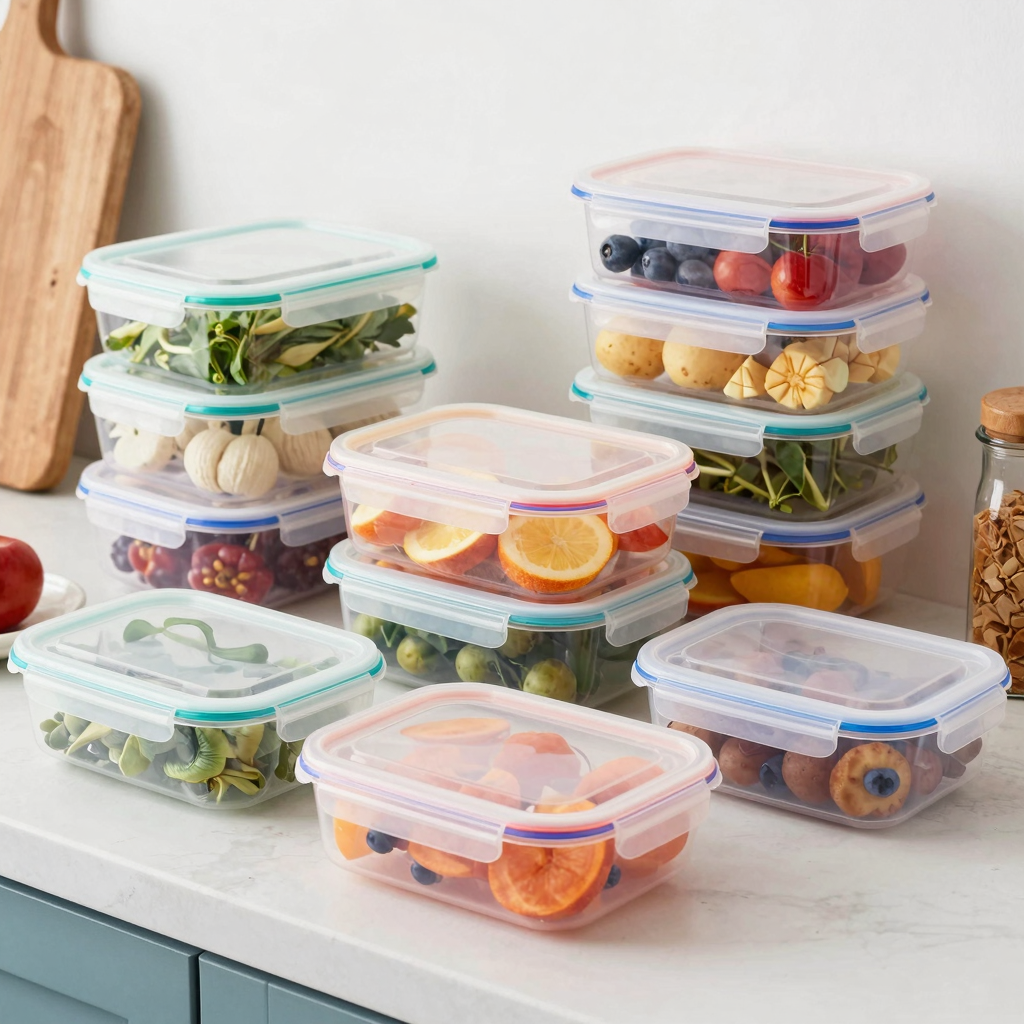
In the bustling world of the food industry, selecting the right food containers is crucial for businesses striving for efficiency and customer satisfaction. Whether you’re at a vibrant bubble tea shop, a gourmet restaurant, or managing a catering service, the significance of having durable, aesthetically pleasing containers cannot be overlooked. Among the myriad of options available, rectangular reusable plastic food containers stand out for their versatility and practicality. These containers not only help maintain the freshness of culinary delights but also provide an eco-friendly solution that aligns with the growing demand for sustainable practices in food service. Choosing the right containers can optimize storage, enhance presentation, and ultimately elevate the dining experience for customers. For more insights on selecting suitable food packaging, check out our blog on plastic containers in the food industry. Let’s explore the variety of options available that cater specifically to your business needs!
Benefits of Using Rectangular Reusable Plastic Food Containers
Utilizing rectangular reusable plastic food containers has become a significant choice for the food industry. They offer various benefits that can enhance both operational efficiency and sustainability. Here’s why they are a smart choice:
-
Durability: These containers are crafted to withstand everyday use, ensuring they don’t easily crack or break. They provide a reliable solution for safe food storage, making them ideal for busy environments like restaurants and food trucks. Their durability reduces the need for frequent replacements, thus saving costs over time.
-
Safety: Many rectangular plastic containers are made without harmful materials like BPA, ensuring that no harmful chemicals leach into the food. However, it’s important to regularly inspect containers for wear and tear; cloudy or discolored containers should be replaced to maintain safety. For detailed guidance, you can read more about the safety of reusable plastic food containers.
-
Eco-friendliness: By choosing reusable plastic containers, you contribute to reducing single-use plastic waste, which is a growing concern. Many suppliers are opting for products that support sustainability, helping your business to appeal to environmentally conscious customers. If you’re interested, check out our blog on eco-friendly food packaging solutions.
-
Cost-effectiveness: While the initial investment might be higher compared to disposable options, reusable containers save money in the long run through repeated use. This reduces waste disposal costs and provides a sustainable option for food storage without sacrificing quality.
Investing in rectangular reusable plastic food containers not only benefits your business financially but also supports a sustainable future in the food industry!
| Container Type | Size | Material | Use | Pros | Cons |
|---|---|---|---|---|---|
| IKEA 365+ Food Container | 500ml, 1L, 2L (varies by set) | BPA-Free Polypropylene (PP) | Leftovers, meal prep, portable storage | Durable, stackable, microwave-safe, dishwasher-safe, affordable, lid-compatible across sizes | Limited to IKEA ecosystem; lids not universally compatible with other brands |
| Kabalan Plast Rectangular Containers | 670ml, 900ml, 1200ml | Food-Grade Polypropylene (PP) | Meal prepping, food storage, catering | Reusable, lightweight, leak-resistant, good for refrigeration and freezing | Not microwave-safe (not specified); may warp under high heat |
| Alibaba Wholesale Rectangular Containers (General) | 400ml – 2L (varies by supplier) | Polypropylene (PP), sometimes PET or HDPE | Bulk food storage, meal prep, pet food, commercial use | Low cost per unit, bulk availability, reusable, widely available | Quality varies by supplier; some may lack BPA-free certification or leak-proof seals |
| Tupperware Classic Rectangular Containers | 500ml, 1L, 1.5L, 2L | BPA-Free Polypropylene (PP) | Home food storage, meal prep, school lunches | Excellent seal (airtight), stackable, microwave-safe, long-lasting | Higher price point than generic brands; limited size options in some lines |
| Bistro Containers (Commercial Grade) | 1L, 1.5L, 2L | High-Performance PP or PET | Catering, restaurant kitchens, institutional use | Industrial durability, stackable, freezer/microwave/oven safe, tamper-evident lids | Typically sold in bulk; not ideal for home use due to size and cost |
Ensuring that rectangular reusable plastic food containers meet critical safety standards is paramount for food service businesses, including restaurants, food trucks, and catering services. These standards serve as a framework for maintaining food safety and preventing contamination, which is vital in protecting public health. According to resources such as the Singapore Food Agency, safety guidelines specify that containers must be free from harmful chemicals, such as BPA, which can leach into food. Additionally, the containers should be made from approved food-grade materials that meet the FDA regulations for safety and quality, ensuring they do not pose health risks to consumers. The importance of adhering to these safety standards cannot be overstated, as they help prevent foodborne illnesses and support customer trust within the industry. Furthermore, food businesses must ensure that these containers withstand wear and tear, as cited by the Food Packaging Safety blog. Regular training and awareness programs on the safe use of these containers can significantly minimize risks, reinforcing the joint responsibility of businesses and consumers in maintaining food safety standards.
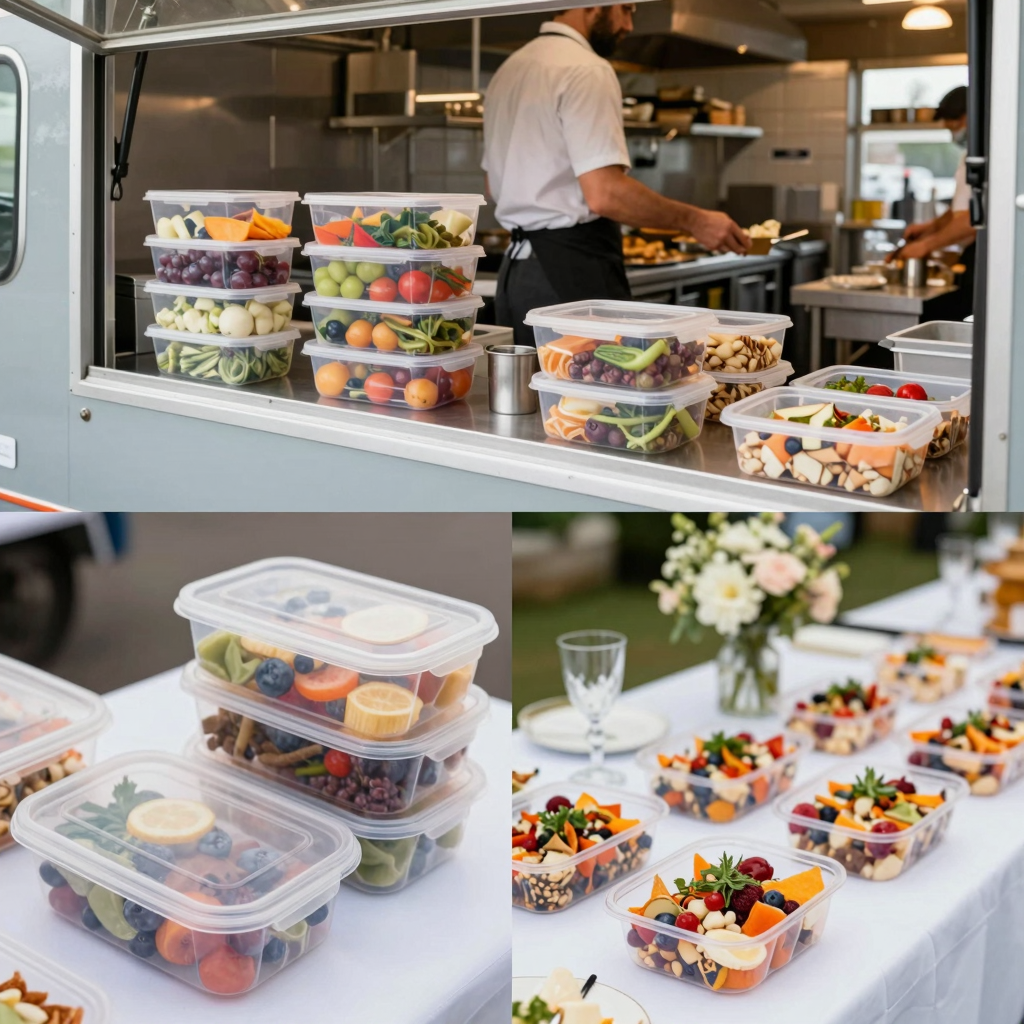
“As a restaurant owner, I have tried numerous food storage solutions, but none compare to the quality and reliability of the rectangular reusable plastic food containers from EcoCupBowl. The containers are durable, easy to clean, and help keep our food fresh for extended periods. Their customer service is exceptional, addressing our needs promptly and professionally. I recommend EcoCupBowl to anyone in the food business looking for trusted solutions. We couldn’t be happier!”
- Jamie Collins, Owner of The Tasty Bistro
For more about our quality, check out this article on plastic containers in the food industry.
The Eco-Friendliness of Reusable Plastic Food Containers
In the current landscape of food service, sustainability is more crucial than ever for brands aiming to appeal to environmentally conscious consumers. The decision between reusable plastic food containers and single-use alternatives significantly impacts sustainability efforts.
Environmental Statistics
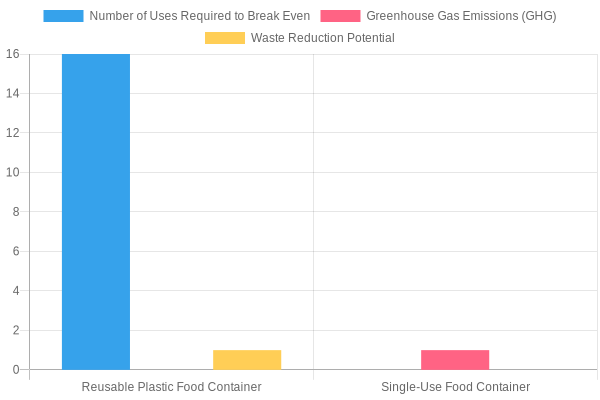
Research indicates that reusable plastic containers, particularly polypropylene (PP) options, become environmentally favorable after as few as 6 to 16 uses (ScienceDirect). The longer lifespan of these containers drastically reduces the per-use environmental impact, especially when compared to single-use options, which contribute greatly to landfill waste and greenhouse gas emissions during production.
Additionally, a study shows that reusable containers are superior in terms of waste reduction potential; one reusable container can effectively replace hundreds of single-use containers over its life cycle (University of British Columbia). Conversely, single-use containers generate substantial waste, often ending up in oceans and landfills, contributing to pollution and environmental degradation.
Conclusion
For businesses such as bubble tea shops, restaurants, and catering services, adopting eco-friendly practices through the use of reusable plastic containers is an actionable step towards sustainability. Transitioning to reusable options not only aligns with consumer preferences but also supports broader environmental goals.
By reducing waste and lowering greenhouse gas emissions, your business can lead the way in becoming a champion for sustainable practices in the food service industry, enhancing your brand image in an increasingly eco-aware market.
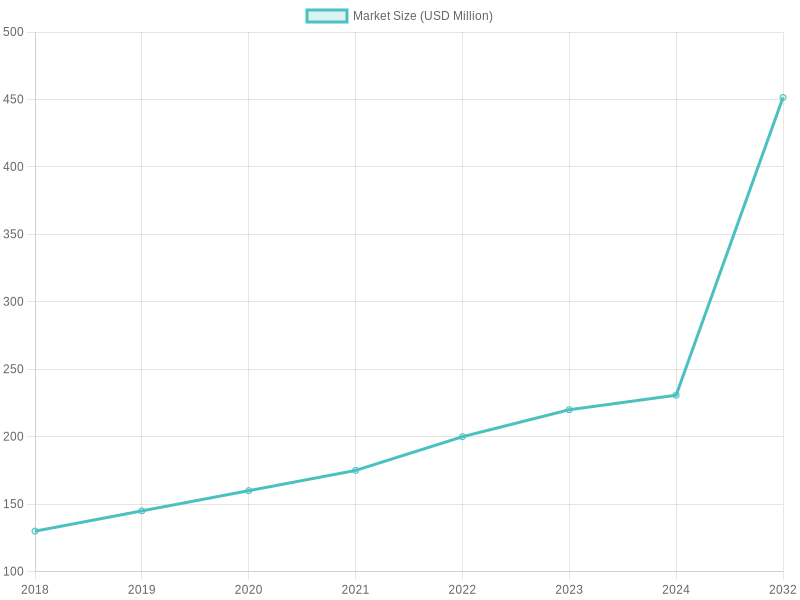
Market Size Trends for Reusable Plastic Containers (2018-2032)
| Year | Market Size (USD Million) | Key Trends & Consumer Insights |
|---|---|---|
| 2018 | ~130.0 | Early adoption of sustainable packaging; limited infrastructure for reuse systems. |
| 2019 | ~145.0 | Growing interest in circular economy models; pilot programs launched in EU and North America. |
| 2020 | ~160.0 | Pandemic-driven shift to single-use plastics temporarily slowed reuse adoption, but recovery began post-2021. |
| 2021 | ~175.0 | Increased corporate sustainability commitments; reusable container programs expanded in food delivery. |
| 2022 | ~200.0 | Expansion of deposit-return schemes; consumer awareness rising due to environmental campaigns. |
| 2023 | ~220.0 | Strong growth in reusable takeaway containers; 77% of European consumers support reuse (survey, 2023). |
| 2024 | 230.77 | Projected market value; steady growth driven by regulatory pressure and brand initiatives. |
| 2032 | 451.453 | Forecasted market size; CAGR of ~8.6% from 2024-2032; widespread adoption expected globally. |
Sources:
- Reusable Plastic Containers Market Size, Growth and Forecast (2024-2032)
- Consumers are open to reusable packaging, but are they ready to… (2023 Survey, Europe)
- Life cycle assessment of reusable plastic food packaging (2024)
In conclusion, choosing our rectangular reusable plastic food containers will significantly enhance your business operations, whether you run a bubble tea shop, a restaurant, or a catering service. Our containers are designed for efficiency, keeping your food fresh and easily transportable, which is crucial for maintaining customer satisfaction. By integrating our sustainable and cost-effective solutions, you’ll not only optimize your food storage needs but also contribute to a greener planet through reduced plastic waste.
We invite you to explore the benefits of our versatile containers and how they can specifically meet your business requirements. Don’t hesitate to contact us for a tailored quote. Our team is ready to assist you in finding the perfect solution for your needs! Explore the potential of your brand with our products today!
Elevate Your Food Service with Rectangular Reusable Plastic Food Containers
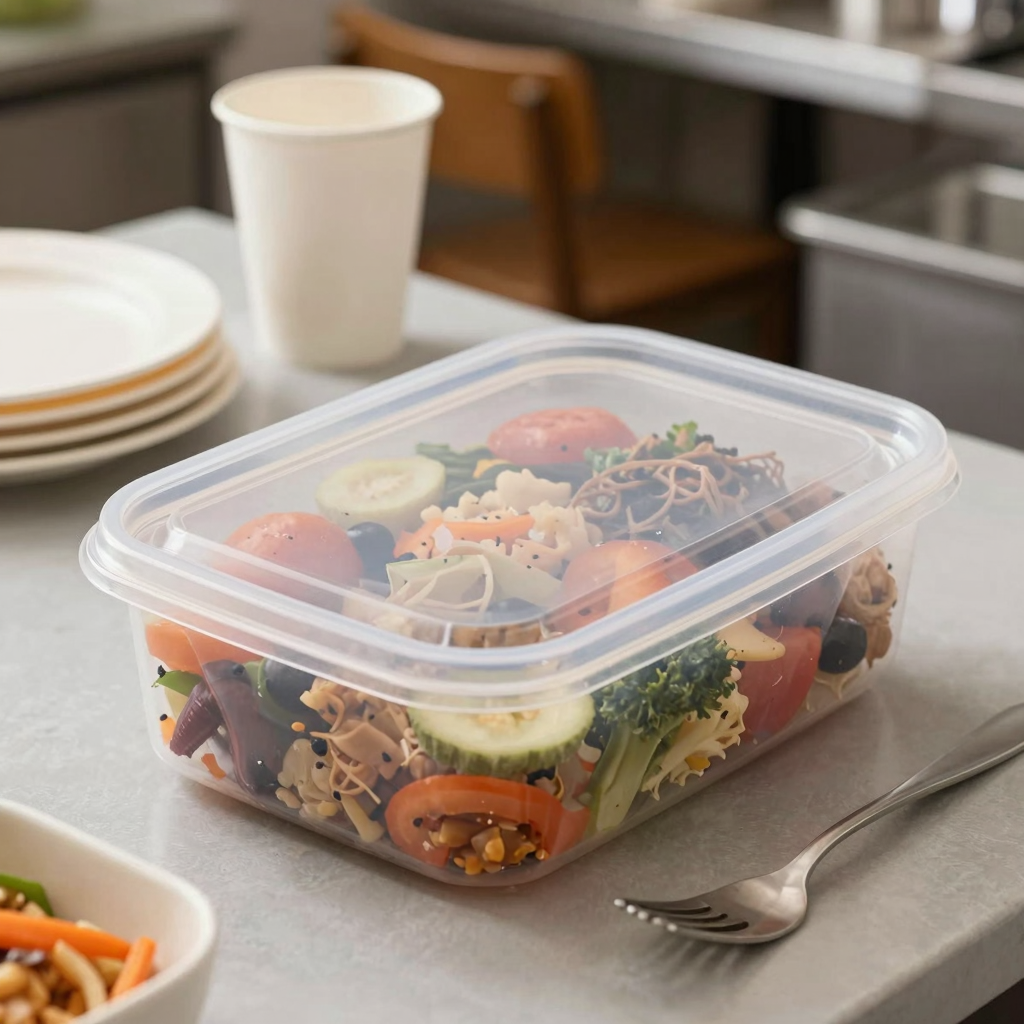
In today’s fast-paced food industry, rectangular reusable plastic food containers have become essential for restaurants, food trucks, and catering services. These containers are not only practical and versatile but also serve as a sustainable solution that aligns with the growing demand for eco-friendly practices in food service.
Benefits of Using Rectangular Reusable Food Containers
- Durability: Made from strong, food-grade plastic, these containers withstand the rigors of daily use, ensuring they maintain their shape and functionality over time.
- Cost-Effective: By choosing reusable options over single-use packaging, businesses can significantly reduce long-term costs associated with disposable tableware. This is especially beneficial for restaurants and catering services, where managing expenses is crucial.
- Versatile Food Storage Solutions: Rectangular containers are ideal for various food items, providing efficient use of storage space. They are well-suited for meal prepping, takeouts, and even keeping ingredients organized.
- Enhanced Presentation: Aesthetically pleasing designs allow food businesses to present their offerings attractively, enhancing the customer experience. This is particularly important in environments like bubble tea shops and upscale restaurants, where presentation matters.
- Environmental Impact: Switching to reusable containers reduces waste and supports sustainability goals. Many consumers today prefer brands that take a stand for the environment, making this an important factor in customer loyalty.
Trends in the Use of Disposable Tableware
The global food service industry is seeing a shift towards incorporating more eco-friendly disposable tableware. According to recent statistics:
| Category | Data (2026-2033) | Source |
|---|---|---|
| Global Foodservice Disposables Market Size (2024) | USD 66.51 billion | Research and Markets |
| Projected Global Foodservice Disposables Market Size (2033) | USD 89.7 billion | |
| CAGR (2025-2033) | 4.9% | Research and Markets |
| Disposable Food Containers Market CAGR (2026-2033) | 4% | |
| Rise in Takeout & Meal Delivery Services | Cutting-edge designs for durable containers that maintain food quality | Foodservice Insider |
As showcased in the highlighted data, the disposable food packaging supplies market is projected to rise dramatically over the next few years. This growth is fueled by the increasing popularity of takeout and delivery services and a strong push towards sustainable packaging options. Disposable tableware, while convenient, must now align with the eco-conscious values of modern consumers. Emphasizing sustainable packaging options will resonate with your clientele, as they increasingly prioritize convenience alongside environmental responsibility.
Best Practices for Implementing Reusable Containers
- Promote Through Branding: Use the containers as a branding opportunity-customize them with your logo to enhance your restaurant’s visibility while serving food.
- Training Staff: Ensure that your staff understands the importance of sustainability and how to promote the use of these containers effectively.
- Customer Engagement: Encourage customers to bring their containers for takeaways or offer discounts for using reusable containers, creating a win-win scenario.
- Expand the Range of Tableware: In addition to reusable containers, consider investing in disposable tableware that is eco-friendly, like biodegradable plates and utensils. This broadens your packaging options and meets various customer needs.
Conclusion
Adopting rectangular reusable plastic food containers can significantly benefit food businesses by providing efficient food storage solutions, reducing costs, and appealing to environmentally conscious consumers. By understanding current trends in disposable tableware and strategically integrating these practices into your business model, you can enhance operational efficiency and contribute positively to the environment. For more detailed insights on food packaging and sustainability, visit our blog on plastic containers in the food industry.
Remember, the future of food service lies in adaptability, sustainability, and understanding your customer’s needs, making it essential to stay informed and responsive to market trends.