Introduction
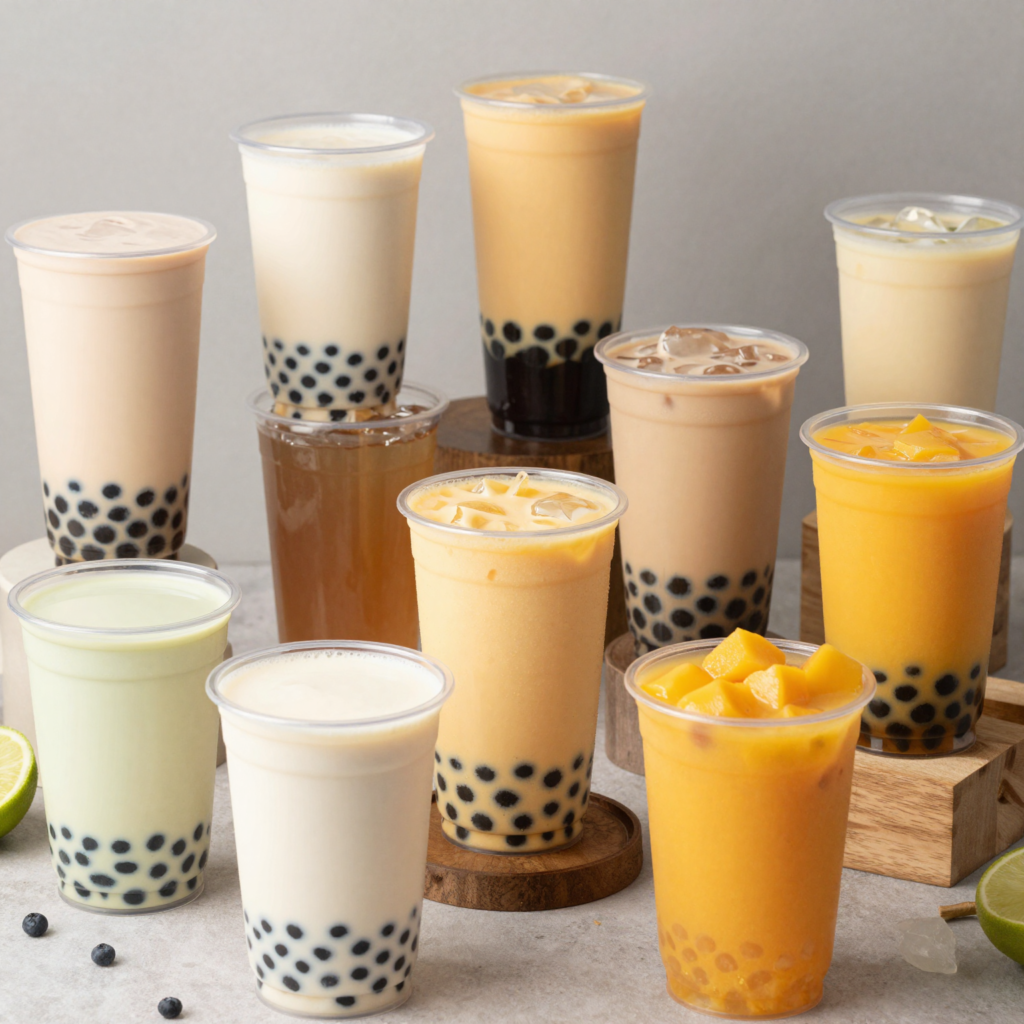
In today’s bustling food service industry, ensuring the safety and health of customers is more important than ever, especially in bubble tea shops, restaurants, food trucks, catering services, and event planning. One way to reinforce these standards is by opting for BPA-free plastic containers. These containers not only help in avoiding harmful chemicals but also align with eco-friendly practices that resonate with today’s environmentally-conscious diners. As businesses evolve, consumers are increasingly seeking out establishments that prioritize their health and the planet’s welfare. By choosing BPA-free containers, food service providers can demonstrate their commitment to quality and sustainability, fostering trust and loyalty among patrons. Ultimately, adopting safe, health-conscious practices-including the use of BPA-free plastics-can enhance the dining experience while promoting a safer environment for everyone involved. Let’s explore how making this simple switch can lead to significant benefits for your business and customers alike.
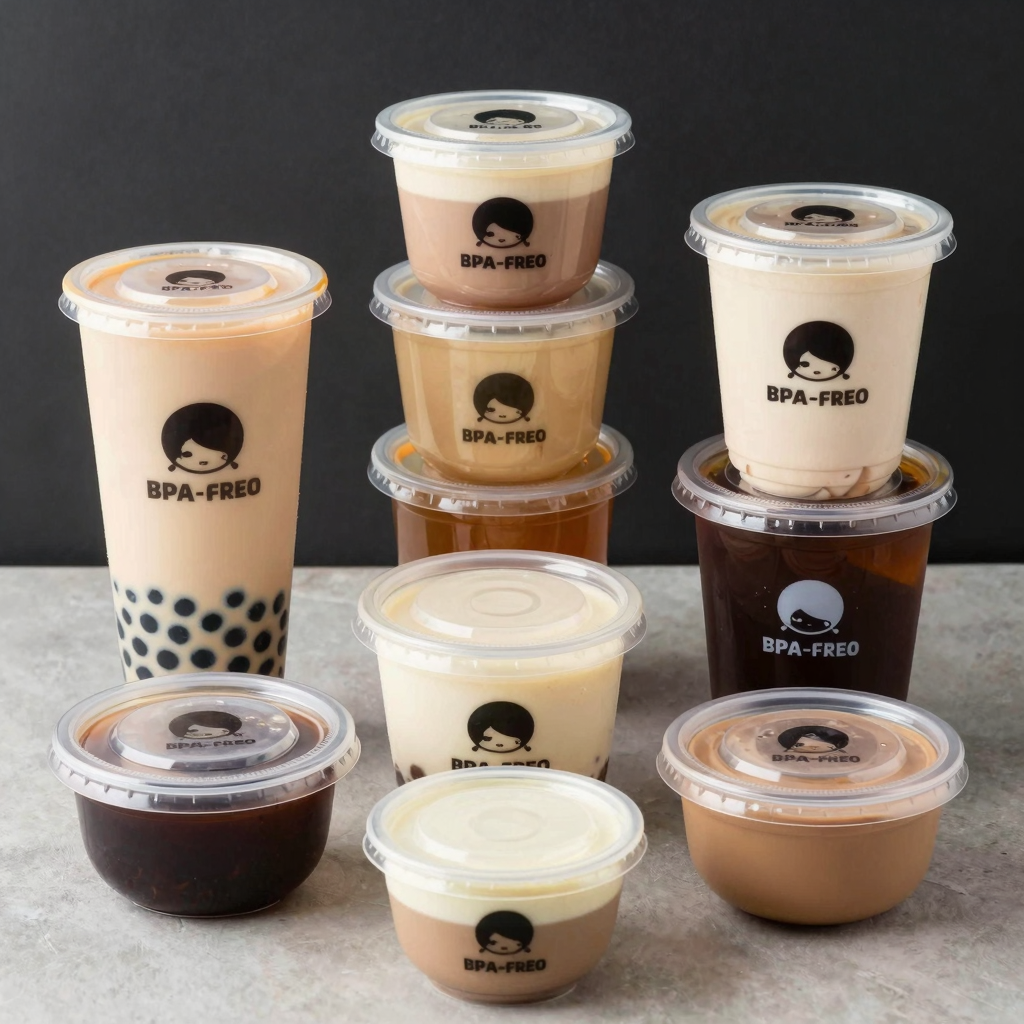
Different types of BPA-free plastic containers are essential for food service industries like bubble tea shops, restaurants, and catering services. These containers come in various sizes and shapes, often featuring secure lids to maintain freshness and safety for beverages and food items.
Reasons to Choose BPA-Free Containers
Health Benefits of BPA-Free Containers vs. Regular Plastic
Choosing BPA-free containers is essential for businesses prioritizing customer health and safety. Bisphenol A (BPA) is a chemical used in many plastics, which has raised significant health concerns. Studies have shown that BPA can act as an endocrine disruptor, affecting hormone functions and leading to various health issues, including increased blood pressure, diabetes, and reproductive problems (Mayo Clinic). In contrast, BPA-free containers are designed to mitigate these risks, providing a safer option for consumers.
Research published in the International Journal of Environmental Research and Public Health highlights the detrimental effects of BPA exposure, linking it to metabolic disorders and health complications. This reinforces the shift toward BPA-free products in food service and packaging, as businesses seek to enhance the safety of their offerings.
Safety and Customer Confidence
Adopting BPA-free containers not only protects consumers but also reassures them about the safety of their food and beverages. The negative implications of BPA exposure, such as potential damage to the reproductive and immune systems, underscore the importance of choosing safer alternatives (Food Packaging Forum).
Additionally, businesses can enhance their brand reputation by promoting BPA-free options. By doing so, food service operators can attract health-conscious customers who are increasingly aware of the materials used in their food packaging. This approach helps foster customer loyalty and supports the overall trend towards healthier living.
Conclusion
In a competitive market, offering BPA-free containers is not just a health-conscious choice but a smart business move. By prioritizing safety and customer health, companies in the food and beverage industry can align their products with emerging consumer preferences and establish a positive brand image.
| Material | Pros | Cons |
|---|---|---|
| Plastic | – Lightweight and durable – Cost-effective – Versatile for various applications |
– Can leach chemicals (e.g., BPA) – Environmental concerns regarding waste and decomposition |
| Glass | – Safe for food storage (no leaching) – Recyclable and environmentally friendly – Durable and long-lasting |
– Heavier than plastic – More expensive – Fragile and prone to breaking |
| Biodegradable | – Reduces carbon footprint – Often compostable and environmentally friendly – Free from harmful chemicals |
– Can be more expensive than plastic – May not break down in certain conditions – Availability and performance can vary |
Key Takeaways
- Plastic containers are convenient and economical but pose risks related to chemical leaching and environmental impact, especially when discarded.
- Glass containers provide superior safety and sustainability benefits without the risk of leaching; however, they come with a higher cost and weight.
- Biodegradable options present a promising environmentally friendly alternative but may face challenges in cost and efficiency.
Industry Trends on BPA-Free Containers in the Food Service Industry
In recent years, the food service industry has seen a notable shift towards the use of BPA-free containers due to increasing health awareness among consumers and stricter regulatory measures. Here are some key trends and statistics detailing this transition:
Consumer Preferences
- Approximately 64% of U.S. consumers prefer BPA-free plastic containers when purchasing food, emphasizing a strong demand for safe, health-conscious options (source).
- 89% of households own reusable food containers, suggesting a growing market for sustainable food storage solutions (source).
Market Growth
- The global food storage container market is projected to grow from USD 182 billion in 2024 to approximately USD 261 billion by 2032. This significant growth is attributed to the escalating demand for BPA-free and environmentally friendly products (source).
- Reports indicate that nearly 48% of new products launched in this space are focused on BPA-free certification, marking a clear industry trend toward safer consumer products (source).
Regulatory Changes
- Ongoing regulatory scrutiny is fostering a more robust market for BPA-free alternatives. Regulations aimed at reducing the use of harmful chemicals in food packaging are steering manufacturers towards safer materials.
Conclusion
With a solid consumer preference for BPA-free options and expected market growth, food service establishments-including bubble tea shops, catering services, and restaurants-stand to benefit significantly from adopting BPA-free containers. Embracing these products not only meets consumer demands but also aligns with regulatory trends towards safer food packaging.
For more insights on food packaging trends, read about BPA-free alternatives here.
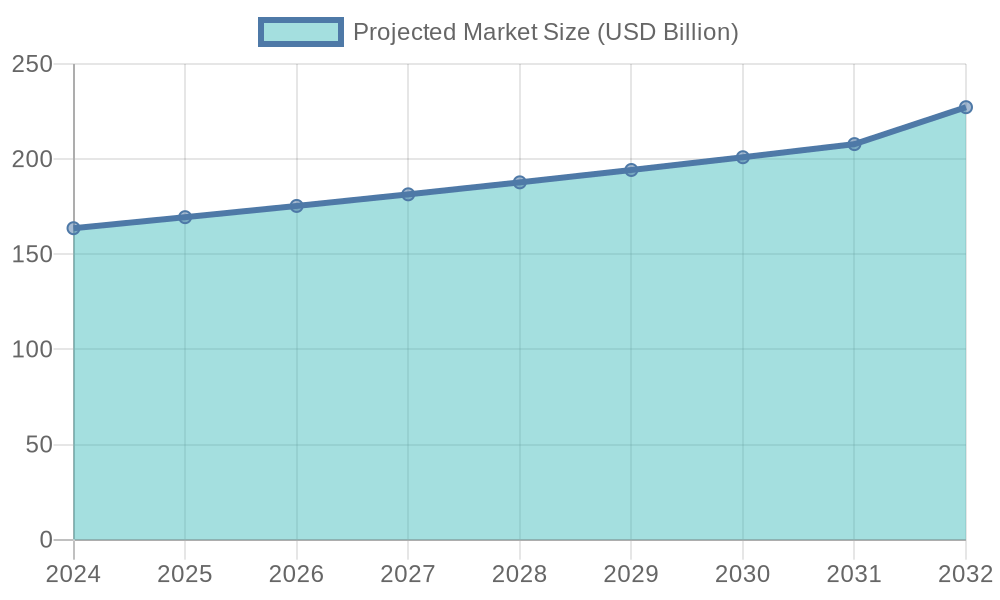
Projected Market Size Growth due to BPA-free container demand
Customer Testimonials for BPA-Free Containers
Our BPA-free containers have helped many businesses streamline their operations while keeping health and safety at the forefront. Here are some testimonials from satisfied customers:
“We’ve been using EcoCupBowl’s BPA-free containers for our bubble tea shop, and they are simply the best! They are durable and perfectly sized, making service incredibly efficient. Plus, I love that they are eco-friendly!”
- Sarah T., Owner of Bubble Bliss
“As a catering service, we require containers that are both functional and safe. EcoCupBowl’s BPA-free options have met all our needs and our clients love them! It’s a win-win situation!”
- John D., Catering Manager at Tasteful Events
“Switching to EcoCupBowl’s BPA-free containers was one of the best decisions we made. Not only do they keep our food fresh, but our customers appreciate the commitment to safety and sustainability!”
- Emma L., Food Truck Operator at Daily Delights
These businesses are experiencing the benefits attributed to using high-quality, safe containers for their food products. For a deeper dive into food container safety, learn more here.
Benefits of Using BPA-Free Containers for Food Service Businesses
Choosing BPA-free containers is a crucial decision for food service businesses. Here are some significant benefits that these containers offer:
-
Enhanced Safety: BPA-free containers ensure that harmful chemicals do not leach into food, providing a safer dining experience for customers. This is especially vital for businesses serving hot foods and beverages, as stated in studies discussing food safety compliance and customer satisfaction (National Geographic).
-
Improved Brand Image: By opting for BPA-free options, businesses demonstrate a commitment to health and sustainability. This responsible approach can enhance the overall brand reputation, attracting eco-conscious consumers. The importance of maintaining a positive brand image in today’s market cannot be understated (Custom Cup Factory).
-
Customer Satisfaction: Consumers are increasingly aware of health risks associated with harmful materials. BPA-free containers can lead to higher customer satisfaction, as patrons feel confident consuming food served in these safe and reliable packaging options. Studies show that businesses using BPA-free materials are perceived more positively by their customers (Epack Supply).
-
Compliance with Health Regulations: Using BPA-free containers helps businesses comply with health regulations, showcasing dedication to maintaining high food safety standards. Regulatory compliance is critical in the food industry and can protect businesses from legal liabilities (Uratex).
-
Environmental Considerations: BPA-free containers are generally more environmentally friendly, reducing the risks of chemical contamination and supporting a healthier ecosystem. This can resonate well with consumers looking to support sustainable practices in their purchasing decisions (Merways).
Investing in BPA-free containers is not just a trend; it’s a long-term strategy for building a successful food service business that prioritizes health and safety.
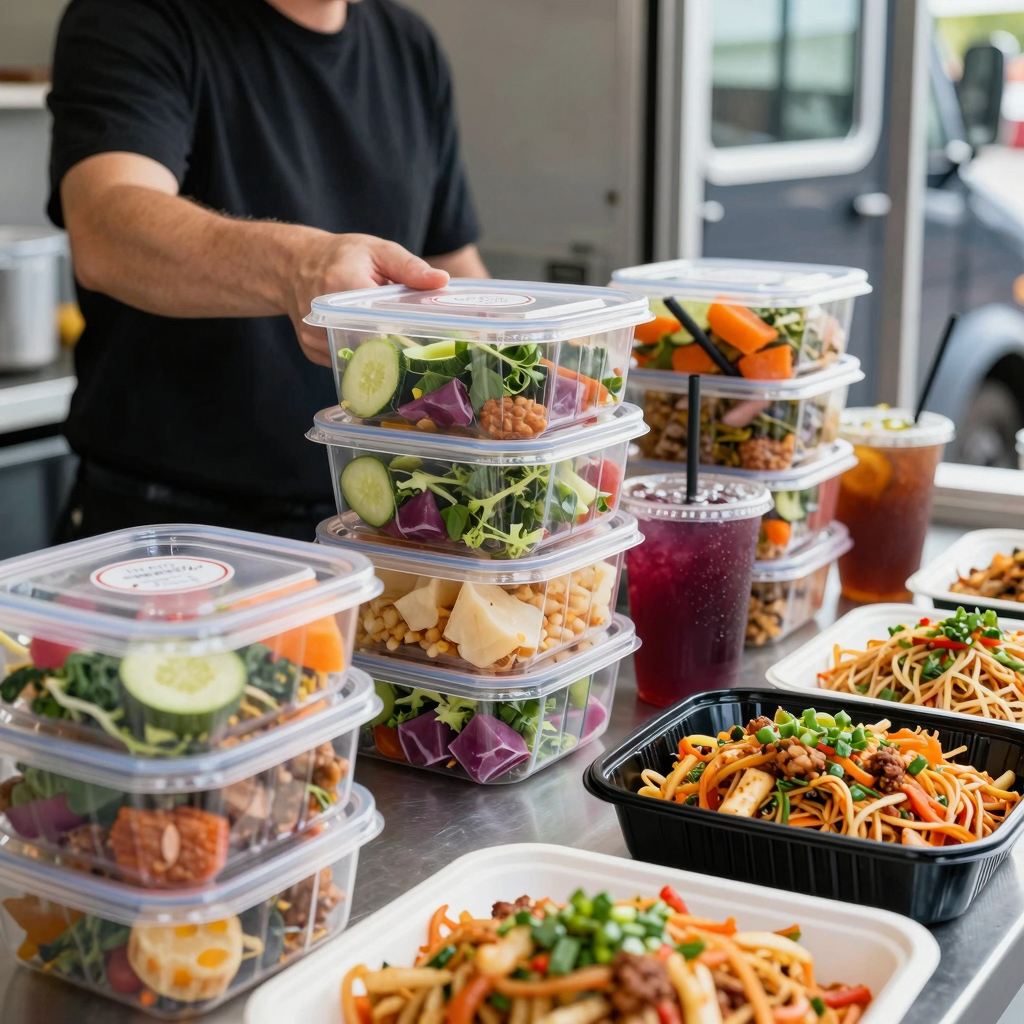
Conclusion and Call to Action
Choosing BPA-free containers for your food service business is not just a good decision-it’s a commitment to safety, health, and environmental responsibility. With the growing awareness of health risks associated with BPA, opting for BPA-free containers ensures that you are providing your customers with the safest possible options for their meals. These containers not only maintain food quality but also align with your customers’ growing preference for health-conscious choices, reinforcing your brand’s commitment to quality and care.
The BPA-free container market is projected to grow significantly-from approximately $7.69 billion in 2023 to over $11 billion by 2032. This reflects a robust demand and increasing consumer trust in food safety practices. By selecting BPA-free options, you stand not just to protect your customer’s health but also to position your business favorably in a competitive market.
Don’t wait for the trend to change-embrace it! We invite you to explore our extensive range of BPA-free containers tailored for every culinary need. Whether you run a bubble tea shop, a catering service, or a restaurant, our products ensure safety and satisfaction.
Ready to elevate your food service business? Contact our team today for tailored quotes and discover how choosing BPA-free containers can benefit you and your customers!
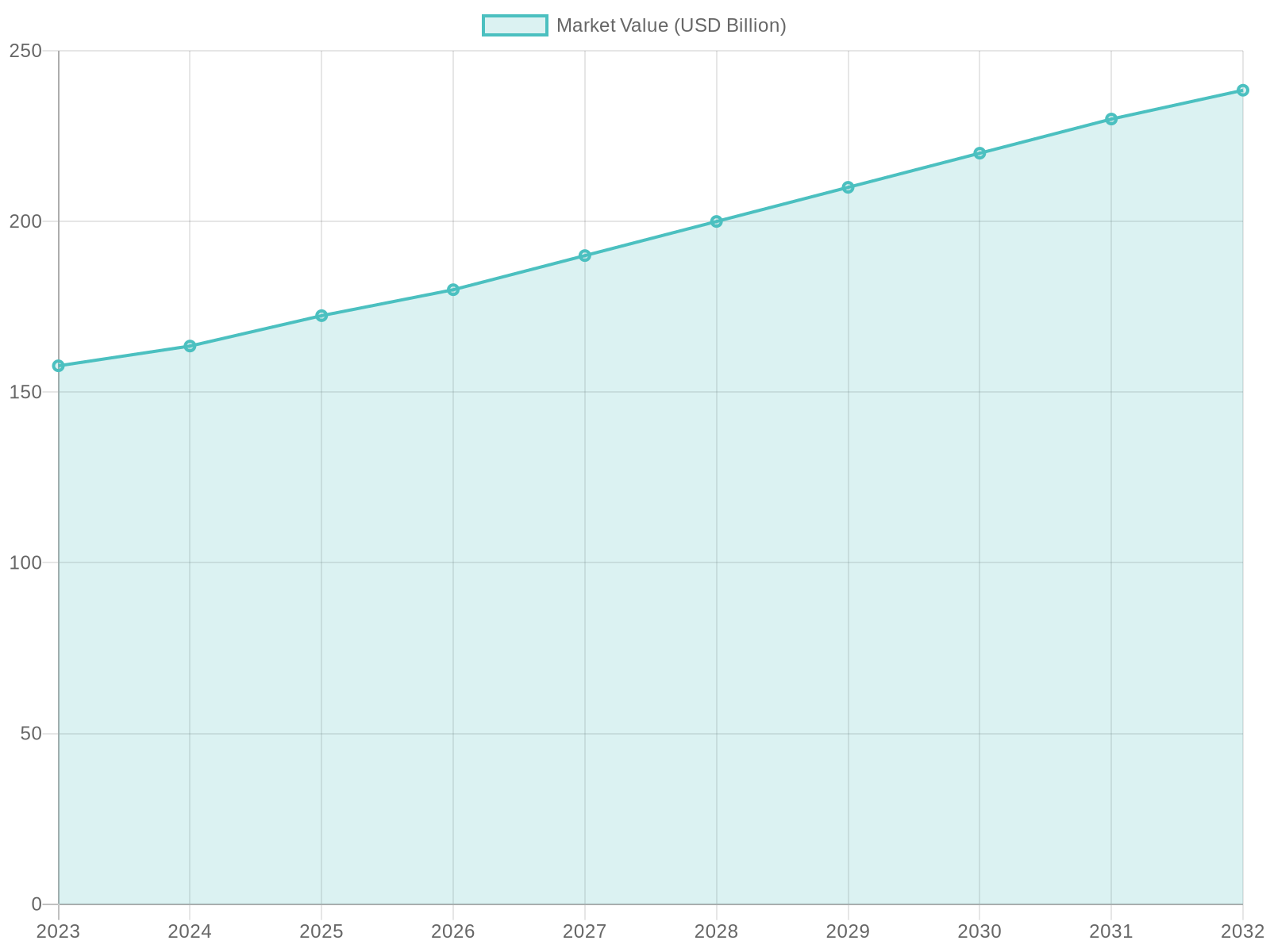
Projected Growth of BPA-Free Food Container Market (2023-2032)
The BPA-free food container market is projected to grow significantly, showcasing an increasing demand for safe food packaging solutions within the food service industry. Here are the key statistics:
| Year | Market Value (USD Billion) |
|---|---|
| 2023 | 157.71 |
| 2024 | 163.50 |
| 2025 | 172.40 |
| 2026 | 180.00 |
| 2027 | 190.00 |
| 2028 | 200.00 |
| 2029 | 210.00 |
| 2030 | 220.00 |
| 2031 | 230.00 |
| 2032 | 238.44 |
Projected Growth from 2023 to 2032:
The BPA-free food container market is projected to grow from $157.71 billion in 2023 to $238.44 billion in 2032, representing a total increase of $80.73 billion over the 10-year period.