
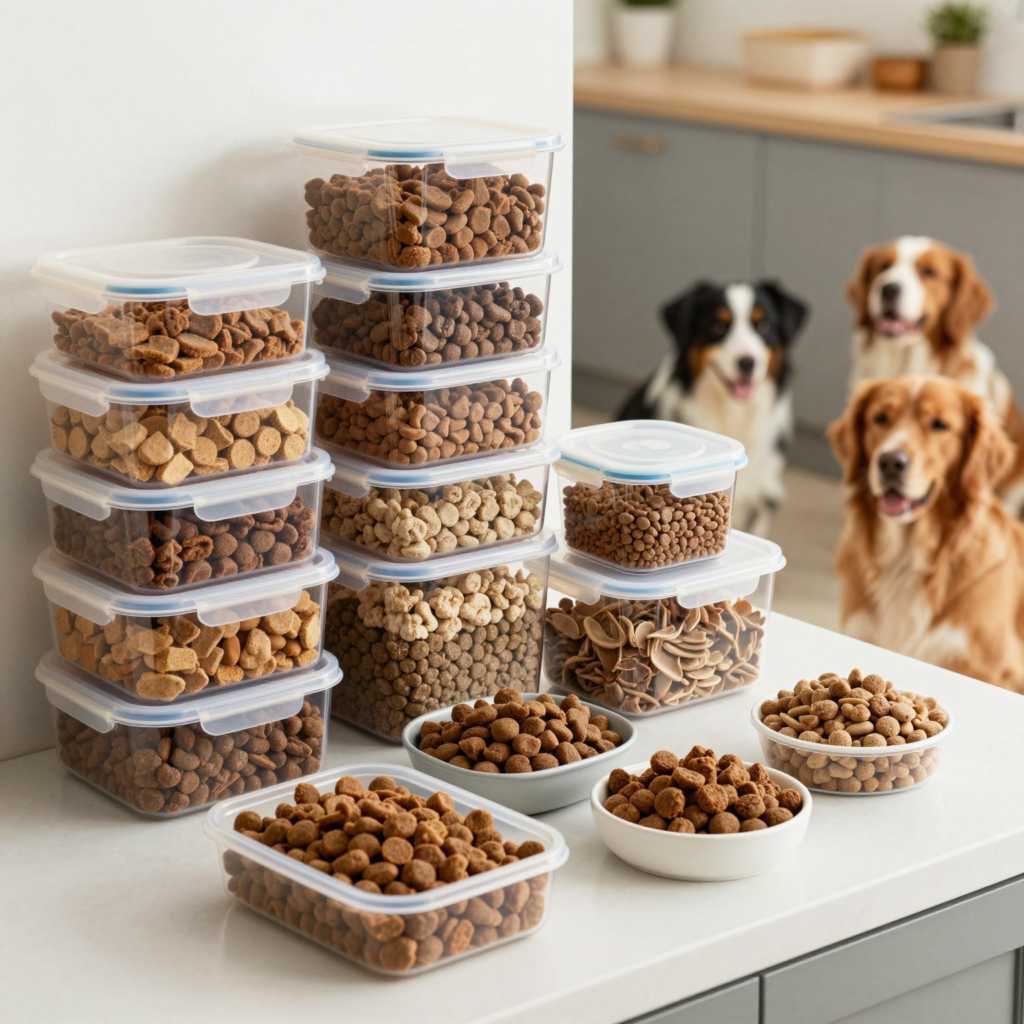
When it comes to ensuring our furry friends enjoy a balanced diet, one critical yet often overlooked aspect is dog food storage. Can I keep dog food in a plastic container? This question isn’t just for pet owners; it ring true for businesses involved in the food service industry, from catering services to restaurants and food trucks. Proper storage of dog food is essential to maintain its freshness and nutritional value, which is particularly crucial when these products are used for events or services involving pets. Utilizing the right type of storage solutions, like food-grade plastic containers, can help keep dog food safe from contaminants and pests while ensuring that it retains its flavor and essential nutrients. In this guide, we’ll explore best practices for dog food storage, particularly for business applications, showcasing why choosing suitable containers is key for maintaining quality standards and satisfying clients’ needs. For more detailed insights on food storage practices, check our resource on food storage best practices and discover how to protect your products effectively.
Benefits of Using Plastic Containers for Dog Food Storage
When storing dog food, especially for businesses like food trucks or catering services that demand practicality and efficiency, plastic containers stand out as an excellent choice. Here are some of the key advantages of using plastic containers for dog food storage:
1. Durability
Plastic containers are robust and resilient, making them ideal for both home and commercial usage. They can withstand rough handling, which is especially important for food service businesses that are always on the move. According to EcoCup Bowl, these containers offer superior protection against impacts and environmental conditions.
2. Pest Resistance
One of the primary concerns when storing dog food is preventing infestations. Airtight plastic containers effectively keep pests out, ensuring that the food remains hygienic. This feature is vital for business settings, where maintaining food safety is paramount. As noted in an article by Petmate, properly sealed containers can keep nutritional value intact by preventing moisture and air exposure.
3. Convenience
These lightweight containers are easy to transport and can conveniently fit into various storage spaces. Their user-friendly designs often come with easy-to-open lids, promoting quick access during busy hours in food trucks and catering services.
4. Cost-Effectiveness
Using plastic containers can be more economical in the long run. They are generally affordable and reusable, which helps businesses save on packaging costs over time. This cost-effectiveness aligns with the operational needs of food service providers seeking to maximize their revenue while minimizing waste.
In summary, plastic containers are not just a secure storage solution for dog food; they are indispensable for businesses looking to enhance their operational efficiency while maintaining product quality.
Storing dog food properly is crucial for maintaining its freshness, nutrition, and safety. Here are some best practices for using plastic containers:
1. Choose the Right Container
- Food-Safe Material: Select plastic containers that are labeled as food-grade to ensure safety. Avoid containers that are not intended for food storage, as they may leach harmful chemicals into the food.
- Sealable Lids: Opt for containers with airtight lids to prevent exposure to air, which can lead to spoilage and loss of nutrients. Containers with snap-tight lids are especially effective at sealing.
2. Maintain Cleanliness
- Regular Cleaning: Clean the container thoroughly before first use and routinely thereafter. This helps prevent contamination from dust, bacteria, or mold. Use unscented dish soap and warm water for cleaning, and ensure the container is completely dry before refilling it.
- Keep Original Packaging: Consider keeping the dog food in its original bag and placing that bag inside the plastic container. The packaging contains vital information, such as the expiration date and lot number, which can be important in case of recalls.
3. Store in the Right Environment
- Cool, Dry Place: Store the container in a cool, dry area away from sunlight. High temperatures and moisture can degrade the quality and safety of the food over time.
- Avoid Humidity: Make sure that the storage area has low humidity levels to prevent mold growth.
4. Monitor Freshness
- Use Within Recommended Timeframe: Dog food typically has a shelf life. Always check the expiration date and try to use the food within the recommended timeframe to ensure your pet’s health.
- Smell Test: Trust your senses; if the food emits an off smell or unusual texture, it’s best to discard it.
5. Avoid Cross-Contamination
- Dedicated Container: Use a separate container specifically for dog food to avoid cross-contamination with human food or other pet foods. This helps to maintain cleanliness and prevents any potential health risks.
By following these best practices, you can ensure that your dog’s food stays fresh, nutritious, and safe.
Comparison Table of Storage Containers
In food service businesses, selecting the right storage container is crucial for maintaining food quality and safety. Here’s a comparison of three common types of storage containers: plastic, metal, and glass, focusing on cost, durability, and ease of cleaning.
| Container Type | Average Cost (USD) | Durability (1-5) | Ease of Cleaning |
|---|---|---|---|
| Plastic | $0.35 | 2 | Easy |
| Metal | $1.20 | 4 | Moderate |
| Glass | $0.90 | 3 | Easy |
Analysis
- Cost: Plastic containers are the most affordable, making them popular for high-volume use in environments like food trucks and restaurants. Metal containers, while more durable, tend to be the most expensive. Glass containers fall in the middle regarding price but offer transparency and aesthetics that some food businesses prefer.
- Durability: Metal containers score highest, being robust and long-lasting, ideal for environments with heavy usage. Plastic containers are less durable and can warp or crack over time, while glass containers are prone to breaking if mishandled.
- Ease of Cleaning: Plastic and glass containers are generally easier to clean than metal ones, which may require special cleaners to avoid rust and stains.
In summary, choosing the right type of container depends on your specific needs and budget. For more insights on safe plastic containers for food and other options, be sure to explore further resources.
Drawbacks of Using Plastic Containers for Dog Food Storage
Storing dog food in plastic containers is a common practice, but it comes with several potential downsides that food service professionals should consider. Here are the main concerns:
Chemical Leaching
Plastic containers, particularly those made from lower-quality materials, can leach harmful chemicals into dog food. Chemicals such as BPA (Bisphenol A) and phthalates can migrate into the food, especially when the plastic is warmed, scratched, or exposed to sunlight. Several studies have shown that many plastic components are not securely bound to the matrix, leading to possible contamination. Read more about the health risks of plastic.
Odor Retention
Plastic can absorb odors over time, which may affect the taste and scent of the dog food stored inside. This absorption can make it difficult to maintain the desired freshness and quality of the food, leading to a less appealing offering for pets. It’s essential for food service professionals to consider how plastic containers may influence the food’s scent and flavor. Learn more about odor absorption issues with plastics.
Sustainability Concerns
As sustainability becomes a vital aspect of food service operations, the use of plastic containers raises questions about environmental impact. Many plastics are not biodegradable, contributing to pollution and landfill waste. Transitioning to eco-friendly storage options, like glass or metal, may be more beneficial in the long run, aligning with sustainable practices in the food industry.
By being mindful of these drawbacks, food service professionals can make informed decisions about their dog food storage solutions.
Keeping Dog Food Safe: The Importance of Proper Storage
Proper food storage is essential for maintaining the health and safety of our dogs. When food is not stored correctly, it can lead to mold growth, nutritional degradation, and potential health risks for our furry friends. As pet owners, we might often overlook the importance of storage practices, focusing instead on the food brands or ingredients.
Dr. Lisa Weeth, a veterinary nutritionist, states, “Proper food storage is crucial. Air, light, and moisture can all contribute to the deterioration of your pet’s food. Ensuring it’s stored in a cool, dry place, ideally in an airtight container, can preserve its nutritional value and prevent contamination.”
This statement emphasizes that not only the type of food matters but also how we store it. Poor storage can result in the breakdown of essential nutrients, which can negatively impact our dog’s health. To ensure a long shelf life and maintain the integrity of the dog food, consider the following tips:
- Use airtight containers: This prevents moisture and air from compromising the food.
- Store in a cool, dry place: Heat can cause oils in the food to go rancid.
- Keep out of direct sunlight: Light exposure can deteriorate the quality of the food.
For more information on effective food storage, you can learn more about proper pet food storage from the FDA.
By adopting simple practices, we are doing our part in ensuring that our dogs receive the best nutrition possible, all while keeping their meals safe and enjoyable.
Tips for Selecting Plastic Containers for Dog Food Storage
When it comes to storing dog food, selecting the right plastic container is crucial for preserving the freshness and quality of the food. Here are some practical tips to help business operators make the best choice:
1. Consider Volume
- Think about the quantity of dog food you’ll store. Larger breeds may require larger containers. Choose a size that reflects your typical supply needs to avoid frequent refills or waste.
2. Material Matters
- Opt for containers made from safe materials like PET, HDPE, LDPE, or PP. These are generally considered food-safe and minimize the risk of harmful chemical leaching into the food. It’s vital to check for recycling codes 1, 2, 4, or 5 when selecting your container. For more in-depth analysis on plastic materials, learn more here.
3. Airtight Design
- Look for containers with airtight seals to protect against moisture, air, and pests. This feature is vital for maintaining the nutritional value of dog food. Containers with gaskets provide an additional layer of protection against spoilage.
4. Certifications
- Always check for safety certifications such as FDA approval or BPA-free labels. These assurances help verify that the container meets safety standards. For an extensive list of relevant certifications, see this guide on essential certifications for plastic containers.
By following these tips, you can ensure that you select the most effective plastic containers for your dog food storage needs, ultimately enhancing the quality and safety of your service.
Conclusion
In summary, the proper storage of dog food in business settings is essential for maintaining quality and ensuring the safety of pets. We have discussed how incorrect storage practices can lead to spoilage, loss of nutritional value, and health risks for dogs. This is particularly crucial for businesses like bubble tea shops, restaurants, and catering services that may handle pet food as part of their offerings, where the quality of food contributes to customer satisfaction and trust. By utilizing robust packaging solutions, such as our high-quality plastic containers designed for food safety, businesses can effectively preserve the freshness and integrity of pet food. As we’ve emphasized throughout this article, investing in proper storage is not just a best practice-it’s a necessary step to protect the health of pets and the reputation of your business. So, why compromise? Consider our custom packaging solutions today, and ensure that the pet foods you handle are stored safely and effectively.
Can I Keep Dog Food in a Plastic Container?
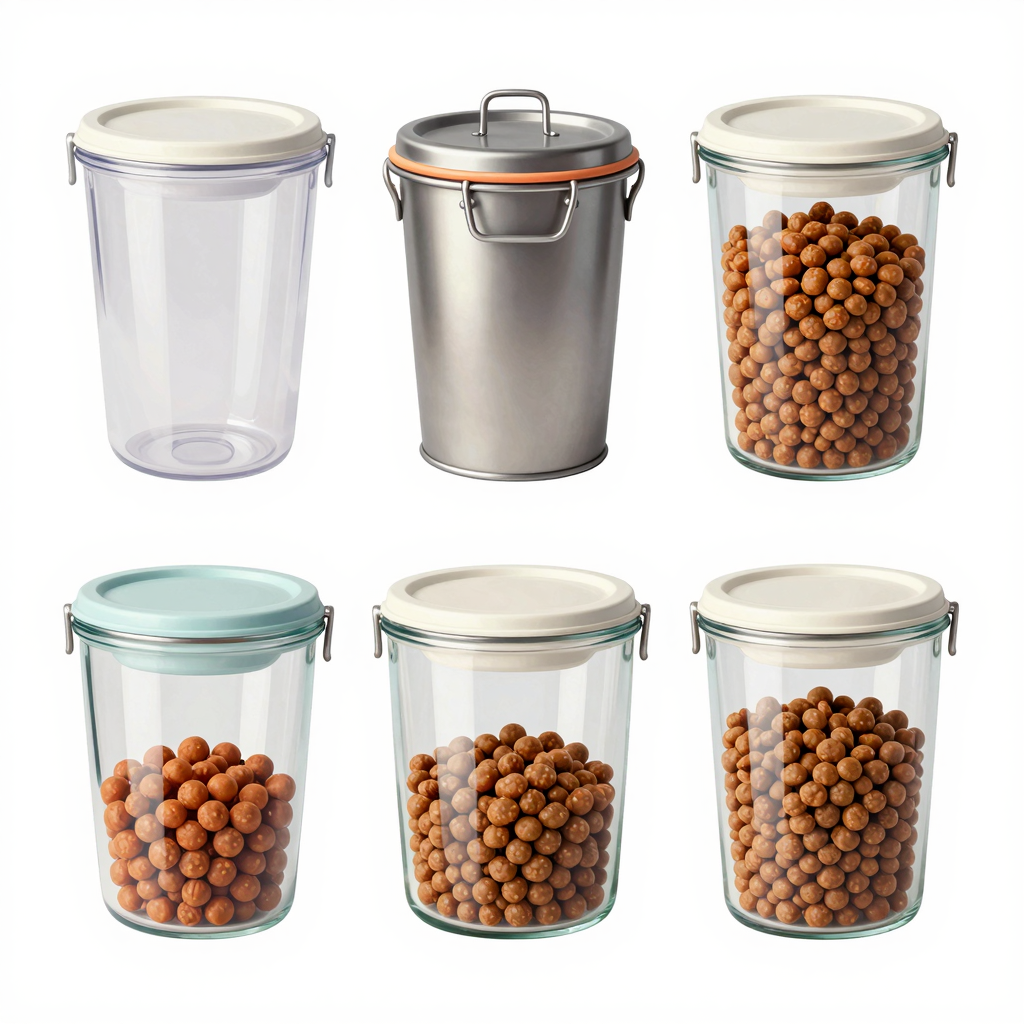
When it comes to storing dog food, the choice of container can significantly impact its freshness and safety. Many pet owners wonder if plastic containers are a suitable option. While plastic containers are lightweight and usually airtight, it’s essential to choose food-grade models to avoid any chemical transfer. Other common materials for dog food storage include metal and glass, each with its pros and cons.
Types of Dog Food Storage Containers
- Plastic: Lightweight and affordable but should be BPA-free to ensure safety.
- Metal: Durable and great for preventing pests but can rust over time.
- Glass: Non-porous and easy to clean, though they are heavier and can shatter.
Choosing the right storage container is crucial for maintaining the quality of your dog’s food. You may want to consider how often you fill the container and the storage environment.
For further details on food storage solutions, check out our article on plastic containers in the food industry for additional insights on maintaining food safety and freshness.
| Category | Detail | Notes |
|---|---|---|
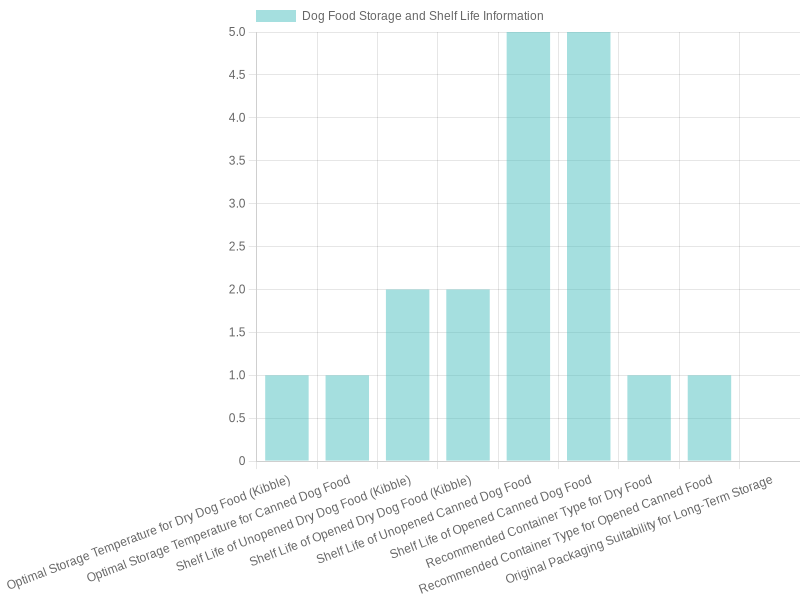
| Optimal Storage Temperature for Dry Dog Food (Kibble) | 50°F to 70°F (10°C to 21°C) | Avoid temperatures above 80°F (27°C), which can degrade nutrients and promote mold. |
| Optimal Storage Temperature for Canned Dog Food | 50°F to 70°F (10°C to 21°C) | Store unopened cans in a cool, dry place; avoid freezing or extreme heat. |
| Shelf Life of Unopened Dry Dog Food (Kibble) | 12 to 24 months from manufacturing date | Best if consumed within 12 months for optimal freshness and nutrient retention. |
| Shelf Life of Opened Dry Dog Food (Kibble) | 3 to 6 months after opening | Use within 3 months for best quality; longer storage increases risk of oxidation and spoilage. |
| Shelf Life of Unopened Canned Dog Food | 2 to 5 years from manufacturing date | Most canned foods have a “best by” date between 2-3 years, but many remain safe beyond that if stored properly. |
| Shelf Life of Opened Canned Dog Food | 3 to 5 days refrigerated | Once opened, transfer leftovers to an airtight container and refrigerate immediately. |
| Recommended Container Type for Dry Food | Airtight containers (e.g., food-grade plastic or stainless steel) | Minimizes exposure to air, moisture, light, and pests. |
| Recommended Container Type for Opened Canned Food | Airtight glass or BPA-free plastic container | Prevents contamination and odor absorption; do not store in the original can after opening. |
| Original Packaging Suitability for Long-Term Storage | Not recommended | Paper or foil-lined bags are permeable to moisture and air; prone to pest infestation. |
Dog Food Storage and Shelf Life Guidelines
Sources: