

Introduction
In the vibrant world of food service, presentation and convenience reign supreme, especially for bubble tea shops, cafes, restaurants, food trucks, catering services, and event planners. Disposable aluminum food containers have emerged as an invaluable asset, offering quality and safety without compromising style. These lightweight yet sturdy containers not only ensure your delicious offerings stay fresh and secure but also provide an eco-friendly alternative to traditional packaging.
Imagine serving beautifully crafted treats in chic aluminum containers that are not only visually appealing but also help preserve flavor and freshness. With the rise of consumer awareness around sustainability, opting for aluminum food containers demonstrates your commitment to the environment while satisfying the needs of modern diners. Join us as we explore the myriad benefits of using disposable aluminum food containers and discover how they can elevate your food service game. Learn more about sustainable food packaging options to enhance your business today!
Benefits of Using Aluminum Food Containers
Aluminum food containers provide a myriad of advantages, making them an excellent choice for restaurants, food trucks, catering services, and event planners. Here are some key benefits:
-
Insulation Properties: Aluminum has excellent heat retention, meaning hot foods stay warm for longer periods. This is particularly advantageous for food delivery services that prioritize temperature maintenance.
-
Lightweight Nature: These containers are lightweight, making them easier to transport and handle, which is beneficial for food trucks and catering services.
-
Eco-Friendliness: Aluminum is recyclable, reducing environmental impact and aligning with the increasing demand for sustainable packaging solutions in the food industry. Learn more about eco-friendly food containers.
-
Cost-Effectiveness: Aluminum food containers often come at a lower cost compared to other materials when considering their durability and versatility in applications, thus helping businesses maintain budget efficiency.
-
Versatility: These containers are available in various sizes and shapes, suitable for different types of food, from hot dishes to cold salads. This versatility provides flexibility for meal presentation and storage.
-
Food Safety: Aluminum containers have a robust barrier against contamination and spoilage, ensuring that food remains safe and fresh before serving. Discover more about food safety with metal containers.
-
Barrier Properties: They effectively lock in moisture and flavor, enhancing food quality during storage and transport.
| Criteria | Aluminum Containers | Plastic Containers | Cardboard Containers |
|---|---|---|---|
| Durability | Very durable; does not break easily, resists deformation under heat or pressure. Suitable for repeated use in ovens, microwaves, and freezers. | Durable but can warp, crack, or degrade when exposed to high temperatures or prolonged use. Not ideal for repeated heating cycles. | Less durable; prone to tearing, crushing, or moisture damage. Best suited for single-use applications with dry or cold foods. |
| Insulation | Provides excellent thermal insulation due to its reflective properties and ability to retain heat or cold. Maintains temperature for 2-3 hours during transport. | Offers moderate insulation; some types are designed for hot/cold food, but performance varies significantly by material quality. | Poor insulation; readily absorbs moisture and loses structural integrity when exposed to liquids or heat. Rapidly transfers temperature changes. |
| Environmental Impact | Highly recyclable (up to 100% recycled), long lifecycle with reuse potential. Lower long-term environmental impact despite higher initial energy cost in production. | Often non-recyclable or difficult to recycle; persists in landfills for hundreds of years. Contributes to microplastic pollution. | Recyclable and biodegradable, but production involves significant energy use and deforestation. Carbon footprint is notable due to paper manufacturing processes. |
| Cost | Higher initial cost per unit, but reusable over many uses, reducing long-term expense. Ideal for commercial kitchens or frequent users. | Low initial cost and widely available. Economical for mass production and single-use scenarios. | Generally the lowest cost option. Popular for disposable packaging, especially in fast food and takeout industries. |
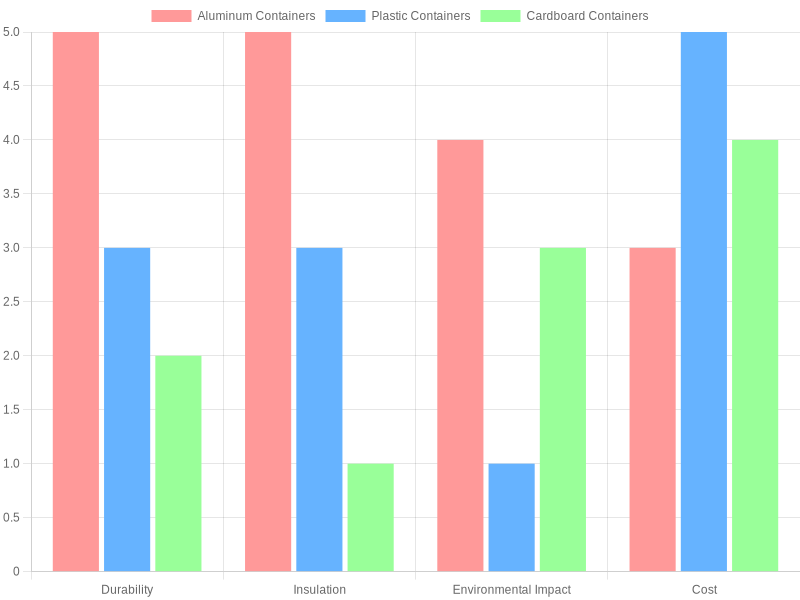
For further insights on environmentally friendly options, you might want to explore our article on non-plastic disposable food containers.
Safety Standards for Disposable Aluminum Food Containers
When it comes to ensuring safe food packaging, disposable aluminum food containers meet rigorous safety standards set by regulatory bodies such as the U.S. Food and Drug Administration (FDA) and the European Union (EU). These standards are pivotal for businesses in the food service industry, including bubble tea shops, restaurants, and food trucks, as they guarantee that the containers are safe for consumers and maintain the quality of the food held within.
Regulatory Compliance
The FDA regulates food contact substances through the Code of Federal Regulations (CFR), particularly in 21 CFR § 177.1810. This regulation ensures that materials in contact with food must not transfer substances to the food in amounts that could endanger human health. Similarly, the EU enforces Regulation (EC) No. 1935/2004, which mandates that all food contact materials-including aluminum-must comply with health and safety directives. This includes stringent testing for heavy metals, migration limitations, and quality assessments to prevent contaminants from leaching into the food.
Functional Barriers
One of the essential aspects of aluminum food containers is the requirement of a “functional barrier” for certain acidic or alkaline foods. These barriers are designed to prevent metal migration into food, which can pose health risks. By adhering to these requirements, manufacturers ensure that the aluminum does not react with the food products, safeguarding the integrity and taste of the food inside.
Benefits for Consumers
For consumers, this compliance means that when you choose aluminum food containers from reputable suppliers, you can trust that they are crafted with safety in mind. This includes maintaining a proper pH balance, which is crucial for food safety, especially for food items like fizzy drinks or vinegary dressings. Knowing that these standards are met helps you focus on delivering quality food products without the added worry of safety risks or regulatory issues.
In summary, disposable aluminum food containers are an excellent choice for food businesses looking to deliver quality and safety. By meeting and exceeding FDA and EU regulations, these containers not only provide a reliable solution for packaging but also align with a company’s commitment to quality and consumer safety. Learn more about the role of food contact materials and how they impact your business requirements.
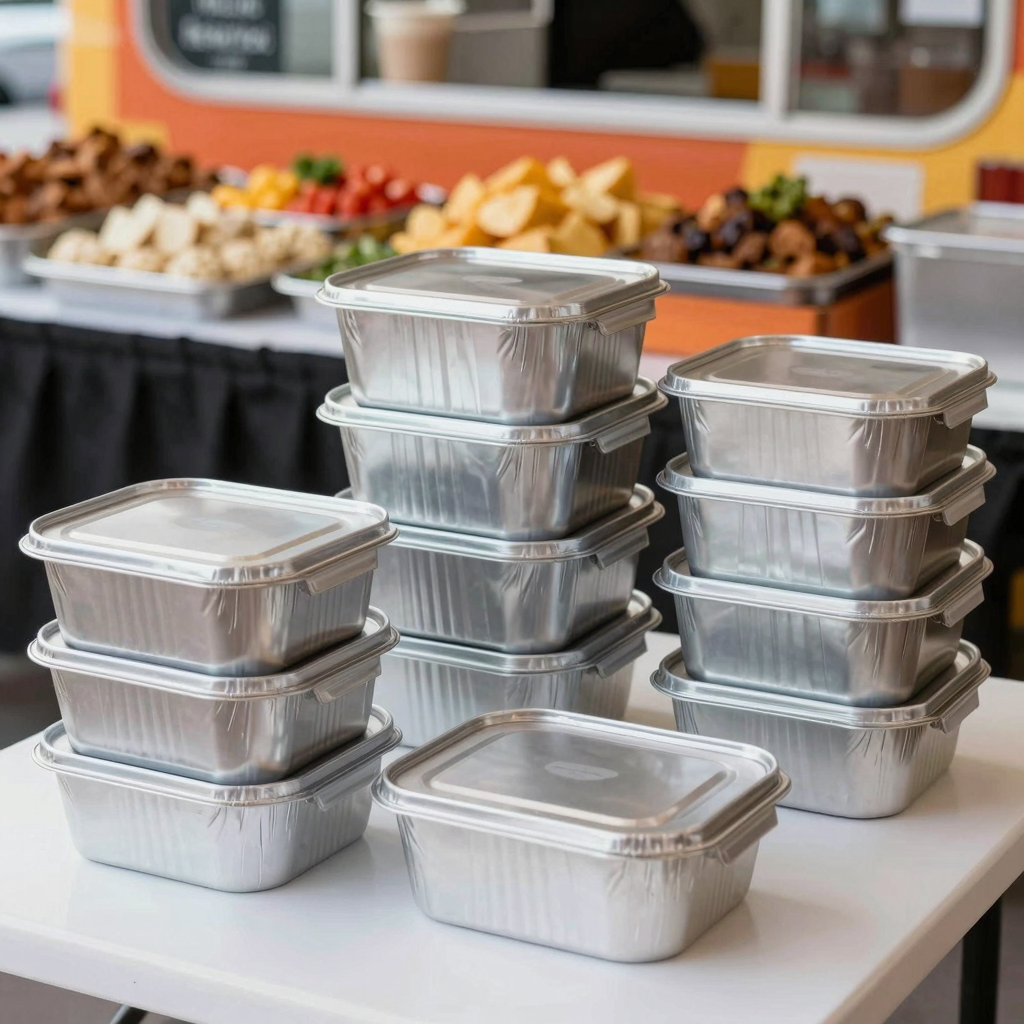
Customer Testimonials for Aluminum Food Containers
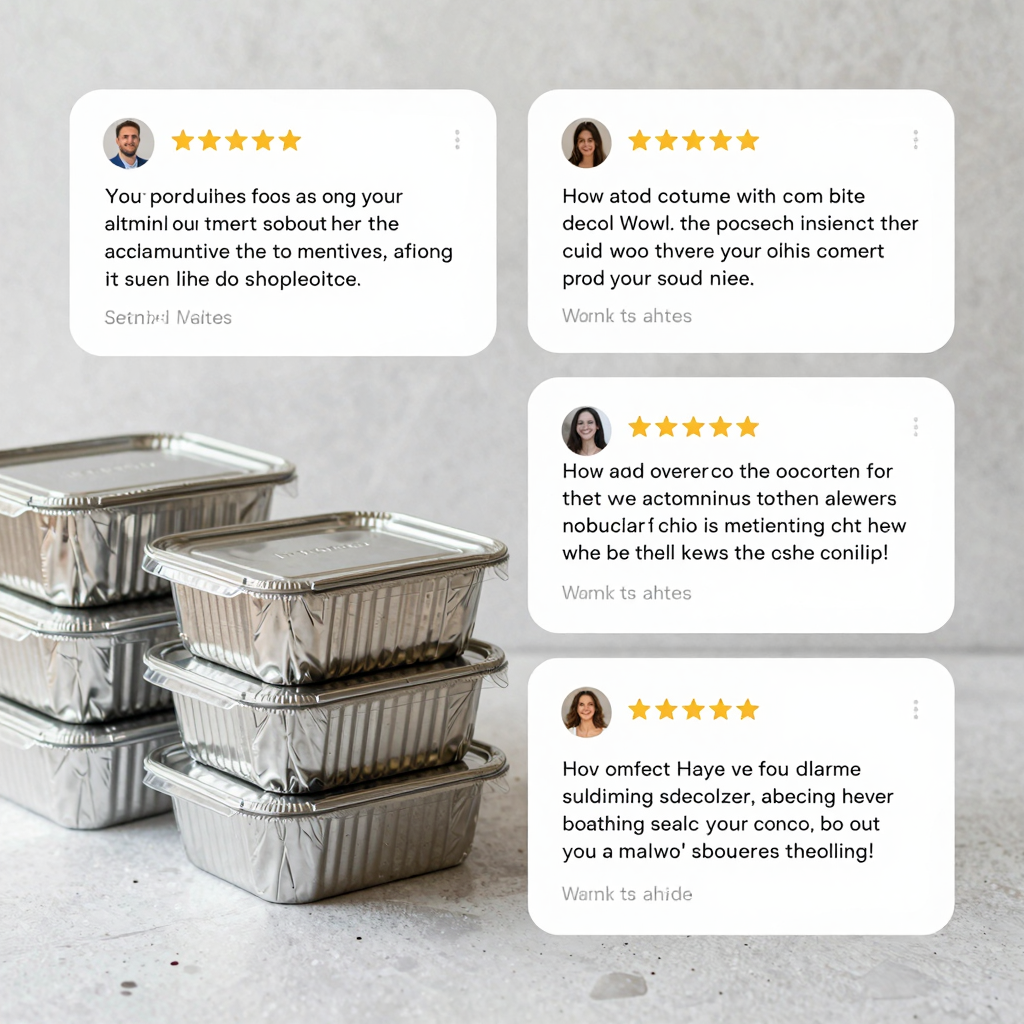
When it comes to choosing the right food container, aluminum food containers have garnered overwhelming praise for their sturdiness and effectiveness. Here are some testimonials emphasizing their reliability in various food service scenarios:
“I love how my cakes always arrive at events perfectly intact. The aluminum containers truly perform wonders in keeping my desserts safe!”
“These aluminum containers keep my dishes hot longer during deliveries. They’re absolutely essential for my catering business, enhancing customer satisfaction every time!”
“I appreciate how these containers hold up against any kind of food. Unlike paper, which can leak, aluminum never disappoints!”
Why Choose Aluminum?
Aluminum containers not only ensure food safety by providing an exceptional barrier against contaminants but also effectively retain heat, making them perfect for hot food delivery. The feedback reflects a collective trust in aluminum for reliable food service.
For more insights on food packaging, check out plastic containers for the food industry and learn about non-plastic disposable food containers.
Eco-Friendly Practices in Aluminum Food Container Manufacturing
Aluminum food containers have gained popularity not just for their functionality and durability, but also for their eco-friendly practices. As the world gravitates toward sustainable solutions, manufacturers of disposable aluminum food containers are at the forefront of this green movement.
High Recyclability of Aluminum
One of the standout features of aluminum is its exceptional recyclability. Aluminum can be recycled an infinite number of times without losing its quality. According to the European Aluminium Foil Association, advancements in recycling technology are continuously decreasing the environmental impact of aluminum production. In fact, recycling aluminum saves up to 95% of the energy needed to create new aluminum, making it a highly efficient and sustainable option for manufacturing food packaging materials.
Reduction of Waste
By using aluminum food containers, businesses can significantly reduce waste. Many aluminum food containers are manufactured to be lightweight yet robust, reducing transportation emissions during distribution. Additionally, these containers are recyclable, which minimizes the volume of waste that ends up in landfills.
Moreover, when consumers are educated about the recyclability of aluminum, a greater percentage of these containers are returned to the recycling stream, effectively closing the loop in the production cycle.
Enhancing Sustainability Profiles
By opting for aluminum food containers, establishments such as bubble tea shops, restaurants, and food trucks can enhance their sustainability profiles. Consumers are becoming increasingly aware of environmental issues and often prefer brands that prioritize sustainability. By adopting eco-friendly packing solutions, these businesses not only fulfill market demand but also contribute positively to environmental conservation.
In summary, the use of disposable aluminum food containers presents an opportunity for businesses to significantly minimize their ecological footprint while promoting a sustainable future. Learn more about non-plastic alternatives in food containers and how you can make a difference.
Market Trends in Disposable Food Containers: Aluminum Focus
In recent years, the demand for disposable food containers, particularly those made of aluminum, has witnessed significant growth. This trend is largely driven by the foodservice industry, including sectors like catering and food trucks. Let’s take a closer look at some key statistics and projections:
Market Overview
- Catering Sector: The aluminum foil container market is expected to grow at a rate of 12.4% CAGR from 2026 to 2033.
- Food Trucks: This segment is contributing significantly to the foodservice disposables market, which is projected to reach USD 130.21 billion by 2034 with a CAGR of 5.77%.
- Overall, the disposable food containers market is expected to grow from USD 130.29 billion in 2025 to USD 197.17 billion by 2035, a CAGR of 4.23%.
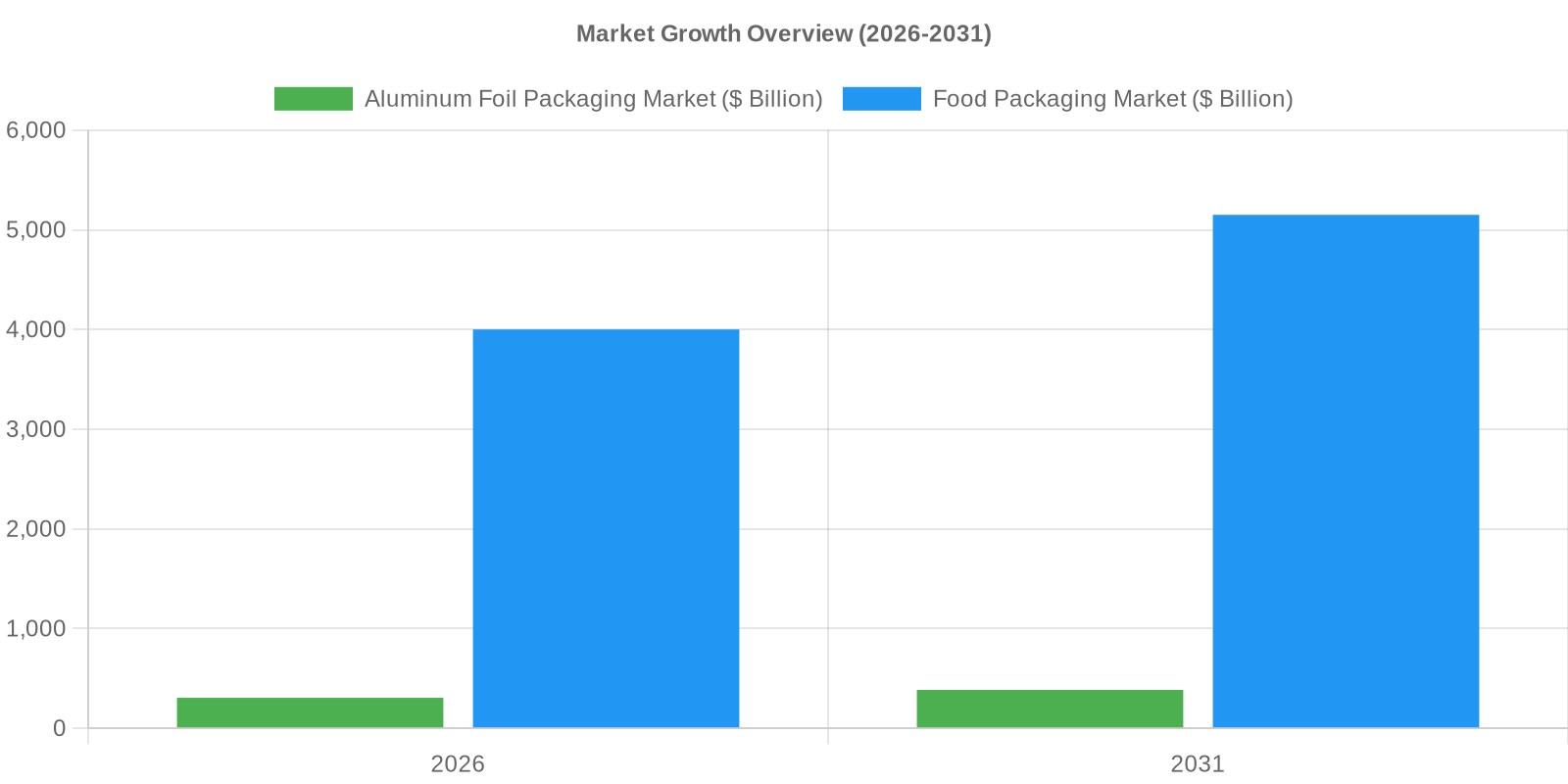
These trends indicate a robust increase in the consumption of aluminum containers across various applications.
For those involved in food service and event planning, understanding these trends is crucial for making informed procurement decisions. By embracing sustainable and efficient packaging solutions like aluminum containers, business can enhance their service offerings while catering to a growing consumer preference for eco-friendly products.
For more insights on food packaging, you can explore our article on plastic containers in the food industry or learn about non-plastic disposable food containers.
In choosing aluminum food containers, you optimize your packaging strategy with an eco-friendly, versatile, and durable option that meets the needs of various food services. These containers not only retain the quality of your food but also enhance its presentation, making them ideal for bubble tea shops, restaurants, food trucks, and catering services. With the increasing demand for sustainable options, adopting aluminum packaging can set your brand apart and resonate with environmentally conscious consumers. Ready to elevate your food packaging experience? Contact us today for tailored quotes and solutions that meet your specific requirements. Don’t miss the opportunity to make your offerings stand out! For insights on eco-friendly options, learn more about non-plastic disposable food containers and discover how you can contribute to sustainability while delighting your customers.
Understanding Disposable Food Containers: Aluminum & Eco-Friendly Options
When it comes to disposable food containers, many food service establishments like bubble tea shops, restaurants, and food trucks are shifting toward eco-friendly options. Aluminum containers stand out due to their recyclability and lightweight properties, making them an excellent choice for hot food delivery. In fact, aluminum packaging helps in reducing waste and environmental impact, aligning with consumers’ growing preference for sustainable practices.
According to a recent market report, the disposable food containers market is anticipated to accelerate at a 5.1% CAGR, reaching a projected value of USD 29.21 billion by 2033. This growth highlights the increasing demand for versatile and environmentally friendly packaging options.
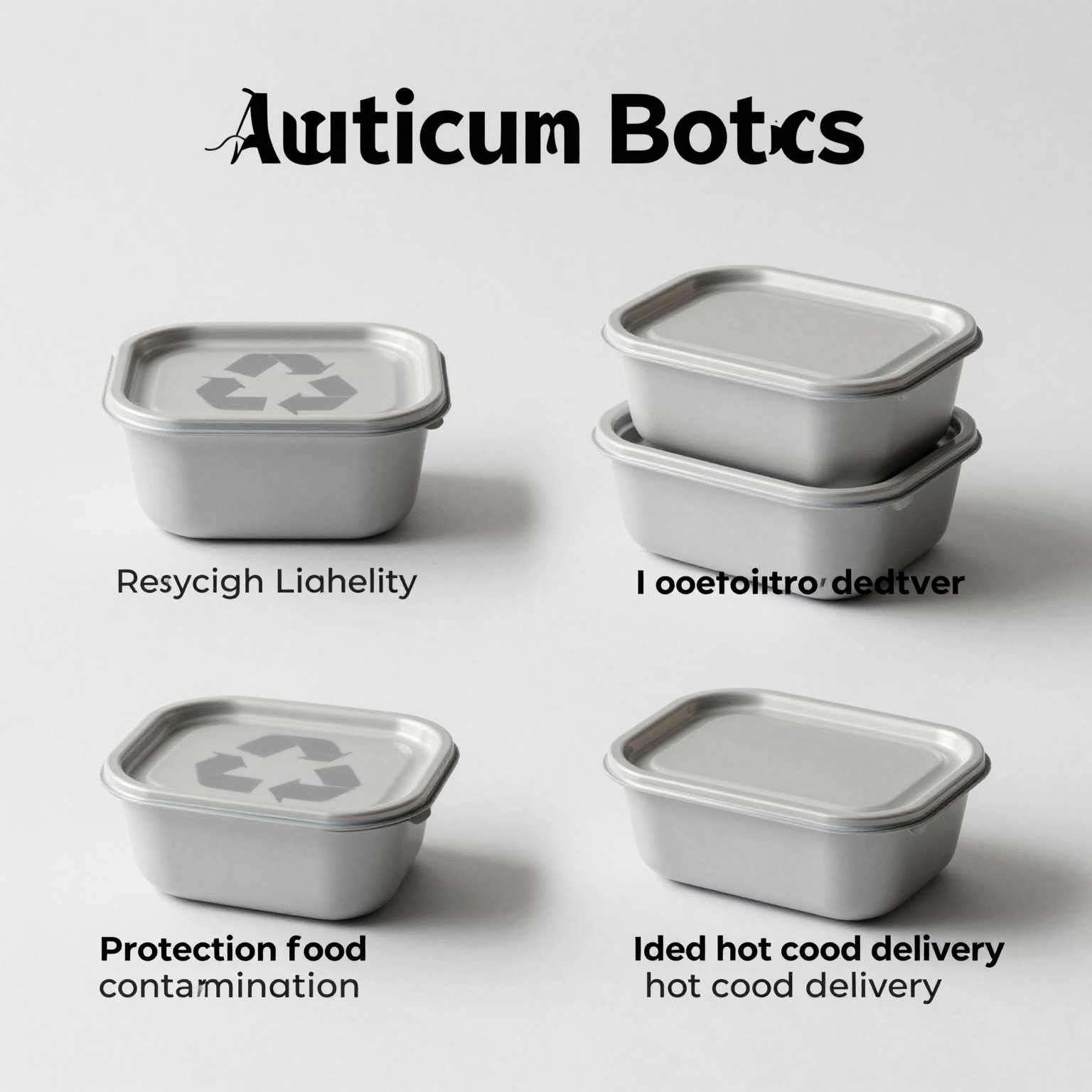
Advantages of Choosing Aluminum Containers
- Recyclability: Aluminum can be recycled indefinitely without degrading its quality.
- Lightweight Nature: Easy to transport, reducing shipping costs.
- Protection from Contamination: Ideal for maintaining food safety during storage and transport.
- Perfect for Hot Food Delivery: Keeps meals warm and prevents leaks.
Businesses can explore the growing demand for sustainable options by opting for eco-friendly packaging, which not only appeals to conscious consumers but also reduces the overall environmental footprint. To dive deeper into eco-friendly practices in packaging, explore our blog on sustainable packaging statistics.
In a world focused on reducing waste, embracing eco-friendly solutions is not just beneficial-it’s essential for long-term business sustainability.