
Introduction
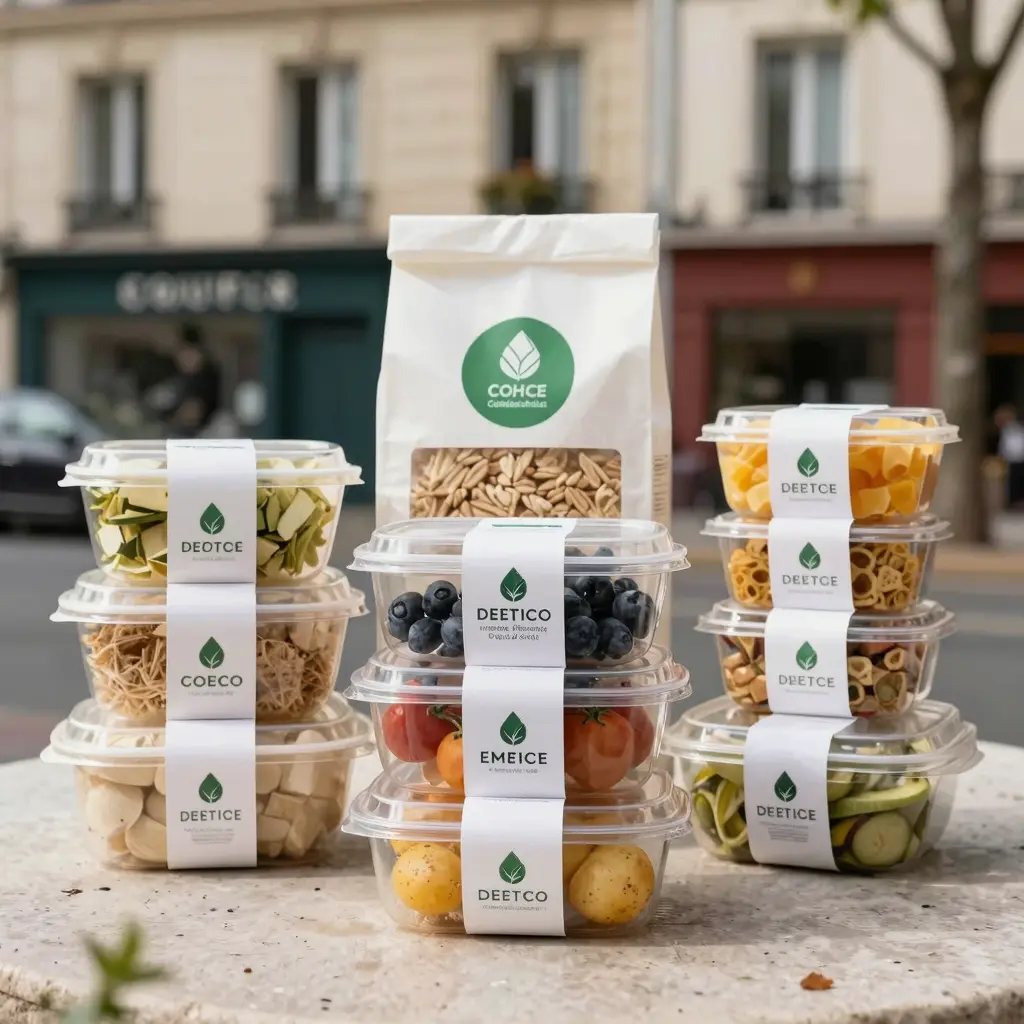
In an age where presentation meets sustainability, the significance of quality packaging in the food industry is more pronounced than ever. For bubble tea shops and event planners, packaging is not merely a protective layer but a canvas that can enhance customer experience and brand image. The transition towards eco-friendly packaging options is becoming a top priority; consumers today are increasingly seeking out businesses that reflect their values, particularly those committed to reducing plastic waste. This evolution in consumer preference pushes food establishments to adapt their packaging strategies, making informed choices about materials that are as functional as they are environmentally responsible. In this article, we will explore a variety of plastic packaging solutions available in France, shedding light on options that cater specifically to the unique needs of beverage chains, restaurants, food trucks, catering services, and event organizers. Join us as we dive into sustainable packaging solutions that do more than just hold food-they tell a story and align with a greener future.
Benefits of Using Plastic Packaging Containers for Food Businesses
Utilizing plastic packaging containers for food businesses brings a myriad of advantages that can enhance operations, product safety, and customer satisfaction. Here are some key benefits:
-
Durability: Plastic containers are designed to withstand various conditions, making them ideal for transporting and storing food items without breaking or spilling. Their strength ensures they can handle the rigors of foodservice environments.
-
Safety: Plastic packaging helps to prevent contamination, keeping food safe from external pathogens. Innovative designs keep food sealed and protected, ensuring food quality upon delivery.
-
Hygiene: Plastic is easy to clean and sanitize, providing a hygienic solution for food storage and transport. This is especially crucial for businesses that prioritize food safety to meet health regulations and consumer expectations.
-
Cost-effectiveness: The production and transportation costs of plastic containers tend to be lower compared to other materials, such as glass or metal. This cost efficiency translates to savings for food businesses, allowing them to allocate resources elsewhere.
-
Lightweight: Plastic containers are significantly lighter than alternatives, leading to reduced shipping costs and easier handling for staff.
-
Versatility: Available in numerous shapes and sizes, plastic packaging can be tailored to fit various food products, making it an adaptable choice for different menus and offerings.
For more information on various types of containers, check our selection of food containers and takeaway options.
Rising Trends in Plastic Food Packaging in France
The rise in plastic packaging for food containers in France has become a pivotal aspect of the country’s food industry dynamics, particularly with the growing emphasis on eco-friendliness and innovation. Here’s a closer look at recent trends:
Eco-Friendly Packaging Initiatives
France is witnessing a significant movement towards sustainable food packaging solutions. Innovative strategies are being implemented to reduce plastic waste while enhancing recyclability. Various initiatives are promoting eco-friendly alternatives to conventional materials. These changes align with consumer demand for sustainable practices and contribute to France’s broader environmental goals.
Innovations in Biodegradable Alternatives
The drinks industry, in particular, is at the forefront of adopting eco-packaging innovations that seek to minimize reliance on traditional plastics. Biodegradable packaging solutions are gaining traction, allowing businesses to offer products that align with the principles of sustainability. As food businesses explore these options, sectors such as beverage chains and food trucks are increasingly interested in incorporating biodegradable containers into their operations. For instance, Kp Films is pioneering recyclable plastic film solutions tailored for food packaging, underlining the importance of using eco-friendly materials in France’s evolving market.
Consumer Preferences Shifting Towards Sustainability
Research has indicated that consumers, especially younger demographics, are more inclined to choose products packaged in environmentally friendly materials. This trend is evident in bubble tea shops and catering services adapting their packaging strategies to meet these demands, which ultimately encourages the industry to innovate further.
In summary, the landscape of plastic packaging for food containers in France is shifting towards sustainability by embracing innovative materials and practices. These developments not only address environmental concerns but also align with changing consumer preferences. Businesses looking to thrive in this evolving environment can stay ahead by exploring options like biodegradable packaging and collaborating with suppliers committed to eco-friendly solutions.
Eco-Friendly Alternatives in Plastic Packaging
As the awareness of environmental issues grows, businesses in the food and beverage industry are facing increasing pressure to adopt eco-friendly packaging solutions. Plastic packaging has long been the go-to choice for food containers due to its affordability and convenience; however, the rise of eco-friendly alternatives such as biodegradable and recyclable options is changing the landscape.
Biodegradable Options
Biodegradable packaging materials are designed to break down more quickly and safely in the environment compared to traditional plastics. Some common biodegradable materials include:
- Bagasse: Made from sugarcane pulp, these packaging items are compostable and can break down within a few months under the right conditions.
- PLA (Polylactic Acid): This corn-derived material is popular for clear containers and cups. It can compost industrially but may require specific conditions to degrade effectively.
- Kraft Paper: An alternative that is both recyclable and biodegradable. Kraft paper is often used for packaging food items like sandwiches and pastries.
The advantages of biodegradable packaging include:
- Reduced landfill impact: They break down into natural substances, releasing beneficial nutrients back into the soil.
- Consumer appeal: More consumers are looking for sustainable options, which can enhance brand loyalty.
However, challenges include:
- Cost: Biodegradable materials can be more expensive than traditional plastics, impacting pricing strategies.
- Degradation conditions: Many biodegradable options need specific conditions to break down, such as industrial composting facilities, which may not be accessible everywhere. Failure to dispose of them properly could lead to contamination with regular waste.
Recyclable Options
Recyclable packaging is another alternative, ensuring that after a product is used, its materials can be regathered and remade into new products. Common materials include:
- R-PET (Recycled Polyethylene Terephthalate): Used for plastic bottles, R-PET can be recycled multiple times.
- Cardboard and Paper: Easily recyclable and can be sourced sustainably.
Advantages include:
- Resource conservation: Recycling reduces the need for raw materials and conserves energy.
- Lower emissions: The recycling process typically uses less energy compared to producing new materials from virgin resources.
However, the challenges consist of:
- Contamination issues: If recyclable packaging is not cleaned properly, it can contaminate entire batches of recyclables, leading to waste.
- Variable recyclability: Not all regions have equal access to recycling facilities, and the success of recycling programs varies widely.
Why Businesses Should Consider These Alternatives
For bubble tea shops, restaurants, food trucks, and catering services, adopting eco-friendly packaging could not only meet the demand from eco-conscious consumers but also comply with growing regulations aimed at reducing plastic waste. Transitioning to biodegradable or recyclable materials can enhance a brand’s image and set them apart in a competitive market.
For more biodegradable packaging options that suit your needs, you can explore our selection at Ecocupbowl. Investing in sustainable packaging not only benefits the planet but could lead to long-term cost savings and improved customer satisfaction.
Comparison of Popular Plastic Food Packaging Options in France
The following table compares different types of plastic food containers available in France, detailing their features, materials, and typical use cases. This should help businesses in the food and beverage industry make informed choices regarding their packaging options.
| Container Type | Material | Features | Use Cases |
|---|---|---|---|
| PP Containers | Polypropylene (PP) | High resistance to heat and moisture | Suitable for solid and liquid foods. Often used in takeaway and catering services. |
| PET Containers | Polyethylene Terephthalate (PET) | Lightweight, strong, and recyclable | Common in beverage and salad packaging. Used for cold serving options. |
| HDPE Containers | High-Density Polyethylene (HDPE) | Strong and impact-resistant; food safe | Ideal for food storage and shipment, including dairy and meat products. |
| LDPE Containers | Low-Density Polyethylene (LDPE) | Flexible, good sealing properties | Often used for making bags and wraps for bakery items and sandwiches. |
| Biodegradable Containers | Various biodegradable plastics | Environmentally friendly, compostable options | Gaining popularity for sustainable practices in foodservice, especially for event catering. |
For more specific options tailored for your business needs, explore our selection of food packaging containers or our takeaway boxes.
Food packaging in France is governed by strict safety regulations aimed at protecting consumer health and ensuring sustainable practices. Compliance with these regulations, primarily derived from EU directives, is crucial for businesses, as non-compliance can lead to significant legal repercussions and harm to a brand’s reputation. Key regulations include the imposition of purity standards for substances used in food contact plastics, demanding that all materials are safe and tested thoroughly before being used for food products. Businesses must also be prepared to adapt to evolving laws such as forthcoming bans on certain plastics and enhanced standards for recyclability, which underline the EU’s commitment to reducing packaging waste. By adhering to these safety standards, companies not only protect consumer health but also establish credibility and trust with their clientele. For those in the food service industry, utilizing compliant packaging solutions, such as eco-friendly boxes and sustainable takeaway containers, is essential. Ultimately, these regulations serve to fortify public health and bolster the market for safe, sustainable food packaging solutions.
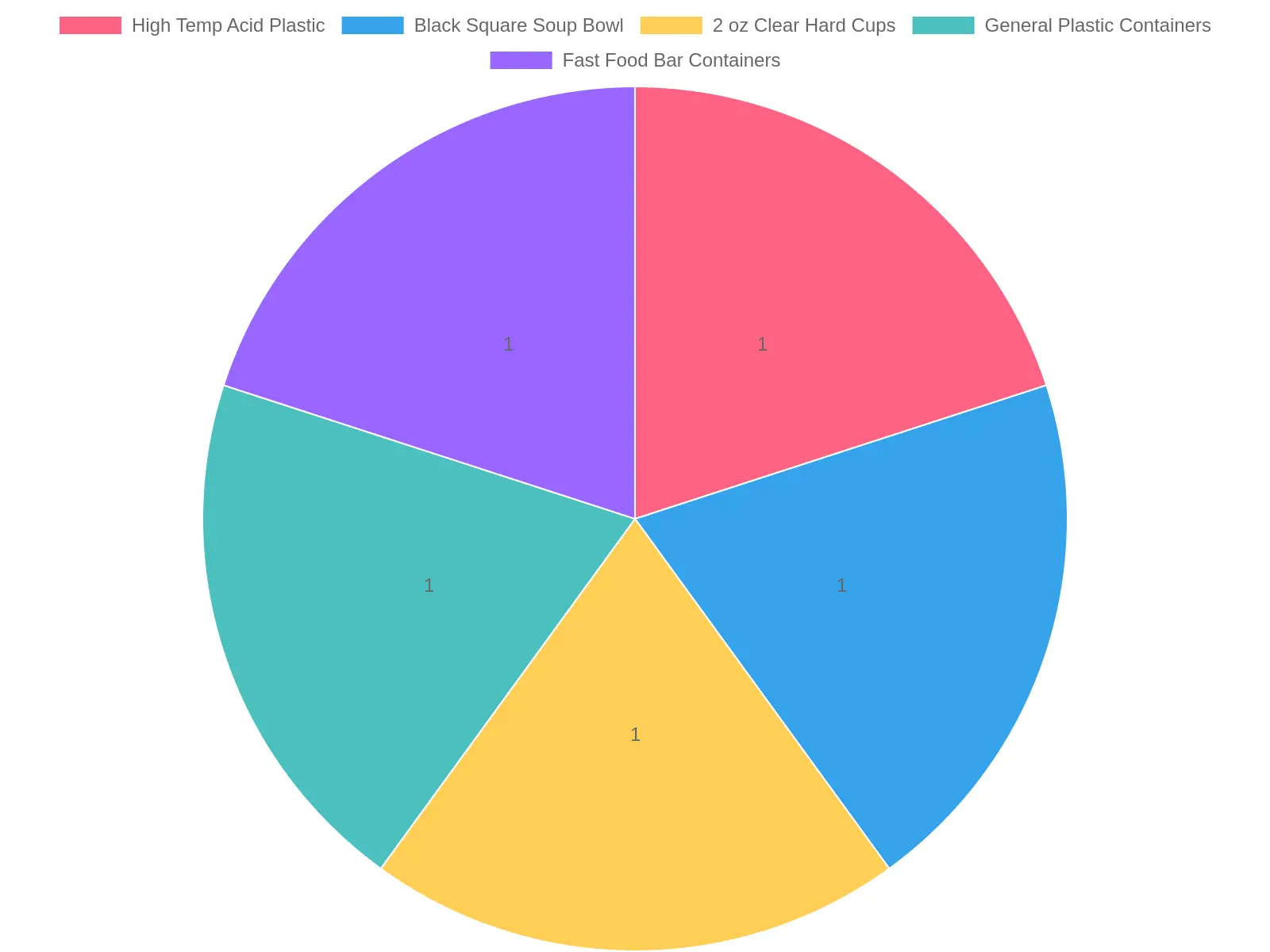
Explore a range of plastic food container styles and their applications, suitable for bubble tea shops, restaurants, food trucks, and catering services. Here are a few options:
| Style/Type | Application | Description | Source URL |
|---|---|---|---|
| High Temp Acid Plastic | Bubble Tea Shops, Food Trucks | Reliable packaging solutions that work well for various food types. | 5 Star Truckin |
| Black Square Soup Bowl | Restaurants, Catering Services | Aesthetic and functional bowl, enhancing food presentation. | Fired Up Taco Truck |
| 2 oz Clear Hard Cups | Bubble Tea Shops, Catering Services | Ideal for takeout orders, providing convenience without risk associated with glass. | Vehicle Tricks |
| General Plastic Containers | Various Food Services | Versatile containers suitable for a wide variety of food types, essential for efficient service. | Cofe Cup |
| Fast Food Bar Containers | Mobile Restaurants, Food Trucks | Contains features suitable for outdoor cooking and mobile food operations. | TikTok |
This image highlights the diversity of food container types that can cater to various service needs. Check out our range of food containers for more options!
Case Study: BoBoQ Bubble Tea in Paris
Overview
BoBoQ Bubble Tea, nestled in the bustling streets of Paris, exemplifies the effective utilization of plastic packaging in the beverage industry. As a thriving bubble tea salon, BoBoQ has carved a niche for itself among the Parisian crowd by offering a variety of customizable bubble tea options, featuring unique flavors and textures that appeal to a diverse audience.
Challenges
Like many emerging businesses, BoBoQ faced challenges related to sustainability and customer preferences. With increasing scrutiny on environmental issues, the bubble tea shop had to navigate:
- Customer Expectations: Modern consumers, particularly the younger demographic, place a strong emphasis on sustainability, calling for businesses to reduce plastic waste.
- Regulatory Pressures: The French government and EU directives are moving towards stricter regulations on plastic usage, which put further pressure on food and beverage services to adapt.
- Operational Costs: While eco-friendly options are increasingly popular, they often come at a higher price point, creating budget constraints for a small business.
Solutions
To address these challenges, BoBoQ implemented several strategic solutions, focusing on sustainable plastic packaging options that align with consumer desires while maintaining operational efficiency:
- Innovative Packaging Choices: BoBoQ selected high-quality, recyclable plastic cups for its bubble tea. These cups not only ensure the safety and freshness of the beverages but also enhance brand visibility with eye-catching designs.
- Education and Awareness: The company made efforts to educate its customers about the recyclability of their packaging, encouraging a more sustainable mindset among patrons. This is a key aspect in promoting a positive brand image and engaging with eco-conscious consumers.
- Collaboration and Networking: BoBoQ aligned itself with suppliers who share a commitment to sustainability, leveraging innovative plastic solutions that reduce environmental impact without compromising quality.
Outcomes
The results of these initiatives are promising:
- Increased Customer Loyalty: By addressing environmental concerns while offering appealing products, BoBoQ has successfully cultivated a loyal customer base. Many have praised the shop not only for its innovative flavors but also for its commitment to sustainability.
- Market Expansion: Sales have shown steady growth, with customers drawn to both the quality of the products and the ethos of the brand. BoBoQ has expanded its outreach, attracting more patrons through word-of-mouth referrals, particularly among younger, environmentally-conscious consumers.
- Community Engagement: BoBoQ’s efforts have fostered a community around bubble tea culture in Paris. The shop frequently hosts events, community tastings, and discussions on sustainability, further solidifying its place in the local market.
Conclusion
BoBoQ Bubble Tea serves as a model for how food trucks and beverage shops can navigate the complexities of modern packaging concerns while ensuring profitability and customer satisfaction. By leveraging innovative plastic solutions and fostering community engagement, BoBoQ demonstrates that it is possible to thrive in a competitive market while being mindful of sustainability.
For those interested in sustainable and innovative packaging options, check out EcoCup’s diverse range of sustainable packaging solutions suitable for bubble tea shops.
The Future of Plastic Packaging
As the food industry continues to evolve, sustainability in packaging is becoming more crucial. Patrick Eggen, VP of Global Marketing at Signode, states:
“Improving sustainability is a must, not an option. Continuous innovation and collaboration across the supply chain will create functional and efficient packaging solutions.”
This quote encapsulates the significant shift towards sustainable practices in packaging, highlighting the importance of innovation and teamwork in addressing environmental concerns.
For businesses looking to transition to greener options, check out our range of sustainable takeaway boxes and paper food trays.
In conclusion, the importance of quality disposable tableware and packaging solutions in the food industry cannot be overstated. As businesses adapt to evolving consumer preferences, there’s a significant shift towards eco-friendly options that minimize environmental impact. The increasing demand for sustainable practices is reshaping the market, highlighting the need for reliable, visually appealing, and functional packaging. Our range of products, from eco-friendly cups to various takeaway boxes, offers solutions that not only meet these expectations but also enhance your brand image.
For bubble tea shops, food trucks, and catering services, selecting quality disposable tableware is essential for maintaining a professional appearance while addressing customer concerns about sustainability. As you consider your packaging needs, we invite you to explore our extensive collection of disposable products, designed with both quality and the environment in mind. Partner with us to elevate your service, minimize waste, and ensure your business thrives in today’s competitive landscape. Visit our website today to learn more about our offerings and make the switch to smarter, sustainable solutions!