
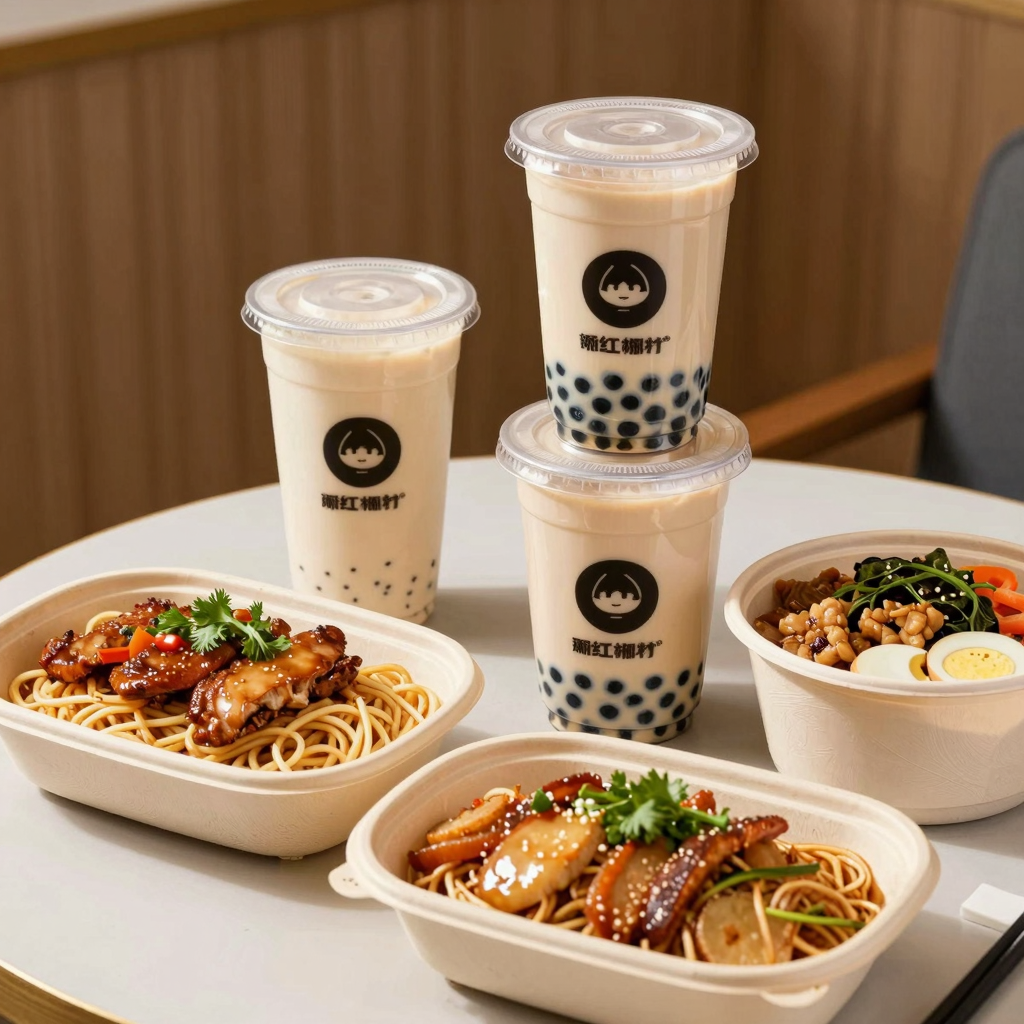
In the bustling world of food and beverage services, plastic food and beverage containers stand out as vital tools, particularly for businesses like bubble tea shops, restaurants, and catering services. As these establishments strive to provide exceptional experiences while maintaining efficiency, it’s crucial they turn to reliable and durable packaging solutions. Plastic containers are lightweight, reducing transportation costs and energy consumption, while also offering robustness that helps maintain food safety and quality. Whether for presenting an exquisite bubble tea creation or ensuring hot meals retain their freshness during delivery, the role of disposable tableware cannot be overlooked. The convenience and hygiene that plastic packaging provides are particularly beneficial for quick-service restaurants, food trucks, and event planners, allowing them to serve customers swiftly without compromising on quality or safety. As consumers become more environmentally conscious, innovations in sustainable plastic can meet both their needs and the aesthetic preferences of restaurants and catering services. For more insights on the importance of plastic food and beverage containers in the food industry, check out our article on plastic containers in the food industry and learn about custom disposable plastic cups that cater specifically to your business requirements.
Benefits of Using Plastic Food and Beverage Containers
Plastic food and beverage containers are increasingly becoming popular for event planners and corporate procurement teams. They offer a host of benefits that make them an excellent choice for various applications, including safety, durability, and eco-friendliness.
Safety
Modern plastic containers are designed with safety in mind. Many are made from materials that are FDA-approved, ensuring they won’t leach harmful chemicals into food or beverages. Plastics like HDPE (High-Density Polyethylene), LDPE (Low-Density Polyethylene), and PP (Polypropylene) are recommended for food contact as they are less likely to release toxins. Additionally, it’s essential to choose containers labeled as BPA-free to ensure maximum safety when storing or serving food. Learn more about plastic storage container safety.
Durability
Durability is another significant benefit of plastic containers. They are resistant to breaking and cracking, making them ideal for events where handling is frequent and conditions may be rough. Unlike glass or ceramic options that can shatter easily, plastic containers are designed to withstand various environmental conditions. They are also lightweight, making them easy to transport.
Eco-Friendliness
While concerns about plastic waste have grown, many manufacturers are focusing on sustainability by creating recyclable and biodegradable options. Some of these containers are made from recycled materials, which helps reduce environmental footprints. Programs to recycle plastic food containers are also becoming more common, encouraging responsible disposal practices. By selecting eco-friendly plastic options, event planners can balance convenience with environmental responsibility. For insights into recycling plastics, check out this article on recycling plastic food containers.
Conclusion
In summary, plastic food and beverage containers offer unmatched safety, durability, and eco-friendliness, making them an essential choice for those involved in event planning and procurement. Opt for reputable brands that prioritize safety and sustainability to ensure you’re making a conscientious choice for your next event.
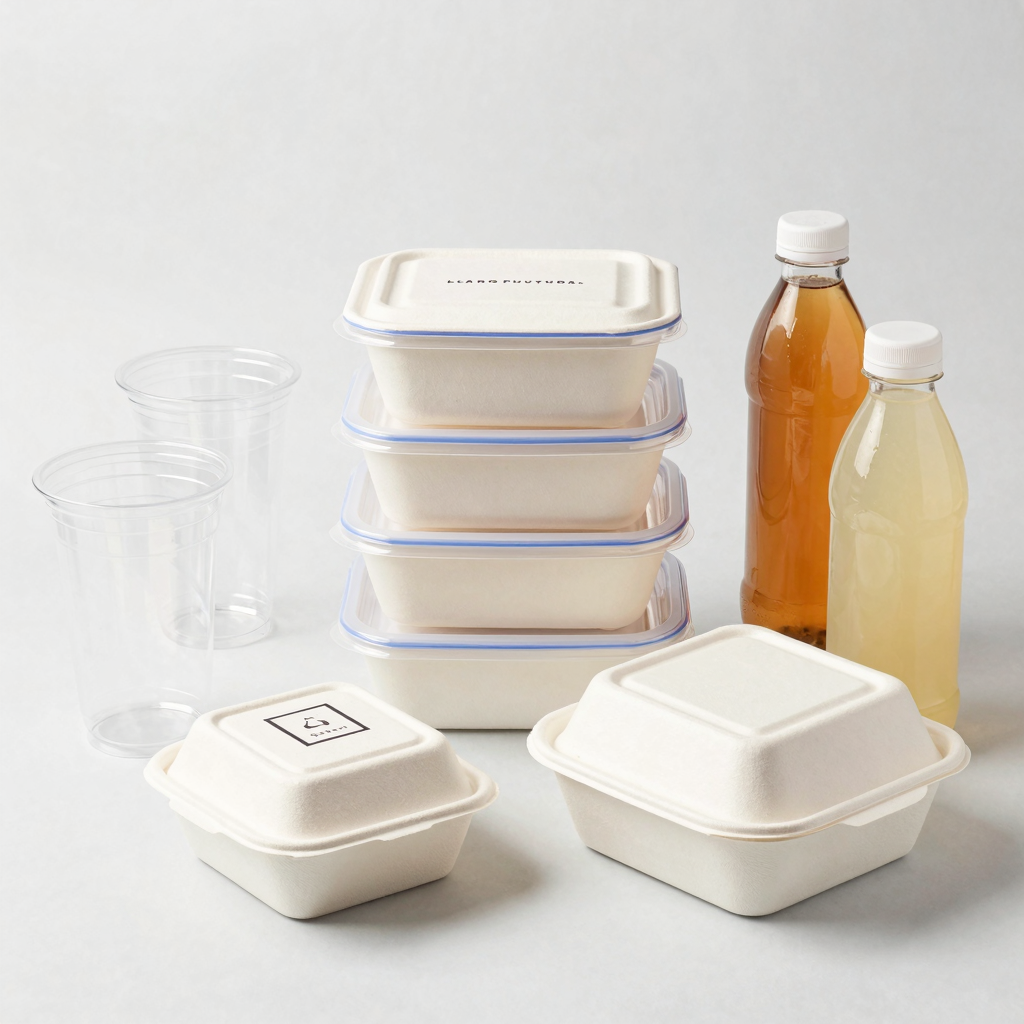
Key Features to Look for in Plastic Food and Beverage Containers
When selecting plastic food and beverage containers for your bubble tea shop, restaurant, or catering service, consider the following essential features:
-
Safety Certifications: Ensure containers are labeled as “food-grade” and compliant with safety standards set by organizations like the FDA to prevent chemical leaching into food. Certifications such as the How2Recycle label also help clarify recyclability.
-
Durability: Look for containers that offer impact resistance and are designed to withstand various conditions, including heat and pressure. This reduces the risk of leaks or breakage during transportation and service, which is crucial for maintaining food quality and safety.
-
Eco-friendliness: Prioritize containers made from post-consumer recycled (PCR) materials or those that have a minimal environmental impact. Containers with certifications for sustainability, such as Cradle to Cradle Certified™, can indicate a commitment to reducing landfill waste.
-
Reusable Options: Consider investing in durable containers that can be reused multiple times, reducing long-term costs and waste generation. They can improve the sustainability profile of your business, as noted by the National Restaurant Association.
-
Convenience Features: Opt for containers that are dishwasher-safe, stackable, and have secure lids. These features enhance operational efficiency in busy environments and assist with compliance to health standards.
The food industry heavily relies on plastic food and beverage containers, attested by a range of compelling statistics that highlight market trends, user adoption rates, and environmental considerations. Here’s a detailed overview:
Market Growth and Value
-
Substantial Market Valuation: The global plastic packaging market, which includes food and beverage containers, was valued at approximately $500 billion in 2023. The food and beverage sector represents a significant portion of this market. According to Statista, this segment is expected to continue its growth trajectory, with a projected compound annual growth rate (CAGR) of 4% from 2023 to 2028.
-
Specific Market Size for Food and Beverages: The global plastic food and beverage packaging market is currently valued at around $169.01 billion and is anticipated to expand at a CAGR of 5.2% from 2023 to 2030. Driving forces behind this growth include rising demand for convenience foods and beverages, especially within developing economies, as mentioned in the report by Grand View Research.
Adoption Rates and Material Usage
-
Dominance of Plastic Packaging: Plastic packaging constitutes nearly 40% of all food and beverage packaging globally, highlighting its critical role in the sector. This includes various products like bottles, jars, pouches, and rigid containers, as stated by Plastics Europe.
-
Massive Volume of Usage: In 2023, the food and beverage industry consumed over 30 million metric tons of plastic packaging. This statistic underscores the material’s essential role in ensuring food safety, extending shelf life, and minimizing food waste.
Environmental Impact and Considerations
As the reliance on plastic containers grows, so do concerns regarding environmental impact. Although plastics offer benefits in terms of convenience and safety, efforts are underway to develop more sustainable packaging options. Innovations in biodegradable plastics, as well as increased recycling efforts, are crucial for addressing environmental challenges posed by traditional plastic usage.
Conclusion
The statistics reveal not only the extensive use of plastic food and beverage containers but also their market resilience. For businesses like bubble tea shops, restaurants, and catering services, understanding these trends is crucial for making informed decisions on packaging solutions. As you adapt to consumer preferences and regulations concerning sustainability, learn more about the impact of plastic in the food industry to stay ahead of the curve.
Overall, the future of plastic containers in the food industry promises growth but also requires a commitment to sustainable practices to mitigate environmental concerns.
| Supplier | Pricing | Delivery Options | Customer Service |
|---|---|---|---|
| Nanjing Water Fir Plastic Products | Competitive | Within 48 hours | High (92% repurchase) |
| East China Union Plastic Containers | Budget-friendly | Standard 3-5 days | Good |
| Anjie Food Packaging Tech Co. | Premium | Express 24 hours | Excellent |
| Yonggu Engineering Plastic Products | Varies | Custom schedule | Reliable |
| Xunda Plastic Packaging Co. | Affordable | Nationwide in 72 hours | Responsive |
This table summarizes the comparison between key plastic container suppliers, concentrating on essential factors: pricing, delivery options, and customer service. Stakeholders, such as bubble tea shops, restaurants, and catering services, can use this information to make informed decisions regarding their suppliers. For more insights on the impact of plastic containers in the food industry, consider reading our blog on plastic containers for the food industry. Additionally, you can check our post on the 16oz wide-mouth food container for specific container recommendations.
Positive Customer Experiences with Plastic Food Containers
In the bustling food and beverage industry, customer satisfaction is paramount. Many businesses have discovered the benefits of using plastic food containers, leading to remarkable transformations in their operations and customer feedback. Here are some insights into how these containers have positively impacted various businesses.
Anecdotal Evidence
A meal prep company based in the U.S. reported a 30% reduction in food spoilage after transitioning to high-density polyethylene (HDPE) containers with airtight seals. The owner noted, “Switching to robust plastic containers helped us maintain food freshness longer, giving our customers confidence in the quality they can expect.”
Similarly, a European organic juice brand saw improved customer satisfaction with their recyclable PET bottles. As one customer expressed, “I love that I can see the juice inside the bottle. It not only looks inviting, but I also feel good knowing I’m using sustainable packaging.”
Testimonials from the Field
The National Restaurant Association’s 2024 survey indicated that over 78% of customers enjoyed their experiences with plastic containers, primarily due to their ability to prevent leaks. One restaurant owner stated, “The leak-resistant design of our plastic soup containers has saved us countless hours of cleaning up spills.”
Restaurants using biodegradable plastic options made from PLA have reported a staggering 45% increase in positive reviews. One cafe manager shared, “Our customers appreciate our commitment to sustainability, and it shows in the feedback we receive.”
For beverage businesses, a distributor pointed out that their shift to reusable HDPE containers cut logistics costs by nearly 20% while ensuring food safety compliance. As their CEO highlighted, “The visible certification of our containers reassures our customers, knowing they are receiving their beverages in safe packaging.”
The Takeaway
From enhancing food storage to improving customer satisfaction, plastic containers have become indispensable tools in the foodservice industry. By utilizing these containers, businesses not only streamline operations but also foster a sense of trust among their customers. Learn more about the benefits of plastic containers in the food industry and how they can transform your operations!
Growth of Plastic Food and Beverage Containers Market (2019-2023)
| Year | Market Value (in billion USD) |
|---|---|
| 2019 | 75 |
| 2020 | 78 |
| 2021 | 81 |
| 2022 | 84 |
| 2023 | 89.7 |
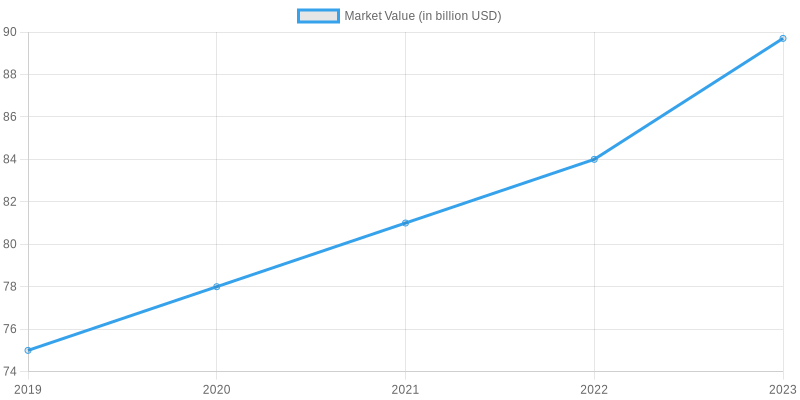
Source: Based on estimated market values from industry reports and projections.
Conclusion and Call to Action
Choosing reliable plastic food and beverage containers is not just a matter of convenience; it directly contributes to the operational success and customer satisfaction for businesses in the food industry. By utilizing high-quality, food-grade plastic containers, your establishment can achieve multiple benefits:
- Enhanced Freshness and Safety: These containers help maintain the integrity of your products, reducing spoilage and ensuring food safety, which is vital for maintaining your brand’s reputation.
- Operational Efficiency: Durable and leak-proof designs streamline storage and transport, making processes faster and more efficient, especially in fast-paced environments like restaurants or catering services.
- Sustainability: Many reliable plastic containers are recyclable or made from sustainable materials, aligning your business with consumer demand for environmentally responsible practices.
- Customer Satisfaction: Improved product presentation and packaging reliability lead to enhanced customer experiences, resulting in a potential increase in customer loyalty and repeat business.
Elevate your service and ensure you meet your customers’ expectations by choosing our reliable disposable tableware and packaging solutions for your business. Not only will you enhance your operational processes, but you’ll also reinforce trust with your customer base. Our products are designed to support your success while promoting a sustainable future in food service. For more insights on the benefits of plastic containers in the food industry, check out our detailed guide and discover how our packaging options can fit your needs.
“Plastics have made possible a bewildering range of new materials that can replicate the properties of existing ones, and can do things they cannot, while being lighter, more durable, and cheaper and easier to manufacture. The benefits they provide, in the form of reducing waste and cost, are all too easily overlooked.”
- The Economist, The Benefits of Plastics in Food and Beverage Packaging