
Introduction
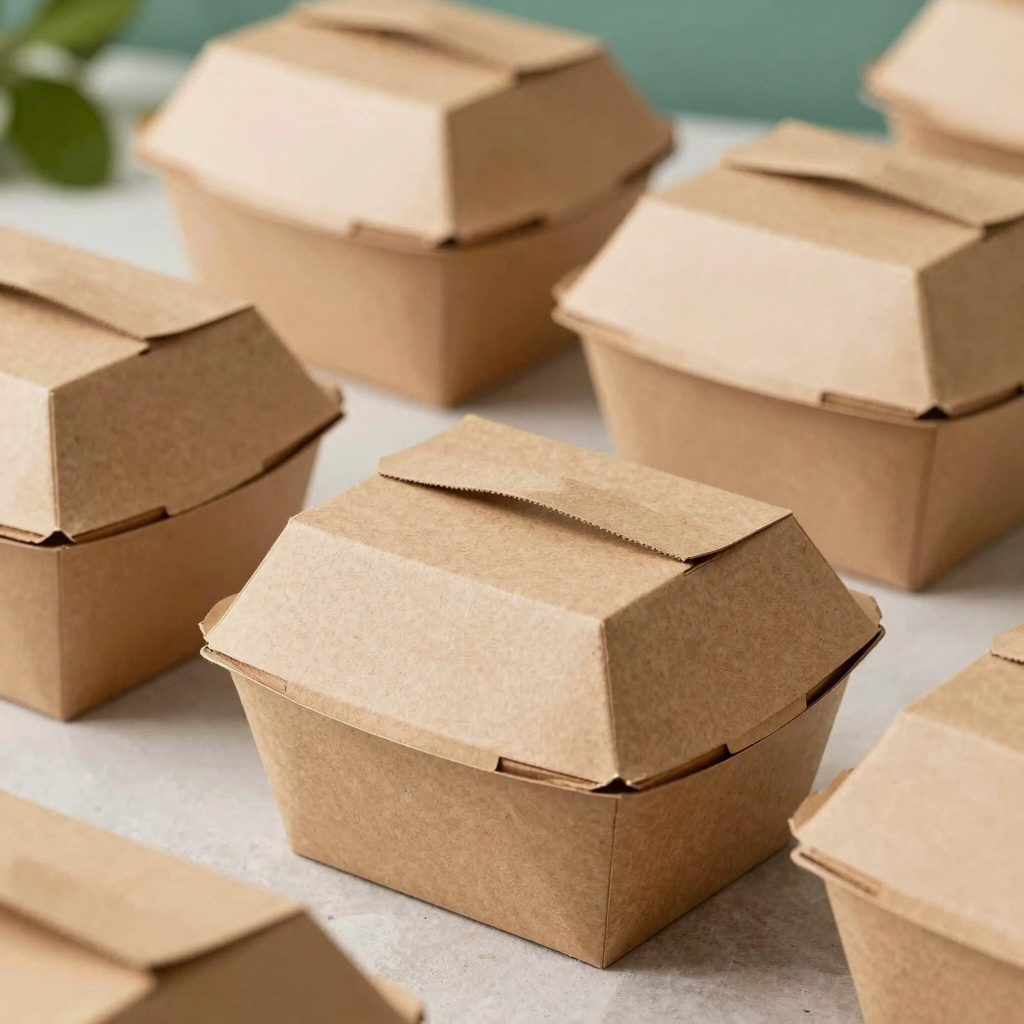
In the bustling culinary landscape of the UK, cardboard takeaway food boxes have emerged as essential packaging for bubble tea shops, restaurants, food trucks, and event planners. As consumer preferences evolve towards sustainability, the demand for eco-friendly packaging options has never been higher. With the growing consciousness about plastic pollution and the environmental impact of packaging choices, businesses are seeking durable and recyclable solutions to meet their needs. These cardboard boxes not only serve as a reliable vessel for delicious offerings, but they also align with the values of an environmentally aware clientele. This shift towards sustainable practices not only enhances brand loyalty but also resonates with the increasing emphasis on responsible consumption. Whether you’re looking to serve up a refreshing bubble tea or organize an outdoor event, understanding the significance of cardboard takeaway boxes is key to ensuring that your packaging reflects both quality and care for the planet. Discover more about non-plastic food containers and their role in the food industry.
Benefits of Cardboard Takeaway Boxes
Cardboard takeaway boxes offer an array of benefits that are crucial for businesses in the food service industry, especially for bubble tea shops and food trucks. Here are the key advantages:
- Sustainability: Made from recyclable materials, cardboard boxes significantly reduce environmental impact. They are biodegradable and align with growing consumer preferences for eco-friendly products, helping businesses enhance their brand image as sustainable options.
- Cost-Effectiveness: Usually lighter than plastic containers, cardboard boxes lower transportation costs while maintaining a competitive price point. The low initial investment makes them suitable for businesses of all sizes.
- Versatility: Available in various sizes and shapes, these boxes cater to different food types, from drinks to meals. They can be customized for branding, making them ideal for restaurants and event planners looking to enhance presentations.
Regulatory Standards for Cardboard Takeaway Food Boxes in the UK
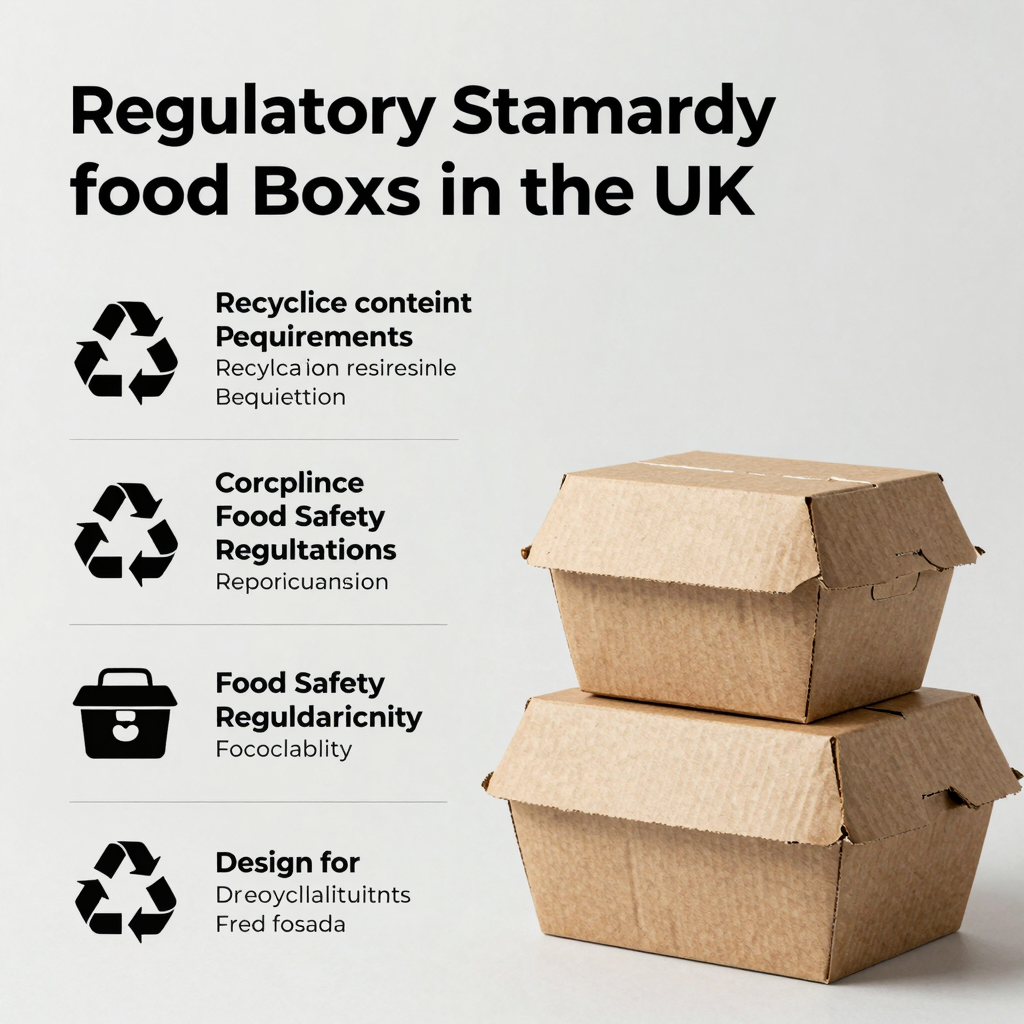
In the UK, cardboard takeaway food boxes must adhere to various safety and regulatory standards to ensure compliance and sustainability. These regulations serve not only to protect consumers but also to promote environmental responsibility within the food industry.
Key Regulations to Know:
- Packaging and Packaging Waste Regulations 2024: Effective January 1, 2024, this regulation mandates that all food packaging, including cardboard takeaway boxes, include a minimum recycled content (30% for paper-based packaging by 2025, increasing to 50% by 2030). Additionally, these products must be designed for recyclability, meaning they should be easily processed at the end of their lifecycle, without causing additional environmental harm.
- Food Contact Materials Compliance: Packaging must meet safety standards concerning materials that contact food. This includes ensuring that no toxic substances or dyes migrate into food, following regulations outlined by the UK Food Standards Agency. Manufacturers are responsible for obtaining evidence of compliance from suppliers.
- Sustainable Practices: It’s recommended to use uncoated or water-based coated cardboard to avoid plastic or wax coatings that hinder recycling. Additionally, packaging must be labeled clearly as recyclable and free from contaminants such as food residues.
Adhering to these standards is vital for food businesses to not only comply with the law but also to demonstrate a commitment to sustainability initiatives. For further information on sustainable packaging, check out this guide.
For businesses looking to source compliant products, partnering with reputable suppliers is crucial.
Growing Popularity of Cardboard Takeaway Boxes in the UK
In recent years, the food service industry in the UK has witnessed a significant shift towards the adoption of cardboard takeaway boxes, reflecting changing consumer preferences and regulatory frameworks.
According to a comprehensive report by WRAP (Waste and Resources Action Programme), more than 68% of surveyed restaurants and fast-food outlets had adopted or increased their use of cardboard containers by 2023. This move is largely driven by a robust consumer demand for sustainable options, with 74% of consumers stating they preferred businesses that utilize eco-friendly packaging. Additionally, cardboard has emerged as the most utilized material for takeaway food packaging, surpassing plastic and polystyrene due to its recyclability and lower carbon footprint.
The Foodservice Journal corroborates this growth, indicating that cardboard containers accounted for over 60% of all takeaway packaging in 2023, marking a 15% year-on-year increase. Furthermore, a YouGov survey revealed that 76% of UK consumers favor food delivered in cardboard packaging over plastic, encouraging 62% of food retailers to replace plastic containers with cardboard alternatives. The increasing acceptance of cardboard in food packaging not only enhances environmental stewardship but also aligns with consumer values, promoting positive brand perception among businesses.
With such strong statistics backing this trend, businesses in the food service sector are motivated to adopt cardboard solutions, enhancing customer satisfaction and sustainability initiatives. For more insights, check out our article on eco-friendly disposable food options.
Eco-Friendly Practices of Cardboard Takeaway Boxes
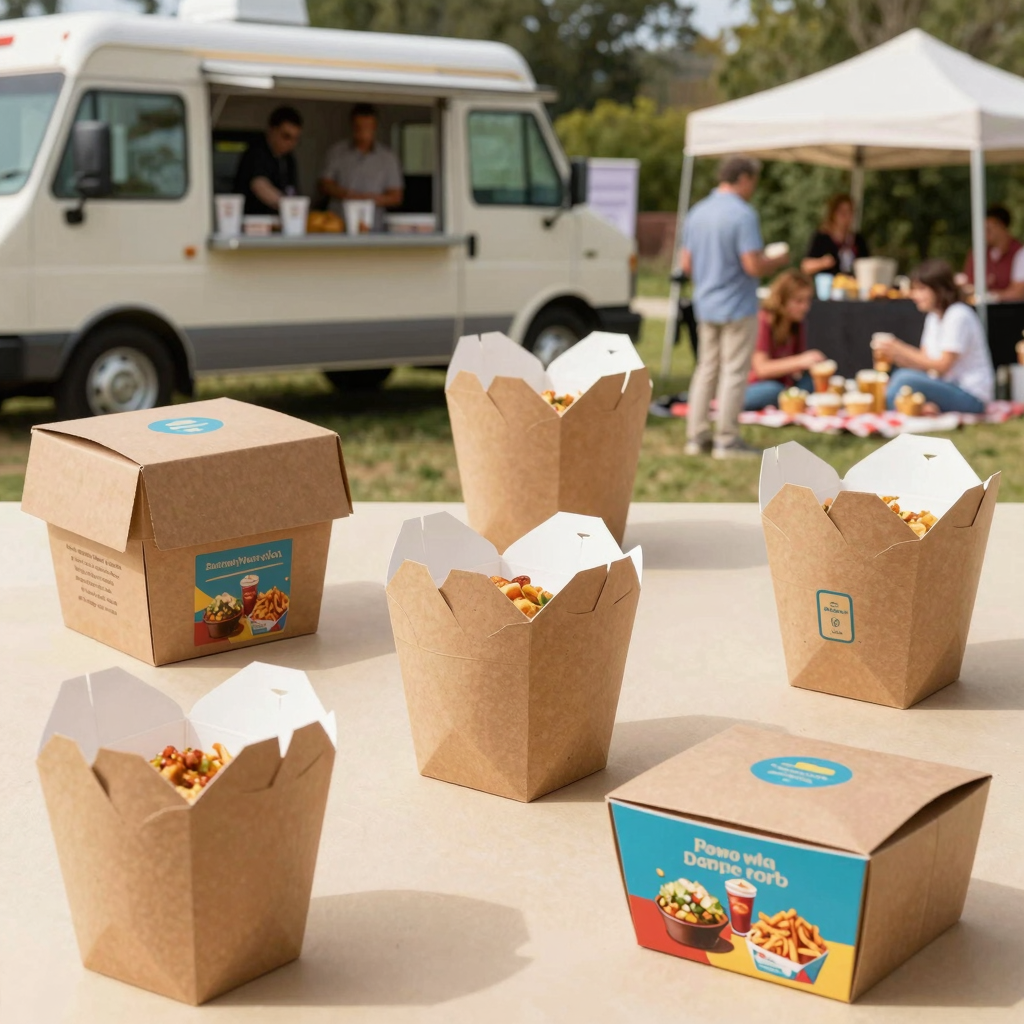
Cardboard takeaway boxes are making waves in the food service industry for their eco-friendly characteristics, which align perfectly with the sustainability values of many businesses today.
Recyclability and Biodegradability
The majority of cardboard takeaway boxes are designed to be fully recyclable, especially when they are free from contaminants and coatings. Many boxes are produced using post-consumer recycled content, which helps to reduce the demand for virgin materials. Once their useful life is over, consumers can easily recycle them, contributing to a circular economy. Additionally, most cardboard is biodegradable, breaking down naturally over time and minimizing landfill waste-the perfect choice for businesses looking to enhance their environmental footprint.
Enhancing Brand Image
Incorporating eco-friendly practices resonates well with target audiences, including bubble tea shops, restaurants, food trucks, catering services, and corporate procurement teams. By choosing cardboard takeaway boxes, these businesses can showcase their commitment to sustainability, which can be a significant differentiator in a competitive market. As consumers become increasingly aware of environmental issues, they are more likely to support brands that demonstrate responsible practices.
Conclusion
By investing in eco-friendly packaging, businesses not only foster a positive brand image but also contribute to a healthier planet. As more consumers prioritize sustainability, the demand for eco-conscious takeaway solutions like cardboard boxes is likely to grow, allowing businesses to meet customer expectations while supporting environmental stewardship.
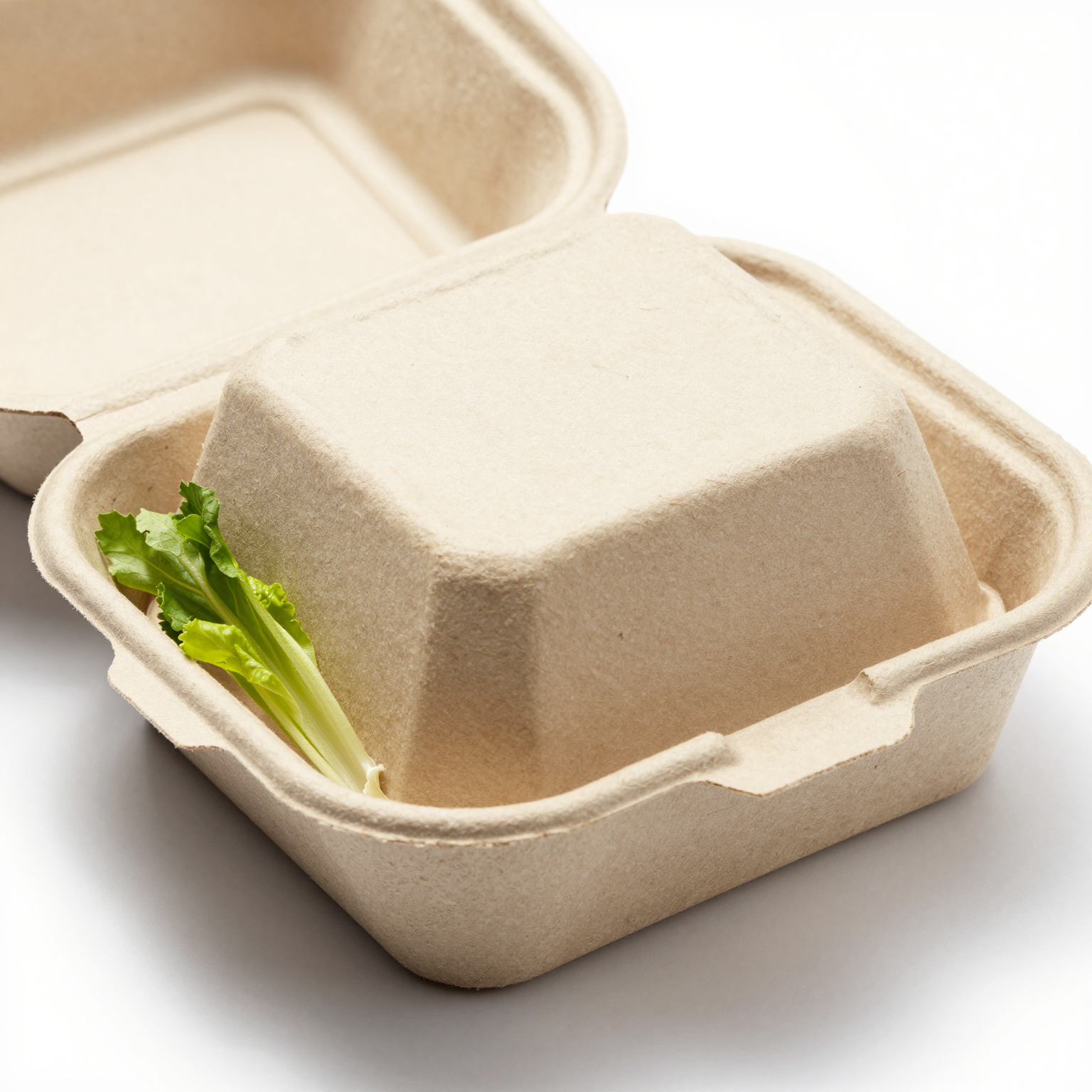
For additional insights, learn more about the benefits of using eco-friendly packaging and how it can influence purchasing decisions.
Here is a comparison table of the two main types of packaging options available for takeaway food: cardboard and plastic. This table highlights key factors such as cost, environmental impact, and durability, based on recent data.
| Packaging Type | Cost per Unit | Environmental Impact | Durability |
|---|---|---|---|
| Cardboard | Approximately £0.10-£0.15 per unit for standard boxes (FoodService Warehouse) | Biodegradable, recyclable, higher recycling rates (~80% in developed countries). Lower carbon footprint in production but requires more water and energy than plastic. | Less resistant to moisture; suitable for dry or mildly greasy foods unless coated. |
| Plastic | Approximately £0.03-£0.10 per unit depending on type and bulk purchase (EcoEnclose) | Non-biodegradable, contributes to ocean and microplastic pollution. Recycling rates are low (<30%). | High resistance to moisture and grease, making it ideal for oily or wet foods. |
Summary
- Cost: Plastic is generally cheaper per unit. However, the long-term costs may rise due to environmental regulations affecting its use.
- Environmental Impact: Cardboard is more eco-friendly but requires a higher initial resource input, whereas plastic poses a significant long-term pollution risk.
- Durability: Plastic offers superior moisture resistance, making it better suited for a wider variety of food items, especially wet or oily dishes.
For restaurants, food trucks, and catering services, selecting the right packaging solution will weigh heavily on operational needs and sustainability goals. Choosing eco-friendly cardboard options, particularly those with bio-based coatings, might align well with current consumer preferences for sustainable practices.
For more insights into eco-friendly options, check out this article.
In conclusion, when it comes to your packaging needs, partnering with us means choosing reliability, quality, and bespoke solutions tailored to your business’s unique requirements. At Ecocupbowl, we understand that every bubble tea shop, restaurant, food truck, and catering service has different needs, which is why we offer personalized support to find the perfect cardboard takeaway food boxes that not only keep your food fresh but also promote your brand.
Our vast selection ensures that you will find exactly what you need, from appealing designs to eco-friendly options. Don’t settle for generic solutions; elevate your service with packaging that matches your dedication to quality. Join the growing number of satisfied clients who trust us for their packaging solutions.
Ready to enhance your packaging? Explore our food packaging options today and see how we can make a difference for your business.
“Switching to eco-friendly kraft paper takeaway food boxes has improved our customer satisfaction immensely. They’re sturdy, leak-proof, and keep the food at the right temperature during delivery. We’ve seen a 15% increase in repeat orders since we made the switch!”
- Verified Restaurant Owner, UK
Enhance your food service with our quality disposable food packaging options.
Trends in Packaging Preferences
In recent years, UK consumers have shown a significant shift towards sustainable takeaway packaging, influenced by environmental concerns and changing purchasing behaviors. A 2023 report by Statista highlighted that 46% of consumers prioritize sustainability in their packaging choices, a notable increase from approximately 28% in previous years. This indicates a growing eco-conscious mindset among consumers, making sustainability a key factor in purchase decisions.
Key Trends in Consumer Preferences:
- Preference for Sustainable Materials: 46% of consumers now prioritize eco-friendly packaging options.
- Demand for Lightweight Packaging: 58% of consumers prefer packaging that is light but still functional, rising from 41% in previous years.
- Demand for Recyclable Packaging: With 72% of consumers now seeking recyclable materials, this represents a significant shift driven by brand transparency and regulatory changes.
- Willingness to Pay More: A growing 63% of consumers express readiness to pay a premium for environmentally friendly packaging, reflecting its perceived value.
The chart below summarises these trends:
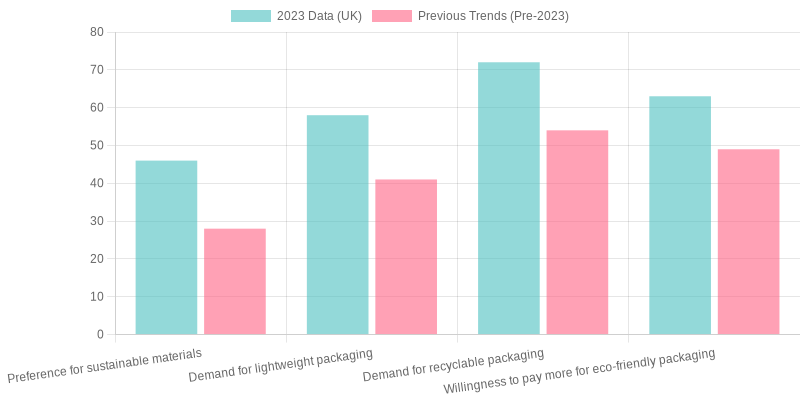
This rise in sustainable preferences not only influences consumer choices but also poses challenges and opportunities for businesses in the food and beverage industry. Brands that adapt to these trends by innovating their packaging solutions are likely to see enhanced customer loyalty and stronger market positioning.
For more insights on the importance of sustainable packaging in the food industry, check here and explore our non-plastic disposable food containers options.