
Introduction
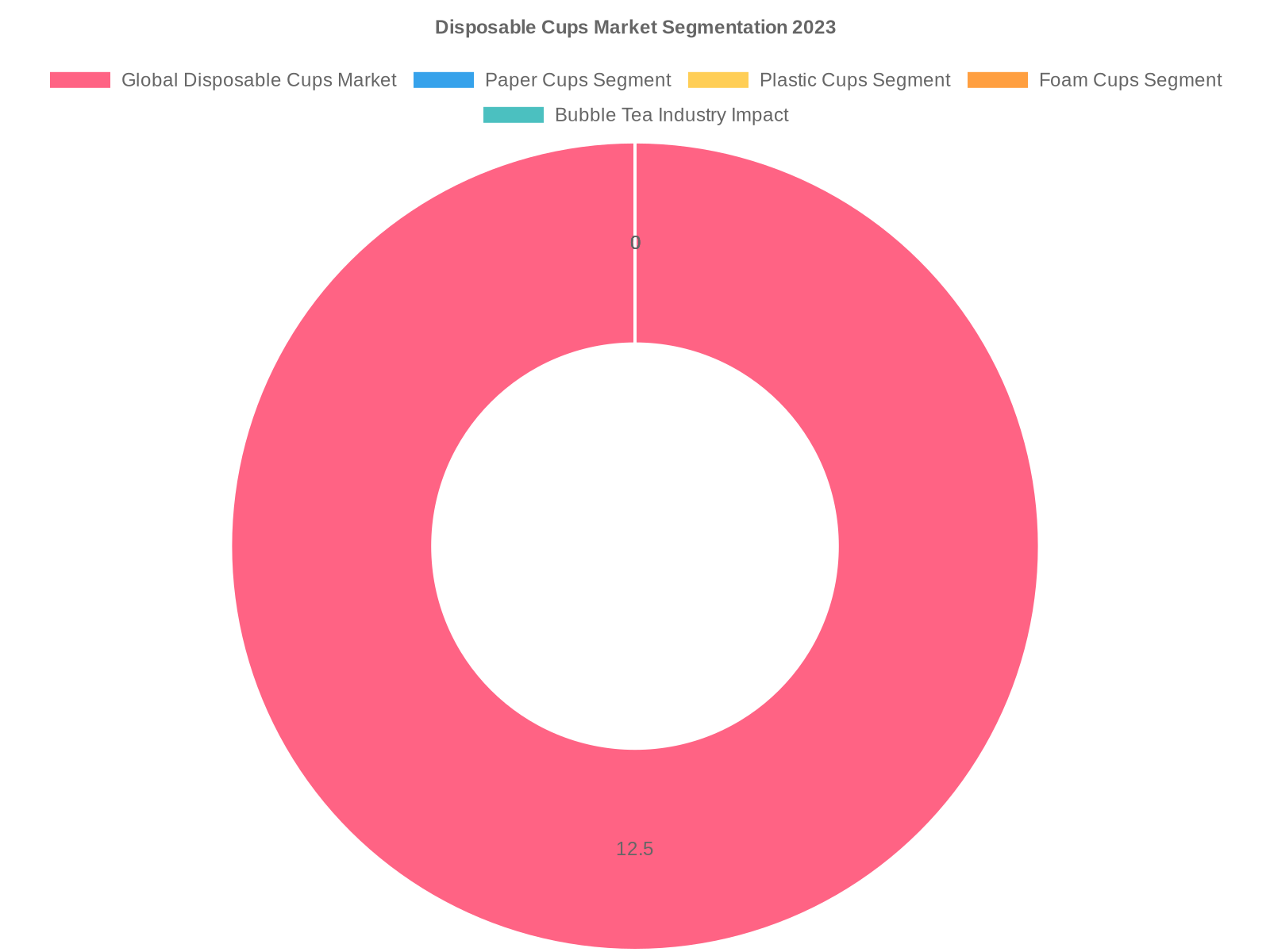
In recent years, the demand for industrial disposable plastic cup production lines has surged, particularly driven by the booming beverage industry. This sector, encompassing everything from bubble tea shops to catering services, requires efficient production systems that can produce high-quality cups at a rapid pace. As highlighted by the disposable cups market overview, the global disposable cups market is expected to grow from $12.5 billion in 2023 to $22.1 billion by 2033, growing at a CAGR of 5.9%.
In an environment where convenience and hygienic packaging are paramount, businesses must prioritize quality and efficiency in their production lines. With automated solutions capable of enhancing productivity and reducing operational costs, the importance of investing in a reliable production line cannot be overstated. This article will explore the critical role that these production lines play in ensuring that beverage providers, from bubble tea shops to large-scale events, meet consumer demands while maintaining high standards of quality and service.
Advantages of Disposable Plastic Cups for Service-Oriented Businesses
Disposable plastic cups have become a staple in service-oriented businesses like bubble tea shops, restaurants, and food trucks. These cups offer numerous advantages that make them an ideal choice for quick-service environments:
Convenience
- Time-Saving: Disposable plastic cups eliminate the need for washing, drying, and storing reusable alternatives. This significantly reduces labor and operational time, allowing staff to focus on serving customers efficiently.
- Lightweight & Versatile: These cups can hold both hot and cold beverages, catering to a wide range of menu items-from iced teas to hot lattes. Their sturdy design ensures they won’t leak or deform, even with carbonated drinks.
Safety
- Shatter-Resistant: Unlike glass, plastic cups are shatter-resistant, which reduces the risk of injury in busy environments. This makes them a safer choice for events and crowded settings.
- Reduced Cleanup: The disposable nature of these cups minimizes mess and cleanup time by over 30% compared to reusable options.
Cost-Effectiveness
- Bulk Purchasing: Businesses can purchase disposable cups in bulk at low per-unit costs, resulting in significant savings on supply expenses. Many suppliers also provide options for customized cups, which can enhance branding while remaining budget-friendly.
Addressing Environmental Concerns
While there are valid concerns about plastic waste, many manufacturers are now producing eco-friendly disposable plastic cups. Materials such as biodegradable PP (polypropylene) are being used, which comply with certifications like BPI and EPR standards for compostability (learn more about eco-friendly options). These advancements allow businesses to meet sustainability goals without compromising on quality or performance. By prioritizing sustainability in their purchasing practices, companies can align with consumer expectations for environmental responsibility.
| Model | Features | Production Speed | Cost (USD) | Suitability for Business Sizes |
|---|---|---|---|---|
| High-Speed Plastic Cup Line | Integrated system, high efficiency | Up to 2,100 cups/min | $150,000 – $300,000+ | Large-scale industrial manufacturers |
| Standard Disposable Line | Automated presses, basic functionality | 1,200 – 1,500 cups/min | $50,000 – $120,000 | Medium-sized businesses |
| Compact Customizable Line | Modular design, high customization options | 600 – 900 cups/min | $20,000 – $60,000 | Small businesses, niche custom producers |
*Sources: Alibaba.com, Made-in-China.com
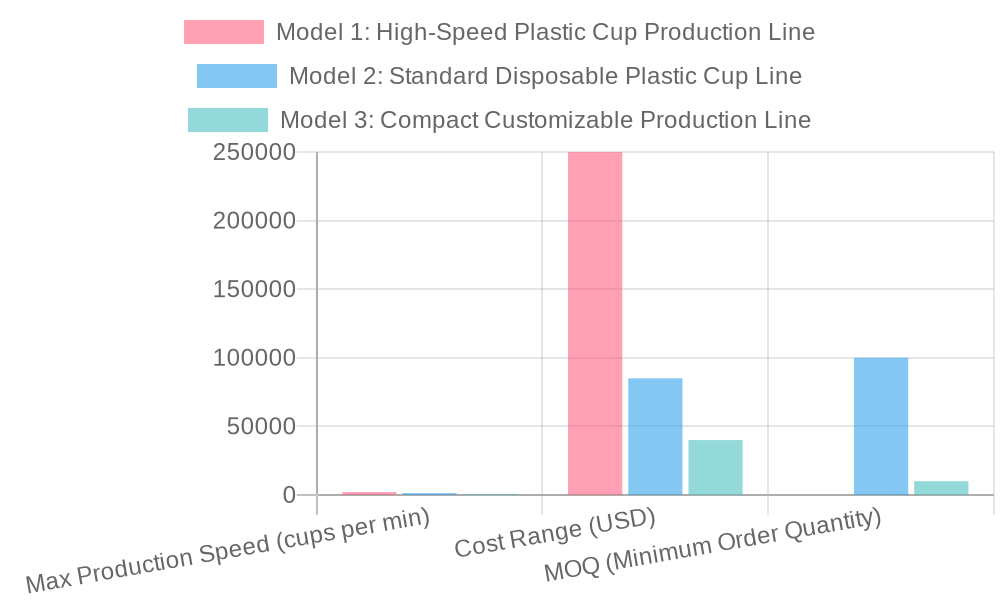
This table serves as a guide for bubble tea shops, beverage chains, restaurants, food trucks, catering services, and corporate procurement teams to make informed decisions regarding their disposable plastic cup production lines.
Market Trends in the Disposable Plastic Cup Industry
The disposable plastic cup industry is currently experiencing significant growth, particularly driven by the boom in both the bubble tea and broader beverage markets. In 2023, the global market for disposable cups was valued at approximately $12.5 billion, and it is projected to reach $22.1 billion by 2033, growing at a remarkable CAGR of 5.9% (Market Research Future). This growth can be attributed to increasing consumer preferences for convenience, hygiene, and fast service, particularly in catering and event planning sectors.
The rise of bubble tea-especially in Asia-Pacific, North America, and Europe-has been a notable driver in the demand for disposable plastic cups. The industry is projected to reach $5.62 billion by 2034 from a current valuation of $2.83 billion in 2025 (Grand View Research). The allure of customizable, visually appealing drinks has made plastic cups essential branding tools for these businesses.
However, consumer preferences are shifting as environmental concerns rise. More businesses are exploring sustainable alternatives to traditional plastic cups, including biodegradable and reusable options. In regions with strict environmental regulations, there is an increasing demand for microplastic-free solutions. This shift is creating a dynamic market environment that encourages innovation in materials and designs.
Case Study: A Beverage Chain Transformation with Disposable Plastic Cups
Introduction
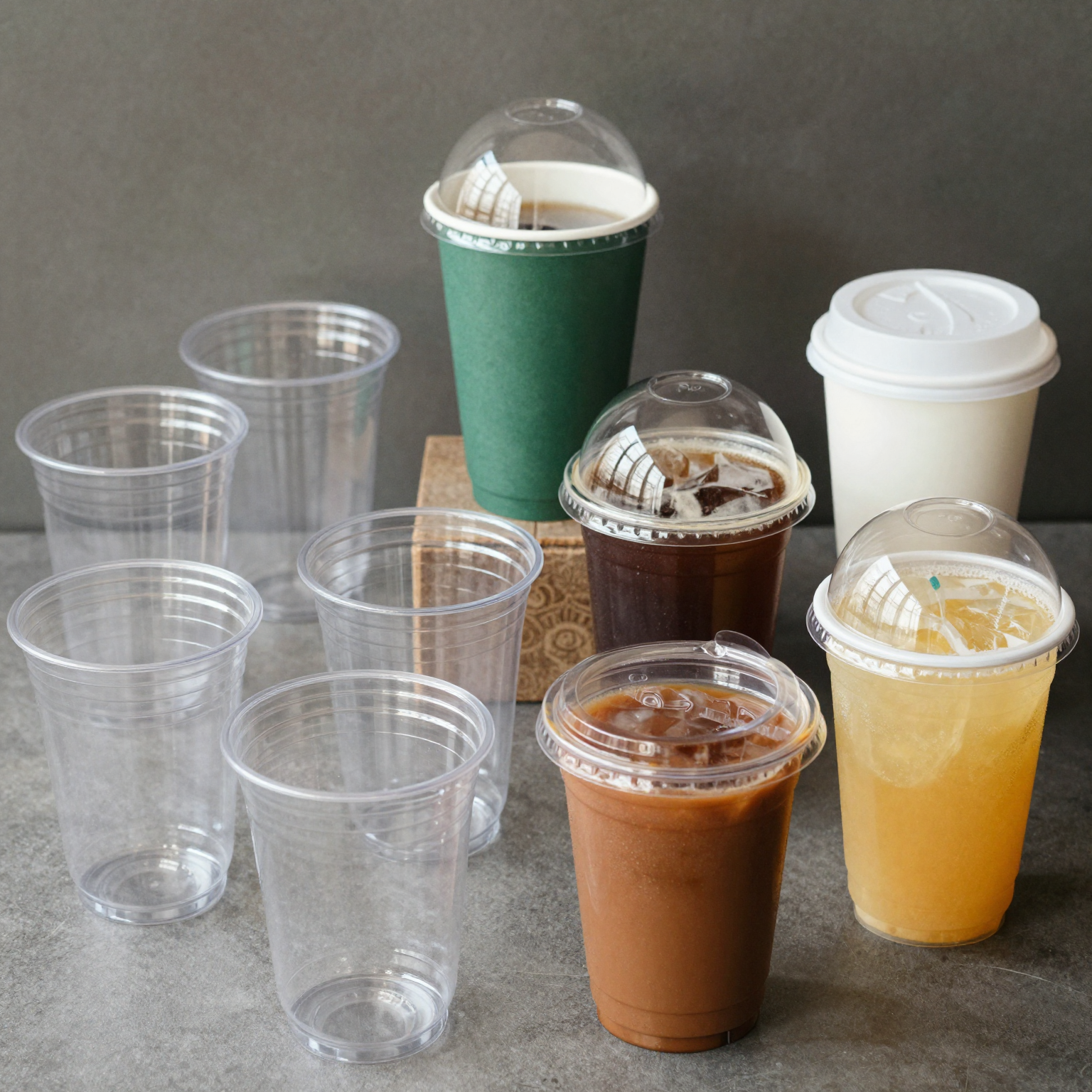
In the competitive beverage industry, efficiency and cost-effectiveness are paramount for success. A prominent bubble tea chain, Bubble Delight, embarked on a significant transformation by upgrading to a state-of-the-art disposable plastic cup production line. This move significantly improved service delivery and reduced operational costs, marking a successful case study worth sharing with other food and beverage businesses.
Challenge
Prior to the upgrade, Bubble Delight faced several challenges:
- High Operational Costs: The chain incurred heavy expenses with biodegradable cup options that were costly and led to extended service times.
- Service Efficiency: Slow cup supply and quality inconsistencies hindered high-volume transactions, especially during peak hours.
The Solution
To combat these issues, Bubble Delight adopted an advanced disposable plastic cup production line. This technology allowed the company to manufacture high-quality disposable cups tailored to their needs at a lower cost. Here’s how they achieved their goals:
- Cost Reduction: The new production line reduced cup manufacturing costs by approximately 30%, leading to a significant decrease in overall operational costs.
- Increased Efficiency: With the capacity to produce over 100,000 cups daily, service times improved, allowing staff to serve customers faster.
- Sustainability: The cups are made from food-grade polypropylene (PP), ensuring they are safe for hot and cold beverages while being recyclable, addressing customer concerns about environmental impact.
Results
The transformation yielded notable results:
- Customer Satisfaction: Customer feedback highlighted satisfaction with the new cups, emphasizing their durability and convenient use. One customer noted, “These cups hold my bubble tea without leaking, and I love that they look great too!”
- Revenue Growth: Bubble Delight reported a 20% increase in sales within six months of implementing the production line, attributed to better service speed and product quality.
- Time Savings: Employees noted a 25% reduction in service time during peak hours, allowing them to handle more customers efficiently. This operational enhancement indicates the direct correlation between cup availability and customer service.
Testimonials
Customers and staff shared their experiences:
- Lisa, a regular customer:
“I noticed a huge difference in my visits. The staff serves quicker, and the cups are perfect for hot drinks!”
- Mark, a store manager:
“Switching to these cups was the best decision we made! Less waste and happier customers mean we are thriving!”
Conclusion
Bubble Delight’s choice to invest in a reliable disposable plastic cup production line exemplifies how operational upgrades can streamline service while reducing costs in the beverage industry. This case study illustrates the important balance between efficiency, customer satisfaction, and environmental responsibility, essential for modern beverage chains. Other businesses looking to enhance their operations can learn from Bubble Delight’s successful strategy. For further information on disposable solutions for your food service, check out EcoCup Bowl’s insights on disposable plastic products.
Ensuring a sustainable approach in your operational strategies is not only beneficial for your bottom line but also speaks volumes to your customers about your commitment to quality and responsibility.
Production Process Overview of Disposable Plastic Cups
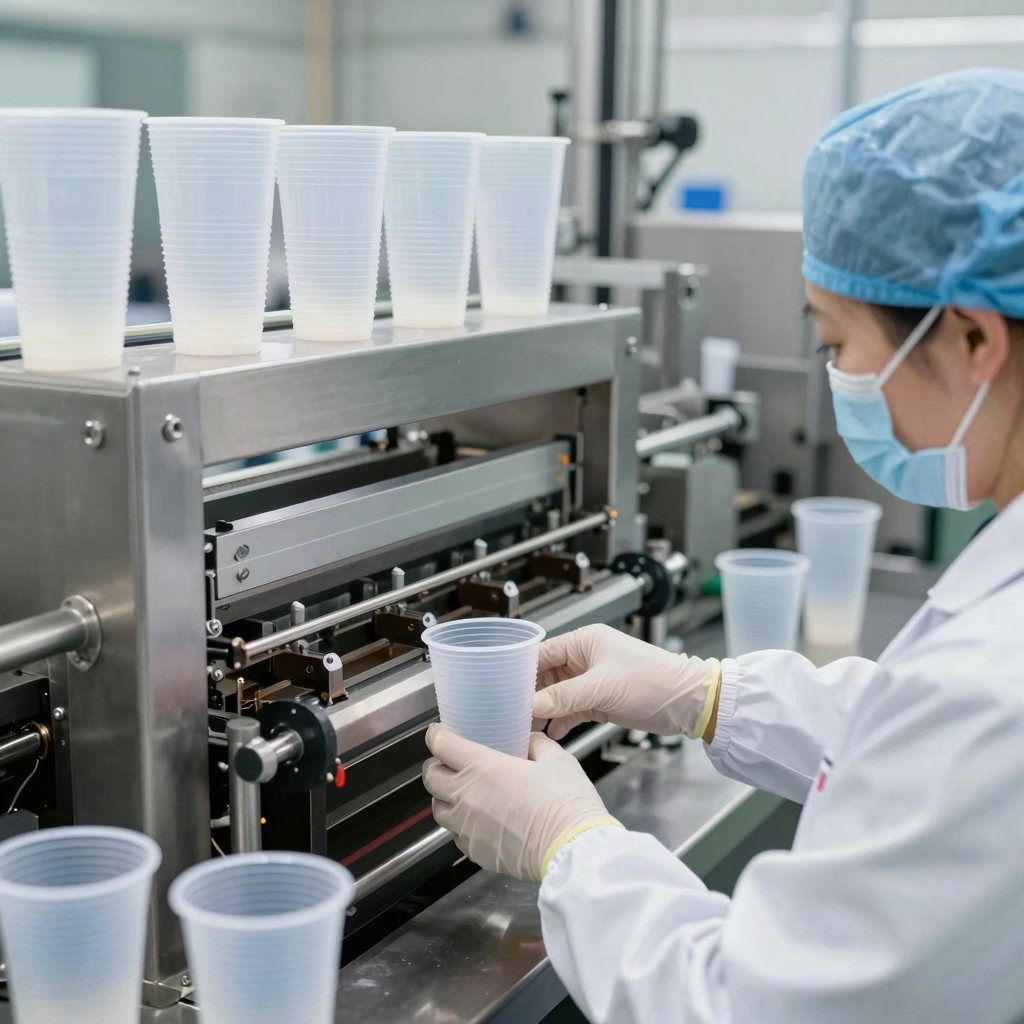
The production of disposable plastic cups is a technical endeavor that combines precision engineering, advanced technology, and a commitment to quality control. Understanding the production process is essential for bubble tea shops, beverage chains, restaurants, food trucks, catering services, event planners, and corporate procurement teams, as they rely on these products for convenience and efficiency in serving their customers.
Key Steps in the Production Process
-
Material Preparation:
The journey begins with the selection of raw materials, predominantly food-grade polypropylene (PP) or polystyrene (PS) pellets. These plastic resins are suitable for food contact and ensure safety for consumers. -
Melting and Extrusion:
The plastic pellets are melted and extruded into a continuous sheet. This process involves heating the material to its melting point and forcing it through an extruder. -
Thermoforming:
Once the sheet is prepared, it is fed into a high-speed thermoforming machine. Here, heat and vacuum pressure shape the plastic into the desired cup form. This crucial step allows for high-volume production with precise cup dimensions. -
Cooling and Ejecting:
After forming, the cups must cool down to retain their shape. Cooling systems manage this phase efficiently, ensuring that the cups are ejected from the molds without deforming. -
Cutting and Sealing:
The cups are then cut to size and sealed, securing any lids if necessary. Automated cutting and sealing units enhance efficiency and maintain consistency across production batches. -
Quality Control Measures:
Quality assurance is a non-negotiable step in production. Real-time inspection systems monitor cup wall thickness, dimensions, and structural integrity. Regular testing is also conducted to check for leakage and compliance with safety standards.
Required Machinery
- Extruders: For melting and shaping the plastic.
- Thermoforming Machines: Essential for molding the cups.
- Cooling Systems: To solidify and maintain cup shape.
- Automated Cutting/Sealing Units: For precision in final product preparation.
- Quality Control Tools: Such as vision systems that check for defects.
Having advanced machinery is vital not only for volume production but also for minimizing waste and ensuring consistency. Many manufacturers are now employing integrated production lines that utilize energy-efficient technologies and AI-driven solutions, allowing for rapid output and adaptability to market demands.
Importance of Efficiency and Technology
In the modern production of disposable plastic cups, efficiency is paramount. The ability to produce upwards of 800,000 cups daily without compromising quality is achievable through optimized processes and the latest manufacturing technologies. This capacity allows businesses to respond quickly to market needs, reducing downtime and maximizing profitability. Furthermore, advancements such as automated systems contribute to a safer working environment by minimizing the need for manual handling and labor-intensive tasks.
By focusing on efficiency, beverage businesses can also significantly lower their operational costs while ensuring that they meet consumer demand. The synergy between technology and production practices not only elevates the standard of disposable products but also contributes to a more sustainable environment by minimizing resource use and waste production.
In summary, the production of disposable plastic cups is a sophisticated process that hinges on careful planning, quality oversight, and technological advancement. By leveraging these elements, businesses can ensure that they meet customer expectations while maintaining high standards of safety and efficiency. For further insights on related topics, feel free to explore our blog on plastic container use in the food industry and check out our custom disposable plastic cups.
This overview provides a glimpse into the intricate world of disposable plastic cup production, tailored for those in the food and beverage sector seeking the best solutions for their business needs.
“The core of improving production efficiency in modern factories lies in implementing Lean Management principles. This approach, inspired by Toyota’s production system, focuses on creating maximum value with minimal resource investment by eliminating waste, shortening production cycles, and enhancing quality and workflow speed. In manufacturing, this methodology has proven to significantly reduce inventory, lower costs, boost employee morale, and enhance overall operational efficiency.”
- Lean Management Institute
To visualize the advanced technologies in disposable cup production, consider the incorporation of high-speed machinery. For example, modern automatic paper cup machines can produce between 100 to 120 cups per minute, with some models capable of reaching up to 210 cups per minute. Such advancements not only enhance production rates but also minimize energy consumption and downtime, making them pivotal in the quest for efficiency in production lines.
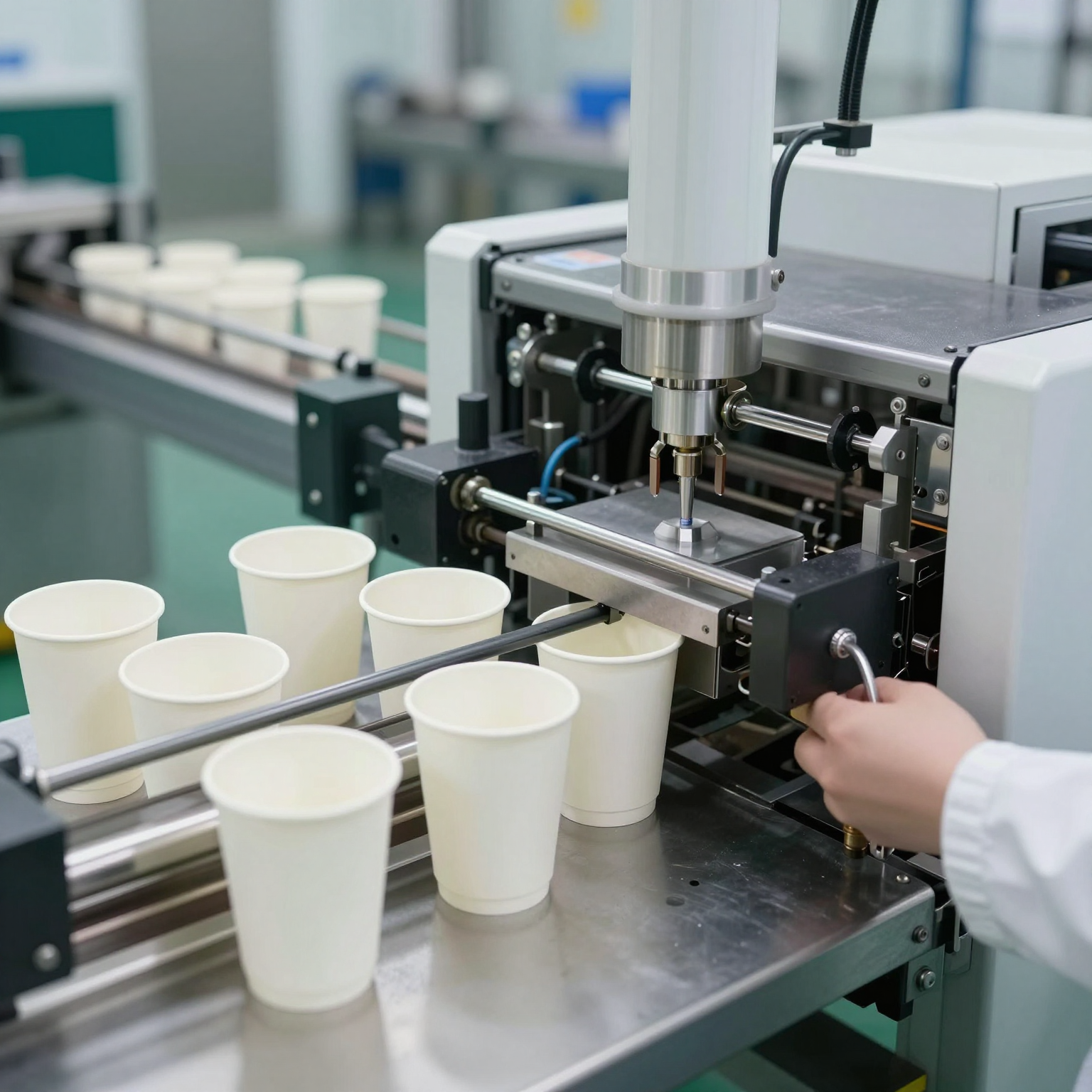
When selecting a production line for disposable plastic cups, businesses should consider several critical factors:
-
Cost: Analyze the overall cost of ownership, including purchase price, operating expenses, and maintenance costs. Understanding the total cost can help you avoid unexpected expenses in the future.
-
Output Capacity: Evaluate the output capacity of the production line, which can range from 1,000 to 10,000 cups per hour depending on the machine model. Choose a line that meets your production needs based on demand forecasts. For a more detailed comparison, check out the production capacities of various models in the chart below.
-
Material Compatibility: Ensure the machinery can handle the types of plastic materials (like PP, PS, or PLA) you intend to use.
-
Energy Efficiency: Look for machines with low energy consumption to help reduce operational costs.
-
Support and Services: Verify that the supplier offers reliable technical support and spare parts availability to minimize downtime.
By focusing on these factors, businesses can make informed decisions about their production line choices. Learn more about the importance of cost analysis and explore different types of disposable cups.
In conclusion, selecting a reliable production line for disposable plastic cups is essential for ensuring high productivity and product quality in the beverage and food service industries. Key points discussed throughout this article include the significance of automation to enhance production efficiency, the flexibility of using various materials like PS, PET, and PP, and the importance of compliance with safety standards to guarantee product integrity. High-quality production lines not only positively impact operational costs but also help businesses maintain a competitive edge by ensuring a consistent supply of robust products.
For businesses ranging from bubble tea shops to large beverage chains, investing in a state-of-the-art production line means better quality control and the ability to respond swiftly to market demands. If you’re ready to elevate your business’s capabilities and ensure customer satisfaction with premium-quality disposable plastic cups, we invite you to choose our services.
Contact us for quotations. Let us help you find the perfect solution tailored to meet your specific production needs, ensuring that you stay ahead in this fast-paced market!