
The Alluring Aroma of Incense: A Flavorful Partnership for Food and Beverage Businesses
In the vibrant world of food and beverage, the senses play a pivotal role in creating memorable experiences. One sensory aspect often overlooked is aroma. Incense has long been celebrated for its aromatic properties, creating a captivating atmosphere that can enhance the dining experience. The captivating scents of incense can set the mood, elevate flavors, and even draw customers into bubble tea shops, restaurants, and catering events. As the food and beverage industry strives to create unique consumer experiences, the appeal of using incense to complement and elevate dishes becomes apparent.
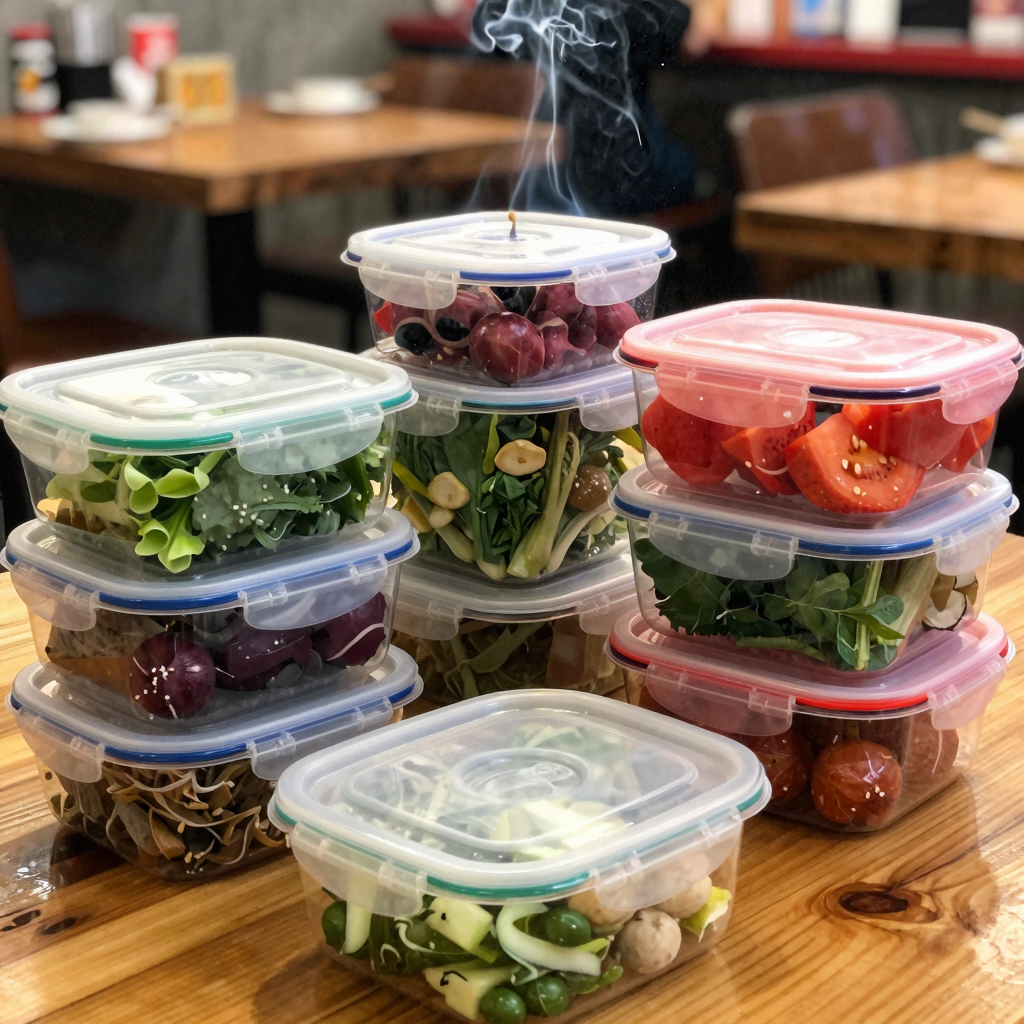
However, amidst enhancing ambiance and flavors, it is vital to ensure that the freshness and integrity of food are maintained. This is where plastic airtight food containers come into play. These containers are essential for preserving flavors and freshness by preventing exposure to air, moisture, and odors. According to The Spruce Eats, using airtight storage significantly reduces oxidation and microbial growth, leading to enhanced preservation of food quality. Modern innovations in sealing technology, such as vacuum-seal designs, ensure that foods stay fresh for longer periods, even in bustling environments like food trucks or busy restaurants.
By combining the sensory experience of incense with quality food preservation techniques, businesses can create enticing environments where customers are not only drawn in by aroma but can also savor the complete freshness of their favorite foods. As we delve further into these topics, we will explore the optimal use of scents in dining experiences, coupled with practical solutions for maintaining food integrity through proper storage practices.
Benefits of Using Plastic Airtight Food Containers for Food Service Businesses
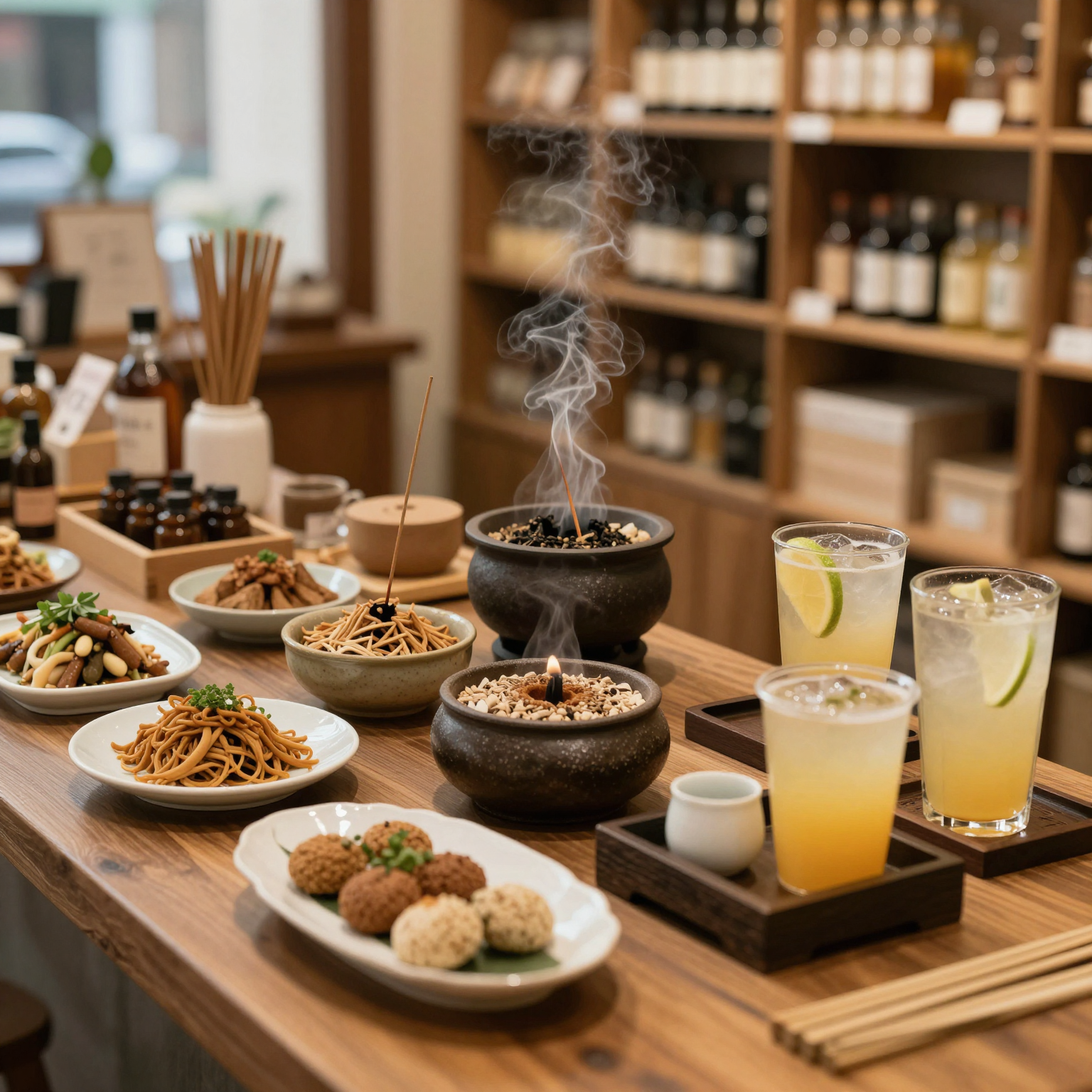
Plastic airtight food containers offer numerous advantages for food service businesses, particularly for bubble tea shops, catering services, and restaurants. Here’s an overview of the key benefits:
1. Preservation of Freshness
Airtight containers effectively lock out moisture and air, crucial for maintaining the quality of products like bubble tea ingredients, fresh produce, and prepared meals. Studies show that using these containers can extend food freshness by up to 30 days compared to non-airtight alternatives. Learn more about the advantages of airtight food storage.
2. Prevention of Contamination
The sealed design of airtight containers minimizes exposure to contaminants, preventing cross-contamination of food items. This feature is especially vital in environments with multiple ingredients, helping to preserve the unique flavors and freshness of each item. The containers also prevent odor transfer between different foods, maintaining a pleasant customer experience.
3. Cost-Effective and Space-Saving
These containers are not only durable but also lightweight, reducing shipping costs. Their stackable design optimizes storage space, making it easier for food service businesses to manage inventory efficiently. By minimizing clutter, these containers help streamline workflows in kitchens where space is often at a premium.
4. Ease of Use
With built-in dispensers and easy-seal designs, airtight containers allow for quick access to ingredients and greater efficiency during food preparation. This ease of use is particularly beneficial for high-paced environments like food trucks and bubble tea shops, where speed and accuracy are critical.
5. Enhanced Sustainability
Many plastic airtight containers are produced from BPA-free materials and are recyclable, catering to the growing consumer demand for sustainable practices. This focus on eco-friendliness not only aligns with environmental regulations but also enhances the brand image of restaurants and catering services as responsible and forward-thinking.
6. Compliance with Health Standards
Using food-grade materials ensures that airtight containers meet safety regulations, safeguarding customer health and supporting compliance with food safety standards. Such adherence also reassures customers about the quality of the food they consume.
Conclusion
In conclusion, plastic airtight food containers present a versatile and beneficial solution for food service businesses, enhancing operational efficiency and customer satisfaction while supporting food safety and waste reduction. Embracing these containers can aid in achieving lasting success in the competitive food industry. For additional insights, check out how restaurants can reduce waste with proper packaging strategies here.
The Environmental Impact of Packaging Solutions in the Food Industry
In today’s world, the urgency for eco-friendly practices has reached a critical apex, particularly in industries that influence our daily lives, such as food and beverage. Packaging solutions play a paramount role in this discussion, especially for businesses like bubble tea shops, restaurants, food trucks, and catering services. The choices made in packaging not only affect the quality and safety of food but also have significant implications for environmental sustainability.
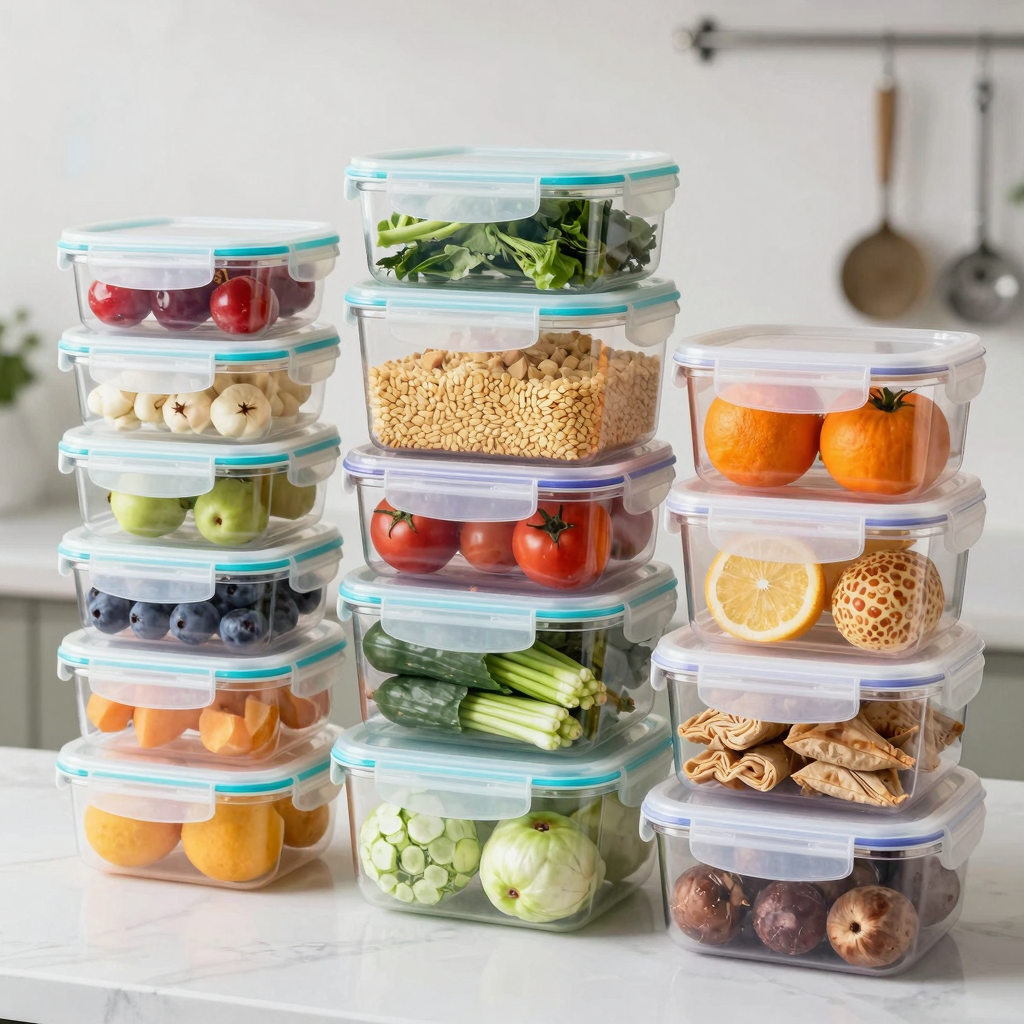
Packaging materials, especially plastics, pose substantial challenges. Traditional plastic production and disposal contribute heavily to pollution and landfill waste. However, the adoption of recyclable plastic, particularly in airtight containers, changes the narrative. These containers not only preserve food freshness but also greatly reduce the carbon footprint associated with single-use plastics.
Why Eco-Friendly Practices Matter
For the food industry, eco-friendly practices are more than a trend; they are a necessity. Consumers are now more conscious of their purchasing decisions, favoring brands that demonstrate a commitment to sustainable practices. This shift in consumer behavior emphasizes the importance of reducing environmental harm, making sustainable packaging solutions imperative.
The World Resources Institute highlights that food packaging contributes to significant environmental costs, including greenhouse gas emissions and resource depletion. Eco-conscious businesses need to consider these impacts when selecting their packaging solutions. Eco-friendly packaging materials, like recyclable plastics, significantly lessen these adverse effects by promoting recycling and reducing waste.
Recyclable Plastics in Airtight Containers
Airtight containers made from recyclable plastic are not just beneficial for maintaining food quality; they also support sustainability goals. These materials can be collected and recycled, cutting down on the environmental burden caused by traditional plastics. Additionally, advancements in recycling technologies make it easier to process these materials efficiently.
One key benefit of using recyclable plastics in airtight containers is their multifunctionality; they can cater to various food types, making them versatile for different businesses. For instance, bubble tea shops or catering services can utilize these containers for drinks and food, ensuring freshness while adhering to eco-friendly principles.
Making the Change
Transitioning to sustainable packaging requirements thoughtful consideration and perhaps a bit of an initial investment, but the long-term benefits far outweigh these costs. Businesses that proactively adopt eco-friendly packaging can improve their public image, attract environmentally-conscious consumers, and ultimately save costs associated with waste management.
As more businesses embrace these changes, we can expect a broader acceptance of sustainable packaging solutions. Initiatives like the creation of systems for taking back used containers and creating new products from them exemplify how innovation can lead to better practices in the food industry.
In conclusion, as we enjoy our favorite foods and beverages, we must remain mindful of the impact our choices have on the environment. By opting for recyclable packaging solutions like airtight containers, businesses in the food industry can contribute to a more sustainable future. For those looking to learn more about specific solutions, check out these sustainable packaging examples to inspire change in your operations.
Together, let’s take steps toward a healthier planet, one package at a time.
| Container Type | Material | Cost | Durability | Best Use Cases |
|---|---|---|---|---|
| Polypropylene (PP) | #5 | $$ | High durability, microwave-safe | Ideal for reheating and all-purpose storage; suitable for soups and sauces in catering. |
| Polyethylene Terephthalate (PET) | #1 | $- | Moderate; single-use recommended | Best for cold drinks and takeout; not reusable, great for transporting bubble tea. |
| High-Density Polyethylene (HDPE) | #2 | $$ | Good, resistant to chemicals | Great for bulk storage and long-term use; suitable for dry foods and sauces in catering. |
| Polystyrene (PS) | #6 | $ | Brittle and low durability | Good for single-use items like takeout boxes; not recommended for hot foods. |
Additional Insights
- Polypropylene (PP) is favored by professionals for its strength and versatility in different temperature settings, making it ideal for bubble tea shops that need to serve warm and cold beverages.
- PET is lightweight and cost-effective, perfect for beverage containers where single-use is acceptable.
- HDPE containers are a good option for storing larger quantities of ingredients or pre-made items due to their robustness.
- Polystyrene (PS) is common in takeout containers but may not hold up well under heat, which is a consideration when serving hot food items.
Explore more about the different types of plastic food containers to help make the best choice for your business needs.
“Since integrating the plastic airtight containers from EcoCupBowl into our operations, our food preservation has improved tremendously! We run a busy bubble tea shop, and we often had issues with our ingredients spoiling or losing freshness too quickly. However, since switching to these airtight containers, our fruits, boba pearls, and even syrups stay fresh for days longer! Not only have we seen a reduction in ingredient waste, but our customers have also noticed the difference in taste, which has boosted our sales. Furthermore, the containers are not just practical; they look great on our shelves! We couldn’t be happier with our choice!”
- Sarah J., Owner of Bubble Bliss Teahouse
Our containers not only enhance food preservation but also contribute to significant improvements in customer satisfaction. For more insights on how our products can benefit your business, check out our article on plastic containers for the food industry or learn about our customized clear plastic cups.
By implementing EcoCupBowl’s airtight storage solutions, you’re not just investing in quality products but also in the satisfaction of your own customers. Join the many happy businesses that trust us to keep their ingredients fresh!
Safety Standards for Food Packaging: Plastic Airtight Containers
Food safety is paramount, especially in today’s fast-paced culinary industry, where the quality and safety of food products are closely scrutinized. For establishments like bubble tea shops, restaurants, and catering services, understanding the safety standards that plastic airtight containers must meet is crucial. These containers not only maintain the freshness of offerings like sauces and teas but also safeguard against contamination, ensuring customer trust and satisfaction.
Key Safety Standards for Plastic Airtight Containers
-
FDA Regulations: In the United States, the Food and Drug Administration (FDA) oversees the safety of food-contact materials. Specifically, regulations under 21 CFR 177.1520 and 21 CFR 177.2600 detail requirements for materials used in food packaging. These standards ensure that containers are made from safe plastic resins that do not leach harmful substances.
-
Resin Identification Codes: The safest types of plastic for food containers include:
- Resin ID #2 (High-Density Polyethylene – HDPE): Known for its high strength and recyclability (safe for dry goods).
- Resin ID #4 (Low-Density Polyethylene – LDPE): Flexible and durable, suitable for various packaging needs.
- Resin ID #5 (Polypropylene – PP): Highly resistant to heat, making it microwave-safe and ideal for both disposable and reusable containers.
-
EU Regulations: The European Union follows strict guidelines outlined in Regulation (EC) No 1935/2004, which requires thorough testing of plastic materials to prevent harmful chemical migration into food. This includes limits on phthalates and BPA, which are frequently discussed regarding health impacts.
-
BPA-Free Labeling: Many manufacturers seek to assure consumers by labeling their products as BPA-free, indicating no presence of bisphenol A, a chemical linked to health concerns. This signifies a commitment to providing safe options for consumers.
-
Environmental Responsibility: Certifications such as EPR (Extended Producer Responsibility) emphasize the ecological impact of plastic production and disposal, encouraging manufacturers to create sustainable solutions that benefit both consumers and the planet.
Commitment to Quality and Safety
At EcoCup Bowl, we take pride in adhering to these critical standards and regulations, ensuring our airtight plastic containers are safe for food use. By prioritizing safety, quality, and environmental responsibility, we help our clients maintain the highest level of food safety in their operations. This commitment not only enhances the overall consumer experience but also fosters brand loyalty among conscientious businesses.
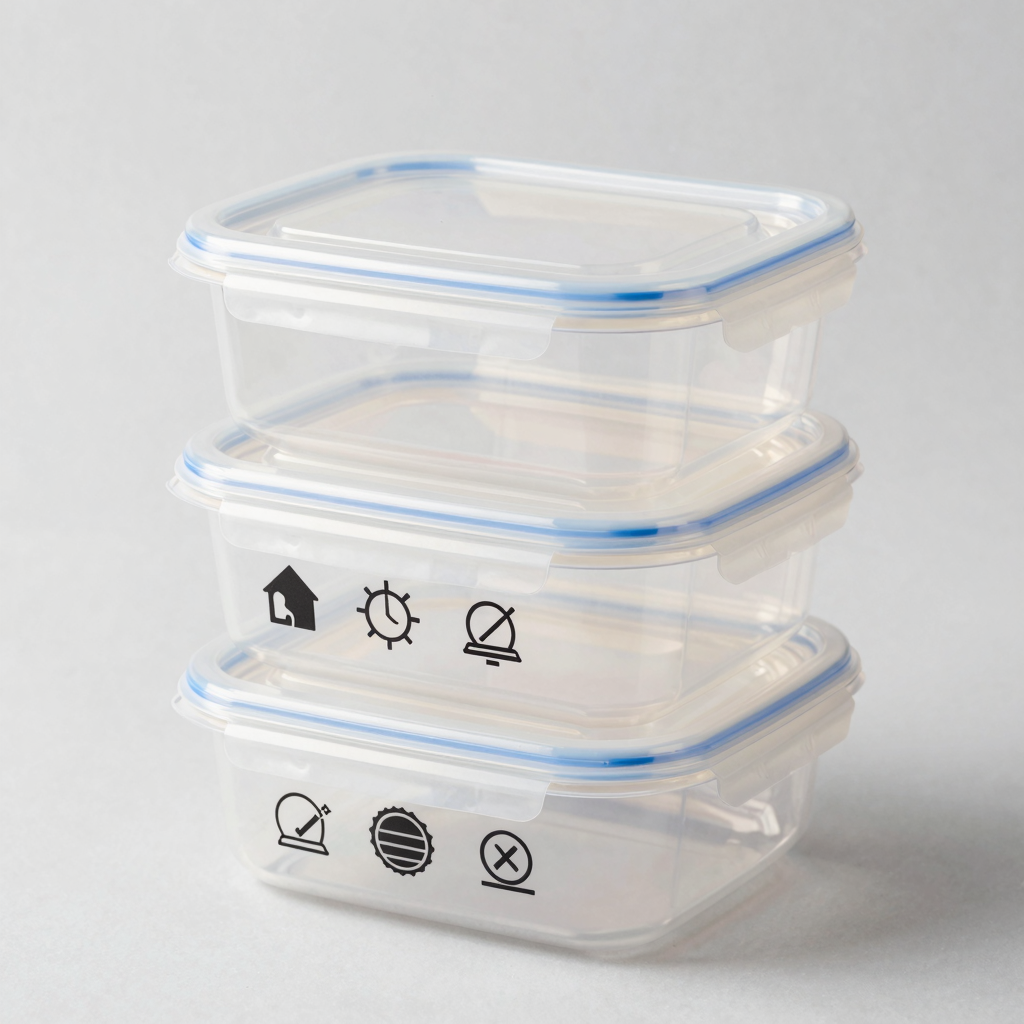
For further insights on the safety of plastic food containers and how they benefit your establishment, you can learn more about food container safety or explore the various types of containers we offer.
Growth of the Food Delivery Market
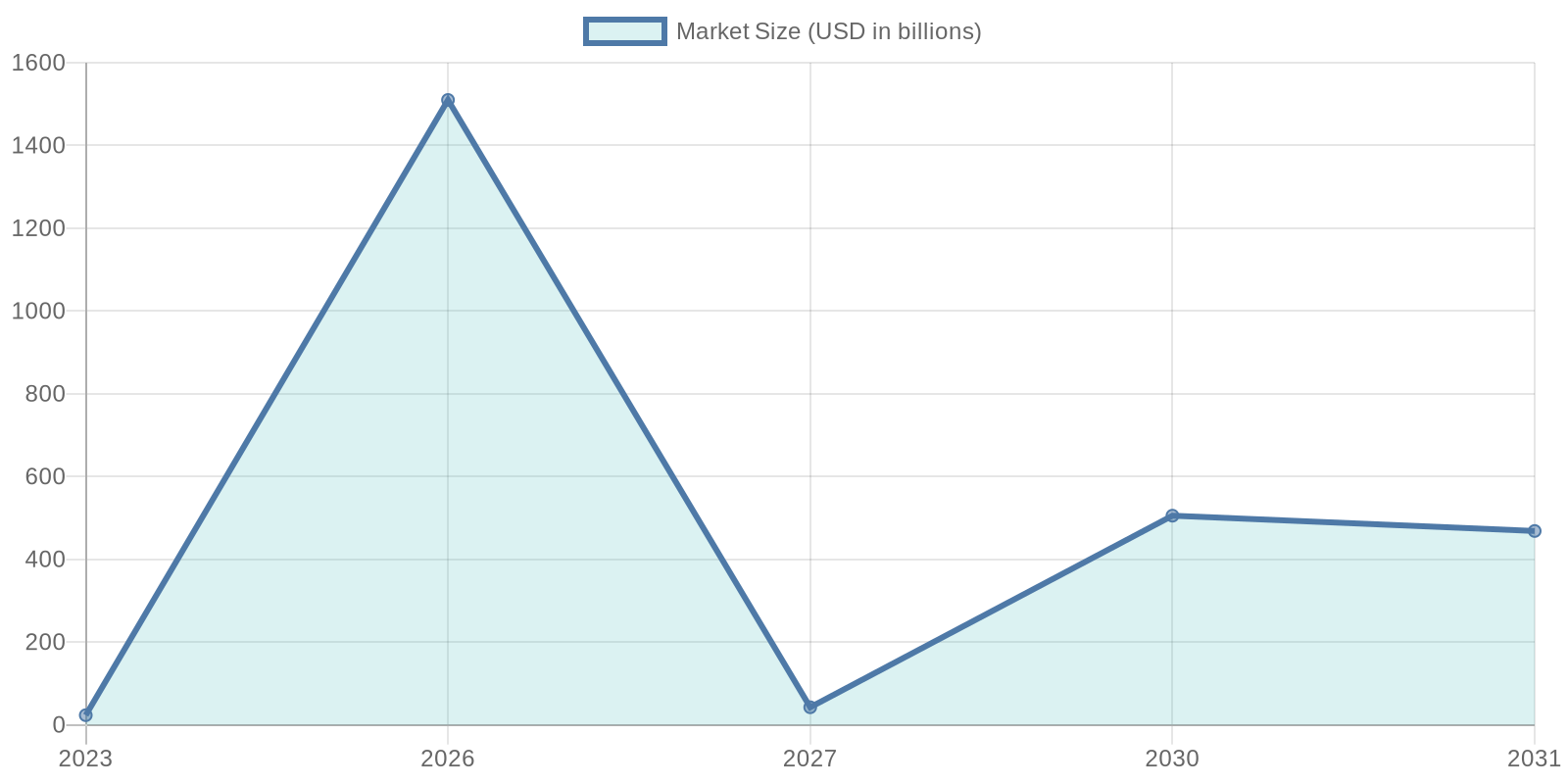
In recent years, the food delivery market has shown remarkable growth, influenced by shifts in consumer behavior and technological advancements. The following chart visualizes the growth trends from 2023 to 2031, underlining the necessity for reliable food packaging solutions in this expanding industry.
| Year | Market Size (USD) | Market Size (JPY) | Region/Scope | Key Metric |
|---|---|---|---|---|
| 2023 | $23.4 billion | ¥192.1 billion | USA | Base year for USA market |
| 2026 | $1.51 trillion | – | Worldwide | Global market size |
| 2027 | $42.6 billion | – | USA | Projected growth milestone |
| 2030 | $505.5 billion | ¥318.8 billion | Worldwide | Forecasted global market size |
| 2031 | $468.51 billion | – | Worldwide | Projected global market size |
Growth Metrics:
- CAGR (2023-2027): 10.5% (USA)
- CAGR (2024-2030): 7.5% (Global)
- CAGR (2026-2031): 6.24% (Global)
Note: Data reflects the most recent industry forecasts as of 2026. The worldwide market value in 2026 is projected at $1.51 trillion, indicating exponential growth driven by digital adoption, urbanization, and rising demand for convenience.
Why Reliable Food Packaging Is Essential:
As the food delivery market grows from $23.4 billion (2023) to over $505.5 billion by 2030, the volume of deliveries increases exponentially. This surge places critical pressure on:
- Temperature control during transit
- Leak-proof and spill-resistant containers
- Sustainable materials to reduce environmental impact
- Tamper-evident seals for safety and brand trust
With 1 in every 3 meals now delivered online, reliable packaging is no longer optional-it’s a foundational requirement for operational efficiency, customer satisfaction, and regulatory compliance.
Conclusion
In summary, selecting high-quality packaging solutions is paramount for businesses in the food industry, particularly for those involved in beverage and catering services. As discussed, high-quality packaging not only preserves the freshness and integrity of products but also significantly extends their shelf life while preventing contamination and spoilage. With modern advancements like airtight containers, businesses can keep their products fresh for months longer than non-sealed options, ensuring optimal quality for customers. Additionally, adopting sustainable packaging practices can enhance a brand’s image, catering to the growing consumer demand for eco-friendly solutions.
The focus on durable, airtight packaging is especially relevant for bubble tea shops, restaurants, and food trucks, where maintaining the unique flavors and freshness of ingredients is critical. The benefits extend beyond just quality-effective packaging can lead to reduced waste, improved food safety, and enhanced consumer trust. As highlighted, packaging choices not only protect food but also communicate to customers that your brand values quality and safety.
We invite you to explore our extensive range of packaging solutions tailored specifically for the food industry. Don’t let your products suffer from subpar containment. Learn more about our offerings and contact us today for a tailored quote that meets your unique needs. Let’s work together to elevate your food presentation and ensure your customers keep coming back for more!
Remember, in the competitive world of food service, making the right choice in packaging is a step towards success!
Versatile Uses of Plastic Airtight Containers in Events
Plastic airtight containers have transcended their conventional role as mere food storage units. With their innovative designs and functionality, these containers play a significant role in event organization, food safety, and overall event success. Event planners can make the most out of these versatile tools by considering the following creative uses:
Event Organization
- Pre-packaged Individual Servings: Airtight containers can be utilized to pre-package individual servings of snacks, desserts, or dips. This not only ensures portion control but also reduces waste, making your event feel more organized and professional.
- Supply Management: These containers are perfect for organizing event supplies like utensils, napkins, or decorations. By using labeled and stackable units, event planners can facilitate better coordination and quick access to necessary items. This approach minimizes chaos during high-pressure moments.
- Transparent Design: The clear nature of these containers allows for quick visual inspections, enabling easy identification of contents without opening them, thus saving time during busy events.
Ensuring Food Safety
- Preventing Cross-Contamination: Food safety is paramount in event planning. Airtight containers assist in preventing cross-contamination by keeping raw and cooked foods separate. Moreover, using color-coded lids can further enhance safety protocols (e.g., red for meat, green for vegetarian), which helps in avoiding mix-ups.
- Keeping Food Fresh: Airtight seals are critical in maintaining food integrity. They minimize air exposure and moisture ingress, reducing the risk of bacterial growth and ensuring that food remains fresh and flavorful. This is especially important for outdoor events where food might be exposed to various elements such as dust or insects.
- Compliance with Health Standards: Utilizing food-grade, BPA-free materials in containers not only prioritizes food safety but also aligns with health regulations. Many of these containers are also dishwasher-safe, making them easy to clean and reuse.
Sustainable Practices
- Reusable Containers: Many event planners are adopting reusable plastic airtight containers as they support sustainability goals. Their durability makes them ideal for events that span multiple days. Additionally, implementing container return systems can greatly reduce single-use waste, thus appealing to eco-conscious clients.
- Versatile Applications: Beyond basic applications, these containers can store a wide variety of items from cocktail garnishes to appetizers, integrating seamlessly into the culinary aspects of your events.
For more insights on effective container options, learn more about the benefits of plastic containers in the food industry and how airtight options can enhance safety in catering services.