
The Importance of Plastic Food Containers in the U.S. Food Service Industry
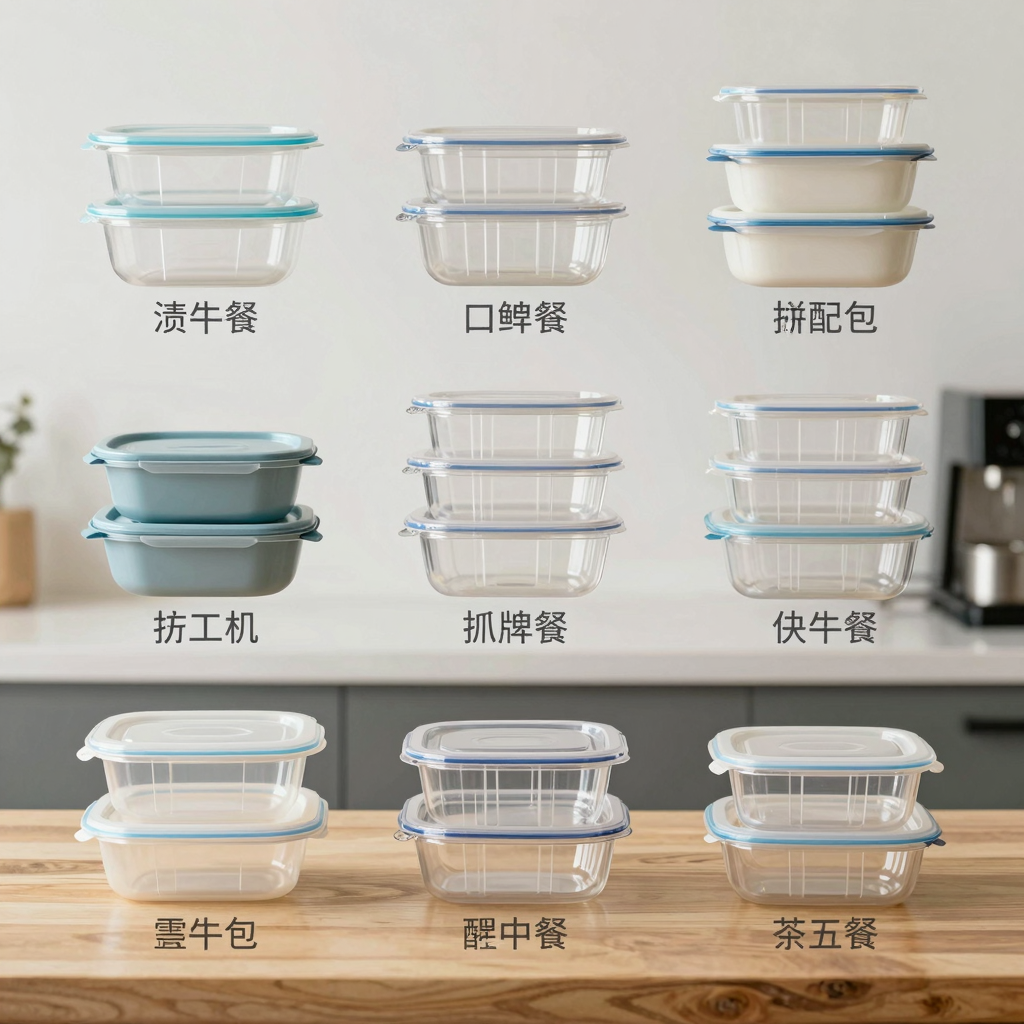
In the bustling world of the food service industry, plastic food containers have become indispensable. From bubble tea shops to restaurants and event planners, these containers play a vital role in ensuring food safety, convenience, and presentation. With the rising trend of takeout dining, especially among millennials and Gen Z who appreciate mobile options, containers made from durable materials like polypropylene (PP) and polyethylene (PE) are increasingly used. As they cater to varying needs, these versatile products not only fit effortlessly into the fast-paced environments of food trucks and catering services but also enhance customer experience through easy handling and appealing designs.
For instance, bubble tea shops rely on clear plastic cups that showcase their colorful beverages, while restaurants utilize sturdy containers to maintain food temperature and quality during delivery. The demand is driven by consumers looking for reliable solutions for their dining choices, prompting businesses to seek the latest trends in packaging. Notably, customized options are gaining traction, allowing event planners to align container styles with brand aesthetics. This versatility showcases how plastic food containers are vital not only for functionality but also for branding within the food service sector. Learn more about plastic containers in the food industry and discover how different options can elevate your business.
Benefits of Using Plastic Food Containers
Plastic food containers have become a vital choice for beverage and food service industries due to their numerous advantages. Here are some key benefits:
-
Durability:
-
Plastic containers are highly durable and resistant to breaking, unlike glass and ceramic options. They can withstand drops and impacts, making them perfect for busy environments like restaurants and food trucks.
-
Unlike metals, plastics do not rust or corrode, ensuring longevity and consistent presentation of food and beverages.
-
Cost-Effectiveness:
-
Plastic food containers are generally cheaper to produce and purchase than their glass or metal counterparts. This cost-effectiveness is especially beneficial for businesses that need to manage tight budgets while still providing quality service.
-
They also contribute to lower shipping costs due to their lightweight nature, reducing overall operational expenses.
-
Safety Standards:
-
Many plastic food containers are manufactured with food-safe materials and comply with safety regulations. Options made from polypropylene (PP) and polyethylene (PET) are noted for their safety in food contact applications, ensuring that there is no leaching of harmful substances into food.
-
Additionally, plastics can be treated to withstand extreme temperatures, making them suitable for a variety of food and beverage applications, from hot soups to chilled drinks.
-
Versatile Usage:
-
Plastic containers come in various shapes and sizes, catering to diverse food items, from salads to desserts, making them ideal for take-out and delivery services.
-
Their clear designs enhance product visibility, allowing customers to see the contents without opening the packaging, which is essential in a fast-paced food service environment.
For more insights into the types and uses of plastic food containers in the food industry, check out this resource and see how you can enhance your food service operations today!
Overview of Plastic Food Containers in the U.S. Food Service Industry
The adoption rates of plastic food containers in the U.S. food service industry, particularly among restaurants and food trucks, are demonstrating robust growth trends. The U.S. Plastic Food Containers Market was valued at approximately USD 5.67 billion in 2025, with projections suggesting it could surge to USD 16.94 billion by 2035, reflecting a compound annual growth rate (CAGR) of 16.94%. This notable increase is attributed to the convenience, durability, and cost-effectiveness of plastic containers used for both hot and cold foods.
Restaurant and Food Truck Adoption
- Restaurants and cafes capture about 55% of the food service disposables market share. This commitment primarily stems from the fast-paced nature of service, requiring packaging that is efficient and safe for takeaway and delivery.
- The U.S. food truck market is also on the rise, projected to grow from USD 1.16 billion in 2026 to USD 1.59 billion by 2031, a growth influenced by the lightweight and stackable design of plastic containers that help preserve food integrity during transport.
Safety Standards
The safety of plastics in food containers is strictly regulated. The FDA ensures that only materials like polyethylene (PE), polypropylene (PP), and polystyrene (PS) are approved for food contact to prevent harmful substance leaching, especially under heat or acidic conditions. This regulatory framework is crucial in reassuring food service providers about the safety of using plastic containers.
For more information on the food container market, click here for comprehensive insights.
Eco-Friendly Plastics Solutions: Meeting the Demand in Food Packaging
The demand for eco-friendly plastics in food packaging is rapidly increasing, driven by heightened consumer awareness of environmental issues and the desire for sustainable practices. The global eco-friendly food packaging market is projected to reach a staggering $505.41 billion by 2034, growing at a compound annual growth rate (CAGR) of approximately 7.89% from 2026 to 2034. This shift reflects a significant change in market dynamics as companies adapt to consumer preferences that prioritize sustainability over traditional plastic options.
Commitment to Sustainability
At EcoCup Bowl, we recognize this critical trend and are committed to being at the forefront of sustainable packaging solutions, especially within the bubble tea and catering services market. Our products utilize materials that are not only environmentally friendly but also maintain the quality and convenience that our customers expect. We believe that sustainability is not just a trend; it’s a necessary shift for the future of our planet and our businesses.
Our products are crafted from biodegradable and recyclable materials, ensuring that they do not contribute to the growing plastic waste crisis. For example, research shows that eco-friendly materials like paper and plant-based polymers are gaining popularity, with paper products alone predicted to account for 35.20% of the market by 2025.
Aligning with Customer Values
The growing interest in sustainability among consumers means that businesses, including bubble tea shops, restaurants, food trucks, and catering services, must align their values with those of their customers. A recent survey indicated that 78% of consumers prefer brands that are environmentally responsible. At EcoCup Bowl, we offer a diverse range of eco-friendly packaging solutions that not only satisfy regulatory compliance but also resonate with consumers looking for eco-conscious options.
By choosing our sustainable packaging solutions, your business can appeal to the increasing number of customers who prioritize health, safety, and environmental impact. Our clear plastic cups and biodegradable food containers cater to the demand for stylish, yet sustainable, eating and drinking experiences. This is particularly vital in the bubble tea market, where presentation and environmental consciousness go hand in hand.
Conclusion
Investing in eco-friendly plastics is a win-win scenario; it not only reduces environmental impact but also enhances your brand’s image. Consumers are increasingly gravitating towards businesses that demonstrate a commitment to sustainability. Together, we can lead the shift towards greener practices in the food packaging industry.
For more details on how EcoCup Bowl can enhance your business with eco-friendly packaging, learn more about our plastic container solutions or explore our 1300ml paper bowls.
| Type of Plastic | Size Options | Typical Uses | Durability | Special Notes |
|---|---|---|---|---|
| PET (#1) | Small-Large | Juice bottles, ready-to-eat meals | Low (not microwave-safe) | Not for hot food, single-use only |
| HDPE (#2) | Medium-Large | Milk jugs, detergent bottles | High | Safe for cold foods, chemical resistant |
| LDPE (#4) | Small-Medium | Grocery bags, food wraps | Moderate | Flexible but not heat resistant |
| PP (#5) | Small-Large | Takeout containers, yogurt cups | High | Microwave-safe, reusable |
| PS (#6) | Small-Large | Disposable cutlery, foam containers | Low | Brittle, not suitable for hot foods |
User Testimonials and Case Studies
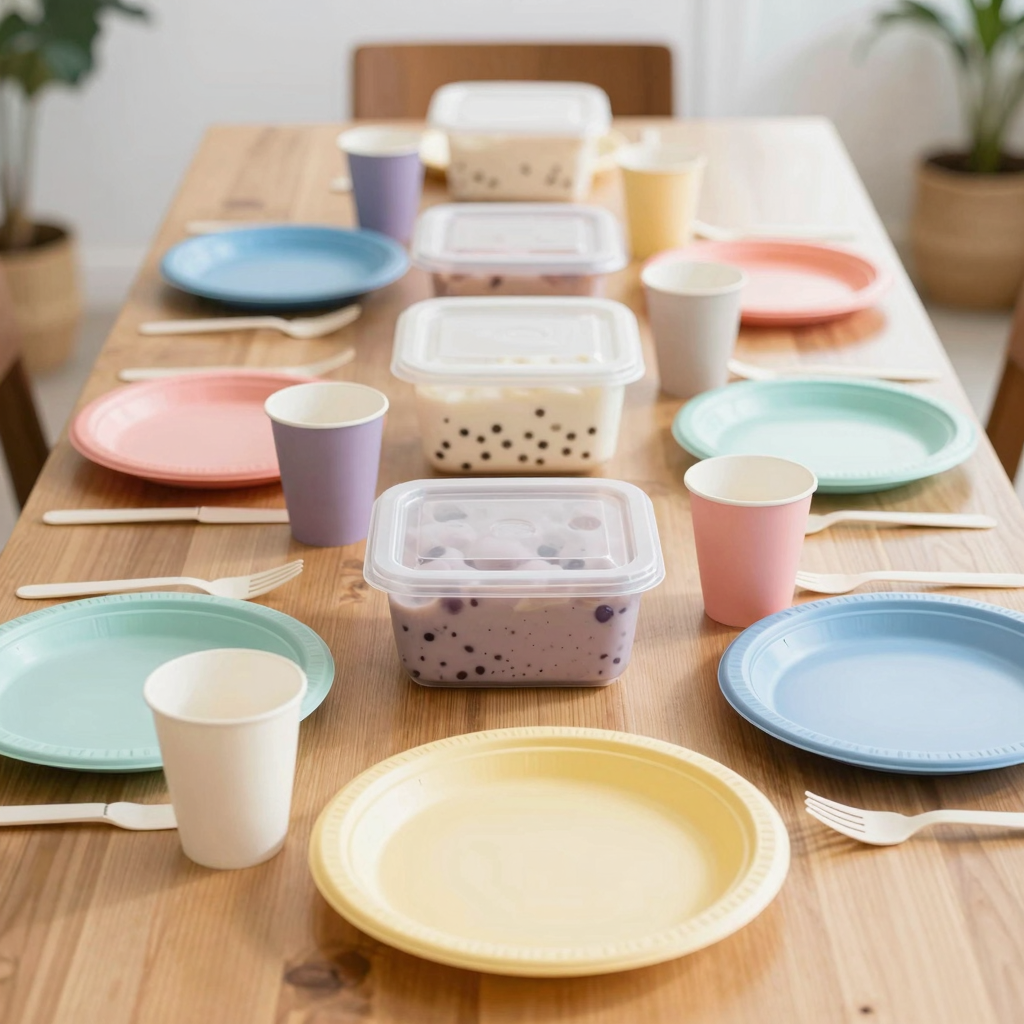
In the competitive landscape of the bubble tea and restaurant industries, businesses are continuously seeking ways to enhance customer satisfaction and operational efficiency. One vital element that has emerged in this quest is the adoption of high-quality disposable tableware solutions from EcoCup Bowl.
Customer Feedback from the Bubble Tea Sector
A recent survey by Statista revealed that 78% of bubble tea patrons rated disposable tableware quality as ‘good’ or ‘excellent’. One customer from a popular café in Seoul expressed:
“Since we switched to EcoCup’s compostable cups, our Instagram engagement rose by 40%! Customers appreciate our commitment to the environment and often comment on our eco-friendly choices.”
Case Study: Improved Customer Retention
A notable case study from Restaurant Tech Today showcases a major bubble tea chain that adopted customizable disposable cups. After six months, the chain observed a 31% increase in customer retention, with franchise owners stating that customers now request specific cup designs, enhancing brand storytelling. One manager noted,
“The cups aren’t just containers-they’ve become part of our brand story! Customers actually return empty cups to earn discounts.”
Streamlining Operations in Restaurants
According to a GreenBiz case study, by switching to multi-compartment disposable food containers, a major bubble tea franchise reduced ingredient mixing errors by 40%. This switch not only improved operational efficiency but also enhanced brand recognition due to the customizable design. As a manager stated,
“The ease of preparation and attractive packaging reduced complaints significantly, and our brand visibility soared!”
Such testimonials demonstrate how EcoCup Bowl’s disposable tableware not only meets the functional needs of food services but also drives engagement, sustainability, and customer loyalty.
Value Proposition for Procurement Teams
When it comes to procuring food containers, especially for businesses such as bubble tea shops, restaurants, or catering services, choosing the right supplier is crucial. Our company, specializing in ECUpBowl, offers unique value propositions tailored for corporate procurement teams.
Cost-Benefit Analysis
In the realm of food container supplies, a robust cost-benefit analysis can reveal clear advantages. According to a 2023 study highlighted in ScienceDirect, while initial costs for sustainable packaging may seem higher, the long-term gains include reduced waste disposal fees and enhanced brand reputation. By implementing sustainable practices, procurement teams can foster loyalty among eco-conscious consumers, leading to increased sales and a stronger market position. Moreover, utilizing reusable takeaway food containers not only aligns with sustainability goals but can also lead to significant cost savings over time, as businesses can avoid constant purchases of single-use containers.
Supply Chain Efficiency
Efficiency in the supply chain is another vital consideration. A recent study showed that adopting innovative food packaging, such as our food containers, can enhance supply chain performance by reducing transit times and decreasing product waste. Sustainable packaging not only aids in maintaining the freshness of products but also minimizes logistical costs by optimizing storage and transportation efficiency. As companies increasingly focus on reducing their carbon footprint, implementing efficient systems becomes essential.
In conclusion, our food containers represent a long-term investment that aligns financial practicality with sustainable practices, ultimately ensuring that procurement teams meet their goals while also contributing positively to the environment.
| Year | Market Size (USD Million) | Annual Growth Rate (%) |
|---|---|---|
| 2020 | 2,250 | – |
| 2021 | 2,370 | 5.33% |
| 2022 | 2,460 | 3.80% |
| 2023 | 2,530.5 | 2.87% |
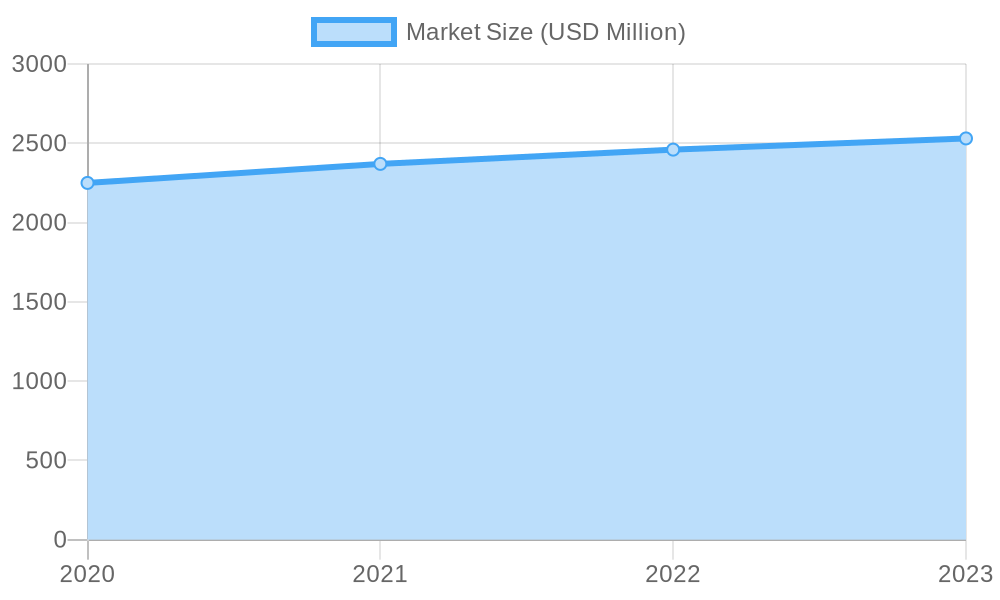
This chart visualizes the growth trends in the plastic food container market from 2020 to 2023, showcasing the increasing demand driven by online food services and the growing need for convenient packaging. For more insights on this topic, explore our blog.
Conclusion and Call to Action
In conclusion, high-quality disposable tableware and packaging solutions offer a multitude of benefits for businesses in the food industry, from enhancing customer experience to maintaining food safety standards. Whether you are running a bubble tea shop, a food truck, or managing corporate events, utilizing reliable and safe disposable containers is crucial. The disposable tableware market is projected to reach $353.5 billion globally by 2024, aligning with the increasing demand for convenience in food service.
With the rise of sustainability trends, consumers are also leaning towards eco-friendly options, resulting in significant growth in biodegradable disposables. It’s essential to stay ahead of these trends by choosing products that not only meet safety regulations but also appeal to environmentally conscious customers.
At EcoCupBowl, we are committed to providing you with top-notch disposable tableware and packaging solutions tailored specifically for your business needs. Explore our range of products and let us help you elevate your service with reliable, high-quality solutions. Partner with us today to ensure your customers enjoy every sip and bite, stress-free!