Introduction
In today’s world, the topic of food safety has become more vital than ever, as consumers are increasingly aware of the potential dangers lurking in their meals. A particularly alarming concern is plastic contamination, as tiny particles of plastic can inadvertently find their way into food items-from bubble tea to sushi and everything in between. For bubble tea shops and restaurants, this issue is not just a passing concern; it is a direct threat to their reputation and customer trust. Imagine serving a delicious beverage only to have a customer report finding plastic in their drink-it could lead to severe consequences for business and customer health. As such, maintaining high food safety standards and being vigilant about contamination risks are essential for your establishment’s success. By understanding how plastic can seep into food, you can take necessary precautions and ensure that your customers enjoy not only tantalizing flavors but also the assurance of safety with every sip or bite.
For businesses seeking to avoid such risks and provide superior food safety, exploring sustainable packaging options can be a proactive measure.
The Urgency of Plastic Contamination in Food: Recent Statistics
Plastic contamination in food has become a pressing public health issue, as recent studies reveal alarming statistics about how pervasive microplastics have become in our diet. Understanding the scale of this contamination is crucial for food industry professionals, including bubble tea shops, restaurants, and catering services, who provide food and drinks to customers daily.
Prevalence of Microplastics in Food
Recent findings have shown significant levels of plastic contamination in various food products:
| Food Type | Contamination Level | Comments |
|---|---|---|
| Seafood | Varies by species, up to 73% | High prevalence in bivalves (mussels, oysters). |
| Meat | Less than 5% | Found in some processed meats; levels generally low. |
| Plant-based foods | Low levels reported (<1%) | Limited data available, but contamination is possible. |
- According to a CNN report, certain types of salt, including coarse Himalayan pink salt, were highlighted for unexpectedly high levels of microplastic contamination.
- The FDA confirms that both microplastics and nanoplastics are prevalent in foods due to environmental pollution, as most plastics do not biodegrade but fracture into tiny particles over time.
Health Implications
An analysis from the Environmental Working Group indicates that consumers could ingest the equivalent of around a dozen plastic bags annually due to contaminated food sources. This raises serious concerns about the cumulative health impacts of microplastics, including potential hormonal disruptions and other long-term health effects.
- As noted in Food Safety Magazine, microplastics are found in nearly all food types, including seafood, meat, and processed items, with processed foods showing higher contamination levels.
Visual Representation
Below is a chart illustrating the contamination levels of microplastics by food type:
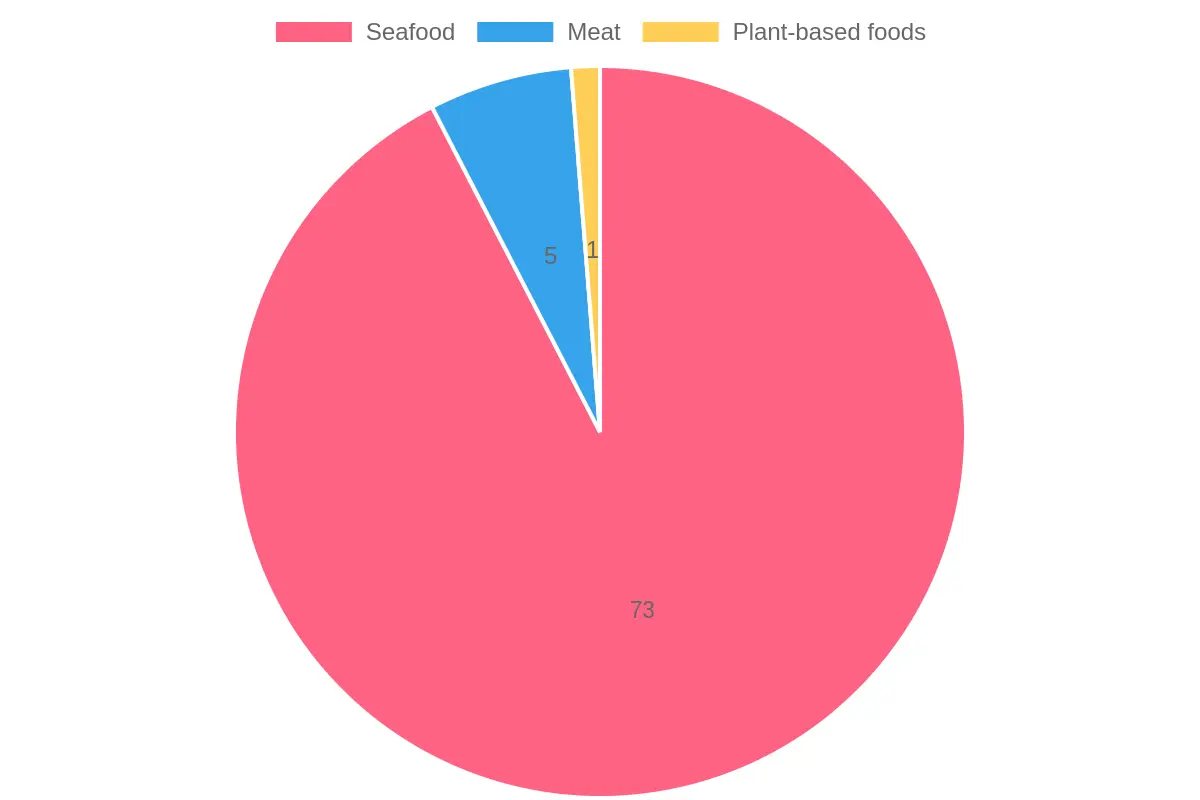
This image encapsulates the urgent nature of plastic contamination in food products. The data clearly shows that while seafood appears to be the most affected by microplastic contamination, the issue is not confined to just one food category.
Conclusion
Food industry professionals must recognize the importance of addressing plastic contamination in food products. By sourcing from suppliers who prioritize sustainable practices and minimizing the use of plastic packaging, businesses can contribute positively to reducing plastic waste. For more sustainable food packaging options, check out our range of products at EcoCupBowl that promote eco-friendliness and safeguard consumer health.
Common Foods That Contain Plastic
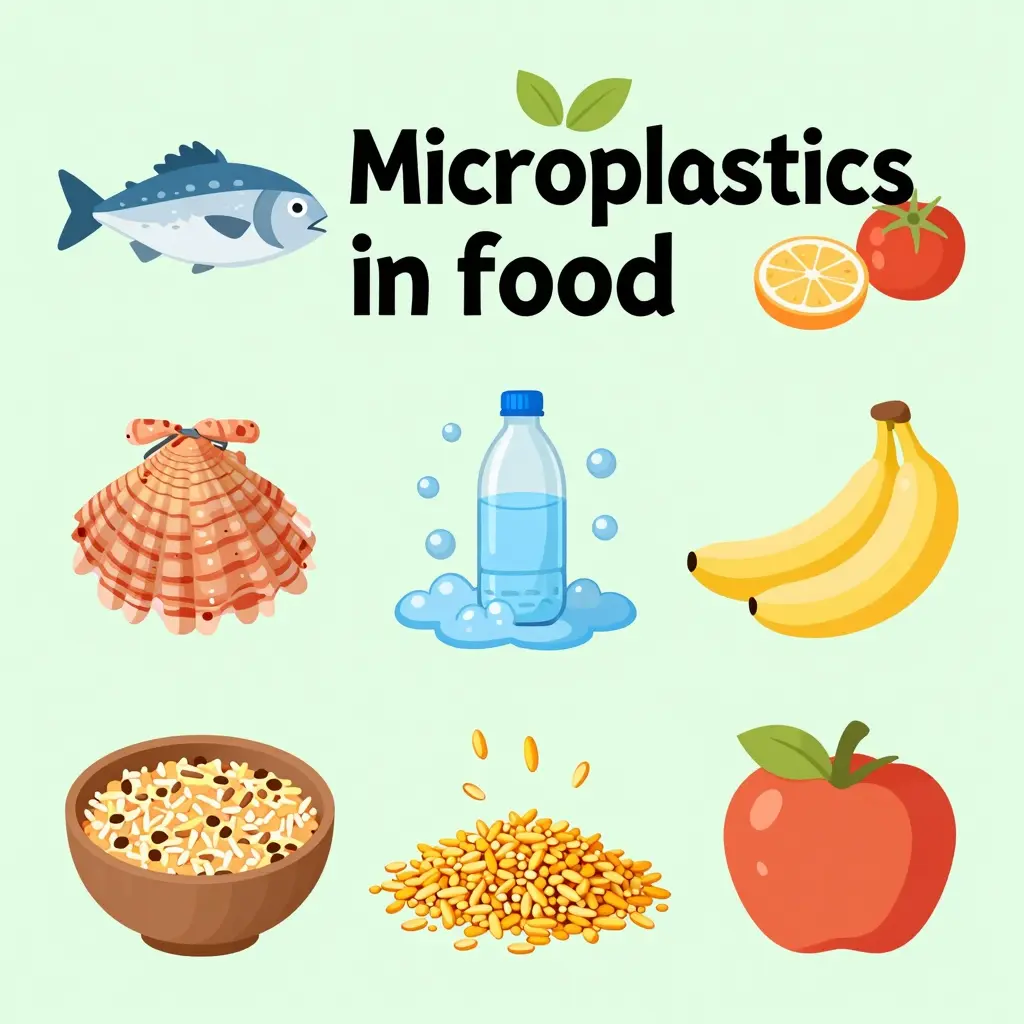
In today’s fast-paced, convenience-driven world, we often overlook a troubling reality: plastic contamination in our food supply. This issue is increasingly relevant to food businesses, particularly those in the bubble tea, restaurant, and catering sectors. Common foods that have been found to contain microplastics include:
-
Seafood: Fish and shellfish are notorious repositories for microplastics, which they ingest while filtering seawater. It’s concerning because many seafood offerings are staples in restaurants and catering menus.
-
Salt: Table salt can also harbor microplastics. As our oceans are polluted, the salt harvested from them may contain these tiny particles, leading to a widespread concern about our seasoning.
-
Honey and Sugar: Recent studies have shown that these commonly used ingredients can contain traces of microplastics, posing health risks and inviting scrutiny from consumers.
-
Beer: Surprisingly, beer is found to contain microplastics, potentially due to the grains used in brewing and the water sources contaminated with plastics.
-
Packaged Foods: Products like pasta, rice, and other grains often come in plastic packaging that might leach microplastics during production or transport.
Why It Matters
The presence of plastics in these foods is not just a passing concern; it poses health risks that are increasingly coming under scientific scrutiny. Microplastics have been linked to various health issues, prompting health organizations to advocate for clearer guidelines in food production.
For food businesses, being aware of these issues is crucial. Consumers are becoming more informed and discerning about their food choices, and a lack of transparency regarding plastic contamination could lead to reputational damage. It’s essential to prioritize sourcing practices and packaging that minimize plastic exposure, fostering trust with your clientele.
To learn more about sustainable packaging options that can help reduce plastic incidence, check out our range of eco-friendly takeaway boxes or disposable cutlery that meet environmental standards.
| Food Item | Source of Plastic Contamination | Severity of Risk |
|---|---|---|
| Fish | Ingesting microplastics from ocean | High |
| Shellfish | Filter feeding, absorbing microplastics | High |
| Processed Foods | Packaging materials, cooking containers | Moderate to High |
| Cooked Fats | Leaching from plastic containers | Moderate |
| Dairy Products | Packaging residues | Moderate |
| Honey | Environmental contamination (bees) | Low to Moderate |
| Vegetables | Soil contamination, plastic mulch | Moderate |
| Meats | Packaging exposure, feed contamination | Moderate to High |
Understanding the Risks
- High Severity: Foods like fish and shellfish that may accumulate microplastics pose significant health risks when consumed.
- Moderate Severity: Many processed foods and dairy products could have lower levels of contamination mainly from packaging.
- Low to Moderate Severity: Items like honey can have plastic contaminants mainly from environmental exposure rather than direct human handling.
Health Impact of Consuming Plastic
As we delve into the world of food safety, it’s essential to understand a growing concern: the health impacts of consuming food contaminated with plastic. Microplastics, tiny pieces of plastic less than five millimeters in size, have infiltrated our food supply and drinking water, raising alarms about potential health risks.
What Are Microplastics?
Microplastics originate from various sources, including the breakdown of larger plastic items and the shedding of synthetic fibers from clothing. They can enter the food chain through various avenues – whether from seafood that ingest these particles or from plastic packaging leaching substances into our foods.
Health Studies and Findings
Recent studies have cast light on the adverse effects of microplastics on human health, highlighting several important findings:
- A review in Environmental Science & Technology assessed multiple studies linking microplastic exposure to various health issues, including inflammation and even endocrine disruption. (Read the review)
- Research published in PMC indicated that microplastics could provoke unwanted immune responses and might cause cytotoxic effects, raising concerns regarding their long-term impacts on human health.
- Another study revealed that seafood, particularly mussels, tested positive for microplastic contamination, which poses risks when consumed.
Potential Health Risks
- Cytotoxicity: Studies suggest that microplastics could be toxic to human cells, leading to potential risks, especially in sensitive populations like children.
- Endocrine Disruption: The consumption of microplastics might interfere with hormone functions in the body, influencing reproductive health and development.
- Immune Response: Microplastics may trigger inflammation or hypersensitivity, creating further challenges for individuals with existing health issues.
Conclusion
While more research is necessary to fully understand the health ramifications of consuming microplastics, the evidence points to potential risks associated with their ingestion. For businesses in the food industry, such as bubble tea shops, restaurants, and catering teams, recognizing these issues is crucial. By opting for safer packaging solutions, like those from Eco Cup Bowl’s collection, we can play a part in minimizing plastic contamination in our food.
Additional Resources
- For a deeper understanding of ongoing research, refer to the Microplastics Research Publications Overview chart, which showcases various studies focusing on microplastics and health impacts.
| Study Title | Key Findings | Year Published |
|---|---|---|
| Potential Health Impact of Microplastics: A Review | Highlights potential health hazards of microplastics. | 2023 |
| Microplastics in Foods | Lack of evidence for direct health risks. | 2023 |
| From oceans to dinner plates | Indicated significant health implications. | 2023 |
| Exposure of U.S. adults to microplastics | All tested proteins were contaminated. | 2023 |
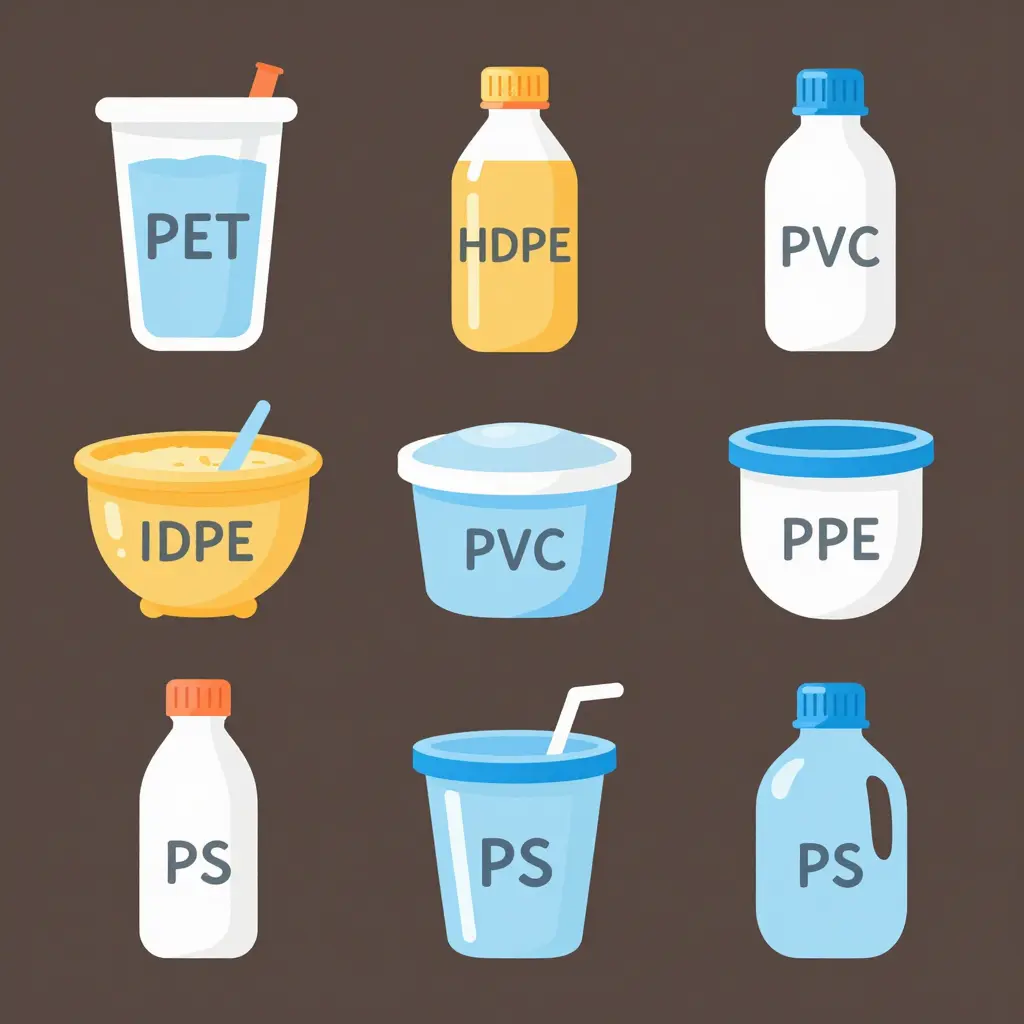
A visual image showing different types of plastics found in food products, including microplastics and various packaging-related plastics. This image is designed to provide insight into the issue of plastic contamination in the food industry.
As businesses in the food and beverage industry, it’s crucial to be aware of the growing concerns surrounding plastic contamination. Here are some straightforward and practical steps that bubble tea shops, catering services, and related businesses can take to minimize plastic waste and enhance sustainability:
1. Embrace Eco-Friendly Packaging
Switching to biodegradable or compostable packaging options can significantly reduce plastic waste. Products made from materials like bamboo pulp, paper, or plant-based plastics can serve as effective alternatives. Consider sourcing eco-friendly containers from reliable suppliers to ensure you are making a significant impact on your plastic footprint. For instance, consider using sustainable takeaway boxes for your food items.
2. Incorporate Reusable Items
Encourage customers to bring their own reusable cups, bins, and bags. Offering discounts or loyalty points to customers who choose to use their own containers can incentivize this behavior. Additionally, providing a selection of durable, reusable utensils and plates for dine-in customers can diminish reliance on disposable plastic products.
3. Offer Clear Recycling Options
Set up a visible recycling station in your establishment, clearly labeled for ease of use. It’s also vital to train staff on proper recycling practices to ensure non-compostable items aren’t mistakenly put in recycling bins. By making recycling easy for your customers, you enhance their experience and align with sustainability principles.
4. Reduce Single-Use Plastics
Identify and eliminate unnecessary single-use plastic items in your operations. For instance, replacing plastic straws with paper or bamboo alternatives can significantly reduce your plastic consumption. You can explore various options for eco-friendly cutlery solutions that align with your brand values.
5. Educate and Engage
Employees and customers alike should be educated about the importance of reducing plastic waste. Training your staff on sustainable practices and sharing your efforts with customers can foster a culture of sustainability. Consider placing signage that educates customers about your eco-friendly practices, which can encourage them to follow suit.
6. Collaboration and Resource Sharing
Join forces with other businesses in your community to promote sustainability. Collaborations can lead to bulk purchasing of eco-friendly supplies, which could reduce costs for everyone involved. Additionally, sharing knowledge and resources can develop a stronger commitment to sustainability throughout the local food service industry.
7. Regular Assessment of Practices
Continuously evaluate your current strategies to identify areas for improvement. Keeping track of what works and what doesn’t can help in refining your approach to reducing plastic contamination.
By integrating these actionable tips into your operations, your business can make significant strides in mitigating plastic contamination while also appealing to a growing base of environmentally conscious consumers. For additional options, explore our range of eco-friendly utensils and containers available here.
Trends in Plastic Consumption and Regulations in the Food Industry
As the food industry grapples with the effects of plastic pollution, recent years have seen a notable shift in consumption patterns and regulations. The past few years have witnessed a growing emphasis on sustainable practices and compliance with stricter regulations.
Chart: Plastic Regulations Over the Years
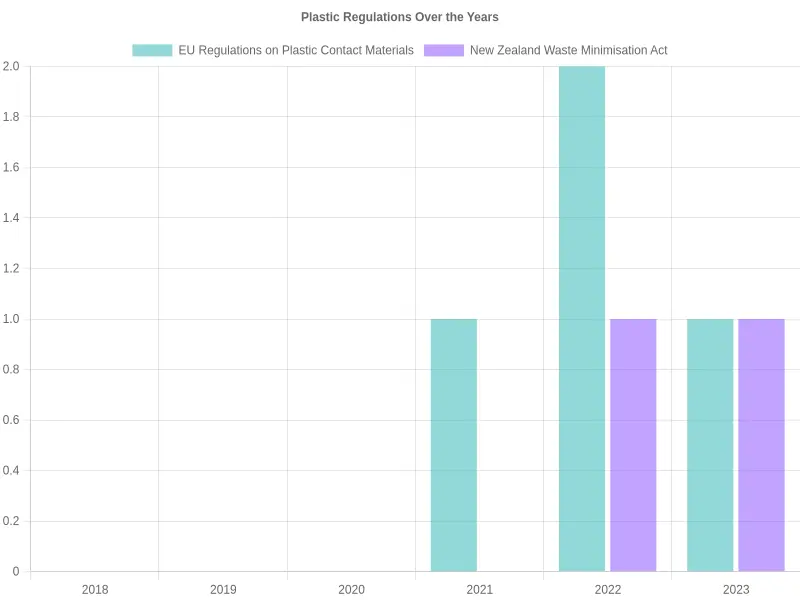
This chart illustrates the trends regarding plastic regulations, including the enforcement of the European Union’s stricter regulations on plastic food contact materials and the subsequent introduction of the Waste Minimisation Act in New Zealand starting in 2022.
Overview of Regulations and Industry Responses
The following table summarizes recent regulations and the food industry’s response to these changes:
| Category | Data |
|---|---|
| Recent Regulations | EU’s stricter regulations on plastic FCMs |
| Impact of Regulations | Increased compliance costs for food companies |
| Consumption Trend | Shift towards sustainable packaging |
| Legislation Changes | Updates in the Waste Minimisation Act |
| Industry Response | Adoption of alternative materials |
| Focus Areas | Reduction of single-use plastics |
For more insights into sustainable packaging options, check out our in-stock paper cups and sleeves. Understanding these trends can help food businesses adapt while meeting consumer expectations and regulatory requirements.
“The pervasive presence of microplastics in our food supply poses severe questions about food safety and public health. As plastics break down, they can leach harmful substances into food and beverages, compromising their safety.” – National Geographic
Conclusion: The Imperative to Combat Plastic Contamination
The issue of plastic contamination in our food supply is more critical than ever. As highlighted throughout this article, food service businesses, from bubble tea shops to catering teams, play a significant role in this environmental crisis. Not only does plastic waste threaten marine life and ecosystems, but it also endangers human health as microplastics make their way into our diet. By addressing plastic contamination head-on, we protect not only our food quality but also our planet’s future.
Call to Action: As a proactive measure against plastic pollution, consider choosing EcoCupBowl’s reliable disposable tableware and packaging solutions. We offer a range of sustainable options that help mitigate the impact of plastic on our environment while ensuring your customers enjoy safe, eco-friendly dining experiences. Explore our eco-friendly options today and join the movement to create a cleaner, healthier planet for future generations!