
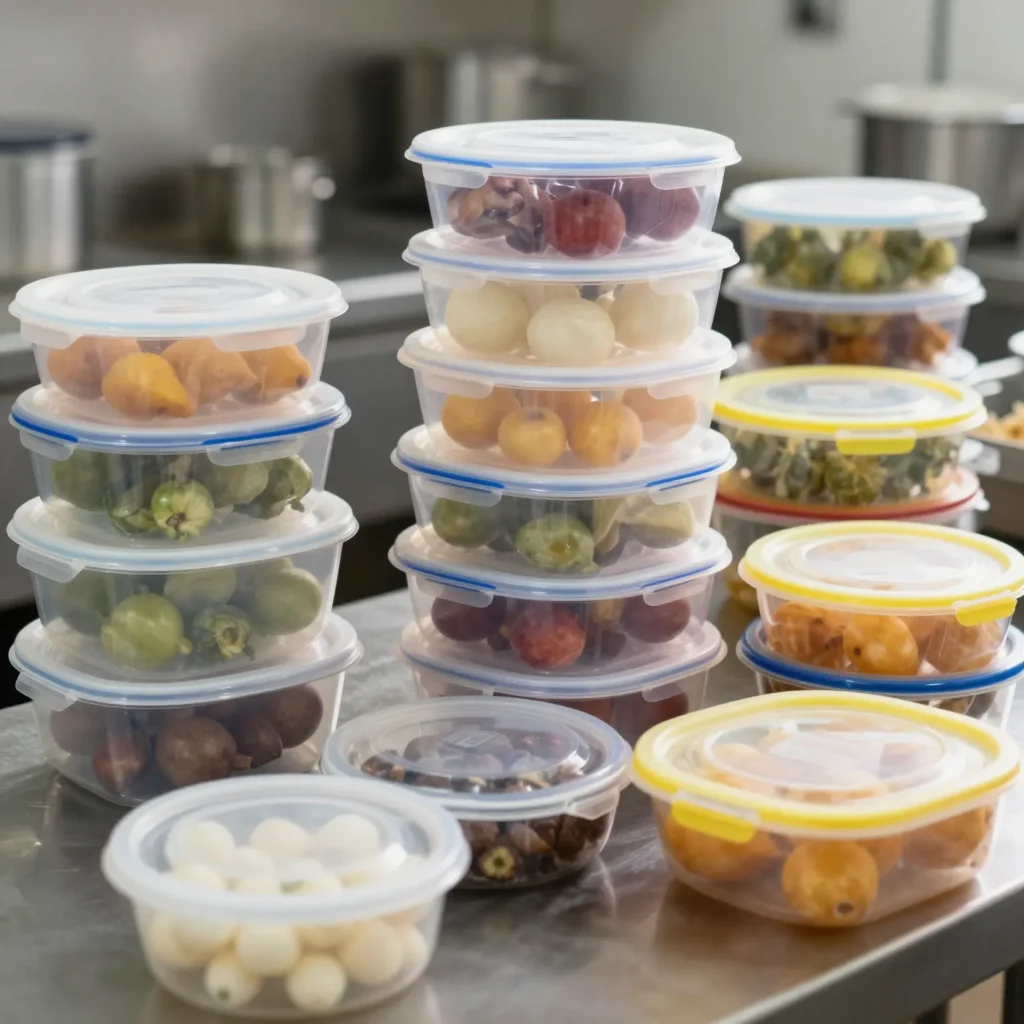
Introduction to Plastic Food Container Safety
In the bustling world of the food service industry, where efficiency and quality are paramount, the seemingly simple choice of plastic food containers plays a crucial role. With an increasing demand for convenience and disposable tableware, ensuring plastic food container safety is not just a regulatory obligation but a responsibility that can significantly impact customer health and business reputation. As food service professionals-from bubble tea shops to catering services-strive to deliver delightful experiences, it is essential to prioritize food safety. Safe plastic containers not only preserve food quality but also protect consumers from harmful chemicals and contaminants, reinforcing trust in your brand. By focusing on plastic food container safety, businesses can stay ahead in a competitive market while providing peace of mind that their products are both safe and effective. For insight into our selection of products that meet safety standards, check out our range of disposable tableware.
When it comes to operating a bubble tea shop, restaurant, or similar business, adhering to key safety regulations related to plastic food containers is crucial. These regulations ensure the health and safety of both customers and employees, while also promoting eco-friendly practices. Here’s a comprehensive list of common safety regulations you should be aware of:
-
FDA Compliance: Plastic food containers must meet the U.S. Food and Drug Administration (FDA) standards that ensure they are safe for food contact and do not leach harmful chemicals into food.
-
Material Durability Standards: Containers should be made from durable materials to withstand various temperatures and stresses during transport and while in storage, helping to prevent breakage or leakage.
-
BPA-Free Requirements: It is essential to use BPA-free plastics for food containers as Bisphenol A (BPA) is a chemical associated with potential health risks. Many customers prefer BPA-free options, aligning with health-conscious trends.
-
Recycling and Eco-Friendly Practices: Many jurisdictions mandate that food containers be recyclable or biodegradable, encouraging businesses to adopt sustainable practices in their packaging choices. This is especially important in attracting environmentally conscious consumers.
-
Labeling Regulations: Proper labeling of plastic containers must include information about the material used, recycling instructions, and any relevant safety warnings. This transparency builds trust with customers.
-
Temperature Control Compliance: Plastic containers used for hot food must be able to withstand higher temperatures without melting or deforming, ensuring that they remain safe for food service.
-
Regular Safety Audits: Businesses should conduct regular audits of their food packaging supplies to ensure compliance with local health and safety regulations, remaining updated with any changes in legislation.
Understanding these regulations can help bubble tea shops and restaurants maintain high safety standards and meet customer expectations. For those looking to elevate their packaging options, check out our collection of eco-friendly packaging solutions for your business.
By following these regulations, you can ensure your bubble tea shop or restaurant operates not only safely but also responsibly.
By implementing these guidelines, you support both the health of your clientele and the sustainability of our planet. If interested, explore our selection of durable food containers to find the right fit for your business needs!
The image above showcases a variety of plastic food containers, emphasizing their safe use in a professional food service setting. From bowls to takeaway boxes, these containers are vital for meal prepping, storage, and catering. For high-quality options, check out our food containers available in different shapes and sizes.
Safety Standards for Plastic Food Containers
Ensuring food safety is paramount for any business that handles food, particularly when it comes to the use of plastic food containers. Various safety standards and certifications play a critical role in this sector, helping food businesses make informed choices regarding the containers they use. Key regulatory bodies, such as the FDA (Food and Drug Administration), set rigorous guidelines for materials that come into contact with food. These standards ensure that the plastics used are food-grade, meaning they will not transfer harmful substances to the food, thus safeguarding consumer health.
1. FDA Regulations: The FDA regulates plastic materials used for food storage, requiring manufacturers to demonstrate that their products are safe for their intended use. This means that the materials must not leach harmful chemicals, especially when the containers are heated or subjected to harsh conditions.
2. NSF International Certification: This certification indicates that products meet strict public health and safety standards. For plastic food containers, NSF certification confirms that the products are safe to use in food applications.
3. European Union Standards: In addition to FDA regulations, many businesses also comply with EU legislation regarding food contact materials. These standards focus on preventing any harmful substances from migrating into food, thus ensuring safety and compliance for international operations.
4. BPA-Free Certifications: Many consumers are increasingly concerned about Bisphenol A (BPA), a chemical often found in plastics that can pose health risks. Choosing containers labeled as “BPA-Free” can help food businesses minimize these risks while also responding to health-conscious consumer demands.
The impact of these safety standards cannot be overstated. They not only protect consumers but also enhance the credibility of food businesses. Compliance with safety regulations helps avoid potential legal issues and fosters trust between companies and their customers. By adhering to these standards, businesses can confidently serve their products in safe, compliant containers, ensuring quality and safety in every serving. For those looking for suitable options, explore our selection of food-safe containers that comply with these essential regulations to meet your business needs.
User Adoption Data Chart
The following chart illustrates the trends in user adoption of safe packaging solutions in the food service sector from 2018 to 2023. It highlights the increasing consumer preference towards safety and eco-friendly options in packaging solutions.
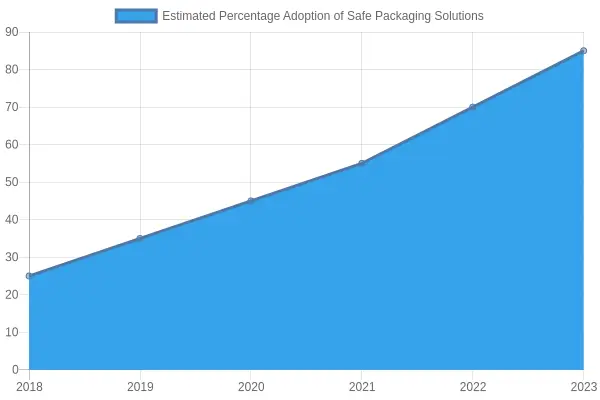
| Year | Estimated Percentage Adoption of Safe Packaging Solutions |
|---|---|
| 2018 | 25% |
| 2019 | 35% |
| 2020 | 45% |
| 2021 | 55% |
| 2022 | 70% |
| 2023 | 85% |
As depicted, there has been a significant upward trend in the adoption of safe packaging solutions over the past few years, reaching an estimated 85% adoption in 2023.
To explore various safe packaging options for your business, consider looking into our available packaging solutions.
Comparison of Disposable Food Container Materials
When it comes to choosing the best disposable food container for your business, it’s crucial to consider safety features, benefits, and environmental impacts. Here’s a detailed comparison of commonly used materials:
| Material | Safety Features | Benefits | Environmental Impact |
|---|---|---|---|
| Plastic | – Strong, durable, and resistant to moisture | – Lightweight and cost-effective | – Non-biodegradable; can take hundreds of years to decompose; contributes to pollution |
| Paper | – Generally safe, made from renewable resources | – Biodegradable and recyclable; lower carbon footprint | – Production can involve deforestation and water use; recyclable only if clean and dry |
| Biodegradable | – Designed to break down under specific conditions | – More eco-friendly; reduces long-term waste | – May require industrial composting conditions; less effective in landfills |
This comparison provides a quick reference for food service businesses like Bubble Tea shops, restaurants, food trucks, and catering services to make informed decisions on packaging.
For more options on environmentally friendly food containers, check out our range of biodegradable containers and paper food trays.
Considering these aspects will help you align your product choices with sustainability goals while ensuring customer safety and satisfaction.
Plastic containers have become ubiquitous in our daily lives, especially within the food service industry where convenience is paramount. However, their environmental impact is significant and warrants serious consideration. Recent studies illustrate that plastic pollution is a growing concern, contributing extensively to environmental degradation and the disruption of ecosystems.
Plastic Waste Statistics:
- According to recent statistics, approximately 300 million tons of plastic are produced globally every year, with nearly half of that used in single-use containers (source: Plastics Europe).
- It’s estimated that only 9% of plastic waste is ever recycled, leading to massive amounts of plastic waste entering landfills and oceans (source: Wikipedia).
Environmental Concerns:
The ineffectiveness of recycling systems and the longevity of plastic in the environment are alarming. For instance, plastic containers can take up to 1000 years to decompose, resulting in long-term pollution of our environment. This not only affects wildlife but also poses risks to human health as microplastics infiltrate food and water supplies.
Eco-Friendly Practices
For businesses such as bubble tea shops, restaurants, and catering services, choosing eco-friendly practices is essential. Transitioning to sustainable choices-such as using biodegradable containers, ensuring proper recycling processes, or opting for reusable packaging-can significantly mitigate the negative impacts associated with traditional plastic containers.
The Role of Sustainable Choices:
Embracing sustainable packaging not only helps reduce environmental footprints but also boosts brand image. Customers are increasingly looking for companies that prioritize eco-conscious practices. By adopting materials that are compostable or made from recycled content, your business can align itself with the growing consumer demand for sustainability.
For a better overview of some eco-friendly options, consider checking out our range of biodegradable takeaway boxes and reusable food trays.
Conclusion
The environmental impacts of plastic containers are profound and demand immediate action from all sectors of society. By switching to eco-friendly practices, your business can play a crucial role in reducing plastic pollution while meeting consumer expectations for sustainable choices. The shift toward eco-friendliness not only contributes to a healthier planet but also fosters customer loyalty and satisfaction.
“Packaging is essential in protecting food integrity,” an industry expert once stated, emphasizing that food packaging must be designed to prevent contamination and ensure safety.
This statement resonates with the target audience of bubble tea shops, restaurants, and event planners who prioritize food safety in their operations. For guidance on safe packaging practices, you can check out our range of food containers and takeaway boxes designed for safety and reliability.
Choose Quality Disposable Tableware and Packaging Solutions
In the world of food service, the quality of your disposable tableware and packaging is paramount. At Eco Cup Bowl, we pride ourselves on providing high-quality, environmentally-friendly products that enhance your brand and keep your customers happy.
Why Work With Us?
- Safety and Compliance: Our products meet the highest standards of safety, ensuring that your food remains safe and hygienic.
- Sustainability: By choosing our eco-friendly options, you’re not just buying disposable tableware; you’re making a commitment to protect our planet. Our products are designed for a sustainable future.
- Variety and Versatility: Whether you run a bubble tea shop, a food truck, or a corporate catering service, we have a wide range of options including bento boxes and bakery boxes to fit your specific needs.
Join the growing number of satisfied customers who have upgraded to high-quality disposable solutions. Give us a call or visit our website today to explore our extensive inventory of disposable cutlery and takeaway packaging. Let us help you provide your customers with the convenience they desire while ensuring top-notch safety and sustainability!
Key Takeaways on Plastic Food Container Safety
-
Know Your Plastics: Select plastic containers that are labeled BPA-free to avoid harmful chemicals that can leach into food. Look for safety certifications when purchasing plastic products. Learn more about BPA safety.
-
Heat Matters: Be cautious with heat! Heating plastic containers can increase chemical leaching. Always check the product guidelines to ensure safe use in microwaves or ovens. For safer options, consider using glass or stainless steel containers.
-
Quality Over Price: Investing in high-quality food containers may save you from future health concerns. Cheaper, lower-quality plastics often contain harmful additives that can affect food safety.
-
Clean Carefully: Scratched or damaged containers can release more chemicals into your food. Regularly inspect your containers and replace them as necessary to maintain food safety standards.
-
Stay Informed: Regularly update yourself on regulations and recommendations regarding food safety and plastic usage. Recent research highlights ongoing concerns about the safety of food packaging, emphasizing the need for consumer awareness. For detailed insights, refer to the World Health Organization’s guidelines on plastic food containers
here. -
Choose Reliable Suppliers: Opt for reputable brands and suppliers that prioritize food safety in their packaging solutions. Explore safe packaging options available from EcoCup Bowl’s wide range of products.
In conclusion, selecting safe and reliable plastic food containers is essential in ensuring food safety and protecting consumer health. Stay informed and mindful when choosing packaging solutions.