
Understanding Whole Foods Delivery Packaging for Food Service Businesses
In the fast-paced world of food service, from bubble tea shops to catering services, the way products are packaged can significantly impact the customer experience. Understanding how Whole Foods packages its delivery items is essential for businesses aiming to elevate their own presentation and reliability standards. Whole Foods has built a reputation for not only offering high-quality products but also ensuring that each item arrives fresh and intact. For food service businesses, employing reliable packaging solutions is not just about aesthetics; it is about maintaining the integrity of the food and beverages they offer. By examining Whole Foods’ packaging strategies, businesses can attract more customers, enhance their brand image, and foster customer loyalty. This guide will explore the key elements of Whole Foods’ packaging that can inspire and inform your own packaging choices, helping you cater more effectively to your clients’ needs. Explore our range of takeaway solutions to see how you can elevate your service!
Overview of Whole Foods Delivery Packaging Practices
Whole Foods has established itself as a leader in sustainable practices, including a strong commitment to eco-friendly delivery packaging. Through various innovative materials and techniques, the company aims to balance sustainability with effective product protection. Here are key practices summarized regarding their packaging approach:
Eco-Friendly Materials
- Biodegradable Containers: Whole Foods uses compostable containers for a range of food items, such as deli and prepared foods. This helps reduce the environmental impact compared to conventional plastic.
- Recycled Paper: The organization opts for packaging made from recycled paper products. This choice supports resource conservation and minimizes waste.
- Elimination of Plastic Bags: As of early 2023, Whole Foods announced plans to phase out single-use plastic bags in its stores, promoting reusable alternatives for grocery shopping. You can see more about their eco-friendly initiatives here.
Packaging Innovations
- Sustainable Packaging Solutions: Whole Foods collaborates with suppliers who focus on developing smart packaging solutions that align with their sustainability goals.
- Customer Engagement: The company encourages customers to participate in initiatives that promote sustainability, including proper waste disposal and recycling methods.
Balancing Sustainability with Product Protection
- Strength and Safety: Whole Foods ensures that all packaging materials, whether eco-friendly or traditional, adequately protect the quality and freshness of the products during transportation and delivery.
- Innovative Designs: Their packaging designs not only prioritize sustainability but also feature user-friendly elements that enhance the customer experience, from easy-to-open seals to stackable containers.
Whole Foods’ commitment to sustainable practices continues to evolve, aiming for a robust supply chain that minimizes environmental impact while ensuring product safety. For businesses looking for eco-friendly packaging solutions akin to those Whole Foods utilizes, you might find inspiring options in our range of takeaway boxes and catering supplies.
By making conscious choices in delivery packaging, Whole Foods demonstrates that it’s possible to operate profitably while promoting sustainability. Their model serves as an excellent example for other businesses in the food and beverage sector looking to enhance their environmental responsibilities.
Let’s explore how your business can adopt similar strategies for effective and sustainable delivery practices!
| Packaging Material | Sustainable Option | Cost-Effectiveness | Customer Satisfaction |
|---|---|---|---|
| Biodegradable Plastics | Yes | Generally higher upfront costs but may save in waste disposal | Good, as environmentally conscious consumers appreciate this option |
| Recyclable Paper | Yes | Moderate cost, recyclable materials may have lower production costs | Highly rated for aesthetics and sustainability |
| Glass Containers | Yes | More expensive due to material costs and weight | Excellent due to perception of quality and reusability |
| Plant-Based Materials | Yes | Often higher costs than conventional materials | Increasingly popular among health-conscious consumers |
| Compostable Materials | Yes | Higher initial investment, but lower long-term waste management costs | Gaining popularity, as customers prefer environmentally friendly options |
| Metal Packaging | Yes | Similar to glass, higher production costs, but recyclable | Highly satisfactory, reusable and long-lasting |
Benefits of Sustainable Packaging
- Reduces Waste: Sustainable packaging greatly helps in minimizing landfill waste. Brands like Whole Foods implement these strategies to align with environmental goals.
- Consumer Appeal: Many customers prefer brands that take responsibility for environmental issues; therefore, implementing sustainable packaging can improve customer loyalty.
- Long-Term Savings: Though the initial costs may be higher for sustainable options, businesses often benefit from improved waste management when these materials are implemented efficiently.
Drawbacks of Sustainable Packaging
- Cost: Sustainability often means paying more for materials, which can impact the overall cost model of small businesses.
- Effectiveness: Some sustainable options may not provide the same level of protection and shelf life as traditional materials, leading to potential spoilage or contamination issues.
- Availability: Limited access to high-quality sustainable materials can restrict options for businesses, especially smaller vendors.
This table and accompanying information should help professionals in the food service industry to analyze their options when it comes to using packaging materials that align with sustainability goals while considering cost and customer satisfaction.
For more options on sustainable packaging products, check out our eco-friendly takeaway boxes to see practical solutions for your business!
Summary of Whole Foods Delivery Packaging Feedback
Strengths:
- Sustainability Focus: Many customers express appreciation for Whole Foods’ commitment to sustainable packaging. They often use recyclable materials that appeal to eco-conscious consumers.
- Secure Packaging: A frequent positive comment is the effectiveness of anti-leak features in the packaging, which helps prevent spills during transit. This is particularly valued by consumers ordering perishable items.
- Ease of Use: Customers often mention that the package design is user-friendly, allowing for easy open and pour options, which enhances the delivery experience.
Weaknesses:
- Price Concerns: Some customers have noted that the premium packaging can lead to higher delivery costs, which may deter budget-conscious consumers.
- Inconsistencies: Feedback sometimes points to inconsistencies in packaging quality between different orders. Certain consumers report receiving damaged or improperly sealed items, which can impact their overall satisfaction.
- Environmental Trade-offs: While many appreciate the eco-friendly initiative, some customers have complained about the excessive volume of packaging, wondering if smaller, more efficient designs would be more appropriate.
Conclusion
Overall, Whole Foods’ delivery packaging seems to resonate well with many customers due to its sustainability efforts, though weaknesses like cost and inconsistency may hinder their experience. For businesses such as Bubble Tea shops, restaurants, and food trucks, understanding these nuances can inform their packaging decisions to attract and retain customers.
For more insights on packaging solutions that meet these consumer preferences, you can explore our wide range of packaging products suitable for various food and beverage applications.
The Importance of Reliable Packaging in Food Service
In the food service industry, reliable packaging plays a crucial role that goes beyond just holding food. For businesses like bubble tea shops, restaurants, food trucks, and catering services, packaging is essential for ensuring safety, durability, and enhancing the customer experience. Let’s explore these aspects in detail.
Safety First
Food safety is paramount in the food industry. Reliable packaging protects food from contaminants, bacteria, and spoilage during storage and transport. By investing in high-quality packaging, businesses can avoid costly recalls and health issues. Proper packaging also aligns with health regulations, reassuring customers that their food is safe to consume. According to Food Safety Magazine, effective packaging helps minimize foodborne illness risks, which is critical for maintaining a reputable business.
Durability Matters
Durability is another key factor. Food service businesses must ensure their packaging can withstand various external conditions, including temperature changes and physical handling during delivery. Durable packaging reduces the risk of leaks, spills, and breakage, thus protecting the food inside and maintaining its quality until it reaches the customer. The Institute of Packaging Professionals emphasizes that investing in robust packaging solutions can lead to significant reductions in food wastage and customer complaints.
Enhancing Customer Experience
Packaging is often the first interaction a customer has with a brand; therefore, it should not only be functional but also appealing. Attractive packaging can elevate the customer experience and influence purchasing decisions. Functional design, such as easy-to-open boxes or portioning options, adds convenience for customers. As noted by Packaging Strategies, aesthetically pleasing and thoughtful packaging reflects a brand’s identity, fostering customer loyalty and repeat business.
Evaluation of Key Packaging Aspects
To illustrate the significance of packaging reliability, refer to the table below which outlines essential aspects that contribute to effective food service packaging:
| Aspect | Description | Source |
|---|---|---|
| Safety | Reliable packaging ensures food safety by preventing contamination and spoilage. | Food Safety Magazine |
| Durability | High-quality packaging protects food items during transport and storage. | Institute of Packaging Professionals |
| Customer Experience | Attractive and functional packaging enhances customer satisfaction and brand perception. | Packaging Strategies |
| Environmental Impact | Sustainable packaging options improve brand image and reduce waste. | Sustainability in Packaging |
| Cost Efficiency | Investing in reliable packaging can lead to cost savings by reducing waste and improving efficiency. | Supply Chain Management Review |
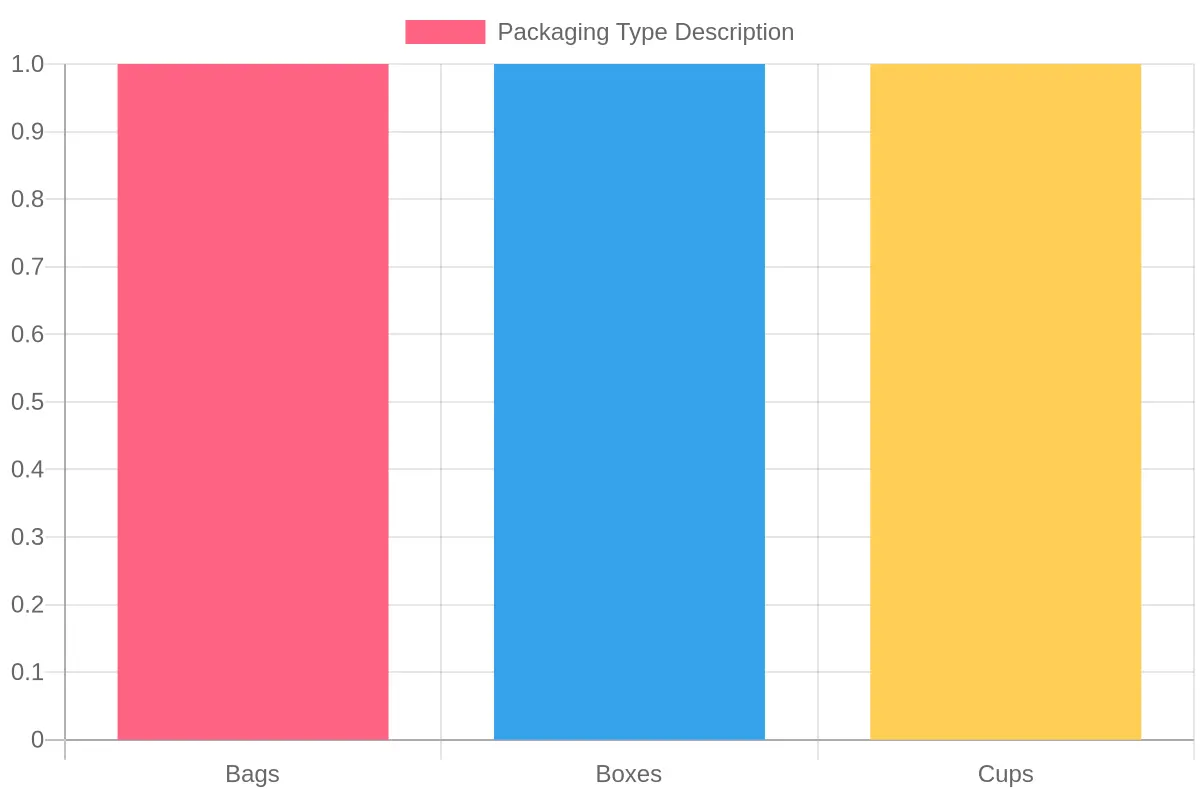
As seen in the chart below, the various aspects of packaging are interlinked, significantly impacting safety, durability, and overall customer perception.

In conclusion, reliable packaging is indispensable in the food service industry. It promotes safety, ensures product integrity, and enhances customer satisfaction. By choosing the right packaging solutions, food service businesses can not only protect their products but also build a trustworthy relationship with their customers. For more innovative packaging options, check out our range of takeaway boxes and durable cups.
“Sustainable packaging is not just an environmental choice; it is becoming a vital expectation from consumers. Businesses that adopt eco-friendly packaging options not only reduce their environmental footprint but also resonate with today’s conscious consumers who seek responsibility alongside convenience.” – Expert in Sustainable Packaging
Focusing on high-quality, reliable packaging is not just about aesthetics; it’s essential for preserving the integrity of your products and enhancing customer satisfaction. In a competitive market, standout packaging can communicate your brand’s commitment to quality while minimizing waste and spoilage-a crucial factor for beverage chains and food services. Our packaging solutions at EcoCupBowl encompass a variety of eco-friendly options that align with sustainable practices, ensuring you meet your customers’ expectations while being kind to the planet. If you’re ready to elevate your brand through exceptional packaging solutions, explore our extensive range of takeaway boxes and instock options today. Let us help you make a lasting impression!
Tips for Choosing Packaging Solutions for Food Delivery
Choosing the right packaging solutions for food delivery is vital for businesses in the food service industry, including restaurants, food trucks, and catering services. Here are some key tips to help you make informed decisions:
-
Prioritize Safety Standards: Ensure your packaging meets all food safety regulations to protect your customers. Look for materials that are food-grade and designed to minimize contamination risks.
-
Consider Cost-Effectiveness: Balance quality and price. While it might be tempting to go for the cheapest options, consider the total cost of packaging, including disposal and potential customer returns if the quality is poor. Investing in quality packaging can boost your brand image.
-
Evaluate Eco-Friendliness: With growing consumer demand for sustainable practices, opt for packaging that is recyclable, biodegradable, or compostable. This not only appeals to environmentally conscious customers but can also enhance your brand reputation. For more eco-friendly options, check out ECO Cup Bowl’s product range.
-
Assess Insulation Properties: Packaging should effectively maintain the temperature of food and beverages, especially for items that need to be delivered hot or cold. Look for insulated or thermal packaging solutions.
-
Adaptability for Menu Items: Choose packaging that accommodates various food types and sizes, including liquids, solids, or multi-course meals. Versatile options can streamline operations and enhance customer experience. Consider takeaway options available here.
-
Aesthetic Appeal: Well-designed packaging contributes to the overall customer experience. Attractive packaging can create a lasting impression and encourage repeat business.
-
Reliable Supply Chain: Ensure your supplier can consistently meet your demands and provide quality materials. Establish a good working relationship with your packaging supplier to avoid any disruptions in service.
By considering these factors, businesses can make better choices regarding their food delivery packaging solutions, ultimately enhancing customer satisfaction and operational efficiency.