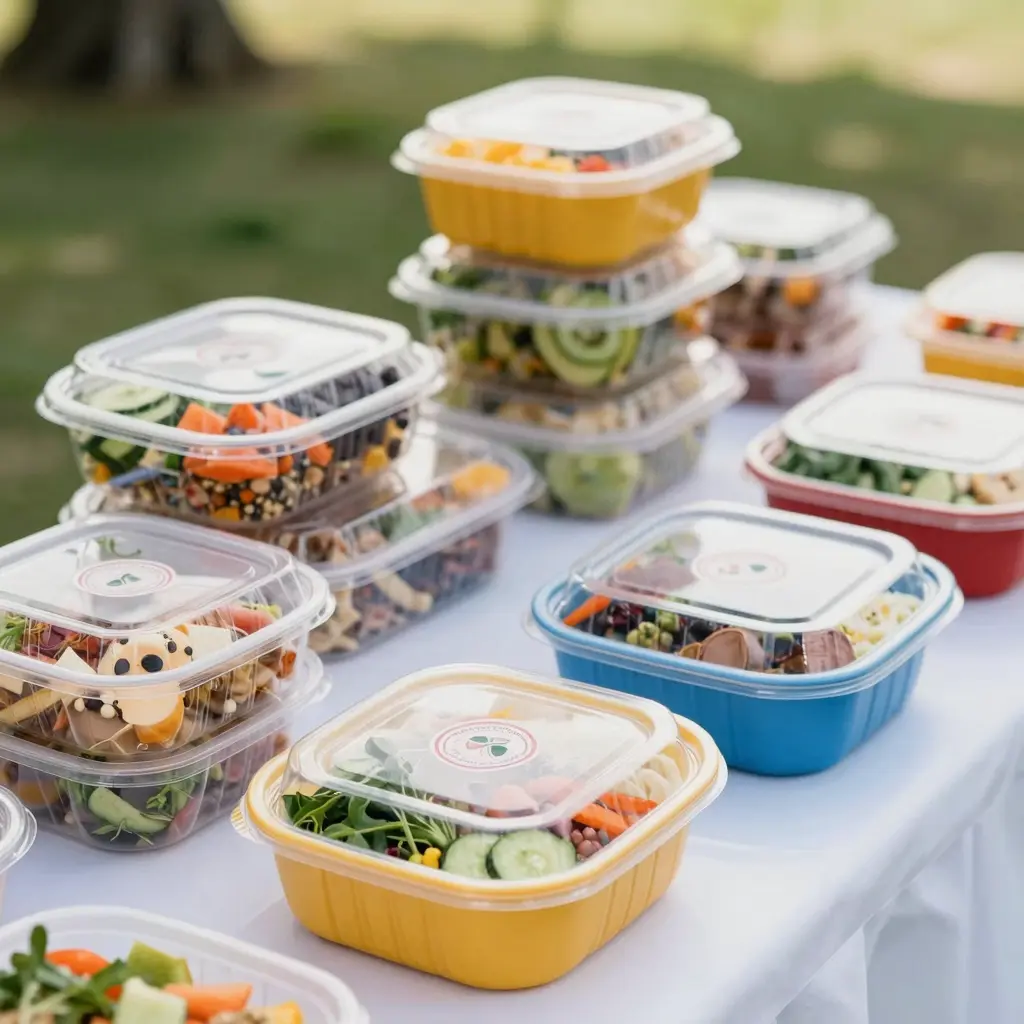
In the bustling world of food service, where efficiency meets customer satisfaction, the use of plastic disposable food containers is more critical than ever. These versatile containers are cherished not only for their convenience but also for their safety and eco-friendliness, perfectly catering to the needs of bubble tea shops, restaurants, food trucks, and event planners. Plastic disposable food containers offer an easy solution for packaging a variety of foods and beverages, allowing businesses to serve their offerings without the hassle of clean-up. With vibrant designs and durable options available, these containers ensure that food remains fresh and secure during transport. Additionally, many suppliers, including EcoCupBowl, are committed to providing eco-conscious choices that complement sustainability efforts-making them an appealing option for businesses that prioritize environmental stewardship. By choosing high-quality plastic disposable food containers, food service businesses can delight their customers with convenient and attractively presented food items while contributing to a greener planet.
Advantages of Using Plastic Disposable Containers
Plastic disposable containers have become essential for event planners and corporate buyers. Here are some key advantages tailored to meet their needs:
-
Convenience: These containers are lightweight and easy to transport, making them ideal for catering and event logistics. They allow for hassle-free serving and quick clean-up.
-
Cost-Effective: Using disposable containers helps minimize the costs associated with dishwashing and breakage, making them a budget-friendly option for large events and catering services.
-
Quality Food Preservation: High-quality plastic containers provide thermal barriers that keep food at ideal temperatures, ensuring quality and safety from preparation to serving. Learn more about maintaining food quality.
-
Versatility: These containers are suitable for a variety of foods, including desserts, salads, and hot dishes, allowing for diverse menu options at events and ensuring guest satisfaction.
-
Sustainability Options: Many companies now offer eco-friendly disposable containers, appealing to corporate buyers focused on environmental responsibility. Explore eco-friendly solutions.
Eco-Friendly Practices in Disposable Food Container Production
When it comes to sustainability in food service, plastic disposable food containers are often viewed with skepticism due to their environmental impact. However, advancements in materials and production techniques are leading to more eco-friendly options that address these concerns, helping businesses reduce their carbon footprint while still providing the convenience their customers expect.
Compostable and Biodegradable Materials
One key area of focus is the use of compostable and biodegradable materials for food containers. Unlike traditional plastics, which can take centuries to decompose, these alternatives are made from natural substances that break down into organic matter. Notable materials include:
- Cornstarch-based Plastics: These are derived from corn starch and are completely compostable. They serve as a great alternative for containers as they provide the functionality of plastic without the long-term waste.
- Sugarcane Bagasse: This byproduct of sugarcane processing is increasingly used for food containers. It is not just biodegradable but also strong enough to hold a variety of food items. By switching to products like sugarcane pulp containers, businesses can support sustainable practices.
Recyclable Containers
For establishments looking to reduce waste, using recyclable plastic materials is another viable option. Containers labeled as recyclable often include:
- PET (Polyethylene Terephthalate): Widely used for many food containers, PET has about a 29% recycling rate, making it one of the more commonly recycled plastics. While still not perfect, it represents a potential improvement over non-recyclable materials.
- HDPE (High-Density Polyethylene): With a 22% recycling rate, HDPE containers are lightweight and durable, suitable for various food applications.
While the overall global plastic recycling rate hovers around 9%, switching to recyclable materials remains a responsible choice that aligns with a sustainable business model.
Certifications and Standards
When sourcing eco-friendly disposable containers, it’s advisable to look for certifications such as:
- ASTM D6400 and D6868: These certifications ensure that the products meet compostability standards, supporting the transition toward a circular economy.
- BPI Certification: Ensure the products are biodegradable when disposed of in appropriate facilities, promoting environmentally responsible practices.
Conclusion
In conclusion, eco-friendly disposable containers do exist and are ready to support businesses in their commitment to sustainability. By choosing products made from compostable or recyclable materials, such as those found in our collection at EcoCupBowl, food service operators can effectively address environmental concerns while catering to the growing demand for sustainable solutions. With consumer awareness rising, the move toward eco-friendly packaging is not just beneficial for the planet, but it can also enhance your brand’s reputation and draw in more customers.
| Characteristic | Eco-Friendly Food Containers | Traditional Plastic Food Containers |
|---|---|---|
| Cost | Generally higher initial cost; varies by material (bagasse, bamboo, paper) but long-term benefits in brand image and sustainability | Lower upfront cost; mass-produced with cheap raw materials like PP, PET |
| Durability | Moderate durability; may have limitations with hot, oily, or liquid foods compared to plastics; biodegradable materials may soften over time | High durability; resistant to leaks, oils, and heat; maintains structural integrity longer |
| Environmental Impact | Significantly lower; biodegradable, compostable, reduces landfill waste and plastic pollution | High environmental footprint; non-biodegradable, contributes to plastic pollution and landfill accumulation |
| User Receptiveness | Increasing consumer preference due to environmental and health concerns; seen as safer and more sustainable | Historically accepted but declining preference due to sustainability concerns and health issues |
This table provides a clear and useful comparison for businesses such as bubble tea shops, restaurants, and catering services looking for guidance on food container choices. For further eco-friendly product options, explore eco-friendly takeaway boxes.
Customer Feedback on Disposable Plastic Food Containers
The discussion surrounding disposable plastic food containers often revolves around two primary aspects: safety and convenience. Research indicates mixed feelings among users with many finding comfort in the convenience of these products, while simultaneously expressing concerns over their safety.
Safety Concerns
According to a Consumer Reports article, several users pointed out worries about chemicals leaching into their food. One testimonial states, “I love the ease of use, but I can’t shake the feeling that I’m exposing myself to something harmful.”
Healthline’s coverage also highlights similar sentiments, with customers noting that while they appreciate the practicality of these containers, the potential health risks cannot be ignored. A user mentioned, “They’re great for leftovers, but I’m often concerned about harmful substances making their way into my meals.”
Convenience Feedback
On the flip side, the convenience of disposable plastic containers is often lauded. Many find them indispensable for takeout and food storage. A survey discussed in the Food Packaging Forum revealed that 75% of participants favored plastic containers for their lightweight and stackable nature.
One user remarked, “I can’t imagine running my food truck without these containers. They’re affordable, easy to carry, and my customers love them!”
Final Thoughts
While the convenience offered by disposable plastic food containers is undeniably attractive for businesses like bubble tea shops, restaurants, and catering services, it is crucial to remain informed about safety risks. As one consumer wisely stated, “It’s about balance-finding safe options that don’t compromise convenience.”
For various types of disposable containers, check out our meal bento boxes and food trays that combine safety with ease of use.
The Importance of Quality Disposable Containers in Food Service
“High-quality disposable containers are essential for food service businesses as they align with safety, convenience, and sustainability. They help in maintaining the quality of food during transport and prevent contamination.”
- Green Disposable Pack
In the fast-paced world of food service, the right disposable containers play a crucial role not just in convenience but also in ensuring the safety and quality of food products offered to customers. Quality containers are designed to minimize health risks associated with food contamination, providing peace of mind for operators and customers alike.
Whether you run a bubble tea shop, restaurant, food truck, or event planning service, investing in high-quality disposable containers can streamline your operations and enhance your brand’s reputation.
Explore our range of quality food containers to find the perfect match for your business needs!
Best Practices for Using Disposable Containers
When it comes to using plastic disposable food containers in bubble tea shops, restaurants, and catering services, following best practices can greatly enhance efficiency, customer satisfaction, and food safety. Here are some key tips:
1. Selection of Containers
- Material Matters: Opt for BPA-free plastic containers that are suitable for hot and cold foods. This ensures food safety and compliance with health guidelines. For instance, choices like fast food boxes are perfect for quick-service environments.
- Size Variety: Provide a variety of container sizes to accommodate different portion sizes, from small bakery items to large main courses. Consider using specialized containers like meal bento boxes for organized meals.
2. Storage Protocols
- Optimal Conditions: Keep disposable containers in a dry, cool area, away from direct sunlight to prevent warping and degradation of quality.
- Inventory Management: Regularly check expiration dates and quality to ensure that only safe and usable containers are offered to customers.
3. Cleanliness and Hygiene
- Sanitation Protocols: Maintain strict hygiene standards by regularly cleaning and disinfecting storage areas. Always ensure that containers are packed in a clean environment to prevent contamination.
- Use Appropriate Lids: Use tightly sealing lids to avoid spills during transport. This is especially crucial for liquids and hot foods.
4. Environmental Considerations
- Sustainable Options: Whenever possible, select eco-friendly disposable containers made from biodegradable materials to appeal to environmentally conscious customers. This aligns with growing trends towards sustainability in the food industry.
By following these best practices, bubble tea shops, restaurants, and catering services can ensure that they are using disposable containers efficiently while maintaining high standards of food safety and customer satisfaction.
Sales Growth of Disposable Containers
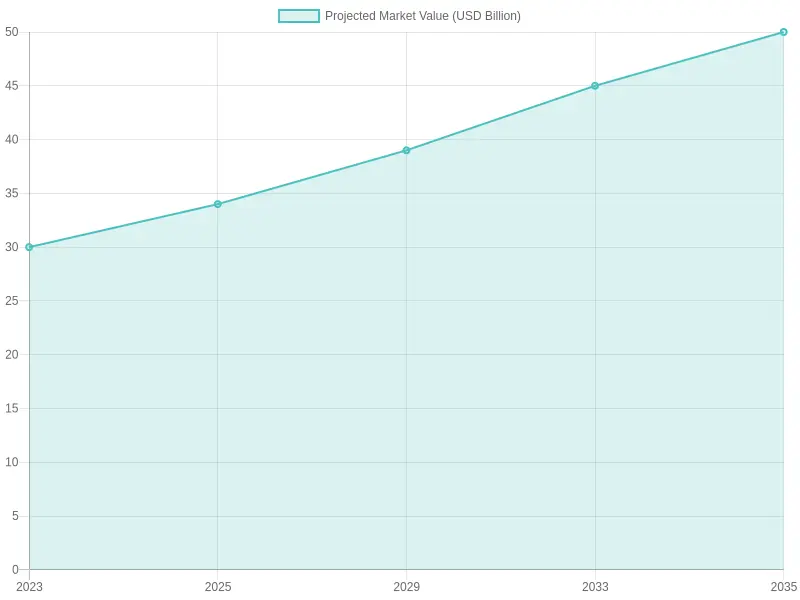
The sales growth of plastic disposable food containers has shown encouraging trends in recent years. As consumer demand for convenience and sustainability rises, the market is projected to experience substantial growth. Here’s a line chart that illustrates the projected market value of disposable food containers over the years:
Market Value Projections
| Year | Projected Market Value (USD Billion) |
|---|---|
| 2023 | 30 |
| 2025 | 34 |
| 2029 | 39 |
| 2033 | 45 |
| 2035 | 50 |
The industry insights indicate a steady growth at a Compound Annual Growth Rate (CAGR) of approximately 5.1%-6.4% from 2023 through 2035, driven by the increasing shift towards pre-packaged food options and sustainable packaging solutions.
To stay ahead in this growing market, it’s essential for businesses in the food service industry, including bubble tea shops, restaurants, and catering services, to consider sustainable and high-quality disposable container options. For more about available products, check out our range of disposable food trays.
Conclusion
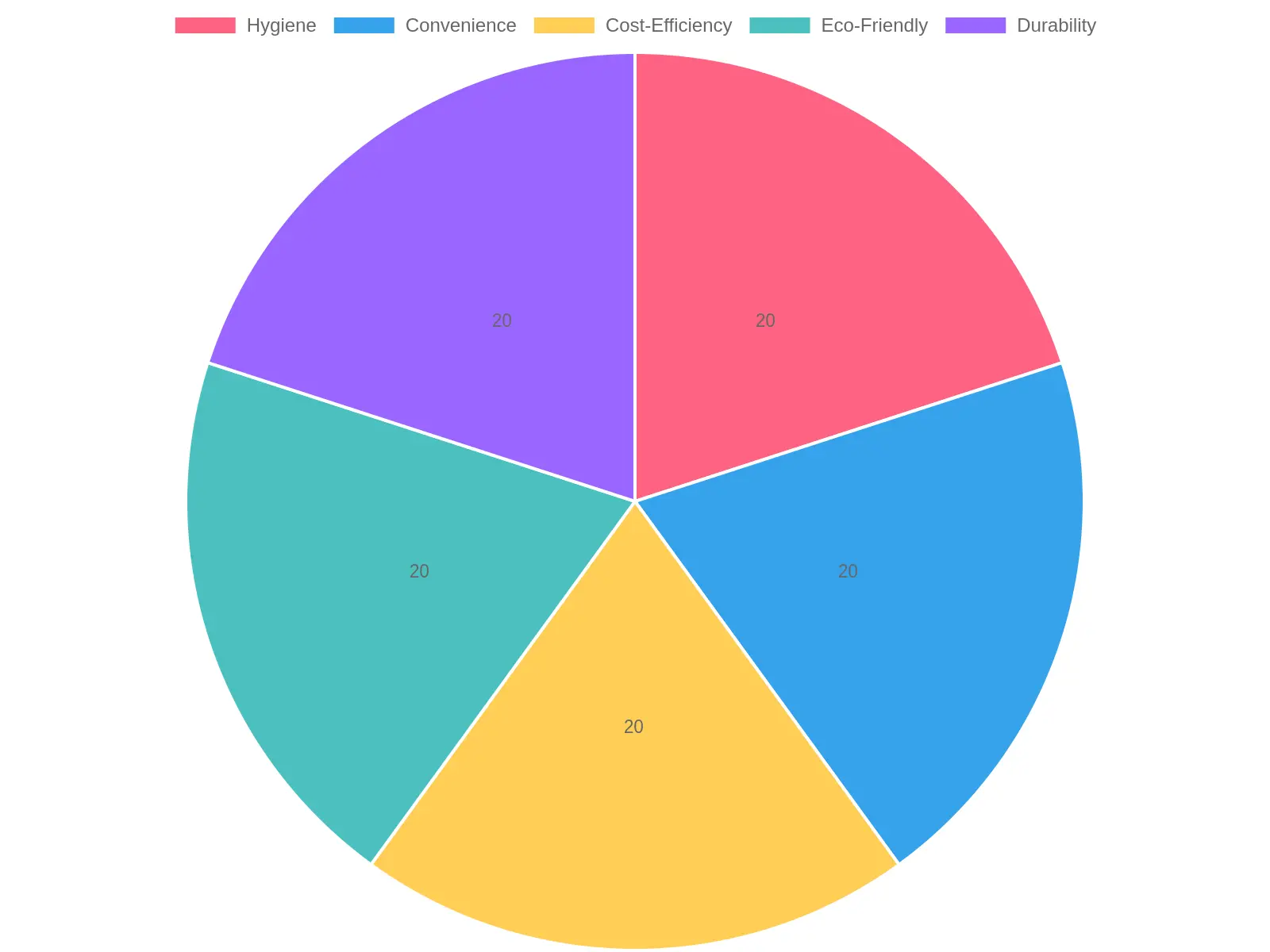
In conclusion, opting for reliable disposable tableware helps you enhance hygiene, streamline operations, and ensure cost-efficiency in your food service business. As discussed, the key benefits of using disposable food containers include:
- Hygiene: Maintaining food safety and cleanliness is paramount. Disposable containers reduce the risk of contamination, ensuring your customers receive safe and hygienic meals, especially during busy service hours.
- Convenience: With disposable packaging, there’s no need for washing and returning utensils or containers. This way, you can save time and focus on delivering quality service instead.
- Cost Efficiency: Disposable containers lower operational costs by simplifying food preparation processes and reducing cleaning efforts that can strain your resources.
- Sustainability: Many disposable options are now eco-friendly and biodegradable, aligning your business with modern consumer demands for sustainability while still providing convenience.
- Durability: Designed to handle a range of temperatures, these containers ensure that food remains in great condition, whether it’s served hot or cold.
Choosing the right disposable tableware can directly impact your operational success. At EcoCupBowl, we offer a wide range of high-quality disposable food containers perfect for restaurants, food trucks, and catering services.
Let’s partner together for a more efficient and eco-friendly food service experience. Browse our selection and contact us today to discover how our packaging solutions can serve your needs!