
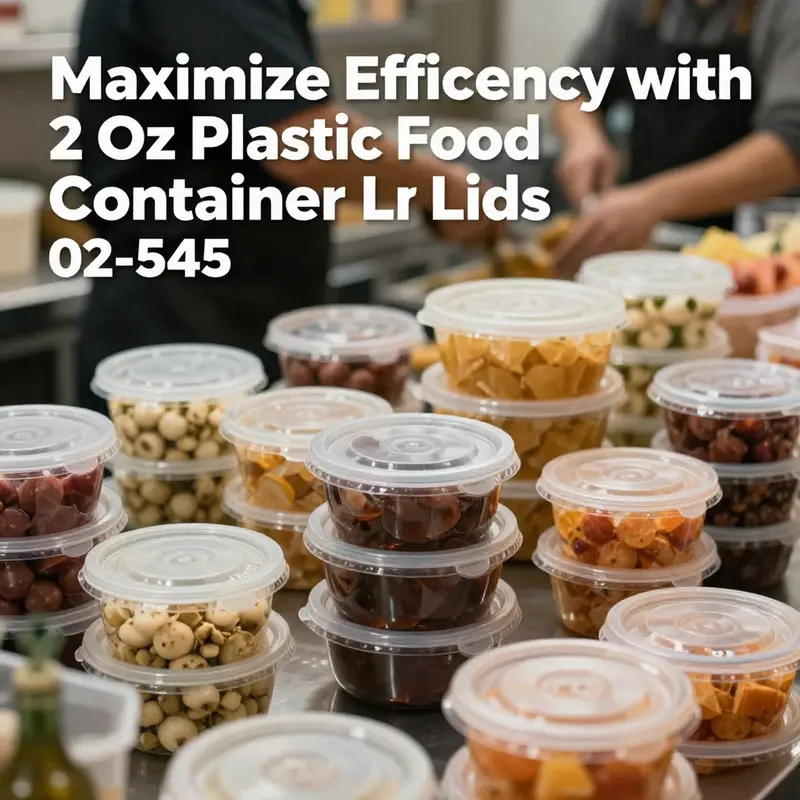
In today’s competitive food service industry, the importance of quality packaging cannot be overstated. Specifically, 2 oz plastic food container lids, such as the 02-545 model, play a critical role in ensuring food safety, freshness, and convenience for various businesses—from bubble tea shops to catering services. This guide provides an in-depth look into the relevance of these lids for your establishment, addressing quality and compliance considerations, supplier selection strategies, market trends, and environmental impacts. Each chapter aims to equip you with the necessary insights to make informed decisions, enhancing your service offerings while prioritizing sustainability.
Sealing Small, Sourcing Well: A Deep Dive into 2 oz Plastic Food Container Lids and the 02-545 Standard
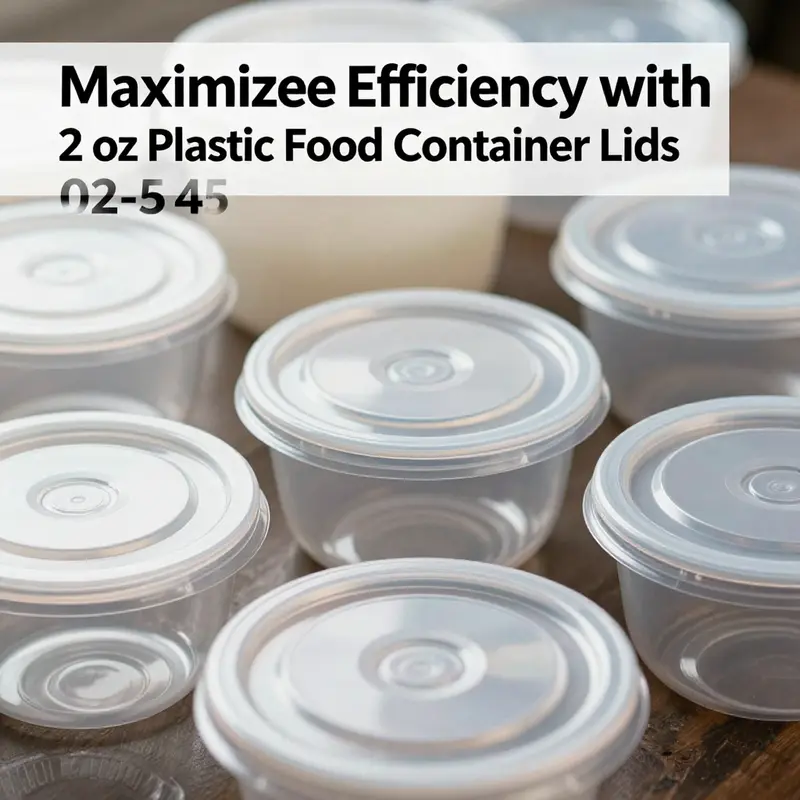
The 2 oz plastic food container lid sits at the quiet intersection of everyday convenience and rigorous quality control. Though small in scale, it is a pivotal interface between a consumer’s fresh, safe food and a process that must respect hygiene, shelf life, and regulatory expectations. In the context of the 02-545 standard and broader procurement practices, these lids are not merely closures; they are enablers of trust. They must fit snugly, seal reliably, and tolerate the conditions of service—from refrigerated display cases to portable meals and micro-delivery. In a package economy that prizes portion control and speed, the lid becomes a silent partner to the container, preserving moisture, preventing leaks, and signaling a level of care that customers can feel even before the seal is broken. The most common materials—Polypropylene (PP), Polystyrene (PS), and Polyethylene Terephthalate (PET)—offer a balance of rigidity, clarity, and safety. Each of these plastics is chosen not only for performance but for compliance with food-contact regulations that govern migration and exposure limits. The lid’s role in direct contact with edible contents places it under the same regulatory gaze that shapes the container body. This is where the 02-545 framework gains significance: it anchors design and sourcing decisions to a recognizable target that buyers, suppliers, and auditors can reference when arguing about fit, function, and safety. The lid must do more than cover; it must cradle a portion-sized experience, keeping sauces from escaping and flavors from fading, while remaining compatible with a family of 2 oz containers that restaurants, caterers, and home cooks rely on daily. A universal fit is a practical aspiration, but it sits against a backdrop of variations in manufacturing tolerances, embossings, and closure mechanisms. The classic snap-on lid offers a straightforward, low-friction engagement with a container lip. Twist-on designs, while less common in the small-portion segment, provide an extra layer of security that some operators associate with reduced tampering risk. A built-in hinge can add convenience, allowing quick re-sealing during prep, service, or transport. In some designs, a tamper-evident ring provides a visible signal of integrity, a feature increasingly valued by food service teams managing high-volume, multi-stop deliveries. Transparency is another practical design dimension. Clear or translucent lids enable quick visual checks of contents without opening the container, a small but meaningful efficiency for line cooks, servers, and retail counters. The choice among PP, PS, and PET filters through the lifecycle expectations of the product. PP lids generally strike a robust balance between heat resistance, chemical stability, and cost, making them a common default for cold and warm applications alike. PS lids, prized for their clarity, can be favored when visibility of the product is essential, though they can be more brittle under impact or temperature stress. PET lids often contribute to enhanced barrier properties and stackability, benefiting operations where space and durability matter. Each material also carries a distinct narrative about sustainability. In a market increasingly attentive to environmental responsibility, there is growing demand for lids that align with compostable or recycled-content strategies. PLA-based options, when processed in the right facilities, illustrate a path toward industrial composting, and some suppliers now advertise BPI-certified claims to reassure buyers about end-of-life outcomes. This sustainability thread resonates with broader consumer expectations and with corporate commitments to reduce plastic waste. Yet sustainability cannot be pursued in isolation from performance. A lid must withstand the tamping rhythms of busy kitchens, the jostling of delivery, and the chill of refrigerated display. It must resist leaks under acceleration, remain stable when chilled sauces separate, and avoid deforming after repeated closures. In the supply chain, achieving this requires clear specifications, rigorous testing, and rigorous supplier oversight. The 02-545 lens emphasizes consistency and traceability. It pushes buyers to demand precise dimensional tolerances, defined closure force, and compatibility with a defined family of 2 oz containers. It also invites a conversation about packaging ergonomics—how easy it is to seal, how intuitive it is to open, and how reliably it protects the product from the moment of packaging to the moment of consumption. Procurement teams increasingly align around quality, compliance, and supplier capability. A robust sourcing strategy begins with a well-formed specification that covers material type, thickness, closure type, and compatibility with each container diameter. It extends to process controls that govern molding cycles, finish quality, and leak testing. It includes documentation such as certificates of conformity, material safety data sheets, and traceability records that map batches to production lots. The real-world procurement challenge is balancing cost with performance, a negotiation that hinges on supplier selection and ongoing monitoring. The experience of sourcing 2 oz lids in bulk reveals the value of a structured supplier evaluation framework. Buyers look for a track record of consistent quality across high-volume runs, the ability to provide scalable lead times, and the presence of quality management systems, ideally with third-party certification. Audits—whether conducted directly by the buyer, through a contracted QA partner, or via a trusted certification body—surface gaps in process control, supplier capability, and material provenance. In practice, the most resilient supply chains rely on approved supplier lists, pre-qualification checks, and robust containment plans in the event of a disruption. In this context, the 2026 strategic sourcing insights for small-dosa containers have underscored a few core truths. First, quality is non-negotiable when it comes to lids that preserve product integrity and consumer safety. Second, compliance is a moving target that requires ongoing diligence as regional regulations, recycling streams, and labeling expectations evolve. Third, supplier selection must incorporate not just price but reliability, responsiveness, and post-sales support. The interplay of these factors shapes a favorable total cost of ownership, where a lid that seals perfectly but arrives late or lacks documentation can derail an operation as surely as a cheaper option with frequent defects. On the demand side, businesses increasingly recognize the value of standardization. A uniform lid family reduces the complexity of production lines, simplifies warehouse management, and accelerates training for staff who handle packaging. It also supports branding strategies that seek a clean, professional look, where even the lid contributes to a consistent customer experience. The macro trends fueling this space—portion control, safety, and sustainability—also influence the decision to pursue more eco-conscious lid variants. Compostable options, recycled-content plastics, and lighter-weight geometries all offer potential benefits, but each choice requires careful validation against performance and end-of-life infrastructure. The conversation about end-of-life is not only about where a lid ends up, but how it enters and exits the circular economy. In retail and foodservice environments, the visibility of lids in waste streams matters. Programs that encourage or mandate compostable components, coupled with clear consumer guidance, can shift the environmental calculus. Yet such programs demand compatibility with existing waste streams and consumer education to ensure effective separation. Even within a single facility, the lid’s journey illustrates how packaging decisions ripple across procurement, quality control, and operations. The capacity to source lids that consistently meet the 02-545 specification reinforces confidence across stages—from supplier selection to kitchen bench to customer handoff. It also invites operators to consider customization, such as branding or logo printing, as part of a broader packaging strategy that reinforces identity without compromising recyclability or performance. For buyers exploring the breadth of options, the market offers a continuum from straightforward, translucent lids to more specialized designs that incorporate locking features, tamper-evident indicators, or moisture-control channels. The decision matrix thus becomes a balancing act among fit, seal integrity, user experience, and sustainability. In practice, this balance is achieved through collaborative supplier relationships, precise specifications, and a shared commitment to safety and quality. The knowledge embedded in the 02-545 framework isn’t only about a product category; it is a blueprint for thinking through the entire lifecycle of a compact, food-contact closure. It invites procurement teams to ask: Will this lid perform under the pressure of high-volume service? Does it align with our safety and labeling standards? Can it be integrated with our current container system without requiring costly tooling changes? And how does it fit into our sustainability commitments, both in material choice and in end-of-life planning? These questions anchor every purchasing decision, transforming a simple lid into a strategic asset that supports consistency, trust, and operational agility. As markets evolve, the conversation will continue to expand to include more nuanced metrics, such as driver-assisted quality feedback from line staff, more granular testing regimes for leak resistance under varied temperature cycles, and transparent supplier performance dashboards. The narrative surrounding 2 oz lids is, at its core, a narrative about the careful choreography between design, safety, and supply. It is a reminder that even the smallest component in a takeout box contributes to the reliability of a consumer experience and the integrity of a brand promise. For readers seeking a practical glimpse into related packaging ecosystems, a broader view of sustainability-forward packaging solutions can be found in resources detailing eco-friendly takeout boxes for food packaging. This context helps frame the lid not as an isolated element, but as a connector within a wider system of portioned, portable, and responsible food packaging. eco-friendly takeout boxes for food packaging. Looking forward, the procurement discipline around 2 oz lids will continue to mature as standards evolve, as supply networks diversify, and as consumer expectations sharpen. The 02-545 lens will remain a touchstone, guiding manufacturers and buyers toward products that consistently perform, protect, and present food with care. For those scanning the global marketplace for wholesale opportunities, the landscape still favors scale, reliability, and clear documentation, a combination that translates into fewer surprises and steadier operations across the busy cycles of food service. If one thing endures, it is the acknowledgment that the lid, though small, is essential—an unobtrusive yet indispensable part of a system that sustains freshness, safety, and satisfaction from the first seal to the final bite. External resources illuminate this journey, including wholesale channels that aggregate volume, pricing, and compliance data for 2 oz disposable container lids, as seen in the following global listing: https://www.alibaba.com/product-detail/Wholesale-2-oz-disposable-containers-lids_1600458397633.html?spm=a2700.1.x.search01&source=productDetail
Small Lids, Big Standards: Navigating Quality, Safety, and Compliance for 2 oz Food Container Lids (02-545)
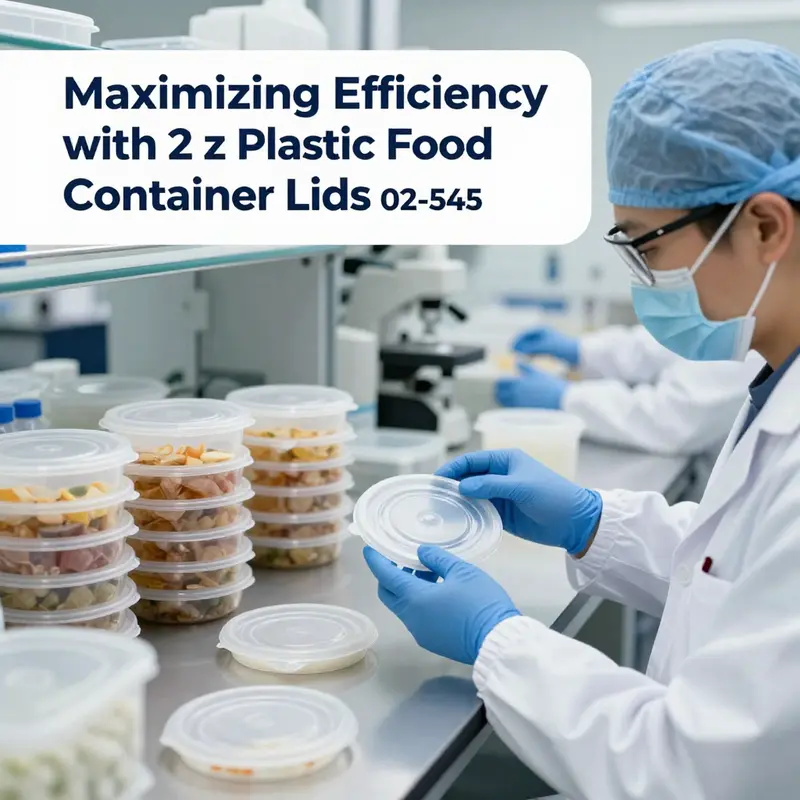
The tiny lids that cap a two-ounce portion carry outsized responsibility. In the world of food packaging, a lid is more than a closure; it is a guarantor of safety, a shield against leakage, and increasingly a marker of a brand’s integrity. The 2 oz size sits at the intersection of convenience and hazard. It is used for delicate sauces, condiments, dressings, single-serve desserts, and other small portions where a secure seal must withstand movement during transport, temperature fluctuations, and the rigors of consumer handling. The chapter that follows examines the quality and compliance landscape for these lids associated with the 02-545 code and why every choice from material selection to end-of-life considerations matters for health, performance, and reputation. The narrative moves beyond the surface of regulatory checklists to reveal how decisions at the design stage ripple through the supply chain, influencing how a product performs in kitchens, on shelves, and in consumers hands.
Material safety is the first frontier. The most common thermoplastics for small lids are polypropylene and related polyolefins, with material properties that balance clarity, rigidity, heat resistance, and cost. The migration behavior of additives within these plastics—stabilizers, antioxidants, slip agents, and plasticizers—can shift under different conditions. Heat, acidic or oily foods, and prolonged contact all intensify the potential for chemical migration. Hence, the underpinning requirement is clear: compliance with food-contact substance regulations across jurisdictions. In the United States, the framework centers on FDA rules governing substances that can contact food, which define thresholds and usage conditions for plastics. In the European Union, Regulation 1935/2004 establishes a broader governance of materials intended for contact with foods and the migration limits that EFSA must practically enforce. In China, national standards such as GB 4806.6-2016 govern polypropylene plastics used in food-contact applications. These rules are not static; they evolve with accumulating data about materials and new additives. The consequence for a 2 oz lid is that the design team must select polymers and additives whose migration profiles are compatible with the intended use, store conditions, and regional regulatory expectations. A practical implication is the inclusion of formal migration testing in qualification programs. Such testing resembles a stress test for safety: it probes whether trace compounds could reach levels of concern when a lid encounters steam, hot liquids, or fatty sauces. While the science can be complex, the result is straightforward for brand owners: material choices must be defensible under multiple regulatory regimes, not just in one corridor of the world.
The structural performance of a lid is the second pillar of quality. A 2 oz closure must deliver a secure seal that resists leaks during transport, refrigeration, and occasional mishandling. It must endure repeated handling, stacking, and the mechanical pressure of closures on assembly lines without cracking or deforming. In practice, this means attention to the geometry of the lid, the fit with its corresponding container base, and the interplay of temperature with material stiffness. Even small deviations in thickness, mold-fill consistency, or surface finish can translate into insufficient sealing or uneven engagement with the container lip. Given the small scale, tolerances are tight but essential. Engineers simulate real-world scenarios—driving a car with a box of sauces, subjecting a package to a cold chain, or enduring a rapid ascent and descent in air travel—to observe how the lid performs under pressure, vacuum, or rapid temperature changes. When leakage occurs, the consequences cascade. Leaks compromise product integrity, invite regulatory scrutiny, invite customer complaints, and threaten brand equity. Durability matters too: the lid should resist deformation after multiple openings and closes, particularly in reusable packaging systems where users may reclose the lid dozens of times. The precise fit becomes a part of the consumer experience, signaling quality or, conversely, a perception of cheapness. The base compatibility 02-545 or related container geometries must be validated across the temperature spectrum that customers will encounter in kitchens and pantries. This is where design for manufacturability intersects with quality assurance. The best lids are not only robust in function but also efficient to produce, with clean mold designs that minimize defects and optimize cycle times without compromising performance. In practice, this means adopting precise mold tolerances, rigorous in-process inspection, and robust quality control that catches deviations before finished products ship. A cohesive quality program connects material science with physical testing, linking the chemistry of the polymer with the mechanics of the seal.
Beyond chemical safety and mechanical performance lies a broader, increasingly important strategy: sustainability and lifecycle responsibility. Modern buyers expect packaging to progress toward lower environmental impact, even for small lids. Recyclability and compostability considerations inform material selection and labeling. For many PP-based lids, recyclability is feasible within established streams, provided the label and adhesives do not impair recycling processes. Transparent labeling about material type guides post-consumer sorting and helps consumers dispose of products responsibly. Knowledge of end-of-life pathways matters not only for regulatory compliance but also for brand perception. In parallel, regulatory trends push manufacturers to re-evaluate additives and formulations in light of stewardship goals. The European Union’s single-use plastics directive and related policy developments prompt proactive planning, especially when contemplating alternatives to traditional plastics. The debate around certain additives—such as those with controversial health or environmental profiles—drives a shift toward material innovations that balance safety, performance, and sustainability. In this evolving landscape, teams anticipate regulatory shifts and plan for adaptability, ensuring that new materials or reformulations maintain compliance while meeting consumer expectations.
Supply chain and supplier selection strategies sit at the center of quality and compliance. The journey from resin to finished lid involves numerous stakeholders, each contributing to final performance. Procurement teams must assess supplier capabilities, quality systems, and traceability, as well as the supplier’s willingness and ability to support regulatory compliance across markets. The literature on sourcing for small-diameter food-contact components emphasizes a disciplined approach to supplier qualification, including risk assessment, process capability, and ongoing monitoring. Where possible, prospective partners should demonstrate consistent performance in material safety data, certification claims, and process controls. A robust supply chain also contends with the realities of manufacturing variability. Even with rigorous specification documents, batch-to-batch differences can appear, underscoring the importance of incoming material inspection and lot-level testing. The take-away is clear: quality and compliance are not achieved by one-off audits but by a sustained, risk-based program that integrates regulatory knowledge, technical testing, and supplier performance metrics into daily operations.
Support for testing and verification often comes from third-party laboratories that specialize in food-contact materials. Independent verification provides a neutral assessment of whether a lid meets the intended regulatory and performance criteria. The value of such testing lies in its ability to reveal migration concerns, reveal performance deficiencies, and document conformance to applicable standards. While the regulatory framework is foundational, the practical work of testing translates into safer products and more reliable packaging performance. The chain of evidence built through testing supports regulatory submissions, audits, and consumer safety assurances. In this regard, the role of testing is not merely punitive or bureaucratic; it is a constructive capability that informs design refinements, supplier choices, and packaging strategies that better align with market expectations. When packaging teams integrate these insights early in the development cycle, they reduce the risk of costly recalls, supply interruptions, or misalignment with retailer and consumer requirements.
Amid the technical rigors, how a lid communicates its safety and performance to the market matters. Labeling strategies and consumer-facing information influence how a package is perceived. While the US guidance on labeling for food-contact plastics does not require explicit food-safe labeling for every container, clear communication about recyclability and material type strengthens transparency and supports sustainability goals. Companies that align labeling with regulatory compliance and environmental stewardship see downstream benefits in consumer trust and brand affinity. The interplay between safety data, regulatory alignment, and environmental messaging becomes a narrative the company can carry through its entire packaging program.
In this context, the 2 oz lid becomes a focal point for strategic thinking about quality, compliance, and lifecycle responsibility. It is a tiny part of a broader system, yet its performance reverberates through every stage of the product’s journey—from resin selection and molding to distribution, consumer use, and end-of-life management. The lid may be small, but its impact is substantial. By integrating material science with rigorous testing, by maintaining tight control over manufacturing tolerances, and by planning for evolving regulatory landscapes, manufacturers can deliver lids that protect food, earn consumer trust, and support a responsible, resilient packaging system. And as the industry continues to evolve, the chapter’s core message remains constant: the highest standards in even the smallest packaging components yield the strongest performance in the most demanding environments.
For practitioners seeking practical examples of lid-related packaging options and to explore related container arrangements, the following resource provides a relevant snapshot of current market options: disposable sauce boxes with lids. External references offer a broader view of testing methodologies and regulatory expectations that underpin the safety guarantees discussed above.
From Specs to Shelf: Strategic Supplier Selection for 2 oz Lid Components (02-545) in B2B Food Packaging
The journey from a technical spec to a reliable, in-market supply of 2 oz plastic food container lids—specifically the 02-545 variant—demands more than a quick price comparison. In B2B packaging, the lid is a small but vital component that guards product safety, preserves sensory quality, and upholds brand promise. As such, supplier selection must blend precision with practicality, balancing regulatory compliance, manufacturing capability, and operational reliability. A robust supplier framework considers not only the cost per unit but also how a partner will perform across the lifecycle of demand, from initial samples to steady, multi-year replenishment. This is the chapter where that framework comes into clear focus: what to look for, how to verify it, and why these factors collectively determine whether a lid can consistently perform under real-world conditions, not just in a lab or a spreadsheet. It is an exercise in risk mitigation, price-agnostic thinking, and strategic sourcing that aligns with the broader aim of sustaining a resilient packaging supply chain.
One of the first decisions in supplier selection is geographic and capacity awareness. In large-scale plastic packaging, manufacturing hubs in China offer distinct advantages. Regions such as Guangdong and Shandong stand out for their established plastics ecosystems, sophisticated tooling, and export-readiness. A capable supplier in Guangdong or Shandong typically provides not only the necessary extrusion and molding capabilities but also the downstream capacity to handle large-volume orders with tight timelines. The advantage is twofold: access to scalable production and a network of supporting services—quality control labs, logistical partners, and regulatory compliance know-how—that reduce time-to-market risk. What matters, in practice, is not merely presence in a region but evidence of consistent performance. A benchmark such as rapid response times and high on-time delivery rates serves as a useful reference point. In the supplier landscape, a partner that can reply within hours during peak cycles and still meet delivery commitments is often better aligned with just-in-time inventory strategies than one that can only perform on a predictable calendar.
Beyond location, the technical credentialing of a lid supplier is non-negotiable. Food-contact plastics demand rigorous compliance. Certificates that matter include food-safety approvals and material declarations. The most consequential certifications center on regulatory compatibility: FDA or other national equivalents for food contact, and EU Food Contact Materials compliance for markets in the European Union. ISO standards—at a minimum ISO 9001 for quality management and ISO 22000 for food safety management—provide a structured signal that a supplier maintains systems designed to consistently produce safe, traceable products. Material composition clarity is essential as well; lid formulations frequently employ polypropylene (PP) or polyethylene terephthalate (PET). Knowing the exact resin grade, whether any additives are used, and how the material behaves under heat, cool, and sterilization processes ensures compatibility with the intended application and the customer’s downstream packaging lines. When these documentation aspects are in place, procurement teams gain a foundation for risk assessment that extends far beyond a price quote.
A second strand of due diligence concerns quality assurance and process discipline. For lids, this often translates into a defined quality management trajectory and the ability to perform testing that mirrors real-world use. Buyers should seek evidence of documented quality procedures, including initial sample acceptance criteria and ongoing lot-traceability. Dimensional tolerances, lid sealing integrity, slump characteristics during molding, color consistency, and surface finish all influence the consumer’s perception of the product. A supplier capable of providing first-article inspection reports, statistical process control data, and clear non-conformance handling procedures reduces downstream rejects and avoidable production line downtime. In practice, the strongest partners offer transparent, auditable records that align with the buyer’s internal QC routines and supplier scorecards. This transparency becomes especially crucial when orders scale up, when a customer introduces new cap geometries, or when regulatory environments shift—keeping the relationship resilient rather than reactive.
A practical evaluation framework also addresses the commercial terms that shape day-to-day operations. MOQs, or minimum order quantities, are a common friction point for new partnerships. The right supplier offers a scalable path: the ability to begin with a modest trial order and gradually increase volumes as confidence grows, without prohibitive price penalties or lead-time penalties that undermine ramp-up. Lead times matter, too. For lids that feed into critical lines, a supplier who can commit to reliable lead times and maintain buffer inventories for risk periods demonstrates the level of reliability necessary for manufacturing continuity. Customization capabilities—such as lid colors, tamper-evident features, or printed branding on lids—add strategic value but often require higher MOQs or longer lead times. A thoughtful sourcing plan will quantify the trade-offs: how much customization is feasible at each volume tier and what cadence of orders supports stable production without tying up excessive working capital.
The selection journey should weave in due diligence conducted with a data-driven mindset. A structured evaluation that combines objective performance metrics with qualitative supplier insights typically yields the most stable outcomes. Buyers benefit from requesting samples that undergo independent testing, evaluating not only fit and finish but also functional attributes like tightness of fit with a standard cup neck and resistance to temperature fluctuations during hot-filled or chilled product handling. Documentation matters: a clear bill of materials, material test reports, supplier declarations of conformity, and traceability records enable risk tracking across batches and enable swift root-cause analysis if issues do arise. Moreover, assessing supplier readiness for audits—whether announced or unannounced—helps ensure that a partner’s claimed quality systems are actively implemented, not merely documented. The emphasis on validation aligns closely with what many procurement professionals seek: a supplier partnership that can withstand supply shocks, regulatory updates, and market volatility without sacrificing product integrity.
In practice, a well-structured supplier selection process also embraces relationship-building as a strategic asset. Platforms that connect buyers with a broad supplier base can accelerate discovery, but the true value lies in how a buyer leverages those platforms to perform rigorous due-diligence. Deep-dive evaluations, structured sample requests, and facility audits—whether remote or on-site—transform a vendor’s profile from a brochure into a credible, working partnership. Importantly, this approach reduces the risk of misalignment on critical issues such as food-contact compliance, waste streams, or post-consumer packaging specifications. It also creates a foundation for a collaborative continuity plan. When a supplier understands a buyer’s seasonal demand patterns, packaging formats, and quality expectations, they are better positioned to offer proactive capacity planning and value-added services such as mold maintenance, on-site tooling support, or rapid prototyping of lid variants to match evolving product portfolios.
The narrative around supplier selection is not simply about chasing the lowest unit price. A myopic focus on price can mask latent vulnerabilities: inconsistent material supply, variable lid-to-cup fit, late shipments, or compliance gaps that surface only after a line stop. Instead, the chapter’s recommended creed is to weigh quality, compliance, and operational performance as equally important pillars. A supplier that aligns on food-safety standards, demonstrates stable throughput, and maintains a robust quality-control regime reduces total cost of ownership by minimizing waste, returns, and line downtime. It also supports brand integrity; a lid that performs reliably across batches and regulatory contexts protects product integrity and preserves consumer trust. In a market that prizes speed without sacrificing safety, the most resilient procurement strategies recognize that a dependable lid supplier is foundational to sustainable growth.
As this chapter connects to the broader arc of the article, it is worth noting how the supplier selection lens for 2 oz lids fits into adjacent packaging decisions. Lids often operate in tandem with cups, sleeves, seals, and labeling that collectively determine a product’s stability and consumer experience. When procurement teams map supplier capabilities for lids to the broader supply network, they gain a more accurate forecast of capacity, risk concentration, and contingency options. A well-curated supplier roster for lids can be synchronized with a pool of qualified partners for cups and printed elements, enabling faster onboarding of line extensions or product refreshes without compromising reliability. The goal is not only to secure a single dependable supplier but to cultivate a network that supports agile, compliant, and cost-effective packaging solutions across multiple SKUs and markets.
To close the loop on the practicalities embedded in this framework, consider how an internal linking strategy can reinforce knowledge sharing. For instance, a reference to resilient packaging solutions and lidded containers can be anchored through a relevant internal resource that discusses broader take-away packaging systems. This approach helps teams connect the dots between lid specifications and end-use packaging ecosystems, ensuring that procurement decisions are informed by a holistic view of supply dynamics. For readers exploring supplier options and the trade-offs involved in sourcing 2 oz lids, one relevant example to review is the supplier landscape for lidded containers and related packaging components. disposable sauce boxes with lids.
External resources can further illuminate the strategic dimension of sourcing. A widely cited external reference provides broader guidance on sourcing strategies for small-volume, high-precision packaging components in global markets. For readers seeking a broader lens beyond the specific part number, this external resource offers insights into supplier evaluation frameworks, risk management, and regulatory considerations that complement the chapter’s practical recommendations: https://www.alibaba.com/product-detail/Disposable-Plastic-Food-Container-2oz-999_1602237715771.html. The combination of a tailored supplier-screening approach and an awareness of the broader market landscape equips procurement teams to navigate the complexities of 2 oz lid sourcing with greater confidence and consistency, ensuring that every batch not only meets spec but also upholds the standards customers expect from modern food packaging.
In the end, selecting a supplier for 2 oz container lids—especially for an item as functionally precise as the 02-545 variant—must rest on a disciplined, data-driven approach that values quality as highly as price. It is a process that builds resilience into product lines, supports regulatory compliance across multiple jurisdictions, and sustains brand integrity through reliable performance at scale. By coupling regionally capable manufacturers with rigorous QA practices, clear material declarations, and transparent communication protocols, procurement teams can convert a potentially fragile supply chain into a dependable backbone for fast-moving packaging programs. This is how a seemingly small component becomes a strategic enabler of consistent product quality, on-time delivery, and competitive advantage in the B2B market for food packaging.
Tiny Caps, Large Impacts: Market Forces Shaping 2 oz Plastic Food Container Lids (02-545)
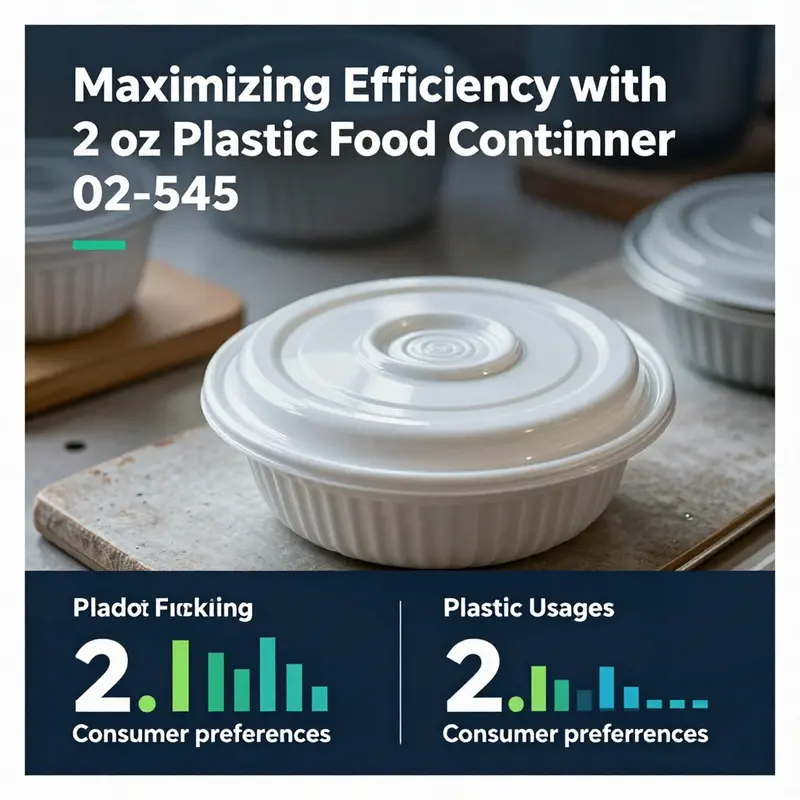
The small-scale world of 2 oz plastic container lids sits at a surprising crossroads where efficiency, safety, and sustainability collide. These lids, designed to seal tiny soufflé or dessert cups, must perform at the very edge of standardization: they need to fit tightly, resist leakage under transport, tolerate brief reheating, and align with evolving regulatory expectations while remaining affordable in mass production. As buyers increasingly operate within complex supply chains, the market trends surrounding these minute caps reveal broader shifts that ripple through quality programs, supplier selection, and the very architecture of takeout and food-service packaging. The conversation around a lid this small is less about novelty and more about how a packaging system can balance exacting functional requirements with rapidly shifting consumer values and global material dynamics. In practice, this means vendors and buyers alike are converging on a set of core criteria—compatibility, performance, safety, and sustainability—that determine long-term viability in a market that prizes both precision and responsibility.
At the heart of the trend landscape lies the demand for portion-controlled, dishwasher-safe, microwave-friendly formats that protect the integrity of delicate contents. The lid must preserve texture and moisture without compromising the visual appeal of the product. For a tiny 2 oz cup, even a minor mismatch in diameter, sealing lip geometry, or material density can result in leakage, micro-wicking, or stacking challenges that cascade into costs and customer dissatisfaction. As retailers and food-service operators expand into omnichannel channels—takeout, delivery, and in-store pickup—the lid becomes a visible, yet often overlooked, quality control point. Buyers are increasingly asking whether a lid’s design supports efficient automation, whether it can withstand the rigors of cold-chain transport, and whether it offers tamper-evident or easy-seal features that reassure customers about product safety. These questions drive suppliers to invest in tighter tolerances, rigorous testing protocols, and clear, data-driven documentation that can be traced back to resin type, coating, and compatibility with the cups themselves.
The regulatory and safety environment adds another layer of complexity. Food-contact materials must pass migration tests and demonstrate safety across a spectrum of use cases—from cold dessert cups to brief microwaving sessions. This is where the 2 oz lid becomes a regulator’s proxy for a broader compliance narrative. Material choices—whether polypropylene, high-density polyethylene, or alternative polymers—carry different risk profiles and migration limits. The choice of barrier coatings, anti-fog or anti-sweat finishes, and the presence of liners or seals all influence compliance. In many geographies, the acceptance of recycled content in food-contact plastics is proceeding unevenly, inviting careful scrutiny of supplier qualifications and finished-part testing. For manufacturers, maintaining a robust quality management system that documents resin provenance, lot traceability, and batch testing is not optional; it is foundational to sustaining supplier relationships and customer confidence in a crowded market.
Beyond safety and compliance, material science is actively reshaping what small-diameter lids can achieve. Lightweight, clear, and rigid lids that resist cracking during stacking are increasingly favored. The ongoing pursuit of sustainable packaging also nudges lid designers toward resins that can accommodate higher recycled-content levels without compromising clarity or heat resistance. In an era of circular economy thinking, the industry is evaluating whether a given lid can be recycled with its cup in typical municipal streams or whether it requires a specialized recycling path. The practical implication for procurement is not merely selecting a material but mapping the entire end-to-end lifecycle of the lid: resin sourcing, processing, migration testing, end-of-life streams, and even the ease with which the packaging can be disassembled for recycling. This lifecycle thinking dovetails with supplier qualification practices that emphasize a combination of quality metrics, environmental stewardship, and supply resilience.
From a design perspective, the market is pushing toward lids that deliver consistent, reproducible performance at scale. The geometry of the sealing lip, the presence of features that aid automated capping lines, and the ability to stack cups without lid deformation all count as differentiators. Consumers, meanwhile, notice small but meaningful improvements—air-tight feel, absence of leakage in transit, and the tactile sense that the lid is secure without excessive effort. Aligning these design goals with manufacturing realities requires a disciplined feedback loop between design engineers, quality teams, and supplier partners. In this context, the strategic sourcing framework described in recent B2B literature—focusing on quality, compliance, and supplier selection—becomes a practical blueprint. The emphasis on robust supplier evaluation helps ensure that the tiny cap not only fits a wide range of cup diameters but also adheres to strict performance and safety criteria across multiple production lots. For readers exploring compatible packaging ecosystems, a catalog of lid-compatible options—such as disposable kraft bowls with lids—offers a tangible reference point for evaluating fit, finish, and functional performance. See one relevant example here: disposable kraft paper bowls with lids bulk 500ml to 1000ml.
The commercial impulse behind these trends is not merely to chase novelty but to optimize the total cost of ownership across the packaging system. For many operators, the small lid represents a disproportionate share of the total packaging cost due to its high volume and the delicate balance between seal integrity and material usage. Suppliers respond by offering tiered packaging programs that bundle lids with cups or with compatible accessories, aligning pricing with demand patterns while preserving flexibility for seasonal fluctuations. In practice, this means a shift toward long-term agreements that emphasize reliable lead times, predictable resupply, and quality assurance milestones. The strategic sourcing playbook thus becomes a practical tool: gatekeeping the right candidates through a rigorous set of criteria—material safety, seal performance, heat tolerance, and recyclability—while balancing procurement complexity with the need for speed in busy food-service environments.
The supply chain dynamics surrounding 2 oz lids are equally telling. Resin price volatility, port delays, and continued disruption in raw materials can quickly ripple into production backlogs or cost escalations. Manufacturers and packagers increasingly seek to diversify supplier bases, favor near-shore capabilities where feasible, and invest in process controls that reduce scrap and rework. These moves support a more resilient ecosystem, where the lid is not an afterthought but a deliberately engineered component with traceability, documented performance, and a clear path to regulatory compliance. In this environment, a well-structured vendor evaluation framework becomes essential. It helps buyers separate suppliers who can consistently meet tight tolerances and high-volume demands from those who can only perform sporadically. And it provides a shared standard for communication: a common vocabulary around material types, seal integrity, testing methods, and end-of-life considerations. The result is not merely a safer or more sustainable lid but a reliably performing packaging system capable of sustaining growth across channels.
As the market continues to evolve, retailers and food-service operators are also adapting their expectations around packaging aesthetics and brand continuity. Even at the scale of a 2 oz lid, appearances matter. Consumers form impressions quickly, and the lid’s presence on a takeout order in a crowded display or on a doorstep can reinforce or erode brand trust. Designers respond by harmonizing lid styles with cups, ensuring that color, texture, and finish align with broader brand packaging guidelines. The trend toward customization—brand- or event-specific shades, subtle texture patterns, or tamper-evident features—also nudges suppliers to offer modular, scalable tooling and digital processes that can accommodate small batch runs without sacrificing efficiency. In this sense, the lid becomes a canvas for brand storytelling, a quiet but meaningful way to communicate quality and care through even the smallest unit of packaging.
In sum, the market trends shaping 2 oz plastic container lids are a chorus of efficiency, safety, and sustainability harmonizing with supply chain realities and consumer expectations. The lid is no longer a passive closure; it is a strategic element of risk management, regulatory compliance, and brand integrity. The strategic sourcing lens—emphasizing quality, compliance, and supplier selection—offers a pragmatic framework for navigating these trends. It provides a pathway to evaluate resin choices, test protocols, and supplier capabilities in a way that translates into tangible gains: fewer leaks, clearer migration data, stronger end-of-life thinking, and more predictable costs. For practitioners, the takeaway is clear. Invest upstream in design and material stability, maintain rigorous testing and documentation, diversify supplier relationships, and embrace lifecycle thinking that accommodates recyclability and evolving regulations. When these elements align, the tiny cap becomes a dependable, scalable solution that supports broader goals in quality, safety, and sustainability across the packaging ecosystem.
External resource: https://www.fda.gov/food/packaging-food-contact-substances
From Small Lids, Big Footprints: Rethinking the Environmental Path of 2 oz Container Lids
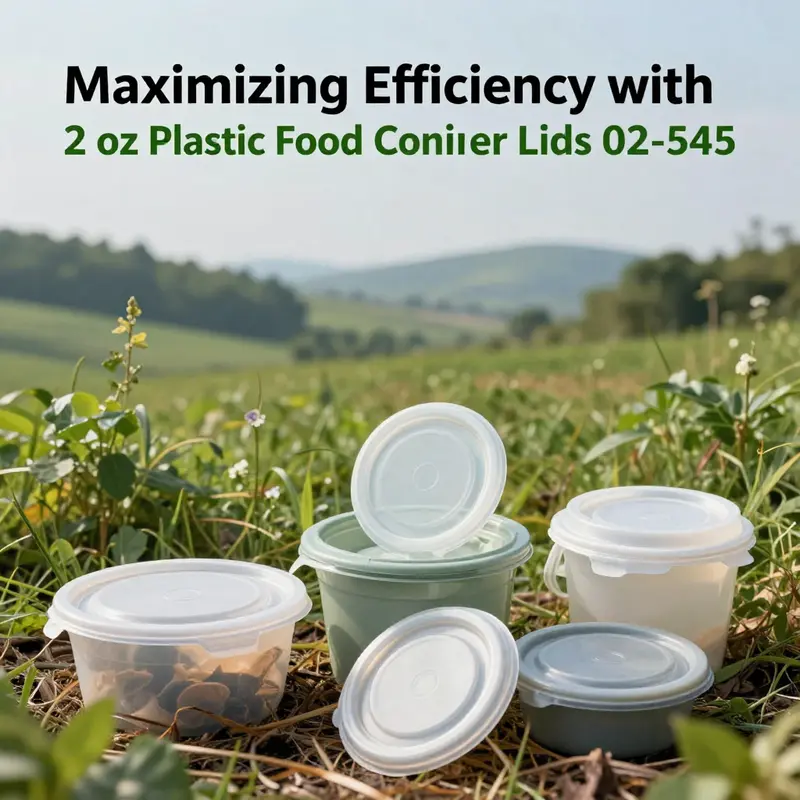
The environmental story of a tiny lid can seem stubbornly counterintuitive at first glance. A 2 oz plastic food container lid is a tiny accessory, often buried in the post-consumer stream with other cups, lids, and takeout containers. Yet its footprint stretches far beyond its physical size. To understand the environmental considerations of these seemingly inconsequential components, we must look at the lifecycle from cradle to grave, and then widen the lens to include design choices, consumer behavior, and industry-wide standards that shape outcomes in kitchens, recycling facilities, and municipal programs. The conversation begins with materials. In many instances, the lids accompanying small takeout cups are fashioned from polypropylene (PP) or polystyrene (PS). Each material carries a different set of environmental consequences. PP is generally favored from a recyclability and toxicity perspective, because it can often be redirected into new products with relatively modest processing. PS, by contrast, poses higher risks. It is more prone to leaching when heated and exhibits more challenging end-of-life behavior, making it a less friendly candidate for circular reuse. These material distinctions matter, not only for recyclers and waste handlers, but for designers who seek to align product specs with regional recycling capabilities. What starts as a simple, low-cost lid can become a question of how well a given waste stream accepts and processes the material, and whether the end-of-life pathway truly removes it from the environment. The lightweight, low-mass nature of these lids is double-edged. On one hand, it reduces material use and transport emissions to some extent. On the other hand, the small size increases the likelihood of mis-segregation, loss in sorting facilities, and final litter. Small items are notorious for escaping capture during the recycling process. They can slip through the system, accumulate as microplastics, and contribute to both soil and marine pollution. This is not merely a matter of disposal aesthetics; microplastics present potential risks to ecosystems and, indirectly, to human health through exposure pathways that researchers continue to map. The practical implication for businesses is clear: the environmental impact of 2 oz lids cannot be fully assessed by material choice alone. It requires a holistic view that accounts for how the lids are used, disposed of, and recovered in a given jurisdiction. The production phase is energy-intensive, relying on fossil fuels and emitting greenhouse gases that contribute to climate change. Even as some manufacturers explore bio-based or compostable alternatives, the broader infrastructure for recycling or composting these lids remains uneven across regions. In areas with robust sorting and high recycling rates, a mono-material PP lid can be more effectively redirected into the circular economy than a mixed-material alternative. In places where composting infrastructure is growing, compostable options might seem attractive, but their success hinges on the availability of certified composting facilities and the existence of end-of-life pathways that actually accept the packaging. The risk in choosing a compostable lid without reliable composting infrastructure is that the item simply ends up in landfills, wasting the opportunity to recover energy or material value. The material composition matters not just for end-of-life fate, but for the ongoing compatibility with existing recycling streams. A mono-material approach—designs that avoid combining disparate polymers or incompatible coatings—tends to perform better in many recycling programs because it reduces contamination and simplifies processing. When brands and suppliers aim to maximize recyclability, they often pursue this mono-material strategy alongside reductions in total material use. The conversation also extends into labeling and consumer guidance. Even when a lid is technically recyclable in a given stream, consumer confusion about disposal can undermine gains. Clear, consistent labeling helps reduce improper disposal, which in turn supports higher recovery rates. This is where standards and guidance bodies begin to matter. Industry organizations have started to emphasize sustainable design principles, urging brands to minimize material use, pursue post-consumer recycled content where feasible, and ensure that designs stay compatible with established recycling streams. The goal is not to impose a single solution but to encourage a spectrum of strategies that can adapt to local realities. In practice, this means prioritizing mono-material designs, selecting resins with proven recyclability, and aligning product specs with local infrastructure. It also means exploring innovative packaging formats that reduce reliance on single-use components altogether. For instance, reusable lid systems or bulk-dispensing solutions in commercial kitchens and catering operations offer pathways to cut down waste and improve overall waste management. In some cases, a broader shift toward reusable or refillable packaging reduces the volume of disposable lids entering the waste stream. But such transformations must be matched with systems that ensure proper cleaning, sanitation, and logistics so they are economically viable and logistically feasible in busy food-service environments. These considerations ripple through supplier selection and procurement strategies. In the 2026 B2B guide on strategic sourcing for small-capacity containers, the emphasis on quality, compliance, and supplier reliability has become a baseline expectation. Although the guide centers on souffle cups, its procurement principles translate well to the lids that accompany those cups. The emphasis on consistent performance, compatibility with existing recycling streams, and the ability to deliver consistent post-consumer recycled content or compostable materials when appropriate remains central to sustainable purchasing decisions. With that in mind, businesses evaluating 2 oz lids must weigh several factors: whether the lid material can be separated and processed effectively in their local recycling system; whether design choices enable post-consumer recycled content without compromising safety or performance; and whether the packaging system supports a move toward reuse or bulk dispensing where feasible. The design process plays a pivotal role here. When designers optimize lid geometry to minimize material use while maintaining a reliable seal, they reduce embodied energy and waste from the outset. This is not only about reducing grams of plastic; it is about rethinking the way lids fit, seal, and interact with the cups they accompany. The compatibility check with beverage or sauce cups matters, because mismatches can create leakage risks or consumer dissatisfaction, undermining the sustainability benefits of the entire system. At the same time, color, transparency, and surface properties can influence sorting decisions at recycling facilities. Nonstandard colors or opaque finishes can complicate optical sorting, increasing the likelihood that otherwise recyclable items are diverted to landfills. The industry has responded with guidance that encourages the use of materials and finishes that support the recycling stream, even if that means slowing the introduction of novel plastics until the end-of-life pathways are well understood. It is here that real-world challenges emerge. In many regions, the infrastructure for recycling small plastic components is limited. The recovery rate for lids remains low because many facilities lack the equipment to effectively recover tiny, lightweight plastics. Even when households place these lids in recycling bins, contamination and separation challenges can lead to unrecovered material. This is not a critique of consumer behavior alone; it reflects a mismatch between product design and the practical realities of waste management. Businesses seeking to address this gap can invest in education campaigns that clarify disposal instructions and contribute to labeling clarity. They can also implement packaging designs that reduce the likelihood of mis-segregation by aligning with the most common recycling practices in their markets. Yet, the most impactful progress hinges on a broader transformation: the shift toward reusable systems or bulk dispensing in food-service settings. Reusable lids, when integrated into a robust cleaning and return infrastructure, can dramatically lower per-unit waste. Bulk dispensing reduces the number of lids produced and sold, cutting both material use and downstream waste. For organizations that cannot immediately transition to reuse, partnerships with recyclers and processors can help ensure better collection and processing of small plastic components. Such partnerships, backed by clear performance criteria and regular auditing, can raise recovery rates and ensure that lids do not become persistent pollution. The link between technology, policy, and practice becomes especially important here. Regulatory and voluntary standards are increasingly harmonized around the concept of sustainable packaging design. While there is no one-size-fits-all answer, the trend is toward products that embrace recyclability, support the use of post-consumer materials, and offer pathways for end-of-life recovery that are practical in real-world systems. In the context of 2 oz lids, this means a careful selection of materials and a design that minimizes barrier layers or coatings that complicate recycling. It also means providing suppliers with a clear set of criteria to guarantee not only the performance of the lid during its service life but also a predictable and efficient end-of-life experience. The narrative above is not a theoretical exercise; it translates into concrete decisions that procurement teams can implement. It is about choosing a path that aligns with the broader sustainability goals of a brand, a region, and a waste-management ecosystem. The journey toward greener lids does not depend on a single breakthrough; it relies on a mosaic of small, coordinated choices—material selection, design optimization, consumer education, and investment in infrastructure for recovery. As a result, the environmental footprint of 2 oz plastic container lids becomes a proxy for a larger question: how can industries balance safety, convenience, and performance with responsibility for the planet? In the end, the answer is not a single toggle to switch. It is a strategic blend of material science, design discipline, and collaborative systems thinking that turns a seemingly trivial lid into a meaningful lever for sustainability. For organizations seeking practical exemplars of responsible packaging that still meets the needs of fast-service environments, industry references and supplier case studies offer a practical playbook. The internal reference points to a broader discourse on sustainable sourcing for small-capacity containers, while the external landscape continues to evolve with new materials, new standards, and new consumer expectations. To illustrate the practical side of this transformation, consider the potential of a linked example from industry resources that demonstrates how a packaging system can evolve toward eco-friendly, integrated waste management. eco-friendly-disposable-3-compartment-food-grade-packaging-box-for-fast-food-high-quality-takeout-boxes-for-fried-chicken-french-fries-packaging This example shows how a broader packaging system can be designed around sustainability principles, reducing upstream material use while facilitating downstream recycling or reuse within a kitchen workflow. In closing, the environmental considerations surrounding 2 oz container lids are not merely about a single product class; they reflect a broader design and systems challenge. The most durable solutions will emerge from a combination of material choice, design-for-recycling, consumer clarity, and the adoption of reuse or bulk-dispensing models where feasible. These elements together create a pathway toward packaging that serves modern food-service needs without compromising environmental integrity. External reference: Understanding 2 Oz Clear Plastic Jars Lids – Alibaba.com
Final thoughts
As the food and beverage industry continues to evolve, the significance of quality packaging solutions like the 2 oz plastic food container lids 02-545 cannot be overlooked. Ensuring compliance and quality, selecting the right suppliers, staying abreast of market trends, and considering environmental impacts are essential for maintaining operational efficiency and customer satisfaction. By investing in the right packaging, your business can effectively enhance its service offerings while also contributing to a more sustainable future. Let these insights guide your decisions in selecting the best packaging solutions to meet your needs.