

20-ounce clear plastic cups have become a staple in beverage service, catering to businesses like bubble tea shops, restaurants, and food trucks. Their lightweight, shatter-resistant design makes them perfect for both hot and cold drinks, while their crystal clarity ensures visually appealing presentations. In this article, we’ll delve into the materials and manufacturing processes that enhance their durability, the customization opportunities available for branding, and the diverse applications of these cups in various settings. We’ll also address environmental considerations, looking at the sustainability of plastic cups and current market trends influencing consumer choices. By the end, you’ll have a comprehensive understanding of why clear plastic cups are vital for success in the beverage industry.
From Resin to Refreshment: How 20 oz Clear Plastic Cups Are Made and What Makes Them Work

From Resin to Refreshment: How 20 oz Clear Plastic Cups Are Made and What Makes Them Work
At the heart of every clear 20 ounce plastic cup is a balance of chemistry, engineering, and design. These cups must look crystal clear, resist cracking, stack efficiently, and meet food-safety standards. The material most often chosen for this mix of demands is polyethylene terephthalate, commonly called PET. PET combines optical clarity, tensile strength, and lightweight feel. It forms a transparent shell that showcases beverages and toppings, while remaining stiff enough for carrying and sipping.
The production begins with PET resin pellets. Those pellets are melted and formed into sheets or are used directly in molding machines. Two primary manufacturing paths lead to finished cups: thermoforming and injection molding. Thermoforming is the faster, higher-volume route for single-use cups. It starts with heated PET sheet, made pliable in an oven. The softened sheet is drawn over a cup-shaped mold. Vacuum and pressure form the sheet to the exact profile. Excess material is trimmed away, then rims are rolled or reinforced. Modern thermoforming lines can run dozens of cycles per minute, enabling manufacturers to meet large orders swiftly and consistently.
Injection molding plays a supporting role in clear cup production. It is the go-to for lids, reinforced bases, or any piece that needs tight tolerances. Injection molding injects molten PET into a closed cavity. After cooling, the part ejects ready for inspection. Although injection molding is slower and more tooling-intensive than thermoforming for thin-walled cups, it excels when precision and strength are priorities.
Design choices made during manufacturing affect every user interaction. The cup wall thickness determines stiffness and thermal performance. A rolled rim improves structural integrity and user comfort. Bases can be flat or molded with ribs to aid stacking and reduce sticking. Some cups use a slight taper for easy nesting and easy removal from stacked packs. U-shaped profiles or cylindrical straights present different visual and tactile experiences. Each choice alters production parameters and influences packaging density, transport cost, and shelf presentation.
Food safety and compliance are central. FDA-approved PET grades are used to ensure no harmful chemicals migrate into beverages. That approval process touches everything from resin selection to drying protocols in the manufacturing line. Moisture control is vital: PET absorbs water, and too much moisture causes defects in forming. Dryers, melt filters, and tight process controls maintain clarity and prevent streaks or bubbles.
Custom branding is integral to many businesses. Advances in printing allow logos and artwork to be applied during or after production. UV printing cures inks instantly on PET surfaces. This method produces crisp graphics that retain transparency around printed areas. Some manufacturers also offer heat-transfer or sleeve options for fuller coverage. Printed cups serve both practical and marketing roles, creating recognizable packaging that communicates quality.
Sustainability is reshaping choices in cups and production. Recycled PET, or rPET, is increasingly common. Some cup lines contain substantial rPET content without sacrificing clarity or strength. Using rPET reduces virgin resin demand and cuts embodied energy. Manufacturers may blend recycled and virgin PET to balance performance and sustainability. Labeling should reflect recycled content accurately. For buyers seeking domestic options, locally produced cups can reduce shipping miles and support regional manufacturing networks. Local sourcing also shortens lead times when custom printing or specific certifications are required.
The industry also tackles end-of-life concerns. PET bears a widely recognized recycling code and is mechanically recyclable in many places. Collection rates vary by region, so the circular benefits of PET depend on local infrastructure. Cups intended for single use should be clearly labeled to encourage correct disposal. In event and outdoor contexts, single-use cups can be convenient. A detailed product page for disposable clear plastic cups for outdoor use explains features suited to such settings in practical terms: disposable clear plastic cup for outdoor and event use.
Thermoforming lines produce efficient, cost-effective cups, but quality control remains critical. Inline vision systems check clarity, wall uniformity, and rim integrity. Reject rates are kept low with proper mold maintenance and consistent resin quality. Manufacturers often quote cycle rates and output per hour to illustrate capacity. For mass retailers, the ability to run long sustained production with minimal downtime is a decisive factor.
Material science continues to improve PET variants. Clarified PET grades resist hazing and maintain gloss after forming. Additives can improve toughness or reduce brittleness at low temperatures. For cold beverages, PET holds up well. For very hot liquids, single-wall PET cups are less ideal. Temperature limits depend on grade and wall thickness. For applications involving heat, alternatives or insulating sleeves are recommended.
Lids, straws, and accessories are manufactured using the same material logic. Lids molded by injection must seal reliably while allowing for straws or sipping. Design tolerances must match cup mouth profiles precisely. When cups and lids are produced by the same supply chain, compatibility and sealing performance are better assured.
Finally, customization and turnaround are important for businesses. UV printing, custom molding, and even colored tints can be ordered in production runs. Minimum order quantities and lead times vary by manufacturer. Choosing local production can shrink lead times and simplify quality audits. For buyers balancing sustainability with cost, specifying an rPET blend with a clear printing finish delivers both performance and responsible messaging.
Petroleum-derived or recycled, manufactured by thermoforming or injection, the 20 ounce clear plastic cup is the result of coordinated choices. Those choices determine how well the cup showcases a drink, how it performs on the counter, and how it moves through the supply chain. Understanding materials and processes helps buyers and designers specify cups that meet presentation, performance, and sustainability goals. For detailed product listings and manufacturer specifications, see the related technical listing: https://www.alibaba.com/product-detail/20-oz-custom-clear-plastic-cup-made-in-the-USA_1600737957845.html
Turning 20-Ounce Clear Plastic Cups into High-Impact Brand Touchpoints

A 20-ounce clear plastic cup is both a practical vessel and a quiet messenger for a brand. Its transparency lets the drink do part of the storytelling. It also creates a clean, unobstructed canvas for logos, slogans, and colorful artwork. When used thoughtfully, this everyday item becomes a repeated visual cue that reinforces identity, drives recognition, and invites social sharing.
Clear cups excel where visibility matters. A layered iced latte, a vibrant smoothie, or a signature cocktail looks like a promise in transparent plastic. Printing on that surface transforms an appealing drink into advertising that travels. Modern printing techniques, especially high-resolution UV printing, allow for crisp lines and strong color saturation. These methods bond ink to PET surfaces, resisting wear from ice, condensation, and handling. The result is a durable graphic that stays legible through use and transport.
Customization goes beyond a single logo. Cup graphics can tell a story with seasonal themes, limited-edition artwork, or event-specific designs. Brands can run a series of cup graphics that rotate with promotions, reinforcing campaigns over time. For community events, cups can commemorate dates, sponsors, or causes and double as keepsakes. Hospitality operations find that simple but consistent branding on every cup helps build a cohesive guest experience.
Design choices should consider both aesthetics and ergonomics. Placement of the logo matters. Centered, mid-height printing aligns with the most photographed portion of a filled cup. Wraparound prints maximize visibility from multiple angles, while small, tasteful marks near the rim offer subtlety for premium or minimalist brands. Contrast is crucial; dark ink on a light beverage may disappear, and vice versa. Designers must test their artwork on mock-ups that simulate common drinks to avoid surprises.
Functional customization also adds value. Lids and straw ports can be tailored to a brand’s service model. Flat lids with sipping holes suit cold coffees and soft drinks, while dome lids accommodate frothy tops or added garnishes. Choices like rolled rims improve durability and guest comfort during handling. When a cup is both attractive and easy to use, customers are more likely to keep it, and brand exposure grows through repeated viewings.
Safety and regulatory compliance underpin trust. Cups made from food-safe PET meet rigorous standards that protect consumers. Clear, printed cups should use inks certified for food contact surfaces where required. Compliance reassures franchisees, event organizers, and customers that aesthetics never compromise safety.
Costs and logistics shape feasible campaigns. Minimum order quantities and lead times differ by supplier. Some manufacturers offer scalable options and fast turnarounds for large volumes. Businesses planning seasonal or limited-run promotions must balance quantity against storage and cost. Thoughtful forecasting reduces waste and helps match print runs to expected demand.
Sustainability considerations inform modern branding choices. PET is recyclable, and messages about recyclability resonate with many customers. Even when recycling programs vary by region, brands can emphasize reuse by encouraging customers to bring cups back for refills or discounts. Choosing durable printing and lids that extend a cup’s useful life supports reuse. Combining clear cups with complementary eco-friendly packaging and utensils strengthens a brand’s sustainability narrative.
A branding strategy for clear cups should tie into wider packaging and merchandising. Pairing a printed cup with branded carriers, sleeves, or napkins creates a cohesive set. Cross-promotions are easy: offer a discounted refill in a branded cup, or sell souvenir cups at events. Visual merchandising in stores and at stands benefits from consistent use of color, typography, and iconography across these elements.
Applications span many industries. Beverage retailers naturally leverage cups for daily brand impressions. Event organizers use them as souvenirs at festivals and conferences. Catering operations and bars use branded cups to raise perceived value during pop-ups and private events. Even retail and hospitality collaborations can produce collectible designs, turning a cup into both a marketing tool and a revenue source.
Measuring impact is straightforward. Track redemption rates of refill offers tied to branded cups. Monitor social media for user-generated posts featuring cup designs. Use QR codes or short URLs printed discreetly on the cup to measure direct response. These small data points build a picture of how cups contribute to awareness and sales.
A few practical tips reduce risk and increase effectiveness. First, request physical samples before approving full production. Samples reveal how inks respond to condensation and ice. Second, choose a print area and resolution that scale well across volumes. Third, confirm that the chosen supplier uses food-safe inks and follows relevant standards. Finally, consider offering different lid options to suit service environments.
Design for shareability. Simple, bold visuals tend to perform best in user photos. Consider adding a small, clever tagline or a space for customers to write their names during events. These small touches invite interaction and increase the likelihood of social sharing. Limited-edition runs create urgency and encourage collectors to post images online.
Production timelines matter for campaign momentum. Short lead times let brands react to trends or seasonal moments. Where possible, work with suppliers that offer flexible minimums and quick turnarounds. Maintain clean, production-ready artwork files to speed approvals. Plan for a buffer between printing and deployment to allow for any adjustments.
Durability and presentation influence perceptions. High-quality printing and well-fitting lids make a cup feel premium. Rolled rims and sturdier wall thickness reduce spills and improve the drinking experience. These details matter when a cup represents the brand at busy events or on takeout orders.
Finally, integrate cups into promotional strategies. Use them as a tangible reward in loyalty programs. Offer branded cups in retail environments as merchandise. Include them in gift sets or event swag bags. When used thoughtfully, a simple clear cup becomes a multifunctional touchpoint that supports marketing, operations, and sustainability goals.
For additional options on clear plastic servingware suitable for outdoor events, see this disposable clear plastic cup for outdoor events.
More technical supplier and lead-time information can be found here: https://www.alibaba.com/product-detail/20-oz-custom-clear-plastic-cup-made-in_1600798348465.html
How 20-Ounce Clear Plastic Cups Fit Every Pour: Practical Uses, Handling, and Smart Pairings

20-ounce clear plastic cups strike a rare balance between capacity and convenience. Their size suits a wide range of beverages. They hold enough for iced coffee, smoothies, and bubble tea, yet remain comfortable in one hand. That utility underpins why both commercial operations and households rely on them. This chapter explores the everyday ways these cups are used, and the practical decisions that make them work well.
The first strength is visibility. A clear cup displays color, texture, and garnishes. That makes drinks more appealing, and it helps staff and customers identify orders quickly. For businesses, that visual clarity also becomes a marketing asset. Simple logo printing on a clear surface creates a polished, modern presentation. Many vendors offer printing options for cups shaped like classic cylinders or U-shaped styles favored by tea shops. When cups are used at events, the transparency adds to the presentation of layered drinks and colorful fruit infusions.
Material choice matters. Most 20-ounce clear cups are made from PET or polypropylene. PET gives glass-like clarity while staying light and strong. It works well with cold drinks and resists fogging. Polypropylene tolerates higher temperatures and is often used for products designed to accept both hot and chilled beverages. Knowing the differences guides purchase decisions for foodservice operators. For example, cafes that serve hot and iced drinks may prefer polypropylene options for added thermal tolerance.
Lids and sealing systems extend the usefulness of these cups. Dome lids allow whipped cream, foam, and fruit to sit above the rim without spilling. Flat lids with straw holes are great for smoothies and iced coffees. Snap-on seals reduce leaks during transport. Choosing the right lid depends on the application: takeout orders prioritize leak resistance, while in-house service values presentation. For outdoor catering and catering lines, stacked lids and stable rims make service faster and safer.
Event use is a major area where these cups shine. Weddings, corporate gatherings, fundraisers, and backyard parties benefit from the cups’ disposable convenience. Clear cups simplify beverage stations, reduce cleanup time, and allow self-service without sacrificing appearance. When coordinating a menu, planners often match cup size to portion control. A 20-ounce cup holds standard portions of mixed drinks or generous servings of iced tea. It also accepts portioned desserts such as parfaits or individual trifle servings, where layers look attractive through the cup.
In foodservice settings the cups contribute to operational efficiency. They stack and nest, saving storage space. They are lightweight for fast service and easy to transport in bulk. Staff can pre-portion smoothies or cold soups in advance. For businesses using branded cups, the product becomes part of the customer experience. Custom printing supports brand recognition and creates a take-home reminder. When ordered in bulk, these cups lower per-unit cost and simplify inventory management.
Household applications are equally practical. At home, the cups serve many roles beyond beverages. They are excellent for portioned snacks, craft supplies, or small food prep tasks. Families appreciate the low breakage risk compared to glass. For gatherings with children or pets, the cups offer a safe, tidy alternative. Reusable styles can be washed and repurposed for storage, while disposable options remove the need for washing after busy events.
Sustainability has become a central consideration. Compostable and biodegradable materials are increasingly available. Consumers and businesses who aim to reduce single-use waste can choose cups made from plant-based plastics or other eco-conscious materials. While these alternatives often come at a premium, they align with environmental goals and local regulations. It’s important to verify certifications and disposal instructions. Some biodegradable cups require industrial composting to break down properly. Understanding local waste systems helps ensure a genuinely lower environmental footprint.
Food safety and regulatory concerns should guide selection and use. Cups intended for food contact must meet local safety standards. Heat resistance, chemical stability, and clarity are typical specifications. For hot beverages, choose materials rated for higher temperatures. For cold and carbonated drinks, choose designs that resist cracking and maintain their seal. Proper storage prevents deformation: keep cups in a cool, dry area and avoid stacking too tightly to prevent warping.
Practical pairings enhance the user experience. Using sturdy straws prevents punctures and improves ease of drinking. Carrying trays and cup carriers protect multiple cups in transit. Napkins, cold packs, and sealing sleeves add comfort for customers on the go. For businesses, pairing cups with compatible lids, straws, and carriers simplifies order fulfillment and reduces mismatches during service.
Cost considerations influence how these cups are integrated into operations. Buying in bulk reduces cost per unit and minimizes reorder frequency. For seasonal businesses, flexible ordering schedules allow inventory alignment with demand. Shipping and storage costs also play a role. Flat-pack lids and nested cups reduce volume in transit. When comparing suppliers, evaluate total cost including shipping and lead time. The lowest unit price may not be the best value if shipping delays or high freight charges offset savings.
Logistics and handling tips help maintain quality. Store cups away from direct sunlight and heat sources. Heat can warp some plastics and affect clarity. Keep bulk packs dry to prevent mold or odors. Train staff on proper lid seating to avoid leaks. When serving carbonated drinks, select lids designed to retain fizz. For long-duration events, consider insulated holders or cold packs to keep drinks chilled.
Finally, versatility unlocks creative uses. Beyond drinks, these cups are excellent for layered desserts, individual salads, and tasting flights. They work as portion-control tools in meal prep. Event caterers can use them for passed appetizers or sampling stations. For retail promotions, branded clear cups become moving advertisements when carried in public. In every application, the key is aligning cup selection with the beverage type, service model, and environmental goals.
For those looking to pair cups with other disposable or eco-friendly service items, consider complementary containers and utensils available from suppliers. A useful option is a disposable clear plastic cup for outdoor events and camping, which pairs naturally with carriers and lids designed for convenience and presentation: https://ecocupbowl.com/product/disposable-clear-plastic-cup-outdoor-picnic-pet-cup-drinking-cup-for-parties-birthdays-weddings-camping-utensils/
For specific purchasing references and product examples, see this product listing: https://www.walmart.com/ip/GUSTO-20-Oz-Clear-Plastic-Cups-100-Pack/53987587
Clear Yet Complex: Reimagining the Sustainability of 20-Ounce PET Cups
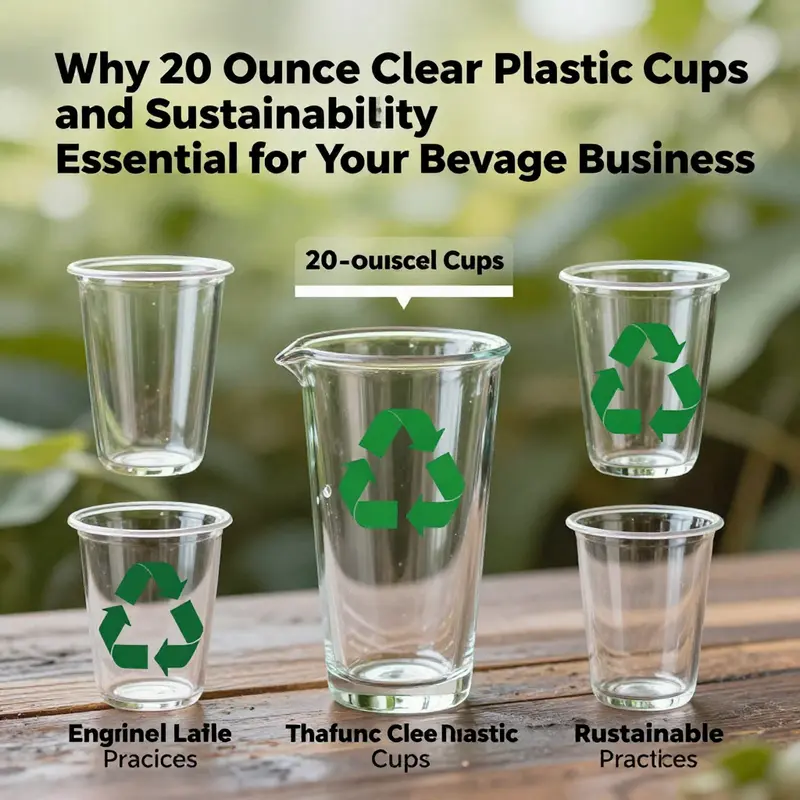
The popularity of 20-ounce clear PET cups comes from more than their ability to show a drink’s true color. They offer a practical combination of clarity, light weight, and durability that suits a wide range of beverages, from iced coffee to smoothies and mixed cocktails. But as these cups travel from barista stations to break rooms and events, they carry a heavier responsibility: the environmental footprint of a single-use container that seems so ordinary it’s easy to overlook. This chapter follows the thread from material choice through end-of-life outcomes, showing how sustainability sits at the intersection of design, behavior, and system infrastructure. It is not a call to abandon clarity or convenience. Rather, it is a call to broaden the lens through which we judge these cups, recognizing both the gains and the gaps in today’s recycling and materials landscape, and imagining pathways that can align performance with a more resolute commitment to the planet.
PET, or polyethylene terephthalate, is the common backbone of these cups. Its appeal rests in optical clarity, a forgiving strength-to-weight ratio, and a resistance to shattering that suits grab-and-go contexts. Yet the same properties that make PET appealing also guide its fate after use. PET itself is recyclable, which means the material can reemerge in new products rather than being discarded entirely. The practical barrier lies in how that recycling happens in the real world. For PET cups to be recycled efficiently, they must be properly collected, sorted, and processed in facilities that can handle clear plastics without significant contamination. Once those conditions are met, the loop can close, and cups can reappear as new PET products. But the end of the line is where many challenges linger, and the outcomes hinge on a mosaic of factors—industry capabilities, municipal infrastructure, and consumer habits.
A key trend in sustainability narratives around PET cups is the increasing use of recycled PET, or rPET. The shift toward incorporating recycled content helps reduce demand for virgin plastic and lowers associated carbon emissions in the production chain. In practice, some products marketed as PET cups now include a substantial portion of rPET—examples referenced in research indicate around half of the content can be recycled PET. While exact percentages vary by supplier and market, the overarching principle is clear: incorporating recycled content can lower the environmental footprint of each cup by reducing the demand for fossil fuel–based feedstocks. This is a meaningful step, but it is not a panacea. The environmental benefits of rPET depend on the entire system working in harmony, from efficient recycling streams to consumer participation in separation and proper disposal.
From a corporate sustainability perspective, embracing rPET aligns with broader goals to divert waste from landfills and to demonstrate progress toward a circular economy. It signals a commitment to resource stewardship and a willingness to invest in upstream material choices that favor reuse where feasible and recycling where not. Yet even this positive shift does not erase the challenges. A fundamental hurdle is the fact that virgin PET is derived from fossil fuels. Its production is energy-intensive and contributes to greenhouse gas emissions. Here, the tension between product performance and environmental cost becomes most evident. If communities lack robust recycling programs or if households do not consistently separate bottles and cups from ordinary trash, the material stream becomes contaminated or diverted to landfills. In such cases, even high-quality PET can fail to reach a recycling facility, blunting the environmental gains that recycled content promises.
Beyond material composition and recycling rates lies another dimension: the life cycle of the cup, including heat resistance and exposure to sunlight. PET performs well for cold and room-temperature beverages, but its heat resistance has limits. When beverages sit in hot conditions for extended periods, the structural integrity of the cup can be stressed, increasing the likelihood of deformation or leakage. Prolonged UV exposure can also degrade PET over time, affecting its clarity and, importantly, its recyclability. Visible signs of wear may lead to consumer judgments about the cup’s recyclability or suitability for reuse, which in turn shapes disposal decisions. In short, performance dimensions do not exist in a vacuum; they influence how cups are handled at the end of their useful life and thus their ultimate environmental impact.
To build a more resilient sustainability profile, a holistic approach is needed. This means improving not just the material but the entire system that surrounds it. A robust recycling infrastructure matters as much as a better resin formulation. Clear labeling, standardized sorting guidelines, and convenient curbside or drop-off options help reduce contamination and increase recovery rates. Consumer education also plays a crucial role. When people understand how to recycle PET cups properly and why it matters, they are more likely to participate in the recycling loop rather than disposing of cups as ordinary waste. In parallel, manufacturers and retailers can design cups with end-of-life in mind. Design for recyclability includes minimizing additives that complicate recycling, using simple color and printing schemes, and ensuring compatibility with standard recycling streams. These design choices may seem subtle, but in aggregate they determine whether a cup can reemerge as a high-value product instead of becoming waste.
Another important facet is the exploration of alternative materials and formats that could reduce dependence on fossil fuels while preserving the advantages customers count on. This is not an all-or-nothing proposition. A diversified approach—combining high-recovery PET streams with material innovations, such as bio-based polymers or compostable alternatives where appropriate—can help balance performance, cost, and environmental outcomes. While some alternative materials promise lower fossil fuel footprints, they can also present new challenges, including restricted recycling compatibility, higher manufacturing energy requirements, or the need for specialized waste streams. A truly sustainable path will likely blend improvements in PET recycling with selective use of alternatives where their benefits are clearest and where disposal infrastructure exists to support them. In this sense, the most responsible route is not to abandon clarity or convenience but to pursue smarter packaging that sits more comfortably within a circular economy.
The sustainability conversation for 20-ounce clear PET cups also touches on the broader systemic issues that shape what happens after a cup is emptied. Recycling rates depend heavily on local programs and consumer behavior. An effective recovery pathway requires seamless access to recycling, clear guidance on what can be recycled, and consistent messaging that helps users separate cups from non-recyclables. When recycling streams are robust, the environmental advantage of recycled content grows, reinforcing the business case for rPET and encouraging more producers to adopt it. Conversely, when recycling is fragmented or inaccessible, the same cups contribute to waste that ends up in landfills or informal dumps, undermining the potential environmental gains that PET’s recyclability offers.
Within this landscape, partnerships and coordinated action matter. Industry associations advocacy, municipal policymakers, waste management operators, and brand owners all have roles to play. By coordinating design, labeling, and collection efforts, they can reduce contamination, improve recovery rates, and expand the bottlenecks that currently limit PET’s circularity. The goal is not merely to recycle more but to recycle better—achieving higher-quality streams that yield more valuable recycled material and fewer rejected batches. In that sense, the journey of a 20-ounce clear PET cup becomes a microcosm of the larger plastic economy: a continuous push toward materials that are not only functional and appealing but also part of a cycle that respects resources and reduces environmental harm.
For readers seeking a deeper dive into sustainability practices and the lifecycle of PET products, the Association of Plastic Recyclers offers detailed perspectives on how recycling systems evolve and how industries can improve recovery outcomes. This resource provides a broader frame for understanding where PET cups fit within a modern waste-management landscape and what steps can make that landscape more efficient and equitable. https://www.plasticsrecycling.org
In practice, every cup is a small test of a larger commitment. It tests whether clear, convenient packaging can coexist with responsible disposal and intelligent material choices. It tests whether consumers will engage with recycling when the system is clear and accessible. And it tests whether manufacturers will invest in designs and supply chains that optimize end-of-life outcomes. The answers are not uniform, and they are not immediate. They require ongoing collaboration, innovation, and education. Yet the path toward better outcomes is tangible: advance the use of recycled content where feasible, strengthen recycling infrastructure, design cups with end-of-life in mind, and educate consumers about proper disposal. When these elements align, the seemingly simple 20-ounce clear PET cup becomes a symbol of thoughtful packaging—one that preserves the sensory appeal of beverages while contributing to a more sustainable material life cycle.
To ground these ideas in real-world practice, readers may explore internal resources that discuss sustainable packaging options in related takeout formats. For instance, one example of a packaging solution that aligns with these principles is the eco-friendly disposable three-compartment packaging box, which illustrates how design can support both function and end-of-life considerations in a takeout context. eco-friendly-disposable-3-compartment-food-grade-packaging-box-for-fast-food-high-quality-takeout-boxes-for-fried-chicken-french-fries-packaging.
In sum, the sustainability of 20-ounce clear PET cups hinges on a delicate balance of material science, system design, and social behavior. PET’s recyclability offers a credible pathway to reduce environmental footprint, especially when recycled content is used and recycling streams are strong. Still, challenges remain—virgin PET’s fossil-fuel basis, contamination risks, and gaps in recycling infrastructure can all undermine potential gains. A holistic strategy that couples better recycling with thoughtful material choices and consumer education will move the needle. It invites us to value clarity not only in appearance but also in a product’s entire life cycle, ensuring that the cups that hold our drinks can return to use rather than return to the landfill.
Why 20 Oz Clear Plastic Cups Are Dominating Demand: Market Forces, Materials, and Buyer Preferences
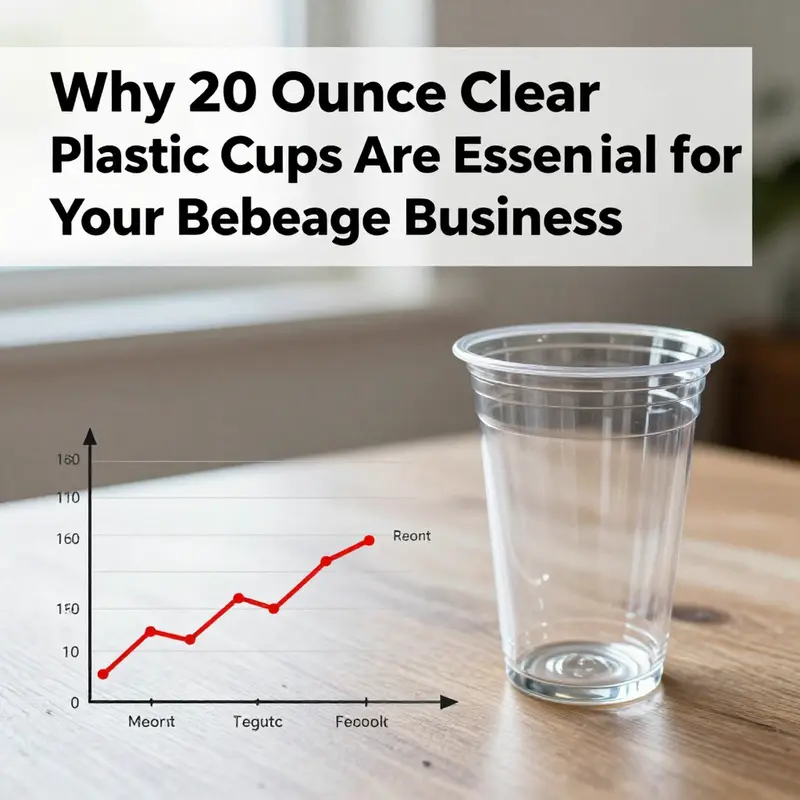
Market forces and consumer preferences driving the 20 oz clear cup trend
The demand for 20 ounce clear plastic cups reflects larger shifts in how people consume beverages. Consumers want drinks that look appealing and hold larger portions. This has pushed the above-20-ounce segment to strong growth, with forecasts pointing to the fastest CAGR from 2026 to 2034. That trend is not accidental. It combines shifts in portion expectations, the rise of specialty beverages, and operational needs across service industries.
Visual presentation matters. Transparent cups showcase layered drinks like iced coffee, smoothies, and milk tea. This encourages purchases and social sharing. Clear cups also deliver a consistent user experience across channels. Cafes, food trucks, catering services, and event planners value a container that looks professional. The 20 ounce size hits a sweet spot. It accommodates generous servings without feeling oversized. For many consumers, it replaces two smaller cups. For operators, it reduces the need to stock multiple sizes.
Material choices shape value and perception. PET (Polyethylene Terephthalate) is the go-to for clarity and strength. It is lightweight, shatter-resistant, and cost-effective for bulk orders. These qualities suit high-volume environments such as quick-service restaurants and outdoor events. Manufacturers also design rolled rims, reinforced walls, and leak-resistant lids to improve handling. Flat lids with sealed edges are especially popular for hygiene and spill prevention. For drinks meant to be sipped through a straw, compatibility with thicker bubble-tea straws is important. For takeaway and delivery, secure lids reduce complaints and returns.
Branding and customization have become central to purchasing decisions. Businesses no longer treat cups as mere disposables. They use packaging to express identity and to extend marketing reach. Custom printing, whether a simple logo or a full-wrap design, increases perceived value. U-shaped cup silhouettes and slightly tapered cylinders give designers options for how a logo sits on the surface. Suppliers now offer lower minimums and faster turnaround times, making customization viable for small chains and event hosts. When a cup doubles as a marketing touchpoint, operators see higher return on packaging investment.
Price matters, but so does lifecycle cost. Unit costs for mass-produced clear cups can fall to a few cents per piece when purchased in large volumes. Low per-piece pricing simplifies budgeting for large events and chains. But buyers increasingly factor in sustainability and waste disposal when calculating true cost. That consideration pushes purchases toward products with recycled content or bio-based alternatives.
Sustainability is reshaping the market. Demand for biodegradable and compostable cups is rising among eco-conscious buyers. PLA (Polylactic Acid) and other bio-based materials offer a pathway to lower carbon footprints. The PLA cup market, for example, is expected to expand significantly through 2034. This growth highlights a clear shift in both corporate procurement policies and consumer preferences. Many operators now seek clear cups that balance transparency and environmental credentials. Innovations aim to deliver clarity similar to PET while improving end-of-life outcomes.
Regulatory pressure and municipal waste programs accelerate change. Some regions restrict single-use plastics or require compostable labeling for certain disposables. Businesses preparing for these rules often test compostable clear cups alongside traditional PET options. This dual strategy allows them to adapt without disrupting operations or customer experience.
Functionality remains a top priority. Foodservice operators evaluate cups for stackability, lid fit, and straw compatibility. Stackable cups save space and speed up service. Lids that snap securely onto rims prevent spills and reduce waste. A well-engineered cup and lid pairing improves customer satisfaction. For outdoor events and catering, durability matters. Thin, brittle cups lead to spills and complaints. Buyers therefore prefer slightly thicker walls and rolled rims, even at modest price increases.
Distribution and manufacturing hubs affect availability and pricing. China continues to supply large volumes of clear plastic cups. Suppliers there can meet high minimum orders and competitive price points. Still, buyers increasingly seek audited factories and transparent supply chains. Certifications for food safety and responsible manufacturing provide assurance. Platforms that list verified suppliers and allow sample orders help buyers evaluate quality before committing to large purchases.
Market segmentation is widening. Independent cafes demand customization and smaller order minimums. Large chains favor consistent specifications and just-in-time delivery. Catering and event companies prioritize stackability and spill resistance. Retailers and convenience stores look for a balance of cost and presentation. Each segment applies distinct pressure on manufacturers to offer tailored options. That has encouraged product variation within the 20 ounce category, such as slightly different rim styles, lid designs, and material blends.
Packaging ecosystems matter. Cups are rarely sold in isolation. Operators pair them with lids, straws, carriers, and even sleeve options for hot variants. For businesses that want a cohesive, eco-forward approach, pairing clear cups with compostable straws and wooden stirrers makes sense. These combinations support brand narratives about responsible sourcing and reduce friction for end customers who care about disposal.
For buyers, sourcing strategies have evolved beyond price alone. Quality checks, supplier audits, and sample testing rank high on procurement lists. Reliable communication and traceable production chains are now essential. Buyers often start with small sample orders to verify clarity, fit, and lid sealing. Then they scale orders once the product meets expectations. Those practices reduce risk and help match product attributes to real-world use.
Looking ahead, innovation will likely focus on material science and circularity. Transparent bio-based polymers aim to mimic PET performance while easing disposal concerns. Recycled-content clear cups will become more common as collection systems improve. Meanwhile, customization options will get faster and more affordable, enabling even small businesses to brand their packaging effectively. For now, the 20 ounce clear cup remains a versatile choice that meets functional needs and marketing goals.
For operators planning purchases, comparing material options, lid styles, and supplier certifications pays off. Consider lifecycle impacts alongside unit prices. Test sample products in real service conditions. And remember that presentation affects sales as much as price. A clear cup that displays a well-made beverage can drive repeat business and social media exposure.
For an example of a complementary product commonly paired with clear cups for outdoor use, see this disposable clear plastic cup product page for outdoor events and parties.
For detailed supplier listings and verified manufacturer information, consult the Alibaba marketplace: https://www.alibaba.com
Final thoughts
20-ounce clear plastic cups are more than just packaging; they are a key element in the beverage business that enhances presentation and convenience. From their robust manufacturing processes to extensive customization options, these cups serve as ideal solutions for cafes, restaurants, and event planners alike. As sustainability becomes increasingly important, choosing recyclable materials can also resonate well with eco-conscious consumers. Understanding the market trends and evolving consumer preferences can position your business at the forefront of the beverage industry. Leveraging the versatility of clear plastic cups can elevate your brand and charm your customers.