
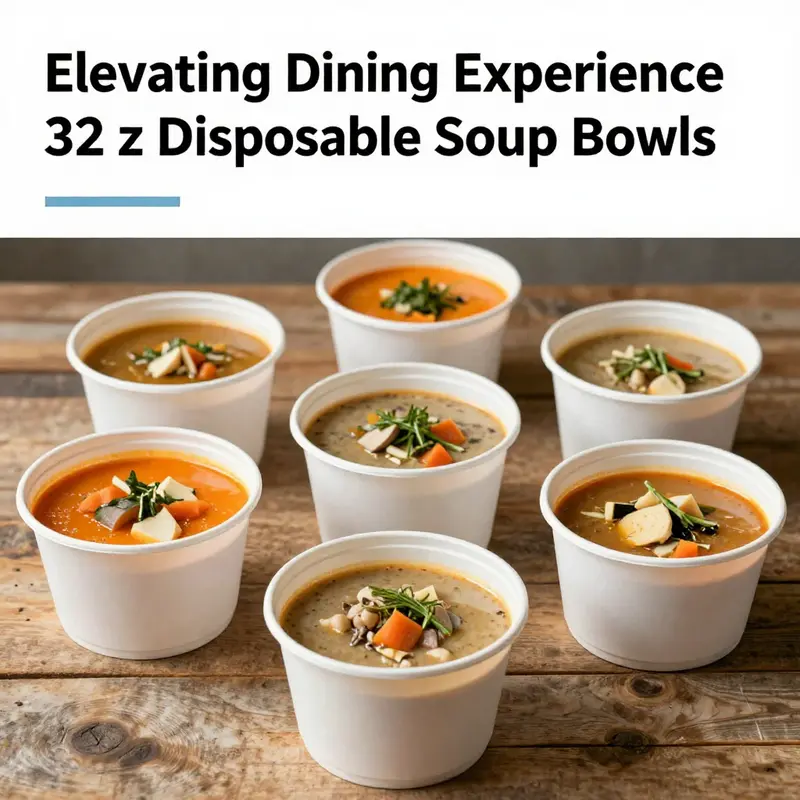
In the ever-evolving landscape of the food service industry, 32 oz disposable soup bowls have emerged as an indispensable solution for businesses ranging from bubble tea shops to catering services. With their robust design, leak-resistant features, and eco-friendly materials, these bowls cater not only to practicality but also to sustainability. In the following chapters, we will explore the materials and design features that set these bowls apart, delve into current market trends and economic considerations, uncover the intricacies of manufacturing and sourcing, and highlight various consumer adoption scenarios that make them a staple from casual to corporate dining settings.
Innovative Materials and Thoughtful Design: The Backbone of 32 oz Disposable Soup Bowls
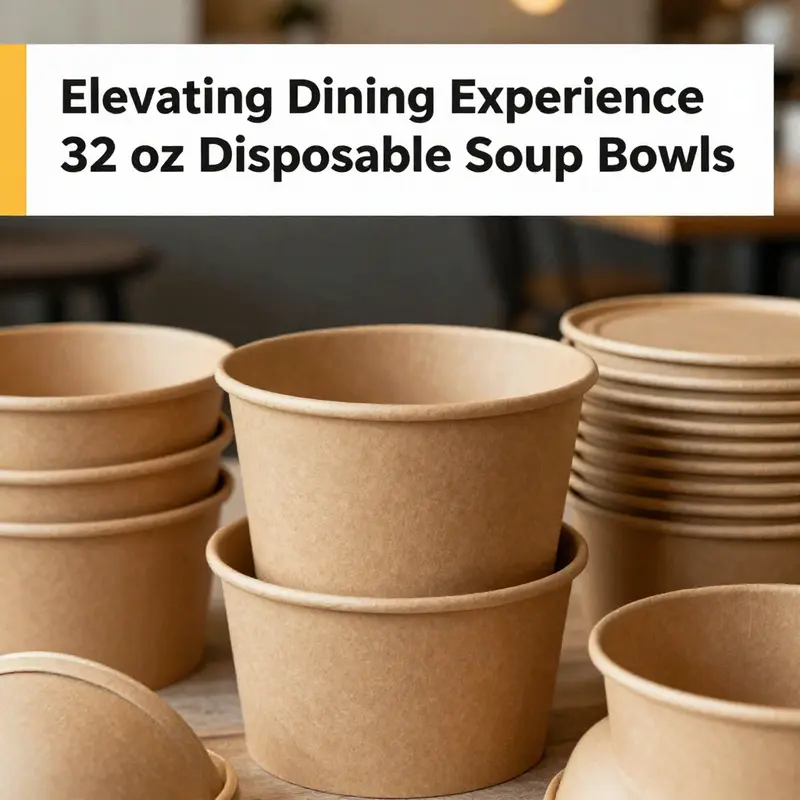
The evolution of 32 oz disposable soup bowls is a fascinating journey that brings together sustainability, functionality, and ingenious design. In a market where consumer expectations are high and environmental concerns are paramount, manufacturers have invested significant effort into developing soup bowls that not only hold generous portions of liquid-based dishes but also define quality through the materials used and thoughtful design features. This chapter delves into the primary materials and design elements that make these bowls indispensable in the foodservice industry, weaving together a narrative that highlights their eco-friendly credentials, structural innovations, and aesthetic appeal.
From the outset, the importance of selecting the right material cannot be overstated. Manufacturers choose among several base ingredients — most notably kraft paper, bagasse, and plastic (including variants like polystyrene and polypropylene) — each of which offers a distinct set of benefits tailored to the needs of high-volume, takeout-centric operations. Kraft paper, for example, has become a favorite due to its biodegradability and compostable nature. Often sourced from FSC-certified forests, kraft paper ensures that the environmental footprint is minimized while still offering robust performance. When reinforced with coatings such as polyethylene (PE) or the more recent biodegradable polylactic acid (PLA), these bowls achieve a remarkable balance between strength and eco-responsibility. The coatings provide waterproof and oil-resistant properties without compromising the material’s ability to break down naturally over time.
Bagasse, another material that has surged in popularity, is a byproduct of sugarcane processing and represents an innovative twist on sustainability. This natural fiber offers excellent strength and leak resistance, making it particularly suitable for heavy or moist foods such as soups, stews, and ramen. In conditions where high-volume service is required, bagasse bowls maintain their structural integrity even when exposed to boiling liquids. The use of bagasse not only underscores a commitment to environmentally friendly practices, but it also leverages what would otherwise be agricultural waste into a high-value product. This dual advantage of performance and sustainability is a hallmark of the modern disposable soup bowl market.
In contrast, some manufacturers still rely on plastics like polystyrene (PS) or polypropylene (PP) to manufacture soup bowls. These materials offer exceptional durability and flexibility. They can withstand high temperatures and are ideal for serving thick, hearty soups where consistent performance is paramount. However, it is important to note that while plastic options provide significant advantages in terms of longevity and resistance to deformation, they fall short in meeting the increasing consumer demand for compostable, eco-friendly packaging solutions. As sustainability has risen to the forefront of buyer priorities, plastic variants have seen less favor compared to their paper-based counterparts.
Beyond the raw materials themselves, the design features of these soup bowls play a critical role in ensuring they meet the dynamic needs of modern food service. In today’s competitive market, functionality is often intertwined with aesthetics. Modern 32 oz disposable soup bowls have evolved from a basic form factor into products that mirror the sophistication of high-end dishware. Designed with geometric and faceted shapes, these bowls incorporate angular contours, ridges, or paneled surfaces that not only enhance visual appeal but also improve grip and handling. Such design innovations are vital in preventing accidental spills, particularly during transit for takeout or delivery orders.
A standout attribute in many of these bowls is the inclusion of customizable lids. These secure closures are engineered to prevent leakage and retain heat, ensuring that soups and stews remain at the desired temperature until they reach the consumer. The lids frequently come with additional features such as sip tabs or vented openings, providing convenience during consumption while minimizing the risk of burns from hot liquids. Further, the customization options available on these lids, including the application of CMYK or offset printing, empower businesses to imprint brand-specific logos and vibrant designs directly onto the product. This not only serves as a marketing tool but also enhances brand recognition in a busy marketplace. For those interested in exploring further details about these customization benefits, one can check out the comprehensive resource on disposable kraft paper bowls.
What sets these bowls apart from generic disposable containers is the seamless integration of form and function. Their structure is meticulously designed to be microwave-safe, allowing customers the convenience of reheating their meals without transferring the contents to another vessel. This dual functionality is particularly beneficial in fast-casual dining and office catering, where time efficiency and ease of use are essential. In addition to being a medium for serving a wide range of meals, including pasta, salads, and ramen, these bowls also support the growing trend of meal-kit deliveries that require packaging able to withstand the rigors of shipping and reheating without compromising structural integrity.
The emphasis on safety and quality has led manufacturers to adhere to strict international certifications. Food-grade materials are crucial in ensuring that every bowl meets rigorous standards such as FDA, ISO9001, RoHS, and the European EC 1935/2004 regulation. These certifications are not merely regulatory checkboxes, but rather assurances of the product’s ability to safely contain hot foods and beverages without leaching harmful substances. The consistent commitment to meeting these standards enhances consumer confidence in disposable soup bowls, particularly when used in environments where food safety is non-negotiable.
In terms of design, the shape and size of 32 oz bowls have been optimized to serve a dual purpose. The generous size is ideal not only for delivering hearty meal portions but also for accommodating additional solid ingredients like meat, vegetables, or grains within a liquid-based dish. This versatility makes them particularly attractive for food trucks, fast-casual restaurants, and large-scale catering operations. Manufacturers have also paid close attention to the ergonomics of these bowls; the contours and faceted surfaces are designed to offer a secure grip, reducing the likelihood of slippage. The integration of double-wall construction in some models adds an extra layer of thermal insulation, protecting users’ hands from extreme temperatures while ensuring that the food remains warm.
Another notable aspect is the efficiency achieved through regional manufacturing hubs. China, with its concentrated production clusters in provinces such as Fujian, Jiangxi, Hebei, and Anhui, stands as a testament to how proximity to raw materials like sugarcane bagasse and kraft pulp can drive cost efficiency while still offering complete customization options. The ability to quickly turn around large orders while maintaining strict quality controls makes these factories crucial players in the supply chain for disposable soup bowls. This efficiency not only benefits large-scale operations but also accommodates smaller businesses with flexible minimum order quantities, enabling a broader range of companies to incorporate branded disposable packaging into their offerings.
The drive towards sustainable materials is further reflected in the shift towards compostable options among these soup bowls. Such options are certified by standards like ASTM D6400 or EU OK Compost, ensuring that once the bowl’s lifecycle ends, it can be disposed of in a manner that minimizes environmental impact. The blend of functionality with environmental conscientiousness is emblematic of the broader trends in foodservice packaging. Manufacturers are increasingly aware that sustainability is not just an added bonus—it is a defining feature of modern packaging design that appeals to both eco-minded consumers and regulatory bodies.
The integration of robust design features has also paved the way for enhanced branding opportunities. As competition in the food service sector intensifies, companies are keen to use every surface available to express their identity and values. The ability to print high-resolution images and vibrant designs using techniques such as flexo or offset printing transforms these bowls into miniature canvases for brand storytelling. This form of “on-the-go marketing” turns an everyday disposable item into an ambassador for corporate identity, engaging customers long after the meal has been consumed.
Moreover, the sophisticated design elements are complemented by practical considerations in bowl construction. For example, the incorporation of vented lids assists in regulating steam release, reducing the risk of condensation buildup inside the bowl. This feature not only preserves the texture and temperature of the food but also contributes to a safer dining experience. In settings where food is consumed on the move or taken away from the point of sale, such design enhancements prove critical in maintaining the integrity of the meal. The meticulous attention to detail in every aspect, from the reinforced walls to the secure snap-on lids, epitomizes a design philosophy that values both form and function.
The evolution of disposable soup bowls is also closely linked to the changing habits of consumers and food operators. As trends shift towards more convenient, ready-to-eat meals that do not compromise on quality or presentation, the role of packaging has become more prominent. Today’s customers demand not only an appetizing presentation but also an assurance that the packaging will perform reliably under various conditions. This expectation has driven innovation in every step of the production process, from material sourcing and manufacturing to print customization and safety testing. Companies are continuously refining their products based on customer feedback and emerging technologies, ensuring that the final product is as efficient in the field as it is impressive on display.
Innovation in the design of soup bowls has also led to creative solutions for preserving food quality during transportation. The snap-on or press-fit lids with integrated sip tabs are more than mere accessories; they represent a comprehensive strategy to bridge the gap between in-house dining and takeout services. By ensuring that every component of the bowl contributes to overall performance, manufacturers deliver a product that stands out in a crowded market. This holistic approach to design is critical, as it addresses every potential consumer concern, from leak resistance to ease of handling, ensuring a positive dining experience regardless of where the meal is consumed.
Beyond the physical attributes, there is a broader narrative of sustainability that runs through every aspect of the bowl’s design and material selection. As regulatory pressures increase and consumer awareness of environmental issues grows, the shift towards biodegradable and compostable materials is not just a temporary trend—it is an industry standard that is likely to become even more stringent. The adoption of materials such as kraft paper and bagasse supports a regenerative cycle where waste is minimized and resources are recycled into new products. This paradigm shift in packaging is a key driver in reducing overall environmental impact, aligning with global initiatives aimed at preserving natural resources for future generations.
The interplay between eco-conscious materials and advanced design features reflects an industry-wide commitment to delivering value beyond mere functionality. It is this blend of thoughtful craftsmanship and technical precision that positions 32 oz disposable soup bowls as essential tools in today’s gastronomic landscape. Whether used in fast-casual dining settings, high-volume catering operations, or even casual office lunchrooms, these bowls exemplify a perfect union of innovation, safety, and efficiency. Their ability to adapt to different culinary applications—from serving a comforting bowl of soup on a chilly day to safely transporting a spicy stew during a busy lunch hour—underscores the versatility that modern consumers demand.
In the broader context of takeout and fast-service dining, every element of the bowl’s design contributes to an elevated consumer experience. The infusion of ergonomic principles ensures that even when holding 32 oz of hot liquid, the user can enjoy a secure grip and comfortable handling. At the same time, the visual appeal generated by geometric designs and customizable printing helps drive brand recognition and consumer loyalty. The fusion of aesthetics with functionality sets a benchmark within the industry, marking a significant departure from the utilitarian approach of earlier disposable containers.
As manufacturers prepare for future demands, the focus on innovation will likely continue to drive developments in both material science and design aesthetics. The integration of digital printing technologies, for example, holds promise for even greater levels of personalization, enabling brands to create limited-edition designs and seasonal variations that resonate with diverse customer bases. At the same time, continued investments in research and development will further refine the biodegradable coatings and eco-friendly alternatives to traditional plastics, ensuring that future iterations of these bowls meet both performance criteria and environmental mandates.
In summary, the materials and design features of 32 oz disposable soup bowls represent a triumph of modern engineering and sustainable thinking. By combining eco-friendly materials such as kraft paper and bagasse with innovative design elements like geometric contours, secure customizable lids, and double-wall construction, these bowls provide a reliable, aesthetically pleasing, and environmentally conscious solution for the food service industry. As regulatory standards and consumer expectations evolve, the commitment to safety certifications and the ability to adapt through advanced design ensure that these bowls remain at the forefront of disposable packaging technology. For a deeper technical overview of the design and manufacturing process behind these versatile products, interested readers may review the detailed analysis available at this external resource on Alibaba.
The journey of these soup bowls illustrates not only the advancements in material science and design but also the larger movement toward sustainability in everyday products. With continuous innovation reinforcing their reliability and usability, 32 oz disposable soup bowls have become much more than simple containers—they embody a commitment to quality, safety, and environmental stewardship that defines modern foodservice packaging.
Sustainable Evolution: Market Dynamics and Economic Realities of 32 oz Disposable Soup Bowls
The market for 32 oz disposable soup bowls is undergoing a transformation driven by sustainability concerns, rapid innovation, and an evolving global supply network. In this chapter, we explore the economic realities and market trends that have contributed to the rise of these versatile containers, examining how manufacturers and buyers alike adapt to ensure quality, environmental compliance, and competitive pricing. With substantial capacity designed to hold hearty soups, stews, and more, these bowls are not only convenient but are also evolving to meet modern demands for eco-friendly practices and cost efficiency.
At the heart of this evolution lies a global market that constantly pushes for improved functionality and sustainability. Consumers and businesses alike are increasingly demanding solutions that minimize environmental impact, leading manufacturers to explore the use of biodegradable and compostable materials. Traditional materials once dominated by simple paper or plastic are being rapidly replaced by alternatives like sugarcane bagasse and recycled kraft pulp. Such high-performance, sustainable materials provide the durability needed for hot and cold meals while aligning with green initiatives and regulatory standards. This shift in consumer and corporate consciousness is not merely a trend but a critical turning point in the disposable packaging industry.
In many ways, this transformation is rooted in a need for greater environmental responsibility. Today’s buyers are wiser and more aware of the potential impacts of single-use products on ecosystems. With stricter environmental regulations emerging across regions, companies are compelled to adapt quickly. The adoption of food-grade kraft paper coated with polyethylene (PE) or biodegradable alternatives like polylactic acid (PLA) underscores this trend. These coatings ensure the bowls can withstand the demands of liquid or semi-liquid foods without compromising structural integrity or leaking during transport. The emphasis on sustainability has opened new markets where premium prices can be charged for environmentally friendly solutions, further transforming the economics of disposable soup bowls.
A key driver behind the market’s success is the robust production ecosystem found in China, a hub known for its efficient manufacturing networks and rapid turnaround times. Provinces such as Fujian, Jiangxi, Hebei, and Anhui have become hotbeds of innovation thanks to their established supply chains and access to raw materials. The vertical integration of these production clusters often results in lower costs while maintaining high quality; small minimum order quantities (MOQs) and advanced production techniques ensure that even emerging brands can participate in the market. In these clusters, companies deploy sophisticated methods including precision molding, thermal forming, and digital printing, which not only bolster production capacity but also enhance customization. High-precision color printing and customizable designs now allow businesses to imprint their branding directly on their containers, a feature that differentiates their product offerings in a competitive landscape.
The emphasis on customization is integral to the economic landscape of 32 oz disposable soup bowls. Manufacturers realize that differentiation can drive market share in a space saturated with similar products. By offering bespoke design, texture, and size options, companies forge stronger relationships with buyers, who see these adaptations as extensions of their brand identities. For example, eateries and food trucks appreciate having bowls that complement their overall visual style, and enhanced printing techniques directly influence customer perceptions. Furthermore, service providers benefit from the ability to order small test batches when introducing new product lines, ensuring that unforeseen defects or design issues can be resolved before a full-scale rollout. This level of flexibility not only builds trust within supply chains but also promotes innovation and cost control.
Material innovation has been a particularly vital aspect of recent advancements. Traditional disposable bowls originally used standard paper or plastic often did not meet the rigorous demands for leak resistance or heat insulation, especially when serving piping hot meals. Now, the integration of double-wall construction and composite materials that pair reinforced paper with a food-grade plastic lining address these issues head-on. These improvements help prevent burns and spills while also enhancing the overall user experience. The increased use of bagasse-based materials—derived from the fibrous residue of sugarcane—illustrates a growing embrace of renewable resources in manufacturing. Such materials not only meet international standards like ASTM D6400 or EU OK Compost but also reassure the environmentally-conscious consumer that their choice contributes to lowering the overall carbon footprint.
Equally important is the role of technological innovations in the production process. Automation, better quality control, and digital design capabilities have collectively resulted in a product that is not only more robust but also more aesthetically pleasing. As regulatory requirements become stricter in many markets, the integration of cutting-edge technology in quality assurance and process efficiency becomes indispensable. Advanced machinery ensures that each bowl meets specific thermal and structural criteria. These technological advancements have allowed for a significant reduction in waste during production, greater consistency in product performance, and ultimately, a more sustainable manufacturing cycle. Whether it is through reducing energy consumption or streamlining raw material logistics, technology has become a powerful ally in driving economic sustainability in disposable packaging.
Supply chain optimization further reinforces the economic model behind 32 oz disposable soup bowls. Buyers now demand transparency and reliability from their suppliers, spurring improvements in logistical frameworks and supplier evaluation systems. When assessing potential suppliers, buyers weigh several factors including technological prowess, on-time delivery record, and the ability to handle customized orders. Rigorous supplier evaluations ensure that manufacturers can meet rapid order fulfillment times without sacrificing quality. Integrated supply chain strategies, often underpinned by digital management tools, have revolutionized the way inventory is managed and products are delivered. For companies needing thousands of units with minimal lead times, these supply chain improvements help minimize risks while achieving economies of scale.
Financial considerations in this segment are equally dynamic. The pricing landscape for 32 oz disposable soup bowls varies widely, reflecting differences in material, manufacturing complexity, and customization. Basic models, generally made from standard kraft paper with basic waterproof coatings, are available at prices as low as $0.01 per unit when ordered in bulk. By contrast, higher-end models that incorporate sustainable materials, advanced composite designs, and customized brand printing may command a modest premium. The trade-off between cost and functionality drives much of the economic debate surrounding these products. For smaller businesses, the availability of low MOQ options can be crucial, as it permits experimentation and niche marketing without a substantial up-front investment. For larger enterprises, the ability to negotiate bulk orders with established suppliers offers considerable cost advantages that enhance overall profitability.
The evolving market dynamics are also evident in international trade. As nations around the globe enforce stricter environmental regulations, the demand for compostable and recyclable packaging grows steadily. Manufacturers who invest in environmentally sound technologies and materials position themselves to not only meet domestic requirements but also to tap into lucrative export opportunities. One of the hallmarks of this industry is the delicate balance between maintaining competitive pricing and meeting ecological standards. Companies in China, leveraging the cost advantages of large-scale production, are exceptionally well-positioned to serve global markets while adhering to stringent environmental compliance standards. Such competitive edges ensure that even as raw material costs fluctuate, the overall vision of a sustainable disposable packaging industry remains achievable.
Moreover, the economic benefits of advanced disposable soup bowls extend beyond mere cost savings. For enterprises in the service sector, such as fast-casual restaurants, meal kit providers, and food trucks, the quality and reliability of their disposable packaging often becomes a silent ambassador for their brand. A leak-resistant bowl with a secure lid not only protects the food inside but also communicates a commitment to quality and safety. In an environment where customer satisfaction can significantly affect repeat business, ensuring that a meal reaches the consumer without any mishaps is invaluable. Reliability in packaging translates into reputational benefits and, ultimately, into increased revenue.
In practical terms, assessing the economic viability of these products requires a holistic approach. For instance, procurement managers often analyze total cost of ownership rather than just upfront pricing. This includes considering post-purchase issues such as product returns, warranty claims related to leaks or heat degradation, and customer feedback. Modern supply chain risk management systems frequently integrate data related to production delays and logistical setbacks, ensuring that companies can pivot quickly to alternative suppliers if needed. The availability of comprehensive supply chain data offers significant competitive advantages in a market where margins can be razor-thin and efficiency is paramount.
The integration of digital technologies into supply chain management not only facilitates operational agility but also assists in forecasting future market trends. Data on consumer behavior and environmental compliance are increasingly used to predict shifts in the market. Companies that can accurately forecast demand benefit from better financial planning and inventory management. Additionally, advances in digital analytics have allowed companies to monitor product performance in real time. This continuous feedback loop enables iterative improvements in design and production processes, ensuring that the final product consistently meets consumer expectations and regulatory requirements.
While the industry continues to mature, the evolution of market trends in 32 oz disposable soup bowls also creates opportunities for academic and industrial research. The emphasis on sustainability and innovative packaging design fuels a cycle of continuous improvement. Furthermore, researchers are working on developing new composite materials that further enhance the thermal and structural integrity of disposable bowls. These innovations are expected to reduce production costs and expand the range of applications for these bowls. As retail channels—both online and offline—display increasing consumer interest in sustainable packaging, the dialogue between researchers, manufacturers, and environmental regulators intensifies.
The dynamic interplay between technology, sustainability, and economic efficiency has also led to closer collaborations among stakeholders across the supply chain. Manufacturers now often participate in cross-industry partnerships to benchmark best practices and learn from each other’s experiences. These collaborations extend from raw material suppliers to the companies responsible for final distribution. In many cases, such partnerships also promote community-level projects aimed at waste reduction and recycling. The alignment of environmental goals with economic imperatives has become a pivotal consideration for businesses aiming to secure both market share and consumer trust.
This evolving landscape is reflected in the way that moderate to high-volume buyers approach their procurement strategies. For instance, companies seeking a reliable and eco-friendly solution for disposable soup bowls can benefit from insights shared by industry peers. A noteworthy example is the adoption of supply chain practices that emphasize small-batch trial productions, which allow companies to test new materials and design improvements without risking large amounts of capital. These practices not only mitigate financial risk but also provide valuable data that informs future product iterations.
Internally, manufacturers are streamlining their operations by investing in cutting-edge equipment and process innovations. Upgraded production lines now often feature automated inspection systems that ensure each bowl adheres to strict quality standards. Moreover, the use of digital management tools has allowed suppliers to offer enhanced customization, including intricate brand-specific printing. For readers wanting to explore more about these innovative packaging solutions, check out the detailed information provided in this discussion on disposable kraft paper bowls for takeaways.
There is also an undeniable economic benefit in diversifying product offerings to suit specific market segments. Some suppliers have begun to offer niche products such as bowls with double-wall insulation for hot liquids, designed specifically for fast-paced service environments. These specialized products cater to the demand for safety and convenience while allowing manufacturers to target premium market segments. The additional features come with a slightly higher price point; however, the enhanced performance and safety attributes justify the cost for businesses focused on delivering quality experiences.
Globally, the industry is witnessing a clear pattern of growth, driven by increased consumption and tighter environmental regulations. As countries implement stricter bans on single-use plastics, the reliance on biodegradable and compostable materials becomes ever more critical. This not only presents a challenge for traditional suppliers but also opens the door for new entrants committed to pioneering sustainable alternatives. Economic incentives such as government subsidies for green manufacturing practices further stimulate market growth. The continuing emphasis on environmental stewardship is anticipated to drive innovation and competitiveness in the industry for years to come.
In summary, the market trends and economic realities shaping the 32 oz disposable soup bowl industry reveal a sector in transition—from merely functional to a blend of advanced performance, sustainability, and brand identity. The steady shift towards eco-friendly materials, combined with the high level of technical innovation in manufacturing processes, points to a future where disposable packaging will be both economically efficient and environmentally responsible. Innovations in material science, supply chain optimization, and digital analytics work in harmony to create a product that not only meets today’s demands but is also well poised to adapt to future challenges. As international trade evolves and consumer expectations continue to rise, the ability to develop a product that seamlessly integrates functionality with sustainability will remain a competitive advantage.
For those interested in further evidence of growing consumer acceptance and market demand, you can review current market listings and analysis on trends at the following external resource: Amazon’s 32 oz compostable paper bowl listings. This data serves as a testament to the expanding global ecosystem supporting sustainable disposable packaging.
Unveiling the Global Production Journey of 32 oz Disposable Soup Bowls
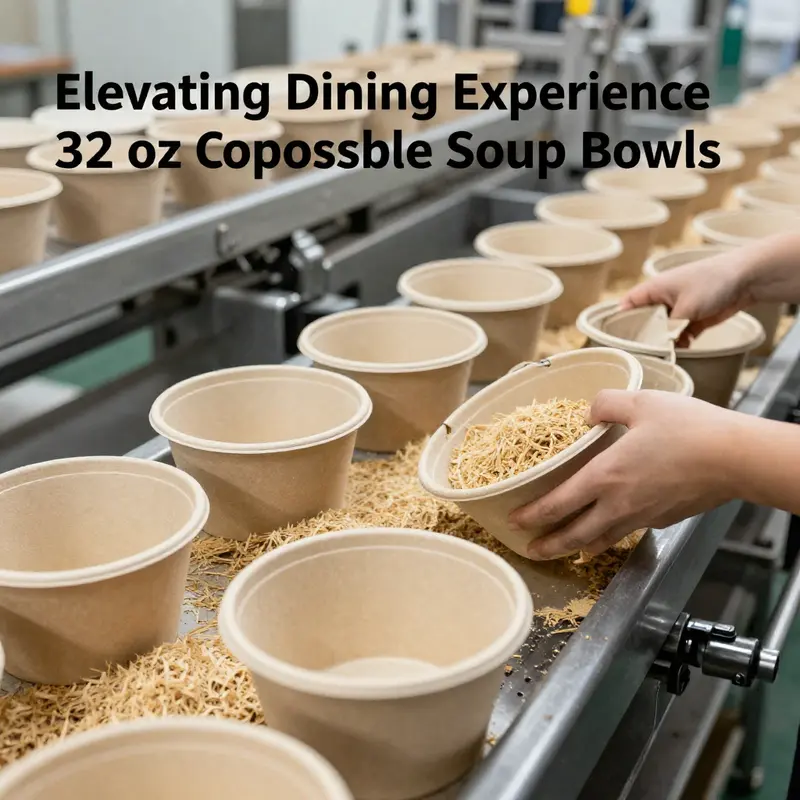
The story behind 32 oz disposable soup bowls is one of intricate craftsmanship, global teamwork, and a dedication to meeting the modern foodservice industry’s demands. In an era marked by the need for quick and durable food packaging, the journey of these soup bowls from raw material to finished product stands as a testament to the power of innovation in manufacturing and sourcing. The process is characterized by a seamless integration of advanced production methods, sustainable materials, and robust supply chain partnerships that ensure efficiency, quality, and a commitment to environmental responsibility.
At the heart of this narrative is China – a powerhouse that dominates the production scene in the food packaging sector. Several provinces, such as Fujian, Hebei, Jiangxi, and Anhui, have emerged as specialized industrial clusters that specialize in everything from molding and thermoforming to sophisticated digital printing. These facilities utilize cutting-edge technologies that not only enable high-volume output but also allow for rapid customization and stringent quality control.
The manufacturing process begins with the careful selection of raw materials. Leading production centers in Fujian and Hebei are recognized for their expertise in compostable molded fiber products derived from bagasse, a byproduct of sugarcane processing. This material is revered for its eco-friendly attributes and biodegradability, as it meets certifications like ASTM D6400 and EU OK Compost. The availability of bagasse in these regions reduces transport costs and ensures that manufacturers have a steady supply of sustainable material. In contrast, regions such as Jiangxi and Anhui primarily focus on the use of food-grade kraft paper combined with PE or PLA coatings that provide exceptional waterproof and oil-resistant properties. The dual approach to materials not only caters to varying customer needs but also supports an industry-wide push for more sustainable practices.
A critical factor that elevates the 32 oz disposable soup bowl is the precision in its design. The manufacturing process involves advanced digital printing technologies that allow for branding and personalized designs through techniques like CMYK and offset printing. This capability is highly valued by businesses looking to differentiate their offerings in an increasingly competitive market. By integrating customization into the production process, manufacturers are able to offer a product that is both aesthetically pleasing and functionally superior. The reinforced walls, leak-resistant designs, and secure snap-on lids equipped with sip tabs or vented openings form part of this precision engineering, ensuring that the bowls withstand the rigors of both transport and immediate consumption.
One cannot discuss manufacturing without acknowledging operational efficiency. The modernization of production lines means that even small minimum order quantities can be accommodated. For instance, companies like Jiangxi Jahoo Imp. & Exp. Co., Ltd. have honed their systems to deliver flexible order sizes with fast turnaround times, an essential attribute for food service providers who rely on consistent and timely supply. In addition, cost efficiencies are achieved by leveraging regional access to critical raw materials, sometimes reducing input costs by up to 25 percent when compared to offshore alternatives. This competitive edge attracts a broad spectrum of B2B buyers who seek reliability, affordability, and high production quality.
The sourcing aspect of these soup bowls is a multi-dimensional evaluation where procurement professionals must look beyond the basic unit price. A comprehensive sourcing strategy encompasses technical competence, operational reliability, transactional security, and service flexibility. Suppliers are rigorously assessed on their ability to maintain consistent production capacities, provide secure payment platforms, and offer customization and logistics support that align with the fast-paced nature of the foodservice industry. For instance, there are suppliers who are capable not only of delivering standard 32 oz bowls but also alternative capacities such as 500 ml or 750 ml containers, ensuring that diverse market needs are met. This flexibility offers businesses a streamlined experience across varied order sizes and product specifications.
One notable example of innovation in sourcing is the use of customized coatings on kraft paper bowls. These coatings, whether polyethylene (PE) or biodegradable polylactic acid (PLA), provide the bowl with superior resistance to moisture and oil. This functionality is especially important in applications such as holding ramen, stews, or chili, where the product has a high liquid content. The development of these coatings has been a significant technological leap, as it guarantees longevity during both storage and transit while keeping the product safe for direct food contact. The integration of sustainable practices into the manufacturing cycle is further reinforced by certifications like FSC, RoHS, and EU food-grade compliance, which collectively affirm that the products meet rigorous safety and environmental criteria.
Enhancing brand visibility is another significant aspect of the modern production process. Through digital printing and customized design options, suppliers enable food service providers to imprint their logos, slogans, or bespoke artwork directly on the bowls. This creative capability transforms a simple food container into a mobile branding tool that travels with the product from the restaurant to the consumer’s table. It is this fusion of functionality and marketing that has made 32 oz disposable soup bowls so popular in fast-casual dining, food truck operations, and office catering scenarios.
The logistics of sourcing these bowls are supported by multiple online platforms that offer secure and transparent trading environments. Portals like Made-in-China.com have become central hubs for B2B transactions, providing features such as verified supplier credentials, secure payment mechanisms, and refund policies that help mitigate risks in international procurement. These platforms often feature supplier audit reports, diamond memberships, and repeat buyer statuses which further instill confidence in potential buyers. This added layer of trust is invaluable in a global market where securing a reliable partner is just as critical as the product quality itself.
Moreover, organizations sourcing these bowls are urged to evaluate their suppliers over a four-dimensional framework: technical capability, operational dependability, transactional security, and customizable service. Each of these dimensions plays a pivotal role in ensuring that the final product not only meets the quality standards but also supports the consumer’s operational requirements. For example, in instances where the bowls must be microwave-safe or have enhanced insulation through double-wall construction, the supplier’s technical competence is put to the test. The ability to reliably produce a variety of bowls—from those suited for high-temperature operations to those designed to keep food warm during transit—highlights the technical prowess that underpins the manufacturing process.
The journey from raw material to finished product is also influenced by innovative trends in sustainability. As the demand for environmentally friendly products increases, manufacturers and suppliers are continuously exploring ways to reduce waste, lower carbon footprints, and adopt biodegradable materials. This environmental consciousness is not only beneficial for the planet but also enhances the marketability of the product among eco-aware consumers. It is common now to find that certain variants of 32 oz disposable soup bowls are designed with green initiatives in mind, utilizing recycled kraft paper and natural fibers while adhering to stringent environmental standards. Businesses that opt for these eco-friendly options position themselves as responsible, forward-thinking, and in tune with modern consumer values.
The comprehensive integration of manufacturing technology and sustainable sourcing practices is further accentuated by the industry’s thriving B2B ecosystem. As an internal example, one can explore more about cost-effective food packaging by visiting an article detailing the advantages of disposable kraft paper bowls, which offer variations in capacity from 500 ml to 1000 ml. This resource serves as a solid demonstration of how customization and cost efficiency go hand in hand in today’s packaging solutions. It is a vivid illustration of how the combination of modern manufacturing processes and innovative sourcing strategies can fulfill the rising consumer demand for both quality and environmental responsibility.
Furthermore, the evolution of quality control measures plays a crucial role in maintaining product integrity across high-volume production runs. Quality assurance processes ensure that every bowl meets precise specifications for durability, heat resistance, and leakproof performance. Advanced monitoring systems along production lines, combined with rigorous product testing protocols, help reduce defect rates and ensure that every batch dispatched to clients meets the highest standards. The meticulous attention to detail in quality control is a cornerstone that supports the global trust in these products. Every bowl that leaves the production facility carries the promise of safety and reliability, which is critical when these items are used in settings where food safety cannot be compromised.
Economic factors also exert a significant impact on the production and sourcing landscape for these products. The pricing structure of 32 oz disposable soup bowls is directly influenced by economies of scale, regional manufacturing efficiencies, and raw material costs. Bulk purchasing on platforms such as Alibaba often yields competitive pricing, with some suppliers offering unit prices as low as a few cents per piece when orders exceed large quantities. The inherent cost efficiencies that come with mass production not only benefit suppliers but also allow food service businesses to maintain healthy profit margins while offering quality service. Moreover, flexible order sizes and rapid turnaround times make it easier for companies to adapt to fluctuating market demands without incurring excessive overhead costs.
In the broader context of the food packaging industry, there is an undeniable interplay between technological innovation, cost efficiency, and sustainable practices. The manufacturing of 32 oz disposable soup bowls is a microcosm of this dynamic, as it encapsulates the essence of modern production processes that are driven by consumer demand for convenience, reliability, and environmental stewardship. In a market where both taste and presentation are critical, these bowls serve as the perfect vessel for hearty meals, ranging from rich stews and soups to creative culinary specialties that demand storage of both liquid and semi-liquid content.
The evolution of these products continues to be influenced by global trends in health, technology, and sustainability. For instance, the integration of modern digital printing methods allows not only for aesthetic customization but also for the rapid prototyping of new bowl designs tailored to specific regional tastes and application requirements. This responsiveness to market trends ensures that manufacturers remain at the forefront of innovation, providing products that are not merely disposable but are also a canvas for brand expression.
The underlying success of this industry segment is largely attributable to the strength and reliability of international supply chains. Established networks ensure that high-quality raw materials are sourced efficiently, and the finished products are distributed swiftly to meet global demand. Such supply chains are supported by logistics networks that bridge geographic and cultural divides, ensuring seamless transactions from factory floors in China to customers around the world. At every step—from sourcing raw kraft pulp and sugarcane bagasse to the final step of packaging—the production process embodies a global collaboration that honors both quality and efficiency.
The commitment to excellence in manufacturing and sourcing extends beyond the initial phases of production. Long-term partnerships between buyers and suppliers foster a culture of continuous improvement, where feedback loops are integral to refining production lines and adapting new technologies. This collaborative ethos ensures that 32 oz disposable soup bowls not only serve their intended purpose but also evolve in sync with advances in material science and consumer expectations.
As part of a broader online network, buyers are encouraged to review trusted platforms that facilitate secure procurement activities. For those interested in understanding the broader market context for similar disposable solutions, a valuable resource can be found on this dedicated page for disposable food containers. Such resources offer deep insights into the material, production, and design innovations that are driving the evolution of food packaging today.
In summary, the global manufacturing and sourcing landscape for 32 oz disposable soup bowls exemplifies the convergence of innovation, sustainability, and economic efficiency. From the specialized production clusters in China to the strategic sourcing and rigorous quality control measures, every aspect of the process is designed to meet the modern demands of the foodservice industry. This intricate production journey, enhanced by technological progress and a commitment to green practices, delivers a product that is not only functional and durable but also environmentally responsible and visually appealing. For further technical details on the production process and market insights, readers may consult additional industry overviews available on external sites such as this detailed technical overview.
Embracing Versatility and Sustainability: The Rise of 32 oz Disposable Soup Bowls in Consumer Culture
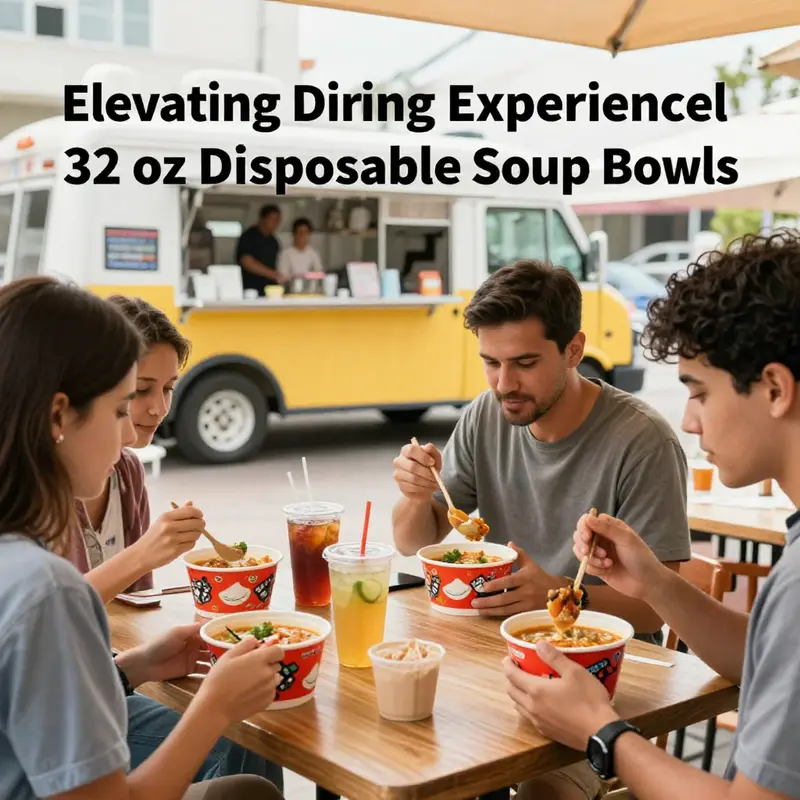
32 oz Disposable Soup Bowls have redefined modern dining and takeaway experiences by offering a blend of versatility, durability, and eco-conscious design. Once seen primarily as a utilitarian item serving as a mere container for hot broths and stews, these robust bowls have now embedded themselves into consumer lifestyles in diverse and exciting ways. With a capacity of approximately 950 ml, they accommodate a wide range of culinary applications—from hearty soups and stews to refreshing salads and grain bowls—making them indispensable in both foodservice operations and personal dining setups. This transformation in consumer adoption is driven by a combination of practical design features, evolving urban dining habits, and a growing awareness of sustainability in food packaging.
The journey of the 32 oz disposable soup bowl is closely tied to a trend toward convenience without compromising quality. Food venues are increasingly looking for ways to streamline service while maintaining food safety and presentation. These bowls, with their reinforced walls and leak-resistant lids, provide a reliable solution that assures both vendors and consumers that meals will be served intact and at the correct temperature. Whether it is a bustling food truck or a fast-casual restaurant, the predictable consistency and functionality of these bowls help in delivering dishes that are not only flavorful but are also presented in an attractive, mess-free manner. In a landscape where consumers demand quick service without the logistical hassles typically associated with hot or liquid meals, these bowls stand out as a key facilitator in the dining experience.
In urban areas characterized by frantic schedules and a greater reliance on takeout meals, the convenience aspect of these soup bowls gains even more significance. Modern lifestyles demand food that is portable, safe, and visually appealing. The design elements of these bowls—particularly the heat-insulated construction and secure lids—address the specific needs of office caterers, meal delivery services, and even personal meal prep aficionados. The presence of secure lids equipped with sip tabs or vented openings prevents spills and excessive heat transfer, ensuring the product is safe to handle even immediately after serving. Consumers appreciate the reliability of these features, which in turn has supported the widespread adoption of the bowls on various digital ordering platforms and in physical dining establishments alike.
Sustainability also plays a pivotal role in shaping consumer preferences today. Many 32 oz disposable soup bowls are crafted from environmentally friendly materials such as food-grade kraft paper lined with biodegradable coatings. These materials not only provide robustness in use but also align with environmental standards that are increasingly demanded by conscientious buyers. The use of sugars, fiber-based alternatives like bagasse, and certifications such as ASTM D6400 or EU OK Compost underscore an industry-wide commitment to sustainability. In a dining environment that seeks to reduce plastic waste and promote green alternatives, the eco-friendly composition of these bowls resonates deeply with consumers. This sustainability factor not only ensures that the bowls are safe for use with food but also supports the broader movement towards reducing environmental impact. In many ways, the adoption of these bowls represents an integrated solution where convenience and eco-consciousness meet, setting new benchmarks in food packaging and presentation.
The design process for these bowls has evolved significantly over the years, starting from simple paper containers to highly engineered products that incorporate multiple layers for insulation and durability. Modern manufacturing processes leverage advanced techniques to create bowls that can withstand high temperatures without distorting or compromising on food safety. This evolution is especially significant in professional foodservice environments such as office catering or fast-casual dining, where the presentation and reliability of the container are paramount. The double-wall construction used in many variants of these bowls serves as a safeguard against burns, helping maintain both the structural integrity of the bowl and safety for the consumer. This innovation in design not only elevates the functionality of these disposable items but also allows them to serve a broader range of applications including microwave reheating and immediate consumption.
Furthermore, the portability of these bowls makes them a mainstay in food delivery services, which have seen exponential growth over recent years. With the rise of on-demand meal prep and takeaway platforms, consumers are increasingly relying on packaging that is both robust and adaptable to rapid movement. The secure snap-on lids or press-fit designs ensure that the meal remains contained, even as the container is jostled during transit. This enhanced security is essential in maintaining both the temperature and presentation of foods such as ramen or chunky stews that contain solid ingredients like meat and vegetables. As delivery services continue to evolve, the importance of consistent, reliable packaging becomes ever more important. Consequently, these 32 oz disposable soup bowls have cemented their place in the market by meeting the rigorous demands of transport and handling while being cost-effective.
From a consumer perspective, the adoption of these bowls transcends mere practicality. They symbolize a shift toward an elevated dining experience where the medium serves as much a part of the meal as the food itself. The integration of brand-specific printing and customization options allows businesses to transform a simple container into a powerful marketing tool. Restaurants and food trucks are now using these bowls as a canvas to communicate their brand identity. By incorporating CMYK printing and unique design elements, these containers evolve into a vehicle for brand storytelling. Consumers are more likely to remember a dining experience that is seamlessly packaged, and the visual impact of custom-designed bowls can significantly influence their perception of the overall service quality. This convergence of marketing and functionality has sparked a wider trend where every aspect of the consumer dining experience is considered, from the taste and texture of the food to the presentation and convenience of its packaging.
A closer look into the material choices further illustrates the sophistication behind these disposable items. The use of sustainable kraft paper, often endowed with additional layers of polyethylene or polylactic acid, ensures that these bowls are both highly functional and aligned with environmental standards. The choice of materials is not accidental; manufacturers strategically select components that guarantee performance under varying conditions. When filled with hot liquids, the reinforced design prevents the bowl from warping, while a well-fitted lid maintains the integrity of the container. This is particularly crucial when transporting soups or stews that contain both liquids and solid ingredients. The reliability of these materials builds trust among consumers who rely on these bowls for everyday meals. The integration of safety certifications also provides buyers with the assurance that every step—from production to disposal—adheres to strict quality control measures. This rigorous adherence to quality not only enhances user confidence but also positions these bowls as a benchmark for disposable dining ware in the market.
The versatility of 32 oz disposable soup bowls can also be observed in the variety of culinary traditions they support. In regions where hot meals such as broths and stews form the backbone of daily nutrition, these bowls are cherished for their capacity to hold generous servings. In places where the concept of a one-bowl meal is gaining popularity for its simplicity and minimal cleanup, they provide an ideal vessel for fusion cuisines—melding traditional recipes with modern convenience. Chefs and foodservice professionals often experiment with these bowls to create innovative presentations that appeal to a diverse clientele. The visual and functional attributes of these containers mean that they can be adapted to a multitude of food types without compromising on quality. Whether serving a classic chicken noodle soup, a spicy chili, or a vibrant salad, the 32 oz bowl becomes a silent partner in the culinary journey, contributing to both the taste and the overall experience of the meal.
The consumer commitment to hygiene and food safety has also accelerated the uptake of disposable dining ware. In a time when health and hygiene are prioritized more than ever, single-use packaging solutions have become essential components of responsible dining. The disposable nature of these soup bowls means that there is minimal risk of cross-contamination, a key consideration for busy kitchens and busy urban households alike. This emphasis on single-use solutions is particularly prevalent in office catering and large-scale meal delivery operations, where the safe handling of food items is non-negotiable. Beyond just the immediate safety benefits, the predictable performance of these bowls in terms of heat retention and leak resistance ensures that the consumer experience is consistently positive. With food safety being at the forefront of consumer concerns, these bowls provide a reliable solution that aligns with modern health and safety norms.
Moreover, the aesthetic appeal of 32 oz disposable soup bowls should not be underestimated. A well-designed container enhances the anticipation and enjoyment of a meal. In an era where presentation is almost as important as flavor, the ability to customize these bowls gives businesses a competitive edge. A unique, well-branded container can evoke positive emotions and reinforce customer loyalty. The subtle interplay of design and functionality makes these bowls a favorite choice for establishments that seek to combine visual appeal with practicality. This aspect of design innovation is evident in the way many establishments have begun to use these bowls as part of their broader brand strategy. For instance, one can explore how eco-friendly disposable soup containers are being used to reflect the values of modern, conscientious consumers by clicking here. Such measures not only boost the brand’s image but also assure the consumer that the product meets the high standards expected in contemporary dining contexts.
On a more tactile level, consumers have come to appreciate the convenience features such as microwave-safe designs and ergonomically crafted handles. The ease with which these bowls can transition from storage to consumption, and occasionally even be reheated in a microwave, has redefined user expectations around disposable dining ware. The seamless integration of practicality with design has led to a noticeable improvement in consumer satisfaction levels, as the need for additional serving ware is reduced. This efficiency not only streamlines the dining process but also minimizes waste and simplifies the clean-up, a boon for both individual users and large-scale food service operations alike. In this context, every feature—from the secure lid to the insulated walls—plays a critical role in ensuring that consumers perceive the product as both high quality and inherently safe.
The evolving landscape of consumer behavior, driven by urbanization and the increasing popularity of on-the-go meals, has cemented the role of 32 oz disposable soup bowls in modern culinary culture. These bowls are more than just a container; they are a reflection of current trends that emphasize convenience, reliability, and environmental stewardship. As consumers grow more conscious of both the health and environmental impacts of their dining choices, products that offer a balance of efficacy and eco-responsibility are viewed with considerable favor. This shift is evident in both the rising adoption rates in commercial foodservice and the increasing number of positive reviews from end users who value efficiency and sustainability in their dining experiences.
In summary, 32 oz disposable soup bowls represent a harmonious blend of innovative design, environmental responsibility, and consumer convenience. The evolution of these bowls—from basic single-use containers to highly engineered products that embody modern culinary aesthetics—mirrors broader changes in how food is prepared, delivered, and consumed in today’s dynamic environments. The enduring consumer embrace of these bowls is a testament to their ability to meet a range of practical needs while also aligning with the values of sustainability and safety. For those interested in a deeper understanding of the technical design and material properties that have made these bowls a market favorite, further details can be found at Understanding 32oz Disposable Large Soup Bowl.
The ongoing evolution of consumer trends and the relentless pursuit of functional aesthetics ensure that the 32 oz disposable soup bowl will continue to serve as a benchmark for innovation in the food packaging industry. As dining habits become more intertwined with the demands of modern life, the need for products that seamlessly integrate convenience, safety, and eco-friendly attributes will only grow stronger. These bowls stand at the intersection of health, design, and efficiency, highlighting a broader movement toward products that are as adaptable as they are reliable. In embracing these trends, both consumers and foodservice professionals are led toward a future where the value of every meal is enhanced by its packaging—a future where innovation meets practicality in every delicious serving.
Final thoughts
As we’ve explored, 32 oz disposable soup bowls are more than just a convenient solution for serving liquid and semi-liquid foods; they represent a blend of functionality, sustainability, and market adaptability. Their robust design and diverse material options make them ideal for a myriad of applications, ensuring that from bubble tea shops to corporate events, businesses can cater to both practicality and the growing consumer demand for eco-friendly options. Embracing these bowls can enhance operational efficiency while contributing positively to the environment, a win-win in today’s competitive food service landscape.