
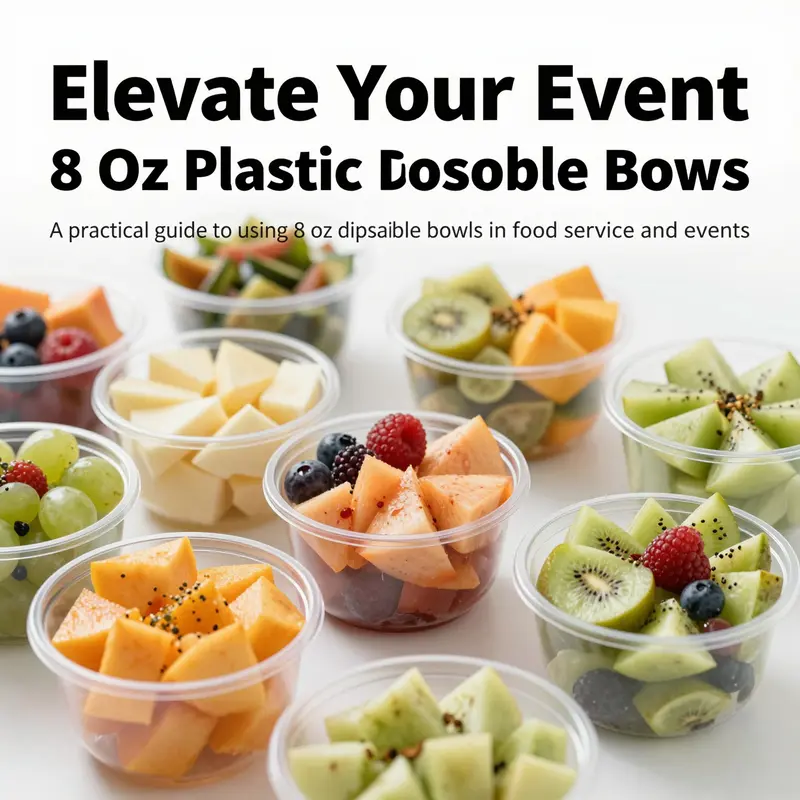
As the food service industry evolves, so do the demands for convenience, safety, and sustainability. The 8 oz plastic disposable bowl has become a versatile solution for presentation, service, and portability across cafes, caterers, and event venues. This guide explores material options, practical applications, eco-friendly alternatives, market trends, and safety considerations to help you choose the right bowl for your needs.
Materials Behind 8 oz Plastic Disposable Bowls: PET, PP, and PC
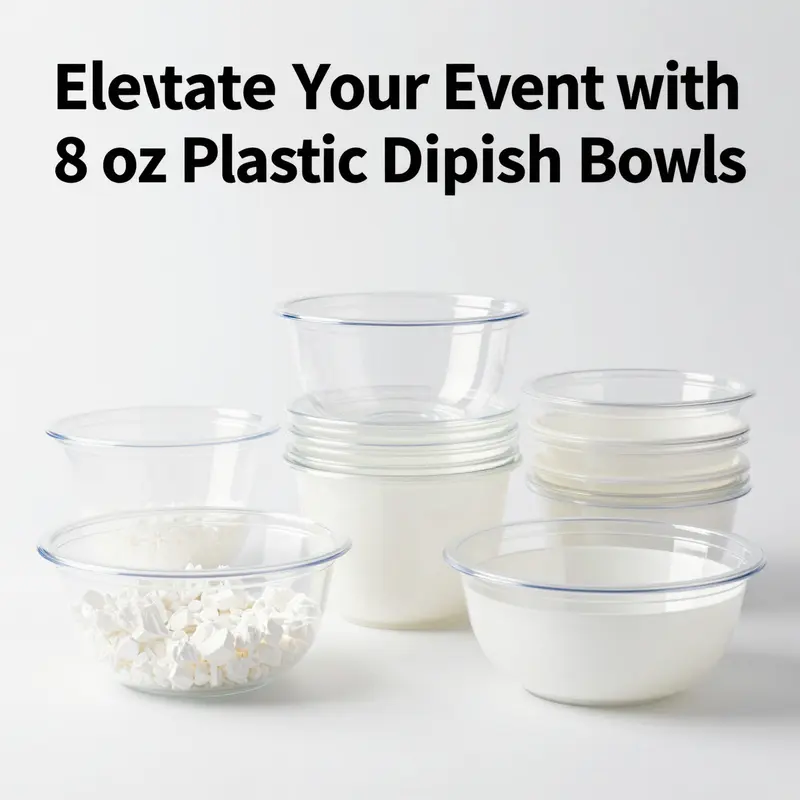
Eight-ounce plastic disposable bowls sit at the crossroads of everyday practicality and presentation. They carry more than a label of safety; they shape how colors appear, how textures are perceived, and how reliably a serving travels from kitchen to guest. The primary materials behind these bowls are PET, PP, and PC, each with distinct strengths and caveats. PET offers clarity, lightness, and broad recyclability, making it a common choice for cold items and visually driven servings. PP provides heat tolerance and microwave-ready convenience, extending the range of foods that can be served in a single container. PC has high impact resistance and durability but carries BPA-related considerations that have reduced its use in direct food contact in many markets. Together, these materials form a spectrum rather than a single solution, allowing operators to balance transparency, temperature tolerance, durability, and end of life. The ethical and regulatory environment continues to push toward safer, more recyclable options, encouraging brands to highlight labeling, recycling options, and any BPA-free formulations. In practice, the right choice depends on the specific use case: PET for cold, visually appealing portions; PP for heated or mixed temperature items; PC only when its benefits clearly justify the nontrivial safety considerations. As packaging ecosystems evolve, many suppliers now offer lids, branding, and complementary packaging that help deliver a cohesive guest experience while staying mindful of sustainability goals.
Portion-Perfect Presentations: The Subtle Power of 8 oz Plastic Disposable Bowls in Catering and Events
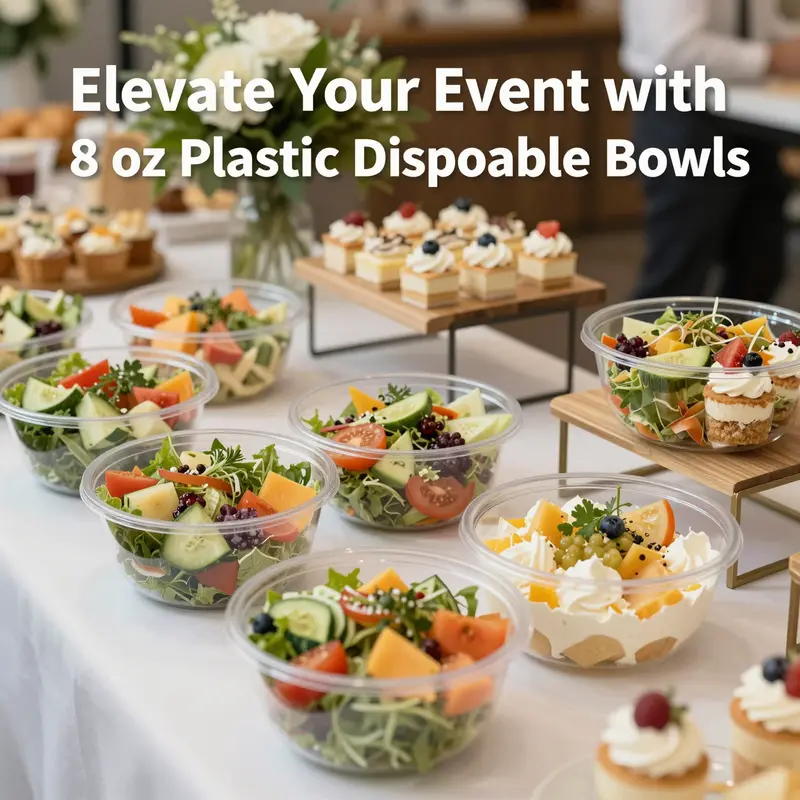
Single-serve portions can quietly define an event’s flow, guiding guests through the menu with minimal fuss and maximal impression. In catering and events, the humble 8 oz plastic disposable bowl does more than hold food; it governs pace, preserves hygiene, and elevates presentation in ways that diners notice, even if they don’t articulate it. This small vessel, just the right size for appetizers, desserts, or sample portions, becomes a tool for portion control that helps manage food costs without sacrificing guest experience. When dozens or hundreds of guests move through a buffet line or grab-and-go station, consistency matters. An identical vessel means identical portions, which reduces waste and simplifies inventory tracking. The weight and stackability of these bowls mean organizers can transport large quantities with ease, while the transparent design allows the colorful composition of fruit, yogurt, salads, or layered desserts to shine. In a setting where timing and flow determine satisfaction, the right single-portion container helps keep lines moving and moments unfolding smoothly, from first impression to final bite.
From a safety perspective, these bowls are typically manufactured from food-grade plastics such as polypropylene (PP) or polyethylene terephthalate (PET). They are widely certified as safe for direct contact with food by regulatory authorities, and many are BPA-free, addressing a long-standing consumer concern about chemical leaching. The material choice matters not just for safety but for performance: PP and PET can withstand the rigors of event life, from bustling buffet stations to refrigerated displays, as well as some reheating scenarios when the product is designed for it. Guests may not know the exact polymer inside, but they notice when their food looks and feels fresh, travels without leaks, and remains appetizing from station to plate. For organizers, that translates into fewer service interruptions, less waste from spilled samples, and a more predictable service rhythm during peak hours.
Transparency is another quiet advantage. Clear bowls invite guests to see the dish before they sample, which can be especially important for fruit platters, layered desserts, or colorful salads where the visual appeal is part of the appetite appeal. The clear design also helps staff identify contents quickly during service, reducing bottlenecks at stations, where time matters as much as taste. In display-oriented settings—such as wedding receptions, tastings, or corporate events—the bowl becomes a window through which cuisine is showcased. Some vendors also offer colored or frosted finishes for thematic cohesion, subtly enhancing the table aesthetic without overpowering the food. The ability to pair a transparent container with a matching lid or a branded seal gives planners room to layer branding with practicality, creating a cohesive event narrative even at the level of a single-serve container.
Lids add another layer of reliability that guests notice when they travel to and from service points. A well-fitting dome lid with a secure seal prevents leaks during transport, which is essential for takeout, delivery, or outdoor events. Tamper-evident features, when present, reinforce safety and trust, signaling that a serving remains untouched since preparation. For caterers managing multiple service streams—hot stations, cold displays, dessert bars—the lid is not merely a cover but a portable boundary that preserves texture, temperature, and aroma, helping the dish arrive on the guest’s plate as intended. In this light, the disposable bowl shifts from convenience item to operational backbone, enabling reliable service across diverse venues and weather conditions.
While tradition dominates, the evolution toward sustainability cannot be ignored. The same category that offers conventional PP and PET bowls is increasingly expanding into compostable or plant-based alternatives. Sugarcane bagasse and recycled paper-based options provide eco-conscious brands with a way to meet growing organizational commitments to environmental stewardship. These alternatives often align with Extended Producer Responsibility (EPR) standards in several regions, helping events position themselves credibly among audiences who care about waste, recyclability, and end-of-life impact. In practice, choosing an eco-friendly option can influence menu design, sourcing conversations, and guest perception, turning a practical container choice into a messaging opportunity about responsible operations.
Versatility remains at the heart of the 8 oz bowl’s appeal. The same vessel that holds a yogurt parfait can cradle a hot soup, a mash, or even a small portion of sauces and dips, provided the container is rated for the temperature range required. The ability to handle both hot and cold items broadens the menu possibilities at events—from tasting menus to buffet samples—without forcing guests to switch vessels or plates. In fast-casual settings where grab-and-go formats dominate, the bowl’s practicality becomes a strategic asset: it supports quick service, reduces cleanup time, and enables guests to carry a complete mini-meal without a bulky container. This convenience is particularly valuable for outdoor events, pop-up markets, or corporate gatherings where logistics and speed of service can determine overall guest satisfaction.
The practical advantages of bulk packaging deserve emphasis. Vendors typically offer these bowls in bulk packs that streamline procurement and storage, letting organizers pre-pack portions for self-serve stations or line queues. Bulk packaging also supports cost efficiency; buying in larger quantities reduces unit costs and simplifies ordering cycles during busy seasons. The lightweight nature of disposable bowls reduces shipment weight and space requirements, translating into lower freight costs and easier handling on-site. For event managers who track food costs meticulously, the compact capacity of 8 oz portions helps calibrate servings for each course, ensuring consistency across dozens of stations and reducing the likelihood of over-portioning or waste. The net effect is a smoother operational rhythm and a cleaner event footprint.
Aesthetics and customization add another dimension to the equation. The simple geometry of the bowl provides a reliable canvas for branding and color coordination. Clear or colored finishes can be chosen to align with a venue’s color scheme, theme, or seasonal palette, while lids can be branded or sealed with tamper-evident labels to reinforce quality and provenance. Even without a branded lid, a well-chosen container communicates a level of professionalism that guests notice. For planners seeking to reinforce a theme—romantic, rustic, or modern minimalist—the bowl becomes a small but consequential touchpoint that echoes the larger design language of the event. In this way, a single, well-chosen bowl can contribute to a cohesive guest experience without demanding a bespoke, highly engineered packaging solution.
The considerations above naturally lead to questions of health and safety compliance, a non-negotiable baseline for any professional operation. Reputable sources in the field emphasize that most 8 oz disposable bowls intended for food-contact use meet established safety standards and are certified food-grade. Certifications typically reflect compliance with national food-safety regulations, and the materials are designed to resist the common hazards of event use, including transport and short-term refrigeration. For event organizers, this means reliable specs and predictable performance, even under variable service conditions. Still, it remains prudent to verify that the chosen product aligns with the event’s local regulations, sanitation protocols, and any specific dietary considerations that guests may have. When safety is assured, the focus shifts to experience—the way the container supports flavor, aroma, and presentation from the first moment a guest selects a sample to the moment they savor it on the plate.
To keep events aligned with evolving guest expectations, many planners integrate these bowls into broader packaging strategies that include branding, sustainability, and service efficiency. A practical approach is to pair the bowls with compatible lids, adhesive labels, and a simple on-site disposal plan that minimizes confusion for guests and staff alike. In themed environments, the option to customize the outer appearance or to coordinate with other takeaway packaging—such as mini dessert cups or snack portions—helps create a consistent, polished look across all service channels. The result is an event experience where even the smallest containers contribute to a sense of occasion and care without overshadowing the cuisine itself. For readers seeking ideas on how to coordinate packaging with event branding, consider exploring resources that discuss themed takeaway packaging and disposable tableware for events like parties and catered gatherings, which offer design concepts and practical tips that translate well to 8 oz bowls.
For events that value branding and coordinated presentation, a practical example is the use of themed takeaway packaging supplies that complement the bowls. This approach supports a cohesive guest journey, from the moment guests enter a station to their final bite. The packaging becomes part of the storytelling—subtle, accessible, and memorable—while maintaining the efficiency required for high-volume service. If you’re exploring branding opportunities that align with this approach, you can explore resources focused on custom takeaway packaging supplies for theme party events, which provide a practical blueprint for coupling container design with event aesthetics. Such integrations illustrate how a simple serving vessel can become a touchpoint for guest engagement, not merely a container for consumption.
External resources can further inform decisions about integrity, safety, and innovation in container design. For a comprehensive overview of current offerings and technical specifications, researchers often reference product detail repositories and supplier catalogs that summarize material composition, lid compatibility, and regional compliance. These sources help event planners compare options across price, performance, and sustainability criteria, ensuring that the chosen bowls harmonize with menu needs and venue constraints. In practice, balancing cost with reliability and guest experience is a continuous optimization process, one that benefits from thoughtful sourcing and a clear vision of how the container supports the broader service model. External perspectives reinforce that the simplest tools—like an 8 oz disposable bowl—can have outsized effects on efficiency, safety, and perception when deployed with intention.
External resource: https://www.alibaba.com/product-detail/Disposable-Plastic-Bowls-8oz-12oz-16oz_1600493793279.html
Greener Portions: Navigating Sustainability and Eco-Friendly Alternatives for 8 oz Plastic Disposable Bowls
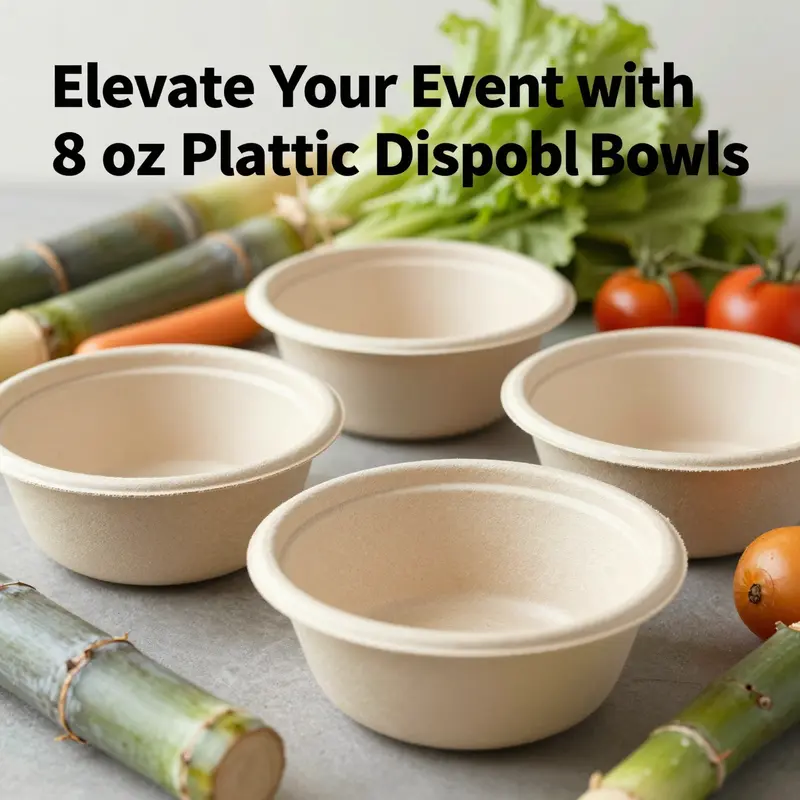
The everyday practicality of an 8 oz plastic disposable bowl has long been matched by a parallel concern for the planet. In kitchens, catering halls, and street-side takeout counters, these compact vessels deliver reliable portion control, clear visibility of contents, and the reassurance of leak-resistant transport. Yet every time a lid snaps shut over a dessert or a fruit medley, the question lingers: can convenience coexist with responsibility? The evolution of this small packaging category reveals a broader shift in how food businesses balance operational demands with environmental stewardship.\n\nRather than pitting performance against sustainability, the market now increasingly seeks solutions that maintain the predictable, hygienic benefits of single-use bowls while aligning with circular economy principles. The tension between function and footprint drives the emergence of eco-friendly alternatives that fit both the fast pace of service and the longer arc of waste management strategies.\n\nAmong the most widely adopted alternatives is a class of compostable paper bowls lined with a moisture- and grease-resistant barrier. The barrier, typically a thin polymer lining derived from plant-based sources, serves a purpose familiar to users of plastic: it keeps soups from weakening the paper and prevents soggy textures during service. What changes is the end-of-life puzzle. When facilities exist to process industrial composting, these PLA-lined bowls can break down into organic matter within a defined window—often cited as roughly 90 to 180 days—without leaving harmful residues.\n\nCertification schemes, such as those administered by independent bodies, help operators verify that the product truly meets compostability standards rather than simply appearing green. For food-service operations, this shift can be as much about consumer perception as about material science: a compostable feel, not just a compostable claim, can elevate a brand’s profile in markets where sustainability conversations drive choice.\n\nBut compostable paper bowls are not the only path. Bamboo fiber bowls offer another compelling option rooted in renewability. Bamboo grows rapidly and can be harvested with a smaller ecological footprint than many other woody crops. In practice, bamboo bowls bring a warm, natural aesthetic that can align with premium concepts. The challenge lies in manufacturing realities: not all bamboo products are home-compostable, and some rely on natural resins or adhesives that require careful assessment of composting conditions. When brands emphasize either home-compostability or industrial compostability, they signal a clear intent to close the loop, even if the exact end-of-life route varies by local infrastructure.\n\nA third option gaining traction weaves recycled content into the packaging story. Papers and boards sourced from post-consumer or pre-consumer recycled material can reduce the demand for virgin pulp and lower life-cycle emissions associated with production. Yet performance trade-offs inevitably arise. Unbleached or lightly processed recycled papers may struggle in consistently high-moisture environments or under repeated microwaving, and some products still rely on coatings that complicate recycling downstream. For enterprises that aim to communicate a circular ethos without compromising reliability, these trade-offs demand careful selection. A key advantage, however, is compatibility with existing recycling streams and waste-management partnerships that value resource recovery and reduction of overall material intensity.\n\nThe decision to shift away from conventional 8 oz plastic bowls also hinges on the local waste landscape. In regions with accessible industrial composting, PLA-lined or bamboo-based bowls become particularly attractive. In areas where such facilities are scarce, brands may lean toward reusable or recyclable packaging, or toward compostable options designed to function within limited infrastructure—emphasizing the need for clear disposal guidance for customers. Extended Producer Responsibility (EPR) policies in some parts of the world further influence these choices by shaping how packaging waste is funded and managed after consumption. The upshot is that sustainability is not a one-size-fits-all proposition; it is a framework that accounts for regional capabilities, regulatory expectations, and the specific volumes of takeout, catering, and retail service a business handles.\n\nFrom a practical standpoint, the path to sustainability for 8 oz bowls also involves product performance considerations. Lids, for instance, play a crucial role in maintaining integrity during transport. The best designs pair a secure seal with ease of use, ensuring that sauces, dressings, or fruit syrups stay where they belong. For hot foods, a heat-tolerant barrier and a robust rim help maintain shape and texture, while for desserts or cold items, crumb resistance and form retention matter. In this context, the benefit of a compostable or recycled alternative becomes most tangible when it does not force trade-offs in speed, reliability, or customer satisfaction. Service staff and kitchen crews will tell you that the most successful switches are those that feel no different operationally from the familiar plastic cups—only with a clearer narrative about care for the environment.\n\nBranding and consumer education also shape the adoption of eco-friendly bowls. A key signal is transparency about what happens after the meal or snack is enjoyed. Certifications that confirm industrial compostability, or statements about renewable content and recycled feedstock, help align customer expectations with on-site waste-handling realities. In practical terms, this often means pairing the packaging with accessible disposal guidelines at the point of use, and ensuring that staff can explain the difference between composting and recycling in simple terms. When customers see a credible sustainability story tied to the packaging, their willingness to choose the option—even at a modest price premium—often increases. The visual appeal remains important as well. See-through designs, which helped plastic bowls gain prominence for salads and desserts, can be preserved with PLA-liners or with bamboo-fiber shells that expose the product inside while conveying a modern, responsible image.\n\nFor businesses evaluating these alternatives, the process is as much about supply-chain alignment as it is about material science. Sourcing options must balance predictable availability, cost, and environmental attributes. The dynamics of seasonality, inventory turns, and the ability to customize with branding or size variations all influence whether a brand selects a PLA-lined paper bowl, a bamboo-based variant, or a recycled-content option. It is equally important to consider how the chosen solution fits into broader packaging ecosystems—how it integrates with lids, sleeves, and meal kits, and how it travels from supplier to service point without compromising safety or presentation. In this sense, the shift is less about replacing plastic outright and more about substituting packaging elements that are designed with end-of-life in mind. A thoughtful approach demonstrates that sustainability can be woven into the daily cadence of a food business rather than treated as an occasional marketing pivot.\n\nTo illustrate the practical orientation of these options, consider how a food-service operation can leverage a sustainable bowl without losing the clarity and order that customers expect. A compostable PLA-lined bowl, paired with a compatible lid and clear disposal messaging, preserves the crispness of fresh fruit or the creaminess of a dessert while signaling responsible material choices. Bamboo fiber alternatives can offer a more tactile, natural presentation that resonates with health-conscious or eco-conscious audiences, provided the facility network supports appropriate disposal routes. Recycled-content bowls can support a brand narrative of resource stewardship, especially when the supply chain can demonstrate traceability and responsible sourcing. The central theme is clear: sustainability in this context is a spectrum, not a single destination. Operators can chart a course that aligns with customer expectations, waste-management capabilities, and the geography of their markets.\n\nFor readers curious about practical resources, a relevant overview of packaging options for eco-friendly takeout packaging highlights how craft-paper solutions balance moisture control, presentation, and durability in real-world service environments. This kind of reference can help operators connect the dots between a bowl and its broader packaging family, illustrating how a cohesive system supports sustainability without sacrificing reliability.\n\nIn sum, the move toward compostable PLA-lined paper bowls, bamboo fiber variants, and recycled-content options reflects a mature understanding that small containers can contribute meaningfully to environmental goals. The decision landscape—shaped by local composting capabilities, regulatory frameworks, and consumer expectations—encourages a nuanced approach rather than a binary choice. As the industry continues to innovate, the focus remains on preserving the user experience, protecting food safety, and expanding the possibilities for a truly circular use of resources. The 8 oz bowl becomes not just a convenience item, but a test case for how small packaging can harmonize with larger commitments to sustainable practice. External resource: https://www.example.com/sustainability-takeout-bowls
Clear, Convenient, and Conscious: How 8 oz Plastic Disposable Bowls Shape Modern Food Service
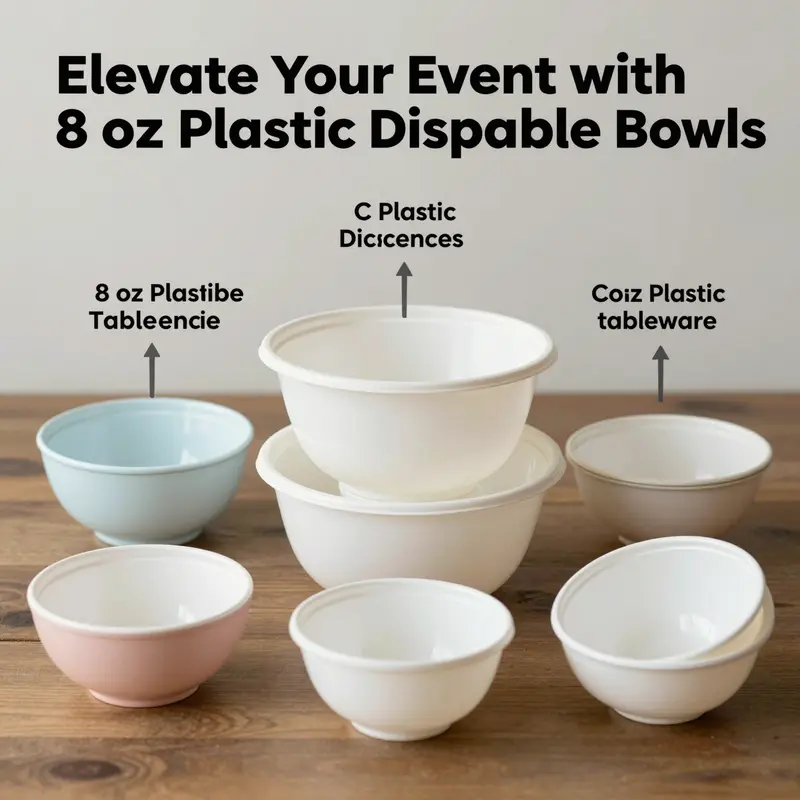
The market for 8 oz plastic disposable bowls has become a telling mirror of how consumers and operators weigh practicality against preference, speed against sustainability, and visibility against responsibility. These compact vessels began as simple, affordable workhorses for small portions and grab-and-go meals. Today they are a canvas on which brands tell stories about freshness, portion control, and ease of transport. In a world where a single image can decide a purchase, the transparency of a clear PET or PP bowl often does more than protect the contents; it invites customers to visually assess the ingredients before the first bite. That instant visual cue—bright fruit hues, the swirl of yogurt, the ribbons of dressing—transforms a utility item into a marketing tool. Yet the same item must deliver on performance: resistance to leaks, the ability to withstand a range of temperatures, and compatibility with a fleet of lids that keeps sauces inside and hands dry outside. The balancing act between form, function, and footprint is at the heart of contemporary demand for 8 oz bowls, and it is shaping choices from small cafes to large catering events.
Sustainability, a word that anchors many product decisions today, has reframed how operators evaluate even the smallest disposable container. Consumers increasingly expect packaging to reflect environmental values, even when their purchases are modest in size. This expectation has accelerated a shift toward compostable and biodegradable alternatives crafted from plant-based materials like sugarcane bagasse or recycled paper fibers. These options are designed to break down under proper conditions, aligning with Extended Producer Responsibility (EPR) standards in parts of Europe and resonating with eco-conscious markets elsewhere. The trend does not negate the role of traditional plastics; rather, it pushes the market toward a spectrum of choices where compostable variants sit beside high-quality PET bowls. The PET option endures in popularity because it preserves clarity and integrity—crystal transparency that bathes contents in light and makes textures and colors pop. The ability to see product details through a clear container reduces decision fatigue for customers and speeds service, a factor that can translate into roughly twenty percent faster content selection, according to performance data. When speed matters—as it often does in buffets, hospitals, schools, or busy takeout lines—transparency becomes a real asset that supports accuracy and efficiency in food handling, labeling, and inventory management.
Beyond the material, the performance design of 8 oz bowls has matured in response to real-world use. Leak-proof, dome-shaped lids that seal tightly have become a baseline expectation for takeout and catering. These lids protect not only the contents but the brand’s reputation, reducing spill-related waste and ensuring a neat arrive-and-serve experience. Some models go further with tamper-evident seals, a feature that reassures customers who rely on pre-packaged portions for events or daily meals. The combination of a secure seal, clear visibility, and a lightweight profile is particularly compelling for health-conscious formats like acai bowls, fruit salads, yogurt cups, and dessert servings where presentation matters as much as portability. The design is not merely about containment; it is about the consumer journey—from the moment the bowl is picked up to the moment the lid is removed at the counter or at a table. The reliability of the lid and the feel of the container in the hand influence repeat purchases as much as the contents themselves.
Customization has emerged as a quiet, powerful driver in this space. Branded printing, stickers, or logos on the lids or sleeves help keep logos and color schemes visible during transport and in display areas. In events and themed venues, customization becomes a memory cue, a small branding touch that reinforces a customer’s experience. This is where small operators can punch above their weight, differentiating themselves in crowded spaces with cost-effective branding opportunities on packaging. The flexibility to adapt packaging to branding needs also dovetails with the rise of takeout and meal-kit business models, where the packaging aligns with the culinary concept and the consumer’s lifestyle. A thoughtful approach to branding through packaging supports not only recognition but trust, especially when customers encounter the same container across multiple channels—cafes, market stalls, or delivery platforms.
Market dynamics reinforce these consumer preferences. The global disposable bowls market, valued at tens of billions of dollars in recent years, continues to grow, spurred by demand across food service, retail, and household use. Operators increasingly weigh regulatory realities as part of their purchasing decisions. European markets, in particular, have elevated the importance of sustainable packaging through EPR certifications and regulatory expectations that encourage or require recyclable or compostable solutions. In this environment, manufacturers that offer a balanced portfolio—clear, food-safe PET bowls for premium presentation alongside compostable or recycled-content options—appear best positioned to navigate evolving rules while maintaining visual appeal and cost efficiency. The tension between sustainability and performance is not a contradiction; it’s a spectrum of choices that allows businesses to tailor packaging to specific market segments, menus, and service styles.
For operators, the practical advantages of 8 oz bowls remain compelling. Their size aligns with controlled portions, which assists in nutrition transparency and waste reduction. They are well suited for fast-casual counters, meal kits, and delivery services where containers must withstand transit without leaking and still present food attractively upon arrival. Outdoor settings—picnics, camping trips, or pop-up markets—benefit from the lightweight profile and the convenience of disposable disposables that don’t require cleanup infrastructure. The design language of these bowls has matured to support both hot and cold applications, expanding their utility across soups, broths, sauces, yogurt, and even frozen desserts when paired with the right lid and insulation considerations. In this sense, the 8 oz bowl is less a single product than a flexible platform that underpins a wide array of culinary concepts and service models.
A notable implication of this flexibility is brand storytelling through presentation. The emergence of branded or customized packaging, paired with the visual clarity of the container, creates a cohesive consumer experience from display to table. In practice, operators blend packaging choices with their menu narratives: a fresh fruit compact for a fruit-forward concept, a yogurt-and-seed cup for a health-focused brand, or a dessert cup that showcases artful toppings. The result is a packaging ecosystem that works in concert with the product. Importantly, this ecosystem is accessible to businesses of various sizes. Even small food trucks or campus vendors can adopt cohesive packaging strategies that reinforce identity and streamline operations. The use of color, labeling, and lid design—all within the 8 oz framework—strengthens recognition and fosters consumer trust, which can translate into repeat traffic during peak hours or seasonal promotions.
From a strategic standpoint, the most successful bowls in the near term will continue to bridge clarity, containment, and conscience. Clarity remains a differentiator for product visibility and consumer confidence. Containment ensures reliability during transport and service, while conscience acknowledges the growing demand for sustainable alternatives. Packaging that can gracefully combine these elements—clear presentation, robust performance, and responsible material choices—will be well positioned as consumer expectations evolve. The capacity to tailor packaging to markets with distinct regulatory landscapes, waste management infrastructure, or cultural preferences will also define success. This means investing in scalable options: a PET-based line to showcase premium contents and a compostable line to address markets prioritizing end-of-life solutions. The objective is not to force a single path but to offer a spectrum of choices that maintains brand integrity, cost control, and environmental accountability.
As the industry continues to experiment with new materials and manufacturing processes, the 8 oz bowl remains a touchstone for broader packaging conversations. It illuminates how a seemingly small decision—what container to use for a small portion—can ripple outward to influence consumer behavior, operational efficiency, and sustainability missions. In the end, the most enduring bowls will be those that honor the practical demands of daily service while inviting customers to participate in responsible consumption. They will be clear enough to tempt the eye, sturdy enough to travel, and flexible enough to adapt to what comes next in food packaging—whether that future is rooted in compostable fibers, recycled content, or a renewed commitment to reduced waste across the supply chain. For readers seeking practical cues on branding and packaging options, see the resource dedicated to adaptable takeaway packaging for themed experiences, which demonstrates how a simple container can support a larger design narrative: custom-takeaway-packaging-supplies-disposable-tableware-for-theme-party. And for those evaluating current product listings and specifications in the market, an external reference offers real-world context on standard features and options: Alibaba 8oz Clear Disposable PET Bowl.
Guardrails in a Clear Container: How Safety Standards Shape 8 oz Plastic Disposable Bowls
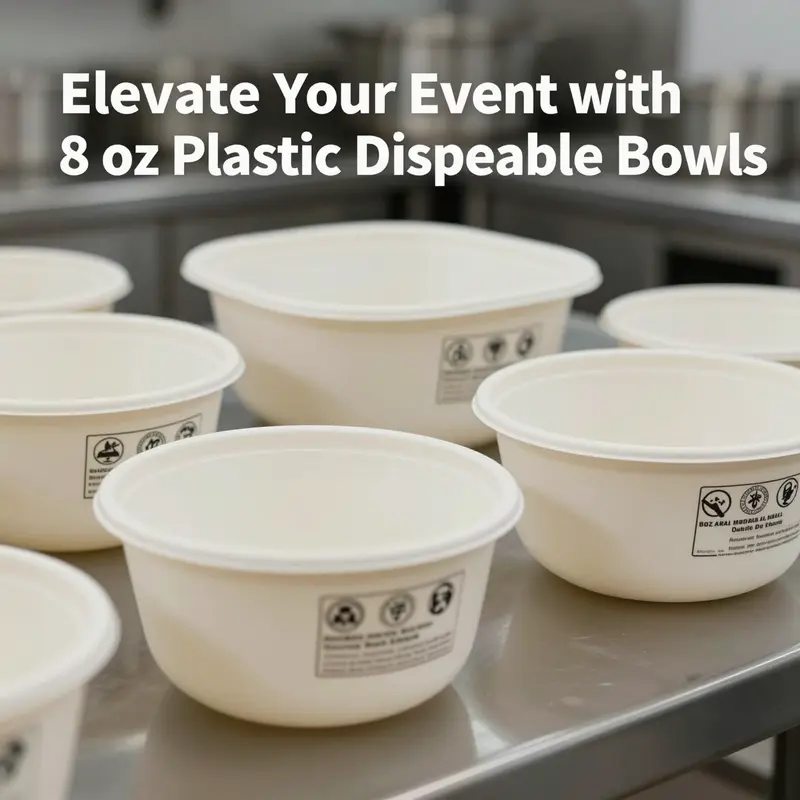
In the world of small servings, 8 oz plastic disposable bowls are more than a convenience; they embody a careful balance of visibility, safety, and transportability. Their journey begins in the factory and ends in a customer’s hand, yet the path is paved by a set of standards designed to keep each bite safe. The central pillar of safety for these bowls is the food-grade status of the materials, typically PET or polypropylene. PET, especially in clear bowls, offers excellent clarity and shatter resistance, letting the contents shine while remaining chemically inert at common serving temperatures. Polypropylene, on the other hand, brings greater heat tolerance, making it a natural choice for hot soups, gravies, and items that might be briefly reheated in a microwave. The distinction matters beyond engineering; it guides how a kitchen operates. A cold fruit salad may ride safely in PET, while a hot sauce or dessert that travels through a takeout window benefits from PP’s resilience. When a bowl is labeled FDA-certified food-grade, that certification communicates adherence to regulations governing direct contact with food. It is more than branding; it is a signal that the resin, colorants, and interior surface have met strict standards for non-toxicity and stability under the conditions for which the product is intended to be used.
Another decisive feature is transparency. PET’s crystal clarity not only enhances the product’s visual appeal but also reduces the need to open containers for inspection, lowering the likelihood of contamination during display, storage, and service. In buffet lines and display cases, the ability to identify ingredients at a glance supports efficient portioning and accurate lineups. Yet, clarity does not imply fragility. Modern PET is engineered to endure everyday handling, stack well for refrigeration, and withstand the rigors of delivery and transport. The lid plays a complementary, critical role; most 8 oz bowls are paired with dome-shaped lids that create a secure seal to prevent leaks during transit. The lid is not merely a convenience but a safety feature that protects food from splashes, contamination, and cross-contact, especially in crowded environments. Some designs even incorporate tamper-evident features, a small step that reassures customers and streamlines quality control at the point of sale.
Heat resistance marks another axis of safety and practicality. The PP variants are designed to tolerate higher temperatures, enabling a broader range of applications—from hot soups to microwavable desserts and yogurt parfaits. PET shines in cold or room-temperature contexts, where its rigidity and clarity are most beneficial. The regulatory implication is straightforward: each material is selected for expected use scenarios, and manufacturers must provide precise specifications about heat tolerance, microwave compatibility, and any limitations on reheating or contact with heated foods. This information translates into safer menus—fewer forced re-pours, reduced risk of deformation, and clearer expectations for staff during service. In practice, the user’s experience is shaped by a simple equation: material choice plus lid integrity equals predictable performance, which in turn supports consistent portion control and a reliable customer experience.
The ecosystem of safety extends beyond the materials themselves to cover the entire packaging system—how the container and lid work together, how they are transported, and how end-of-life considerations are addressed. Leak-proof and secure lid designs are not cosmetic features; they are core to maintaining food safety during delivery and in busy takeout lines. A well-sealed bowl minimizes the chance of spills that could create slip hazards or contaminate other items in a bag. Tamper-evident seals, when present, add an extra layer of protection, signaling to the consumer that the product has remained untouched since packing. For businesses that prioritize speed as well as safety, these design aspects help reduce handoffs and the risk of cross-contamination in transit. The regulatory framework emphasizes not only the material’s safety but also its performance under realistic use conditions. Providers must disclose heat tolerance and the conditions under which reheating is appropriate, ensuring operators can plan menus and service flows without second-guessing container behavior.
As sustainability becomes inseparable from safety conversations, the discussion about 8 oz bowls naturally widens to how to balance performance with environmental responsibility. Traditional plastics remain non-biodegradable in the short term, yet there is a growing slate of compostable and recycled-content options. Plant-based materials, such as those derived from sugarcane bagasse, offer compostable alternatives that can align with Extended Producer Responsibility goals in many regions. Recycled-content or paper-based options provide additional pathways for venues seeking to reduce environmental footprints while maintaining the same high safety standards. Even as these options proliferate, the same core assurances—FDA certification, non-toxicity, and compatibility with intended use—remain the benchmark. For those managing a kitchen or a catering operation that seeks to marry safety with sustainability, the decision tree becomes a matter of choosing the right material for the right context: cold foods hosted in PET, hot offerings in PP, and eco-conscious branding or disposal routes where regulations permit. Operators may also find value in exploring integrated packaging ecosystems that support both service and environmental commitments. The balance is not simply about cost; it is about trust—trust that the container will perform as expected under heat, cold, or travel, and that it will align with a brand’s stated values regarding environmental stewardship.
In practical terms, the safety framework translates into daily choices for cooks, store managers, and events planners. The right bowl affects more than aesthetics; it impacts stability, spill control, and the reliability of lids during peak hours. A leak-proof dome lid reduces soggy bags and cross-contamination, which is especially important when multiple orders share a single courier bag. For event planners, reliable packaging translates into smoother service, fewer complaint calls, and less waste due to compromised containers. The chain of custody—from material supplier through manufacturing to the point of use—becomes more predictable when safety standards are explicitly documented and verifiable by inspectors or customers. This is why many operators insist on certifiable documentation from suppliers, including heat tolerance data and the exact materials used, so that menus and serving methods can be designed with confidence.
For teams building a sourcing strategy, the conversation about 8 oz bowls often intersects with broader packaging considerations. The fact that a small, clear bowl can carry everything from fruit to sauce to dessert means the container is doing more work than it first appears. It must withstand the rigors of cold storage, frozen transport, or hot service. It must be compatible with the lid system chosen for the business, whether that means secure seals or tamper-evident features. And it must align with the host’s environmental commitments, whether that means labeling and choosing compostable alternatives or selecting materials with higher recycled content. In this sense, the bowl becomes a microcosm of a larger packaging strategy: a careful calibration of safety, performance, and sustainability that supports a trustworthy guest experience without sacrificing efficiency in a bustling kitchen or delivery operation.
To illustrate a practical path for readers evaluating their own packaging choices, consider the value of coupling safety standards with strategic sourcing decisions. A cautious buyer will look for explicit FDA food-grade certification on PET or PP, check the stated heat tolerance and microwave compatibility, and confirm the presence of leak-proof and, where relevant, tamper-evident features. Additionally, many buyers find it useful to examine the environmental credentials of the packaging option, ensuring any compostable or recycled-content alternative is certified for its intended use and aligns with regional disposal regulations. As a final touch, venues may explore related packaging solutions that complement the bowls—such as compatible takeaway containers or labeling systems—that help maintain brand consistency and ease of service. For more on packaging options that emphasize eco-conscious design, see the linked resource below.
In sum, the safety standards and regulations around 8 oz plastic disposable bowls are not a hurdle to be cleared but a framework that enables safe, reliable, and appealing servings across diverse settings. They ensure that the convenience of a compact, clear, and dependable container does not come at the expense of health or quality. For anyone designing, sourcing, or using these bowls, the guiding principles remain straightforward: verify FDA-certified materials, understand heat tolerance and lid performance, and stay mindful of environmental options that fit local requirements. When these principles are woven into daily practice, the result is a packaging system that supports safety, efficiency, and a positive guest experience across the full lifecycle of the product. For those seeking further authoritative detail, the official FDA page on food contact substances offers foundational guidance: https://www.fda.gov/food/food-contact-materials
Final thoughts
The 8 oz plastic disposable bowl stands out as a versatile and practical choice for many sectors within the food service industry. They offer convenient single-use service, compliance with material safety standards, and adaptability across a wide range of foods and events. As sustainability becomes increasingly important, exploring biodegradable or compostable options can align with modern consumer expectations. Selecting the right 8 oz bowl can enhance guest satisfaction while supporting efficient operations, whether serving bubble tea, salads, desserts, or catered bites.