
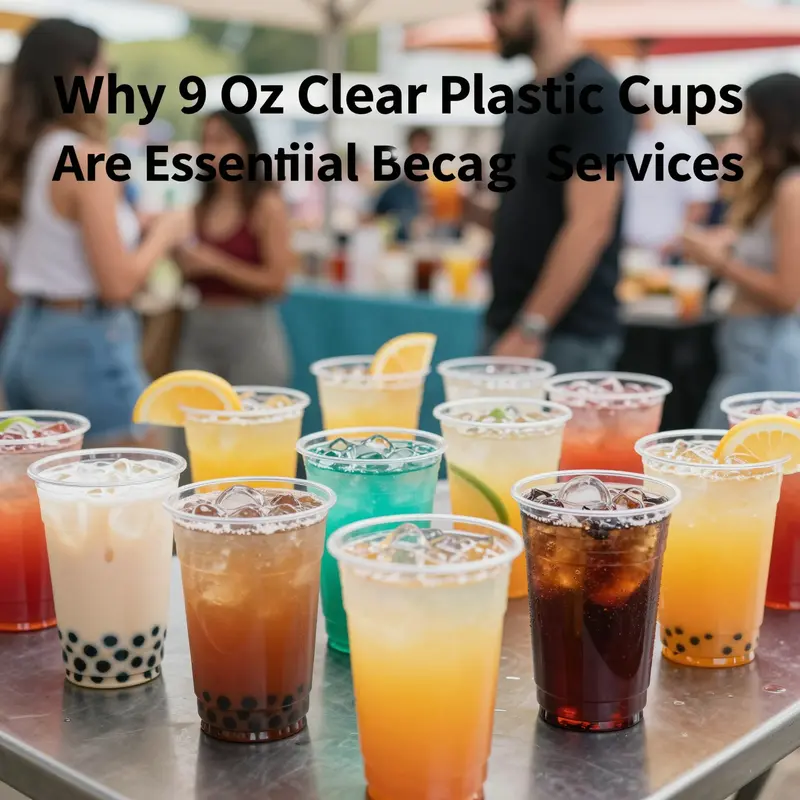
In the competitive landscape of beverage service and event planning, the choice of serveware can significantly impact customer experience and operational efficiency. 9 oz clear plastic cups have emerged as a favored option amongst bubble tea shops, restaurants, food trucks, and event planners alike. This article delves into their valuable features and benefits, outlines the economic advantages of bulk purchasing, and discusses critical environmental considerations and safety standards. With this comprehensive exploration, businesses can make informed choices about integrating these cups into their service offerings.
Seeing the Sip: The Practical Elegance and Everyday Versatility of 9 oz Clear Plastic Cups

The simple act of pouring a drink into a clear plastic cup can feel almost ceremonial when the cup itself is designed with clarity, durability, and a touch of versatility in mind. A 9 oz clear plastic cup is more than a vessel; it is a canvas for color, texture, and mood. In the world of events, catering, and everyday gatherings, these cups do quiet, essential work. They frame the beverage, hold the color palette of a mixology moment, and support the pace of a party where people mingle, toast, and move from one conversation to the next. When you examine what makes a 9 oz clear plastic cup so reliable, you uncover a blend of design choices and material choices that balance aesthetics with practicality, a balance that keeps these cups useful from a casual backyard barbecue to a more formal reception where presentation matters as much as content.
At the core of their appeal is a clear, transparent design. The point of clear cups is not just to show the drink; it is to let the drink be the star. The color, texture, and even the gloss of the beverage—the amber of iced tea, the ruby hue of a summer punch, or the creamy swirls of a delicate cocktail—are all visible through the walls. This visibility makes the cup an ally of presentation. In settings ranging from seasonal weddings to corporate receptions and beachfront gatherings, the container itself disappears into the scene, letting the drink take center stage. Clarity is not merely cosmetic; it informs the guest experience by preserving the visual integrity of each beverage. The observer’s eye moves from the glass to the glass’s contents in a single, seamless moment, and that moment can color the mood of the entire event.
Material choice underpins that clear look and the cup’s sturdiness. These cups are commonly crafted from PET, a polymer prized for clarity and strength. The glass-like transparency that PET can achieve helps drinks pop, and the rigidity of the walls helps the cup retain shape even when it’s filled, nudging it away from the fragility that would undermine a social gathering. In more environmentally conscious circles, options exist that emphasize even lower environmental impact, such as PET variants that are certified for biodegradability where appropriate. The material’s durability translates into practical advantages: the cup resists distortion under normal cold beverages, resists minor bumps, and remains easy to handle in crowded or outdoor environments. This is the practical magic of a clear cup that doesn’t look or feel like a throwaway afterthought.
Capacity matters as much as clarity. The 9 oz size is a versatile middle ground, offering enough volume for an espresso or a small cocktail while staying light enough to be casually held and easily transported across a busy room. It works for an espresso shot poured into a sleek, minimalist setting, it accommodates a small, elegant cocktail, and it even serves well for desserts or layered samples at tasting events. The form factor remains comfortable in hand, so servers can move efficiently, and guests can grab a drink without hesitating. The cup’s diameter supports stable stacking for storage and quick restocking during service, a practical design feature for caterers and event hosts who must balance speed with care.
The question of durability is never far from a planner’s mind. A sturdy clear cup should maintain its shape when filled, resist cracking when stacked for transport, and remain visually appealing through the course of a service. In real-world use, a high-quality version can handle repeated handling, especially during refill cycles at a buffet or a standing reception where guests circulate. While these cups are often designed for single use, many can be washed by hand and reused multiple times if care is taken. A gentle rinse with soapy water, followed by air drying, can restore the cup to a near-pristine state for limited reuse, a pattern that aligns with both budgetary and environmental considerations. This potential for reuse sets them apart from truly disposable alternatives, inviting a more thoughtful approach to waste and emissions when events are planned.
Yet no discussion of a clear plastic cup is complete without addressing temperature limits. The chemistry that gives PET its clarity and strength also imposes boundaries. These cups are optimized for cold or room-temperature beverages. Heat can soften the plastic, leading to deformation or loss of structural integrity, particularly if a hot drink is introduced or if the cup is exposed to high-temperature environments for extended periods. Carbonated drinks also pose a challenge; the internal pressure can exaggerate any minor defects in the seal or the lid and increase the chance of leaks if the setup relies on a simple cap or no lid at all. For hot drinks, alternatives offering better heat resistance or insulative properties may be preferable, even though they may compromise on the weight, visibility, or ease of handling that make the 9 oz clear cup so popular. The practical takeaway is straightforward: pair the cup with beverages that suit its temperature tolerance, and always consider the lid option that can bolster containment during transport and outdoor use.
That containment capability extends beyond the cup body itself. A broad array of lid options exists to accompany clear cups, from simple flat lids to dome lids designed to accommodate whipped toppings and other garnishes without spillage. Lids can dramatically expand the cup’s utility, transforming it from a momentary serving vessel into a portable, leak-resistant package suitable for a cafe counter, a catered event, or a sidewalk festival. The combination of a secure lid with a clear cup delivers a reliable transport solution, preserving drink integrity from the kitchen to the dance floor. In many service models, such as pop-up shops or refreshment stations at outdoor venues, this leak-proof performance becomes the deciding factor between a smooth, efficient service and a messy, prolonged cleanup.
Storage and transport logistics are also shaped by the cup’s design. The flat base and uniform walls enable neat, space-saving stacking, a characteristic that matters as orders scale from a handful of cups to several dozens or hundreds. When space becomes a premium, stackability translates directly into efficiency—more cups per shipment, easier inventory tracking, and quicker setup at service stations. The lightness of the cups further reduces shipping weight, contributing to lower freight costs and a smaller carbon footprint, a consideration increasingly valued by venues and organizers who seek sustainable options without sacrificing practicality.
Beyond the practical, there is an element of presentation that elevates the ordinary. The clear cup becomes a stage for the drink’s color story, and even minor embellishments can transform the experience. A slim garnish—a slice of citrus perched on the rim, a streak of color from a fruit puree, or a delicate foam crown—reads differently when viewed through a pristine, transparent wall. For events seeking to infuse a touch of sophistication without increasing complexity, designers and caterers lean into the moment of color and clarity. Decorative accents, such as metallic finishes or subtle textures on the cup itself, can be used to suggest a mood or theme while preserving the drink’s visual prominence. The result is a cohesive presentation where the glassware supports rather than competes with the beverage, letting the audience appreciate the craft that went into mixing the drink and choosing the right moment for a toast.
In today’s connected world, cost and supply considerations loom large as well. Bulk purchasing options exist for clear cups, making them accessible to both small gatherings and large-scale operations. Economies of scale can lower price per unit, making it feasible to plan for generous guest counts without sacrificing quality or presentation. For event planners, the key is to balance the base cost with the potential for reuse, storage efficiency, and the reliability of the product in real-world service. Buyers are often tasked with evaluating die-cutting, wall thickness, and the presence of any printing or labeling that might affect clarity. A clean, unprinted cup is favored when the beverage is meant to be the visual hero, but subtle branding or color-coordinated labeling can be introduced carefully in the right setting, so the overall presentation remains cohesive rather than cluttered.
From a culinary and hospitality perspective, the 9 oz clear cup also serves as a flexible platform for beverages with complex textures. Cold coffees that showcase crema, fruit-forward smoothies with layered color, or cocktails that rely on vibrant hues all ride on the cup’s ability to present a clean, unobstructed view of the contents. When the goal is to encourage guests to engage with the drink’s appearance—the gradient from dark espresso to light foam, or the bright, sunny tones of a citrus blend—the cup’s transparency becomes a partner in storytelling. And because these cups are lightweight and generally unbreakable, they reduce the risk of injury or breakage in dynamic environments such as festivals or poolside events, where glassware is not a viable option.
A note on sustainability accompanies the practicalities. While the most common use pattern is single-use, there is an ongoing conversation about responsible disposal and the potential for reuse. If a cup is thoroughly cleaned and quickly air-dried, it can sustain several cycles of reuse in a setting that values waste reduction. The environmental footprint of any disposable item provokes careful consideration of lifecycle, recycling options, and supplier commitments to safer, more sustainable materials. In some markets, customers actively seek options that are BPA-free and align with green certifications. The conversation is not about abandoning convenience but about choosing a path that respects both guest experience and the planet. Transparent cups, by their design, also encourage a mindful approach to beverage service, reminding hosts and guests that presentation and practicality can coexist with responsibility.
For those planning events where ease and speed are paramount, the availability of a dependable disposable option remains a strong argument in favor of 9 oz clear cups. In these contexts, a disc of glass or a heavy ceramic may provide a certain elegance, but the lighter, simpler, and more portable plastic version keeps service flowing. A practical takeaway for organizers is to pair the cup with lids where appropriate, select clean, unprinted walls to maximize beverage visibility, and prepare a storage strategy that leverages stacking to minimize space while ensuring quick access during peak moments. The flow from kitchen to service, from bar to table, is smoother when the container is designed to vanish into the choreography of the event rather than interrupt it.
For event planners and hospitality professionals seeking a straightforward, versatile disposable option that performs well in many scenarios, a widely available choice exists that keeps the focus on the drink while delivering on reliability and convenience. This option, while not a branded recommendation, underscores how the clear plastic cup functions as a scalable tool for service teams. It’s a reminder that great beverage presentation often hinges on the most unassuming components—the cups that carry color, aroma, and texture from the first pour to the last toast.
The story of the 9 oz clear plastic cup is therefore not merely about a container. It is about how design choices, material properties, and practical features come together to support service that is both elegant and efficient. It is about how clarity can elevate the drink’s appearance, how durability can sustain busy events, and how a simple, well-made cup can carry a guest experience forward from the kitchen to the last cheers. And it is about recognizing that, in the universe of modern catering and casual entertaining, a small, clear cup can make a big impact when it honors the drink and the moment it accompanies.
For readers who are considering this option for a future event or for daily uses in a cafe or home, a practical pointer is to explore a range of disposable clear plastic cups that align with your priorities—clarity, durability, price in bulk, and the availability of appropriate lids. The right choice can streamline service, enhance presentation, and reduce waste when coupled with a sensible cleaning and reuse plan. When presented with a dense array of options, rely on the core strengths of the 9 oz clear cup: it is transparent enough to let the beverage shine, sturdy enough to withstand everyday handling, and adaptable enough to suit a spectrum of beverages and occasions. Seeing the sip becomes a design brief in its own right, guiding the way from concept to service with quiet confidence.
Internal resource for further exploration: disposable clear plastic cup for parties and events. This link points toward a practical example of how such cups are deployed in real-world settings, illustrating the balance between utility and presentation without leaning on branded specificity. For those who want to ground their research in safety and standards, an external resource on packaging safety and food-contact materials provides a broader regulatory context. See the U.S. Food and Drug Administration’s guidance on packaging and labeling for food safety here: https://www.fda.gov/food/packaging-labeling-food-safety. These references can help planners weigh the trade-offs between convenience, cost, and responsibility as they choose the vessels that accompany their beverages.
In sum, the 9 oz clear plastic cup stands as a constant in a landscape of ever-changing event trends and service technologies. It is capable of supporting a spectrum of beverages while preserving the visual appeal that makes a drink memorable. It is practical enough for a busy service environment and elegant enough to contribute to a refined presentation. It offers a balance of lightweight portability and usable durability that translates into real-world efficiency. And it remains a familiar, adaptable tool—the kind of cup that quietly anchors a moment, even as guests keep moving through a room, raising glasses, and sharing in the simple pleasure of a well-served drink.
Volume, Value, and Visibility: The Economic Logic Behind Bulk 9 oz Clear Plastic Cups
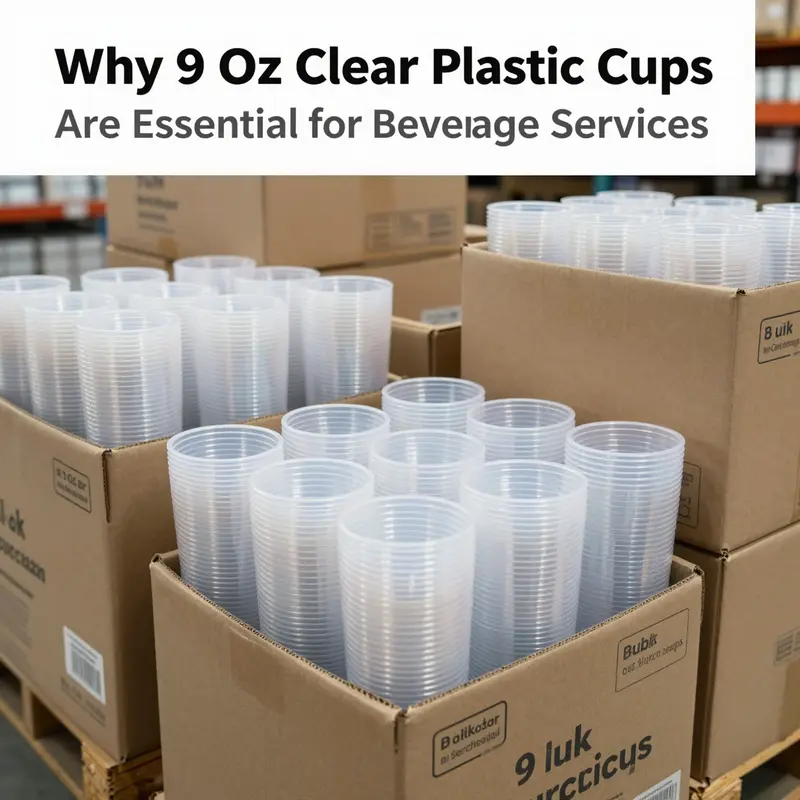
The economics of bulk purchasing 9 oz clear plastic cups isn’t a tale told in a single price tag or a single savings figure. It is a narrative about scale, timing, and the way small choices compound into meaningful bottom-line impact for food service operations, caterers, and event organizers. When a business shifts from buying cups in small, as-needed batches to a planned, high-volume procurement, several forces align to reshape profitability, workflow, and even customer experience. The core idea is simple but powerful: buying more often at lower per-unit costs can dramatically reduce overall costs, but only if you manage logistics, inventory, and brand expectations in a coordinated way. This is the practical economics of volume, where every tier of bulk purchase carries its own set of incentives and constraints, and where the value generated reaches beyond simple cost savings to affect reliability, sustainability, and brand presentation.
The most immediate and tangible effect of bulk purchasing is the downward trajectory of the unit price. For high-volume environments–coffee shops that churn cups by the hundreds per day, event venues that prepare thousands for a wedding reception, or catering teams coordinating large outdoor festivals–the per-unit cost matters more than the nominal price of a single case. When quantities rise, suppliers spread fixed costs over more units, negotiate better raw-material terms, and optimize production scheduling. The result is a cost structure that rewards planning and long-range demand forecasting. A typical wholesale pathway might show a per-cup price that is several cents lower at bulk levels than at retail or spot-buy quantities. In practical terms, savings at scale can sum to a meaningful margin improvement across a week, a month, or an event season.
But price per cup is only part of the picture. Bulk purchasing also reshapes inventory management, one of the most critical interfaces between procurement and operations. Ordering in bulk reduces the frequency of reorders, which in turn lowers administrative overhead and the labor cost of placing orders. It also consolidates receiving, storage, and stock-tracking tasks into fewer, larger shipments. Yet bulk inventory requires discipline. Cups must be stored in a way that protects them from moisture, warping, or crushing. Proper racking, rotation, and first-in-first-out procedures help ensure that a year’s supply remains usable and appealing. When the cups are needed quickly for a last-minute event, the ability to pull a safe, reliable quantity from stock becomes a competitive advantage. If a team misjudges demand and under-orders, the operational tension can spill over into service delays or a dip in quality. Conversely, over-ordering can tie up cash, crowd storage spaces, and risk obsolescence if beverage trends shift.
An informed bulk strategy also contends with the logistics of shipping and handling. For many operators, the choice to buy in bulk is tightly coupled with the reliability of a vendor’s lead times and fulfillment processes. When a supplier can consistently deliver large lots on a predictable schedule, it reduces the need for emergency procurement and last-minute rush orders. The administrative burden of tracking hundreds of tiny orders transforms into a streamlined process of scheduling, delivery windows, and bulk packaging. In turn, the team can align cup arrivals with production calendars, event timelines, and staff shifts. This alignment reduces the chance of stockouts during peak hours and supports a steadier service rhythm. The capacity to synchronize procurement with event pipelines is often an overlooked but vital source of efficiency and resiliency in beverage operations.
Customization and branding are another dimension where bulk purchases can multiply value. Bulk suppliers increasingly offer value-added options that let teams maintain a consistent brand presence without inflating costs. Custom branding, if needed, can be achieved through OEM services that enable logos, color accents, or unique finish treatments to travel across large orders. This is not merely a cosmetic enhancement. A well-executed customization program can elevate the perceived quality of a beverage experience, reinforce brand recognition at a venue, and encourage repeat business from clients who remember a cohesive visual language across their tableware. The economics of customization hinge on spreading the incremental design and tooling costs across a high-volume run. When the base unit price is already favorable, the incremental cost of branding becomes more palatable, turning a modest premium into a strategic investment. In bulk contexts, suppliers may even throw in value-added services such as free samples or design iterations during the initial phase of a project, enabling teams to validate branding concepts before committing to a full run. Such arrangements can significantly accelerate decision cycles and reduce the risk of misalignment between the client’s vision and the final product.
The eco- and safety considerations associated with bulk buying play a decisive role in ongoing profitability and market positioning. The initial research materials emphasize BPA-free materials and the availability of eco-friendly options, such as biodegradable or recyclable components, to meet rising consumer expectations for responsible packaging. In a bulk setting, sustainability is not just a compliance checkbox; it is a differentiator that can influence pricing, supplier selection, and customer appeal. Clients who prioritize green credentials may prefer bulk deals that include certifications or verified environmental claims, and they may be willing to pay a modest premium for cups that align with their sustainability standards. The cost of eco-friendly materials can be offset by the economies of scale achieved in bulk orders, where the incremental cost of a more sustainable material can be distributed across many units. Nevertheless, this balance is delicate. If a brand’s sustainability narrative hinges on specific certifications, any disruption in supply or misalignment in material sourcing can carry reputational risk that translates into lost opportunities or reduced margins. Smart procurement accounts for these risk vectors by maintaining diversified supplier relationships, keeping a share of standard options for price-sensitive scenarios, and reserving capacity for sustainable alternatives when demand patterns favor it.
Brand visibility through bulk procurement also extends to the broader procurement ecosystem. Large orders can open doors to supplier programs that emphasize logistics efficiency, access to free samples, and direct collaboration on packaging solutions. The existence of OEM services means that a buyer can coordinate the look and feel of the cup across multiple events and campaigns, maintaining a consistent customer experience without sacrificing procurement efficiency. When a plan exists to reuse or repurpose cups for multiple events–such as an ongoing festival series or a corporate gathering circuit–bulk buys can be staged to support a rotating schedule of menus and beverage presentations. In this model, the cups themselves become a canvas for consistent visual storytelling, reinforcing brand recognition even when the beverage inside changes from week to week.
The consumer-facing value of clear cups deserves specific attention. Clear cups are prized for showcasing the beverage, whether it’s a shimmering cocktail, a cool iced coffee, or a fruit-forward punch. The clarity of the material helps patrons gauge freshness and volume at a glance, a factor that influences perceived quality and, ultimately, willingness to pay. In bulk programs, maintaining that clarity across thousands of units requires careful handling, storage, and inspection. Dents, scratches, or clouding can degrade the user experience and lead to waste if customers reject subpar cups. Suppliers who understand this dynamic often embed quality checks into bulk orders and offer returns or replacements for batches that fail to meet standard aesthetics. For end users, this means that bulk purchasing protects not just the bottom line but the integrity of the customer experience—an intangible yet critical driver of repeat business and brand loyalty.
A broader strategic implication of bulk cup procurement is the way it interacts with demand forecasting. The event industry, food service, and hospitality ecosystems operate with seasonality and unpredictable spikes. A robust bulk purchasing plan starts with analyzing consumption patterns, past usage, and upcoming calendar commitments. Managers translate this data into forecast-driven orders that balance price optimization with risk management. A well-timed bulk order can buffer against price volatility in the commodities market, shipping delays, and supplier capacity constraints. Conversely, poor forecasting can turn bulk buying into a liquidity drag, tying up cash in inventory that sits idle as demand fluctuates. The art of bulk procurement, then, sits at the intersection of quantitative forecasting and qualitative judgment—an exercise in aligning supply with demand while preserving the agility to respond to sudden changes in the market.
The role of marketplaces and platforms in shaping these decisions is not incidental. Wholesale platforms provide price transparency, bulk packaging options, and negotiated terms that can be tailored to a buyer’s size and cadence. They enable a business to compare total landed costs–unit price, shipping, handling, and lead times–across multiple suppliers in a single view. This visibility is crucial for optimizing procurement strategies over time. It also supports risk diversification: by spreading orders across several reputable sources, teams can shield themselves from the disruption that can occur when a single supplier experiences a setback. In practice, this means building a portfolio of suppliers who can deliver on core requirements–clarity, safety, compatibility with hot and cold beverages, and reliable lids or seals when those accessories are needed. It also means acknowledging that bulk purchasing is not a monolith; it is a dynamic system that benefits from ongoing review and adjustment as business conditions evolve.
Beyond the numbers and logistics, bulk purchasing of 9 oz clear plastic cups carries a cultural and operational logic that resonates across hospitality and events. The choice of cup size and style communicates the tone of an event or venue. It signals how a beverage should be perceived, from casual backyard BBQs to upscale cocktail soirees. Clear cups, when paired with well-engineered lids and secure stackability, can project a clean, professional image that aligns with the expectations of guests and clients. Although bulk buying is often driven by cost, its downstream effects—reliable service, consistent presentation, and brand coherence—can create competitive differentiation that translates into customer satisfaction, repeat business, and the ability to command a premium in service packages. In a world where the shopper’s attention is finite and the event calendar is crowded, such subtle signaling matters.
For teams exploring near-term procurement decisions, the practical next steps are not mystery but method. Start with a demand forecast that captures daily usage, event spacing, and inventory turnover. Pair this with a review of storage capacity and shelf-life considerations for the chosen cup materials. Evaluate whether the bulk strategy should emphasize standard, economical cups or eco-friendly options that carry certifications and consumer appeal. Consider whether customization will be a long-term feature or a pilot for flagship events. And plan for the logistical choreography of deliveries, returns, and replacements to keep service smooth and the budget on track. The goal is to create a procurement rhythm that reduces the friction of supply while maximizing the value delivered to the guest experience.
To illustrate the practical path forward, teams often begin with a targeted online search that centers on disposable clear plastic cups suitable for outdoor and indoor events. One example of the kind of catalog entry they might encounter is a bulk offering described as a disposable clear plastic cup suitable for parties, weddings, and camping. This kind of search yields a spectrum of options–from purely economical, cold-beverage-focused cups to more versatile designs that can withstand both hot and cold beverages and, in some cases, come with dome lids for containment and spill prevention. The variety reflects a maturing market where users can select from straightforward, budget-conscious builds to more premium configurations that emphasize aesthetics, durability, and brand fit. The decision matrix will weigh price against quality, lead times against customization, and the sustainability profile against the event’s branding goals. In the end, the most successful bulk purchases are those that harmonize cost discipline with operational reliability and a clear sense of how the cups contribute to a positive guest experience.
As a practical note, the value of bulk purchasing is not limited to large operations alone. Bulk buys also democratize access to quality disposables for smaller cafes, pop-up concepts, and home-based entrepreneurs who scale up for events or seasonal demand. When price per unit is realized through volume, smaller teams can justify the upfront purchase, secure reliable supply, and maintain consistency in their service. The market’s breadth–ranging from ultra-budget options to more premium, brand-ready configurations–means that almost any business model can find a bulk solution that aligns with its budgetary constraints and growth aspirations. This democratization of access is a core driver of the broader adoption of 9 oz clear plastic cups across venues and occasions, enabling more consistent beverage presentation, fewer service interruptions, and the professional polish that customers expect, even in casual settings.
For readers seeking a practical pointer that mirrors the bulk-optimization mindset, consider this anchor in the current procurement landscape: the ability to customize branding while maintaining cost efficiency through economies of scale. This combination–cost efficiency plus branding potential–defines a powerful segment of the bulk cup market. It translates into a straightforward recommendation: if you plan to host multiple events under a consistent brand or theme, negotiate terms that allow you to leverage customization across a bulk order without inflating unit costs. In doing so, you protect margins, reinforce brand fidelity, and present a cohesive guest experience across channels and venues.
In closing, the economic logic of bulk purchasing for 9 oz clear plastic cups is multi-faceted. It blends price discipline with supply-chain efficiency, brand strategy with sustainability considerations, and operational reliability with guest experience. It is not just about saving money per cup; it is about building a procurement framework that delivers predictable, scalable value across seasons and events. The cups themselves are a vessel for efficiency and storytelling, translating bulk volume into a stable backbone for beverage programs that aspire to consistency, clarity, and cultural resonance. As markets evolve and consumer expectations shift toward transparency and responsible sourcing, the bulk purchasing approach will continue to illuminate how small, everyday items like a disposable cup can shape the economics of hospitality and events.
For teams exploring this path, a practical, ready-to-explore option exists in the form of bulk options for outdoor and party-use cups, including models designed for easy handling and reliable containment. You can view a representative disposable clear plastic cup suited for parties and outdoor gatherings here: disposable-clear-plastic-cup-outdoor-picnic-pet-cup-drinking-cup-for-parties-birthdays-weddings-camping-utensils.
External resource: For a broader view of wholesale pricing and supplier dynamics in this category, see the detailed product listing on a major wholesale platform: https://www.alibaba.com/product-detail/Fuling-9oz-Disposable-Plastic-Cups-with-Lids_1601543872997.html?spm=a2700.gallery-0001.0.0.1f7b7c5eZtQYdP
Environmental Considerations and Safety Standards for 9 oz Clear Plastic Cups

Clear 9 oz plastic cups balance clarity and practicality with environmental and safety considerations. Materials such as polystyrene, polyethylene, and polypropylene differ in recyclability and end-of-life outcomes, which varies by local infrastructure. PP often offers a middle ground but depends on local recycling streams. Industrial compostable options exist, but require access to appropriate facilities. Food safety labeling, including BPA-free claims and compliance with FDA guidelines, remains essential. Certifications for compostability or recyclability help buyers assess disposal pathways. End-of-life realities, including waste management practices and guest behavior, determine actual environmental impact. Practical guidance includes specifying resin family at purchase, assessing local waste capabilities, and implementing clearly labeled disposal streams. Where feasible, reuse or higher-recycling options can reduce waste, while compostable alternatives should be matched to available composting infrastructure. Packaging design, such as lids and labeling, should support easy separation and avoid contamination in recycling streams.
Final thoughts
As the demand for efficient and attractive serveware grows, 9 oz clear plastic cups stand out as a versatile option for beverage services across various sectors. Their durability, economic advantages, and safety standards make them a wise choice for bubble tea shops, restaurants, and event planners alike. By carefully considering the benefits of these cups and their role in enhancing customer satisfaction and operational efficiency, businesses can elevate their service offerings and ensure successful events. It’s time to make a conscious choice for quality and responsibility in your beverage service!