
As sustainability becomes a paramount focus for today’s businesses, Amazon is once again at the forefront of change with its newly introduced recyclable paper packaging. Designed to enhance the shipping process while reducing environmental impact, this innovative mailer offers an eco-friendly shipping solution. It features a unique protective layer sandwiched between recyclable paper, ensuring that products—such as bubble tea and food from restaurants—are safely delivered. In the chapters that follow, we will dive into the innovative features of this packaging, available consumer options, the environmental benefits, and what the future holds for Amazon’s sustainable packaging initiatives.
Paper-Padded Progress: The Engineering and Environmental Logic Behind a Recyclable Envelope in E-Commerce
A shift is unfolding in the way goods travel from warehouse to doorstep, a shift that treats packaging not as an afterthought but as a material dialogue between protection, convenience, and the environment. The new recyclable paper-padded envelope marks a turning point in that dialogue. It is not merely a slipcover for a product; it is a carefully engineered interface designed to carry the burden of transit while minimizing waste, weight, and energy use. The premise is simple in outline but ambitious in scope: replace multi-material, non-recyclable padding with a single, recyclable substrate that can ride through curbside recycling streams without requiring specialized processing. In practice, this means a patent-pending construction that sandwiches a lightweight, protective layer inside sheets of recyclable paper. The result is a package that preserves the integrity of its contents during sorting, handling, and exposure to the minor jolts of a long journey, yet can be treated as ordinary paper at the end of its life. This is not a cosmetic improvement; it is a systemic rethinking of how shipping materials influence the sustainability profile of a sprawling logistics network. The environmental case rests on a few clear dynamics. First, the envelope is lighter than many traditional padded alternatives. Weight matters in every leg of a shipment itinerary, from the fuel burned to move it through the distribution chain to the energy consumed in the sorting facilities that route it toward a delivery route. Every gram saved translates into fewer emissions and less fuel required across countless trips. Second, and equally important, the design relies on a material whose entire structure can be recycled in standard curbside programs. Traditional padded envelopes often contain plastics, coated papers, or bubble-wrap layers that complicate recycling or render portions non-recyclable. By contrast, this new envelope eliminates those mixed materials, aligning the package with common municipal recycling streams and reducing the allocation of resources toward specialized processing or landfill disposal. Across the supply chain, the impact compounds. Fewer composite materials mean simpler waste streams, which in turn lowers sorting errors and contamination risk. When a recycler encounters a stack of mixed-packaging streams, the simplest generic stream—plain paper—tends to yield a higher recovery rate and lower processing costs. And when the packaging itself is lighter, the downstream advantages ripple through the distribution network: smaller bin volumes, more efficient loading, and potentially shorter trips as carriers optimize routes to pick up lighter loads more frequently. The material itself is the product of deliberate research and iterative testing. The envelope’s core is described as a recyclable paper-padded assembly, but the true innovation lies in the way that paper layers are bonded. A specially formulated adhesive sits between the layers, enabling the entire unit to maintain structural integrity through the typical rough handling of loading docks and conveyor belts. Crucially, the adhesive is chosen and engineered to leave no plastic or non-recyclable residue. It dissolves or separates cleanly in standard recycling streams, so what emerges after recycling is essentially clean paper rather than a composite that must be mechanically dissected before it can be reused. The manufacturing decision here is not merely about removing plastic; it is about embracing a closed-loop mindset, where the packaging’s end-of-life experience is as straightforward as possible for households and curbside facilities alike. The emphasis on recyclability is complemented by a keen sensitivity to durability. The envelope must resist tearing and puncture, because even eco-friendly packaging carries a hidden cost if it fails during transit. The solution arrives not as a single rigid shield but as a pattern of protection woven into the paper structure itself. A buffer pattern is embedded within the layers, a design feature the team describes in terms of “natural flex points” and air pockets. These microfeatures absorb impact and cushion contents without requiring heavy padding. In practical terms, the pattern behaves like a distributed air spring, offering a gentle but reliable shield that conforms to the shape of the item inside. The result is a package that feels pliant in the hand yet behaves like a tiny crate when placed in a palletized system. The hybrid of soft material and smart geometry is an example of how modern packaging design prioritizes both physical safety and the economics of handling. The testing phase for such a novel envelope is as rigorous as any product development cycle in a modern logistics operation. The design team did not rely on conventional drop tests alone. They extended their experimentation to include a digitally driven, high-fidelity mock-up of real-world handling. A key part of this was the creation of a 3D-printed model of a human hand, used to simulate the tactile and mechanical interactions of warehouse workers as they open, repack, or inspect shipments. This is more than a curious aid; it is a reflection of a broader shift toward ergonomics and operational efficiency in packaging. The idea is straightforward: if a package can be opened, fixed, and re-secured quickly and with minimal effort, humans on the front lines are less likely to mishandle a shipment or become fatigued by awkward interfaces. The 3D-printed hand model enables rapid iteration on opening seams, tear points, and the ease with which the envelope can be slipped from a stack or slid into a receiving bin. In the end, the pillow of paper becomes something more than a buffer; it becomes a kinetic interface between human effort and machine-grade logistics. Another stride forward is the alignment with Frustration-Free Packaging (FFP) principles. FFP is not simply about minimizing waste; it is also about simplifying the customer experience. The new envelope embodies this dual aim by reducing the total amount of packaging, removing extraneous layers, and relying on recyclable materials that customers can place into their household recycling with confidence. The design philosophy respects the customer’s time and attention. It does not demand that users separate coatings or extract internal padding before disposal. Instead, it offers a single, straightforward recycling path. The impact of such alignment extends beyond an individual shipment. When a large organization commits to a scalable, recyclable, low-waste packaging format, the cumulative effect on waste streams, landfill diversion, and municipal recycling effectiveness can be meaningful. The publicly cited milestone of more than 100 million of these envelopes shipped underlines the scale of potential environmental benefits. It signals a real-world adoption rate that moves beyond a laboratory curiosity into a practical, widely deployed solution. The environmental calculus behind this milestone is straightforward in concept. A lighter, single-material envelope reduces the energy consumed in transportation and the emissions produced across the logistics chain. Fewer trips and more efficient sorting translate into fewer vehicles on the road and lower fuel consumption per package. Each box is a small but measurable contribution to the broader objective of decarbonizing shipping and improving the circularity of consumer packaging. The conversation surrounding this envelope also intersects with consumer behavior. People increasingly expect packaging to reflect the same values that guide the products they choose: sustainability, transparency, and responsibility. When a company communicates that it is switching to a recyclable paper-based solution, it offers a tangible, visible signal of its commitment to waste reduction. Yet the real test lies in whether the materials meet everyday reality—whether customers can recycle the packaging without second-guessing, whether retailers and recycling facilities can process it without contamination, and whether the design actually protects contents as reliably as its traditional counterparts. In the broader landscape of eco-conscious packaging, this development can be seen as part of a mosaic rather than a single replacement. There are multiple entry points for sustainability across the supply chain: tissue papers for gift wrapping that are recyclable, kraft paper mailers designed for durability, and the kinds of structural innovations that make a paper envelope behave like a modestly protective shell. The interconnections among these elements matter. A company that champions a recyclable paper-padded envelope can also curate ancillary packaging options that reinforce a cohesive, low-wail packaging ecosystem. Consumers who want to extend this ethos to their own shipments can explore other recyclable options for mailings, gifts, and small shipments. For readers seeking practical examples of recyclable paper packaging in action, a related avenue is to consider the broader ecosystem of paper-based mailing and takeout packaging. For instance, one option in the retail ecosystem demonstrates how lighter paper and simple coatings can replace more complex multi-material systems while maintaining protection. Such examples help illustrate a core idea: sustainability does not demand more material complexity; it demands smarter material choices and better system design. If you are curious to see a real-world packaging option that aligns with these principles, you can explore kraft paper takeout packaging options such as a kraft paper French fry box, which embodies the same ethos of simple, recyclable materials and functional protection, in a format that is familiar to everyday operations. This example serves as a practical reference point for designers, logistics managers, and sustainability advocates who want to understand how a variety of packaging contexts can benefit from similar material logic and design thinking. For readers who want to explore further, a concise way to glimpse the science behind these innovations is to consult official communications that describe the materials, adhesives, and testing methodologies used to develop recyclable paper-padded systems. These sources outline how a single, adaptable paper structure can deliver both performance and recyclability at scale, a balance that has historically been challenging to achieve in packaging. External references such as the official press release on the novel recyclable paper-padded envelope provide a concise, authoritative account of the development, testing, and deployment milestones. External reference: https://www.aboutamazon.com/news/press-releases/amazon-unveils-new-recyclable-paper-padded-envelope-in-the-uk
Choosing Wisely in a Paper-Packed World: Navigating Consumer Options Within Amazon’s Recyclable Packaging Ecosystem
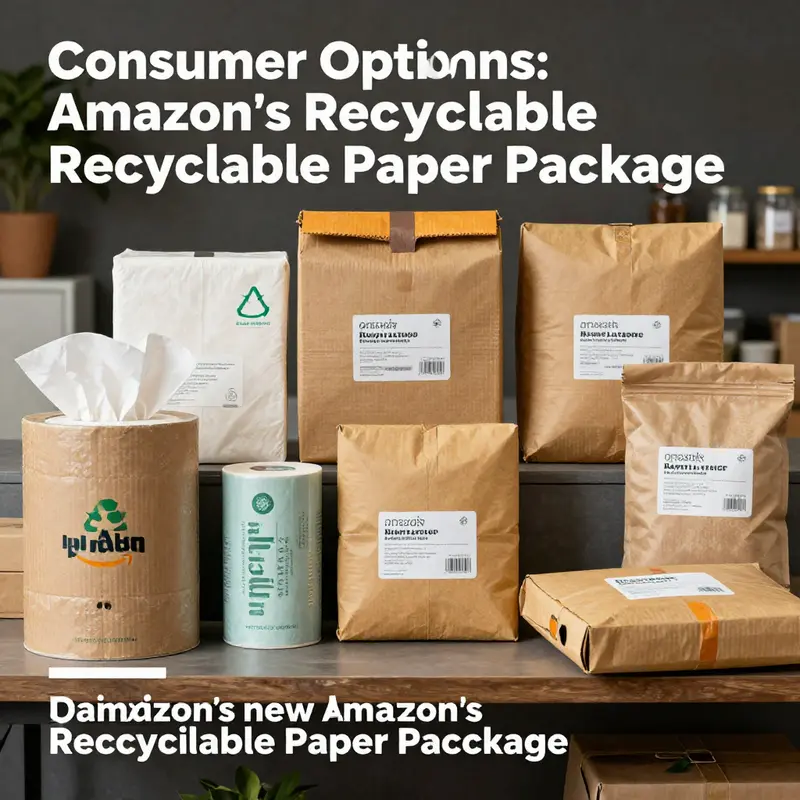
The emergence of a fully recyclable paper package within a global logistics network marks more than a single product shift. It signals a broader recalibration of how merchants, couriers, and everyday households think about waste, material life cycles, and the responsibilities that come with rapid delivery. When a retail giant places sustainability at the core of its packaging strategy, it creates a ripple effect that extends far beyond the moment a box is opened. The new paper mailer, built from lightweight protective layers sandwiched between sheets of recyclable paper, embodies a deliberate balance: durability and protection for items in transit, paired with end-of-life simplicity for consumers who want to minimize plastic waste. This chapter follows that thread, tracing how consumers encounter and evaluate the array of recyclable paper packaging options now accessible through broad-market channels and how these choices reflect a larger movement toward responsible consumption in a world of constant shipping.\n\nTo understand consumer options, it helps to picture a spectrum that stretches from gift-wrapping materials to takeout containers, to everyday storage and snack solutions. Each category carries its own set of expectations—strength, moisture resistance, ease of cleaning, heat tolerance, and, crucially, the ability to be recycled or composted after use. The recyclable paper mailer is the anchor of this ecosystem, providing a protective, transport-safe exterior that reduces the chance of damaged goods while keeping plastic out of the waste stream. Yet a sustainable packaging strategy is not built on a single component. It emerges from complementary packaging choices that customers can buy for a variety of tasks, whether they are wrapping a present, packing a lunch, or organizing small items in a drawer.\n\nConsider first the gift-wrapping and party-decor category. White tissue sheets, marketed in bulk as recyclable and eco-friendly, offer an approachable entry point for households aiming to align celebrations with sustainable practices. These sheets are versatile: they can wrap a gift, line a gift box, or serve as simple but refined decor for a small event. The emphasis on recyclability and the absence of plastic overlays elevate their appeal for individuals who want a polished presentation without compromising environmental values. In households that stage birthdays, weddings, or seasonal gatherings, such materials become a quiet centerpiece of responsible entertaining. They translate a moment of joy into a choice that reduces waste, even as the celebration itself continues to be memorable. The aesthetic of clean white sheets also carries a practical advantage: they photograph well and can be integrated into do it yourself crafts, further extending their life beyond a single use and reducing the need for additional craft supplies that would otherwise accumulate waste.\n\nShifting to the food service and takeout sphere, the package options broaden in scale and function. Paper-based takeout boxes designed to be leakproof and grease-resistant, and able to withstand microwave use, address a real world need: they keep meals intact while shipping, serving, and reusing them in varying settings—from home kitchens to catered events. The appeal lies in how paper can be engineered to perform under pressure: a container that prevents oil seepage, resists heat, and stacks neatly in a busy kitchen or delivery line. These attributes matter because they shape consumer experience as much as environmental impact. When a container can be recycled or repurposed after a meal, it invites a cyclical mindset. Diners are more likely to perceive a complete lifecycle rather than a disposable afterthought, which matters in a world where waste profiles are scrutinized not just for the presence of plastic, but for the energy and water embedded in production, transit, and disposal.\n\nEqually important are everyday storage and snack solutions that bring recyclable paper into daily life. Paper sandwich and snack bags, designed to be both recyclable and visually appealing, blend practicality with sustainability. They offer a simple, low-friction way to transport lunches, organize small items, or wrap a cluster of snacks without introducing plastic films or linings that complicate recycling. The strength of such products lies in their balance: they must protect contents while remaining easy to recycle in standard municipal programs. The marketing around these bags often emphasizes their reusable potential in addition to recyclability, nudging consumers to see beyond a single-use frame and toward a thriftier, more circular approach to everyday items. When households adopt these bags as part of a daily routine, the cumulative effect becomes visible: fewer plastic films entering landfills, more materials kept in the recycling stream, and a gradual shift toward packaging choices that favor recyclability by design.\n\nChoosing among these options rarely happens in isolation. It unfolds in a home environment where decisions about food prep, event planning, or simple organization intersect with broader concerns about the planet. One important dynamic is compatibility with local recycling capabilities. Not all facilities handle every form of paper packaging equally well. Some may accept clean, uncoated paper products without issue, while others require specific preparation to avoid contamination. Consumers increasingly learn to separate items that are easily recyclable from those that require special handling. In this context, the value proposition of recyclable paper packaging grows stronger: materials that are tagged as recyclable or compostable, with minimal coatings or adhesives, offer straightforward end-of-life pathways. This clarity helps households build sustainable habits. It also helps retailers and delivery services optimize packaging to align with municipal programs, reducing confusion and increasing the likelihood that packaging returns to a productive end rather than contaminating the recycling stream.\n\nThe interplay between consumer behavior and corporate packaging strategy becomes more nuanced when considering the larger supply chain. A company that commits to recyclable paper packaging often emphasizes a cascade of design choices, from sourcing to manufacturing, labeling, and logistics. The dream of a fragile item arriving intact can be achieved with a lightweight, protective insert or an interleaved paper layer that cushions the contents without relying on plastics. When this design is paired with recyclable outer layers, the packaging earns a double win: it protects the product and stands up to recycling streams that thousands of households contribute to each day. The consumer, in turn, experiences a packaging experience that respects their values without sacrificing reliability. This experience matters because it shapes expectations and willingness to purchase again. If the packaging fails or appears overly complicated to recycle, it undermines confidence in the commitment to sustainability and can dampen interest in future eco conscious choices.\n\nFrom the consumer’s perspective, a practical approach to navigating these options lies in considering use cases and lifecycle questions. Will the material be exposed to moisture or grease? Is the packaging intended for short term storage or long term organization? Will it be heated or microwaved, or is it simply a shipping container that will be recycled after opening? Answering these questions helps households select packaging that aligns with their needs and with the end-of-life options available in their community. It also prompts buyers to examine the labels on packaging: a clear recyclable designation, certifications indicating compostability, or notes about coatings and adhesives that could complicate recycling. The more transparent the labeling, the easier it becomes for consumers to make choices that minimize environmental impact without sacrificing the performance they expect from a packaging product.\n\nIn this ecosystem, Amazon’s recyclable paper package serves as a central reference point for a broader shift in consumer expectations. When a major retailer demonstrates a commitment to recyclable materials across its shipping and product packaging ecosystem, it helps normalize the practice of selecting packaging based on end-of-life outcomes. It also nudges suppliers to align with sustainability criteria, broadening the availability of recyclable paper options across categories. The implications extend beyond the company’s walls. Suppliers who cater to home use, small businesses, and food service can build on the momentum by expanding their own lines of recyclable, paper-based packaging that meets diverse needs—from bulk gift wrap materials to robust, grease resistant takeout containers and everyday storage solutions. The cumulative effect is a marketplace where sustainable packaging is not a niche choice but a default expectation.\n\nFor readers who want to explore options beyond the immediate ecosystem, the broader landscape presents parallel opportunities. A consumer can source a complete set of recyclable paper products that cover events, meals, and daily routines without stepping outside a frame of sustainability. The choice is not merely about replacing plastic with paper. It is about selecting paper-based systems designed for recyclability, with minimal or no plastic coatings, and with clear pathways for returning materials to the recycling stream. It is about recognizing that packaging is a conversation between the seller, the buyer, and the local waste management infrastructure. It is about viewing packaging as part of a circular economy rather than as a one way trip to a landfill.\n\nAn important consideration is the documentation that accompanies these products. Labels indicating recyclability, compostability, or reusable potential empower consumers to make informed choices. They also create a feedback mechanism for municipalities and waste processors to adapt and optimize their systems. When customers demonstrate demand for recyclable paper packaging, manufacturers respond with improved formulations, better sealed adhesives, and more efficient production methods. The result is an evolving set of packaging options that maintain strength and protective performance while reducing environmental impact. The consumer, in tandem with a responsible retailer, becomes an agent in this evolution, helping to steer the market toward materials and designs that maximize post consumer recovery and minimize waste generation.\n\nThroughout this landscape, the social dimension should not be neglected. Affordability, accessibility, and clarity of guidance all influence whether recyclable paper packaging becomes a mainstream choice or a niche preference. Consumers who can identify sustainable options in a single shopping session are more likely to integrate them into daily life. Those who must navigate complex labeling or limited availability may feel frustrated or disincentivized from choosing greener options. Transparency around the lifecycle of packaging—where the paper comes from, how it’s produced, what coatings are used, and what happens after disposal—builds trust and encourages repeated, informed purchases. In turn, retailers and manufacturers gain loyalty and resilience, as customers return to products that align with their values and deliver reliable performance.\n\nAs the narrative of Amazon’s recyclable paper package continues to unfold, it becomes clear that the most compelling purchasing decisions arise from a combination of practicality and principle. The available consumer options—ranging from bulk gift wrap sheets to takeout ready paper containers and convenient storage bags—provide a versatile toolkit for households and small businesses seeking to reduce plastic use and strengthen recycling outcomes. The chain is reinforced by the perception that sustainable packaging is not a marginal experiment but a strategic choice integrated into the daily life of consumers, event planners, and food providers alike. When that perception becomes a lived practice, the environmental benefits accumulate across millions of shipments and countless recycling loops, turning a collective intention into measurable progress.\n\nFor readers seeking direct, hands-on guidance in this transition, a practical recommendation emerges from this landscape. Start by identifying the most common tasks in your household or business that currently rely on plastic packaging. Is it a weekly meal delivery, a monthly event, or a routine of storage and organization? Then map those tasks to recyclable paper alternatives that can meet the same functional needs. If you regularly wrap gifts for celebrations, consider recyclable tissue sheets to elevate presentation while avoiding plastic films. If takeout or catering is part of your routine, select paper containers engineered for grip, heat resistance, and leak control, with clear recycling pathways after use. For everyday lunches and snacks, opt for recyclable paper bags or wrappers that balance durability with recyclability. This approach reduces complexity, keeps the focus on end-of-life outcomes, and creates a cohesive habit that reinforces sustainable behavior across various aspects of life.\n\nThe chapters that will follow this one build on the understanding that packaging is more than a protective layer—it is a vehicle for responsibility. It is a signal to suppliers, retailers, and communities about what matters in a world of expanding e-commerce and rising waste concerns. It is a testament to the idea that small, disciplined choices in packaging can accumulate into meaningful environmental benefits without compromising the user experience, reliability, or convenience that consumers expect. In this light, the recyclable paper package represents not merely a material option but a philosophy: packaging designed with the future in mind, crafted to fit the present needs of households and businesses, and rooted in a system that rewards recyclability, reuse, and responsible disposal.\n\nTo close, one simple reflection frames the path ahead: in a world where shipments traverse continents in days and households rely on countless packages each week, the packaging choices we make matter more than ever. The shift toward recyclable paper packaging, as showcased by the new Amazon approach, offers a practical blueprint for reducing plastic waste while preserving the integrity of goods in transit. The consumer stands at the intersection of practicality and principle, choosing materials that support a cleaner, more circular economy. Each purchase is a vote for materials that can be recovered, repurposed, or returned to the system with minimal energy and maximum value. In this sense, every wrap, every container, and every bag becomes a fragment of a larger commitment—and that commitment is within reach for households that look beyond the immediate convenience to the lasting impact of sustainable packaging choices. For readers who want to explore further options that align with these themes, a broader catalog of eco-friendly packaging solutions is available through this resource: eco-friendly takeout packaging options. This page offers a window into how packaging can combine form, function, and a gentler footprint, reflecting the same values that underpin the recyclable paper mailer at the heart of Amazon’s new package design. External resource: https://www.amazon.com/dp/B0B6FZV7WQ
Recycling at the Speed of Shipping: The Environmental Promise of Amazon’s Paper-Padded Packaging
The sustainability conversation surrounding e-commerce packaging has evolved from a cautious nod to a driving agenda. At its core, the new recyclable paper-padded mailer represents a tangible shift in how a global logistics network can protect items in transit while reducing the environmental footprint of each delivery. What begins as a pragmatic solution to safeguard orders soon reveals itself as part of a broader, system-wide effort to reimagine packaging through a lens of recyclability, lightweight design, and material efficiency. The packaging development, borne out of a dedicated Materials Lab, centers on a simple yet transformative idea: replace non-recyclable layers with a paper-based structure that can be reclaimed by recycling streams just as readily as the company’s cardboard boxes. The result is a durable, cushioning envelope that shields items during transit while remaining compatible with standard recycling processes. A critical technical breakthrough underpins this shift: a specially formulated adhesive that binds the paper padding without creating a composite that cannot be separated in recycling facilities. In essence, the padding behaves like a single, recyclable sheet rather than a mixed-material layer that would ordinarily complicate end-of-life processing. This nuance is more than a clever engineering feat. It is a deliberate stride toward closing the loop in packaging, allowing the same material categories to cycle back through the system rather than being discarded as waste. The ecological ripple effects are substantial. By reducing the overall package volume, the design makes it possible to transport more products per shipment or to reduce the number of trips required to fulfill orders. Fewer trips translate directly into lower fuel consumption and smaller greenhouse gas emissions associated with transportation. The environmental math is compelling: lighter, tighter packaging means a lighter truck, train, or airplane—fewer miles driven, and less energy expended per item delivered. Over time, these efficiencies compound, yielding meaningful gains in energy intensity and carbon accountability across the logistics chain. Since its launch, the company has reported the delivery of well over a hundred million of these eco-friendly mailers. That milestone is not a mere statistic; it signals a systemic conversion of packaging norms across millions of orders. It also demonstrates how a lightweight, recyclable solution can scale to meet the demands of a sprawling network without compromising on protective performance. The envelope’s design achieves cushioning with confidence. The padding is deliberately engineered to absorb shocks and protect contents during handling, stacking, and transit. Yet the package remains mindful of recycling realities. The paper-based construction, combined with the adhesive technology, ensures the padding can be separated from other packaging components in the recycling process, aligning with established recovery streams. This alignment reduces contamination risks and enhances the efficiency and speed of downstream processing, which, in turn, strengthens recycling rates and creates clearer end-to-end material flows for households and businesses alike. The broader implications extend beyond the single packaging format. The initiative contributes to a carefully staged progression toward more sustainable packaging across the entire supply chain. The company’s ongoing commitment to reducing material use, weight, and waste is evident in the way it frames its packaging goals: not merely to shrink or simplify but to reimagine how products travel from warehouse to doorstep in ways that harmonize with recycling infrastructure and consumer routines. Even as the company celebrates milestones in adoption and impact, the narrative remains anchored in continuous improvement. Every shipment is an opportunity to test, refine, and expand the reach of recyclable paper-based solutions. In practice, the approach supports a wider ecosystem of recyclable materials, favoring paper and responsibly sourced fibers, while maintaining the protective characteristics customers expect. For shoppers, the practical benefits are tangible in daily life. The lighter packaging often translates into easier handling and a tidier recycling experience once a delivery has been opened and the contents removed. Instead of wrestling with bulky, multi-material composites that require separate sorting or specialized processing, households encounter a cleaner, more straightforward end-of-life path. The climate and resource implications are equally meaningful. Fewer trips, reduced packaging mass, and improved material recyclability all contribute to a gradual but steady decline in the energy demands and emissions associated with getting products from seller to buyer. These improvements are not only numerically significant; they shape consumer choices by reducing the perception of waste and by aligning shopping habits with a community of practices that prioritizes reuse, recycling, and responsible disposal. The packaging strategy also dovetails with a broader, ongoing effort to streamline the customer experience. A key objective is to eliminate unnecessary packaging while ensuring products arrive in containers that are suitably sized for protection and handling. This alignment helps minimize extraneous packaging layers that often add weight and waste without delivering commensurate protective benefits. In that sense, recyclable paper padding is not merely a technical fix; it is part of a customer-centric philosophy that treats packaging as a value-added feature rather than an afterthought. The result is a more coherent, less intrusive packaging experience that preserves product integrity while respecting environmental boundaries. The narrative extends to the supply chain as well. Partnerships with brands and suppliers are instrumental in driving systemic change. When the materials ecosystem embraces recyclable paper-based options, companies can redesign product packaging to harmonize with the new packaging logic. This collaboration reduces material use, weight, and transport impact across multiple tiers of the supply chain. It also fosters a cultural shift toward designing for end-of-life outcomes from the outset, a mindset that increasingly resonates with manufacturers, retailers, and consumers alike. The broader enterprise also reflects a strategic commitment to recycling infrastructure and long-term decarbonization goals. Investments in processing facilities, collection programs, and municipal recycling collaborations are part of a recognizable path toward net-zero ambitions by a target year. The packaging evolution is thus embedded within a larger, forward-looking sustainability agenda that seeks to align business growth with ecological stewardship. As with any systemic transition, consumer education and transparency play a guiding role. The more people understand about how the packaging is assembled, used, and recovered, the more likely they are to participate actively in responsible disposal. Clear labeling, simple disposal instructions, and familiar end-of-life pathways help demystify recycling and encourage consistent behavior across diverse households with varying access to recycling streams. In parallel, consumer interest in eco-conscious options continues to rise. Shoppers increasingly weigh packaging choices as part of their overall purchasing decisions, integrating environmental considerations into their sense of value. When a company demonstrates visible progress in reducing waste, conserving resources, and aligning with recycling infrastructure, it builds trust and reinforces the expectation that packaging can and should be part of the sustainability dialogue rather than an afterthought. For readers looking to translate these developments into their own contexts, there are practical avenues to explore. One relevant route is to consider packaging options that emphasize recyclability and compatibility with common recycling streams. The idea is to seek materials that can be separated and processed within established facilities, reducing the likelihood of contamination and making the recycling process more straightforward for households. And for businesses seeking to adopt such approaches, supplier partnerships become critical. Working with manufacturers who can deliver paper-based padding and adhesive systems designed for recyclable separation helps ensure that the packaging remains functional in transit while remaining responsibly recyclable post-use. In this spirit, readers might also consider exploring related takeout and packaging innovations that emphasize compostable or recyclable components, belt-tightening the alignment between product protection and end-of-life outcomes. The emphasis is not just on what arrives at the doorstep, but on what returns to the system through recycling streams, and how each packaging decision contributes to a more circular economy. The breadth of impact is also evident in the logistics footprint. Reduced volume per shipment translates into a more efficient use of space in transport vessels, potentially decreasing the number of trips needed to meet demand. While this advances environmental performance, it also interacts with broader supply chain dynamics, such as warehousing layout, sorting efficiency, and last-mile delivery routing. Taken together, these aspects illustrate how a single packaging transformation can radiate outward, affecting multiple facets of operations and, ultimately, corporate sustainability reporting. The experience of customers is central to evaluating success. A packaging solution must shield products effectively, be easy to open, and integrate smoothly with home recycling systems. The recyclable paper-padded envelope family has aimed to deliver on all fronts: robust protection, straightforward end-of-life handling, and minimal burden on households’ recycling routines. This alignment matters because consumer participation is a critical lever in achieving meaningful environmental gains. When households recognize the value of recycling and actively participate, the benefits of more sustainable packaging extend far beyond the confines of a single shipment. It is this convergence of engineering, operations, and consumer behavior that makes the new paper-padded design a milestone rather than a temporary adjustment. It signals a move toward packaging that respects both product safety and planetary boundaries without demanding excessive compromises from customers. For readers who want to explore practical parallels or deepen their understanding, a look at related packaging resources can be informative. One internal resource worth examining points to a takeout and packaging solutions catalog that highlights recyclable and eco-friendly options tailored to food service, retail, and event contexts. The catalog offers a sense of how standardized, recyclable materials can be deployed across varied use cases without sacrificing performance or cost efficiency. In addition to internal explorations, external references provide contextual grounding for this shift. The official press release announcing the recyclable paper-padded envelope launch offers a concise, accessible narrative about the motivation, design choices, and anticipated impact. It frames the innovation within a broader commitment to sustainability, including concrete milestones and long-term objectives. For readers who want to verify the narrative, the external resource can serve as a reliable starting point to connect the dots between design decisions and strategic goals. External reference: https://press.aboutamazon.com/press-releases/amazon-launches-new-recyclable-paper-padded-envelope-to-reduce-packaging-waste
Beyond Frustration-Free: The Expanding Horizon of Recyclable Paper Packaging in Amazon’s Fulfillment Network
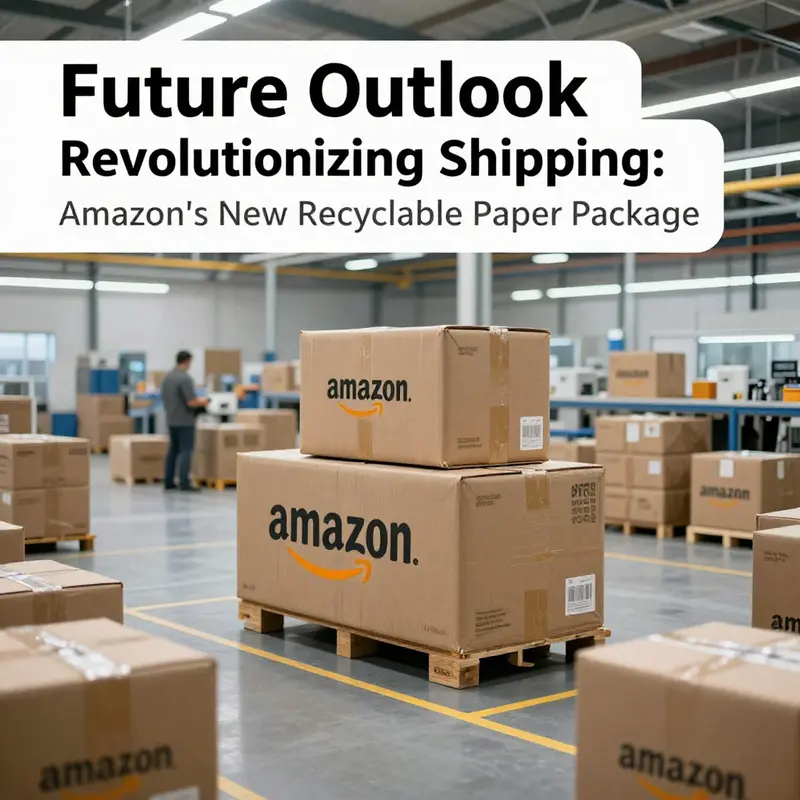
The path toward a more sustainable shipping ecosystem is rarely a straight line. It twists through design decisions, material science, logistics, and consumer behavior, all stitched together by a single aim: to move more goods with less environmental cost. As a large online retailer continues to reimagine how products travel from warehouse to front door, the focus has shifted from simply reducing packaging to redefining what packaging can be. The chapter that follows traces a forward-looking arc, one where recyclable paper packaging evolves from a promising trend into a foundational element of a circular, low-impact supply chain. It is a narrative about how a company uses materials and systems to shrink waste, improve transparency, and empower shoppers to choose greener options without sacrificing protection, speed, or convenience.
At the core of this evolution is a packaging concept that couples a lightweight protective layer with sheets of recyclable paper. While the specifics of any one implementation are company-specific, the general principle remains clear: you want packaging that preserves item integrity during transit while presenting itself as recyclable, simple to recover, and easy for customers to recycle at home or locally. This approach aligns with a broader industry shift away from multi-material composites that resist recycling toward schemes that support a true circular economy. When a package can be broken down into widely recyclable components, it reduces the likelihood that packaging will end up in landfills or contaminate municipal recycling streams. In practice, that means thinner if sturdy barriers, fewer coatings, and more paper-based structures that can be accepted by local recycling programs with minimal sorting or processing. The long-term payoff is not just waste reduction but a smoother post-use experience for customers who want to participate in sustainable practices without extra effort.
The momentum behind these changes is reinforced by the broader strategic framework in which such packaging operates. Frustration-free packaging programs—named after customers’ feedback on ease of opening and reduced waste—have become a practical mechanism for reconciling protection with recyclability. In many regions, these programs have progressed to a point where a substantial share of shipments can bypass traditional packaging altogether or arrive in containers that are already recyclable and minimize the need for additional packaging inserts. In this sense, the packaging evolution resembles a continuum rather than a single breakthrough: incremental refinements that collectively yield meaningful environmental and operational benefits. The Ship in Own Container model, where products arrive in their original, recyclable packaging, is more than a clever slogan. It is a design philosophy that prioritizes reclaiming packaging as a valuable resource rather than a disposable afterthought. And as these models scale, the company can reduce packaging layers, cut material usage, and expedite unpacking for customers while preserving the protective function of the packaging during transit.
The practical implications of this shift extend far beyond the warehouse docks. When packages are designed to be fully recyclable, the end user is invited into the sustainability loop with clearer signals about how to dispose of or recycle the packaging. Digital tools, a growing feature of modern fulfillment networks, play a significant role in this engagement. Through online catalogs and product detail pages, customers can access packaging sustainability data, including whether a package is recyclable in their local system and what steps to take if it isn’t. This transparency matters because it lowers the friction that often deters environmentally minded shoppers from embracing greener options. If a consumer can quickly determine that a packaging choice aligns with local recycling capabilities, the barrier to selecting greener alternatives diminishes. In tandem with this transparency, the fulfillment network increasingly leverages data analytics to understand packaging performance, recycling outcomes, and consumer behavior. The aim is not merely to deliver a product safely but to do so in a way that supports sustainable decision-making at scale.
From a material science perspective, the next phase emphasizes the search for innovative, recyclable-friendly substrates and barrier systems. The goal is to create packaging that is both protective and recyclable without sacrificing performance. Companies are exploring plant-based fibers, recycled content, and coatings engineered to be compatible with standard recycling streams. The emphasis is on minimizing assignments to in-house or specialized recycling facilities and ensuring that the packaging can be processed by typical municipal programs. This direction also addresses the reality that many households are already juggling busy lives; the packaging must be straightforward to recycle in common home settings, with minimal guidance required. The design challenge is to balance strength, moisture resistance, and cost while maintaining recyclability, a trifecta that invites ongoing experimentation and collaboration with suppliers, recyclers, and standards bodies.
A crucial axis of the future-facing strategy is circularity. The aim is to phase out non-recyclable materials or composites wherever possible and replace them with fully recyclable or reusable options. This requires rethinking every packaging layer, from the outer wrap to interior protective layers, with a view toward closed-loop recovery. In practice, phasing out plastic-lined mailers and other non-recyclable formats means significant adjustments to the supply chain but also substantial environmental uplift. Circularity also encompasses end-of-life considerations, such as how packaging can be repurposed, returned for reuse, or reprocessed into new materials without losing value. The result is a packaging system that does not exit the loop after a single use but remains in productive circulation as part of a broader environmental strategy.
This vision is not aspirational alone. It is anchored in concrete commitments that connect packaging decisions to long-term climate and sustainability goals. The Climate Pledge, an ambitious framework adopted by the company, calls for net-zero carbon emissions by 2040, ten years ahead of the Paris Agreement target. This milestone signals a broader corporate intent to align operations with a trajectory that reduces climate impact across the value chain. Achieving such a target requires more than incremental improvements in packaging; it demands a holistic reconfiguration of product design, logistics, and energy use across continents. Packaging plays a pivotal role in this calculus because it interacts with every stage of the product’s life cycle—from raw material extraction and manufacturing to transport, usage, and end-of-life management. By emphasizing recyclable materials, weight reduction, and streamlined packaging configurations, the organization narrows the footprint of each shipment and, correspondingly, the climate impact of its fulfillment network.
The consumer dimension adds another layer of momentum. Market insights show a clear preference for sustainability among a broad swath of shoppers. Approximately eight out of ten consumers indicate sustainability matters in their purchasing decisions, and more than half are willing to pay a premium for greener goods. Those preferences extend into packaging choices as well. When shoppers encounter transparent labeling about recyclability, a straightforward recycling process, and evidence of a company’s commitment to reducing packaging waste, trust and loyalty tend to strengthen. The challenge for the retailer is to translate this negotiation between convenience and environmental responsibility into a seamless shopping experience. That means packaging that protects the order, reduces waste, and remains easy to manage after delivery. It also means digital tools that help shoppers make greener choices, turning environmental values into practical shopping benefits.
Operationally, the expansion of recyclable paper packaging hinges on leveraging the breadth of the fulfillment network while maintaining performance standards. A key lever is the ability to communicate sustainability metrics across the supply chain, from suppliers to distribution centers to customers. When sustainability metrics become part of standard operating procedures, teams can identify where packaging designs yield the most significant environmental returns and where further refinements are warranted. In this sense, the company’s packaging agenda is as much about data, measurement, and accountability as it is about materials. Regular audits, supplier collaborations, and cross-functional reviews help ensure that the packaging remains compatible with recycling systems and does not become obsolete as standards change. The net effect is a more resilient, adaptable packaging program that can respond to evolving recycling infrastructure, regulatory requirements, and consumer expectations.
Looking ahead, challenges will inevitably surface. The economic realities of scale, supply chain disruptions, and the upfront costs of transitioning to new materials will test the pace of change. Yet history suggests that packaging innovations that align with consumer values and regulatory trends tend to gain traction once early pilots prove feasibility. The reward for overcoming early hurdles is a more efficient, customer-friendly, and planet-positive shipping ecosystem. Imagine a future where a large portion of shipments arrive in containers that customers can recycle with minimal effort, where the outer packaging serves as a secondary product in the circular economy rather than a throwaway, and where digital platforms guide every consumer toward greener choices. This is not a distant dream but a growing trajectory informed by ongoing pilot programs, supplier collaboration, and a shared commitment to environmental stewardship.
To illustrate how such a trajectory translates into tangible actions, consider the practical steps that many teams pursue as they scale up recyclability and circularity. First, material science teams partner with suppliers to test and validate new fiber-based or coated-paper solutions that resist moisture and preserve product integrity while staying within recycling streams. Second, packaging engineers optimize designs to maximize volume efficiency, reduce weight, and minimize waste without compromising protection. Third, logistics teams reengineer fulfillment flows to minimize packaging layers and enable Ship in Own Container wherever possible, simplifying the post-purchase experience for customers. Fourth, consumer engagement campaigns emphasize end-of-life choices, offering clear recycling instructions and highlighting the environmental benefits of selecting recyclable options. Each step reinforces the others, producing a cumulative effect that compounds over time as feedback loops inform ongoing improvement.
In parallel, the organization looks for practical, scalable examples beyond its walls to inspire broader adoption. The internal ecosystem includes a wide range of packaging solutions designed for diverse use cases—from durable mailers for multipiece shipments to compact, recyclable boxes for single-item orders. The aim is to demonstrate that sustainable packaging need not be a compromise on performance or convenience. For readers seeking concrete examples of recyclable packaging solutions with broad applicability, one practical reference point is the availability of eco-friendly takeout boxes for food packaging, which exemplify the balance between functionality, recyclability, and user-friendly design that a global retailer strives to achieve in its own shipping materials. eco-friendly takeout boxes for food packaging.
The next decade will likely witness deeper integration of packaging strategy with sustainability reporting. As the company expands its recycling-forward initiatives, it will publish more granular data on packaging waste reductions, recycling rates, and material footprints. These metrics will inform executive decisions, guide supplier requirements, and shape consumer-facing content that communicates progress without oversimplifying challenges. The transparency that accompanies this approach serves a dual purpose: it reinforces accountability within the company and builds trust with customers who increasingly expect businesses to own their environmental impact. In a marketplace where packaging choices increasingly signal values, the alignment between sustainability goals and customer expectations is not a luxury but a strategic imperative.
Ultimately, the future of recyclable paper packaging within a large fulfillment network will hinge on the balance between ambition and practicality. The ambition is to redesign packaging so that it is lighter, stronger, and more recyclable, while the practicality focuses on cost, supply chain compatibility, and performance during transit. The two strands must grow in tandem. When they do, customers receive protection for their purchases, and the planet receives a reduced burden from packaging waste. The chapter’s core message is not merely about innovations in materials or the speed of adoption; it is about a philosophy of shipping that treats packaging as a resource to be optimized rather than a disposable layer to be discarded. The practical, customer-centered implementation of this philosophy—through recyclable paper structures, a commitment to circularity, and a robust, data-informed network—points toward a future in which sustainable packaging does not compete with service quality but reinforces it.
For ongoing exploration of these developments and to connect with broader sustainability initiatives, readers can consult the official sustainability portal that tracks progress, goals, and collaborative efforts across the enterprise. This external resource provides context for the climate commitments that underlie packaging decisions and for the broader environmental strategy that shapes every packaging choice. See https://sustainability.amazon.com for the latest updates on The Climate Pledge and related initiatives.
Final thoughts
As we look ahead, Amazon’s introduction of its new recyclable paper package marks a significant step forward in sustainable business practices. For businesses such as bubble tea shops, restaurants, and catering services, embracing eco-friendly packaging not only meets the demands of environmentally conscious consumers but also contributes to a healthier planet. The innovative features, consumer options, and positive environmental impact of Amazon’s new packaging reflect a growing trend towards sustainability that businesses should actively embrace. By adopting these packaging solutions, you can elevate your brand’s commitment to sustainability while providing excellent service.