
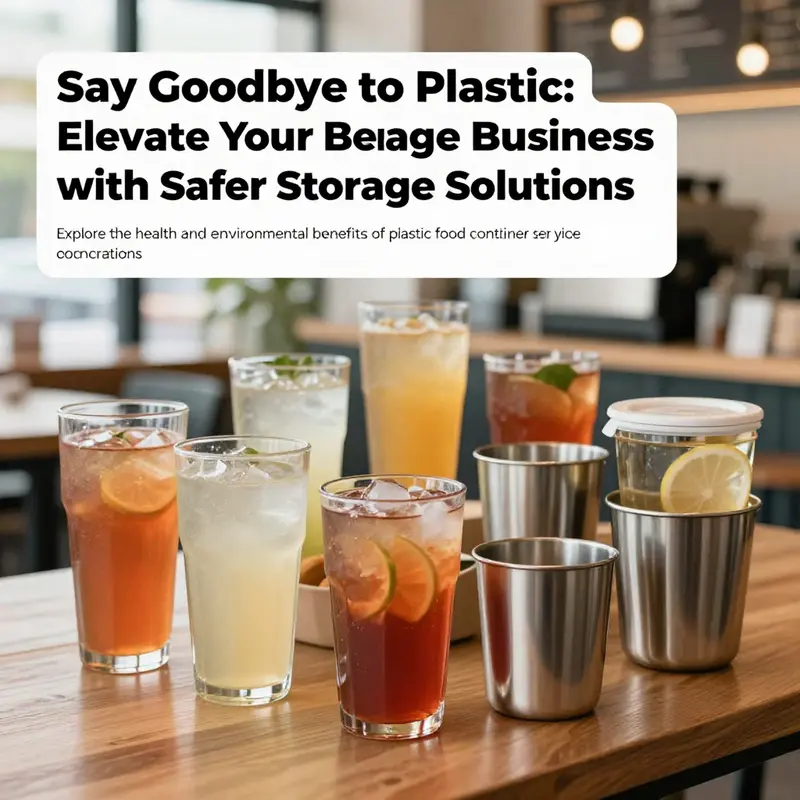
As beverage chains, restaurants, food trucks, and event planners pivot towards more sustainable practices, the choice of food storage containers comes under scrutiny. Utilizing plastic food containers may seem convenient, yet growing evidence reveals that they could pose significant health risks and environmental challenges. This guide covers the dangers of plastic food containers, highlights safe alternatives, and offers best practices for instances when plastic must be used. By adopting safer options, your business can not only protect the health of consumers but also contribute to a more sustainable future.
null
null
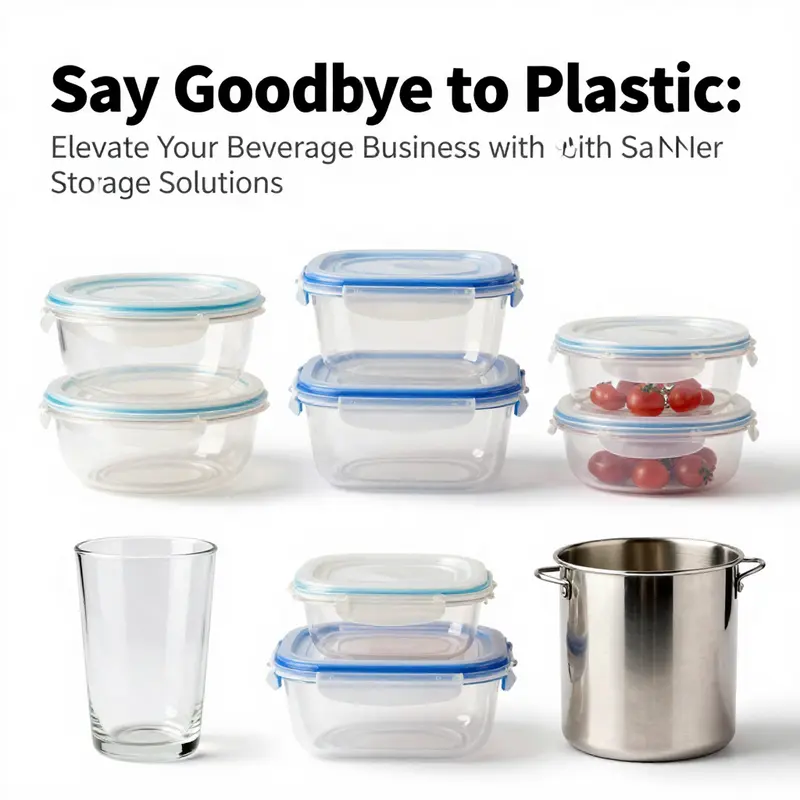
Beyond Plastic: A Practical Guide to Safe, Durable Food Storage Alternatives
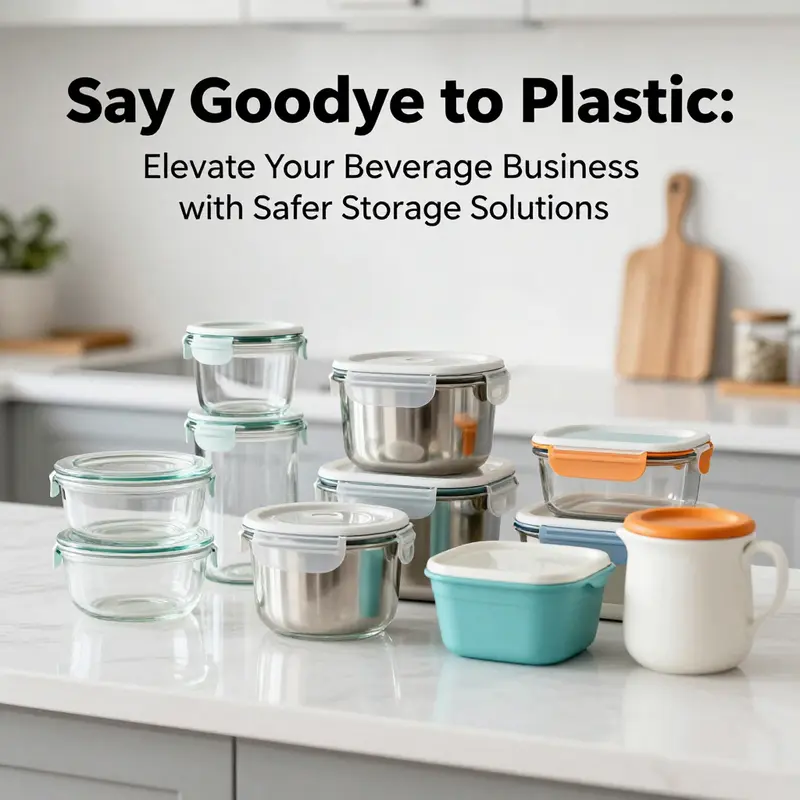
A simple choice at the kitchen counter can ripple outward into health and environmental benefits that feel both tangible and meaningful. The habit of storing food in plastic is deeply ingrained in many homes, yet a growing body of research points to real risks associated with everyday plastic use in contact with food. Heat, oil, acidity, and time all conspire to encourage the migration of additives from plastic into our meals. Substances like phthalates and bisphenol A have been identified as endocrine disruptors, with potential effects on reproduction and long-term health. These concerns extend beyond immediate safety; as plastics degrade, microplastics can shed into the food chain, silently accumulating in the body and raising questions about the cumulative burden of exposure. The environmental picture is equally troubling. Plastic containers are notoriously difficult to recycle in the way people expect, and many end up in landfills or the open environment, where they persist for years and harm wildlife. Against this backdrop, choosing safer, more durable storage options becomes both a personal health choice and an act of stewardship for the planet. The path forward is not about perfection but about practical, incremental changes that reduce risk while fitting into real-life routines. In that spirit, the discussion that follows weaves together principles of chemistry, food safety, and daily habit formation to illuminate a practical approach: lean into materials that are inert, stable, and reusable, and phase out single-use plastics wherever feasible. This chapter focuses on the core alternatives that have earned broad confidence among experts and practitioners for long-term storage of a wide range of foods.\n\nGlass stands at the top of the list for many households because it is inert and non-reactive. When glass is made from borosilicate or similar compositions, it resists thermal shock and maintains its integrity across a spectrum of temperatures. In everyday terms, glass can handle the oven, the fridge, and the microwave without leaching chemicals into food—provided the lids are appropriately selected. The most effective glass storage solutions use tight-sealing lids that prevent spills and keep odors from mingling between different foods. The emphasis here is on the full system: a robust container, a lid that closes tightly, and a design that minimizes gaps where food particles can cling. Because glass does not absorb flavors or odors, it helps preserve the original taste and texture of leftovers, soups, sauces, dairy, and even sauces with acidic components. For soups and stews, a glass container with a well-fitting lid can safely go from the stove to the refrigerator to the freezer, and back to gentle reheating, all without introducing plastic-derived concerns into the meal.\n\nIf stability and portability are priorities, stainless steel offers another strong alternative. Food-grade stainless steel is durable, corrosion-resistant, and free of the chemical leach risk that accompanies many plastics. It shines in environments that require on-the-go storage or frequent transport, such as packed lunches or picnics, where ruggedness matters as much as safety. Stainless steel excels at keeping cold foods cold and dry foods dry, and it can withstand bumps and routine handling without cracking or denting. It does not absorb flavors, and it resists staining, which helps maintain a clean, neutral backdrop for a variety of meals. A key practical note is to ensure that any lid or closure system is designed for food use and that the steel itself is of a corrosion-resistant grade (commonly described in terms of 304 or 316). The absence of plastic in contact with the food pouch is a meaningful step toward minimizing chemical exposure, especially for acidic or highly seasoned dishes that might otherwise interact with container materials.\n\nAnother compelling option is silicone, specifically 100% food-grade silicone that is free from BPA, phthalates, and PVC. Silicone is remarkably versatile: it can be formed into flexible bags, collapsible containers, and stretchable lids that seal around irregular shapes. Its flexibility makes it ideal for saving space in the fridge or freezer, and it performs well for portions intended for freezing, meal prep, or even on-the-go snacks. The critical caveat is quality. The market contains silicone products of varying purity, so selecting 100% food-grade silicone and avoiding cheaper imitations is essential. When you choose silicone, you gain a system that can bend with your life: collapsible pouches for fruit and yogurt, silicone lids for bowls, and rigid containers for stews and rice meals. The material’s heat tolerance—often up to several hundred degrees Fahrenheit in safe-use ranges—allows for gentle reheating without the risk of releasing unknown compounds into food.\n\nCeramic and clay storage presents another natural, low-toxin pathway for preserving food quality. Ceramic containers, when properly glazed and free from lead-containing glazes, offer stable temperature performance and excellent insulation. They are particularly well suited to dairy products like yogurt or milk kept in the refrigerator, as well as fermented foods where a stable environment matters for flavor and texture. Ceramic can preserve heat more effectively than some plastics, which helps when you want to keep soups warm longer or tender dishes at a consistent temperature for extended periods. The kiln-fired maturity of ceramic means durability in everyday use, especially when care is taken to avoid sudden, extreme temperature changes that can cause cracking. While ceramics require more care in handling and can be heavier to carry, their long lifespan and inert properties make them a thoughtful addition to a non-plastic kitchen routine.\n\nBeeswax wraps offer a different kind of value: they are an elegant, eco-friendly option for covering bowls, wrapping sandwiches, or storing dry foods. Constructed from cotton infused with beeswax, jojoba oil, and tree resin, these wraps provide a breathable barrier that reduces the need for plastic wrap or lids for short-term storage. They are particularly well suited to dry foods, herbs, and items that benefit from air exchange rather than complete sealing. A word of caution is prudent here: beeswax wraps are not appropriate for raw meat or fish, and their adhesive effectiveness can fade with heat and washing. They function best as a flexible support for everyday kitchen tasks—covering a bowl at room temperature, wrapping cheese for the short term, or transporting a snack for a quick trip to the park.\n\nWooden cutting boards, while not designed for long-term storage, play a crucial role in reducing plastic exposure at the food preparation stage. Plastic cutting boards have been shown to harbor micro-scratches and microscopic debris that can contribute to bacterial growth and microplastic concerns, especially when heavy use is involved. Solid hardwood boards—such as maple or walnut—offer a natural, renewable alternative that holds up to knife work, resists warping, and cleans up with simple soap and water. They are less relevant for food storage per se, but they remove a source of potential contamination from the preparation process and complement a broader non-plastic kitchen strategy.\n\nThe practical path to adopting these alternatives hinges on a gradual, deliberate shift rather than an abrupt overhaul. Start by identifying the most frequently stored items that currently ride in plastic: perhaps soups, salads, leftovers, and pantry staples like grains or nuts. Pair these with glass or stainless steel containers that fit your routine. If space is tight, consider silicone bags for flexible portioning and airtight seals for snacks, fruits, or sauces. For short-term, dry storage or wrap needs, keep beeswax wraps on hand, while keeping perishable items in inert, non-plastic environments when possible. The goal is not to replace every container in a single weekend but to replace the most problematic items first, then extend the approach as budget and space allow.\n\nAn important practical cue is to consider the full lifecycle of your storage choices. Glass and steel deliver potential savings over time due to their durability, while silicone and beeswax wraps offer flexibility and reduced waste for specific tasks. If you are exploring paper-based or other natural options for occasional use—such as takeaway or bulk storage for dry goods—the idea is to reduce reliance on plastic while maintaining food safety and convenience. For instance, paper-based containers made specifically for takeout or storage can be a viable alternative for certain foods, particularly when combined with well-sealed lids and proper handling. If you’re curious about these kinds of options, you can find thoughtful, paper-first solutions that fit a non-plastic storage ethos. For readers who want a practical bridge between traditional plastic and fully non-plastic containers, consider kraft paper-based options that are designed to be temperature-stable and leak-resistant when used with appropriate lids. A representative example of this approach can be explored in the following product category: https://ecocupbowl.com/product/disposable-kraft-paper-soup-containers-with-lids-ready-bulk-takeaway-bowls-noodle-soup-container/. This family of containers demonstrates that even in a world accustomed to plastic, there are paper and fiber-based formats capable of meeting everyday storage needs while serving environmental and health goals.\n\nEven with a clear preference for non-plastic storage, there are times when plastic remains part of the equation. The best practice in those moments is to use plastic only when clearly labeled for safety and only for specific purposes that do not involve high heat or highly acidic or oily foods. When you do rely on plastic, choose items explicitly marked as microwave-safe and BPA-free, but recognize that even these safer labels do not guarantee inertness under all conditions. Avoid heating plastic directly, avoid reusing single-use containers designed for one-time use, and replace any container that shows scratches, cloudiness, discoloration, or warping, as these signs indicate degradation and greater risk of chemical transfer. Understanding the recycling codes on plastic containers helps you choose the safest reuse or disposal path. In particular, containers labeled #1 (PET) are not recommended for reuse or heating, while #2 (HDPE) is safer for storage but still should not be subjected to heat. #5 (PP) can handle moderate heat when labeled as microwave-safe, but the best practice remains to minimize heating of plastic whenever possible and to retire any container that bears significant wear. This knowledge becomes practical wisdom when combined with a preference for inert materials, which substantially lowers the chance of chemical migration into foods.\n\nThe broader implications extend beyond personal safety. Reducing plastic contact with food helps curb plastic pollution, a problem that affects oceans, shorelines, and urban ecosystems. A shift toward glass, stainless steel, silicone, beeswax, and wood aligns with concerted efforts to lessen our environmental footprint while preserving the sensory and nutritional quality of meals. For many households, the most impactful gains come not from dramatic overhauls but from steady, incremental changes: introducing glass or steel storage for the most-used items, swapping in silicone for flexible storage and freezer organization, embracing beeswax wraps for quick covers, and reserving plastic only for tasks that genuinely require it and that can be kept within safe usage guidelines. This integrated approach creates a kitchen ecosystem that stays functional and convenient without compromising health or the planet’s well-being.\n\nTo help bridge practical decisions and ongoing learning, consider the broader resources that discuss safe storage practices and evidence-based lifestyle shifts. If you are exploring healthier, more sustainable kitchen habits, there are reputable outlets that regularly report on food safety, materials science in consumer goods, and environmental stewardship. The aim is to stay informed about how material choices influence health and the environment, and to apply that understanding in daily routines without feeling overwhelmed. For readers seeking a deeper dive into the risks associated with plastic storage and the rationale for alternative materials, the following external resource offers evidence-based context and contemporary analysis: https://www.healthline.com/health/food-nutrition/plastic-food-storage-risks. This reference complements the practical guidance offered here by detailing the specific mechanisms of leaching and microplastic exposure and by situating household choices within a broader public health discourse.\n\nAs you transition toward safer storage, it’s helpful to view your kitchen as a space of small, repeated decisions that accumulate into lasting habits. Start by auditing what you currently store in plastic and ask whether the same item could live in glass, stainless steel, silicone, or a natural alternative for at least part of the week. Keep a bin of simple, non-plastic options accessible—an open shelf with glass jars for staples, a compact set of stainless steel containers for lunches, and a few silicone bags for produce or leftovers. Over time, the mental model shifts from plastic-first to material diversity—an approach that reduces risk and broadens the toolset you use to keep food fresh. This is not about perfection in every meal but about consistency in choices that sustain health, support a cleaner environment, and still honor the practical demands of daily life.\n\nInternal link note: If you’re exploring non-plastic, paper-based storage options for takeout or bulk foods, you can consult kraft paper-based containers designed for dry or liquid foods and use lids that promote secure storage. See the example linked above for a practical, shop-ready option that can replace a portion of plastic reliance while staying aligned with everyday needs. The goal is to build a kitchen that serves health and planet-friendly habits without sacrificing convenience. The broader message is simple: durable, inert materials can form the backbone of safe storage, and when used thoughtfully, they enable a healthier relationship with food and a more sustainable footprint in the home.}
Guardrails for the Unavoidable: Practical Safeguards When You Must Use Plastic Food Containers
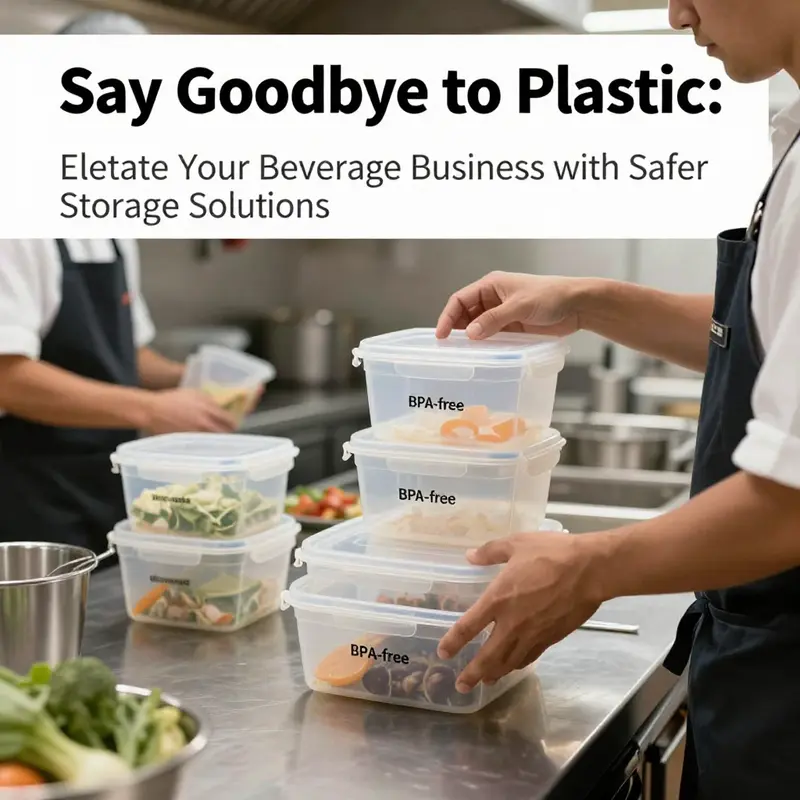
The reality many households face is that plastic food containers will sometimes be part of daily life. They are inexpensive, lightweight, and convenient for storage, transport, and quick meals. Yet the same plastic that makes life easier can also pose questions about health and long-term safety. In those moments when you cannot avoid using plastic, knowing how to minimize risk becomes essential. This chapter weaves together practical safeguards with a clear understanding of why certain plastics are considered relatively safer, and why others deserve more caution. It also anchors these practices in a broader commitment to food quality, personal health, and environmental responsibility, so the choice to keep a plastic option on hand does not become a hidden liability.
When plastic is unavoidable, the guiding principle is simple: reduce exposure to heat, acidity, and oils, which are the main accelerants of chemical migration from plastic into food. The same principle applies to time—longer contact between food and plastic increases the chance of leaching. If you must rely on plastic containers for storage, reheating, or transport, the goal is to keep the barrier between your food and the container as intact as possible. The science behind this is nuanced. Plastics are not all created equal. Some are designed to be more stable under typical kitchen conditions, while others are best avoided entirely for contact with hot or fatty foods. Even among the safer categories, no plastic is entirely inert when challenged by high heat, strong acids, or powerful oils. The objective, then, is to opt for materials with better chemical resistance, use them properly, and replace them when signs of wear appear. This reduces both the risk of chemical exposure and the potential for microplastic release, the latter being a concern that has entered public discourse as studies reveal plastics breaking down into tiny particles that can be ingested. Keeping plastic containers in good condition and using them within their designed limits is a practical compromise that preserves convenience while reducing risk.
A foundational step is choosing food-grade plastics that are explicitly labeled for the intended use. Labels can be confusing, but they are not arbitrary. They reflect a material’s intended thermal and chemical tolerance. For example, when a container carries a label indicating it is microwave-safe or hot-fill capable, it has been tested under specific conditions for food contact. These declarations are not a license to heat every kind of food in every plastic; rather, they indicate that under the specified conditions, the container is designed to perform without significant migration of chemicals beyond acceptable levels. It is essential to respect those boundaries and ensure the container is used only within the scenarios for which it was designed. The key here is to read labels carefully and not assume that a container that is labeled “food-safe” is universally inert under all circumstances. This is especially important when dealing with hot liquids, acidic substances such as tomatoes or vinegar, or oils, which can accelerate migration. If a plastic container lacks explicit guidance for heat, it is safer to avoid placing hot foods in it.
Within the spectrum of plastics, some types are generally recognized as safer for everyday storage, though still not risk-free. Plastics in the workable safety range typically include categories such as PET, HDPE, LDPE, and PP. These designations correspond to resin codes that are often found on the bottom or side of containers. PET and HDPE are common in bottles and basic storage containers, while LDPE offers flexibility and is sometimes used for bags or collapsible containers. PP is widely considered stable for a range of uses, including microwaving in certain contexts when explicitly labeled. Even within these categories, it is prudent to treat plastic as a temporary holder for food rather than a long-term storage solution, especially for items that are hot, acidic, or oily. One practical approach is to reserve plastic for cold, dry, or moderately cool foods, and to move any hot, fatty, or highly acidic contents into a non-plastic vessel before heating. This simple partition helps protect flavor, texture, and, crucially, health.
The principle of minimal contact time also translates to how you store food. Refrigeration and freezing slow down the potential for chemical migration, but they do not eliminate it entirely. When plastic is used for cold storage, choose containers with tight-fitting lids that reduce both scent transfer and moisture exchange. Water activity and humidity can influence the behavior of plastics over time, and a snug lid helps keep the barrier intact. It is also wise to avoid overfilling containers. Leaving a little headspace allows for expansion if temperatures shift and helps prevent spillage and stress on the plastic. In addition, avoid stacking wet containers in a way that damages seals or creates cosmetic wear. Scratches, cloudiness, or warping are not just cosmetic issues; they are signals that the container’s barrier properties are diminishing and the risk of microplastic release or chemical migration may be higher. When you notice such signs, it is prudent to retire the container.
A practical set of guidelines can keep plastic use within reasonable bounds. First, always choose containers labeled for food use and for the specific conditions you anticipate—microwave, freezer, hot-fill, or dishwasher. Second, avoid using plastic with hot, oily, or acidic foods. In cases where heating is necessary, do so only if the container is explicitly marked as microwave-safe for the intended application. Third, never reuse single-use plastic containers. These are designed for one-time use and can degrade quickly under heat or repeated contact with food. Fourth, keep plastics away from direct heat sources and minimize the duration of storage for foods that are likely to cause leaching. Fifth, inspect containers for damage before reuse and retire any container that has scratches, cloudiness, discoloration, or warping. These signs point to structural breakdown and increased risk of chemical exposure.
From an environmental and public health perspective, this approach also aligns with responsible consumption. Even when plastic is employed, reducing the volume used, reusing durable containers, and adhering to local recycling guidelines limits the environmental footprint. The core idea is to maximize safety and minimize harm without sacrificing the practical benefits of modern food storage. With that in mind, it is reasonable to consider safer alternatives whenever possible, such as glass, stainless steel, or silicone, which better resist heat, retain flavor, and reduce chemical migration risk. When alternatives are not feasible due to budget, availability, or lifestyle, the best possible use of plastic becomes a matter of disciplined practice rather than casual acceptance.
In this context, a brief note about labeling practices can reinforce prudent daily decisions. When you transfer leftovers or prepped meals to plastic containers, label them with the date and contents. A simple, consistent labeling habit helps you avoid keeping foods too long, which can worsen exposure to any migration products and increase the likelihood of spoilage. Labeling also reduces confusion about what is inside, so you can assess whether the container is still appropriate for storage based on the contents’ acidity, fat content, or overall heat exposure. This practice may sound small, but it builds a mental model of safe handling, which is especially useful in busy households or when multiple people participate in meal prep. In short, a lightweight labeling system—applied the day you transfer food—helps you act quickly and safely.
A word on cleaning and sanitizing rounds out the practical picture. After each use, thoroughly wash containers with hot, soapy water, ensuring that all residues are removed from seams and lids. For dishwasher users, verify that the plastic is designated as dishwasher-safe, and place containers on the upper rack when possible to minimize exposure to high heat. Dry containers completely before stacking them to prevent mold and mildew. Moisture can encourage bacteria in the nooks and crannies of lids and seals, even inside plastic containers. Sanitation should be viewed not as a one-off step but as an ongoing practice that supports food safety and extends the life of the container. A routine of clean, dry storage reinforces the overall integrity of the storage system and reduces the risk of microbial growth that can accompany imperfect drying.
When the conversation turns toward sustainability, many people fear that opting for safer plastics or continuing to use them means giving up on environmental responsibility. That is not necessarily the case. The most sustainable approach is to minimize plastic use in the first place and, where plastic must be used, choose durable, reusable options and reuse them many times. For single-use plastic items, the goal should be to use them as few times as possible and to retire them promptly once they show signs of wear. Recycling remains important, but recycling is highly dependent on local facilities and markets. If you can extend the life of a container through careful handling and thorough cleaning, you reduce the cycle of production and disposal. And if alternatives exist—glass, stainless steel, or silicone—that better fulfill your daily needs, consider transitioning to them when feasible. The trade-off between convenience and health is not always a straightforward choice, but with deliberate practices, the scale tips toward safer, more informed decisions.
To anchor these ideas with a practical pathway, consider a cautious, rule-of-thumb framework. When you must use plastic, start with the material types that are more stable under routine kitchen conditions, such as those commonly labeled for food contact and heat tolerance. Use the container only for its intended tasks: cold storage and, if labeled, controlled heating. Keep hot foods out of plastic unless explicitly permitted, and avoid prolonged contact with acidic or oily foods. Replace containers at the first sign of damage, and never reuse single-use plastics. Maintain cleanliness through consistent washing and thorough drying. Store in conditions that minimize fluctuation in temperature and exposure to sunlight. And always prioritize larger systemic changes when possible—transition to glass, stainless steel, or silicone when you can. These actions form a practical, evidence-informed approach that respects health and environment without sacrificing daily practicality.
As a practical cue that ties the science to everyday decisions, consider this embedded reminder: the bottom recycling codes can guide safe use, but they do not replace labeled instructions. Codes #1 (PET) and #2 (HDPE) are more commonly marketed as safe for contact, but they still require careful handling; avoid heat and high-acid foods whenever possible. Code #5 (PP) can tolerate moderate heat when the product is labeled for microwave use, but not all PP containers are equal. Codes to avoid—PVC (#3), PS (#6), and the “other” category (#7)—generally carry higher health concerns and should be reserved for non-food uses or disposed of when possible. These codes offer a quick molecular shorthand, a compass in a grocery store or kitchen drawer, guiding decisions at the point of use. Even with such shorthand, the human factor remains essential: reading labels, understanding the intended use, and respecting the limits of each container.
For readers seeking to broaden this knowledge into actionable steps, consider the broader context of packaging options without losing sight of the challenge of occasional plastic use. There is value in exploring safer, alternative packaging materials—glass jars for sauces, stainless steel lunch containers for on-the-go meals, and silicone bags for versatile storage—while also acknowledging the practical realities of busy lives. If plastic must be part of the storage toolkit, the discipline of best practices outlined here is the guardrail that protects health without denying the conveniences that modern life has come to expect. The aim is not perfection but prudent care, a posture of ongoing adjustment as new research and safer materials become available.
To connect these principles to broader consumer choices, a glance at the everyday logistics of storage can be enlightening. When you buy takeout or prepared foods, you can influence the safety profile by selecting containers designed for food contact and by asking for alternative packaging when heating or reheating is anticipated. Embracing a minimalistic mindset—one that values durability, reusability, and proper disposal—reduces waste while keeping exposure to plastic components in check. The family meal becomes an opportunity to model mindful handling, not just for health but for the planet. The more people embrace these best practices, the more meaningful the impact, from reducing cumulative chemical exposure to curbing plastic waste that burdens landfills and oceans. The chapter, then, is less about fear and more about a steady, informed approach to storage decisions that respects both science and daily life.
For readers who want a quick way to anchor these habits, a practical takeaway is to establish a personal routine. When you transfer food to plastic, check the label for heat guidance, note the contents and date, and ensure the container is clean and dry before stacking it with other items. If you must reheat, do so only in containers clearly marked for such use, or transfer to a heat-safe vessel before warming. Replace any container showing wear, and make it a point to gradually phase in safer materials for the majority of daily storage tasks. In other words, even when plastic is on the shelf, your day-by-day choices can tilt the balance toward safety and sustainability.
Internal resource for broader packaging considerations: disposable-aluminum-foil-tin-foil-tray-disposable-food-container-aluminum-foil-takeaway-box-for-packaging-baking-roasting. This reference offers a concrete example of how packaging materials vary in thermal performance and how sustainability concerns intersect with safety. While it does not replace the specific guidance on plastic, it complements the larger conversation about choosing the right container for the right purpose and for the right environment. The best practice remains to minimize plastic use when possible and to employ safe handling when it cannot be avoided.
In sum, the path forward is not a single rule but a reliable set of guardrails. When plastic is indispensable, treat it as a carefully managed tool: respect the heat and acid limits, replace worn containers promptly, wash diligently, and document how long food remains in contact with the material. Pair these practices with a continuous evaluation of alternatives, particularly for items that involve hot meals, sauces, or high-fat contents. With consistent attention to labeling, cleaning, and disposal, you can significantly reduce exposure risks while maintaining the convenience that plastic storage offers. The story of safe plastic use is not a retreat from health or environmental stewardship but a disciplined approach to everyday decisions that protect people and the planet alike.
External resource: https://www.fda.gov/food/food-contact-materials-ingredients/plastic-food-containers-safety-and-best-practices
Final thoughts
Transitioning away from plastic food containers is vital for the health of consumers and the environment. The dangers associated with plastic—such as chemical leaching and microplastics—underscore the urgency of adopting safer alternatives like glass, stainless steel, and silicone. As stakeholders in the food service industry, you have the power to make informed choices that not only protect public health but also promote sustainability. By prioritizing the use of safer storage solutions, your business can effectively contribute to a healthier planet while satisfying customer demands for safety and quality.