
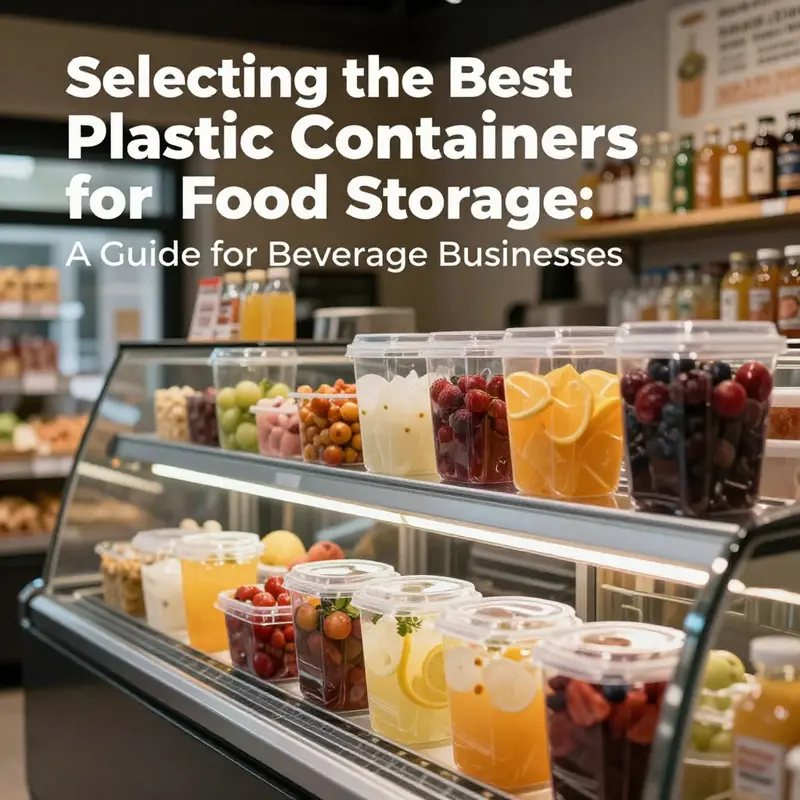
Choosing the right containers for food storage is essential in the beverage service industry. As bubble tea shops, restaurants, food trucks, and catering services cater to diverse customer preferences, understanding the implications of your storage materials is paramount. This guide dives deep into the types of plastic containers available, with a focus on food-grade polypropylene (PP) as the safest option. We’ll also explore the risks of other common plastics, ultimately recommending superior alternatives that enhance food safety and quality, contributing to a more health-conscious operation.
null
null
塑料与安全之间的抉择:解密食物储存用塑料容器的风险、局限与替代思考
在日常生活中,塑料容器几乎无处不在。它们带来便利、轻巧、成本相对低廉的优点,也伴随一系列关于健康与安全的持续讨论。没有一种塑料材质可以被笼统地宣称是“最佳”的食物储存选择。专家们往往强调,若条件允许,尽量以玻璃、陶瓷或不锈钢等非塑料材质来储存和处理食物,以最大程度降低化学物质迁移的潜在风险。这并非否定塑料的存在价值,而是提醒我们在日常使用中保持清醒的认知:塑料的安全性往往取决于材质、用途、温度、时间以及具体食物的性质。于是,在那些不得不选择塑料容器的情境里,食品级聚丙烯(PP)成为被广泛讨论的“相对安全”的选项。它并不能让塑料在食物安全方面变成全然无忧的答案,但在现有材料谱系中,PP因其耐热性、化学稳定性和对微波加热的广泛适用性,成为最常被推荐的塑料材质。正确认识 PP 的特性,有助于我们在日常生活中做出更理性的取舍,而不是在“塑料等同风险”或“塑料即安全”的极端观点之间摇摆不定。对于需要在微波炉中处理或短时间高温接触的场景,PP 的“5 号标识/PP 材质”成为一个重要的识别线。通过查看容器底部的回收标志,若看到数字 5 或字样 PP,就意味着该容器在食品接触方面已经被广泛认定为相对安全的一类。此处需要强调的是,尽管 PP 在多数情境下具有较高的安全性,但它并非全能的解决方案。任何塑料容器长时间暴露于滚烫的食物、长期高温环境、阳光直射或强腐蚀性物质时,仍可能发生性能退化、密封失效甚至微量化学物质迁移。因此,使用 PP 容器时,仍应遵循简单但重要的原则:避免将滚烫的食物直接长时间盛放在容器中;避免让容器长期暴露在高温和强光下;避免与强腐蚀性物质直接接触,并在清洗时遵循制造商的耐热温度范围与使用建议。此类细节,往往决定了日常使用的安全边界。为了帮助读者更好地识别和理解,本文也将简要梳理其他常见塑料材质及其潜在风险,从而构建一个更完整的认知框架。若你在需要参考更具体的应用背景时,希望快速把握要点,可以在日常购物中把 PP 容器与其他材质进行对比思考:当你面对需要高温处理、或涉及油脂和酸性食物的场景时,PP 的优势就更加突出;而在涉及长期储存、需要极致化学稳定性,或追求极低塑料迁移的场景时,玻璃、陶瓷或不锈钢等材料往往是更稳妥的选择。为了,使这段知识更具操作性,下面的对比虽以塑料为核心,但也隐含了更广泛的安全取舍思路:若你只是在日常饮品或冷食储存中暂时使用塑料,PP 仍是最能平衡便利与安全的选项之一。另一方面,若你已经尽量减少塑料的使用,或希望为长期储存建立更稳定的系统,那么向玻璃、陶瓷或不锈钢过渡,将带来更可靠的长期保护。需要强调的是,PP 虽在“塑料中的相对安全”上具有一定的共识,但也并非没有任何潜在风险。研究与监管的视角不断提醒人们:即使是被广泛接受的材质,在极端条件下仍可能出现微量的迁移,且不同品牌之间在添加剂、加工工艺甚至回收质量上的差异也会影响最终的安全性能。因此,日常的谨慎态度仍然值得坚持。为了便于理解,以下内容将以更系统的方式对 PP 与其他塑料材质进行对照,从而帮助读者在不同的使用情境中,做出更明智的选择。最终希望读者在掌握核心要点的基础上,能够将“科学识别、日常习惯与替代思路”融合在一起,形成一个自我审慎的储存策略。作为实践中的一条重要线索,若确实需要参考具体的包装情境,可以将注意力放在那些强调可重复使用、耐用、并具备微波可用性的包装设计上。此类设计往往体现出对安全性与可持续性的综合考量。与此同时,关于取材和使用的细节,读者不妨与专业意见进行对比,以确保在不同的餐饮与家庭场景中都能做出符合自身需求的选择。为了帮助读者把理论落地,本文在后续段落中将对常见塑料材质的风险进行梳理,并给出更贴近日常的使用原则。更重要的是,我们将在段落结尾处提供一个实际的、可执行的判断框架,帮助你在超市、家庭厨房和外带场景之间快速做出权衡。此框架的核心,是把“材料、温度、食物性质和使用寿命”这四个维度放在同一平衡尺上考量。尽管有多种变量,但对多数家庭而言,日常决策的关键仍然落在四点:第一,尽量选择非塑料材质作为长期储存的主力;第二,在确有塑料需求时,优先选用 PP,且注意盒盖材质的搭配与密封性;第三,避免将塑料容器用于高温、长时间直接加热或长期盛放高酸性、油脂性食物;第四,建立定期更换与清洁的良好习惯,以降低材料老化带来的风险。理解这一系列原则,将帮助你在日常生活中更稳妥地管理食品安全隐患。接下来,我们将把视角扩展到对其他塑料材质的认识,以便读者在需要时能对比判断,但同时也明确:这并不是鼓励“多用塑料”的口号,而是提供一个在特定情境下的清晰选择路径。PET(1 号)、PVC(3 号)、LDPE(4 号)、PS(6 号)以及 PC(7 号)等材质,各自的使用情景和风险点都不同。PET 的耐热性不足,常用于一次性饮料瓶,长期或高温环境下易释放潜在有害物质;PVC 的增塑剂与潜在有害单体在高温或油脂接触时的迁移风险,使其在食品包装中逐渐被收紧甚至禁用;LDPE 尽管在低温下相对安全,但高温或油脂接触时仍有迁移风险,且不宜用于微波加热;PS 在高温下易释放苯乙烯单体,且遇油脂时迁移更明显;PC 曾以 BPA 为辅证的内分泌干扰物而饱受质疑,尽管替代材料的使用在增加,但仍需警惕相关风险。对照之下,PP 的综合表现仍显著优于其他塑料材质,成为多数健康指南所推荐的“塑料中相对更安全的选择”。然而,正如前文所强调的,任何成本、便利与安全之间的权衡都应个案化。对极端温度、极端食物类型或需要长期储存的情况,非塑料材料往往是更值得优先考虑的选项。综合来看,最佳的策略并非一味追求“零塑料”或“全塑料安全”,而是在不同情境下做出最符合健康、环境与生活实用性的组合性选择。很多家庭在日常使用中,会把 PP 容器作为日常冷藏、短期冷热交替的主力,辅以玻璃或不锈钢来承载需要高温处理或长期储存的食物。更关键的是,使用过程中的细节管理往往决定实际风险水平的高低:温度控制、密封性、清洁频率和容器的物理状态等,都会直接影响到迁移物质的多少与速度。因此,理解材料特性并在日常行为上落实,是降低塑料相关风险的最实用路径。最后,关于信息的获取与更新,也需保持对权威解读的关注。科学研究和法规监管会随着新数据不断修订对不同材质的安全边界,因此,定期回顾最新的共识与指南,是每个关心食品安全的家庭应有的学习 habit。若你希望将这些原则落地到具体购物与使用场景,下一步的章节将提供更清晰的替代路径与使用策略,帮助你在保持生活便利的同时,尽量降低化学迁移与微塑料暴露的风险。需要提醒的是,尽管 PP 是塑料中相对安全的一种,但在实际操作中,仍有老化和频繁加热导致微塑料释放的现象。因此,建立“减少塑料使用、以健康材料为主、并尽量实现日常替代”的生活方式,将是一个值得长期坚持的目标。你或许会发现,当我们把注意力放在材料的本质、温度对材料的影响、以及食物的性质上时,储存与加热的风险并不是不可逾越的高墙,而是一个可以通过明智选择、谨慎使用和持续学习来逐步降幅的过程。有关具体的操作细节与判断框架,本文将进一步在后续章节中展开,并结合实际生活场景,帮助你建立一个稳健、科学的食物储存体系。若你在日常操作中需要一个快速的参考点,可以记住:在需要塑料时,优先考虑 PP,并尽量将热食和油脂性食物的储存限定在短时范围内,同时将高温接触的需求转移到玻璃、陶瓷或不锈钢容器上。最后,在阅读与实践中保持批判性态度,是确保健康与安全的最佳习惯。 External resource: 参考外部资源将帮助你进一步理解塑料包装对健康的潜在影响,本文引用的外部综述指出了化学迁移、微塑料污染及人体健康的若干关键点,供读者在需要时深入探究。 参考链接:https://www.popsci.com/plastic-food-packaging-risks/ 内部参考链接:如需了解更贴近实际用途的包装选项,可参阅 eco-friendly takeout boxes for food packaging。
Rethinking Food Storage: From Plastic Realities to Safer, Smarter Alternatives
The ubiquity of plastic containers in kitchens around the world is not merely a convenience; it is a reflection of a modern system built to store, transport, and re-use at astonishing speed. Yet the very materials that once seemed so utilitarian now invite a conversation about safety, health, and sustainability. The core takeaway from a growing body of research is sobering: there is no one plastic container that can be deemed absolutely the best for every situation. When health and long-term risk avoidance are the priority, experts consistently point toward non-plastic options—glass, ceramic, or stainless steel—for storing and serving food. If plastic must be used, however, the best-supported option today is a category of plastics known as food-grade polypropylene, or PP, identified by the number 5 or the letters PP on recycling symbols. This material earns its place not as a flawless solution, but as the most favorable among commonly available plastics, especially when heat is involved and the food can come into contact with the container on a regular basis.
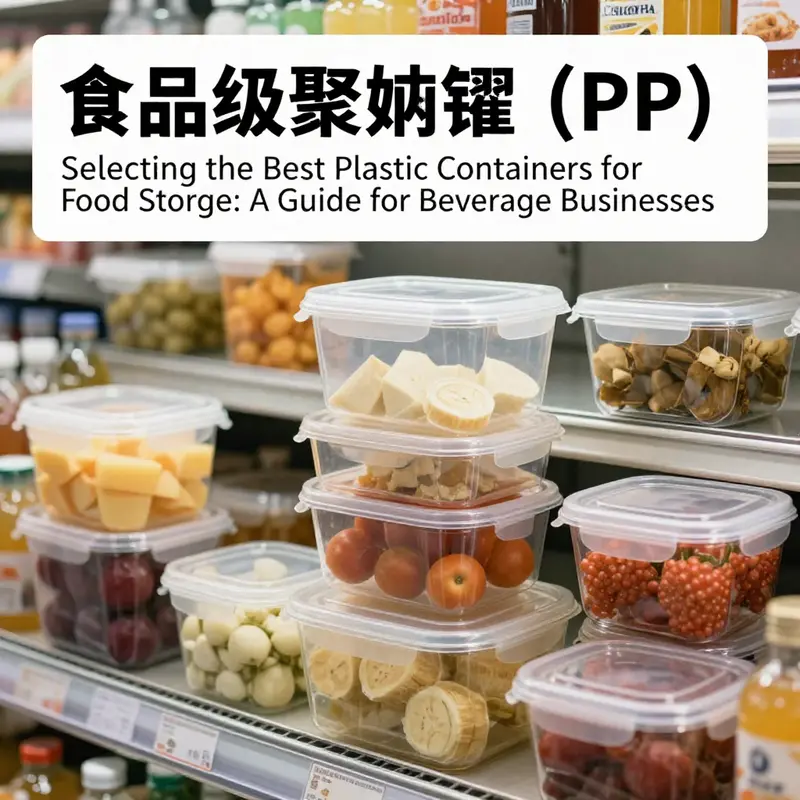
The argument around PP is built on a set of practical criteria that matter in everyday life. First, heat resistance. PP can withstand microwaving to temperatures around 100℃ in typical consumer use. That is a meaningful threshold for many households where leftovers are reheated in the same container, or where meals are portioned for a quick heat-up at work. By comparison, other widely used plastics, such as PET or PVC, do not consistently perform under the same heat conditions, raising concerns about structural integrity and potential chemical migration when hot foods touch the container walls. Second, chemical stability. PP’s molecular structure is relatively stable, resisting reactions with a wide range of foods, including acidic, alkaline, and fatty items. This stability is part of why food-grade PP has earned a broad level of trust. Third, safety labeling. The most common sign to look for is the number 5 or the letters PP at the bottom of the container, along with explicit labeling for food contact use. When these indicators are present, the container aligns with a set of regulatory expectations designed to limit the transfer of substances from container to food under typical usage scenarios.
Identifying PP in the wild is an exercise worth mastering. It begins with a simple check of the bottom of the container for the recycling symbol. A “5” inside the triangle means PP, while “PP” itself confirms the material. It is important to note that even within the PP category, the quality can vary based on the additives used in the plastic and the manufacturing process. Therefore, beyond the symbol, consumers should seek products that clearly advertise food-contact safety and avoid containers that have any signs of compromised seals, warping, or discoloration after heating. In practice, this means choosing containers with well-sealed lids, BPA-free assurances, and a clearly stated intended use. Even with PP, cautions remain: do not expose containers to long-term contact with scalding liquids or carbonated beverages that can place stress on the seals. Do not leave PP in direct sunlight for extended periods, and avoid stacking or storing highly corrosive substances that could degrade the material over time. These precautions help preserve the integrity of the container and minimize any theoretical risk of interactions with food.
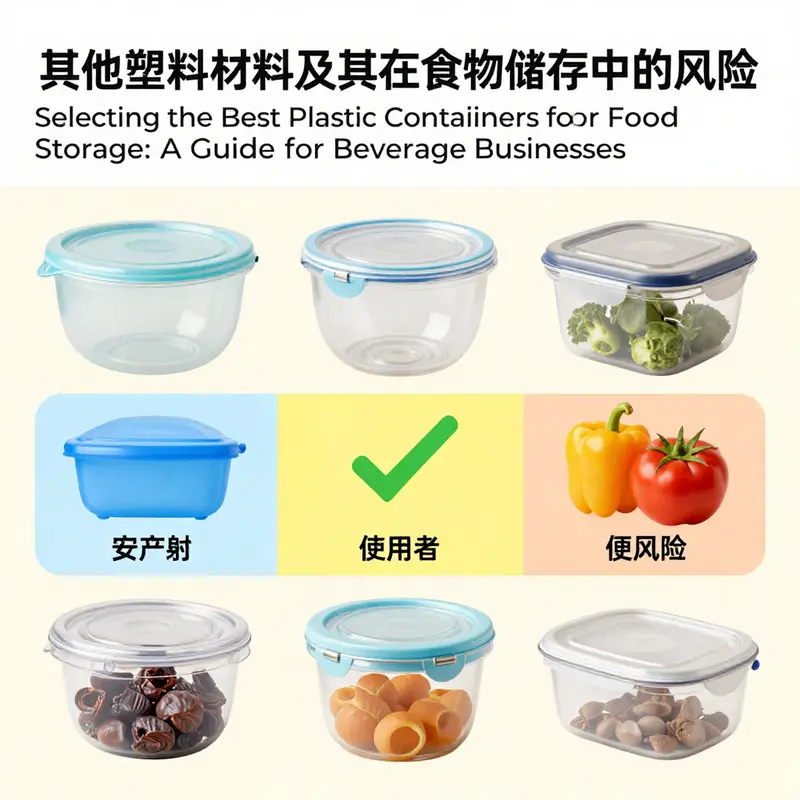
Yet the conversation should not rest on PP alone. The research landscape also emphasizes the relative risks associated with other common plastic materials. PET, widely used for single-use beverage bottles, can tolerate heat only up to roughly 120℃ and is not designed for hot foods or microwaving. Repeated use or improper heating can lead to the migration of additives or residual substances, especially in older or damaged containers. PVC, another frequent component of packaging, carries concerns about plasticizers such as phthalates and other chlorine-containing compounds that may migrate when heated or in contact with fats. LDPE, often found in bags and some wraps, can soften and release when exposed to high temperatures, making it unsuitable for microwave heating or for hot foods stored for long periods. PS, common in disposable clam-shells and foam-style containers, presents risks associated with styrene monomer release at higher temperatures. Taken together, these cautions reinforce a central message: while plastics can offer practical storage solutions, their safety profile is highly dependent on the type of plastic, the specific application, and how the container is used over time.
With this context, the broader question becomes how to integrate safety with daily practicality. If you must use plastic, PP is the most defensible option, but it should be part of a broader strategy that minimizes exposure and reduces reliance on plastic for risky food scenarios. For example, when dealing with hot foods, gravitating toward glass or metal containers reduces the likelihood of heat-driven interactions and can simplify cleaning, sealing, and reuse. If you need to reheat in a microwave, removing food from plastic and transferring it to a microwave-safe glass or ceramic container is a prudent guardrail. And if a plastic container must be used for cold storage, choosing PP and avoiding aggressive food types or long storage durations helps maintain safety margins.
The value of this approach extends beyond personal health. In practice, it also nudges households toward a more sustainable pantry. Non-plastic alternatives, like glass or stainless steel, tend to last longer with proper care and are easier to sanitize, resisting staining and odor absorption that can occur with some plastics. Ceramic and stainless steel offer stable chemistry with a broad range of foods, including acidic items like tomato sauces or citrus-based dishes, without leaching concerns. These materials also perform well across a spectrum of temperatures, from refrigerator chill to simmering reheats, and they are compatible with most dishwashers and ovens, depending on their construction. In-home use patterns, storage habits, and family routines all influence which material makes the most sense, but the overarching narrative is clear: safety and sustainability often rise when plastic is used judiciously, or not at all for routine storage of heat- or fat-rich foods.
This does not mean a binary shift to only glass or metal overnight. It means cultivating a kitchen ethos that prioritizes safer materials where feasible and recognizes PP as the more trustworthy among plastics when used. It also means acknowledging the realities of modern life—packed schedules, bulk meal prep, school lunches, and office environments—where plastic, particularly PP, offers portability, lightness, and convenience without wildly compromising safety under typical household conditions. The path forward lies in balancing practicality with prevention. As you plan your shopping list, you can begin with a predicted usage map: what foods are likely to be heated, stored for long periods, or subjected to acidic elements? Where does the risk tolerance of your household sit? Answering these questions guides you toward the most appropriate container choices without sacrificing convenience.
In such a landscape, a practical next step is to pair PP containers with supportive practices that reduce risk and extend longevity. First, verify that the container is explicitly labeled as food-contact safe and that the product is free from BPA or similar potential substitutes whose safety has not been rigorously established. Second, avoid filling containers with scalding liquids or foods immediately after heating; allow a short cooling interval before sealing and storing. Third, never rely on plastic for long-term storage of hot foods or carbonated beverages, and avoid exposure to direct sunlight for extended periods, which can accelerate material aging and compromise seals. Fourth, maintain the integrity of seals by cleaning lids and rims thoroughly after each use; a compromised seal can permit air and moisture to creep in, increasing the risk of spoilage or odor transfer. Finally, consider periodic replacement of plastic containers that show cracks, clouding, or warping, as these signs may indicate the material has degraded and could affect performance over time.
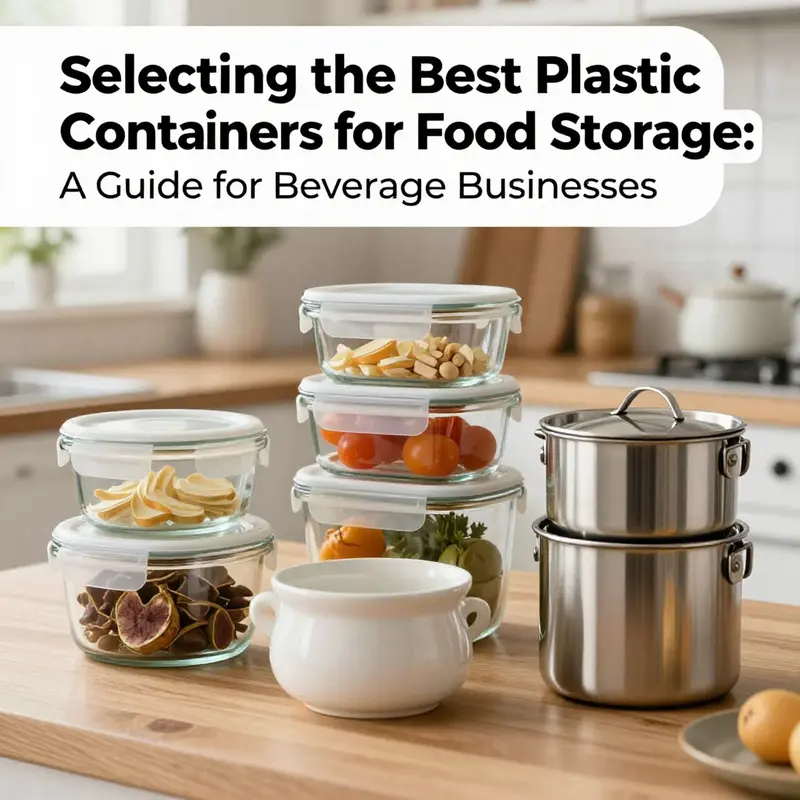
Beyond these practical guidelines, the discussion invites a broader look at alternatives that can align health priorities with environmental values. Glass remains the most reliable non-plastic option for those who want minimal chemical interaction with foods. It resists staining and does not retain flavors, making it especially suitable for storing sauces, pickles, or highly flavored items. Ceramic and stainless steel offer comparable chemical inertia and often provide superior durability for daily use. They also stand up well to a range of temperatures, from the pantry to the freezer, and they typically tolerate repeated washing without losing their surface properties. For households seeking flexibility without sacrificing safety, silicone can serve as a useful bridge. Reusable silicone bags and molds withstand freezing, microwaving, and dishwashing, and they avoid some of the concerns associated with plastics. They are not without their caveats, though; some users report odor retention or staining in silicone over time, and it remains important to trace the silicone’s food-grade status and to avoid contact with abrasive cleaners that could degrade the material.
There are, of course, other inventive options that deserve room in the discussion. Beeswax wraps, made from fabric coated with beeswax, offer a natural alternative to clinging plastic wrap for covering bowls, wrapping produce, or packaging sandwiches. They provide a breathable barrier that can help reduce moisture buildup and mold risk for certain foods, though they are not suitable for all storage conditions, especially liquids. Metal tins or nested steel canisters with tight-fitting lids supply sturdy, stackable storage for dry goods like rice, flour, or beans, as well as for short-term refrigerator storage when there is a need for quick access. For more intermittent or short-term packing, compostable paper-based options or molded fiber products can play a role in reducing reliance on plastic, particularly for single-meal use or for transporting foods that require lighter packaging. Each material brings its own strengths and trade-offs, and the most balanced approach is to curate a small set of containers across several materials that cover a wide range of culinary tasks.
If the goal is to translate these principles into concrete kitchen choices, the route is not to chase a single “best” container but to assemble a versatile kit that reduces plastic exposure wherever possible. Consider keeping a core supply of heat-safe glass or stainless steel containers for reheating and long-term storage. Maintain silicone bags or wraps for flexible, on-the-go needs where moisture is not a fixed hazard. Have a few beeswax wraps for quick, non-liquid covers and a set of sealed metal canisters for dry staples. This diversified approach respects the realities of home life—kids, busy schedules, and the occasional misstep—while elevating safety and environmental stewardship. It is also worth recognizing the broader supply chain context: many households rely on takeout or prepared meals, which often come in packaging that is not ideal for long-term food storage. In such cases, choosing packaging options that prioritize recyclability and a low environmental footprint when possible can offer a meaningful improvement beyond the kitchen cabinet.
For readers who want to explore practical packaging choices beyond plastic, there are options that emphasize safety, durability, and convenience without compromising on environmental responsibility. For example, the market now offers a range of eco-friendly takeout boxes for food packaging that are designed to be microwave-safe, leak-resistant, and constructed from materials that minimize single-use waste. These alternatives can be a practical bridge for households that still need reliable storage and transport solutions but want to move away from traditional plastic reliance. To learn more about these packaging options, you can explore resources like the eco-friendly takeout boxes for food packaging, which highlights designs that balance user convenience with sustainability. This option mirrors a broader trend toward containers that can be reused, repurposed, or recycled with minimal environmental impact, while still meeting daily storage and transport needs. The emphasis is on thoughtful design that keeps food safe, preserves flavor, and reduces the footprint of what we throw away.
Ultimately, the question of best containers for food storage sits at the intersection of health, practicality, and responsibility. The evidence suggests a pragmatic hierarchy: prioritize non-plastic materials whenever possible, particularly for hot foods or long-term storage; if plastic is unavoidable, choose food-grade PP with clear labeling and use it within its safe operating window; and always integrate safer storage habits that minimize exposure and waste. This approach does not demand perfection or rigid rules; it invites a nuanced, daily practice of choosing the right tool for the task at hand and treating containers as living partners in a safer kitchen lifestyle. The shift toward glass, ceramic, stainless steel, and silicone-based solutions is not merely about avoiding a risk; it is about embracing a broader set of benefits—durability, ease of cleaning, stable performance across temperatures, and compatibility with other kitchen processes. In this light, the kitchen becomes a laboratory for healthier living, where small adjustments in storage habits accumulate into meaningful improvements in how we eat, how long food stays fresh, and how we steward the resources that sustain us.
For readers seeking deeper health context that expands on how common kitchen choices may influence overall well-being, see Heart Health Experts Reveal: Kitchen Staples That Could Be Harming Your Heart. This external resource provides a broader view of how everyday materials and packaging intersect with long-term health risks, reinforcing the idea that prudent storage choices are part of a holistic approach to wellness. https://www.housedigest.com/heart-health-kitchen-staples/
In sum, the path forward in food storage blends science with everyday practicality. PP remains the most defensible plastic option for those moments when plastic is unavoidable, but it should be approached with the same cautious mindset applied to all materials: respect the limits of the material, follow safe-use guidelines, and lean toward non-plastic choices whenever feasible. By cultivating a kitchen ecosystem that emphasizes glass, ceramic, stainless steel, and silicone, while using plastic only where necessary and in a controlled fashion, households can reduce chemical exposure, simplify cleanup, and contribute to a more sustainable future.
If you’d like to explore practical packaging options with durability and safety in mind, consider the broader ecosystem of eco-friendly design and packaging options that balance user needs with environmental considerations. The aim is not to demonize plastic but to elevate the conversation toward safer, smarter choices that fit real-life routines. In doing so, you empower yourself to protect both health and home, one container at a time.
Final thoughts
In the pursuit of quality and safety in food storage, understanding the nuances of different container materials is crucial for beverage businesses. While food-grade polypropylene (PP) is recognized as the best plastic option, it is vital to stay informed about the risks associated with other common plastics. To enhance food safety and optimize storage practices, consider transitioning to glass, ceramic, or stainless steel containers. By doing so, your business not only complies with health standards but also promotes a healthier lifestyle for your customers.