
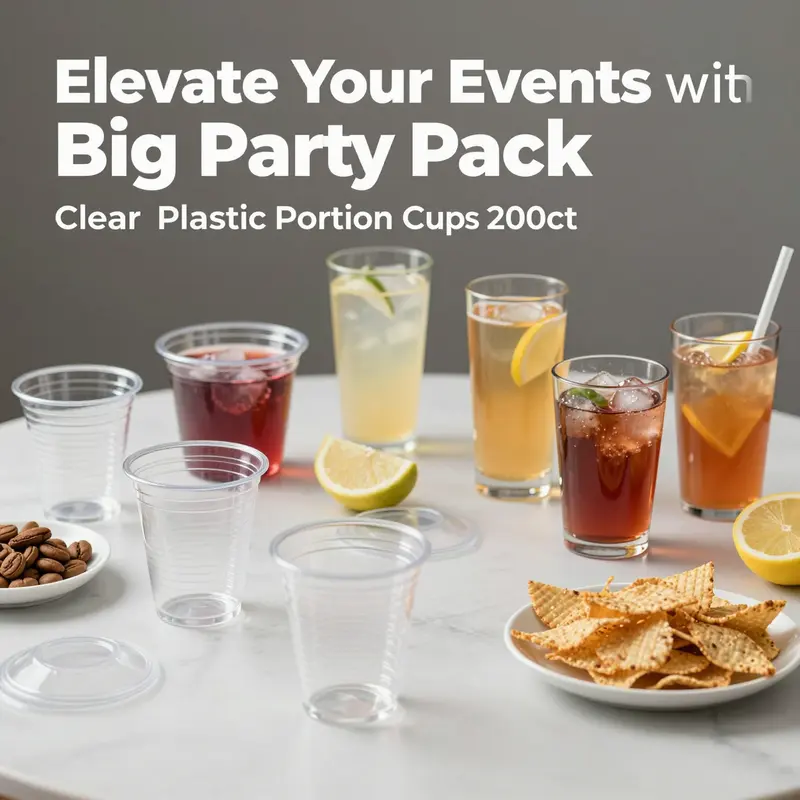
In today’s vibrant catering and event planning industries, having practical, versatile, and aesthetically pleasing serving solutions is crucial. For Bubble Tea Shops, Beverage Chains, Restaurants, Food Trucks, Catering Services, Event Planners, and Corporate Procurement Teams, the demand for high-quality disposable tableware is ever-increasing. This article explores the Big Party Pack Clear Plastic Portion Cups 200ct, detailing their packaging characteristics, material specifications, and applications. Each element is designed to enhance your service offerings, streamline operations, and meet the needs of diverse events, ensuring every sip and bite is presented beautifully.
From Bulk to Brilliance: The 200-Cup Clear Plastic Portion Pack and Its Quiet Influence on Event Planning
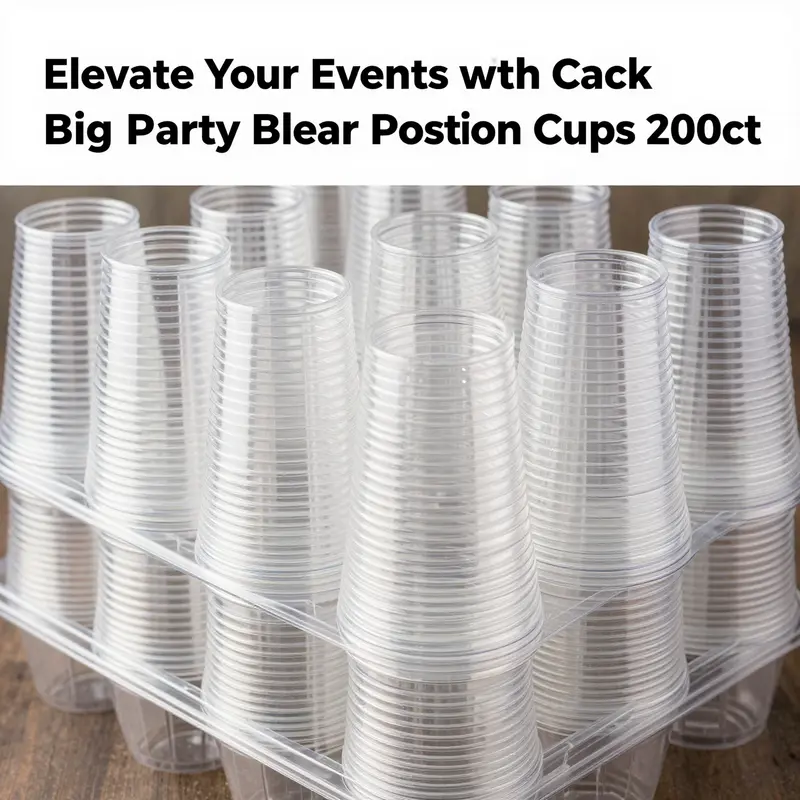
The rhythm of a successful gathering often hinges on the small, overlooked choices that keep a party flowing smoothly from first guest arrival to final clean-up. Among those choices, the decision to stock a large, clear plastic portion cup in a specific 200 pack size may not dominate the spotlight, yet it quietly orchestrates a host of practical and perceptual outcomes. These cups, clear and disposable, are more than simple containers; they are instruments of presentation, efficiency, and experience. When planning a big event, the quantity and packaging of such cups shape how smoothly service runs, how guests perceive the event, and how the organizer balances cost with convenience. The story of a 200 cup pack begins with a straightforward premise: volume, visibility, and value. In catering and hospitality, the ability to offer single servings while maintaining a clean, attractive service line matters as much as the taste inside the cup. A 200 count pack is not just a numeral; it is a planning metric that aligns with how many servings are needed for a mid to large scale gathering, how often cups will be replenished, and how much space remains for other essentials on a storage shelf or a service station. The packaging becomes part of the planning language of the event itself, a calm, predictable element amid the dynamic flow of guests, music, and conversation.
At a practical level, the material composition of these cups reflects a careful balance between safety, durability, and ease of disposal. The cups are typically made from transparent, food-grade plastics such as PET or PP. This choice of material signals two important benefits: first, a reliable barrier that guards against leaks and spills during transport and service; second, a level of clarity that showcases the contents in a way that boosts perceived freshness. For beverages—whether cocktails, fruit juices, mocktails, or iced coffee—the transparent surface allows guests to instantly gauge the color, layering, or garnish of a drink, thereby enhancing the sensory appeal without the need for elaborate glassware. The modest capacity, often around two hundred milliliters, aligns neatly with single-serve portions. Guests can easily grab and go, or the staff can quickly replenish service stations without wrestling with oversized cups that complicate stacking or storage. In terms of user experience, the simplicity of a single serving size reduces decision fatigue at the table. It also supports a consistent service rhythm: a tray arrives, a gentle lift, a quick fill, and a smooth placement on a napkin or coaster. The visual uniformity of the cups contributes to a professional, cohesive appearance that elevates the event’s atmosphere while keeping the focus on the people and the moments that bring the celebration to life.
The choice of bulk packaging—200 cups per pack—translates into a particular arithmetic of events. When planners anticipate a certain turnout, the 200 unit count offers a straightforward target. It reduces the guesswork that can creep in when only smaller bundles are available. For medium to large gatherings, a few packs may be opened and replenished as needed, providing enough resilience to cover variability in headcount and service pace. Yet the 200 pack also invites disciplined stock management. It becomes a living part of the inventory that requires rotation, lint-free storage, and a predictable shelf life. A well-organized kitchen or catering station will devote a dedicated cabinet or tote to the cups, with clear labeling that distinguishes cups from lids, napkins, and straws. The end result is not a stack of disposables but a carefully choreographed system that keeps the workflow efficient and the event experience uninterrupted. In this sense, packaging is not merely a container issue; it is a component of logistics that shapes every action at the service line, from the first refill to the last wipe-down after the final toast.
From a design perspective, the translucence of these cups offers a subtle yet meaningful advantage. The transparent walls enable guests and servers to see whether a drink contains ice, fruit pieces, or a garnish. This visibility can reduce the time spent explaining or clarifying contents, especially when a diverse audience is present, including children and guests with dietary preferences. In a banquet hall or a multi-station setup, the clarity of the cups also amplifies the color story of the beverages being served. The palette of the drinks—ruby red punch, citrusy yellows, emeralds of minty mojitos—hits the eye even before the aroma reaches the nose. And because the cups are disposable, the environmental footprint of the service remains manageable within event planning constraints. The recyclable nature of the material, when accepted by local facilities, adds a further dimension to sustainability considerations. In contemporary event culture, sustainability is not a separate feature but a baseline expectation; even disposable items are judged by their end-of-life impact. The emphasis on BPA-free, food-grade packaging signals a responsible approach to health and safety that resonates with guests who are increasingly mindful of what they consume and how it is prepared.
The 200 cup pack also carries a social and commercial logic that touches on budgeting and procurement strategies. Bulk purchasing reduces unit cost, creating a favorable balance between affordability and quality. In this sense, the 200 pack is a practical compromise that offers savings without sacrificing the clean, professional presentation that guests expect at weddings, corporate events, or casual celebrations. For planners with limited storage or those who operate across multiple events within a season, the ability to rely on a repeatable quantity streamlines purchasing cycles. The same logic applies to inventory control: a standard pack size becomes a predictable input, easier to track, reorder, and distribute across multiple venues or pop-up events. The economic comfort of bulk buys is tempered by the realities of waste and environmental responsibility. Modern buyers often weigh the trade-off between convenience and sustainability, seeking options that are recyclable and compatible with waste streams in their community. The 200 cup pack typically sits at the intersection of these priorities, offering enough capacity to cover a substantial portion of demand while remaining manageable in waste stream considerations when disposed of properly.
Another layer of consideration emerges when the event environment dictates specific compatibility needs. Although these cups shine in many uses, their true value reveals itself when integrated into a broader system of disposable tableware. Lids, sleeves, or dome tops may be used to convert an ordinary cup into a more complete serving solution for a beverage station or dessert display. While the cups themselves are the star of the show, the practicality of pairing them with corresponding accessories determines how seamlessly the service flows. In a sense, the 200 cup pack becomes a versatile platform for customization. Organizers can select accessories that align with the event theme, brand color schemes, or dietary considerations. The result is a cohesive service experience that remains flexible enough to adapt to changing guest counts or on-site constraints. The ability to customize, while preserving a streamlined bulk purchasing approach, is precisely what makes a 200 count pack appealing to professional caterers and ambitious hosts alike.
The chapter of quantity and packaging would be incomplete without a nod to the human element behind the numbers. Staff training, station layout, and even the choreography of refilling cups all benefit from a standard unit size. When servers know that a particular supply crate contains a fixed number of 200 cups, they can calibrate their workflow, estimate refill times, and communicate more effectively with hosts and guests. The predictability of the quantity reduces the cognitive load that often accompanies large events, enabling crew members to focus on hospitality details such as timely service, clean presentation, and warm interactions that elevate the overall experience. In such moments, the cup becomes a silent facilitator, enabling the social fabric of the party rather than simply serving a liquid. The bulk nature of the pack, with its straightforward count, supports a culture of readiness. It becomes a tangible signal of preparedness that offers peace of mind to organizers who juggle budgets, timelines, and guest expectations in real time.
As with any disposable product, there remains a dialogue about the environmental implications of using clear plastic cups. The modern consumer is increasingly aware of the life cycle of single-use items. The cups described in a typical 200 pack are designed to be recyclable where recycling infrastructure exists. This creates a shared responsibility: the event team must ensure proper disposal streams are available at the venue, with clearly marked recycling receptacles and staff guidance on waste separation. Even when end-of-life handling is optimal, the broader conversation includes the possibility of exploring alternatives such as reusable or compostable options for future events. While the initial appeal of a bulk disposable option lies in convenience and speed, it is wise to integrate sustainability thinking into procurement decisions. A well-planned event anticipates these considerations, embedding recycling options into the service design and communicating expectations to guests in a courteous and informative way. This approach preserves the benefits of a bulk pack while aligning with responsible waste practices that reflect evolving norms in hospitality and consumer behavior.
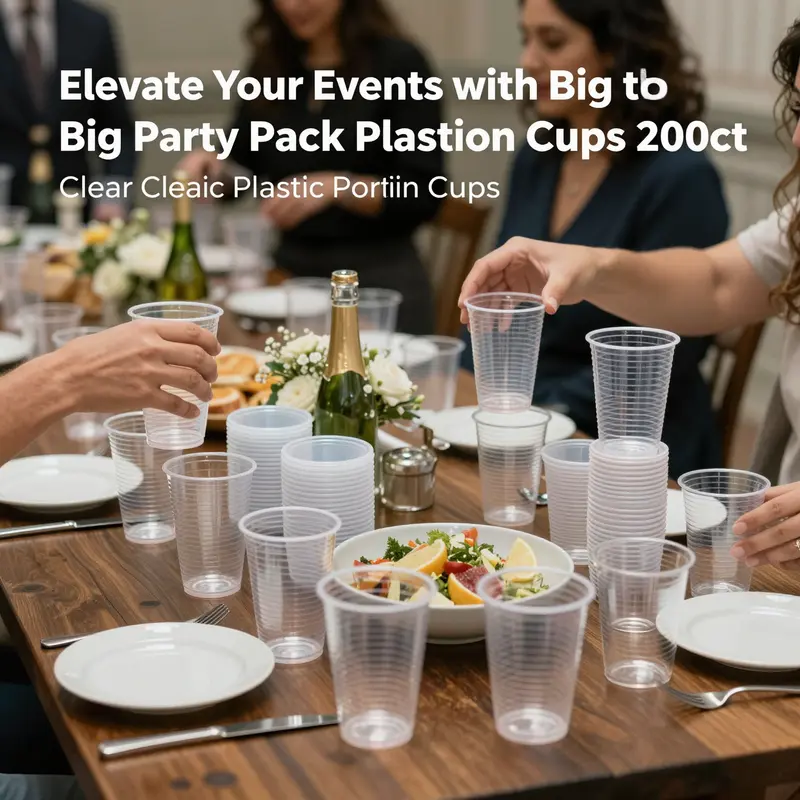
What makes a 200 cup pack particularly compelling for diverse event contexts is its blend of familiarity and flexibility. In weddings, corporate functions, community gatherings, and even intimate celebrations with a guest list that scales upward, this unit size provides a ready-made backbone for beverage service and portion control. The cups’ design supports a clean, elegant presentation that does not fight with the rest of the tableware or the aesthetic of the event. Their transparency adds a touch of clarity to the ritual of toasting, and their disposable nature keeps the focus on the moment rather than the mess. The ability to rely on a consistent unit count streamlines decisions about service flow, reduces the risk of under- or overestimating supply, and helps ensure that every guest has access to a properly portioned drink. In the larger arc of event planning, such reliability matters as much as any star feature. It is the unsung infrastructure—quiet, efficient, and predictable—that allows hosts to welcome guests with ease and grace.
To stay aligned with the needs of modern gatherings, planners often supplement the 200 cup pack with practical storage and handling strategies. A dedicated, clearly labeled storage bin or cabinet can house the cups along with related accessories. A simple organizational rule of thumb is to keep a rotating stock system, where the oldest packs are used first to minimize waste and ensure freshness of the product. Even in an era of streamlined digital ordering, the tactile familiarity of pulling a 200 count package from a shelf remains comforting to service staff. It provides a tangible sense of readiness that translates into smoother service and more confident guest interactions. In addition, organizers can consider placing cups at strategic service points rather than stocking every surface with additional layers of disposables. This not only reduces clutter but also supports a more efficient workflow, where attendants can quickly grab a tray of cups without crossing the room or interrupting conversations on the floor. When guests encounter a well-ordered service station, the impression is of a thoughtfully curated event rather than a series of ad hoc improvisations. The 200 cup pack, in this sense, becomes a building block for hospitality excellence rather than merely a practical tool.
The broader narrative of quantity, packaging, and presentation also intersects with brand storytelling at events where sponsors, hosts, or venues want to project a particular identity. Even in the realm of disposables, details matter. Subtle touches such as color-matched labels, branded cups when permissible, or the simple alignment of a serving station with a color theme can enhance the sense of cohesion throughout the venue. The clear cups themselves, by virtue of their neutrality, can serve as a blank canvas on which the rest of the design story is told. This is not about overpowering branding but about allowing the beverage experience to be the focal point while the service presentation remains poised and polished. In practice, the host who considers quantity in concert with presentation elevates the entire event from a sequence of transactions to a curated experience. The 200 cup pack offers a reliable, scalable entry point into that experience, providing the backbone for service that is both economical and elegant.
In summation, the 200 cup pack of clear plastic portion cups embodies a practical elegance that resonates across the spectrum of event types. It is the practical scale that informs planning, the visual clarity that informs presentation, and the cost-conscious convenience that supports budgeting. It is, in effect, a quiet workhorse of the hospitality toolkit. The decision to opt for a bulk pack is not merely about saving pennies per cup; it is about enabling a smoother service narrative, reducing friction for staff and guests alike, and affording organizers the space to focus on the human moments that make celebrations memorable. To explore a broader view of the disposable options that support party, wedding, and event packaging, see the resource on disposable clear plastic cups for parties. https://ecocupbowl.com/product/disposable-clear-plastic-cup-outdoor-picnic-pet-cup-drinking-cup-for-parties-birthdays-weddings-camping-utensils/. For readers seeking additional context on the available bulk choices and a sense of how these units fit into a larger procurement strategy, an external reference is provided at the end of this chapter. The practical reality remains: a well-chosen 200 cup pack can streamline service, elevate guest experience, and anchor a cohesive, thoughtful approach to hosting that stands up to the pressures of a busy event day.
External resource for further reading: https://www.amazon.com/dp/B0BQZ9XW5R
Clear, Counted, and Ready to Serve: Understanding Material, Volume, and Planning for a 200-Cup Party Pack
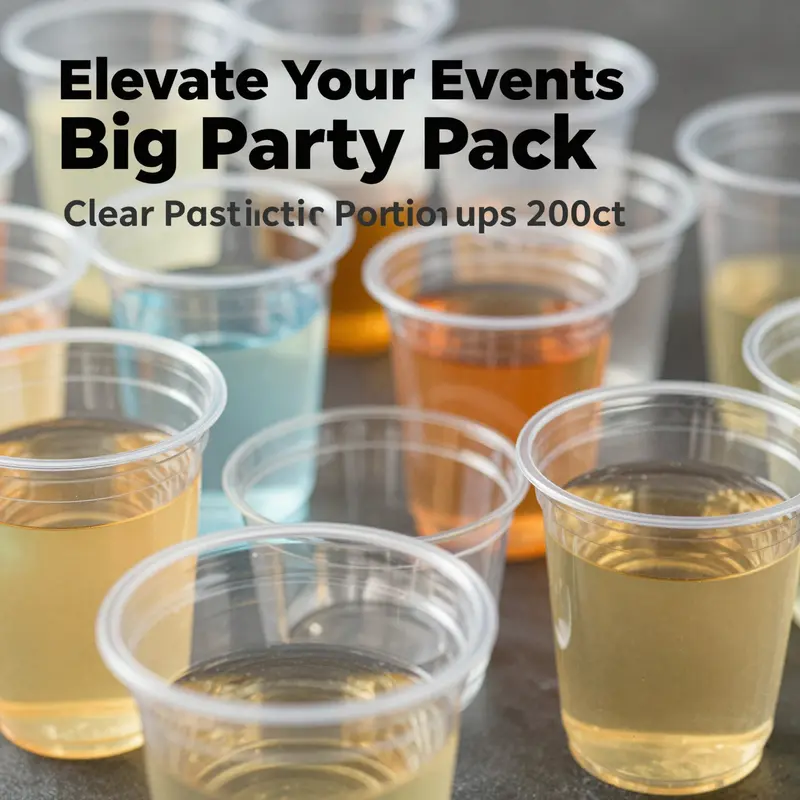
At a party, a bulk supply of clear disposable cups is more than a shopping line item; it is a practical engine that keeps service moving. A 200-count pack, if chosen carefully, supports smooth guest flow, predictable restocking, and clean presentation across multiple stations. The 9-ounce capacity (roughly 296 milliliters) strikes a balance between generous servings and minimal waste, making it a versatile choice for beverages, condiments, and small samples.
Material and form matter as guests approach the buffet or dessert table. These cups are typically made of clear plastic that stays rigid enough to hold a moderate fill while remaining light enough to pass from hand to hand. The transparency helps guests see what they are selecting, reduce hesitation, and speed up lines. The cups also withstand the handling of busy service moments without cracking under normal use when stacked, carried, or briefly bumped on a crowded table.
Safety and material notes: most cups in this category are BPA-free and designed for food contact. They are commonly polypropylene or similar food-safe polymers, chosen for a good balance of clarity, rigidity, heat resistance, and cost. They are widely compatible with a range of beverages and sauces, and their clear walls showcase contents at a glance.
For a 200-cup target, a common packaging option is a 25-count pack. Eight packs total 200 cups, with no fractions. This modular packaging supports on-site scaling: if guest turnover is high, you can add packs at service points; if more storage is needed, you can rotate packs to a central cabinet. When planning purchases, consider unit price, shipping, storage footprint, and the value of quick service versus sustainability. If a host wants to minimize waste while keeping disposables, compare not only the upfront price per cup but also disposal costs and recycling options.
A bulk pack shines when it integrates with the event layout, service timing, and guest flow. Clear cups help guests identify options and stop lines from becoming tangles. The 9-ounce size supports a standard for beverages, refills, and dips or toppings. Place cups near beverage stations and dessert stations, with a dedicated restock path.
Beyond eight 25-count packs, you can mix 50-count or 100-count bundles to fit storage constraints. The goal remains to maintain a consistent guest experience with predictable sizes and easy replacement. This approach preserves bulk-buy advantages while adding on-site flexibility.
Labeling and safety considerations include ensuring the material is clearly identified as food-safe and BPA-free, with mention of polypropylene or similar polymers. The packaging should be recyclable where facilities exist. The visual clarity of the cup supports quick decision-making by guests and smooth operations for staff.
Good display and planning consider cup placement near other disposables, proximity to service points, and a straightforward replenishment routine. When a central cart holds eight packs, teams can perform quick refills without interrupting service, helping keep lines moving.
Taken together, the 200-count bulk pack offers a practical backbone for events that want speed, presentation, and clean-up efficiency. The nine-ounce capacity enables flexible portions, while the clear plastic communicates contents at a glance. With careful packaging choices and layout planning, hosts can deliver a coherent guest experience without overcomplicating logistics.
null
null
Final thoughts
The Big Party Pack Clear Plastic Portion Cups 200ct emerge as an essential component for professionals in the food and beverage sector. Their practical packaging, sturdy material, and versatile applications make them suitable for a range of events—from casual gatherings to formal occasions. Choosing these cups not only enhances aesthetic appeal but also fulfills operational efficiency, ensuring that every beverage served meets both quality and convenience. Elevate your service offerings today by integrating these cups into your business model.