

For bubble tea shops, restaurants, and catering services, understanding how to safely heat food in plastic containers is crucial. The right choices can ensure customer safety and quality. This article will explore various plastics suitable for microwave use, the types to avoid, and best practices for safe heating—vital information for anyone in the food industry.
From Code to Kitchen: Demystifying Microwave-Safe Plastics for Safe Heating
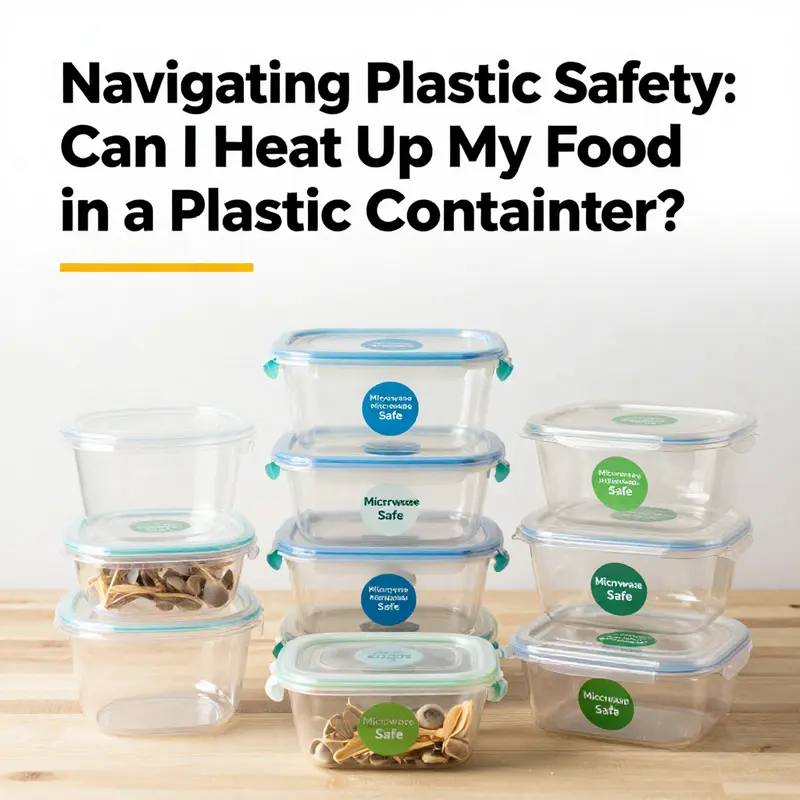
Heating food in plastic containers is a common kitchen practice, promising convenience but inviting questions about safety. Plastics are synthetic polymers boosted with additives to achieve properties like flexibility and heat resistance. When exposed to microwave energy, some additives can migrate into food, especially at higher temperatures, with fatty or oily foods posing a higher risk. The substances most discussed include BPA and various phthalates, though formulations vary by product. The safest rule is to use containers explicitly labeled as microwave-safe, ideally made from polypropylene (code #5, PP). A #5 container with a clear microwave-safe designation is generally reliable for heating, but the lid, sealing mechanism, and any damage to the container can undermine safety. If in doubt, transfer to glass or microwave-safe ceramic.
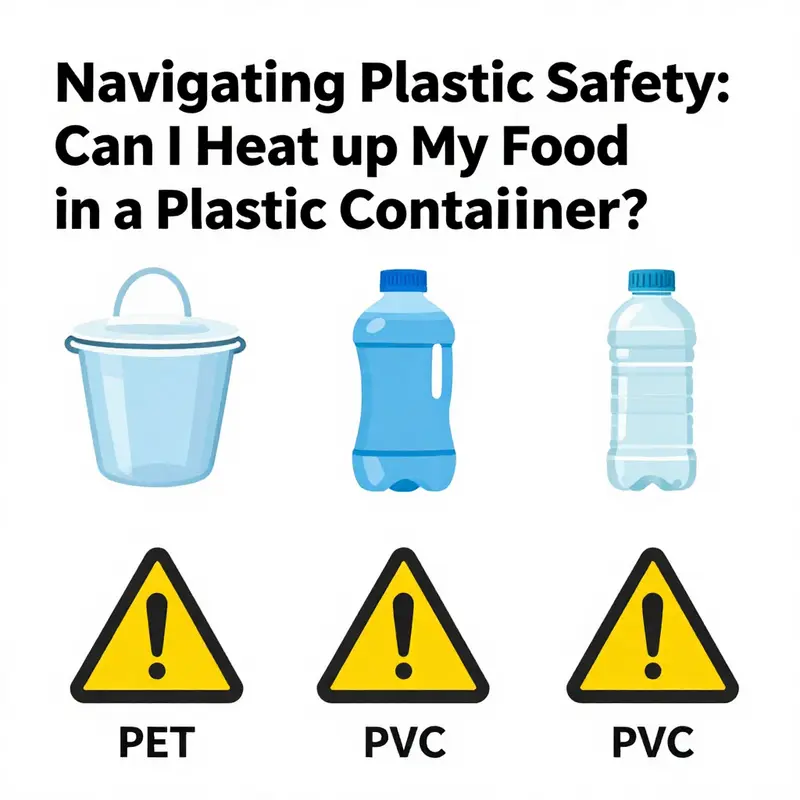
Some plastics are not designed for heating at all, such as PET (code #1), polystyrene (#6), PVC (#3), or certain PC items, which may release unwanted compounds when heated. Labeling matters: look for terms like “Microwave Safe” or a wave symbol, and verify the temperature range and testing guidelines. Practical tips include venting the lid to prevent steam buildup, avoiding tight seals, and heating in short intervals with stirring to promote even heating. Risk is not binary but probabilistic: exposure increases with higher fat content, longer heating times, and scratches or cracks in the container. Reuse of single-use or damaged containers should be avoided for heating.
When in doubt, choosing microwave-safe glass or ceramic reduces migration concerns and generally offers more predictable heating. Stainless steel can be an option for some foods if the container is explicitly labeled microwave-safe and compatible with the oven model. The broader guidance from health and safety authorities emphasizes minimizing exposure to potentially harmful additives by using microwave-safe materials and avoiding packaging not clearly approved for this purpose. Reading the code and label should become a practical habit—check the resin code, confirm the manufacturer’s microwave-safety claim, and inspect the container for damage before use. For high-fat or high-sugar meals, shorter heating intervals with stirring are advisable to avoid overheating the container.
Public health resources explain why certain plastics are less suitable for heating, how migrants move from containers to food, and how labeling translates into practical safety decisions. The key takeaway is simple: if a container is explicitly labeled microwave-safe and bears the PP code, it is generally acceptable for many meals—provided the lid is vented, the container shows no signs of damage, and the temperature and time stay within tested limits. If any doubt remains, switch to glass, ceramic, or another microwave-safe option. By treating packaging labels as critical safety information, you can enjoy the convenience of microwave heating while reducing potential exposure.
null
null
Heat or Harm? A Practical Guide to Microwaving Food in Plastic Containers
Heating food in plastic containers is a routine part of many kitchens, a quick fix when time is tight and cleanup is a breeze. Yet the ease of reheating does not automatically guarantee safety. The underlying question—can you safely heat food in a plastic container—depends on the plastic’s composition, its design intent, and how you use it. What looks like a simple convenience can become a source of risk if the container is not built to withstand heat or if it carries additives that migrate into food when exposed to microwave energy. The science is clear enough to guide everyday choices: only certain plastics, those designed for microwave use, are acceptable for heating. In practical terms that means paying attention to resin codes, labels, and the physical condition of the container, as well as understanding how heat interacts with plastic in the microwave.
Polypropylene, known as PP and coded with the number 5 inside a recycling triangle, is at the center of modern microwave safety discussions. This resin earns its place in the microwave-safe category because its melting point sits well above typical reheating temperatures, often around 120 to 130°C. That higher heat tolerance matters because microwaves heat food by agitating water and fat molecules; containers that soften or deform under those conditions can alter the food’s contact with plastic, potentially increasing the chance of chemical migration. Reputable manufacturers subject microwave-safe PP containers to safety standards to ensure they perform as intended during heating. Look for clear labeling—phrases like “Microwave Safe” or “Microwave Use” or a dedicated wave icon—and, if available, temperature ranges. If the container’s bottom carries this information, it’s a strong signal that the product was designed with reheating in mind. In some cases, you may find compatibility statements aligned with recognized standards, such as GB 4806.7-2016, which codify safety expectations for materials in contact with food. These markings are not decorative; they are the manufacturer’s assurance that the container can be heated without compromising food safety.
The landscape gets murkier as soon as you stray from PP or ignore the labeling. Ordinary takeout boxes, margarine tubs, or single-use containers—many of which are intended for cold storage or cold transport—often rely on plastics that do not tolerate heat well. The same resin-coded system helps identify those risks: #1 PET (Polyethylene Terephthalate), #6 PS (Polystyrene), #3 PVC (Polyvinyl Chloride), and #7 PC (Polycarbonate) each carry distinct concerns when heated. PET can leach phthalates or other additives at relatively low temperatures, even below 70°C in some circumstances. PS can release styrene when heated, and styrene has been classified by IARC as a possible human carcinogen. PVC and polycarbonate bring additional worries, including potential dioxins and bisphenol A (BPA) migration—BPA being an endocrine disruptor linked to a range of health effects, particularly with long-term exposure. Because of these profiles, the default stance remains cautious: avoid heating in non-microwave-safe plastics and opt for safer materials when possible.
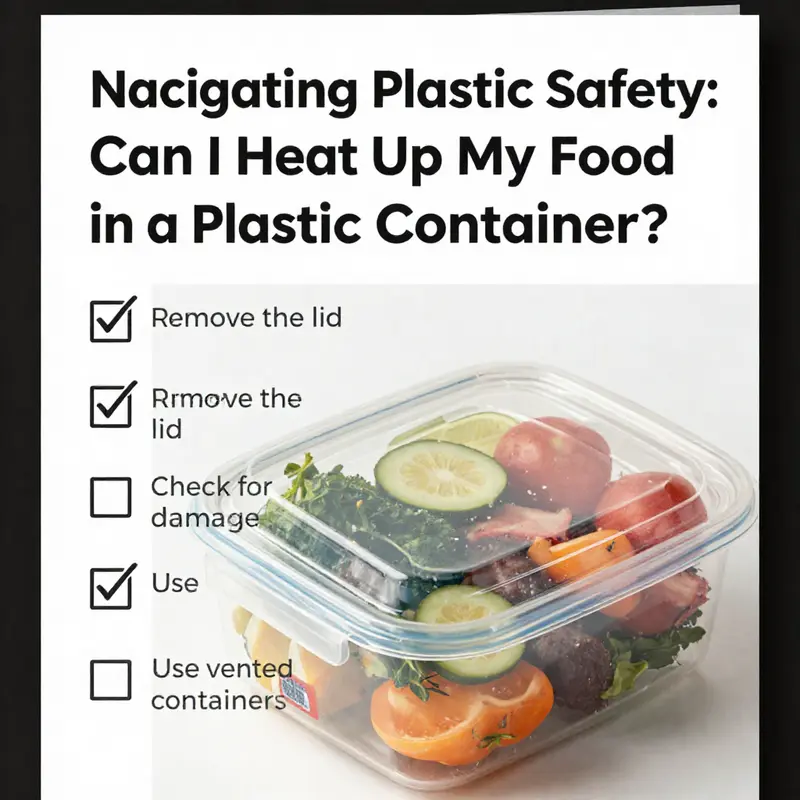
A notable point often overlooked in everyday cooking is the status of the container’s lid. The body of a PP container may be labeled as microwave-safe, but the lid is frequently made from a different material that is not intended for heating. Even if the body stays structurally stable, a non-microwave-safe lid can trap steam and create pressure, or it can warp and transfer unwanted chemicals to food as the plastic degrades under heat. The safest practice is to remove the lid before microwaving or ensure the lid itself is explicitly rated for microwave use. This simple precaution reduces the risk of both mechanical failure and chemical migration.
Beyond the packaging itself, the dynamics inside the microwave are a crucial part of safety. Heating times and food composition heavily influence outcomes. Shelling out a few seconds to gauge the container’s tolerances can pay off in safer reheating. Foods with high fat content heat differently than low-fat items, and highly acidic or spicy sauces can create an environment where chemicals migrate more readily from plastics into food. When fat or acidity is high, plastics can become more permeable to additives and plasticizers, increasing the chance of migration. In practice, that means even with a microwave-safe PP container, you should monitor your heating times and avoid pushing the limits of the container’s intended use. Shorter, gentler reheating cycles and more frequent stirring help distribute heat evenly and keep the container within safer temperature bounds.
A useful way to frame safe practice is to think in terms of risk rather than absolutes. If a container is clearly labeled microwave-safe and is PP (#5), it remains the best option among plastics for short reheats. If there is any doubt about the container’s safety—its label is unreadable, the plastics feel noticeably degraded, or you notice odor or distortion after heating—switch to glass, ceramic, or another non-plastic option. This approach aligns with a precautionary mindset that prioritizes food safety and long-term health, while still recognizing that plastic can play a legitimate role in food handling when used appropriately.
To translate these principles into everyday steps, consider a concise set of practical guidelines. First, always check the container’s bottom for the resin code and a clear microwave-safe label. If the container lacks a recognizable #5 PP code or does not bear a microwave-safe designation, do not use it for heating. When the container is PP and labeled microwave-safe, you still need to treat it with care. The lid deserves the same scrutiny as the body; confirm that it is also microwave-safe or remove it entirely before reheating. If the lid cannot be confirmed, err on the side of caution and vent the container by leaving it slightly open. This venting prevents steam buildup, which can pressurize the container and lead to cracks or leaks that complicate cleaning and raise safety concerns.
Another piece of practical wisdom concerns the container’s condition. Discoloration, cracks, warping, or a lingering chemical smell after washing are telltale signs that a container should be retired. Damaged plastic can behave unpredictably when heated, increasing the likelihood of chemical migration or physical failure in the microwave. In such cases, simply switching to a glass or ceramic dish eliminates the risk of leaching altogether and often improves heat distribution, resulting in more even reheating.
The final piece of the safety puzzle is content and context. High-fat or high-sugar foods can heat up much more quickly, exceeding the safe temperature range of some plastics before you realize it. If your leftovers are oily curries, creamy sauces, or dessert sauces with high sugar content, consider transferring them to a microwave-safe glass or ceramic dish before heating. The absence of plastic in direct contact with the food reduces the potential exposure to plasticizers and additives, while still delivering the convenience of a quick reheat. In other words, choosing the container matters, but so does the way you heat and for how long.
In practical terms, the evidence supports a cautious but not prohibitive stance: you can heat food in a plastic container, but only if the container bears the #5 PP code and the explicit microwave-safe label. Other plastics present health risks when heated, including the migration of chemicals known to interfere with hormonal systems, such as phthalates and BPA. The risks are not necessarily dramatic in one heating event, but they accumulate with repeated exposure and with higher heat or longer heating times. The take-home message is simple: when in doubt, switch to glass or ceramic. The optional use of a microwave-safe PP container can be a reasonable choice for reheating simple, low-fat foods in short excursions, but it is not a license to microwave any plastic product indiscriminately. Knowledge of the material and attention to the container’s condition are the guardrails that keep the practice safe.
For readers seeking packaging options that are explicitly designed with microwave safety in mind, there are practical paths that align with both health and convenience. One option is to explore takeout and storage containers that are marketed as microwave-safe and crafted from materials with strong safety records. These products often emphasize grease resistance, stability under heat, and reusability as part of a broader approach to responsible packaging. When assessing such options, look for third-party certifications, clear labeling, and transparent material disclosures. If you’re curious about specific examples of microwave-safe packaging options that align with environmentally conscious choices, you can explore this representative option focused on safe, microwave-friendly design in takeout packaging. eco-friendly takeout boxes for food packaging—safe microwave design. This kind of packaging is designed with both safety and reuse in mind, which can be a practical complement to the more conservative approach of using high-quality glass or ceramic for reheating.
Beyond individual containers, the broader question of how microwaving fits into everyday food safety becomes clearer when we consider reputable summaries of the evidence. A recent synthesis of the literature emphasizes that heating programs should minimize unnecessary exposure to plastics, particularly when the original packaging is not clearly microwave-safe. The practical implication is not to vilify plastic but to treat it with informed caution—to favor containers with proven safety credentials and to prefer non-plastic vessels when in doubt about heat exposure. This stance aligns with a careful, evidence-based approach to kitchen routines, rather than a blanket prohibition on all plastic use in reheating.
For readers who want a concise, science-based overview of the latest guidance, a reliable external resource offers a helpful summary of the potential risks and the best practices for microwaving plastic containers. The Healthline coverage highlights that chemical migration from plastics into food is influenced by plastic type, heating duration, and food composition. The report emphasizes that certain plastics, particularly those not rated for microwave use, should be avoided for reheating. It also underscores the value of safe alternatives when possible, including glass and ceramic containers, which do not carry the same leaching risks. This external source complements the practical advice offered here and helps place everyday decisions within a broader scientific context. For a detailed, up-to-date overview, see Healthline’s guidance on microwaving food in plastic containers: https://www.healthline.com/health/microwaving-plastic-food-containers.
In sum, the safest path is selective and deliberate. If you must use plastic for reheating, the container must be explicitly labeled microwave-safe and be a PP (#5) resin. The lid should either be microwave-safe as well or removed during heating. Inspect containers regularly for damage, avoid overheating, and be mindful of the food you’re reheating—fatty and acidic items demand extra caution. When any doubt remains about safety, transferring the food to a glass or ceramic dish is a prudent choice. The goal is not perfection in every reheating moment but a sustained practice that minimizes chemical exposure while preserving the sensory quality of your meal. In the end, safety and practicality can harmonize when you know the material you’re working with and respect the heating limits it can tolerate.
For further exploration of packaging that supports safer reheating while aligning with eco-conscious practices, consider resources that discuss microwave-safe design in takeout packaging and related products. And if you want to see how these principles apply to day-to-day cooking and storage, keep an eye on discussions about material choice, reuse, and disposal. The overarching aim is to empower you to make informed decisions that protect health without sacrificing convenience.
Final thoughts
In summary, while heating food in plastic containers is possible, it requires careful selection of materials. Always check for the ‘Microwave Safe’ label, avoid specific harmful plastics, and follow safety best practices. By adhering to these guidelines, businesses can ensure the safety and satisfaction of their customers, ultimately enhancing their reputation.