
As a beverage business, the growing concern for sustainability is likely on your radar. With the rise in eco-conscious consumer behavior, understanding how to compost paper cups effectively can make a significant difference. Not only is it essential for your brand’s image, but it also contributes positively to environmental efforts. This guide will delve into the various facets of composting paper cups, ensuring you find the best practices for enhancing your sustainability measures. Each chapter will address crucial topics such as the materials used in paper cups, the issue of plastic linings, how to identify compostable options, the differences between home and industrial composting, and the certification standards to look for.
From Cup to Compost: Decoding Paper Cup Materials and When They Really Break Down
Paper cups often wear a green label, suggesting they’re a simple, eco-friendly choice. Yet the biology of composting and the chemistry of the materials used to make these cups tell a more nuanced story. The core question—can you compost paper cups?—depends on two things: the actual materials used and the environment where disposal happens. In practice, the answer is nuanced. Regular cups with plastic linings and traditional paper cups are not suitable for home or most commercial composting for two reasons: the sealant that keeps liquids in and the polymer layers that resist decay. But there are true compostable paper cups, crafted from plant-based polymers and certified to break down under specific conditions. Understanding these distinctions helps consumers, businesses, and waste managers align disposal practices with real environmental outcomes, rather than relying on marketing alone.
In most standard cups, the secret is hidden in the lining. The waterproof barrier is typically a thin layer of polyethylene, often low-density polyethylene. This LDPE lining is excellent at keeping beverages from seeping through, but it is not designed to break down in composting environments. When mixed into a compost pile, LDPE resists decomposition and can contaminate the finished compost. This is not just a theoretical concern. In compost facilities, where the stream of inputs is sorted and monitored, non-compostable plastics can complicate processing, degrade the quality of the end product, and even damage equipment. That is why conventional cups with plastic linings are generally not compostable and should be diverted away from compost streams.
The promise of compostable options emerges most clearly in cups lined with plant-based polymers such as PLA, polylactic acid. PLA is derived from renewable resources like corn starch and is designed to break down under controlled industrial composting conditions. When a cup is truly compostable, the label points to industrial composting facilities or, in some cases, home composting environments designed to accommodate these materials. Under high heat and controlled humidity—temperatures often above 55°C (131°F) and sustained for several weeks—PLA can decompose into water, carbon dioxide, and organic matter. The caveat is essential: if these conditions are not met, the cup may not break down as intended. In a landfill setting, or in a backyard pile that never reaches the necessary heat, PLA devices may persist for years. This is a critical point because it highlights why “compostable” is not a universal guarantee and why disposal decisions must be matched to the available composting infrastructure.
An additional layer of complexity comes from how different polymers interact during the composting process. PLA and LDPE are distinct materials with different processing requirements. When they co-exist in the same system—such as a mixed input stream that includes both compostable cups and non-compostable plastics—contamination can occur, reducing compost quality and efficiency. This is one reason many facilities prefer strict separation of compostable items from regular plastics. The situation underscores why labeling matters. A cup might be marked biodegradable in broad terms, but true compostability depends on certifications and on the intended composting context. Certifications such as ASTM D6400 or EN 13432 provide validation that a product will break down under specific industrial conditions, and sometimes under home composting conditions as well.
For consumers navigating this landscape, the practical guidance is clear: do not attempt to compost regular paper cups with LDPE linings in home or community compost bins. Those cups belong in the trash or in specialized facility streams that can handle mixed plastics. Instead, if you encounter a cup labeled compostable and certified for industrial flow, you should still verify whether your local facility accepts PLA-based cups and whether the system is designed to process them. Some facilities require a separate stream for compostable packaging, while others can handle them within a broader organics program. The landscape varies by region, and it is worth contacting local waste management to confirm accepted materials.
The idea of home composting adds another layer of consideration. Some cups are marketed or certified as suitable for home composting, but not all are. PLA’s behavior in a backyard pile depends on the level of heat and moisture that can realistically be achieved. Home compost systems tend to run cooler and slower than industrial facilities, which can leave PLA-based cups incomplete or fragmentary. In practice, it is safer to assume that many PLA-lined cups will not degrade efficiently in a backyard system unless the product explicitly states home-compostable certification and your home pile reaches the requisite conditions. This is why, even when a cup is advertised as biodegradable, the actual compostability hinges on the presence of a true home-compostable certification and the specific composting environment.
A useful rule of thumb emerges from the current guidance: prioritize cups that carry credible certifications, understand your local composting infrastructure, and avoid mixing non-compostable plastics into organics. This is not simply about choosing the right liner; it is about designing disposal pathways that respect the material science behind composting. For businesses that operate takeout or catering services, the implication is to align packaging choices with the capabilities of nearby facilities. If a city or region supports industrial composting with a dedicated input stream for certified compostable packaging, then PLA-based cups can participate in that stream. If not, the cup may end up in the residual waste stream, where it will not contribute to a meaningful reduction in environmental impact.
The broader environmental context matters as well. Reducing overall cup usage remains one of the strongest levers for reducing waste. Reusable systems, where feasible, offer tangible benefits in terms of resource use and waste reduction, even when a portion of disposable packaging is compostable. When disposable cups are used, selecting truly compostable options can be part of a layered strategy—paired with high-standards for waste sorting, strong consumer education, and robust infrastructure. This is not merely about whether a cup can degrade but about whether the entire system, from material choice to end-of-life processing, aligns with sustainability goals.
In practical terms, readers who want to explore the material options behind cups and their disposal pathways can consult a catalog that outlines disposable-paper-cups in their packaging families. The catalog serves as a reference to understand which cups are oriented toward compostability and which still rely on conventional plastic linings. The anchor here points to a broader catalog that shows the range of disposable-paper-cups available, with attention to the distinctions between standard and compostable designs. disposable-paper-cups. This kind of resource helps practitioners, educators, and policymakers connect labeling with actual material properties and disposal outcomes.
Ultimately, the question of whether you can compost a paper cup is a matter of matching the material, the label, and the disposal pathway. A cup with LDPE lining does not belong in compost. A cup with a certified compostable PLA liner may be appropriate for industrial composting, and possibly home composting if it carries the right home-composting certification and your facility supports it. The onus remains on clear labeling, credible third-party certification, and accessible composting options. The environmental math is not only about breakdown timelines; it’s about the integrity of the compost stream and the avoidance of downstream contamination. As consumers, we can push for clarity in labeling, demand better sorting infrastructure, and recognize that compostability is context-dependent.
For readers who want to dive deeper into official guidance, the U.S. Environmental Protection Agency provides a comprehensive overview of composting and organics recycling, including insights into packaging and material compatibility. This external resource helps connect the science of materials with real-world disposal practices: https://www.epa.gov/organics/composting-and-organics-recycling.
Can You Compost Paper Cups? Understanding Liner, Certification, and Disposal
Questions about composting paper cups come up often in kitchens, offices, and community gardens. The quick answer depends on a detail that is easy to overlook: the inner lining and the certification behind the label compostable. In most cups the paper shell is coated with a thin plastic lining to keep liquids from seeping through. That lining is the main barrier to true compostability. Without considering it, the paper portion might be biodegradable, but the cup as a whole is not reliably compostable in typical home setups or in many commercial facilities. The key distinction is not the paper origin but the plastic layer and its material. Only cups that are clearly labeled as compostable and carry recognized standards deserve the composting label. In practice this matters because it shapes how we sort waste, what goes in the bins, and what ends up in soil or in landfills where it cannot perform its job. The idea that paper equals compostable is often too optimistic when a plastic layer blocks breakdown and contaminates the compost stream.
To understand why the lining matters think about a composting environment. In home and industrial piles heat moisture and microbial activity work together to break organic matter down. Paper on its own will soften shred and gradually disappear. A plastic lining resists microbial attack and heat, staying intact much longer. Over time this creates a mismatch in the process and can slow decomposition and increase contamination risk. The result is slower breakdown and untransformed material that cannot become usable compost. Many cups marketed as compostable will only work in facilities that reach high temperatures and maintain them for a defined period. In backyard composting where temperatures stay cooler, even some labeled compostable cups struggle to decompose fully. The practical takeaway is simple but important: if a cup has a plastic lining it is not suitable for standard home or municipal composting streams unless it bears a certification that allows that setting. Microplastic concerns lurk in the backdrop too. Even cups marketed as biodegradable may leave behind fragments that hinder soil or contaminate compost.
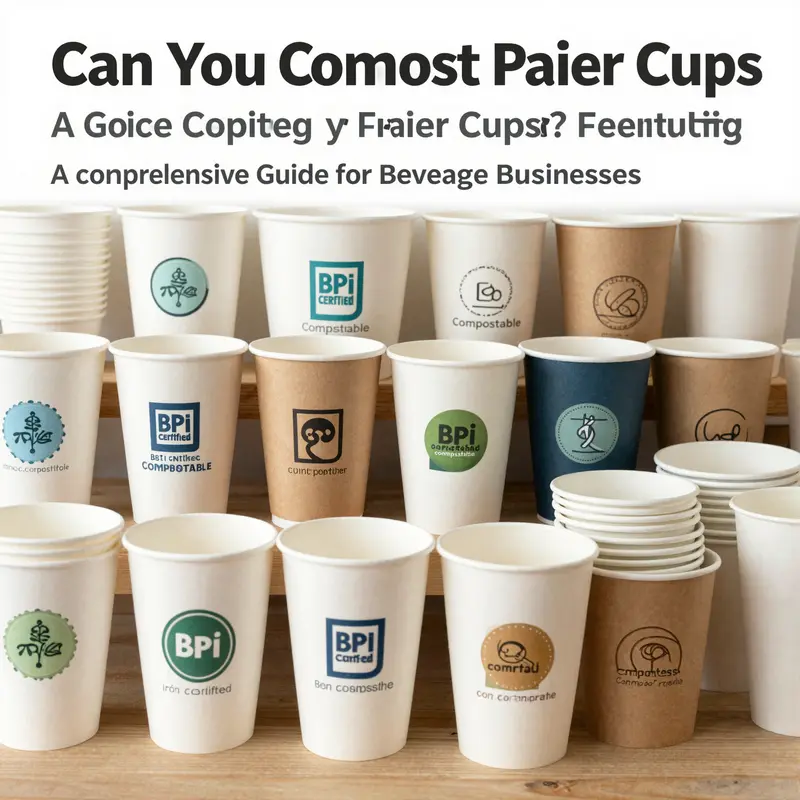
Certification matters. Truly compostable cups carry credentials that address material composition and the ability to biodegrade under defined conditions. Look for standards such as EN 13432 or ASTM D6400 which set benchmarks for industrial compostability. These standards require the entire item including the lining to break down into water, carbon dioxide, and biomass within a defined period when subjected to industrial composting conditions. Recognized certifiers such as the Biodegradable Products Institute and OK Compost add trust. A cup may claim to be compostable but without certification there is a real risk it will not perform as advertised in real world facilities. A caveat remains: disposal matters. The cup should go to the appropriate compost stream and not to general waste. Home composting is becoming more capable but not universal for all industrially certified cups unless the product is specifically approved for home composting. Read the labeling carefully and when in doubt favor cups with explicit home or industrial compostability certification and disposal guidance.
What should a careful consumer do when choosing a cup? First ignore the lure of the generic biodegradable label unless it is paired with a credible standard and certifier. Second verify whether the cup carries a certification that matches your disposal infrastructure. If you have access to a municipal facility that accepts industrially compostable items a cup certified under EN 13432 or ASTM D6400 backed by a credible certifier is a stronger bet as long as the facility accepts that stream. If your local program is designed for home composting confirm that the cup is labeled for home compostability. Even then a plastic lined cup or one without solid certification should not go into a backyard pile. The principle is not only about what breaks down but where and under what conditions. Returning organic matter to the soil is a shared goal but it requires alignment between product claims and local composting realities.
In the broader packaging world a growing emphasis on credible credentials and clear disposal instructions is emerging. For readers navigating the ecosystem of compostable products a useful touchstone is the idea that the entire cup must be designed to biodegrade in the target stream. When you see a claim of compostability consult the certification mark and the scope of acceptance industrial or home. The difference can decide whether waste ends up in a thriving system or a contaminated one. The shift toward packaging designed with end of life in mind is ongoing and manufacturers are increasingly providing explicit disposal guidance and aligning products with recognized standards so consumers can decide confidently without expert polymer knowledge. The practical takeaway for individuals is simple: read the packaging understand the scope of the certification and route the cup to the correct stream or to trash if no appropriate stream exists. This approach protects compost programs and helps turn waste into soil nutrients instead of residues.
For readers seeking broader eco friendly packaging options consider the broader landscape of certified compostable packaging. A representative example illustrates how credible credentials signal compostability and how facilities respond to different formulations. In practice, a cup is one piece of a larger system and every item in the stream must work together to avoid contamination and ensure a clean compost product. As you plan gatherings or daily coffee breaks remember that compostability is not a universal label but a set of conditions certifications and disposal choices. The inner plastic lining is the most common barrier but it can be overcome when products are explicitly designed for composting and properly certified. The journey from cup to compost is not guaranteed by appearance alone but requires verification proper sorting and engagement with the systems that manage organic waste. The result is a more reliable composting process that keeps compost streams clean.
External reference for official guidance and considerations of contaminants in compostable products: EPA guidance on composting including information about contaminants like plastic lined paper products. https://www.epa.gov/sustainable-management-waste/composting-organic-waste
Can You Compost Paper Cups? A Clear Guide to True Compostable Options
Paper cups seem indispensable in everyday life, from coffee runs to leftover lunches. They appear simple, convenient, and even disposable in the truest sense. Yet their environmental impact hinges on more than their paper exterior. The crucial question for eco-conscious readers is not just whether a cup can be recycled or discarded, but whether it can truly become soil again. The distinction is subtle but essential. Some cups are designed to resist leaks with plastic linings or wax coatings. These features keep drinks from soaking through, but they can also prevent the cup from breaking down in a compost pile. In other words, not every paper cup belongs in a compost bin, whether at home or in a commercial facility. The path to true compostability is paved with careful labeling, rigorous standards, and a clear understanding of where and how composting happens. If you want to make a dent in waste, you must learn to distinguish between cups that merely imitate compostability and those that genuinely meet the criteria for turning into nutrient-rich matter. The first and most important criterion is labeling. A cup must be clearly labeled as compostable and must meet recognized standards to earn the badge. Without certification, the label is a guess at best. Even cups described as biodegradable can be misleading. Biodegradable simply means materials will break down under some conditions, not necessarily in a typical backyard pile or in a municipal program with specific temperatures and timelines. Certification, by contrast, signals that the product has been tested against stringent criteria. Among the most respected marks are those from standard-setting bodies that evaluate whether a cup actually degrades into soil in an industrial or home composting setting. These marks act as a reliable guide for consumers who want to avoid contaminating compost with materials that resist breakdown. A closer look at the chemistry behind compostable cups reveals two common paths. Some cups use plant-based materials that resemble plastics in their function but are derived from renewable sources. Polylactic acid, or PLA, is one such material. PLA can break down under the right conditions, especially in an industrial facility that maintains high heat and moisture. Other cups rely on starch-based polymers, which can compost more readily in controlled environments. The trade-off is that not all PLA or starch-based cups will do well in a backyard bin. Industrial composting facilities are designed to reach higher temperatures and maintain specific moisture and microbial activity, creating a fast and predictable breakdown. In these contexts, certified compostable cups can disappear into the humus of the soil in a matter of weeks to months. In a home setting, however, the process can stall or stall indefinitely if the conditions aren’t right. This is why home composters should look for cups explicitly designed for backyard composting, or, better yet, direct such products to appropriate facilities that accept certified materials. The other major factor is the non-negotiable prohibition on plastic linings. Regular paper cups often carry a polyethylene or similar lining to seal in liquids. That lining is excellent for martini-green beverage margins, but it’s precisely what makes the cup unsuitable for composting. The plastic does not readily break down and can contaminate the compost stream, complicating processing and reducing the compost’s quality. Even if the rest of the cup is compostable, the plastic layer can render the entire item non-compostable. This is why the guidance is simple and firm: do not attempt to compost standard paper cups with plastic linings. The same logic extends to wax coatings that resist biodegradation and can impede microbial action in a composting unit. When you see a cup with a non-paper coating, the prudent action is to skip the composting plan and recycle or dispose of it according to local guidelines if applicable. Given these constraints, where does one find true compostable cups? The landscape has grown more sophisticated in recent years. Marketed as eco-friendly alternatives, many cups now emphasize compostability as a core feature. Look for explicit certification labels. A cup that carries a credible seal signals that it has been tested for industrial or home composting. The seals reduce guesswork and help ensure that the cup will degrade under the conditions expected in a composting facility. In addition to certifications, you may encounter cups made from PLA or other plant-based polymers. These materials are designed to degrade when exposed to the right environment, but again, venue matters. Industrial facilities that reach higher temperatures and maintain precise moisture levels are the most reliable setting for such products. What does this mean for everyday disposal habits? It means recognizing the difference between home and industrial composting. For most households, industrial facilities are the expected route for certified compostable cups. Home composting systems often do not reach the temperatures necessary for full breakdown. Therefore, placing certified compostable cups into a backyard compost pile may still fail to produce usable compost. It is essential to contact local waste management programs or municipal composting providers to confirm whether they accept compostable cups and under what conditions. Some programs only accept items that are validated for industrial composting, while others may have more flexible acceptance policies. The key is to verify acceptance before you prepare and dump. When you do find truly compostable cups, the benefits can be significant. A single cup that breaks down cleanly reduces the volume of plastic waste and lowers the risk of contamination in compost streams. This is particularly important in community kitchens, coffee shops, and event settings where large volumes of cups are used. Eco-conscious brands have begun to offer double-walled, compostable paper cups designed to handle hot beverages without leaking. These designs demonstrate how packaging can balance performance with sustainability. The advantage, of course, hinges on correct disposal. If the cups are disposed of in the proper program, the material returns to the soil rather than lingering in a landfill or decaying into microplastics. To help you translate this knowledge into practice, think of the lifecycle of a cup from purchase to disposal as a test of sincerity. Does the product carry a credible compostability claim? Is there a certification present that you can verify? Is the local program equipped to process such materials? These questions are not academic. They shape how we consume, how we waste, and how quickly we can close the loop between product and soil. In closing, the path to compostable cups is not a straight line from packaging to soil. It requires precise labeling, credible certifications, and an understanding of the difference between home and industrial composting. It calls for a careful assessment of coatings and linings, because plastic resins are the stubborn barriers to true biodegradation. When these cups are used in environments that can support composting and when disposal is directed to the right stream, the environmental benefit is real. The dialog between product design, waste management, and consumer behavior is how we move from disposable convenience to sustainable waste systems. For readers who want to deepen their understanding, a reliable external resource on certification standards will be invaluable: https://www.bpiworld.org/. Additionally, for further exploration within this chapter’s topic, you can follow internal references to related product lines that emphasize compostable packaging choices and hot-beverage solutions in sustainable formats.
From Cup to Compost: Navigating Home and Industrial Pathways for Paper Cups
The journey of a paper cup from takeout counter to compost heap reveals more complexity than many people expect. While these cups are made from renewable wood pulp and carry the promise of greener serviceware, their end of life depends as much on the system that handles them as on the cup’s own construction. A broad truth sits at the core: you cannot blanketly compost every paper cup. The simple act of tossing a cup into a home compost bin can do more harm than good if the cup carries a plastic lining or uses bioplastics that do not readily break down in backyard conditions. Understanding the difference between home compostability and industrial compostability is essential for anyone who wants their waste to contribute to soil instead of a landfill, and it helps explain why the same cup can be a model of sustainability in one setting and a source of contamination in another.\n\nIn the typical coffee shop, a large portion of paper cups wear a protective lining, most commonly a thin layer of polyethylene. This lining is the reason these cups resist leakage and keep beverages hot, but it is also the reason the cups are not readily accepted by standard composting streams. In backyard composts, where temperatures tend to fluctuate and microbial communities vary, the synthetic lining acts like a barrier rather than a aid. This barrier blocks the cup from breaking down in a reasonable timespan, leaving it to linger in the compost or, worse, to be misrouted to a bin that cannot handle it. The outcome is not simply wasted material; it is the perpetuation of plastic-like waste that defeats the purpose of choosing a paper-based solution in the first place. The onus falls on both producers and consumers to distinguish between cups that truly belong in the compost and those that should not.\n\nWhen we talk about compostable cups, the discussion must differentiate between home composting and industrial composting. Home composting requires cups that are truly free of synthetic plastics and designed to decompose in a garden heap or worm bin within a practical timeframe. The reality is that the majority of cups marketed as compostable today rely on a plant-based polymer called PLA, which is derived from cornstarch. PLA-backed cups are designed to surrender to high heat, moisture, and active microbial action typically found in industrial facilities rather than a backyard compost bin. In many backyard environments, PLA does not degrade quickly enough, and some formulations struggle to break down at all. This means a so-called compostable cup can end up as part of the mulch rather than the soil, contrary to the homeowner’s intentions. Simply put, home composting of PLA-containing cups is often impractical or ineffective unless the home system is specifically designed for that material and operates at elevated temperatures for a sustained period.\n\nIndustrial composting, by contrast, is a different ecosystem with its own rules. These facilities create the conditions necessary for compostable cups to perform as intended. They maintain high heat around 60 degrees Celsius, rigorous moisture control, and an active microbial environment that accelerates decomposition. Under those conditions, PLA and similar bioplastics can break down within roughly 90 to 180 days, transforming into a nutrient-rich compost that can support soil health. The critical caveat is accessibility. Industrial composting infrastructure is not universal, and many communities do not have facilities capable of handling compostable cups at scale. Even when a facility exists nearby, the pathways for correct disposal can be murky, and members of the public may struggle to find the right bin or follow the proper separation guidelines. In practice, this means a portion of compostable cups end their life in landfills anyway, where the heat and microbial action needed for decomposition are absent. There, plastics and bioplastics persist, or they brittlely degrade into microplastics that complicate soil and groundwater safety. The result is a paradox: cups intended to reduce waste may contribute to it if the local waste stream is not aligned with industrial composting.\n\nA practical guide emerges from these realities. If a cup is clearly labeled as compostable and carries a certification that it will break down in industrial facilities, it is a candidate for the compost stream, provided you live in a community with accessible industrial facilities and you understand the disposal instructions. The labeling becomes a map, not a passport. It tells you whether the cup is designed for home composting or for industrial composting, and it often indicates the appropriate disposal route. The label alone, however, is not a guarantee. Consumers should learn the local waste rules, check whether their community has an operating industrial facility, and follow how to separate compostable cups from regular trash and recyclables. Contamination remains the enemy of compost quality. A single non-compostable item can disrupt the maturation process, reduce the nutrient value of the resulting compost, and create additional processing costs for facilities.\n\nEven when a cup is genuinely compostable, its end-of-life depends on materials beyond the cup itself. Many compostable cups are paired with adhesives, inks, and sleeves that also require careful consideration. Some adhesives, printing inks, and coatings can withstand the composting process and end up in the finished compost, a situation that defeats the environmental intent. Therefore, the design of compostable cups has begun to shift toward simpler, more uniform compositions that minimize the risk of contamination during decomposition. In this sense, the movement toward compostable cups mirrors a broader push for packaging that can be easily sorted, segregated, and processed by the existing waste infrastructure. A cup that truly meets home-compost criteria would carry a simple composition, no plastic films, and inks that break down or become inert in a compost setting. The ideal scenario is a cup that performs its primary function without leaving behind lingering residues that yesterday’s composting system cannot handle.\n\nThe question then becomes how to navigate the decision in a practical, everyday context. For many readers, the answer hinges on a few key questions: Is the cup marketed as compostable? If so, is it certified for home or industrial composting, and what do local guidelines say about disposal? Does the cup use synthetic plastics or bioplastics that home compost will struggle to handle? Are there educational resources from local municipalities that explain what goes in which bin? The honest answer is that composting paper cups is not a universal, one-size-fits-all action. It is contingent on the cup’s construction, the certification it carries, and the waste-management network available in one’s area. In the absence of an industrial facility, the most responsible choice for many households remains reducing use, reusing cups where feasible, or selecting non- or less-packaged alternatives that fit the local composting reality more cleanly.\n\nThis nuanced landscape invites both caution and creativity. Cautious behavior means avoiding tossing any standard cup with a polyethylene lining into a home compost pile or into a bin that is not equipped to deal with compostable materials. It means paying attention to labeling, understanding that the words compostable do not automatically translate into home compostability, and recognizing that a thriving compost system relies on precise inputs. Creative behavior means using cups that are specifically designed for the local waste stream, supporting packaging innovations that favor simplicity and decontamination, and advocating for better access to appropriate facilities. It also means rethinking the design of consumer routines. If a business can switch to reusable cups or encourage customers to bring their own cups with proper cleansing, the footprint of the service can shrink even more than by choosing a compostable option alone.\n\nIn the end, the path from cup to compost is not a straight line but a network of decisions that begin on the counter and end in the soil. The real-world impact depends on the alignment of materials, labeling, and infrastructure. A cup that is truly home-compostable offers a real opportunity in households with well-managed composting systems. A cup designed for industrial composting promises meaningful benefits for communities that can collect and process those materials under controlled conditions. But for many people, the most practical steps involve selecting responsibly labeled options where the disposal pathway is clear, reducing the overall volume of single-use cups, and supporting local efforts to expand composting capacity so that more communities can transform their cups into something beneficial rather than waste.\n\nFor readers seeking a concrete example of how to relate to packaging choices while staying grounded in current realities, consider the idea of a widely available, widely used cup category that is often used for hot beverages. To explore a real-world example of how such cups are marketed and disposed of, you can examine an internal catalog entry that catalogues disposable paper cups made with kraft paper and designed for hot drinks. This page showcases cups in a range of sizes and styles and can help readers visualize how a seemingly simple product fits into the broader waste-management system. disposable-paper-cups-kraft-paper-cups-coffee-milk-cup-paper-cup-for-hot-drinking\n\nThe conversation around compostable cups also intersects with a broader push for packaging that reduces overall waste. Designers and manufacturers are increasingly challenged to develop cups that perform as needed while offering a gentle end-of-life. The result is a spectrum of options, from cups with minimal coatings to entirely compostable constructs that align with local capabilities. Consumers, in turn, can influence the trajectory by choosing products that clearly communicate their compostability and by supporting services that actually process those materials. This is not merely a matter of personal preference; it is about aligning the materials we use with the systems that can recover value from them. When this alignment is achieved, compostable cups can contribute to soil health rather than landfill burden, and the progress toward circular material use becomes more tangible for everyday life.\n\nFor those who want a starting point for further reading without committing to a particular brand or system, consider consulting external guidance that outlines the practical realities of composting coffee cups. This resource emphasizes the importance of distinguishing home versus industrial compostability and encourages readers to verify local capabilities before mixing materials into the compost stream. Accessing such guidance can help you evaluate the feasibility of composting in your own neighborhood and provide a clearer framework for future decisions about takeout packaging and waste disposal. https://www.simplycups.com.au/blog/how-do-i-compost-my-coffee-cup
From Cup to Compost: Certification Standards and Best Practices for Paper Cups
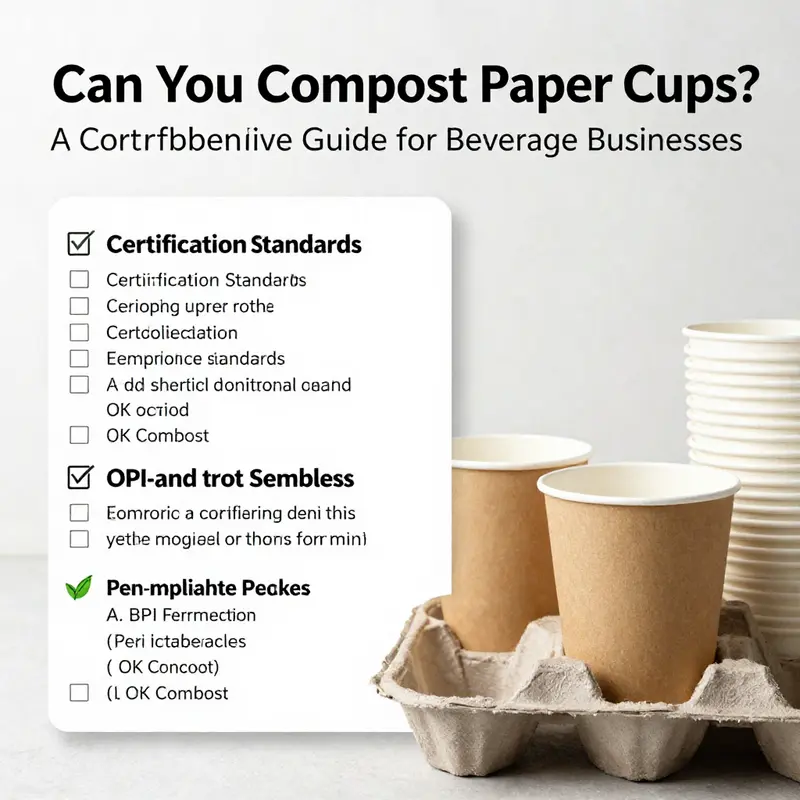
Paper cups sit at an intersection of everyday convenience and waste-system complexity. They look simple: a paper cup designed to hold hot liquids. Yet their journey after use depends on material choices, coatings, and the certification labels that signal how and where they can be composted. Understanding when a paper cup can actually break down requires more than a cursory glance at a recycling bin label; it demands attention to the cup’s inner barriers, the standards it carries, and the local composting options in a given community. The practical questions—Is this cup truly compostable? Can my home compost handle it? Will my city’s facility accept it?—are not merely theoretical; they determine whether the cup returns to the soil or ends up in a landfill. In this chapter, we move through the certification landscape and the best practices that help ordinary consumers align disposal habits with real ecological outcomes, without sacrificing everyday use.
The first layer of the conversation is material composition. Paper cups are compostable in many contexts, but a liquid barrier is essential to keep the cup from leaking under heat. In many standard coffee cups that barrier is a thin coating of polyethylene or other non-biodegradable plastics. That lining protects against leaks but can derail composting in home setups and in municipal facilities labeled as composting streams. When the lining is non-compostable, the cup may not break down in a typical compost pile and may contaminate the compost with plastics. Conversely, there are cups designed from plant-based materials—cornstarch composites or polylactic acid (PLA)—that are marketed as compostable and are intended to disintegrate under appropriate industrial or home conditions. The nuance is critical: even plant-based coatings labeled biodegradable do not guarantee compostability in every setting. The difference between biodegradable and compostable reflects how a material performs in real composting environments. A cup can be technically biodegradable yet fail to break down in a backyard pile if it isn’t designed for that system.
Certification standards act as navigational beacons in this landscape. In practice, the most trustworthy indicators are labels that reference established standards. OK Compost HOME signals that a cup is expected to break down in a home composting system, while OK Compost INDUSTRIAL confirms decomposition under industrial composting conditions. These certifications are not interchangeable. A cup certified only for industrial composting may not degrade in a backyard heap or a city’s home-compost program. The practical takeaway is that consumers must know where their compost ends up and whether their local facility mirrors the certification’s operating conditions.
Beyond OK Compost, standards from other regions guide decision-making. ASTM D6400 is the U.S. standard for compostable plastics, EN 13432 is the European industrial composting standard, and many programs require one or more of these certifications to validate compostability. When a cup carries such certifications, it is generally a more reliable candidate for true composting in the right setting. The exact timing—often cited as roughly 90 to 180 days in industrial facilities—depends on heat, moisture, and aeration. Even with certification, disposal in a non-composting stream can prevent the intended outcome, so align your disposal with local capabilities.
From a consumer behavior perspective, best practices start with vigilance. Look for official certifications on packaging and understand what they mean in practice. Avoid cups with excessive barriers or coatings that may not be accepted locally. If a certification is unclear, treat the cup as non-compostable and place it in the appropriate waste stream to avoid contaminating a compost batch. Also confirm with local programs whether they accept compostable items and under what conditions. If you rely on home composting, seek OK Compost HOME certified products and ensure your pile reaches adequate heat. If your community uses industrial facilities, prioritize OK Compost INDUSTRIAL or EN 13432-certified cups and reserve industrial streams for those items.
For practical reference, consider product pages that clearly display composition and certifications, and remember that clear labeling supports informed disposal choices. The guiding principle is simple: know the cup’s certification, know the local composting infrastructure, and dispose accordingly. The everyday act of enjoying a beverage from a paper cup can thus contribute to a real compost stream when the right conditions align.
Final thoughts
Understanding how to effectively compost paper cups is vital for beverage businesses seeking to improve their sustainability practices. By recognizing the significance of materials used, being aware of the challenges presented by plastic linings, and knowing how to identify truly compostable options, companies can make informed decisions. Additionally, distinguishing between home and industrial composting and adhering to certification standards will ensure your efforts are both effective and compliant. Take the time to implement these insights within your operations, fostering improved waste management at events, shops, and restaurants. The journey toward sustainability is collaborative—let’s lead the charge in creating a greener future together!