
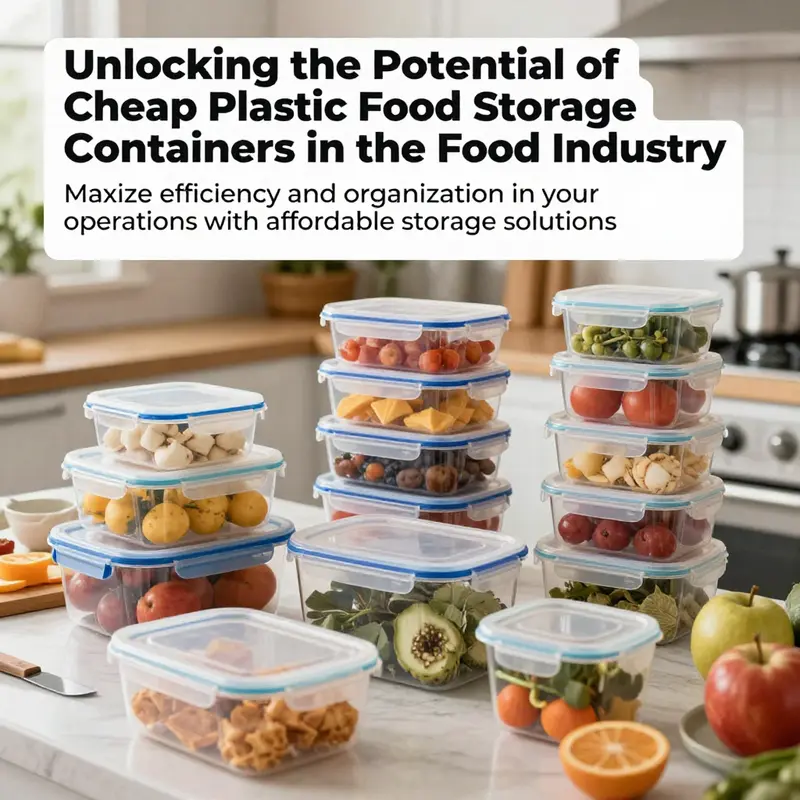
In the competitive realm of food and beverage services, efficiency and organization are paramount. Cheap plastic food storage containers offer an appealing solution that meets the demands of bubble tea shops, restaurants, food trucks, and catering services. These versatile containers not only help maintain food safety but also enhance operational workflow. This article delves into the material characteristics and technical standards that make these containers reliable, explores their multifunctionality across various applications, and discusses market trends that guide informed purchasing decisions.
从PP到合规:低成本塑料食品储存容器的材料特性与技术标准的全景解读
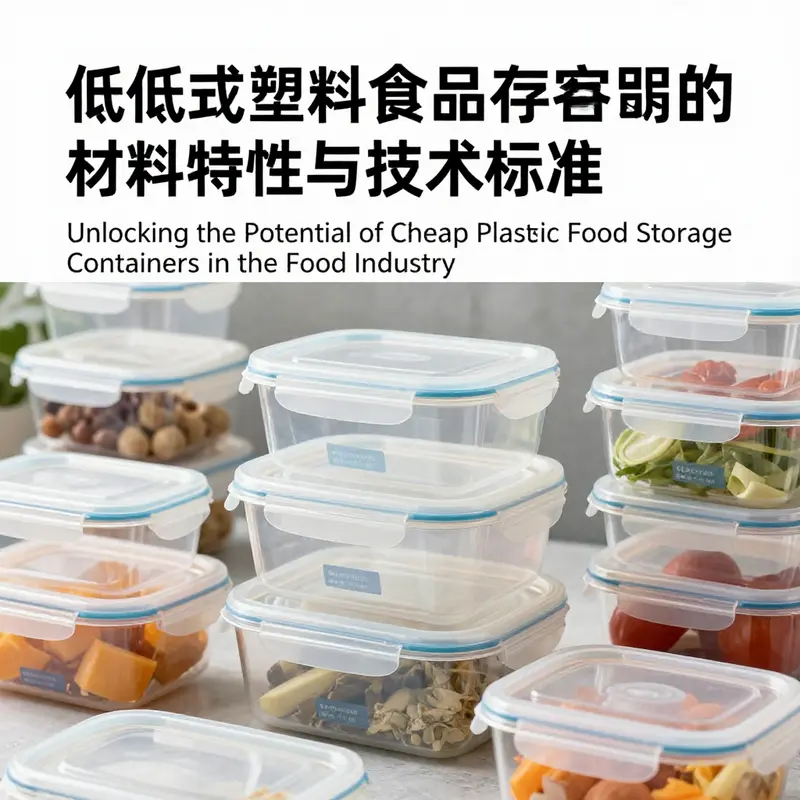
聚丙烯(PP)在低成本食品储存容器中的广泛使用,源自它在成本、性能与安全之间达到的平衡。作为一种极易加工的热塑性聚合物,PP兼具耐热、耐化学性和良好的机械强度,使得日常厨房与商业环境中的储存需求得以高效满足。其核心优势在于耐热性这一特征:PP的熔点大多落在164~176℃之间,允许材料在高温下保持结构稳定。更重要的是,容器在日常使用中的连续使用温度通常可达到120~130℃,短时甚至可承受更高温度。这一特性使得 PP 容器不仅适用于冷藏、冷冻环境,还能在标注有微波炉加热图标的前提下进行加热处理,显著提升使用便利性与安全性。与之相关的还有其低密度和良好的韧性。PP的密度约为0.90~0.92 g/cm³,使得容器重量轻,搬运与分装成本低。更关键的是,PP在室温下对大多数化学介质呈现良好稳定性,只有强酸、强碱及某些高度浓缩的溶剂才可能对其造成攻击性影响,这为食品安全提供了重要缓冲。基于以上特性,食品级PP成为许多低成本容器的首选材料,尤其是那些需要在微波炉、冷藏甚至短时间高温处理之间切换的场景。对于消费者而言,合格的PP容器应具备无细胞毒性,并符合严格的食品接触材料标准,这些标准通常来自美国FDA、欧盟LFGB等区域性法规的框架。正因如此,回收标识中的“5”号象征意义才显得尤为重要——它通常指示聚丙烯材质,并经常与食品接触安全性联系在一起。与此同时,PP材料还具备良好的化学稳定性,能有效地抑制食物中的酸、油脂与碱性成分对材料的迁移风险,减少对食品口味与安全性的干扰。以此为基础,厂商在制造过程中会对PP进行分子改性或添加抗氧化剂、抗冲击剂等辅料,以提升耐用性和使用寿命,同时确保其在常见清洗方式下的耐久性。就标准与认证而言,符合FDA 21 CFR 177.1520等食品接触材料标准的PP,被广泛视为“可安全用于食品接触”的基础材料。此类合规性不仅代表对消费者负责,也体现了制造商在质量控制、风险评估与持续改进方面的承诺。作为同类材料的对比,聚乙烯(PE)在低温耐受性方面的优势明显,但耐热性通常不及PP,且在高温环境中的形变风险较高,因此在需要耐高温的容器场景中,PP往往更加胜任。聚对苯二甲酸乙二醇酯(PET)以透明度和气密性见长,常用于展示型包装,若涉及高温密封或微波加热,PET 的性能就显得不足,因此在成本与功能的权衡中,PP通常更具通用性与经济性。对企业级采购来说,成本并非单一因素,综合考虑材料本身的性能、适用温度范围、操作简便性以及长期使用中的安全性,PP往往成为最平衡的选择。对于实际应用,标准化的标签与认证是重要的信号。消费者在选购时应关注底部标记、密封结构和产品说明书中的加热指示,以及是否有明确的食品接触材料认证标志。需要强调的是,食品安全不仅来自材料本身,更来自加工过程、清洗与维护方式以及使用场景的匹配。对生产端而言,合规并非一次性任务,而是贯穿设计、材料选择、注塑工艺、成品测试、包装和售后服务的全链条管理。只有在材料、工艺和使用条件三者之间建立清晰的边界,低成本容器才能在保证经济性的同时,维持稳定的安全标准。为了帮助消费者在购买时快速识别,清晰的标识系统至关重要。例如,底部的回收标识中若出现“5”的数字,往往指示PP材质;若产品上同时标注“PP”字样或“Polypropylene”,则为进一步的材料确认信号。再辅以微波炉使用图标、不可用于微波的警示,以及总迁移量与特定迁移量的标准说明,消费者能够更自信地进行选择与使用。与此同时,行业标准也在不断演化。全球范围内,食品接触材料的法规趋向更加严格,关注点从单纯的“材料安全”扩展到“全生命周期的风险管理”,包括从原材料采购、加工到最终废弃物的回收再利用等环节的合规性。这些趋势对低成本容器提出了新的要求:在保持低成本的同时,提升材料的一致性、可追溯性和 recyclability(可回收性)。这并不意味着牺牲性能,相反,是将成本结构向长期使用与循环利用转型的契机。除了PP,市场中也存在PE与PET等材料的替代与组合应用场景。PE以其无毒、无味、耐低温的特性适合柔性包装与低温储存,但在高温和反复清洗场景中,耐热性不足常成为局限。PET在透明度与显示性方面具有天然优势,适合需要清晰视觉呈现的容器或容器内部物料需要可见时,但其耐热性不及PP,且成本更高,通常用于冷饮容器或一次性外观导向型包装。对企业而言,材料的选择不仅要看单一参数,更要结合产品生命周期的成本、回收处理以及法规变动的风险。正因为此,本文在讨论材料特性时,强调“全景式”视角,即从热性、化学稳定性、物理强度、重量与外观,到认证、标签、清洗与再利用等全链条因素,构建一个关于低成本塑料食品储存容器的综合画像。为了帮助读者在信息海洋中辨识方向,本文也提供一个简明的识别框架:首先确认是否为食品级材料,是否有FDA、LFGB等认证标记;其次核对底部标识与图示,尤其是5号标识与是否有微波炉使用指示;再次关注容器的密封性与盖扣结构,是否具备防漏设计,以及是否适合清洗与重复使用;最后考虑具体场景需求,如是否需要耐高温加热、是否需要耐酸碱、是否需要堆叠与节省空间等。对消费者而言,理解材料与标准背后的逻辑,能帮助他们在日常购买中做出更有信息含量的判断,也能在家庭厨房的日常使用中延长容器的寿命,降低换新頻率,从而在经济性与安全性之间达到更好的平衡。与此同时,行业要不断提升信息透明度,企业需要通过公开的测试报告、认证证书和清晰的使用指南,来降低消费者的疑虑,提升品牌信任度。对于正在制定采购策略的企业,这一章节提供的材料特性与标准框架,能作为筛选和验收的基础,帮助他们在成本压力与食品安全之间建立一个明确的边界。相关操作的一个实际应用点是,选择时可通过内部供应链的合规性审查,确保供应商提供的材料符合目标市场的迁移测试和温度要求,并在包装设计阶段就嵌入安全提示与使用边界。将PP作为核心材料并围绕其合规性进行设计与采购,不仅是降低初始成本的有效路径,也是确保长期安全与稳定供应的关键。最后,本文鼓励读者在掌握材料特性与标准的基础上,把“低成本”理解为在质量、安全与可持续性之间的最佳性价比,而不是对品质的妥协。通过对PP材料特性、替代材料的认知、以及主要法规框架的理解,读者可以构建更理性的购买决策,并为未来的厨房和商用环境设定更清晰的安全基线。 相关阅读与参考信息也应该随着法规变化而更新,确保在不同地区、不同场景中的应用始终处于合规与高效之间的最佳状态。 eco-friendly takeout boxes for food packaging
外部参考资源:在食品接触材料的法规框架中,权威机构对迁移量、材料选择与长期安全测试有详尽的规定。请参阅全球性监管要点的最新概览,以便了解不同区域对于食品接触塑料的具体要求与更新趋势。外部资源链接示例: https://www.fda.gov/food/packaging-essentials/food-contact-materials
The Quiet Versatility of Affordable Plastic Food Storage Containers
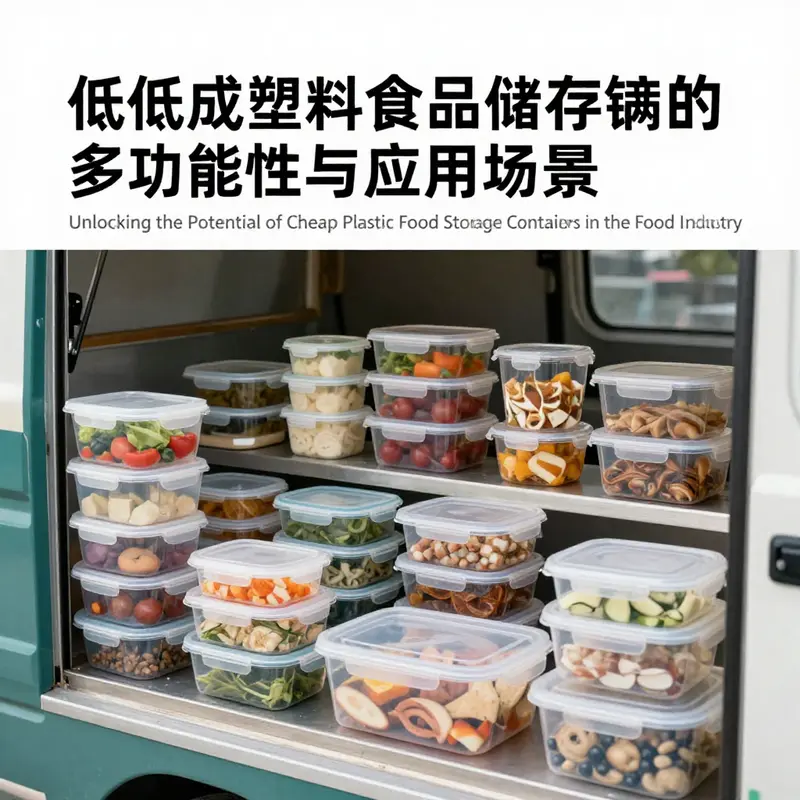
Affordable plastic food storage containers have quietly become one of the most reliable workhorses of modern life. Their appeal lies not in novelty but in practical everyday usefulness: they are lightweight, economical, and readily adaptable to a spectrum of tasks that range from kitchen organization to light-scale logistics. When you examine their core design—food-grade polymers such as polypropylene (PP) or polyethylene terephthalate (PET) chosen for safety, clarity, and resilience—you see a deliberate alignment of material properties with real-world needs. These plastics offer a combination of heat tolerance, chemical stability, and toughness that makes them suitable for processes as simple as refrigerating leftovers and as demanding as reheating a meal or transporting ingredients across town. In short, they bridge convenience and practicality for households and businesses alike.
Materials science underpins much of what makes these containers work so well at scale. PP, one of the most common choices for food contact, is celebrated for its heat resistance and chemical inertia, while PET adds visibility, stiffness, and easy stacking. The transparency of PET facilitates quick inspection of contents and supports a disciplined approach to inventory management. A growing share of products in this class also emphasizes BPA-free formulations, signaling a commitment to minimizing risks associated with chemical migration in heat-exposed or fatty foods. While no single material is perfect, a well-chosen container can offer a favorable balance of performance, safety, and cost when used as intended.
From a functional standpoint, the sealing characteristics of these containers are as important as the materials themselves. A tight seal paired with a robust locking mechanism can extend the freshness window for perishable ingredients and prepared meals. Airtight designs reduce moisture exchange and odor migration, preserving flavors and textures through storage and transport. For households, this means less food waste and more reliable meal planning. For foodservice operations, it means higher customer satisfaction and less risk of leakage during delivery or handling. When a product is marketed as leak-resistant, it often signals smart lip seals, compatible gasket materials, and durable lid closures that endure repeated cycles of washing and microwaving.
In real-world use, these containers demonstrate versatility that helps explain their ubiquity in both homes and businesses. In family kitchens, they simplify meal planning through pre-portioned batch cooking. Reheating directly in the container, when appropriate for the material, streamlines routines and reduces dishwashing time. Clear, stackable designs save space, making small kitchens feel more organized. The availability of microwave-compatible options enables a seamless transition from cooking to reheating without transferring foods to other vessels, reducing cross-contamination risks during busy moments.
In commercial contexts, the same devices scale up in interesting ways. Foodservice operations rely on affordable PP-based containers for hot and cold meals, with designs that optimize speed and reliability in high-turnover environments. A compact, light container that holds steam and heat well can shave minutes off a line, while compartmentalized designs support portion control and visual appeal. Not all containers are designed for the same use case, of course; some are optimized for hot foods, others for dry goods, and others for beverages or layered ingredients. Yet the common thread remains: cost-effective, food-safe packaging that performs across tasks with minimal fuss. In grocery stores and warehouses, nesting or stackable plastic bins and crates enable efficient storage and cleaning, a practical advantage over bulkier alternatives. Reuse and repair options translate into lower operating costs and a smaller environmental footprint when used repeatedly.
The safety framework surrounding these containers is as important as the materials themselves. Food-grade certifications, whether from national authorities or international bodies, signal testing for components that could migrate into foods under normal use. Standards recognized by agencies such as the FDA and European safety offices provide a baseline of reliability. For buyers in retail and healthcare-adjacent spaces, adherence to safety standards is a practical assurance that containers have been evaluated for long-term use, including repeated washing and exposure to different food types. In addition to regulatory compliance, many products emphasize user safety through BPA-free formulations and careful material selection to minimize chemical migration under heat exposure. While no material is perfect, a well-chosen container offers a favorable balance of performance, safety, and cost when used as intended.
A practical dimension of the conversation around cheap plastic storage lies in recognizing when to upgrade or replace. While many units are designed for repeated use, aging plastics can show signs of fatigue. Regular inspection helps maintain safety and storage quality. Replacement decisions, though sometimes financially challenging in bulk purchases, can avert problems later, such as leaks or compromised hygiene. The equilibrium is often found in using the containers for their intended life cycle and recognizing the point at which performance declines enough to warrant new investment. Care practices—hand washing or dishwasher-safe cycles where indicated, avoiding harsh solvents, and ensuring lids and seals dry completely—extend the usefulness of the containers and preserve their appearance and function.
The broader market context also shapes how these containers are chosen and used. In large-scale procurement, price break thresholds—where larger orders reduce per-unit cost—matter for businesses stocking hundreds or thousands of containers. Some suppliers offer customization options, including branding, sizing, and packaging configurations that align with corporate identity and logistic workflows. This flexibility supports a model where cost efficiency and branding work together, enabling franchises and operators to present a consistent, professional image while maintaining tight cost controls. Sustainability considerations are increasingly part of the decision process, with designs intended for multiple reuse cycles, easy cleaning, and recyclability. Reuse, recycling, and waste reduction are integrated with affordability to form a practical balance that informs purchasing decisions.
To help readers make informed choices, consider the following synthesis: verify that the container is designed for food contact and carries recognized safety credentials relevant to your market; assess the intended use—microwave heating, freezer storage, or hot-environment exposure each demand specific tolerances; evaluate the sealing system and lid design for leak resistance; consider cleaning and stacking practicality; and think about lifecycle costs and end-of-life options. Align choices with broader sustainability goals—reusability and potential for recycling can be decisive for conscientious buyers.
For readers curious about practical examples of how principles translate into real-world packaging, many takeout and storage solutions illustrate the balance between cost, performance, and safety. A practical takeaway is that a single container family can serve multiple channels—home use, small cafés, or larger operations—while maintaining consistent quality and a coherent brand experience. The environmental dimension remains important: strategies that favor recyclability, longer reuse cycles, and responsible disposal help reduce waste and improve overall performance. Looking ahead, innovations in resin formulations, lid technology, and manufacturing efficiency are likely to push performance forward while keeping prices accessible. The core promise remains simple and powerful: an affordable, versatile container that can adapt to a wide range of storage, preparation, and transport needs without demanding a premium price.
External resource for further reading: https://www.fda.gov/food/packaging-food-contact-substances-fcs/
低成本塑料食品储存容器的市场脉搏、品质取舍与明智选购之道
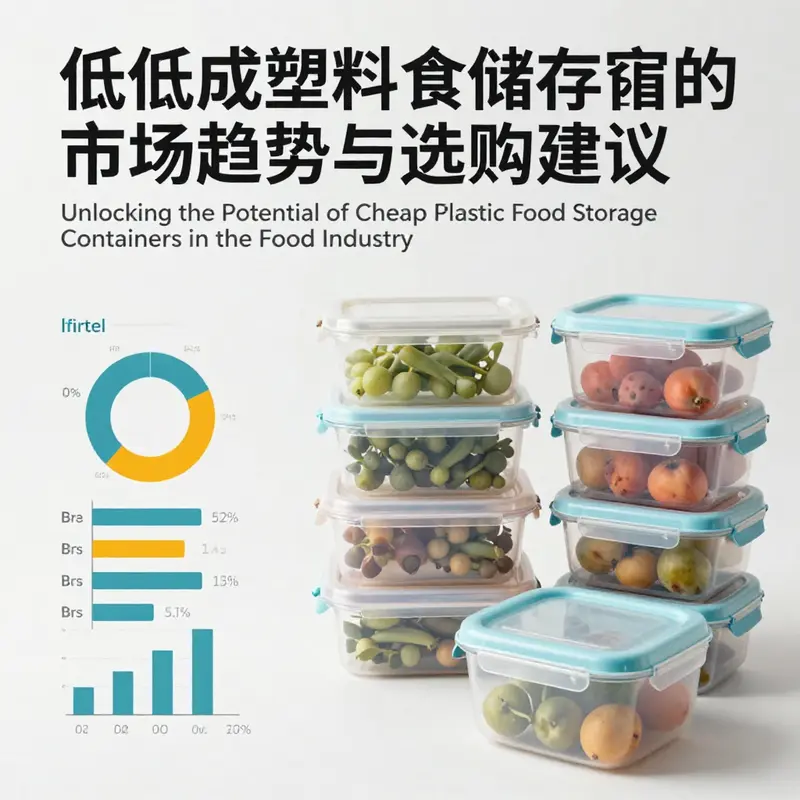
在当今家庭日常、餐饮业与商业运营的交汇处,低成本塑料食品储存容器已经从单纯的价格工具,转变为一个结合安全、功能性和环境责任的综合性消费对象。根据2023至2030年的市场研究,全球塑料食品容器市场规模在2023年已达到约2530.5亿元人民币,预计到2030年将攀升至约3554.9亿元,年复合增长率大约4.5%。这样的增长并非仅来自价格敏感型需求的短期拉动,更源自家庭对保鲜、份量控制与日常备餐效率的持续重视。这一轮变革的核心在于从“只看便宜”的取向,逐步转向“在可接受价格下获得更高价值”的消费理念,其中功能性、耐用性、易清洁性以及更低的全生命周期成本成为关键评估维度。
市场的另一大趋势是环保与智能化的并行推进。欧洲等地区对材料的法规日益严格,推动生物降解与可回收材料在真空保鲜与日常储存容器中的应用比例上升。未来到2030年,使用环保材料的真空保鲜盒类产品市场份额预计将超过40%。与此同时,智能化的端倪也日渐清晰,集成温湿度传感器、智能监测和数据记录的保鲜盒市场年复合增长率预计达到约28.5%。这些趋势共同重塑了“低成本”的含义:未来的低成本不再等同于最低价,而是指在整个生命周期内的成本最低、能耗更低、对环境影响更小的综合性替代方案。
在选购层面,消费者要以安全、合规、功能匹配为核心原则,而不仅仅聚焦价格的低与高。首要的标准是食品接触安全与监管合规。不同地区有不同的认证体系与法规要求。中国市场通常关注符合 GB 4806.7-2016 等相关标准的材料和制品,欧美市场则更强调 FDA 认证或等效的食品接触材料标准,以及在欧洲的 CE 等标识。对材料本身的认识也不能被忽视。食品级塑料常见为聚丙烯(PP)与高密度聚乙烯(HDPE)。PP材料以良好的耐热性著称,适合微波炉加热与洗碗机清洗;HDPE在化学稳定性和耐腐蚀方面表现突出,适用于对化学品容纳量较大或需要耐酸碱性的场景。对那些标签模糊、来源不明或缺乏透明认证的容器,应坚决回避。
随后要关注的,是容器的密封性能、耐用性与清洁便利性。这些功能往往比“看起来很便宜”更决定使用体验和实际保鲜效果。密封性通常来自硅胶密封圈与稳定的锁扣设计;多格分隔或可堆叠的结构,除了提升容纳效率,也能在日常使用中帮助控制食品分区和份量,降低浪费。对易清洗性的关注,意味着要评估壁厚、边角处理以及表面是否平滑无死角,避免细菌残留与色斑渗透。某些高性价比的容器还具备沥水孔、蒸汽阀等附加功能,能够兼容不同类型的食物储存需求,这些细节往往在长期使用中体现出明显的差异。
价格差异在全球市场中仍然显著。国内外同款产品的定价差异可能攀升至近百倍之多,原因涉及品牌定位、物流成本、市场营销策略与目标消费群体的长期价值观。一个极简的现实是,单看单价并不能全面反映性价比。一个设计合理、密封性优良、耐用性高的容器,虽然初期投入略高,但在日常反复使用与清洗成本上通常低于大量频繁更换的低价品。换言之,综合性价比才是决定是否长期受益的关键。
在应用场景方面,低成本塑料储存容器的适用性广泛而灵活。家庭中,它们适合储存谷物、零食、调味品、干货等,既能提升厨房组织性,又便于日常取用与备餐。餐饮与外卖领域,一次性或可重复使用的分格盒在提升出餐效率、减少混乱和清洗负担方面具有显著作用。对于需要定期准备餐食、追求营养均衡的用户,带独立分格的设计尤其受欢迎,因为它方便将不同菜品分区,帮助控制摄入量与口味搭配。此外,容器的可堆叠性、易清洁性和耐用性也直接影响存储空间的利用效率与运输成本。在高需求情境下,合适的密封与分格方案还能有效阻止潮气与虫害的进入,保持干货及面粉类原料的品质。
在选购时,除了材料与认证、密封性与耐用性,消费者也应考虑材料的可重复使用性与回收便利性。环保意识的提升并非仅仅体现在材料的选择,更体现在对全生命周期的关注。某些优质选项可能在表层耐久性与热耐性方面表现出色,若能承受反复清洗和反复加热需求,就能在长期使用中显著降低替换频率和资源浪费。此时,消费者对包装的设计理解也会直接影响使用体验——如堆叠稳定性、锁扣逻辑是否直观,以及边缘是否有锋利处以至于清洗时受伤,这些细节都和日常生活的舒适度挂钩。
在具体购物决策中,本文建议采用三要素评估法:安全合规、功能对齐、以及耐用性与清洁性的综合评估。对于密封性与气密性,硅胶密封圈结合紧固锁扣的组合往往是评估的重点;对于耐用性,关注壁厚、模具加工质量、边角处理和抗黄变性。对于功能性,搜索是否具备可分格、可沥水、可微波/可洗碗等实用元素,并在实际使用场景中判断其必要性。需要强调的是,价格并非越低越好,尤其是在需要长期使用的场景中。一个中等偏高的初始投资,若换来更长的使用周期和更少的替换频率,往往更具经济性。
为了帮助读者在海量信息中做出更明智的选择,以下一个实际案例性线索可供参考:考虑到日常备餐与外带需求,某些“高性价比”产品在密封性、可堆叠性、以及兼容微波炉和洗碗机方面表现突出。这种类型的设计常常成为消费者愿意为其支付溢价的关键点。若你正在评估一个具体型号的容器,请注意核对它是否提供了明确的食品级认证、是否标注了耐热温度、以及在实际使用中是否存在密封圈松动、锁扣变形等潜在问题。
在纵深的选购策略中,我们也可以把目光投向一个更广的视野:社区与企业采购的规模化需求。对于企业客户而言,批量采购的单价优势与品牌标识、定制化尺寸及包装设计的灵活性往往成为降低运营成本的重要途径。但同样需要确保大宗采购的产品在食品安全、材料稳定性与后续回收处理方面具备充分的透明度。企业采购中的一个关键点,是对供货商的材料来源、制造工艺以及合规证书进行尽职调查,避免因材料不合规而导致的风险与成本上升。
在阅读和筛选的过程中,读者也可以通过内部链接进一步了解与储存容器相关的应用与设计理念。具体而言,某些包装盒类产品在提升零售与外带体验方面提供了有益的启发。你可以参考该页面的产品设计思路来理解“如何在低成本前提下实现高效的功能性与用户友好性”的综合办法:pure-color-foldable-cake-boxes-with-window-bakery-boxes-pastry-box-for-cake-chocolates-cupcakes-gift-packaging-paper-boxes。通过对这类包装设计的观察,可以更清晰地把握密封、分格、堆叠与清洗之间的相互影响,从而在实际购买时做出更全面的判断。
在最后的思考中,低成本塑料食品储存容器的市场正在从“谁更便宜”向“谁更具价值”转变。市场驱动的不仅是价格本身,更是对食品安全的信心、对便捷性的追求,以及对环境影响的责任感。消费者应把目光从单纯的价格比对,转向对安全、功能性、耐用性与环保性的综合评估。只有在综合成本与收益上取得平衡,才可能在日益激烈的市场中实现长期的、可持续的使用体验。
外部参考资源:为了进一步理解全球与区域市场的趋势与预测,请参阅下列权威资料,了解更宏观的市场环境与未来走向。 https://www.fortunebusinessinsights.com/industry-reports/plastic-food-storage-containers-market-100352
Final thoughts
Adopting cheap plastic food storage containers not only enhances organization and efficiency but also assures compliance with food safety standards, making them a smart choice for businesses. By understanding their material characteristics, recognizing their multifunctionality, and keeping abreast of market trends, food service entities can make informed decisions that align with their operational needs, ultimately improving service delivery.