
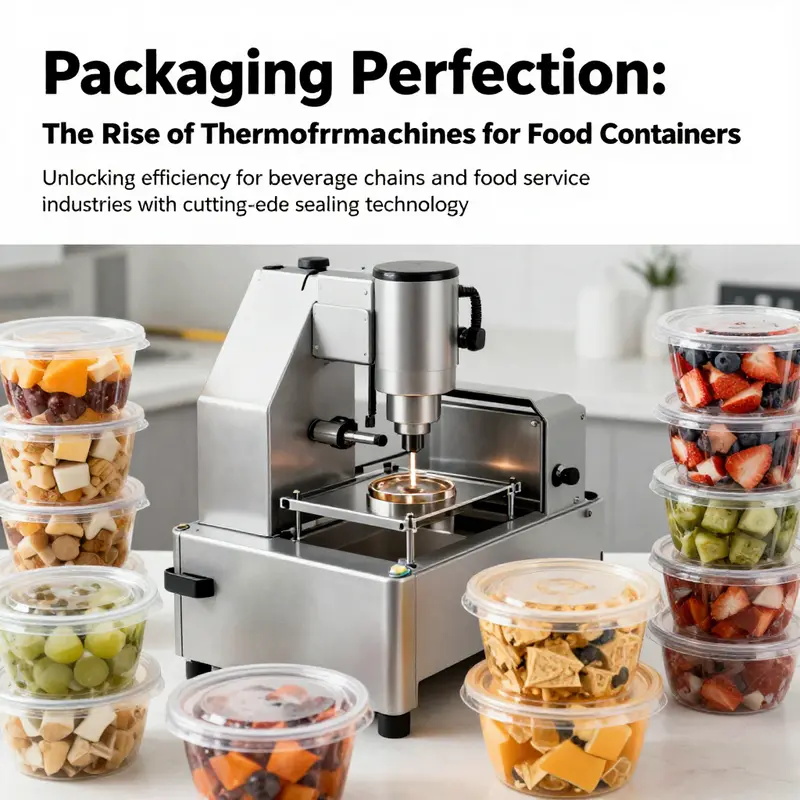
In today’s competitive food service sector, the role of efficient packaging cannot be overstated. The rapid expansion of bubble tea shops, restaurants, food trucks, catering services, and event planners has fueled a growing demand for reliable packing solutions. Central to this discussion is the emergence of China thermoforming machine food containers sealing wholesalers. These wholesalers play a pivotal role in providing innovative food packaging solutions, combining efficiency with compliance to safety standards. This exploration delves into several facets, including an overview of the industry, the technological advancements shaping the landscape, economic impacts, geopolitical considerations, and societal implications related to the adoption of thermoforming technology. With each chapter, we aim to enrich your understanding of how these facets interconnect to enhance the operations of your business.
From Factory Floor to Global Shelf: How China’s Thermoforming Machinery and Sealing Solutions Drive Food-Container Wholesalers
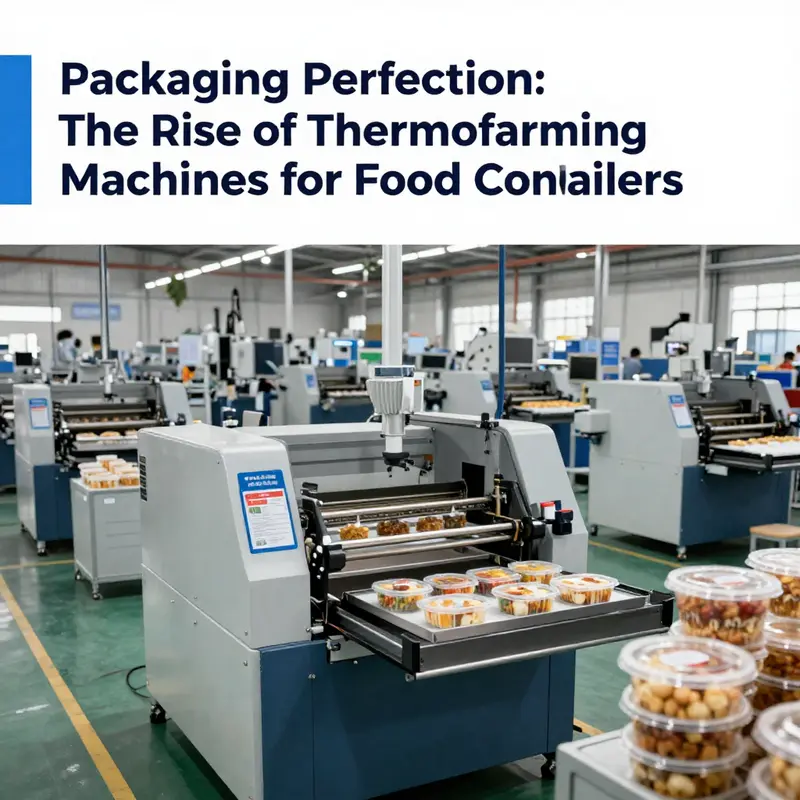
China sits at the center of a vast, tightly woven ecosystem that designs, builds, and ships thermoforming machinery and the sealed food containers that populate kitchens, cafés, and grocery aisles around the world. The story here is not only about machines, but about a complete, evolving supply chain that links raw material suppliers, die makers, automation integrators, and machine OEMs with distributors, contract manufacturers, and global buyers who demand reliability, speed, and sustainability. In this landscape, China’s role is not simply as a factory floor for cheap equipment. It is the hub of a mature plastics packaging cluster that has learned to translate industrial-scale capabilities into flexible solutions for a wide range of food sectors, from ready-to-eat meals to single-use cups and trays. The result is a market with breadth and depth, where a wholesale buyer can, in a single sourcing cycle, obtain a fully automated thermoforming line, an integrated sealing system, and the supporting services needed to keep production running across continents and regulatory regimes.
At the heart of this ecosystem lies a robust plastic packaging industry that has matured alongside the devices that enable it. The core advantage is the proximity of a complete value chain: resin producers, sheet extruders, forming tools, control systems, and downstream converting equipment all sit in close geographic and logistical proximity. This clustering helps reduce lead times, lowers the cost of changes in line configuration, and improves the response time to shifts in demand or regulatory requirements. It also means that a wholesale supplier can offer end-to-end capabilities—ranging from fully automatic thermoforming lines to post-form sealing and cutting—without forcing a buyer to stitch together disparate components from incompatible vendors. In practice, this translates into turnkey solutions that can be scaled from small runs for niche products to high-volume lines for mainstream packaging needs.
From the wholesale perspective, the dominant players tend to be entities that blend manufacturing know-how with technical service and integration expertise. Rather than merely selling a machine, they package an entire automation narrative: a line that starts with material feeding, flows through forming and sealing, and ends with automated quality checks and packaging-ready output. The emphasis on end-to-end capability is driven by a market that prizes consistent yields, low downtime, and predictable maintenance costs. As a result, many suppliers emphasize servo-driven automation, touch-screen PLC control, and intelligent fault-detection features. Such features aren’t cosmetic; they translate into real-world benefits like faster changeovers, tighter tolerances, and the ability to run mixed product lots with minimal manual intervention. The capacity to memory-remember parameter sets also reduces startup variability, a boon for contract manufacturers who must shift rapidly between product lines without sacrificing throughput.
In practice, the equipment categories that wholesalers advance cover a spectrum designed to address current packaging realities. Fully automated thermoforming lines for single-use containers like cups, trays, and clamshells streamline the path from raw film or sheet to finished parts. These lines frequently incorporate vacuum and pressure forming steps, driven by precisely calibrated heating and forming cycles that tune material draw and wall thickness to desired strength and clarity. A key feature often cited by suppliers is material efficiency: advanced forming and sealing strategies can reduce film consumption by substantial margins—up to about forty percent in some configurations—while maintaining hermetic or semi-hermetic seals required for shelf-stable products. For the food sector, where product safety and presentation matter, the sealing stage is as important as forming. High-quality seals not only protect contents but also contribute to heat resistance, aroma retention, and consumer appeal during transport and display.
Another essential category centers on versatile, intelligent sealing systems. Modern lines often combine heating, sealing, cooling, and even in-line defect detection into a single, compact footprint. Some models support multiple sealing modalities, including pulse sealing or ultrasonic sealing, to accommodate a range of packaging films—whether standard sheet materials like HIPS, PET, or PP or more specialized, environmentally friendlier substrates. The ability to handle different materials without sacrificing seal strength or line speed is a defining capability for suppliers aiming at global markets, where regulatory expectations and consumer preferences vary by region.
Beyond the machinery itself, the wholesale narrative frequently includes integrated line options that connect forming and sealing with downstream operations such as filling, capping, and even robotic picking and stacking. The most successful suppliers present themselves as one-stop shops for automation—offering not just the machine but the entire line layout, installer coordination, and after-sales support. The practical upside is clear: less dependence on multiple vendors, simpler logistics, and a clearer path to qualification and validation for food safety standards. The ability to customize lines to fit existing plant footprints, integrate with legacy equipment, or design new production layouts around specific product families demonstrates why many buyers prefer established Chinese suppliers who can back up promises with demonstrable capability.
On the materials front, the market’s evolution toward sustainability influences both equipment design and product output. While traditional packaging remains prevalent, a growing share of demand is for lines that can process eco-friendly or biodegradable films, as well as lines optimized for thinner gauges without compromising barrier properties. This shift pressures suppliers to enhance energy efficiency, reduce waste in trimming and scrap, and implement intelligent monitoring that minimizes downtime and rejects. For wholesalers, this translates into a product development mindset: the ability to adapt existing line configurations to new film technologies, while maintaining a stable, high-throughput operation. The result is a supplier community that can offer equipment with future-ready flexibility rather than a rigid, single-material approach.
From a market dynamics perspective, China’s thermoforming and sealing equipment sector benefits from a steady feed of new entrants and a supervising ecosystem of industry associations, certification bodies, and technical training programs. This environment supports continuous improvement in process stability, safety, and quality management. Buyers across regions—fast-moving consumer goods producers, ready-to-eat meal manufacturers, dairy and beverage companies, and snack food brands—seek equipment that not only delivers speed and consistency but also aligns with stringent food-contact standards. In practice, this means equipment designed for easy cleaning and sanitization, compatibility with traceable materials, and built-in diagnostic features that support ongoing compliance audits.
Procurement decisions in this space are rarely driven by price alone. Purchasers weigh total cost of ownership, including energy consumption, maintenance cycles, spare-part availability, and the supplier’s ability to provide timely on-site service or remote diagnostics. For buyers who need to balance capital expenditure with operating expenses, the promise of a scalable, modular line—one that can be reconfigured to handle new container shapes, sizes, or films—has become particularly compelling. In this context, the role of credible wholesale platforms and verified supplier networks becomes central. Platforms that present supplier profiles, performance records, and verified customer feedback help buyers reduce risk and accelerate qualification programs. For readers seeking to validate sources, a well-curated marketplace can provide the confidence to commit to a supplier with proven capabilities and a track record of uptime and service quality.
As the global appetite for convenient, safe, and sustainable packaging grows, the Chinese market continues to respond with smarter, more energy-efficient machinery and more adaptable packaging solutions. The very nature of this industry is becoming more modular and more integrated, driven by the need to serve varied markets—from Asia to the Americas, Europe to Africa—with a consistent standard of performance. Wholesalers that can couple a robust equipment lineup with responsive service, clear installation roadmaps, and predictable maintenance schedules position themselves to capitalize on both current demand and longer-term transitions toward greener, smarter packaging. In this shifting landscape, knowledge of local regulations, environmental requirements, and consumer expectations remains essential. Suppliers must stay ahead not just in machine hardware but in the ability to translate global standards into practical, plant-level execution.
For buyers navigating sourcing decisions, the path often begins with a structured supplier verification process. A recommended starting point is to consult established platforms that curate supplier data, offer technical specifications, and provide test evidence or factory footage to reassure buyers about capability and reliability. These resources help buyers distinguish between general equipment catalogs and truly capable, integrated lines that can deliver end-to-end automation with measurable performance gains. In parallel, it is prudent to review case studies, seek references from current users, and, where possible, request trial runs or pilot lines that demonstrate waste reduction, fixture integrity, and seal reliability under real production conditions. The combination of strong supplier credentials, flexible engineering, and robust after-sales support creates a foundation for successful partnerships that can endure shifting market demands.
The broader implications for industry players are clear. As the global packaged food market expands, there is an increasing premium on equipment that can balance throughput with quality, safety, and sustainability. The wholesale segment in China embodies this balance, offering a spectrum of capabilities that can be matched to different production scales and product portfolios. The next steps for any buyer involve aligning a supplier’s technical offerings with specific process requirements, validating performance under representative loads, and securing a long-term service plan that minimizes downtime and preserves compliance across regions. In this way, the factory floor in China becomes not just a site of manufacturing but a strategic node in a worldwide supply network that brings consistent, high-quality packaging solutions to tables everywhere.
For readers seeking an overview of supplier landscape and sourcing options, credible platforms can serve as a practical entry point. A widely used starting point is Made-in-China, which provides access to a broad range of thermoforming and food-packaging equipment suppliers, including parameter specifications, factory videos, pricing, and customer feedback. This resource can help buyers curate a short list of qualified vendors and structure a procurement plan that emphasizes reliability, service, and long-term value. External reference: https://www.made-in-china.com/products-search/hot/thermoforming+food+packaging+machine.html. And for those who want to explore packaging solutions aligned with sustainability and consumer-friendly design, a selection of end-use packaging examples—such as eco-friendly takeout boxes for food packaging—illustrates how container design and material choices influence machine configuration and line performance. See an example here: eco-friendly takeout boxes for food packaging.
Precision in Motion: How China’s Thermoforming Seals Are Redefining Global Food Packaging
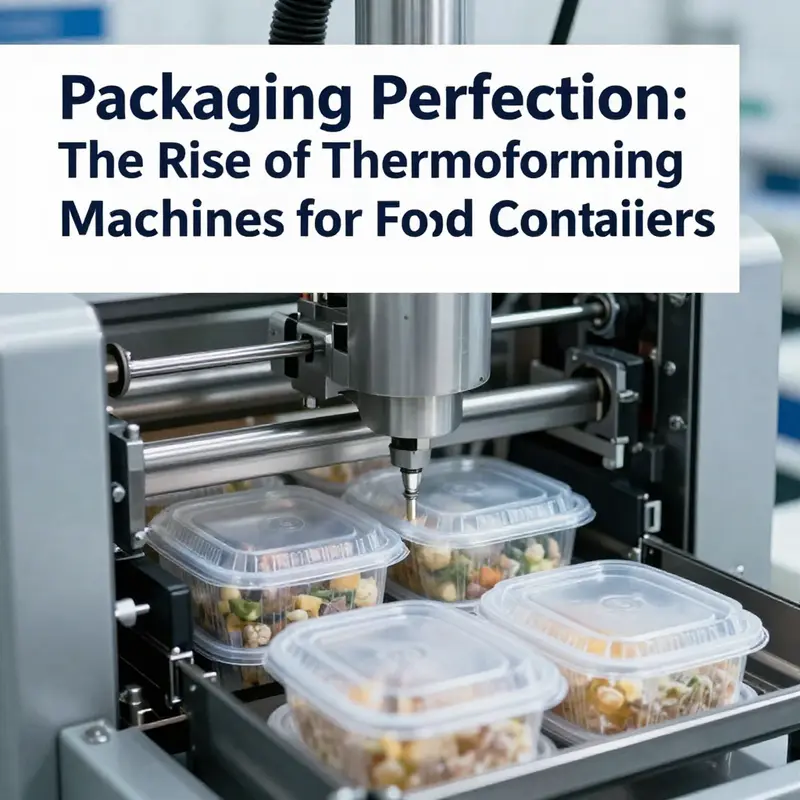
Across the bustling landscape of China’s plastics and packaging machinery sector, the story of thermoforming for food containers and their sealing is one of precision, speed, and sustainability. Wholesale suppliers have steered the evolution from simple, semi-automatic lines to fully integrated factories that couple forming, sealing, and finishing into seamless production ecosystems. This evolution isn’t driven by a single breakthrough but by a continuum of improvements—automation that reduces labor and variability, more consistent process control, and a growing commitment to environmentally responsible materials and designs. Together, these shifts are altering how food packaging is conceived, manufactured, and delivered around the world.
At the core of modern thermoforming operations is a move toward automation that transcends mere speed. Contemporary lines now embrace laminating heating, moving film punching, and fully automated production flows that integrate forming, punching, cutting, and stacking into a single, continuous process. In practice, that means a container begins as a flat sheet or roll stock, is heated to a pliable state, and then is drawn into a mold where shape and wall thickness are defined with high fidelity. The process proceeds through a sequence of forming, punching, cutting, and stacking, all in a tightly controlled sequence that minimizes human intervention. The benefits of this automation are tangible: lower labor costs, reduced handling that can introduce contamination or secondary pollution, and tighter process controls that translate into safer, more uniform products.
The precision of the final containers hinges on the nuanced interplay of vacuum and pressure systems. These systems are not merely about pulling a sheet into a mold; they govern wall thickness, detail, and surface finish. The latest approaches optimize the balance between vacuum strength and forming pressure to ensure that every pocket, every curve, and every rim meets stringent tolerances. In parallel, overlapping heating and cooling cycles are engineered to shave precious seconds from cycle times. When heating and cooling are sequenced so that warming and solidification occur in concert with material flow, throughput climbs without sacrificing quality or safety. That pace matters not just for cost per unit but for the feasibility of meeting the variable demand profiles of global retailers and manufacturers who rely on reliable replenishment.
Sustainability occupies an increasingly prominent position in these discussions. The development of PLA-based thermoforming lines reflects a broader shift in packaging toward biodegradable and compostable options. Suppliers in China are not merely offering equipment to shape traditional plastics; they are presenting capabilities to produce biodegradable containers on a scale and at a cost compatible with mass markets. These systems, often paired with small-scale vacuum forming modules, address demand for environmentally friendlier packaging without compromising barrier performance or structural integrity. The trade-offs in this space are real and carefully managed: while biodegradable formulations can demand adjustments in processing temperatures, dwell times, and mold designs, the payoff is a packaging solution that aligns with growing regulatory and consumer expectations around sustainability.
Beyond bioplastics, the breadth of lines available to processors remains expansive. Chinese manufacturers offer comprehensive production platforms for an array of materials, including PS foam, PET, PVC, and PP. The appeal is not only material compatibility but the ability to tailor an entire line to a customer’s product family. A user might require a stack of options: a foam-based lid-and-container system for hot foods, a rigid PET cup for beverages, or a sealed PP tray for ready-to-eat meals. The capability to switch among these formats on a single site—while maintaining uniform control systems, safety protocols, and quality assurance standards—speaks to a level of manufacturing maturity that has become a hallmark of China’s packaging machinery sector.
From a broader market perspective, China functions as a pivotal hub for plastic packaging machinery. The melding of cost effectiveness with advanced engineering has enabled a gamut of suppliers to provide turnkey or modular lines that can meet international standards for food safety and manufacturing efficiency. The supply chain has matured to accommodate diverse regional needs across Asia, Africa, and Europe, with equipment designed to be flexible yet robust under varying operating conditions. In practice, that means a customer can source an end-to-end system—from roll-to-packed container and sealed finished product—without multiple vendor handoffs, while preserving traceability, quality control, and support structures that help sustain uptime.
At the heart of the sealing stage is a technology that ensures product integrity through the lifecycle of distribution and storage. Sealing is not just about closing a package; it is about creating a reliable barrier against moisture, oxygen, and contaminants while preserving flavor, texture, and appearance. Modern sealing modules are engineered to maintain seal integrity across a spectrum of materials and geometries. They are designed to operate in concert with the forming line so that heat sealing, impulse sealing, or ultrasonic sealing methods—applied to appropriate material combinations—achieve repeatable performance. The result is containers that perform consistently in a variety of conditions, from the brisk climate of a street market to the controlled environments of a refrigerated supply chain. This emphasis on sealing quality is particularly important for single-serve and portion-controlled formats, where even small deviations in seal strength or hermeticity can translate into spoilage or consumer dissatisfaction.
The conversation around productivity and sustainability would be incomplete without acknowledging the market’s demand for versatility. Chinese suppliers have responded by presenting adaptable lines that can handle PS foam systems as well as thermoformed solutions in PET, PVC, and PP. For manufacturers exploring sustainable options, the availability of PLA-based forms introduces a vital pathway toward greener packaging without sacrificing the rigid performance needed for stacking, shipping, and shelf presentation. The capacity to offer both conventional and eco-friendly options within the same family of equipment is a strategic advantage, enabling customers to optimize their portfolios as consumer preferences shift and regulatory frameworks evolve.
In discussing these technological strides, it is important to recognize the broader ecosystem in which these machines operate. The wholesale channel in China often positions these lines as turnkey solutions that integrate with downstream processes—tilting into filling, capping, labeling, and palletizing. The end-to-end compatibility reduces compatibility risk for buyers, especially those seeking to scale up or diversify their product lines across different markets. This integration is not merely a matter of equipment compatibility; it also encompasses software interfaces, data collection for traceability, and energy management systems that monitor and optimize consumption. The synergy between hardware and software within a complete production line is a key enabler of predictable throughput and consistent quality.
For those who follow global packaging trends, the significance of these developments extends beyond the factory floor. The world’s packaged foods market continues to grow, driven by urbanization, convenience, and expanding product corridors in emerging economies. As suppliers in China deliver lines that can rapidly switch between materials and formats, they become strategic partners in a supply chain that values speed, reliability, and responsible stewardship of resources. The wholesale model—where a factory can supply not only individual machines but a complete, scalable production system—helps buyers mitigate risk when entering new markets or expanding capacity to meet seasonal demand. It also aligns with the increasing preference for vendors who can offer post-sales support, spare parts availability, and ongoing optimization services that protect uptime and extend equipment life.
An essential aspect of this ecosystem is the ability to link product design with process capability. The conversion from a concept for a biodegradable container to a fully realized, sealed product on a line is as much a design challenge as it is a manufacturing one. Material handling, mold design, and sealing parameters must converge with precise control algorithms and robust safety protocols. This convergence is where China’s thermoforming and sealing capabilities shine: the capacity to balance high-detail forming with precise, repeatable sealing under a wide range of conditions. It is also where the role of a knowledgeable supplier—one capable of offering design guidance, material recommendations, and process optimization—becomes indispensable to a customer’s success.
The conversation would be incomplete without a nod to internal and external knowledge resources that help buyers navigate this landscape. For instance, the field often references external technical context on lid and container materials, such as advances in PET lid technologies and related packaging interfaces. Readers seeking deeper insight into material innovations can consult external resources that discuss the latest in plastic lid design and compatibility with thermoforming systems. For a broader technical view, one such resource highlights technology for PET lid and food container applications, offering a technical backdrop to the choices manufacturers face when selecting sealing approaches and material combinations. This kind of resource complements the hands-on capabilities described above and provides a framework for evaluating long-term sustainability and performance.
Within the broader web ecosystem, relevant internal references can also enrich understanding. For example, one widely visited packaging site features discussions and product ranges surrounding eco-friendly takeout packaging and disposable container systems. While the exact product configurations evolve, the central themes—durability, food safety, and environmental performance—remain constant. Linking to practical examples, such as an article about eco-friendly disposable 3-compartment packaging boxes, helps readers connect the technology to real-world applications and procurement considerations. Such internal links can serve as practical illustrations of how modern thermoforming and sealing lines translate into tangible packaging solutions for diverse food formats.
In sum, China’s thermoforming and sealing capabilities for food containers embody a synthesis of precision engineering, automated control, and sustainability consciousness. The integrated lines that move from sheet to sealed container—across materials like PS foam, PET, PVC, PP, and biobased options—demonstrate a capacity to adapt to shifting consumer desires and regulatory landscapes. The wholesale model amplifies these advantages, enabling manufacturers around the world to access advanced equipment, customized process solutions, and dependable support networks. As the global packaging market continues to evolve, these advancements in automation, throughput, and eco-conscious design will likely remain central to how food packaging is produced, sealed, and delivered across continents.
External reference: Advanced technology for plastic PET lid food container
Internal link reference: See this example of eco-friendly packaging solutions in practice: eco-friendly disposable 3-compartment packaging boxes.
null
null
null
null
Sealing the Future: How China’s Thermoforming Machines Reshape Food Containers, Safety, and Society
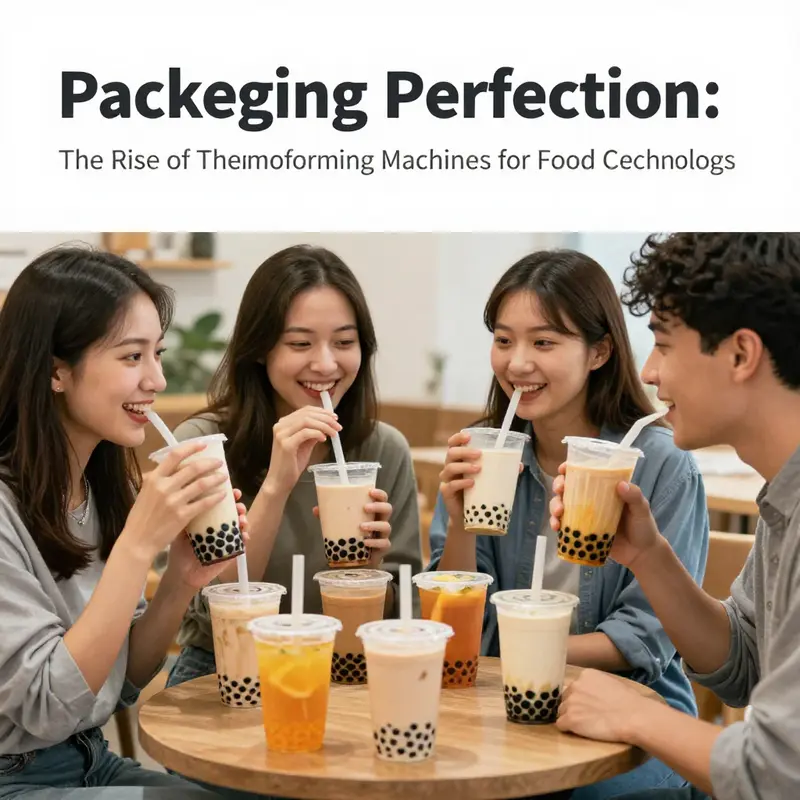
The rise of automated thermoforming in China has quietly rewritten the conversation around how food arrives at the consumer’s table. Behind the factory doors, large-scale lines convert rolls of polymer into lightweight, seal-ready trays, cups, and lidded boxes designed for quick service, hot meals, and ready-to-eat formats. This machinery enables a chain of efficiencies that starts with mass production and ends with distribution that can keep pace with booming urban food cultures. In this setting, the sealing stage is not a minor step but a pivotal moment where integrity, safety, and convenience converge. When a shop or a restaurant orders a new line or upgrades its equipment, the decision is rarely about price alone. It is about the capacity to deliver consistent seals under pressure, maintain hygiene across long production runs, and provide the kind of packaging that respects both the consumer’s expectations and the regulatory framework that governs food-contact materials. The wholesale suppliers in China who offer thermoforming machines and integrated sealing technologies sit at the nexus of these pressures. They are tasked with balancing throughput, reliability, and compliance while also navigating a rapidly evolving landscape of materials science, consumer behavior, and environmental responsibility. As manufacturing ecosystems around the world lean toward modular, scalable packaging lines, the Chinese suppliers’ ability to tailor machines for different container geometries, sealing temperatures, and sterilization compatibility becomes a strategic differentiator. The result is a packaging theater where form meets function at high speed, and the social implications ripple beyond factory floors to kitchens, restaurants, and households everywhere.
Conversations about convenience and hygiene illuminate one striking effect of these technologies. The shift to automated, high-capacity thermoforming lines has lowered the time needed to convert raw polymers into sealed food containers that withstand heat, cold, and handling. In urban centers with dense takeout and delivery ecosystems, this translates into shorter wait times, more predictable order completion, and a calmer workflow for foodservice operators who juggle inventory, staffing, and customer expectations. The sealing process itself—an engineered interaction of heat, pressure, and surface chemistry—plays a decisive role in protecting contents from contamination and maintaining quality during transport. When seals are robust, products resist leaks, odors remain contained, and meals stay closer to their intended temperature. In this sense, the machine’s precision becomes a public health ally, reducing spoilage and safeguarding what is inside each package. As consumer expectations evolve toward resealability and portability, sealing features are increasingly integrated with smart packaging ideas that monitor freshness, signal tamper resistance, and offer convenient handling during delivery. These advances do not simply please the end-user; they influence how retailers design menus, plan logistics, and communicate product safety through packaging itself. The social payoff extends to workers in crowded kitchens and packaging floors. Automation reduces repetitive strain and human error while elevating the need for skilled oversight, diagnostic maintenance, and data-driven quality assurance. In the laboratories and production lines of these wholesale suppliers, deep learning and computer vision begin to accompany traditional seal tests, guiding operators toward more consistent outcomes and enabling deeper traceability for recall readiness and compliance audits. Such integration illustrates a broader trend: technology is not just about speed but about building confidence in the packaging system as a whole.
Yet the same machinery that fuels convenience also highlights pressing environmental tensions. A large share of thermoformed containers used globally remains rooted in non-biodegradable polymers such as polypropylene. In a country that exports and manufactures at scale, the environmental footprint of single-use packaging becomes a salient social concern. The convenience economy thrives on disposables, and the packaging sector must reckon with the consequences of this habit. Industry observers point to a gradual, uneven transition toward more sustainable materials. Bioplastics and bagasse-based composites offer promise, and standards bodies outline criteria that help define end-of-life behavior. Yet widespread adoption hinges on supply chain incentives, regulatory clarity, and consumer acceptance. In particular, the move toward compostable or certified degradable options requires consistent performance under industrial or home composting conditions, reliable supplier certification, and a robust post-consumer waste stream. Each element—material choice, sealing compatibility, processing temperature, and end-of-life management—becomes a thread in a larger tapestry. When a factory in China updates its thermoforming line, it must consider not only output and reliability but also the compatibility of new materials with existing seals. Some substrates demand higher heat or different surface energies to achieve hermetic seals, while others rely on adhesives or heat-sealing layers that interact with recyclability goals. The industry’s thoughts on circularity, therefore, are not ancillary; they shape which lines are viable in the long run and how manufacturers approach supplier relationships and capital investment.
The quality and safety dimension remains a central pillar of social impact. Food safety hinges on the integrity of each seal, and consumer confidence falls quickly when packaging fails. This is why advanced inspection strategies are increasingly seen as essential complements to traditional process controls. Machines are now paired with seal integrity checks that rely on image analysis, acoustic feedback, and even moisture sensors that flag compromised packages before they leave the line. Deep learning-driven QC systems, trained on thousands of seal samples, help weld stability and seam uniformity, detect micro-cracks, and ensure consistent barrier properties. The resulting data feedback informs maintenance schedules and process parameter adjustments in real time, reducing waste and enabling more predictable production. However, these capabilities also introduce disparities in access to advanced technology. Large manufacturers may readily deploy sophisticated QC ecosystems, while smaller producers may lag behind, widening the gap in safety assurances and product consistency. As a society, this raises questions about equity: should access to high-quality packaging technology be a determinant of producer scale, or should policy and industry programs help level the field so that even smaller players can meet robust safety standards?
Regulatory frameworks anchor these debates. In many markets, packaging materials that come into contact with food must meet a constellation of standards and guidelines. The chapter’s research points to widely recognized benchmarks, including material standards and compliance regimes that guide what companies can legally place on the market. While some regions emphasize labeling, others stress migration limits, heat resistance, and compatibility with sterilization processes. The scope of regulation influences supplier behavior: it motivates the design of lines that can adapt to different regulatory environments, and it pushes manufacturers to source compliant resins, adhesives, and barrier layers. For buyers—whether foodservice operators, distributors, or wholesalers—regulatory literacy becomes a practical capability. They must discern which facilities and equipment configurations can consistently yield packages that comply across markets and which partnerships offer robust traceability from resin supplier to end user. The practical challenge lies in translating these standards into production realities without sacrificing throughput or inflating costs. In this sense, the responsible supplier is not merely a vendor of machinery; they are a partner in risk management, quality assurance, and long-term sustainability.
The social implications of China’s thermoforming and sealing technologies, thus, are not merely about faster packaging or more convenient meals. They touch on environmental stewardship, equity of access to advanced manufacturing, and the reliability of safety guarantees that protect public health. The wholesale landscape—where manufacturers, equipment builders, and service providers converge—becomes a laboratory for testing new materials, process innovations, and business models that align profit with responsibility. The path forward is not a straight line: it traverses material science breakthroughs, regulatory clarity, and the emergence of closed-loop systems that reclaim packaging after use. Policy signaling, supplier accountability, and investment in eco-friendly materials will together determine whether the social benefits keep pace with the conveniences that modern packaging promises. In this fragile balance, the industry’s ability to innovate responsibly will shape not only the efficiency of the supply chain but the everyday experience of millions who rely on packaged foods for sustenance, convenience, and safety.
Final thoughts
Understanding the dynamics of China thermoforming machine food containers sealing wholesalers is crucial for beverage chains, food trucks, and other food service businesses. By capitalizing on the technological advancements and recognizing the economic, geopolitical, and societal influences, entities in the food sector can enhance their packaging strategies. As the global packaged food market continues to expand, reliance on efficient and sustainable sealing solutions like those offered by these wholesalers will become increasingly vital, ensuring that your products not only meet consumer expectations but also thrive in a competitive landscape. Embrace these industry changes to elevate your service offerings and operational efficiency.