
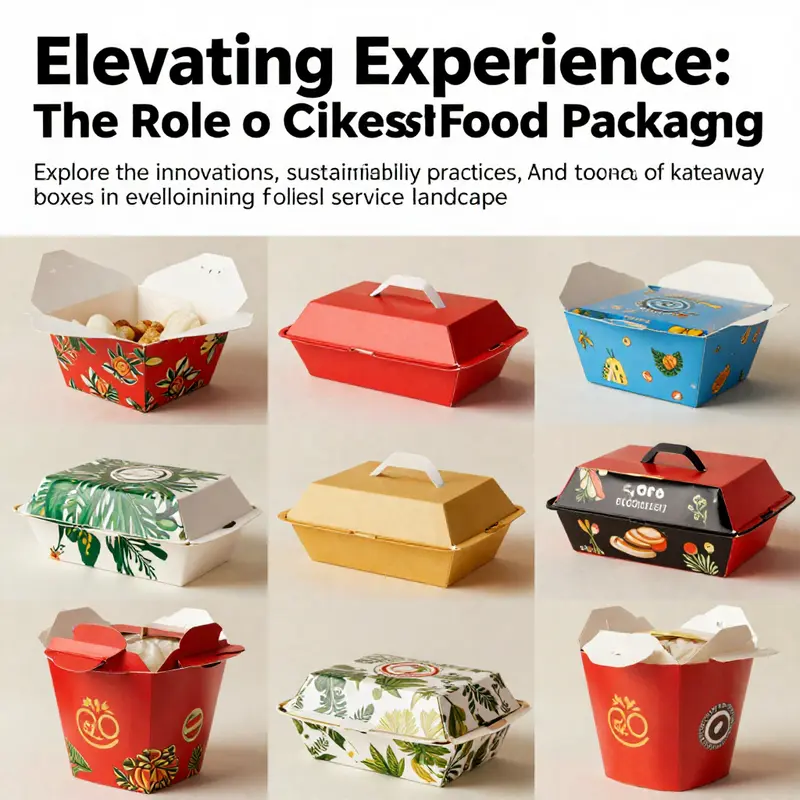
Chinese food takeaway packaging, particularly takeout boxes, has evolved to become more than just practical containers. They play an essential role in delivering exquisite dining experiences, marrying quality restaurant offerings with the convenience demanded by today’s consumers. For businesses from bubble tea shops to food trucks, these boxes are central to logistics, branding, and sustainability efforts. This article dives into innovations shaping takeaway packaging, sustainable practices garnering interest, customization trends that enhance brand visibility, and the economic impact of this thriving industry.
Between Bite and Box: Innovations Redrawing the Terrain of Chinese Takeaway Packaging
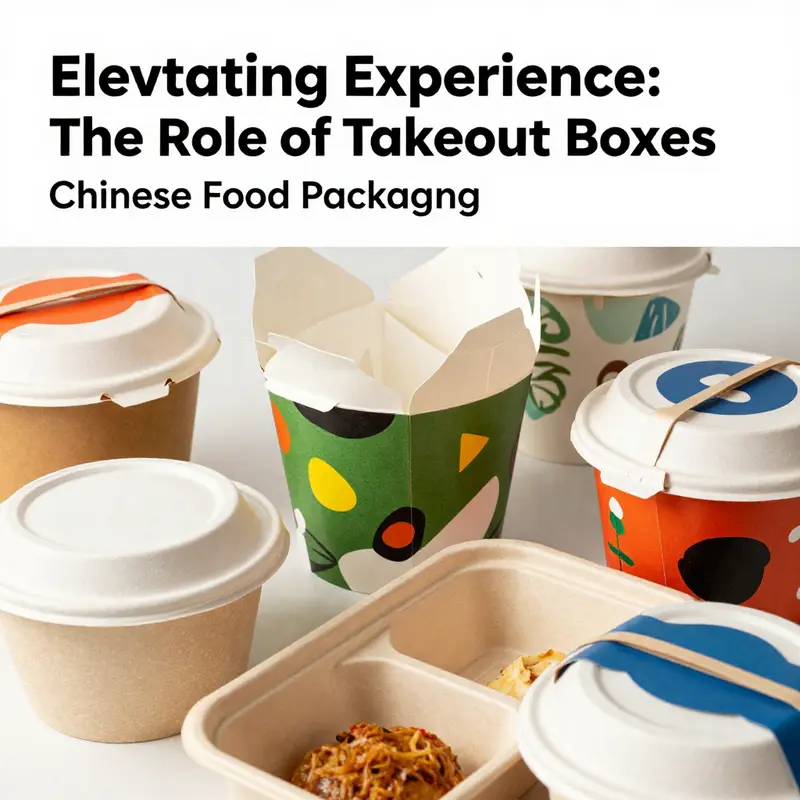
The evolution of Chinese food takeaway packaging is less a story of material novelty than a continuous refinement of how a box can translate a restaurant’s quality into a customer’s doorstep experience. Far from being mere vessels, takeout boxes today act as carriers of aroma, texture, temperature, and brand story, all while meeting the practical demands of fast delivery, shelf stability, and consumer trust. In this light, the modern takeout box emerges as a carefully engineered interface between kitchen craft and consumer convenience. It must keep rice fluffy, sauces contained, and vegetables fresh, all while presenting a clean, brand-aligned image that makes the meal feel special even before the first bite is taken. The shift toward more sophisticated packaging mirrors broader changes in the foodservice landscape: a demand for safe handling, sustainable materials, and a marketing edge that transforms a routine purchase into a memorable moment. The conversation around these boxes now threads through sustainability goals, regulatory compliance, and the logistics of mass production, especially in regions that have built reputations as export hubs for high-volume packaging. In this context, innovations are not isolated experiments but strategic responses to real-world pressures—customer expectations for quality and responsibility, chefs’ need to protect delicate components during transit, and operators’ imperative to differentiate in a crowded market.
A core strand of these innovations concerns materials. Traditional takeout boxes relied on simple paperboard and coatings that offered basic moisture resistance but poor environmental footprints. Contemporary options, by contrast, foreground recyclability and compostability without sacrificing moisture barriers or structural performance. Recycled paper and post-consumer waste fiber provide a pathway to circular economy principles, while cardboard remains a lightweight champion of rigidity and stackability for delivery fleets. Bamboo stands out as a rapidly renewable resource with biodegradability that aligns with higher-end positioning in some menus, especially where the visual language emphasizes natural or artisanal values. At the technological edge, biodegradable plastics and plant-based coatings—paired with barrier technologies—offer robust performance against greasiness and moisture without relying on conventional petroleum-based plastics. The broader regulatory environment reinforces these tendencies as coatings must meet safety standards set by authorities in major markets, ensuring that materials in contact with food stay within accepted limits for migration and performance. The result is a packaging ecosystem that can handle wet sauces, oil-rich components, and even frozen items, while remaining compatible with standard washing streams, composting schemes, or at least recycling protocols depending on local infrastructure.
Design innovations have often drawn inspiration from the kitchen’s own organizational logic. Multi-compartment structures, which separate rice, proteins, and vegetables, have become especially popular for meals that feature multiple textures and sauces. This approach echoes the utility of bento-style configurations, offering a tidy solution to flavor mingling and moisture transfer. By keeping elements physically apart, these boxes preserve the intended mouthfeel of each component and prevent sogginess that can erode a dish’s perceived quality. Internal dividers, precise fit lids, and secure closures all contribute to a more reliable transport experience. The emphasis on compartmentalization also supports a broader range of menu creativity, allowing restaurateurs to curate color contrasts and plating impressions even within the constraints of a takeaway format. Alongside compartments, secure lids and tamper-evident seals have grown in importance as consumer attention to food safety intensifies. A lid that stays firmly in place reduces spill risk during transit and handling, while tamper-evident features reassure customers about the integrity of their meal. This combination of practical security and sensory assurance helps bridge the gap between the restaurant’s presentation and the customer’s unboxing moment.
For items that demand meticulous handling, such as delicate sushi, spring rolls, or premium seafood platters, specialized Chinese-style boxes have adapted from traditional designs to feature tighter closures and internal dividers that minimize movement and moisture buildup. The goal is to preserve a chef’s intended architecture—from the crispness of a fried crust to the sheen of a lacquered sauce that clings to vegetables—across a delivery journey that can include traffic delays and fluctuating ambient temperatures. Speaking of temperature, a growing subset of box designs introduces thermal insulation elements. Insulating layers, and in some cases phase-change materials integrated into the packaging architecture, help maintain heat for longer periods or keep cold dishes cooler during transit. This thermal management translates into a noticeable uplift in consumer experience, ensuring that a hot plate reappears at the consumer’s table with warmth still intact and a cold platter still pleasantly chilled. While these systems add complexity to the box’s geometry and manufacturing requirements, they pay off in the form of higher customer satisfaction, fewer complaints about temperature drift, and better perceived value as meals arrive ready to enjoy.
Branding has become inseparable from packaging innovation. The box is no longer a blank stage for a logo; it is a canvas for narrative, color, texture, and tactility that communicates a restaurant’s ethos before the first mouthful. Customization options—such as UV coatings that catch the light, embossing that adds a tactile element, or matte and gloss lamination to evoke different moods—allow a restaurant to translate its identity into a physical object. Colors, typography, and surface finish become extensions of the menu itself, reinforcing brand recall and loyalty. In practice, this means more than aesthetics; it supports the concept of a complete dining experience that begins at the moment the consumer glances at the box and anticipates what lies inside. A carefully branded container can also function as a post-purchase touchpoint, often reused or repurposed in ways that keep the brand in the consumer’s consciousness long after the meal is finished. The packaging thus evolves into a marketing asset, a tangible ambassador that travels from the kitchen to the customer’s home and back again through social sharing and word-of-mouth. To explore the sustainability and design dimensions of these options, many suppliers now emphasize certifications, coatings, and compatibility with standard compliance frameworks, providing confidence for operators who place large-scale orders and must manage risk across thousands of shipments. eco-friendly takeout boxes for food packaging-stylish containers.
The regional dynamics of production also shape these innovations. China’s manufacturing landscape has become highly specialized in packaging, with particular corridors and hubs developing capabilities that align with high-volume export needs. Guangdong, in particular, has emerged as a powerhouse for scalable production, where suppliers leverage advanced machinery, streamlined logistics, and proximity to raw-material suppliers to push faster lead times and more flexible customization. This regional specialization helps businesses—whether a small local eatery testing a new concept or a large catering operation executing nationwide deliveries—strike a balance among cost, performance, and environmental impact. The ability to tailor box sizes, wall thickness, coating choices, and dividers at scale enables brands to experiment with new designs without sacrificing reliability in distribution. In this context, supply chain dynamics become a design constraint as much as a logistical advantage. The packaging must endure the rigors of last-mile delivery, comply with relevant food-safety standards, and fit within existing kitchen workflows, all while maintaining an appearance that communicates care and quality.
Sustainability sits at the heart of these developments, acting as a guiding constraint and a differentiator. The shift away from non-recyclable plastics toward recyclable kraft, FSC-certified cardboard, and even bamboo-based solutions reflects a broader consumer preference for responsible consumption. Coatings and adhesives are chosen not only for performance but for end-of-life outcomes, with a preference for food-safe, low-migration formulations compatible with FDA and EU standards. The idea is to preserve the integrity and safety of the food while ensuring that the packaging itself can be responsibly managed after use. In business terms, this translates into longer-term cost savings through material efficiency, reduced waste streams, and the potential for a circular-use model that aligns with sustainability certifications demanded by larger B2B buyers. The research landscape points to a growing body of practice and guidance around sustainable materials and design standards, underscoring how packaging decisions intersect with environmental policy, corporate social responsibility, and consumer expectations.
In this ecosystem, customization remains a strategic lever. From a branding perspective, the box offers a distinct platform for expressing a restaurant’s values—whether the emphasis is on tradition, modern minimalism, or playful culinary storytelling. The practical side of customization involves not only logos and colors but also the functional features that support a smooth consumer experience: precise folds that maintain lid alignment, interior dividers that stay in place under movement, and moisture barriers that do not compromise readability of the branding on the exterior. The best options achieve a harmony of form and function: robust enough to withstand the rigors of delivery, refined enough to look premium, and flexible enough to scale across menus and seasonal promotions. These packaging systems also interface with digital ecosystems; QR codes or branding graphics can invite customers to learn more about sourcing, sustainability, or special promotions, further enhancing the box’s value as a cross-channel asset.
For those following the research into materials and design, the literature suggests a trajectory toward more integrated, intelligent packaging solutions. The use of phase-change materials for temperature regulation, combined with modular compartments, hints at a future where a single box can adapt to multiple courses while maintaining the ideal sensory profile. The combination of insulation with moisture barriers is particularly compelling for multi-component meals that include hot proteins, oily sauces, and delicate greens. In practice, this means diners experience consistent quality, regardless of how far the meal travels or how long it sits on a doorstep. The development path also includes ergonomic considerations—handles, fold geometry, and opening mechanics—that reduce user friction and encourage reuse or proper disposal. All these elements contribute to a packaging experience that feels thoughtful and reliable, signaling that a brand treats both its product and its customers with respect.
The journey ahead will likely continue to blend sustainability, performance, and storytelling. While no single material or design will satisfy every restaurant, consumer, and regulatory regime, the current mix offers a versatile palette from which operators can craft packaging that aligns with their culinary philosophy and logistical realities. A key takeaway is that the best innovations in Chinese takeaway packaging do more than protect food; they elevate the entire dining narrative, from the last bite to the first impression, and back again through the consumer’s ongoing relationship with the brand. External knowledge resources continue to expand the conversation, guiding designers toward safer, more recyclable coatings, clearer migration thresholds, and increasingly refined multi-compartment geometries that respond to evolving menus and delivery ecosystems. For researchers and practitioners seeking to deepen their understanding, an accessible synthesis of sustainable materials and design standards provides a valuable reference point. External resource: https://www.mdpi.com/2071-1050/14/18/11793
Greening the Box: How Sustainability Practices Are Redefining Chinese Takeout Packaging from Material Choice to Brand Identity
The takeaway box for Chinese cuisine has long stood as a simple, functional mediator between a chef’s craft and a customer’s moment of enjoyment. Yet as the aroma of fried rice and sesame oil wafts through the marketplace, the box itself has become a site of innovation, accountability, and storytelling. In this phase of rapid change, sustainability is not a peripheral concern but a strategic core. It shapes choices about materials, manufacturing methods, and end-of-life fates while influencing how a brand is perceived, how a kitchen operates, and how the broader foodservice ecosystem adapts to a world with heightened environmental expectations. The evolution can be read in the grain of the paper, the sheen of a coating, and the quiet logic of a production line that seeks to minimize waste without compromising performance. This transformation is neither purely technical nor merely aesthetic; it is a negotiation among safety, sensory experience, cost, and responsibility that increasingly defines what customers receive when they order a Cantonese, Szechuan, or Shanghai-style dish to go.
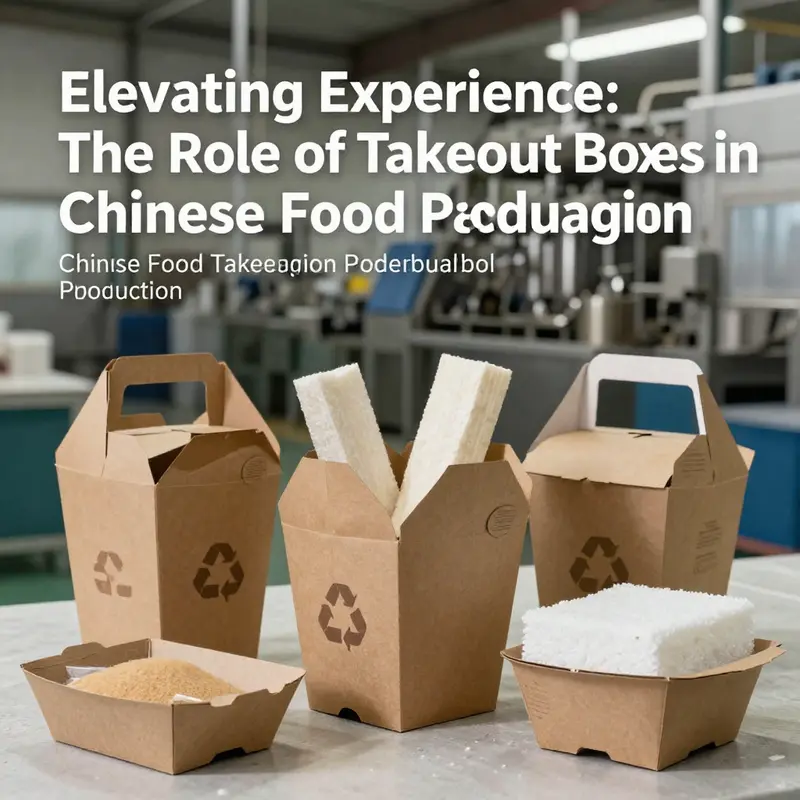
Material shifts lie at the heart of the movement and they reveal a pragmatic optimism about what is possible when innovation aligns with conservation. Bagasse, made from sugarcane pulp, has moved from curiosity to a mainstream option in many Chinese kitchens and packaging facilities. Its compostable nature, strength under heat, and resistance to oily residues make it a natural fit for bowls and boxes that carry hot dishes, sauces, and the kinds of fare that define the regional takeaway landscape. Bagasse also offers a compelling lifecycle proposition: its production can leverage agricultural byproducts, reducing reliance on fossil-fuel driven plastics while opening a pathway to closed-loop or near-closed-loop waste streams where composting infrastructure is available. Alongside bagasse, bamboo packaging emerges as another renewable contender. Bamboo grows rapidly, regenerates with relatively low input, and tends to leave a smaller carbon footprint in production compared with many conventional materials. The combined effect is a packaging suite that can deliver performance – grease resistance, neutral or minimal odor transfer, and structural integrity – without a heavy environmental toll. A growing body of research and industry reporting from the mid-2020s confirms that these materials are not merely greener in theory but economically viable for both small eateries and large-scale operations, challenging traditional cost paradigms that once favored single-use plastics. This alignment of environmental benefit with economic practicality signals a turning point where sustainability is seen as compatible with profitability rather than as an added expense.
The production floor itself has become a site of optimization aimed at reducing waste and conserving resources. In coastal and southern manufacturing hubs, particularly those tied to Guangdong Province’s robust network of box suppliers, the shift toward more efficient processes is evident in several concrete practices. Water-based inks are increasingly preferred to solvent-based inks, addressing worker safety concerns and reducing volatile organic compound emissions. The adoption of closed-loop water systems in some plants demonstrates a commitment to reclaiming and reusing process water, which lowers both water consumption and effluent load. Lightweight design is another hallmark of contemporary packaging development; by stripping unnecessary bulk from takeout boxes and lids, manufacturers reduce material usage and transport emissions without sacrificing strength or heat retention. The 2026 B2B sourcing discourse highlights these attributes – packaging that is sustainable, durable, and visually appealing – underscoring the industry’s dual focus on ecological performance and market aesthetics. The result is a product ecosystem in which a box can deliver a crisp claim of responsibility while standing up to the rigors of bustling kitchens and crowded delivery routes.
The conversation about sustainability would be incomplete without considering the question of reuse. While single-use packaging remains dominant due to hygiene, convenience, and the scale of demand, there is meaningful experimentation with reusable systems. Extruded polystyrene and reusable polypropylene containers present a pathway to drastically lower lifecycle impacts if the necessary infrastructure for collection, cleaning, and redistribution exists. The challenges are real: effective sanitation, reliable return flows, and consumer participation all demand coordinated solutions across city systems and business networks. Yet the logic is persuasive. If a city can organize a viable reuse loop, multiple trips per container can amortize the manufacturing energy and material costs over time, delivering tangible environmental gains relative to single-use alternatives. In a global supply chain that already bears the weight of motors, printers, and logistics networks, even incremental gains in reuse can add resilience to the system and reduce tail-end waste that would otherwise accumulate in landfills or waterways. The strategic calculus, therefore, extends beyond per-unit cost to include risk management, brand stewardship, and long-term resource security. Reusable options also challenge the mindset of packaging as a disposable afterthought and invite brands to explore how their identity can be expressed through durable, multi-use designs that still honor the cultural and culinary richness of regional Chinese cuisines.
The sustainability narrative is not merely about what materials are used but also about how those materials connect with regulatory expectations, consumer values, and global market dynamics. Regulatory pressures around plastic reduction and waste minimization have created an environment that rewards packaging innovations aligned with circular economy principles. In many jurisdictions, standards for food safety, packaging safety, and environmental stewardship intersect; boxes must still perform in hot, oily, or refrigerated conditions, must resist sogginess, and must prevent leakage while being safe for handling by workers and customers. Meeting these criteria while also meeting environmental criteria requires careful selection of coatings, surface treatments, and barrier layers. For example, coatings that comply with FDA and EU standards while allowing compostability or recyclability can change how a brand communicates its commitment to the planet. These choices also influence the sensory experience—the box’s ability to maintain crispness, control moisture migration, and protect the food’s color and aroma during transit. When a company can deliver both a superior eating experience and a credible environmental story, it can cultivate stronger customer loyalty and more durable supplier relationships.
The supply chain backbone enabling this shift is a blend of regional specialization, technology, and certification. Guangdong’s manufacturing ecosystem provides scale, access to advanced equipment, and a high degree of process flexibility. This scale matters because sustainable materials, when sourced responsibly, still require rigorous quality control to ensure consistent performance across thousands of shipments daily. In addition, suppliers increasingly pursue recognized certifications—sometimes referenced in industry guides and supplier directories—as benchmarks of safety, reliability, and environmental responsibility. Such credentials help buyers assess product quality, ensure regulatory compliance, and reduce onboarding risk when evaluating bulk orders. This credibility matters to both small eateries expanding their service and large catering operations that depend on predictable, repeatable packaging performance to safeguard brand standards during peak hours and long-distance deliveries. The net effect is a packaging ecosystem that rewards companies for investing in sustainable materials, clean production processes, and transparent supply chains.
Brand differentiation has become an essential dimension of sustainability in packaging design. Modern boxes are not only carriers of food; they are canvases for communication, storytelling, and customer engagement. Suppliers offer an array of customization options – UV coating, embossing, matte or glossy laminations – that allow a restaurant to align its packaging with its broader brand narrative while signaling environmental intent. The visual language of packaging – color choices, texture cues, and tactile finishes – can reinforce the perception that a business respects the planet, without sacrificing the warm familiarity customers associate with their favorite dishes. This integration of form and function – where a box communicates quality and care while performing its protective role – positions packaging as a form of brand advocacy in the crowded takeout marketplace.
From the consumer’s perspective, the impact of sustainable packaging manifests in the entire dining experience. The packaging should preserve the integrity of the food’s heat, moisture, and aroma, while also offering a respectful end-of-life option. Grease resistance and leak proof performance matter because they govern the day’s first impression. Equally important is the sense that the packaging aligns with values the consumer already holds – responsibility, resourcefulness, and respect for workers and communities involved in production. The shift toward sustainability in Chinese takeaway packaging thus operates on multiple levels: it tightens the loop between producer and consumer, strengthens the reliability of supply chains, and elevates the ordinary act of taking food home into an act of mindful consumption.
As this trajectory continues, the industry faces a balancing act among cost, performance, and environmental impact. Bagasse and bamboo, for instance, offer impressive environmental benefits but require careful management of supply chains to ensure constant availability and price stability. Lightweight designs help offset material costs, yet they must not compromise strength or heat performance. Reusable systems promise substantial lifecycle advantages, but rely on investments in infrastructure, incentives for return, and rigorous sanitation standards. The future of Chinese takeaway packaging rests on how well producers and buyers can harmonize these factors with consumer expectations and regulatory realities. When a company can demonstrate that its packaging reduces waste, lowers emissions in transit, and still delights customers with a positive tactile experience, it has moved beyond compliance to leadership.
For readers seeking concrete examples of the broader industry shift, the ongoing conversation around supply chain certifications and responsible sourcing remains central. As materials like bagasse and bamboo gain prominence, the need for transparent documentation – from origin to processing to end of life – becomes more pressing. The literature and industry reports emphasize that the most successful players pursue not only better materials but also better systems: water stewardship, energy efficiency, waste minimization, and circularity integrated into daily production. In practice, this means factories investing in modern filtration, closed-loop cooling, and robust recycling streams; designers acknowledging the full lifecycle of their creations; and restaurant partners selecting packaging that reflects their commitments as much as their culinary talent. The box, after all, is a stage for a narrative about care – care for the eater, for communities, and for the wider world we share.
To conclude this chapter’s exploration without drawing a final curtain, it is worth noting the underlying principle that threads through every practical decision: sustainability in Chinese takeaway packaging is a strategic capability, not a moral obligation alone. It translates into measurable improvements in resource use, safety, and resilience, while also enabling brands to stand out in a crowded market. The packaging industry’s future will likely hinge on how well materials scientists, factory managers, logistics coordinators, and restaurateurs collaborate to align ecological performance with consumer delight. The box that travels from kitchen to doorstep thus becomes a tangible proxy for a wider cultural shift toward stewardship and prudence. For deeper exploration into industry suppliers and certification benchmarks that underpin this shift, readers can consult industry directories and supplier resources that document validated practice and scalable options across regions. As the landscape evolves, the choice of materials, the sophistication of production, and the clarity of a brand’s environmental message will together determine not only the fate of individual takeout orders but the trajectory of sustainable packaging within the Chinese food sector and beyond. See this external resource for broader context and supplier insights: https://www.alibaba.com/packaging-and-printing/paper-packaging/paper-boxes/food-takeaway-packaging-suppliers?src=alibaba/home/top/search&searchKey=sustainable+takeaway+packaging+china. In the meantime, restaurants exploring to deepen their sustainable storytelling can consider linking to practical examples of eco-conscious packaging choices through relevant industry content and supplier showcases, including options that emphasize grease resistance, safety, and recyclability while preserving taste and presentation. For readers seeking a direct example of an eco-friendly packaging option that works across various cuisines, an internal reference point can be found in the broader ecosystem of sustainable packaging offerings, such as those highlighted in industry product collections that focus on safe, microwave-ready, and grease-resistant designs. This approach helps bridge the gap between material science and everyday dining, reminding us that every box is an opportunity to demonstrate responsibility and care without compromising the joy of a well-prepared meal.
From Mobile Billboards to Sustainable Craft: The Transformation of Chinese Takeout Packaging Through Customization
The journey of Chinese takeout packaging has shifted from simple containment to a carefully choreographed extension of a brand’s story. In an age where a customer’s experience begins the moment the order is placed and continues through the moment the bag is opened, packaging has become a strategic touchpoint. The modern takeout box is no longer a neutral vessel; it is a platform for identity, reliability, and expectation management. Through customization, restaurants transform a routine delivery into a memorable moment, a small but consequential stage on which branding, usability, and sustainability converge. This evolution is driven not only by the surge in online ordering and heightened consumer expectations but also by a tightening web of regulatory standards that demand safer, more responsible materials. The result is an ecosystem where form and function are inseparable, where the visual language communicates a brand’s promise, and where the packaging itself contributes to the overall dining experience without compromising safety or convenience.
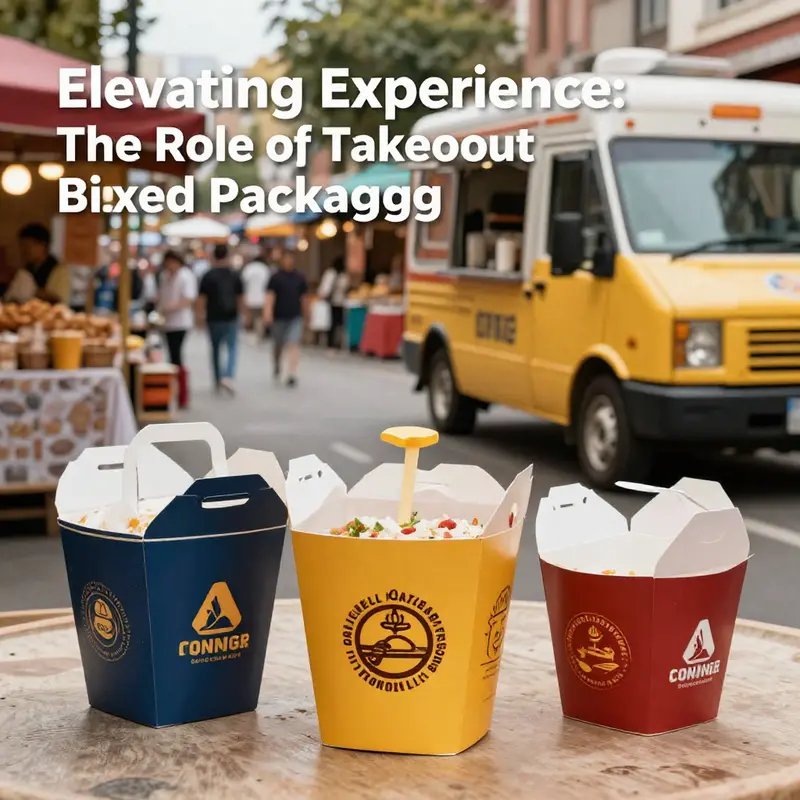
Brand identity and visual customization have become central to how a takeout brand feels in the consumer’s hands. What once might have been a generic brown box or a plain white sleeve now reads as a mobile storefront. Brands seek to translate their personality into color schemes, typography, and layouts that travel with the meal. The packaging becomes a canvas for storytelling, where vintage motifs evoke tradition, minimalist palettes signal premium quality, and playful illustrations communicate contemporary, trend-forward concepts. This shift is not only about aesthetics; it is about consistency and trust. When every packaging element—bags, boxes, sleeves, and dividers—speaks the same visual language, the customer experiences a cohesive and professional brand narrative from the moment the order is placed to the moment it lands on the doorstep. In practice, this means suppliers offer bespoke design services and scalable printing options that can align with a brand’s VI (visual identity) across multiple formats. A single color scheme or logo treatment across containers and bags helps reinforce recognition, even in a crowded delivery landscape where a quick glance determines whether the contents belong to that particular restaurant.
Equally important is the social amplification that comes with distinctive packaging. In social feeds, a well-crafted, share-worthy design can become a form of user-generated content long after the meal is enjoyed. When customers post photos of a hand-drawn kraft bag, an embossed lid, or a cleverly labeled container, the brand gains exposure beyond the original order. The impact is not merely aesthetic; it’s economic. Organic reach through visually compelling packaging lowers customer acquisition costs and creates a rhythm of online engagement that complements promotions and loyalty programs. To achieve this, many operators collaborate with packaging partners that offer flexible customization services, including the seamless integration of logos, color psychology, and consistent material finishes. The aim is not to chase trendiness but to establish a durable visual language that remains legible and appealing across seasons and digital platforms.
A critical component of visual customization is the careful alignment of packaging with the brand’s voice. For traditional cuisines, a vintage or artisanal look can reinforce perceived authenticity, while for contemporary, fusion, or themed concepts, sharper lines and bolder color blocks can signal innovation. The nuances matter. Even small choices—like the thickness of a lid’s lip, the contrast between ink and paper, or the texture of a sleeve—contribute to a consumer’s impression of quality and care. In this light, packaging becomes a storytelling instrument, one that communicates not only what is inside but how the brand thinks about service, hygiene, and value.
Beyond appearance, functional customization has grown to address real-world delivery challenges. The takeaway journey presents a series of pressure points: condensation in bags, moisture transfer between components, and the risk of leaks or spills during transit. Custom designs address these issues with a blend of structure and material science. For example, compartmentalized boxes preserve the integrity of multi-component meals by keeping rice, proteins, and vegetables separate, preventing unintended mixing of flavors and textures. Breathable designs help manage humidity in items like fresh-bried offerings or steam-laden parcels, reducing sogginess and preserving mouthfeel. Internal dividers and reinforced corners prevent movement that could ruin presentation or cause tipping hazards. The choice of coating, moisture resistance, and even ink formulations are calibrated to maintain performance when faced with oily sauces, sauces, and sauces—without compromising safety or labeling clarity.
A notable challenge in functional customization is achieving genuine leak resistance while maintaining a light and stackable form. Innovative packaging concepts focus on double-seal mechanisms, optimized lid geometries, and smart seam designs that work in concert with recyclable or compostable materials. In many cases, the target is a leak-proof rate approaching near-total reliability, a standard that speaks directly to customer trust. Advances in coatings and barrier technologies enable these performance gains while still meeting regulatory requirements for food safety. The outcome is a packaging system that protects the meal during hours of transit and also simplifies the consumer’s post-delivery experience, such as reducing the need for excessive cleaning or awkward handling at home.
The industry’s momentum toward sustainability is closely tied to customization efforts. As consumer awareness and regulatory expectations rise, brands turn to eco-friendly materials that perform under pressure and still align with brand aesthetics. Recyclable kraft and other fiber-based options have gained traction for their natural textures and premium feel. The conversation extends to coatings and finishes that meet safety standards while enabling recyclability or compostability. Vendors now offer a spectrum of coatings—some water-based, some bio-based—that resist moisture and oil yet shed cleanly in recycling streams. The material choice is never isolated from brand strategy; it signals environmental priorities to customers and positions the brand within a broader sustainability narrative. Importantly, the supplier ecosystem is increasingly oriented toward transparency, with certifications and lifecycle data that help brands communicate environmental performance to both regulators and guests.
The supply chain is a vital partner in enabling customization at scale. Modern takeout packaging hinges on an integrated, responsive network rather than a set of isolated suppliers. The most successful brands partner with packaging providers that function as full-service collaborators, offering not only manufacturing but also visual identity adaptation, warehousing, and logistics support. This “one-stop” approach reduces lead times, consolidates quality controls, and aligns packaging outcomes with broader business goals. Co-creation becomes a practical framework: brands and suppliers test concepts, gather market feedback, and iterate designs based on empirical insights. The result is a dynamic, agile development process that can respond to shifts in cuisine style, menu formats, and promotional campaigns without sacrificing consistency or safety.
Agility and scalability are essential in a market where orders range from local daily meals to nationwide rollouts. Suppliers that can accommodate a low minimum order while maintaining speed to market provide a critical backstop for small brands testing the waters, while equally capable production lines support large chains seeking to refresh every regional fleet in step with a new campaign. The capacity to switch materials, adjust coatings, and retool printing without sacrificing quality underpins this adaptability. The Guangdong region, given its manufacturing density and logistical networks, often serves as a focal point for these capabilities, benefiting from economies of scale, skilled labor, and proximity to buyers across the country. The geographic clustering of production resources helps keep costs predictable and delivery timelines reliable, which in turn reinforces brand trust during peak demand periods.
Looking ahead, the frontier of customization seems poised to blend digital interactivity with material science. Intelligent packaging concepts, such as QR codes that link to traceability data or reusable packaging loops that encourage a circular model, hint at a future in which the box is not merely discarded but re-entered into a sustainable lifecycle. Temperature indicators, smart seals, and augmented reality experiences could transform the way customers perceive freshness, safety, and provenance. The circular design paradigm emphasizes reuse, recycling, or composting as standard expectations, aligned with national green development goals and increasingly strict waste-management norms. In practice, this means packaging that anticipates end-of-life handling, with clear guidance and minimal contamination risk. The industry recognizes that the value of customization extends beyond the dining moment to long-term brand equity and environmental stewardship. In this sense, the box becomes a durable asset, a conversational starter, and a measurable contributor to corporate sustainability metrics.
The practical implications for operators are clear. Customization is not merely a decorative preference but a strategic investment in customer satisfaction, operational reliability, and market differentiation. A thoughtfully designed container system supports faster, cleaner handoffs at the point of delivery, reduces the likelihood of food spoilage or leakage, and reinforces a brand’s image as conscientious and customer-centric. It also opens avenues for targeted promotions and seasonal storytelling, where packaging becomes a canvas for limited-time menus or regional specialties. When a customer recognizes the same credible visual language across multiple touchpoints—whether in-store, online, or on a doorstep—the brand’s perceived quality rises. In turn, this can influence repeat purchases, tipping the balance in a competitive landscape where meals arrive in minutes but loyalty is earned over weeks and months of dependable performance.
For readers seeking a practical example of how theory translates into practice, consider how a brand might navigate the balance between aesthetic customization and functional necessity. The design process begins with a clear brief about the cuisine, service style, and target audience. Material selection follows, balancing moisture resistance, heat retention, and recyclability. Visuals are applied with an eye toward legibility and shelf presence, ensuring that essential information—ingredients, allergen statements, and branding—remains readable under various lighting and weather conditions. The packaging prototype then undergoes real-world testing: impact and drop tests, leak simulations, and temperature checks to confirm performance across a typical delivery cycle. Feedback loops from culinary staff, couriers, and customers refine both form and function, tightening the link between the product and the experience. This iterative approach—rooted in data, aligned with sustainability, and guided by brand strategy—produces packaging ecosystems that are at once beautiful, reliable, and responsible.
The broader industry context underscores how customization can drive value across the chain. When brands commit to a cohesive, high-quality packaging experience, they reduce waste by optimizing material use and enabling more efficient logistics. They also cultivate a narrative of care—care for food safety, for the customer’s journey, and for the planet. The packaging becomes a measurable asset, contributing to customer lifetime value, reducing negative environmental impact, and supporting compliant operations in an increasingly regulated landscape. In this sense, customization is a catalyst for a more resilient food service model, one that can absorb demand fluctuations, respond to changing consumer preferences, and consistently deliver on brand promises. The best practices emerge not from chasing the newest gimmick but from integrating aesthetic intent with practical performance, supplier collaboration, and a forward-looking view of sustainability.
For brands intrigued by sustainable, customizable packaging options, a representative example of how these ideas cohere can be found in the broader ecosystem of eco-conscious offerings. These packaging options illustrate the practical viability of blending elegant design with robust performance, all while maintaining environmental responsibility. This example is not a one-off; it signals a trend toward packaging that is both visually distinctive and functionally superior. It demonstrates how the market is aligning around options that can be tailored to cuisine, service style, and brand narrative without sacrificing safety or efficiency. As consumer expectations continue to evolve, the packaging narrative will likely become even more intricate, weaving together materials science, design literacy, supply-chain agility, and regulatory foresight into a single, coherent strategy. The most successful operators will be those who view the box as an asset—not merely a container—and who invest in the people, processes, and partnerships that deliver a consistently excellent delivery experience.
Internal link reference for further exploration: For brands seeking a practical example of eco-friendly, customizable packaging, see the option highlighting eco-friendly takeout boxes for food packaging. This resource demonstrates how sustainability can be fused with design and performance to deliver packaging that aligns with modern expectations and regulatory standards. Such examples help translate the chapter’s principles into concrete decisions for menu, brand, and operations. And for a broader industry perspective that situates these trends within the global packaging landscape, readers can consult the latest synthesis from the major packaging exhibition coverage, which outlines the evolution toward intelligent and sustainable packaging in a rapidly changing market. FPackAsia 2026 Guangzhou International Fresh Produce & Food Packaging Exhibition provides a comprehensive context for these developments and their implications for Chinese food takeaway packaging across suppliers, brands, and consumers.
External resource for context: FPackAsia 2026 Guangzhou International Fresh Produce & Food Packaging Exhibition. https://www.fpackasia.com/
From Boxed Economy to Global Footprint: The Economic Pulse of Chinese Takeout Packaging
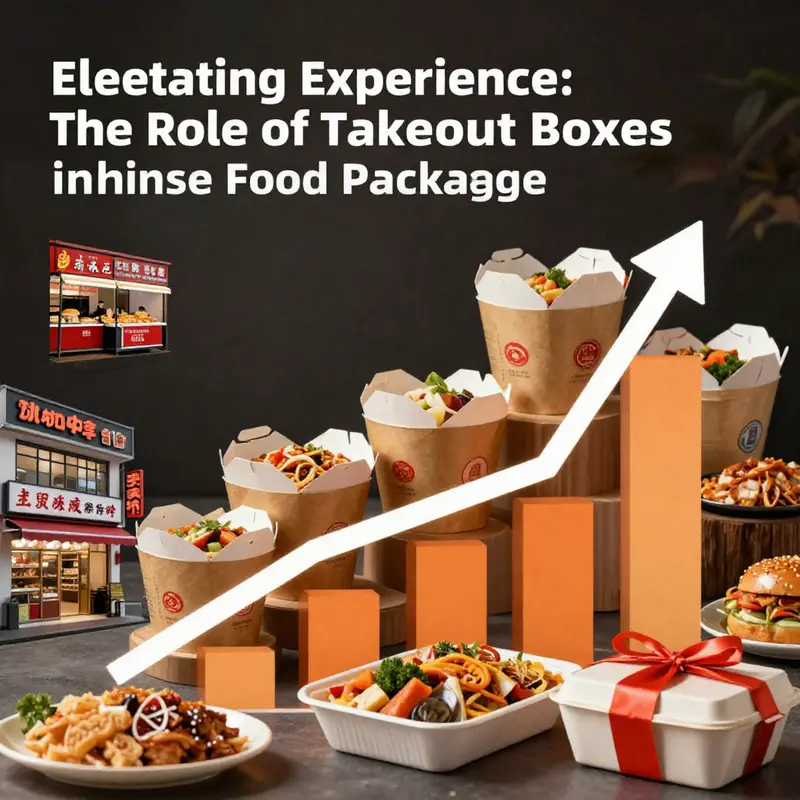
From Boxed Economy to Global Footprint: The Economic Pulse of Chinese Takeout Packaging
The Chinese takeaway packaging industry sits at a crossroads where everyday utility intersects with global logistics, sustainability imperatives, and the economics of scale. It is a sector that quietly moves enormous volumes while shaping the experience of meals consumed far from the point of origin. The economy of the takeout box is not simply a tale of cardboard and coatings; it is a story about manufacturing concentration, world markets, and the evolving expectations of customers who want not only safety and convenience but also responsible stewardship of resources. In this chapter, the economic dynamics of this industry are traced through the arteries of production hubs, supply chains, and policy regimes that together determine cost, speed, and the capacity to adapt to changing consumer preferences. The result is a portrait of an industry that amplifies China’s role as a global supplier while simultaneously negotiating the pressures of sustainability, innovation, and competitive differentiation that define contemporary foodservice at scale.
A central axis of this narrative is the geographic specialization that underpins the sector’s efficiency. Within China, several industrial centers function as integrated ecosystems where everything from raw-material sourcing to high-volume conversion lines coalesces into reliable output. In places like Shanghai, Xiamen, and Dongguan, a dense network of suppliers, manufacturers, and logistics operators coordinates to deliver standardized takeaway boxes at a pace that aligns with the needs of restaurants, meal-kit services, and delivery platforms worldwide. The materials themselves—kraft board, bamboo pulp, sugarcane bagasse, and bioplastics such as PLA—are sourced in ways that reflect both the maturity of domestic supply chains and the appetite of global buyers for materials that can stand up to moisture, oil, and cold-chain demands. This confluence of inputs and converting technologies enables production lines to run at scale, often with semi-automated or fully automated processes that push unit costs down while preserving the uniform quality customers expect when meals traverse tens of thousands of miles.
The scale is not an abstract advantage. It translates into tangible economic outcomes: producers in these hubs can deliver more than a million units per month on bulk orders. For international buyers, that translates into predictable lead times, the ability to hedge against demand spikes, and the capacity to achieve competitive pricing that can sustain margins for both supplier and retailer in a highly price-competitive market. Sea freight logistics, which govern much of the global movement of packaging, typically entail lead times in the range of 20 to 35 days. This window is not merely a logistical detail; it is a strategic parameter that shapes inventory planning, supplier diversification, and risk management. The efficiency of this supply chain—where the timing of a box’s arrival can become a bottleneck or a competitive differentiator—speaks to a mature ecosystem that has evolved around the foodservice sector’s globalization.
Beyond the raw economics of volume and timing lies a broader ecosystem of B2B relationships that sustains this industry. Suppliers do not merely sell standard products; they increasingly offer customization that aligns packaging with a buyer’s brand identity and sustainability commitments. Whether it is moisture resistance, heat tolerance, or a specialized form factor, the ability to tailor packaging at scale is a meaningful value proposition that can translate into higher average order values and longer customer retention. In this sense, the takeaway box becomes more than a container; it is a miniature marketing vehicle capable of carrying logos, color schemes, and messaging that reinforce a restaurant’s brand and values. The capacity to deliver customized solutions, including coatings and internal configurations designed to minimize movement and prevent moisture buildup, reinforces the packaging’s role in preserving meal quality during transit and exchange, which in turn sustains perceived value for consumers who may judge a brand by the condition in which the food arrives.
Sustainability has emerged as a core driver of both product development and market expansion. The economics of eco-friendly packaging are not about sacrifice; they reflect a convergence of cost, consumer demand, and regulatory alignment. Compostable paperboard and bioplastics have moved from niche options to mainstream considerations in supply contracts. Their adoption is shaped by standards and certifications that reassure buyers about safety and performance—FDA 21 CFR compliance and EU regulatory frameworks are often cited benchmarks. The appeal of sustainable materials stems partly from the way they align with the broader shift toward circular economy models and plastic-reduction goals that are increasingly central to the menus and procurement policies of global restaurant brands. While the upfront costs of sustainable coatings and barrier layers can be higher than traditional wax or oil-based finishes, economies of scale and improved waste management can offset these differences over the life cycle of the packaging. In practice, suppliers are bundling performance with environmental credentials—moisture resistance, grease tolerance, and compatibility with cold-chain storage—while offering reusable and recyclable options that help manufacturers meet corporate responsibility targets without compromising speed or reliability.
This sustainability trajectory also carries implications for regional economic development. The shift toward recyclable craft paper, FSC-certified materials, and compostable alternatives has the potential to generate new demand streams across the value chain. For example, better packaging performance and longer shelf stability reduce spoilage, which in turn improves restaurant throughput and customer satisfaction, reinforcing the profitability of delivery-led models. The environmental story is, in this sense, an economic story: consumer willingness to pay a premium for responsible packaging can translate into higher margins for suppliers and distributors who can demonstrate credible end-to-end stewardship—from raw material origin to end-of-life outcomes. The geopolitical and regulatory dimensions of this trend are not incidental but central to the industry’s growth. International standards and safety requirements create a common language that enables cross-border trade, allowing buyers to source at scale from Guangdong’s robust manufacturing fleets while satisfying markets with stringent packaging rules.
Landmark shifts in the sector’s economics are also shaped by the development of highly integrated logistics networks that accompany China’s export prowess. The ability to couple raw-material sourcing with advanced converting technology and efficient containerized transport lowers the total landed cost of the final product. In practice, this means that a standard 26 oz takeout box—an archetype in many restaurant concepts—can move from a factory floor to a restaurant table with minimal friction, even as the global demand for packaged meals continues to rise. This efficiency creates a virtuous loop: lower unit costs encourage more restaurants to adopt standardized packaging, which reinforces demand for bulk production and, in turn, sustains investment in upgrading machinery, quality control, and automation. The result is a self-reinforcing dynamic where scale reduces risk and price volatility, enabling both established brands and emerging players to participate effectively in a market that prizes speed and reliability.
In considering the broader economic impact, it is essential to recognize how these dynamics intersect with branding and consumer perception. The packaging ecosystem has become a platform for differentiation in a crowded market. Customization options—from UV coatings to embossed textures or matte and glossy laminations—allow operators to convey premium positioning or playful branding without changing the central product offering. The packaging’s aesthetic and tactile qualities contribute to the overall dining experience and can influence repeat business, especially in markets where takeout is a major channel. At the same time, the functional demands—grease resistance, microwave safety, hot-delivery performance—remain non-negotiable. The most successful packaging strategies harmonize form and function in a way that supports both brand storytelling and operational efficiency. This dual mandate helps explain why the industry has attracted investment not only from packaging manufacturers but also from technology-driven logistics platforms that optimize inventory, track shipments, and forecast demand with greater precision.
A practical implication of these economic forces is the emergence of robust supplier ecosystems that connect producers, wholesalers, and retailers. Platforms that facilitate bulk purchasing, certification verification, and customization capabilities enable buyers to evaluate options with greater confidence. The result is a more transparent marketplace where purchasers can compare material choices, performance attributes, and regulatory compliance at scale. The availability of certified suppliers across the supply chain—whether for recyclable fiber-based boards, bio-based coatings, or barrier formulations—helps mitigate risk and reduce lead times for large- and small-volume orders alike. This ecosystem resilience is particularly important given the sensitivity of food packaging to regulatory changes and to shifts in consumer expectations about sustainability. When a market segment experiences a surge in demand, the ability to source consistently reliable materials and to scale production without compromising safety becomes the backbone of growth.
The economic narrative is not complete without acknowledging the role of governance and policy signals in shaping industry outcomes. Governments and regulatory bodies influence packaging design through safety standards, labeling requirements, and end-of-life directives. Compliance with international safety standards—such as FDA requirements for contact materials and EU regulations governing migration and packaging waste—constitutes a nontrivial portion of the cost structure, particularly for suppliers seeking to access multiple markets. Yet compliance also opens doors to higher-value opportunities: it reduces product recalls, shortens the onboarding cycle for new customers, and enhances credibility in a marketplace that increasingly prizes traceability and transparency. Consequently, manufacturers invest in quality assurance, third-party testing, and supply-chain mappings that reassure customers about product integrity and environmental performance. In a world where delivery persists as a core growth engine for the foodservice industry, packaging that can be trusted across borders becomes a strategic asset rather than a mere commodity.
The convergence of efficiency, sustainability, and global connectivity has an almost inevitable conclusion: the Chinese takeaway packaging sector remains a critical enabler of the broader global food delivery economy. As more restaurants and meal-kit services expand into new geographies, the demand for standardized, compliant, and well-presented packaging grows in parallel. This is not simply a matter of meeting appetite with a box; it is about delivering a trusted, repeatable experience that preserves the quality of food from kitchen to consumer and, in doing so, sustains the economics of delivery. The industry’s success hinges on balancing cost discipline with the capacity to innovate—whether through better barrier properties, more sustainable materials, or smarter customization that aligns with a restaurant’s brand and a consumer’s values. The result is a supply chain that can absorb fluctuations in demand, adapt to shifting regulatory landscapes, and continue to advance the performance benchmarks that underpin customer satisfaction.
To further explore sourcing strategies and supplier evaluations in this ecosystem, readers may consult industry platforms outlining certified suppliers and their capabilities. For example, one can investigate a broad spectrum of packaging options and sourcing terms that support bulk orders and customization needs. This resource emphasizes the importance of evaluating certifications, material safety, and the ability to deliver at scale while maintaining environmental and regulatory compliance.
In addition, the internal ecosystem of packaging vendors demonstrates how a single product category underpins multiple business models—from standalone restaurants to multinational food-delivery networks. The box is not simply instrumental; it is a strategic asset that can enhance or undermine a brand’s promise depending on its performance in the field. The economic impact, therefore, extends beyond the balance sheet of manufacturers. It touches restaurants’ profitability, the reliability of delivery operations, and the willingness of consumers to choose takeout as a convenient, dependable option. The Chinese takeaway packaging industry, with its dense manufacturing clusters, sophisticated supply chains, and evolving sustainability agenda, has become an invisible but indispensable ballast for a world that eats on the go. Its success demonstrates how a seemingly ordinary object can sustain extraordinary scale, influence global trade patterns, and shape the day-to-day experiences of millions of diners across diverse markets.
For readers who are curious about concrete examples of how packaging intersects with market dynamics, consider the broader sourcing narrative across international markets. The industry’s growth is closely tied to the capacity to deliver standardized products while allowing for brand-specific customization. This balancing act is the engine that keeps boxes moving and meals arriving intact, with a cost structure that can sustain both competitiveness and responsible stewardship. The packaging landscape is thus a telling indicator of how manufacturing maturity, regulatory alignment, and consumer demand converge to produce not merely a product but a reliable, scalable platform for a global dining culture. The strength of China’s packaging sector, then, lies not only in its ability to manufacture at scale but also in its capacity to evolve with buyers’ needs, ensuring that the humble takeaway container remains a robust conduit for quality, safety, and story-telling in a world of expanding food choices.
External resource for deeper considerations on sourcing and market trends: https://www.alibaba.com/showroom/chinese-takeout-boxes.html. This link provides insight into the breadth of supplier capabilities, certifications, and customization options available to buyers seeking scalable packaging solutions for the rapidly expanding takeout economy.
Internal link to related packaging options discussed in industry resources: eco-friendly-disposable-3-compartment-packaging option. This reference illustrates how design innovations align with sustainability goals and brand differentiation, reinforcing the point that modern packaging must perform in transit while communicating a brand story to the consumer.
Final thoughts
The evolution of Chinese food takeaway packaging offers significant insights into consumer behavior, sustainability, and branding. As the industry adapts to new innovations and the growing demand for eco-friendly practices, the takeaway box has emerged not only as a functional item but also as a vital component in marketing and operational efficiency. By aligning packaging solutions with sustainability and customization, businesses can enhance their impact in the competitive food service landscape.