

Chinet clear plastic cups have emerged as an essential choice for beverage-serving establishments, offering a blend of quality and versatility. With user-friendly features and elegant designs, these cups cater to numerous applications—from bubble tea shops and food trucks to corporate events and catering services. This article dives into various aspects of Chinet clear plastic cups that show their relevance and utility in today’s fast-paced service industry. Each chapter will present key features, innovative designs, practical applications, market availability, and sustainability considerations, which together form a comprehensive understanding of how these products can enhance beverage service experiences.
Crystal Clarity, Everyday Sophistication: How Clear Disposable Cups Elevate Event Presentation
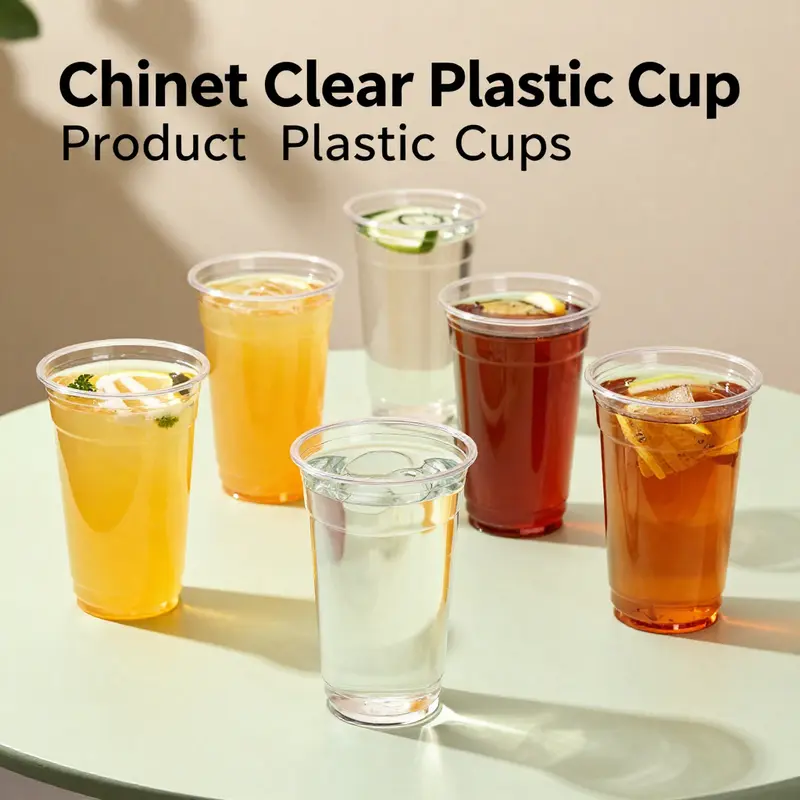
Crystal clarity has a transformative effect on beverages, reframing even familiar drinks as moments of understated elegance. When a line of clear disposable cups is designed with aesthetics and practicality in mind, it becomes more than a serving vessel; it acts as a visual tool that can elevate an event’s tone without adding complexity for the host. A premium clear cup helps guests notice color, texture, and light as it passes through the drink. The goal is subtlety: clarity that supports the moment rather than competing with it.
Size options matter. Two common capacities: nine ounces and ten ounces cover a wide range of beverages and service styles. A nine-ounce cup is ideal for water, iced tea, lemonade, or juice at casual events, meetings, or receptions, keeping tabletops neat while signaling deliberate service. A ten-ounce variant suits cocktails, spritzes, or beverages with ice where a more generous pour is desirable. The small difference in volume translates into a noticeable shift on a tray, a cue that can influence guest perception without complicating logistics.
From a packaging perspective, bulk sets are designed for scale. Common configurations such as 50-count and 150-count packs make it feasible to outfit large venues or multiple events with a cohesive look while maintaining efficient cleanup. The clear exterior blends with any color palette, letting the drink take center stage. The cup’s transparency becomes a neutral backdrop for brand colors or event decor, creating a coordinated table presentation.
Durability is a core requirement. A well-made clear cup should feel substantial in hand, with a thickness and rigidity that resist flexing when picked up or when ice clinks against the sides. A sturdy cup reduces the risk of leaks and spills in high-traffic settings and performs reliably across temperatures, from hot coffee during a social hour to chilled beverages at outdoor events.
Aesthetics extend beyond perfect clarity. Subtle texturing or a light swirl can catch the light and add a touch of sophistication without adding production complexity. These details contribute to table presence and can help set a refined tone while remaining unobtrusive to service staff. When paired with complementary plates, napkins, and utensils, the cups help create a cohesive, thoughtfully planned look.
Sustainability and practical disposal are key considerations in modern planning. When integrated into a well-designed waste program, disposables can offer speed, hygiene, and convenience without encouraging excess. The emphasis is on responsible usage, recycling where available, and thoughtful end-of-life handling that aligns with event budgets and timelines.
Branding and customization are increasingly common for corporate and themed events. Some providers offer logo or message customization on cups, enabling a consistent brand experience across cups and tabletop elements. The result is a unified aesthetic and a subtle, portable canvas for event identity that does not compromise the core function of a disposable cup.
Ultimately, clear disposable cups function as a scalable element of event design. They deliver a dependable vessel for beverages, a consistent aesthetic across tables, and the convenience that planners rely on to keep service flowing smoothly. When chosen with attention to weight, clarity, and fit with overall tableware, they help make an event feel well planned, polished, and guest-focused.
Crystal-Clear Conveniences: How Clear Disposable Cups Elevate Modern Gatherings

A clear disposable cup is more than a vessel for liquid; it is a transparent stage on which color, fragrance, and mood perform. In contemporary entertaining, the choice of glassware often signals intent as much as it serves function. The crystal-clear cup, with its understated elegance and practical edge, offers a rare blend of visual clarity and everyday convenience. When light streams through the cup, it does more than hold a drink. It frames the hue of the beverage, intensifying the ruby of a glass of juice, the pale gold of a sparkling wine, or the verdant glow of a lime-touched cocktail. The transparency invites guests to savor the spectrum of color that is part of the experience, turning a simple refreshment into a moment of visual storytelling. At gatherings ranging from intimate family dinners to bustling community events, these cups become reliable, almost silent, partners in hospitality. They do not demand attention; they enable it by letting the drink do the talking and the setting do the supporting work.
What makes a clear disposable cup a versatile choice lies in more than its appearance. The design is intentionally pared down to keep focus on the beverages and the table arrangement. Yet its form is sturdy enough to withstand the dynamics of real-life events. It is light for easy handling and portable for hosts who move between barbecue grills, buffet lines, and dining tables. It stacks for space-efficient stocking and quick restocking, a small but meaningful advantage when planning large parties or corporate functions. The balance between weight and rigidity matters: a cup that feels substantial in the hand projects a sense of quality, while still being easy to dispose of at the end of the event. In many ways, these cups compress the paradox of disposability—where elegance and convenience coexist without compromise.
The moments when a clear plastic cup shines most often involve how it complements the beverage served. A well-chosen cup can heighten the perception of aroma and texture, even before the first sip. Clear glass-like cups let color cues lead the eye toward the garnish, the ice, or the layering in a mixed drink. They provide a neutral stage that makes the drink itself the main character. This is particularly valuable in events where a range of beverages is offered—soft drinks, juices, mocktails, and a curated list of cocktails. In such settings, consistency across cups matters; it reassures guests that every pour is presented with the same level of care. For hosts, this consistency translates into fewer moments of confusion and more opportunities to enjoy conversations with guests rather than guide them to the right glass.
Beyond aesthetics, practicality defines daily use for these cups. They are designed to be durable enough to carry beverages from server stations to table corners without fear of cracking under normal handling. That durability becomes especially important in outdoor or informal environments where the risk of accidental bumps is higher. The cups are lightweight enough to minimize fatigue when guests carry them around a venue, yet they resist the kinds of flex that can cause spillages during transport. This sturdiness reduces the likelihood of leaks at the rim when people set a glass down on uneven surfaces, which in turn helps maintain the flow of a gathering without constant minor interruptions. At the same time, the cups remain easy to stack and store, a feature that matters when space is at a premium. Hosts can prepare ahead, keeping a generous stock near the service area and another near the tables, knowing the cups will be ready for quick distribution.
The role of the cups in event logistics should not be underestimated. The quick, reliable setup they enable translates into smoother service, fewer interruptions, and more time for guests to mingle. In larger events, volunteers or staff can quickly pull pre-counted cups from a storage bin, reducing bottlenecks at the front of the line. The ability to prepack sets, rather than individual pieces, helps with inventory management and minimizes handling, which is both practical and hygienic. For family gatherings and smaller occasions, the same principle applies: a thoughtful setup turns a casual get-together into a well-organized experience without turning the host into a full-time server.
Color and lighting further amplify the merits of a clear cup. In dimmed or ambient-lit spaces, the glass-like surface catches reflections from candles, string lights, or lanterns, making the drinks look more inviting. The result is a multi-sensory moment where sight and taste align. Because the cup is transparent, it remains agnostic to the color palette of the tabletop—plates, napkins, and centerpieces can carry bold or soft tones without clashing with the glass. This compatibility is valuable when planning a range of events, from seasonal celebrations to formal dinners, where the table setting changes frequently but the glassware remains consistently elegant.
In terms of beverage strategy, the clear cup supports a broad repertoire. It works equally well for chilled water, iced tea, fruit punches, or sparkling juices. For more festive moments, cocktails and mocktails can be composed with a visible balance of color and clarity, allowing the layers of flavors to present themselves in a visually appealing way. Garnishes—twists of citrus, fresh sprigs, or edible flowers—become part of the color story rather than clutter. The cup’s transparency ensures these design moments are not swallowed by a heavy vessel, but rather celebrated as part of the drink’s presentation. When service demands variety, the cups’ neutral aesthetic helps keep the focus on taste and aroma, which is where the guest experience is made or broken.
There is also a practical dimension to consider: the impact of disposable tableware on cleanup and post-event planning. Clear cups simplify the process of sorting recyclables from general waste, particularly when guests are asked to separate based on material type. The clean lines of a clear cup contribute to a straightforward recycling stream, assuming local guidance supports it. For hosts weighing the trade-offs between reuse and disposal, the cup offers a compelling compromise: it delivers a refined appearance during the event and a simple, predictable end-of-life path afterward. In settings where repeated use would be impractical or unsafe, the cup provides a responsible, no-fuss alternative that respects both guests and the environment to the extent allowed by the context.
Although the cup is not insulated, its form supports comfortable handling—its rim remains comfortable to sip from, and the overall weight balance makes it easy to lift without tipping. This reliability reduces spill risk as guests move through crowded spaces or navigate outdoor weather. The shape is generally designed to promote a comfortable mouthful, while still fitting easily in a standard hand. For event planners and hosts, the predictability of size and grip adds a layer of confidence to the program, allowing more focus on timing, flow, and interaction rather than on the mechanics of drink service.
The social dimension of using crystal-clear disposable cups is worth contemplating as well. When guests observe a thoughtful, cohesive presentation, they are more likely to engage in the event’s rituals—whether that means toasting, sharing stories, or simply savoring the moment. A well-chosen cup signals care in preparation and attention to detail, which, in turn, elevates the guest experience. It is not merely about functionality; it is about cultivating a mood and an atmosphere. In intimate gatherings, the cups enable warmth and ease without the burden of fragile glassware. In larger functions, they support scale and efficiency while maintaining an impression of sophistication. In this sense, the cup becomes a facilitator of connection, a small but meaningful piece in the choreography of a successful event.
For readers looking to explore options that align with this approach, a practical avenue is to consider disposable clear plastic cups that come in varied pack sizes and capacities. The ability to choose between different volumes and stock levels makes it possible to tailor purchases to specific events, guest counts, and budget constraints. The goal is to marry visual appeal with operational simplicity, ensuring that beverages are presented with style while the logistics of serving remain straightforward. The overarching message is clear: when a cup presents itself as both elegant and dependable, it becomes a quiet but powerful ally in any gathering. It is in the moments when guests lift their drinks and the light catches the rim that a well-chosen cup proves its worth, turning ordinary occasions into memorable experiences.
Internal link for practical selection: disposable-clear-plastic-cup-outdoor-picnic-pet-cup-drinking-cup-for-parties-birthdays-weddings-camping-utensils. This reference point offers a sense of how these cups perform in real-world settings—from garden gatherings to larger celebrations—while illustrating how portability and ease of use complement their visual appeal.
As with any planning decision, the most satisfying choices arise from envisioning how guests will experience the moment: the first glimpse of the table, the glow of the lighting, the way a transparent vessel frames color, and the effortless rhythm of service that keeps the event flowing. In the end, a crystal-clear disposable cup is not just a tool for serving a beverage. It is a design element that helps guests feel welcome, engaged, and comfortable enough to linger a little longer, share a few more stories, and remember the gathering not just for what was served, but for how gracefully it was presented.
External resource: https://www.amazon.com/Chinet-Cut-Crystal-Plastic-7-inch/dp/B001A4DZC2
Crystal Clarity and Everyday Durability: Innovations in Clear Disposable Cups

Clear disposable cups have evolved from simple, throwaway vessels into refined pieces of tableware that mimic the look of glass while delivering durability and convenience. They stand at the intersection of aesthetics and practicality, serving both casual gatherings and more formal occasions with an air of understated elegance. A key driver behind this evolution is the desire to preserve the visual appeal of a beverage—crystal-like clarity, the way light plays across the liquid’s surface, and the clean, uninterrupted line of the cup—without sacrificing the resilience needed for typical service environments. The result is a line of cups that can perform under the pressures of a busy event, from quick-turn office meetings to weddings and family celebrations, where a spill or breakage would dampen the mood more than a simple décor miss.
In this landscape, the standard 9-ounce cup and the larger 10-ounce option emerge as versatile formats. The 9-ounce size offers a balanced capacity for water, juice, or a modest, crowd-pleasing serve, while the 10-ounce alternative provides a comfortable margin for beverages that require a bit more presence—coffee refills, iced teas, or mixed drinks on warm days. The appeal rests not only in capacity but in proportion: a cup that feels substantial in hand, with a slender profile that remains easy to grip and handle throughout service or a social hour.
The clarity of the plastic itself matters as much as its capacity. It is designed to be crystal-clear, a feature that, to the observant eye, communicates quality and care. The transparency does more than highlight the beverage; it elevates the overall table presentation by allowing the color and texture of the drink to become part of the visual equation. Such design decisions are not cosmetic; they influence how a space feels. A table set with clear cups that catch the light and reveal the beverage’s hue can transform a simple event into an experience that feels thoughtfully planned, even when the budget is carefully managed.
The material used in these cups is chosen to balance aesthetics with practicality. High-quality plastic formulations deliver a level of rigidity that resists bending and a wall thickness that helps prevent cracking under typical use. The result is a confident, glass-like appearance that remains surprisingly durable, reducing the likelihood of breakage during the course of a gathering. This durability is not about brute force but about smart engineering: a cup that tolerates clinking, the occasional tumble, and the busy rhythm of a crowded buffet line without surrendering its shape or clarity.
The practical implications of this are significant for event hosts and venues. A reliable clear cup means fewer replacements, less waste, and a smoother service flow. It also supports a seamless beverage presentation, one that complements the table setting rather than competing with it. The design language reflects a broader shift toward premium aesthetics in disposable tableware, where even the most economical choice is expected to look and perform well.
Beyond appearance and sturdiness, the cups address a practical, often overlooked concern: leak resistance and containment, particularly when used with lids. In many contexts, lidded variants exist to secure beverages during transport or to prevent spills in busy environments. The lid, when paired with a clear cup, creates a cohesive unit that protects the drink while preserving the visual appeal of the beverage inside. This combination is particularly appealing for coffee and tea service on the go, where a leak-resistant seal adds a layer of reliability for staff and customers alike.
The notion of sustainability enters the conversation through a quiet but persistent thread. Modern consumers increasingly seek products that align with responsible practices, and clear disposable cups have kept pace by offering materials that are BPA-free and, in many cases, produced with eco-conscious manufacturing processes. The emphasis on safety and sustainability resonates with today’s expectations: cups that present a clean, glass-like look without compromising health or the environment. For users who value responsible choices, that alignment matters as much as the cups’ visual appeal.
The market also reflects a pragmatic, value-driven mindset. Customers often cite excellent value for money, appreciating the balance of quality and price in these clear cups. The clarity and design contribute to a positive perception of the overall event experience, even when the cups are a disposable choice. Reliable packaging and consistent quality further reinforce confidence among buyers, suppliers, and end users.
It is not unusual to hear that the right clear cup, paired with a compatible lid option, elevates a simple beverage service into something that feels well-considered and reliable. This perception is as much about execution as it is about design. A well-made cup holds its shape through a full service cycle, resists cracks during handling, and remains crystal clear from the first pour to the last drop. In this sense, the cup becomes a quiet facilitator of social interaction, a vessel that supports the mood rather than dictating it.
The most compelling chapters of this evolution, however, are those that integrate design with practical features. A clear, sturdy cup may also offer a generous inner diameter that makes sipping comfortable and reduces drips, while a thoughtfully engineered wall thickness helps prevent condensation from dampening fingers or surfaces. These attributes are particularly meaningful for venues that host back-to-back events or that service beverages across a range of temperatures, where thermal dynamics can influence both usability and user experience.
With such versatility, these cups find a home in a broad spectrum of uses—from corporate conferences and gala receptions to family picnics and backyard barbecues. They scale gracefully to accommodate both intimate gatherings and larger celebrations, adapting to the pace and demands of the moment while preserving an upscale look.
The design and engineering ethos behind clear disposable cups also extends to the broader ecosystem of disposable tableware. It recognizes that a quality product should not be limited by a single moment in a single setting. Instead, it should function as a reliable ally across occasions, simplifying logistics for organizers and hosts who must balance aesthetic expectations with practical realities. In that sense, the cups serve as a bridge between form and function, allowing a beverage to remain the focal point while the vessel quietly supports the ambience.
Considerations around service logistics—such as availability in bulk quantities, variety in pack sizes, and the option for added features like lids—play a practical role in how these cups perform in the real world. Large event planners may stock 150-count packs for convenient inventory management, while smaller venues might opt for more compact 50-count or 100-count bundles. The flexibility of packaging aligns with the diverse rhythms of hosting, from a morning conference break to an evening reception.
The consumer experience, too, benefits from how these cups are perceived and used. The clear design communicates a sense of clarity and cleanliness that many guests associate with quality. This perception reinforces trust, encouraging guests to focus on the beverage and the company behind the event rather than on the disposal choice.
The interplay between material science, ergonomic design, and aesthetic sensibility reveals a thoughtful approach to a product that is often taken for granted. Even in the simplest act—pouring a drink into a cup—there is a microcosm of design thinking at work. The cups must perform consistently: they must be easy to grip, easy to stack for storage, and easy to transport without leakage. They must also recover from minor impacts without visible compromise. These dots of reliability accumulate into a larger narrative about how disposable tableware can meet modern expectations without sacrificing everyday practicality.
For readers who want a tangible glimpse into the broader ecosystem of disposable cups, a practical overview of on-the-go options can be explored through a dedicated resource that focuses on portable cup solutions. This reference underscores how the same core attributes—clarity, durability, and compatibility with lids—translate across different usage contexts, from formal events to casual gatherings outdoors.
It is in these cross-cutting contexts that the value of a well-designed clear cup becomes most evident: it contributes to the cohesion of the experience and helps ensure that beverages are presented with confidence, regardless of where the gathering takes place.
For scholars and practitioners who study product design, consumer behavior, or hospitality logistics, the trajectory of clear disposable cups offers a concise case study in how small, well-executed innovations can reverberate through an entire service process, shaping perceptions, reducing friction, and supporting sustainable practices without compromising the pleasures of a well-presented drink.
As materials science continues to refine the balance between transparency, strength, and safety, the pathway for disposable cups is likely to grow still more nuanced. The next chapters may well explore new polymers, surface treatments that repel fingerprints, or coatings that further inhibit heat transfer while preserving the glass-like gleam. What remains clear is that a seemingly modest item—an unobtrusive cup—can embody a broader vision: that everyday tools can be crafted with an eye for beauty, reliability, and responsibility.
Finding and Buying Clear Disposable Cups: Availability, Bulk Options, and Smart Purchase Paths

Where to Buy and How to Decide on Clear Disposable Cups
Clear disposable plastic cups blend practicality with a subtle elegance, making them a staple for gatherings, food service, and everyday convenience. These cups are designed to present beverages attractively while remaining sturdy enough for cold drinks. When shopping, availability and purchase options matter as much as the cup’s look and strength. The market offers single-use clear cups in small retail packs and industrial-sized bulk bundles. Understanding the choices helps event planners, caterers, and households secure the right balance of quality, quantity, and cost.
Availability is widespread across online marketplaces and specialized supplier portals. General retailers carry smaller counts suitable for home use. Wholesale platforms and manufacturer directories cater to custom branding or very large orders. Retail packs typically range from 25 to 150 cups per box, and some sets pair cups with lids. Bulk suppliers list options by the pallet or carton for regular commercial needs. Payment and shipping options vary, and many vendors support common currencies and secure payment gateways to protect buyers.
Quality indicators are simple to spot even without specialized testing. Clarity and stiffness are immediate signs of a well-made cup. A clear cup should show minimal haze and maintain its shape under a typical filled weight. Look for a design that resists cracking at the rim and holds a firm base. Some cups include embossed patterns or spiral designs to add visual interest. These designs can also provide additional rigidity. For cold beverages, clarity and temperature resistance are the priority. If beverage temperature is warm, choose alternatives designed for higher heat tolerance.
Small retail purchases are ideal for home events. They let buyers test a cup’s feel and look before committing to larger quantities. These single packs are often sold through large e-commerce stores and local outlets. Pricing in retail packs can be competitive, particularly during promotions. For buyers who prefer a familiar checkout experience and fast shipping, retail marketplaces are a convenient route.
For businesses and large events, bulk sourcing saves money and ensures consistency. Bulk orders often include customization options. Custom printing allows logos, event details, or themed artwork directly on the cup. Suppliers that offer customization typically provide minimum order quantities and mockups before production. When ordering custom-printed cups, review proofs carefully. Confirm ink colors, placement, and how the print will appear on the clear surface. Some clear cups accept partial printing or labels to keep the cup’s transparency while adding branding.
Shipping and lead times differ significantly between retail and bulk channels. Retail orders usually ship within days. Bulk or custom orders require longer lead times for production, proofing, and shipping. Account for these timelines when planning events. Also consider packaging preferences: some bulk shipments include inner boxes with counts pre-divided, which eases distribution at venues.
Cost considerations should factor in per-cup price, shipping, and any setup fees for custom work. Bulk per-unit prices drop considerably at higher quantities. But set-up fees for printing, mold changes, or special packaging can offset those savings for smaller custom runs. Always request a total landed cost that includes freight, duties if applicable, and any handling charges. Compare suppliers not only on base price but on total cost to receive the goods.
Environmental concerns guide many buying decisions today. Single-use plastic cups remain practical for hygiene and convenience, yet many buyers seek options with reduced environmental impact. Some clear cups are made from recyclable plastics or offer lower-material designs that reduce waste. Recycling labels and local recycling capability should be checked before purchase. Buyers who prioritize sustainability can also pair clear cups with compostable utensils and recyclable packaging to reduce the overall environmental footprint.
When evaluating vendors, consider customer reviews, return policies, and buyer protections. Retail marketplaces often publish user feedback and allow returns within a set window. Wholesale platforms may offer payment protection or trade assurance. For new suppliers, request samples before committing to a large order. Samples enable tactile evaluation for clarity, rigidity, and rim comfort. They also let buyers test how well lids fit if lids are part of the service offering.
Practical use cases influence the best choice. For cocktail or tasting events, smaller clear cups with an elegant profile can elevate presentation. For children’s parties and outdoor gatherings, sturdier cups with thicker rims reduce spills and breakage. For concessions and festivals, stackability and compatibility with lids and carriers are essential. Consider accessories such as lids, carriers, and stirring sticks when planning the total serving workflow.
Storage and handling are often overlooked but important. Store clear cups in a dry, cool place to prevent warping. Keep them in original inner boxes until needed to preserve their shape. For outdoor events, plan for wind and insects; lids help keep drinks covered and clean. When serving cold beverages with condensation, use sleeves or double-cup options to protect hands and reduce slippage.
Sourcing internationally can offer lower unit costs, but it requires additional diligence. Review supplier certifications, factory audits, and sample quality. Verify minimum order quantities, lead times, and any minimum custom print runs. Secure payment methods and written agreements help prevent misunderstandings. If using an intermediary or platform, confirm their buyer protection and return policies.
To streamline shopping, identify what matters most: count, clarity, lid compatibility, and customization. Use those criteria to filter retailers and suppliers. Start with retail packs if you need speed and small quantity. Move to bulk suppliers if you need large counts or custom branding. Request samples when possible, and ask for production photos for custom jobs. Compare total costs, not just unit prices. Plan for lead times and storage.
For event planners and businesses, pairing clear cups with complementary disposable tableware enhances the guest experience. Consider coordinating plates, cutlery, and cups in either matching clear or complementary materials. For a cohesive sustainable approach, choose recyclable or compostable side items where feasible. Resources and suppliers that specialize in event disposables can provide bundled options and themed assortments.
If you need a quick source for retail packs and current pricing snapshots, consult major online retailers that list dedicated product pages and offer delivery. For businesses requiring customization and large fills, supplier directories provide contact points and trade protections. For a practical example of a retail product listing and price point, see this retailer product page: https://www.walmart.com/ip/Chinet-Crystal-Premium-Disposable-Plastic-Cups-Clear-9-oz-50-Count/111837454
For those seeking complementary disposable items, there are dedicated suppliers of tableware and packaging. One useful resource for event-appropriate disposables is a supplier that offers clear cups alongside other party packaging, such as disposable clear plastic cup options for outdoor events and celebrations. You can find practical event packaging supplies here: disposable clear plastic cup outdoor picnic and party supplies.
Choosing the right clear disposable cup depends on matching function with supply options. Consider clarity, strength, count, and customization needs. Balance cost against lead time and environmental preferences. With a clear plan, buyers secure the right cups and ensure smooth service for any event.
Clear Choices, Hidden Costs: Environmental Realities and Sustainable Pathways for Clear Plastic Cups in Modern Events

The visual appeal of a crystal-clear disposable cup has long been a quiet force in how events feel. A beverage, a dessert, or even a simple cold press of ice can look more inviting when presented in a vessel that seems almost invisible. This aesthetic is not purely about style; it is also about practicality. Clear plastic cups, especially those engineered to mimic the sophistication of glass, have become a staple in venues ranging from intimate gatherings to large-scale celebrations. They promise uniformity, lightweight handling, and a seamless presentation that lets the color and texture of the drink take center stage. Yet behind the clean lines and the sparkling clarity lies a more complicated story about sustainability, responsibility, and the choices that shape the environmental footprint of modern events. To understand the full weight of these choices, we must look beyond surface appeal and examine the lifecycle, the claims about decomposition, and the practical realities of recycling and disposal in today’s systems. For readers who want a concrete reference to a disposable-clear-plastic-cup option used in everyday event settings, the online product listings offer a vivid snapshot of how these cups are marketed and distributed across platforms such as e-commerce and wholesale channels. In particular, an accessible example is the disposable-clear-plastic-cup-outdoor-picnic-pet-cup-drinking-cup-for-parties-birthdays-weddings-camping-utensils page, which provides a tangible model of the kind of product that convinces many buyers with its combination of clarity, durability, and price. See the linked resource for a practical sense of what such cups look like in real-world catalogs and product pages. disposable-clear-plastic-cup-outdoor-picnic-pet-cup-drinking-cup-for-parties-birthdays-weddings-camping-utensils
A broad shadow over these seemingly straightforward items is the environmental cost embedded in their design and use. The plastic containers that dominate many markets are primarily based on polymers like polypropylene or polystyrene. These materials are celebrated for their strength-to-weight ratio, clarity, and resistance to moisture. They also pose long-term environmental challenges because they persist in the environment for decades or longer once discarded. The global picture of plastic pollution has become a critical public policy and cultural conversation. Plastic waste accumulates in landfills and, more alarmingly, enters waterways, eventually affecting terrestrial and aquatic ecosystems. The numbers paint a stark image: the majority of plastic waste ends up buried in landfills, and the oceans have become a vast repository for discarded packaging. This context matters for anyone choosing between disposable cups and alternatives for an event, because it clarifies that the decision is not merely about convenience, but about long-term ecological consequences that persist far beyond the final guests leaving the venue.
The sustainability story is complicated further by the so-called degradable or compostable claims that many manufacturers advertise. In markets around the world, there is growing skepticism about products that promise to biodegrade or compost under “real-world” conditions. Investigations have revealed that some items labeled as biodegradable rely on additives or materials that do not degrade in ordinary home composting setups, or in standard municipal composting facilities. This gap between marketing and actual performance creates a trap for consumers who wish to make environmentally responsible choices. When a cup is marketed as “degradable” or “biodegradable” without clear third-party certification, the risk is that the product simply delays the problem rather than solving it. In jurisdictions with strict labeling and verification, third-party certifications become indispensable guides for shoppers who want to avoid green-washing and to align their purchases with proven environmental outcomes. Consumers, venues, and event planners increasingly recognize that a simple label is not enough; they seek robust standards that guarantee that disposal pathways exist and function as claimed.
Even more concerning are revelations about certain supposedly “eco-friendly” or “compostable” cups that exhibit troubling chemistry when misused. Some products may contain substances that resist breakdown in ordinary composting environments or, worse, introduce contaminants such as fluorinated compounds into the environment. When these cups are discarded in settings where industrial composting facilities are not available, the material may persist, accumulate, or interfere with soil and water quality. The risk extends to health concerns if components migrate into food or drink during use, or through the residue left behind after disposal. This is not an abstract issue; it translates into everyday considerations for those responsible for event sustainability—from procurement to on-site waste management. In response, a growing emphasis on transparency and traceability is guiding buyers toward materials with verifiable environmental performance, rather than relying solely on unverified claims.
Recognizing the challenge does not imply giving up on the value of clear plastic cups. The goal is to balance aesthetics, convenience, and responsibility. Design and material choice can influence how a cup behaves at the end of its life. Even among conventional cups, there are meaningful differences in how easily a product can be recycled or composted. Clear cups made from common plastics can be recycled in many jurisdictions, but the success of recycling programs depends on local infrastructure, consumer participation, and clear labeling that helps curb contamination. In some places, recycling streams are robust enough to recover the resin and factory-made finished product, turning what would otherwise become litter into a feedstock for new items. In others, the streams are scarcely adequate to handle the volume, leading to higher landfill rates and greater environmental footprints. This reality underlines an essential point: the environmental value of a cup is not determined solely by its material code but by the entire system in which it is produced, collected, processed, and repurposed.
The conversation about sustainability also turns to the broader strategies that events and brands can adopt to reduce reliance on disposable options. A straightforward path is to replace single-use vessels with reusable systems wherever feasible. In many venues, durable glassware or sturdy, reusable plastic alternatives can be washed and reused across multiple events. While the upfront investment is higher and logistics more complex, the long-term environmental and economic benefits can be substantial. For many organizations, the decision to choose reusables is reinforced by a higher standard of guest experience, particularly at events with a longer duration or a seated service format where the impression of quality matters. Yet for other settings—fairs, pop-up markets, large outdoor gatherings, or rapid-service environments—the need for a quick, hygienic, and visually appealing solution remains. In these cases, the path forward rests on selecting cups that pair performance with transparent environmental claims, along with on-site waste management practices that maximize recovery and minimize contamination.
Another meaningful dimension concerns the lifecycle assessment of cups, which weighs the energy, water, and material inputs against the environmental outputs across production, use, and end-of-life. While precise figures vary by material and process, the consensus across studies is that reducing usage, improving recycling rates, and enabling composting when appropriate can alter a product’s overall footprint. The opportunity space includes innovations in material science: plant-based or bio-derived polymers, advanced compostable formulations, and coatings that enable safer disposal without sacrificing clarity or barrier properties. However, moving toward these alternatives requires careful attention to certification, supply chain integrity, and the practicalities of disposal infrastructure. In other words, the journey toward sustainability is not a single leap but a coordinated shift that engages manufacturers, retailers, venues, and the waste-management ecosystem alike.
In the search for trustworthy guidance, readers can turn to resources that unpack the claims behind eco-friendly cups and help differentiate marketing from measurable performance. The broader landscape includes both policy developments and independent assessments that monitor what ends up in landfills, what materials are accepted by recycling facilities, and how consumer behavior influences outcomes. For event planners and consumers who want to anchor their choices in credible information, the emphasis should be on products with explicit, verifiable standards, clear disposal pathways, and transparent supply chains. This approach does not discard the value of clarity in a cup or the practicality of disposable service in many contexts. Instead, it invites a more nuanced decision framework: choose products that perform as needed while actively supporting systems that reduce harm to the environment.
As a practical takeaway for readers who plan events and purchase disposable cups, consider looking beyond surface aesthetics and marketing claims. Check for clear labeling about end-of-life options, seek third-party certifications that verify compostability or recyclability, and align procurement with local waste-management realities. When possible, engage with suppliers that offer documentation about material composition, manufacturing processes, and post-use handling. This deeper level of due diligence helps ensure that the cups you choose contribute to a sustainable workflow rather than simply shifting waste burden from one sphere to another. For readers exploring the broader ecosystem of cups and packaging, the linked product listing serves as a real-world example of how these vessels are positioned in online catalogs and what shoppers might encounter during a typical purchase journey. By situating the discussion in concrete terms, the narrative moves from abstract environmental concerns to practical decisions that can be enacted at the point of purchase and at the event site.
In closing, the environmental considerations surrounding clear plastic cups reveal a landscape of tension between the desire for elegance and the imperative of stewardship. The challenges are real and complex, but so are the opportunities for meaningful change. The path forward lies in transparency, credible certification, and systemic collaboration among manufacturers, retailers, venues, and communities. By embracing these principles, organizers can preserve the visual benefits of clear cups for presentations and tastings while advancing toward disposal and reuse practices that reflect a more responsible, resource-conscious era. The dialogue is ongoing, and every choice—from product labeling to waste separation on the event floor—contributes to a broader shift toward sustainability in everyday consumer goods. The outcome rests not on a single solution but on an ecosystem that values clarity, accountability, and durable, thoughtful design.
External resource for further reading: https://www.cctv.com/finance/2026/0210/ARTI1707581028032241.shtml
Final thoughts
Through analyzing the multiple facets of Chinet clear plastic cups, it becomes clear that they are not only aesthetically pleasing but also functional and environmentally considerate. Their elegant design makes them ideal for formal gatherings, while their durability ensures they meet the demands of busy establishments. With various purchasing options available, businesses can easily acquire these quality disposable cups to enhance their service offerings. By choosing Chinet, beverage establishments can elevate their beverage experience, ensuring customer satisfaction while also being mindful of sustainability.