
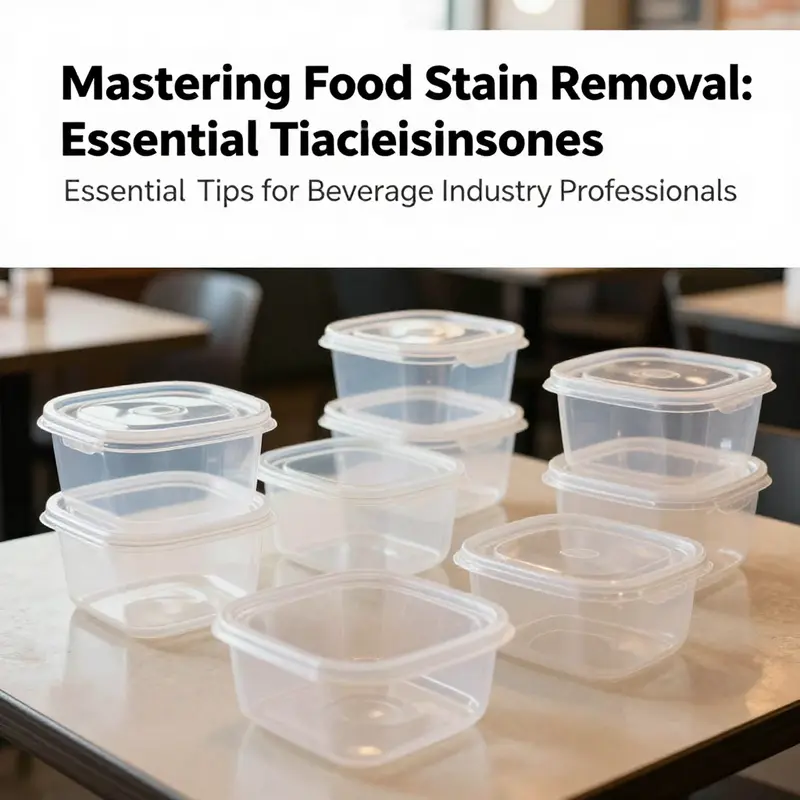
Maintaining a pristine presentation in your food establishment is crucial, especially when it comes to cleaning food stains from plastic containers. Effective cleaning not only enhances the customer experience but also ensures food safety and hygiene. This guide explores essential cleaning methods tailored for greasy, coffee, and tea stains, set-in stains, stubborn residues, and general cleaning techniques. Transitioning through each chapter, you’ll discover practical solutions that fit the unique challenges faced by bubble tea shops, restaurants, food trucks, and more, equipping your team with the know-how to keep your service top-notch.
Grease Be Gone: A Practical Guide to Removing Oily Stains from Plastic Food Containers
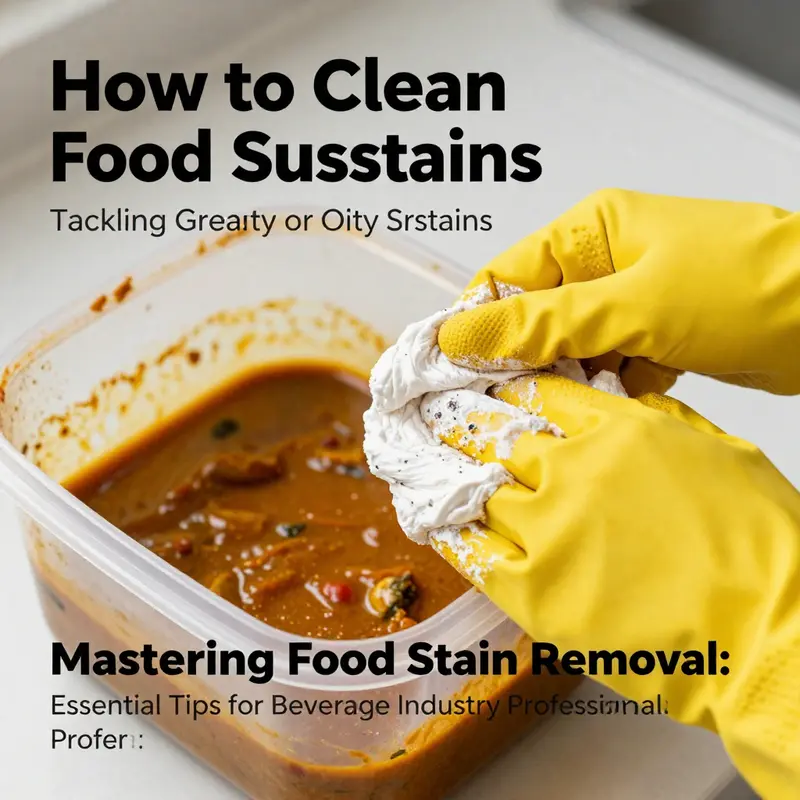
Oil and grease cling to plastic in ways that water alone cannot undo. When you seal away yesterday’s curry, sauce, or fried batter, the film left behind can stubbornly persist, masking the container’s cleanliness and even its safety for future use. A thoughtful approach recognizes that the stain’s strength comes not merely from color, but from the oil’s chemistry and the plastic’s surface. Different plastics tolerate different cleaners, and the best results come from a gentle sequence: start with mild, everyday cleansing, then escalate only as needed. This chapter stitches together reliable, science-backed techniques into a single, flowing method. The goal is not to erase every trace of color at all costs but to restore the container’s cleanliness, odor, and integrity without introducing new problems. In practice, you’ll find that a routine built around a few core steps—soap, mild abrasives, safe acids, and occasional odor treatments—covers most staining scenarios you’ll encounter in daily life. And as we consider these methods, it helps to keep in mind a simple truth: grease can hide in seams and textures, so attention to corners, lids, and narrow openings matters as much as treating the flat surfaces.
Begin with the familiar ally of any kitchen cleanup: dish soap and warm water. A few drops of mild, neutral soap, softened by warm water, create a foamy cascade that emulsifies fats and oils. The surfactants in dish soap reduce the oil-water interface, allowing the greasy film to detach from the plastic and wash away. Scrub with a soft sponge or cloth, focusing on corners, seams, and the underside of lids where residue tends to accumulate. For stubborn stains, let the soapy solution sit for 10 to 15 minutes. This gives the surfactants time to interact with the oil, softening the bond between the grease and the polymer. A long-handled brush can reach into tight creases without harming the surface. Rinse thoroughly to remove all soap residue, then dry the container completely before storing. A clean rinse is essential because any soapy film can trap new odors or reflect light in ways that mimic staining, undermining the sense of fresh cleanliness.
When grease is heavier or has dried into a stubborn film, a step up in abrasiveness becomes useful, but only in a controlled, non-scratch form. A baking soda paste provides both mild abrasion and a gentle chemical nudge. Mix two tablespoons of baking soda with enough warm water to form a thick paste. Apply it to the stained area and let it rest for 10 to 15 minutes. The baking soda acts as a mild abrasive, helping to lift oil molecules from microtextures that are hard to reach with soap alone. Scrub gently with a sponge or soft brush, then rinse well. One caveat: baking soda can cause temporary whitening on some dark-colored plastics. If you notice this, switch to the milder soap-and-water approach and reserve baking soda for lighter plastics or more resilient materials. Always avoid steel wool or harsh scouring pads, which can scratch and create micro-scratches that harbor bacteria and trap stains more readily in the future.
For persistent, lingering oil and for imparted odors, a white vinegar soak can be remarkably effective. Mix equal parts white vinegar and water, submerge the container, or fill it so the solution covers the stained area. Let it soak for 30 minutes to a few hours, depending on how entrenched the stain is and the plastic’s tolerance to acids. Gently scrub edges and corners with an old toothbrush if needed. Rinse thoroughly; the vinegar scent will dissipate as the solution dries, and the acetic acid helps dissolve fatty compounds that cling to polymer surfaces. This method is particularly useful when you notice a faint oil aroma after washing. If the container is particularly sensitive to acidic exposure, a shorter soak or a lighter vinegar concentration can still yield improvements.
There are faster, more targeted options for specific situations. A quick wipe with 75% isopropyl alcohol can dissolve organic oils rapidly and evaporates leaving little to no residue. This method suits quick cleanups, small areas, or containers with sensitive surfaces that tolerate alcohol. Dampen a cotton ball or microfiber cloth with alcohol and wipe the oily surface, then let it air dry. Alcohol is flammable, so keep it away from open flames and avoid prolonged exposure on plastics known to be prone to clouding, such as certain acrylics. While alcohol can be a handy tool for spot cleaning, it should not replace a full soap wash on items intended for repeated use, especially when the container will hold food again soon.
If the stain persists even after washing and basic chemical treatments, heat can help loosen solidified oils. A hot water soak can pre-treat the grease, especially when the oil has cooled into a thicker film. Use hot water around 70–80°C (158–176°F), add a drop of dish soap, and let the container soak for 10 to 15 minutes. Then scrub and rinse. Some plastics handle higher temperatures better than others. Polypropylene (PP) is more heat-tolerant, while polyethylene (PE) and polyvinyl chloride (PVC) have lower thresholds and may warp if exposed to too much heat. If in doubt, start at the lower end of the temperature range and monitor the container for any change in shape.
A practical, immediate tactic for surface grease is the absorption method. Sprinkling flour or cornstarch over the oil spot can soak up surface oil without scratching. Let it sit for 5 to 10 minutes, then brush off with a soft brush or cloth. This step is best as a pre-wash, especially when you’re handling a lunch box or a bottle that has just been opened. It won’t reach deeply into pores, but it can reduce the mess you see and make the subsequent wash more effective.
Even after you have achieved a clean surface, odors can linger long after the stain is gone. To address persistent aroma, consider a post-cleaning odor treatment. Activated charcoal, dry tea leaves, or coffee grounds placed inside the container, then sealed for 2–3 days in a ventilated area, can absorb residual odor molecules from within microscopic pores. This step is especially helpful after storing fried foods or oily sauces, where the plastic itself can carry a faint scent even when visually clean. If you prefer a traditional approach, milk or rice water can be used as an alternative soak, where the proteins or starches may bind to and lift certain odor-causing compounds. This option is less aggressive but can be surprisingly effective in gentle restoration when other methods aren’t available.
In any cleanup routine, there are overarching principles that keep plastic safe and functional. Rinse thoroughly after any treatment to remove chemical residues. Avoid harsh abrasives that scratch the surface, because scratches become niches for bacteria and oil to hide. Inspect containers for signs of wear—deep scratches, clouding, warping, or a persistent odor after cleaning suggest it is time to replace them. Damaged plastic can leach chemicals into food, undermining safety and taste. After washing, dry containers upside down on a clean rack to prevent water spots and bacterial growth. And while it may be tempting to store oily foods in plastic, consider safer-storage practices. For some items, switching to glass or stainless steel for long-term storage reduces the risk of chemical migration and makes cleaning easier.
In the broader packaging context, the availability of grease-resistant designs matters. When grease resistance is built into the container, a lot of the stubbornness in stains can be reduced from the outset, making cleanup less intensive and more consistent. For readers exploring options in everyday packaging, you may find it helpful to browse models described as grease-resistant or designed for oily contents. A representative example in the field highlights how thoughtful material choices and design can complement cleaning routines, ensuring containers remain safe, reusable, and aesthetically acceptable after repeated use. For readers seeking more about such packaging options, consider exploring a resource that discusses grease-resistant takeout boxes and related containers, which aligns with the practical realities of everyday kitchen life. eco-friendly takeout boxes for food packaging that resist grease
Finally, it is worth anchoring these practices in authoritative guidance. The U.S. Food and Drug Administration provides comprehensive guidelines on food-contact materials, including safe handling and cleaning practices. While individual products vary, the underlying principle remains consistent: clean with food-safe agents, avoid scratching surfaces, and replace containers when wear compromises safety. For authoritative, detailed information, you can consult the FDA guidance on food-contact materials.
In sum, tackling greasy or oily stains on plastic containers is a blend of chemistry, technique, and prudence. Start with warm, mild soap and a soft touch; escalate to baking soda paste for set-in grime, then to vinegar for odors, and use heat or absorption methods when needed. Remember to dry thoroughly, inspect for damage, and consider how packaging design can influence long-term cleanliness. By integrating these steps into a calm, deliberate routine, you can extend the life of your containers and keep your food-safe, odor-free, and visually appealing for everyday use. For further context on packaging design that minimizes staining challenges, see the related product page linked above, and consult the FDA guidance for a broader safety framework.
Stain-Smart Cleaning: Restoring Clarity to Coffee, Tea, and Wine Marks on Plastic Containers
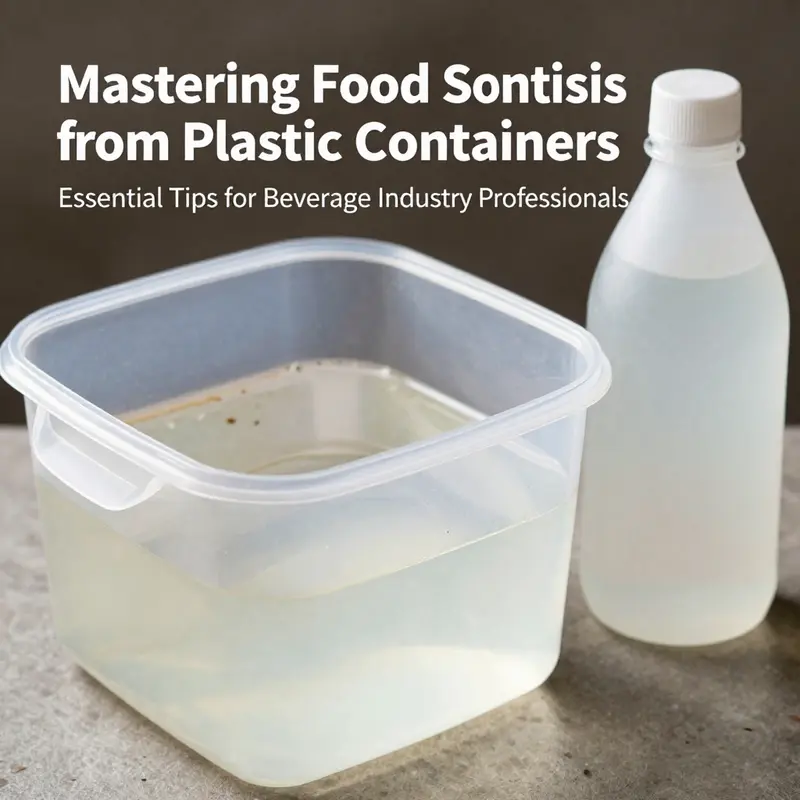
Stains from coffee, tea, and wine are among the most common challenges when managing plastic food containers. The pigments in these beverages can cling to the tiniest imperfections in plastic, especially in containers that have seen repeated use, temperature changes, or brief bursts of heat. The result is a discoloration that looks stubborn and often stubbornly persists, even after a routine wash. Yet the science behind cleaning these marks is straightforward: you are trying to dissolve or lift pigments that have settled onto the surface or sunk a little into microcrevices, while protecting the plastic from scratches or distortion. A well-chosen approach respects both the chemistry of the stain and the resilience of the plastic, so the container remains safe for future food storage. The journey from stubborn stain to renewed clarity begins with identifying the type of stain and then selecting a method that aligns with the plastic’s tolerance and the stain’s depth. This is not about a single miracle cleaner but about a sequence of simple, safe tactics that work in harmony with the material you use every day for meals, snacks, and leftovers. The most effective strategies share a few common threads: they rely on mild ingredients, they emphasize gentleness, and they favor gradual action over brute scrubbing. With that mindset, you can often restore a container’s appearance without resorting to harsh abrasives or risky chemicals, and you can do so without masking lingering odors or compromising safety. When you first turn to cleaning, test any method on a small, inconspicuous area. Even gentle solutions can cause faint changes in color or texture if the plastic is already worn. If you notice cloudiness or clouding after a treatment, it may be time to retire the container from food use. The following approaches are especially effective for the common stains that coffee, tea, and wine leave behind, and they work well across many plastic materials as long as you respect temperature limits and avoid aggressive tools. For greasy, oily residues that often accompany beverages with milk or cream, a slightly different routine can be layered on after you address the color: the idea is to remove oil first so pigments don’t rebind as you rinse. In practice, that means starting with a gentler cleaning and, if needed, moving to a second step that tackles the pigment more directly. As you proceed, you might also consider how you store or reuse containers. If a lid or seam has a stubborn odor after cleaning, air-drying in a well-ventilated area can help, and a quick, incidental deodorizing step can be incorporated without additional chemicals. When you face a stain that seems set, patience matters. Short sessions of treatment with a gentle method are often more effective than a single, long bout of brute scrubbing. And while it can be tempting to push the limits with hotter water or stronger solvents, remember that most plastics have limits. Sustained exposure to high heat or aggressive chemicals can warp, crack, or leach substances into food, undermining safety as well as appearance. With that caution in mind, consider the layers of technique that follow, each chosen for a particular stain type and depth. The first approach is a paste made from baking soda and warm water. Baking soda’s mild alkalinity helps loosen grease and pigment by lifting the oily residues that often accompany coffee or tea. To use it, you mix two tablespoons of baking soda with enough warm water to form a thick, workable paste. Apply the paste directly to the stained areas, cover them for 15 to 30 minutes, and then gently scrub with a soft sponge or cloth. Avoid any abrasive tools that could scratch the surface. Rinse thoroughly. This method works best when the stain is still somewhat fresh and the surface isn’t deeply etched. If the pigment has aged, you may need to follow with a more targeted rinse or soak. The baking soda step is a reliable workhorse because it is not harsh, but it does require time and a gentle touch. When stains feel more embedded, a white vinegar soak becomes attractive. Mix equal parts white vinegar and water, submerge the container, and let it soak for 30 to 60 minutes. For stubborn edges or corners, an old toothbrush can do a careful, nonabrasive scrubbing. Rinse well after soaking, and you’ll notice the color fading as the acetic acid in vinegar gently dissolves tannins and other organic compounds. Vinegar has the added benefit of odor neutralization, which is particularly welcome after wine or tea. If you’re unsure about lingering smells or if a stain leans into deeper tones, a lemon-based treatment can provide an appealing combination of bleaching power and scent. Squeeze juice from half a lemon into hot water (about 70°C, not boiling) and pour or fill the container so the solution covers the stained area. Let it sit for at least an hour. Citric acid acts as a natural bleaching agent, and the lemon’s aroma freshens the container while helping fade plant-based pigments like those from red wines or fruit juices. Afterward, rinse thoroughly. Be mindful of temperature when using lemon juice, as excessive heat can interact with certain plastics in ways that dull their clarity. A more surface-oriented option is plain white toothpaste. Use a small amount of toothpaste on a soft cloth or a soft-bristled brush, and rub the stained area in gentle circular motions for 15 to 20 minutes. Toothpaste contains mild abrasives and detergents that lift surface discoloration without damaging the plastic. Rinse completely to remove any residue before air-drying. This approach is particularly useful for superficial discoloration that hasn’t penetrated deeply into the material. For routine maintenance and to address everyday discoloration or minor odors, a simple wash with dish soap and warm water often suffices. Use hot water (up to about 60°C) and a few drops of dish soap, then soak for 20 minutes if needed and scrub with a sponge. The heat and surfactants help break down oil-based residues commonly found in coffee and tea stains, and a thorough rinse ensures no soap film remains. After cleaning, drying the container upside down on a clean rack prevents water spots and helps minimize bacterial growth, especially in hard-to-reach corners. These steps form a layered approach: start with gentleness, then escalate only as needed, and always prioritize the plastic’s integrity over chasing the last vestige of color. In practice, many containers benefit from combining methods in a single routine. For example, a light baking soda paste can precede a vinegar soak, followed by a lemon treatment for any remaining hints of color. If you’re cleaning a piece of plastic drinkware used for beverages that linger or spill, a quick rinse with warm water and soap, then a brief soak, can prevent buildup. The aim is to restore clarity without creating new problems. If you’re cleaning a range of plastic items, you might consider keeping a small, dedicated set of tools and products that are specifically labeled as safe for food contact. A gentle sponge, a soft brush, a harmless paste, and a mild acid like vinegar or lemon juice can cover most scenarios. It’s also practical to remember that not all plastics respond the same way. Some very soft or transparent plastics may scratch more easily, and repeated cleaning with strong abrasives can lead to cloudiness or micro-scratches. If you notice lasting cloudiness, warping, or a persistent odor despite your best efforts, it’s wise to replace the container. Bacteria can hide in micro-scratches, and damaged plastic can compromise food safety. Beyond the cleaning itself, there is a broader habit worth cultivating: regular inspection. Check containers for deep scratches, cloudiness, warping, or any persistent odor, and replace them when needed. This practice helps ensure that stains don’t become a gateway to unseen contamination. If you occasionally need inspiration or a broader view on cleaning and replacement options, you can explore related resources on plastic food-contact care. For a more general reference and authoritative guidelines, see the U.S. Food and Drug Administration’s guidance on plastic food contact materials, which provides up-to-date recommendations for safe handling and cleaning practices. For a practical example of consumer-facing packaging options and safe reuse in everyday settings, you can also explore the disposable cup option page that covers clear plastic cups suitable for gatherings and events, which can be handy when you’re cleaning and assigning containers for multiple uses without cross-contamination. For easy reading on the safe, tested practices described here, consider this linked resource: clear plastic cups for parties. If you want a more formal reference, you’ll find the external guidance at the FDA’s plastic contact materials information page. Keeping these practices in mind helps ensure that plastic containers stay clean, safe, and ready for reuse, while preserving their appearance and longevity for future meals and snacks.
Rescuing Plastic: A Scientific, Gentle Guide to Erasing Tough, Set-In Stains from Food Containers

Stains on plastic containers tell a quiet story of the meals we lift from the fridge and the habits we bring to the kitchen sink. They can be stubborn, especially after weeks of coffee ring marks, curry sauces, or tea that leaves a yellowed halo that won’t quite wash away. Yet the problem is not simply cosmetic. Stains can signal deeper concerns about sanitation, odor retention, and even the integrity of the container itself. The approach to removing these marks hinges on two factors: the type of stain and the material of the plastic. With a careful hand and a few science-based tricks, you can restore clarity and deodorize without compromising safety or the container’s longevity. The aim is simple: lift the pigment and residue without scratching the surface or introducing new chemicals into your food. The path is typically straightforward and relies on a small set of pantry staples that share a common scientific thread.
First comes the greasy or oily stains, the kind that cling to the inner walls after a curry sauce or a fatty drizzle. A baking soda paste is a reliable ally here. Mix two tablespoons of baking soda with warm water until you have a thick, spreadable paste. Apply it directly to the stained area and let it sit for 15 to 30 minutes. The mild alkalinity of baking soda acts on fat molecules, softening and loosening them so a gentle scrub can lift them away. Use a soft sponge or cloth, avoiding steel wool or any abrasive tool that can scratch the plastic and create micro-crevices where bacteria hide. After scrubbing, rinse thoroughly with clean water. If a stubborn edge persists, a repeat application often resolves it. The rise and fall of this method rest on a simple principle: mild alkalinity disrupts the emulsion that binds grease to the plastic surface, allowing mechanical action to finish the job without damage.
For stains from coffee, tea, or wine, the color is often tied to tannins and organic pigments that cling to the microscopic texture of plastic. A white vinegar soak is a classic second move. Mix equal parts white vinegar and water and submerge the container or fill it with the solution. Let it soak for 1 to 2 hours; for tougher cases, a longer soak can help. A soft brush can reach into crevices around the lid and corners where residue tends to settle. Rinse well afterward. The acetic acid in vinegar dissolves tannins and other organic compounds that give those stains their color, and as the liquid evaporates, the odor dissipates too. This approach is particularly effective on containers that have endured repeated staining from beverages and where the yellowing hints at lingering pigments rather than deep surface damage. An important caveat is to rinse thoroughly to avoid any lingering vinegar scent, which generally fades as the smell evaporates over time.
Another dependable tactic targets stubborn or mineral-like deposits, as well as odors that cling to plastic after long-term use. A lemon juice plus salt scrub blends natural bleaching with a gentle abrasive action. Squeeze fresh lemon juice onto the stain, then sprinkle a small amount of table salt over it. Rub gently with a damp sponge or cloth using circular motions. Let it sit for 15 to 30 minutes, then rinse. The citric acid acts as a mild natural bleach, helping to brighten the plastic, while the salt provides gradual physical abrasion that lifts residues without scratching. This combination works particularly well on stains from coffee, tea, wine, and soy sauce and helps refresh odor as well as appearance.
For those marks that cling stubbornly after microwave use or from heat-exposed foods, a toothpaste scrub can be surprisingly effective. Use plain white toothpaste (avoid gel and whitening varieties). Apply a small amount to the stained area and rub with a soft cloth or a soft-bristled toothbrush. Let it sit for 15 to 20 minutes, then rinse thoroughly. Toothpaste contains mild abrasives and detergents that lift stuck-on residue without dulling the plastic. It is not a universal cure, but when used gently, it can restore a brighter surface and remove superficial discoloration that looks like heat-induced browning or lipstick remnants.
Beyond specific stain-busting steps, general cleaning and deodorizing play a crucial, ongoing role. A routine wash with food-safe dish soap and warm water, using a soft sponge or microfiber cloth, keeps the surface clean and reduces the likelihood of new stains taking hold. Rinse thoroughly to remove all soap residues, then dry the container upside down on a clean rack. Air drying helps prevent water spots and the growth of residual bacteria that can linger in damp plastic. These routine steps create a foundation that makes targeted stain-treatments more effective and extend the life of the container.
Throughout the process, a few important guidelines guard against damage. Never use steel wool, scouring pads, or harsh chemical cleaners on plastic, as they can scratch and gouge the surface. Avoid prolonged exposure to direct sunlight after cleaning, since UV rays can accelerate plastic degradation and cause yellowing. Use only food-grade cleaning agents, looking for labels that indicate food-safe or non-toxic formulations. Inspect containers regularly; if you notice deep scratches, cloudiness, warping, or a persistent odor even after cleaning, it may be time to replace them. Damaged plastic can leach chemicals into food, undermining safety more than any stain could. For additional, official guidance on handling and cleaning food-contact materials, consult the FDA’s food-contact materials regulatory information.
As you refine your routine, you might also consider the broader ecosystem of containers and packaging that supports safer, more stain-resistant storage. If you’re exploring solutions for everyday takeout or meal-prep, you can find helpful context about safer, eco-friendly packaging options here: eco-friendly takeout boxes for food packaging. This kind of resource can illuminate choices that reduce staining potential while supporting sustainable practices, helping you shield your kitchen from repeated exposure to staining agents over time.
A practical takeaway ties everything together: act quickly after use. The longer a stain sits, the more it binds to the plastic’s surface and the harder it is to remove. If a stain persists after one round of treatment, you can repeat the method or try a complementary approach. For example, after a baking soda paste, a light vinegar soak can address any faint oily residues that linger, followed by a lemon-salt scrub for brightening. The goal is not to force a single perfect solution but to assemble a small toolkit that works across most common stains without compromising safety.
In this approach, the science behind the cleaning methods is the quiet backbone. Baking soda’s mild alkalinity disrupts acids in sauces and oils, the acetic acid in vinegar dissolves tannins, citric acid from lemon juice provides a gentle bleaching effect, and the mechanical action of salt and gentle abrasives helps lift residue without scratching. When used with a soft touch and thorough rinsing, these steps preserve the plastic’s integrity while restoring its appearance and odor. The final flourish—drying upside down—reduces moisture pockets that can harbor bacteria and helps the surface dry evenly, preventing dull spots and future staining.
For many readers, the path forward will be a balanced routine: a quick wash after meals, a targeted stain treatment for anything stubborn, and an eye toward container integrity. By combining these science-backed methods with mindful precautions, you can keep plastic storage clean, safe, and visually clear for many meals to come. If a stain remains despite repeated treatments, it may be a sign that the container has reached the end of its useful life, and replacing it becomes the best, most protective choice for your food safety. In short, care for your containers, and they will continue to support a cleaner, safer kitchen.
External reference: https://www.consumerreports.org/plastic-containers/cleaning-plastic-containers-7958175/
Stubborn Stains and Burnt-On Food: A Gentle, Science-Backed Refresh for Plastic Containers
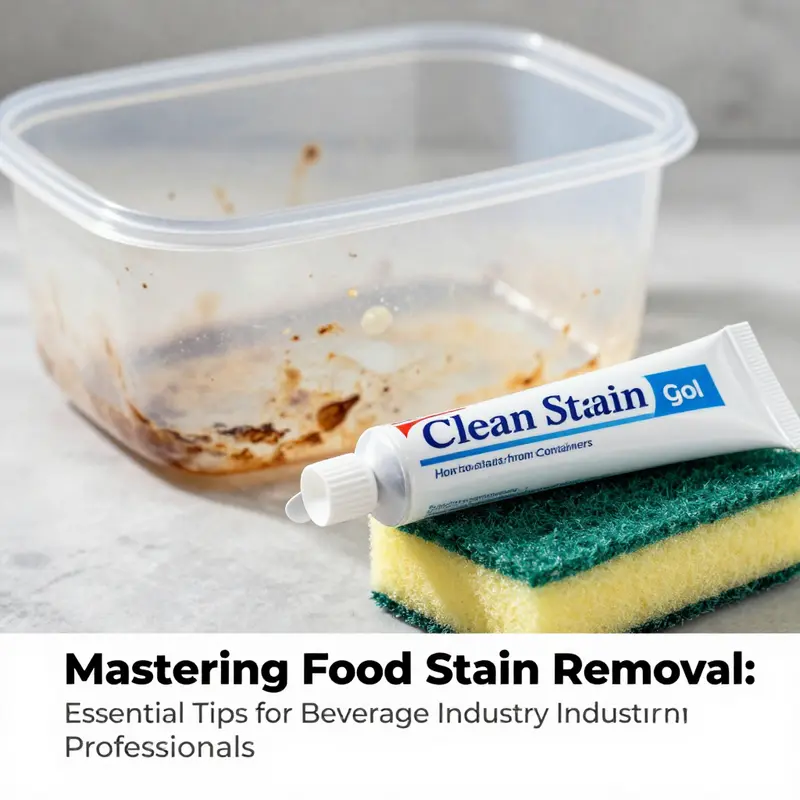
Stubborn stains and burnt-on food on plastic containers tell a familiar kitchen story: a meal enjoyed, a spill ignored for a moment, and a surface that now deserves respectful attention. The goal of cleaning isn’t simply to look clean; it’s to restore functionality while protecting safety. That means choosing methods that are effective yet gentle, so the plastic isn’t damaged or compromised. When you approach staining with a mindset informed by the material’s limits—avoiding harsh abrasives, extreme temperatures, and aggressive solvents—you set up a routine that keeps containers safe for food use and ready for the next meal.
For truly stubborn residue, especially grease and protein-based stains left from oily curries or roasted meats, a baking soda paste acts as a patient, reliable ally. To prepare it, mix two tablespoons of baking soda with warm water until you have a thick paste. Apply this paste directly to the stained areas and let it rest for 15 to 30 minutes. The paste’s mild alkalinity helps break down fats and proteins so they lift away rather than smear around. Gently scrub with a soft sponge or cloth, steering clear of steel wool or abrasive pads that can scratch the surface. After scrubbing, rinse thoroughly with clean water and inspect the texture of the plastic. A scratch-free surface is essential, because micro-scratches can harbor bacteria and make future cleaning more difficult. The baking soda approach is particularly forgiving on common plastics, offering a balance of cleansing power and surface safety.
Next, consider stains left by coffee, tea, or wine—organic pigments that can leave ringed or uneven discoloration. A white vinegar soak provides an effective, food-safe option. Mix equal parts white vinegar and water, submerge the container, or fill it with the solution so every stain is coated. Let it soak for one to two hours. The acetic acid in vinegar dissolves tannins and other pigment compounds responsible for those brownish marks. For stubborn edges or corners, an old toothbrush can be used to gently scrub without applying heavy pressure. Rinse thoroughly; the vinegar smell will dissipate as the container dries. This method not only brightens the interior but also helps neutralize lingering odors, offering a simple, practical path to renewed clarity.
When stains feel particularly tenacious—often the result of boiled liquids or long-set residue from soups—a lemon juice and salt combination can provide a bright, natural lift. Squeeze fresh lemon juice onto the stain and sprinkle a small amount of table salt over it. Rub gently with a damp sponge or cloth in circular motions, then let the mixture sit for 15 to 30 minutes before rinsing. Citric acid acts as a gentle bleaching agent, while salt supplies a mild abrasive that helps lift pigment without scratching the plastic. If the stain persists in deeper grooves, repeat the process rather than applying forceful scrubbing, which can dull the surface over time. The citrus approach is especially effective on organic pigments and can yield a noticeably lighter appearance with repeated, careful applications.
For areas where residue has fused or baked onto the surface, a white toothpaste treatment can offer a surprisingly effective lift. Use a white, non-gel toothpaste—not whitening or mint varieties. Apply a small amount to the stained area and rub with a soft cloth or a gentle toothbrush. Allow it to sit for 15 to 20 minutes, then rinse thoroughly. Toothpaste contains mild abrasives and detergents designed for cleaning, which translate well to plastic when used lightly. This method is best reserved for spots that resist other approaches, as overuse can mask gloss or create minor micro-scratches if done aggressively.
Even with these targeted approaches, routine washing remains the foundation of maintenance. A standard wash with warm water and a gentle, food-safe dish soap, applied with a soft sponge or microfiber cloth, clears surface soils and reduces the burden on tougher stain removal steps. Thorough rinsing is essential to remove any soap film, which itself can attract dirt or interact with pigments. After washing, dry the container upside down on a clean rack. Air drying minimizes water spots and discourages bacterial growth in hidden corners. The rhythm—wash, treat, rinse, dry—helps extend the life of plastics used for food storage, keeping them hygienic and ready for reuse.
The broader guidance on safe practice reinforces the importance of restraint and hygiene. Avoid steel wool, scouring pads, and strong chemical cleaners that can scratch or degrade plastic surfaces. Prolonged exposure to direct sunlight after cleaning can accelerate plastic degradation and yellowing, especially for more susceptible polymers. Use only food-grade cleaners, and regularly inspect containers for deep scratches, cloudiness, warping, or persistent odors. If any of these signs appear, replacing the container is prudent, because damaged plastic can harbor bacteria and may leach compounds into food over time.
Beyond the methods described here, a few additional, low-risk tactics can further support stain removal without overworking the material. Coarse salt can serve as a natural abrasive for carbonized patches on the container’s bottom, while an alcohol wipe can help with color stains where pigments are stubbornly set. If you attempt multiple cleaning cycles, you might find a brief period of sunlight helpful for sanitization and odor reduction, though it should be done in moderation and with consideration of the plastic type. The goal is a measured sequence that respects material properties while delivering visible improvement in stain clarity.
To keep the guidance practical and connected to broader storage considerations, think of cleaning as part of a larger system of reusable, food-safe packaging. If you’re cleaning takeaway containers, consider this related resource on eco-friendly takeout boxes for food packaging. It offers a broader perspective on choosing materials and designs that stand up to repeated cleaning cycles without compromising safety or performance. This linkage helps connect the day-to-day act of stain removal with the larger aim of responsible, long-term food storage habits. For best results, tailor your approach to the specific container type and its tolerances, and remember that patience and gentle handling yield the best long-term outcomes for plastic surfaces.
In practice, this means letting the stain dictate the method, not vice versa. Start with the mildest approach—warm water, soap, and a soft cloth—and only escalate to baking soda paste, vinegar soak, or lemon-salt treatment when necessary. Each technique has its place and time, and combined in the right sequence they can restore plastic containers to a nearly pristine state without compromising safety. The overarching message is clear: treat plastic with respect, use safe cleaners, and apply pressure only as needed. When done thoughtfully, stain removal becomes a straightforward, repeatable process that supports healthy, hygienic food storage over many meals to come.
eco-friendly takeout boxes for food packaging
External resource: FDA guidance on food contact materials
Stain-Savvy Cleaning for Plastic Containers: Gentle, Science-Backed Ways to Renew Clarity and Freshness
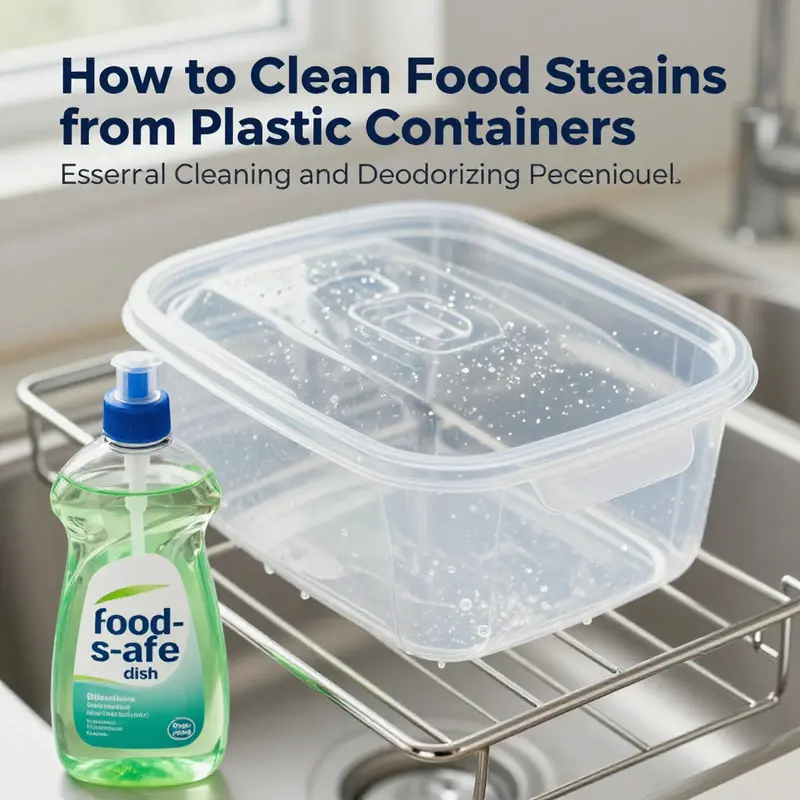
Stains on plastic containers carry more than color. They can signal trapped residues that invite odors, and the way we clean them matters as much as what we use. The goal is not to erase a mark at any cost but to restore the surface without inviting future contamination or weakening the plastic. A calm, evidence-based routine started right after use and finished with thorough drying protects both the material and the food you store in it. The process begins with simple steps that set the stage for more targeted treatments if needed. A quick pre-rinse with warm water removes loose particles and reduces the amount of grime that could smear during washing. When grease or stubborn residues cling on, a soak in warm, mild soapy water – 15 to 30 minutes – helps loosen the film. This is not a battle against the container; it is a collaboration with it, using gentle partners that respect the plastic’s integrity. The repeated refrain is clear: choose a neutral, mild dishwashing detergent and avoid harsh chemicals or abrasives. Bleach, strong acids, and abrasive cleaners can scratch, cloud, or wear away the plastic’s protective surface. Scrubbing should be done with a soft sponge or cloth, not steel wool or other harsh tools that can create micro-scratches where bacteria hide and odors linger. The interior and exterior surfaces deserve equal care, including corners and lids where grime tends to accumulate. If a stain persists after a soak, a gentle paste made from baking soda and water can be applied to the affected area. Let it sit briefly, then lightly scrub. The combination of mild alkalinity and gentle abrasion helps lift oils and pigments without scratching. Rinsing with clean water is essential to remove any residual paste or loosened material, and thorough rinsing is what keeps flavors from lingering in future uses. In this routine, a broader understanding of stain types helps us refine our approach without turning cleaning into guesswork. Greasy or oily stains from curries, sauces, or meats are often best met with baking soda paste. The paste’s mild alkalinity tends to break down grease molecules that cling to plastic, especially in the seams and around ridges. For organic pigments from coffee, tea, or wine, a different ally is often more effective: a white vinegar solution. Mixing equal parts white vinegar and water creates a soak that dissolves tannins and other pigment compounds that cause dullness or yellowing. Submerging the container or filling it with the solution and allowing it to rest for one to two hours can make a noticeable difference. For more stubborn stains along edges or around the lid, an old toothbrush can be used to gently scrub the corners after soaking. The key is to rinse thoroughly; the vinegar’s aroma should dissipate as it evaporates, leaving no lingering scent if the container is well-rinsed and air-dried. When hard water or boiled liquids leave a crusty layer or mineral scale, lemon juice combined with a little salt can be surprisingly effective. The acid in the lemon helps brighten the surface, while the salt adds a gentle abrasive that won’t scratch the plastic. A light rub in circular motions, followed by a 15 to 30 minute rest and a thorough rinse, often yields the freshest results. This citrus-based approach also contributes a pleasant, natural scent that makes the container feel clean in more than just appearance. Stubborn residue that resists these gentler methods may require a little more patience. Toothpaste, used sparingly, can act as a mild abrasive and detergent for focal spots of stuck-on material. A small amount rubbed with a soft cloth or a toothbrush, and then left to sit briefly, can lift residue without compromising the surface. Afterward, a thorough rinse completes the process. The same toothpaste technique is especially useful for the inner rim of the lid or the lip of a narrow container where grime tends to accumulate. Throughout these steps, the overarching principle remains constant: keep the cleaning gentle, avoid anything that could scratch or abrade, and rinse completely to prevent any soapy or chemical residue from tainting future contents. For everyday cleaning and deodorizing, a practical baseline is a routine wash with mild dish soap and warm water, followed by a careful drying. Rinse the container completely to remove all soap residues; even small amounts of detergent can alter taste and potentially leave residues that attract new grime. After washing, drying the container upside down on a clean rack helps prevent water spots and prevents moisture from pooling in corners where mold can form. The lids deserve particular attention. Gasketed seals can trap smells and residue even when the main body looks clean. A quick brush along the seal and a wipe around the gasket reduce odor buildup and extend the life of the container. If an odor lingers despite cleaning, the deodorizing techniques come into play. A white vinegar soak is again effective for neutralizing stubborn odors, especially fishy, garlic, or onion scents. For more persistent odors, a baking soda paste can be applied to the interior, including seals and hard-to-reach areas, left for 15 to 30 minutes, then rinsed away. Lemon juice offers a natural fresh scent and mild cleaning power, particularly when the container is filled with a little water and left to sit for 20 to 30 minutes. After any deodorizing treatment, a thorough rinse remains essential. An additional method, sunlight exposure, can be a gentle, mild deodorizer for containers with mild odors. Placing an empty clean container in direct sunlight for a few hours can help reduce odors through natural drying and UV effects, but it should not be used for long periods or on plastics that may be sensitive to prolonged sun exposure. Like any cleaning protocol, these steps are about balance: they rely on mild agents, careful brushing, and complete rinsing, rather than aggressive scrubbing or chemical strong-aroma products that can degrade plastic or leave residues behind. In practice, this means that the interior, exterior, and lid all receive equal attention, with special focus on corners, grooves, and seams where residues tend to accumulate. It also means recognizing when a container has begun to show wear beyond stain removal. If you notice deep scratches, cloudiness, warping, or a persistent odor that returns after each cleaning, it may be time to retire the container. Damaged plastic can harbor microbes and may leach substances into food, especially after repeated exposure to heat or strong cleaners. The goal is to maintain containers that stay safe and clean over many uses, rather than chasing a spotless appearance at the cost of safety. As you read this, a quick mental checklist helps: start with a warm, gentle rinse; use a mild detergent; apply a soft scrubbing tool; choose a stain-targeted approach like baking soda paste, vinegar soak, or lemon-salt treatment as needed; rinse thoroughly; dry completely; and inspect for damage before the next reuse. If you practice this routine consistently, you will not only remove stains more reliably but also keep odors from taking root and preserve the plastic’s clarity. For readers seeking broader packaging context tied to containers beyond simple wash-and-dry steps, consider exploring related content that discusses eco-friendly, protective options for everyday storage. Practical cleaning remains the core, but choosing containers designed for longer life can complement the care you give them. In all cases, remember to respect the limits of the material: do not expose plastic to heat or harsher chemicals than it can tolerate, and always opt for food-grade cleaners and practices aligned with safety guidelines. The U.S. Food and Drug Administration’s guidance on food-contact materials offers a regulatory perspective on these practices and reinforces the emphasis on safe handling and material integrity. External reference: https://www.fda.gov/food/food-contact-materials-regulatory-information
Final thoughts
Effective stain removal techniques for plastic containers not only prolong the life of your serving materials but also maintain the aesthetic of your beverages and foods. By implementing the methods outlined in each chapter, your team can efficiently manage stain challenges, thereby enhancing overall customer satisfaction and compliance with food safety standards. Remember, cleanliness reflects the quality of your service, so prioritize your cleaning methods to uphold your business’s reputation.