
Maintaining hygiene and safety is paramount in any food service environment, especially in bubble tea shops, restaurants, food trucks, and catering services. Plastic food containers play a crucial role in the storage and serving of products, which makes their cleanliness essential to preventing cross-contamination and ensuring customer safety. While many cleaning agents exist, bleach remains a powerful choice due to its disinfecting properties. This guide will explore comprehensive safety guidelines, effective dilution methods, compatibility with plastic materials, proper soaking and rinsing techniques, and alternatives to bleach for cleaning plastic food containers. By adhering to these protocols, food service providers can ensure their operational spaces remain sanitized and welcoming for all.
When Bleach Meets Plastic: A Careful, Science-Backed Approach to Sanitary Food Containers
Bleach is a powerful sanitizer, but its power only becomes helpful when used with care. In the world of plastic food containers, the goal is to eliminate harmful bacteria and lingering odors without compromising the material itself or leaving dangerous residues behind. A thoughtful approach begins with respect for both the chemical properties of bleach and the varied chemistry of plastics. When handled with the right precautions, a diluted bleach solution can provide a level of sanitation that plain soap and water may not achieve, especially for containers that have seen stubborn stains or must be brought back into regular use after heavy messes. Yet the use of bleach must be deliberate and informed, because plastic is not uniformly forgiving, and heat, acidity, or repeated exposure to chlorine can alter a container’s integrity over time. The path to safe, effective cleaning is therefore a balance between sanitizing power and material stewardship, a balance grounded in practical steps, material awareness, and safety-minded habits that keep food safe and containers usable for as long as possible.
First, consider the material and the guidelines etched into the container itself. Plastic types vary widely in their resistance to chlorine, and not all containers are designed to withstand household cleaning agents in the same way. The most chlorine-tolerant common food-contact plastics tend to be polypropylene (PP) and high-density polyethylene (HDPE). These materials are typically resistant to the corrosive effects of a diluted bleach solution, making them reliable partners for disinfection when used correctly. In contrast, other plastics—such as polystyrene (PS) and some other formulations marked with recycling codes like 3 or 7—often do not hold up as well under chlorine exposure and can warp, degrade, or leach additives when immersed in harsh cleaners. The prudent approach is to consult the container’s label or recycling code, usually found on the bottom, and to focus bleach cleaning only on those items that are clearly compatible. If there is any doubt about compatibility, a gentler cleaning method is advisable. This is where the practical overlap between safety and science becomes essential: compatibility checks save you from inadvertently weakening the container or introducing new risks into food contact surfaces.
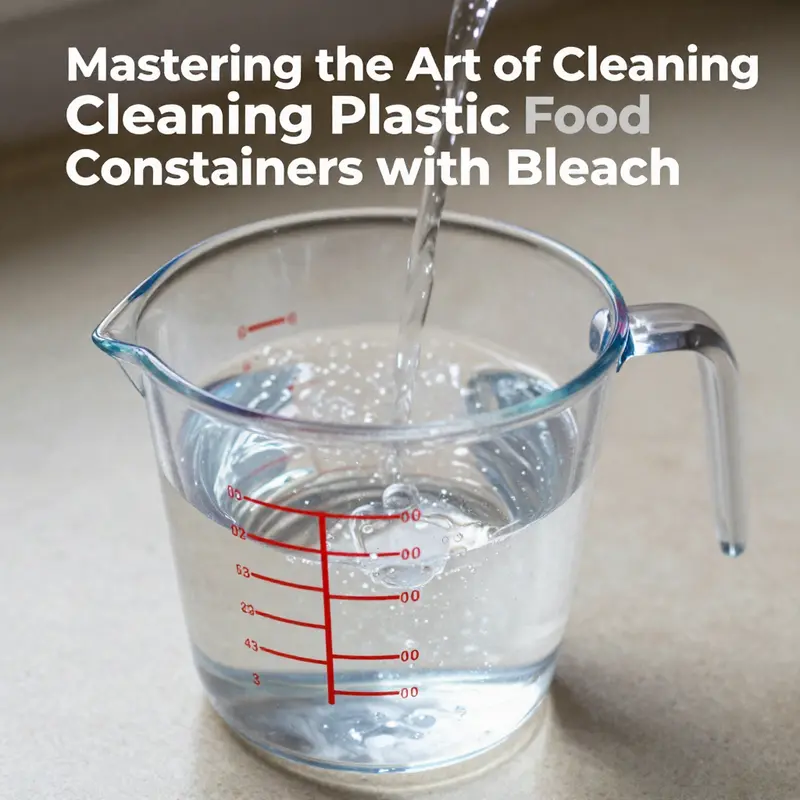
Assuming compatibility checks pass, the next guiding principle is dilution. The aim is to create a disinfecting solution strong enough to curb microbes but dilute enough to minimize chemical residue and minimize potential plastic impact. The commonly recommended dilution for household bleach on food-contact surfaces is a 1:20 ratio—one part bleach to twenty parts water. In practical terms, that might mean combining one tablespoon of household bleach with a gallon of water. This concentration is typically sufficient to inactivate germs while reducing the likelihood of leaving a strong residual odor or detectable chlorine after rinsing. It is important to measure carefully and to mix the solution in a clean, non-reactive container before immersion. Once prepared, fully submerge the container so that all surfaces are covered, a step essential to equitable disinfection. The soaking period should be at least 30 minutes, which provides enough time for the solution to contact every nook and surface that might harbor residues or microbes. While the container sits in the solution, it is natural to check that lids, rims, and any grooves or seams are also immersed; these are often the sites where grime hides and bacteria linger.
After the soak, thorough rinsing is non-negotiable. Bleach residues can be toxic if ingested, and they may react in unpredictable ways if surfaces are not fully rinsed, especially when containers are used for foods or reheating. The rinse should be extensive and deliberate: rinse several times with clean, running water, ensuring that all surfaces, including seals and threads, are washed clean. A practical way to verify completeness is to inspect for a lingering smell of chlorine and to run your finger along surfaces to feel for any slick, chemical residue. If a faint odor remains, the rinse quality should be repeated. It may be helpful to rinse with warm water, provided the container’s material tolerates heat, but never mix heat with the chemical rinse in a way that could prompt unwanted reactions. If a dishwasher routine is part of your cleaning cycle, consult the container’s labeling to determine whether washing is appropriate, as some plastics tolerate dishwasher heat differently from others. The key is to remove all bleach traces to prevent any potential transfer to food during storage or reheating.
The drying stage is another critical, often overlooked, safety pivot. After the final rinse, air dry the container completely in a well-ventilated area. Instructive guidance emphasizes avoiding towels—while they dry surfaces quickly, they can reintroduce contaminants via fibers or residues. The upside of air drying is that it prevents the introduction of new materials and keeps the surface dry and ready for reuse. In this quiet, patient moment, consider the importance of avoiding any heat source that could drive residual moisture into seams or cracks or magnify the concentration of any remaining cleaning agents. A fully dried container feels safe to handle and ready for storage or reinsertion into the kitchen workflow.
An important caveat accompanies any bleach-based cleaning regimen: never mix bleach with other cleaners. The combination of bleach with ammonia-based cleaners, acidic substances like vinegar, or other harsh products can release toxic gases, such as chlorine gas, which pose dangerous respiratory hazards. This admonition is echoed by health authorities who stress the dangers of mixing cleaners, a reminder that the science of disinfection must be paired with strict chemical hygiene. Keeping bleach-only disinfection separate from other cleaning steps is the simplest way to avoid dangerous reactions and to preserve the sanitary value of the method without introducing new risks into the kitchen environment.
In practice, the routine described above should also account for the lived realities of wear and tear. If a container shows signs of cracking, warping, persistent odors, or discoloration that returns after cleaning, it is wiser to replace it than to press it back into service. Damaged plastics can harbor bacteria in micro-cracks or may release degradation products when heated, which could undermine food safety rather than support it. Bleach can help with stubborn stains, but it is not a cure for structural failure. Occasional use of bleach for whitening or stain removal can be acceptable, but a more conservative approach may be warranted in households that rely heavily on containers for heating or simmering foods. For routine cleaning or minor odors, gentler alternatives such as a mild dish soap with warm water or a solution of white vinegar and water can maintain cleanliness without exposing the plastic to repeated chlorine exposure.
It is also prudent to consider the broader context of safety and scientific guidance. While the dilution and soaking strategy can be effective for compatible containers, some research results emphasize avoiding bleach on certain plastics altogether. The tension between these viewpoints underscores a practical truth: the safest path is to know your container, follow labeled guidance, and lean toward gentler cleaning methods when in doubt. This tempered view aligns with a precautionary ethic in which one uses the minimum effective intervention and prioritizes material integrity and food safety. In short, bleach is a tool, not a universal solvent; its power must be matched to the container’s chemistry and the context of use.
For readers seeking additional context and official recommendations, a broader safety framework is available from health and safety authorities. A reliable source outlining safe practices for cleaning plastic food containers is provided here: https://www.szhealth.gov.cn/xxgk/xxgkml/zwgk/202602/t20260214_1989314.html. This reference reinforces the principle that safety hinges on proper dilution, careful rinsing, complete drying, and an explicit warning against mixing with other cleaners. It is one part of a larger map of guidelines that help households navigate the sometimes conflicting messages about disinfection and material safety. The practical takeaway remains straightforward: with compatible plastics, a properly diluted bleach solution can be used with care, but always prioritize compatibility, rinsing, and air drying, and be ready to pivot to gentler methods when doubt arises.
As you close the sink toward the next cycle of storage, consider the broader ecosystem of packaging and containers that surround daily meals. When selecting future storage options, you may encounter a range of designs from simple take-away boxes to more elaborate, windowed packaging. For readers exploring options in the realm of takeout and disposable packaging, you can find relevant examples and product ideas in this internal resource: take-away-food-packaging-boxes-hamburger-french-fries-popcorn-chicken-nuggets-fried-chicken-boxes. This link points to containers designed to withstand routine cleaning while remaining food-safe, aligning with the practical aim of preserving containers through careful maintenance rather than frequent replacement.
In the long run, the question of whether to bleach plastics is not simply a question of disinfection; it is a question of material stewardship and the discipline of safe housekeeping. By combining careful material checks, precise dilution, thorough soaking and rinsing, complete air drying, and a clear understanding of what not to mix, households can maintain clean, safe containers without compromising their integrity. The guidance may feel nuanced, but the outcome is clear: a disciplined approach to disinfection yields reliable results, protects health, and extends the life of the containers that carry our meals.
External resource: For additional precise guidance, see FDA’s plastics safety guidance on plastic food containers and safety: https://www.fda.gov/food/food-safety-modernization-act-fsma/plastic-food-containers-and-safety
null
null
Material Truths: Bleach Cleaning and the Chemistry of Plastic Compatibility
When households decide to sanitize plastic food containers with bleach, they confront more than a simple rinse and wipe. Bleach can be a powerful ally against bacteria, mold, and lingering odors, but its effectiveness rests on a delicate balance between chemical power and material tolerance. The choice of plastic, the exact cleaning protocol, and the care taken to remove any trace of the solution all converge to determine whether a container remains safe, odor-free, and structurally sound after every wash. The story is, at its core, a material science story told in the language of kitchens and cupboards. Sodium hypochlorite, the active chemical in household bleach, is a strong oxidizer. It can break down organic residues and inactivate many microbes. Yet its oxidizing action does not stop at dirt; it can interact with the very polymers that form the walls of a container. This is why the cleaning process cannot be treated as a generic routine. It must respect the material’s limits as well as the integrity of the cleaning agent. The practical upshot is clear: success depends on aligning three threads—the chemistry of the bleach, the chemistry of the plastic, and the discipline of proper cleaning technique.
First, the dilution matters as much as the choice of product. The guidance to use food-safe bleach and dilute it to a cautious level—typically around one part bleach to twenty parts water—aims to preserve this balance. That 1:20 ratio achieves a disinfection effect sufficient to reduce contaminants while keeping residual chlorine concentrations well below levels that might damage a container’s surface or leave detectable residues. A higher concentration does not simply speed up cleaning; it increases the risk of chemical attack on polymer chains, surface roughening, and microcracks that can harbor new bacteria or trap odors in the long run. The dilution also reduces the risk of releasing harmful fumes or interacting with other cleaning agents if someone misreads a label and mixes products in a rush. The practical rule is simple and deliberate: use only a food-safe label, dilute properly, and minimize exposure time to what is otherwise a vigorous chemical agent.
The next layer is material compatibility. Plastic is not a single thing but a family of polymers with distinct properties. Polypropylene (PP) and high-density polyethylene (HDPE) are the stalwarts most people encounter in everyday containers. These materials boast a notable resistance to chlorine-based oxidants, in part because their chemical architecture discourages rapid chain scission or swelling when exposed to dilute hypochlorite solutions. By contrast, polystyrene (PS), polyvinyl chloride (PVC), and certain polycarbonates (PC) can suffer more pronounced changes in the face of repeated exposure. They may become brittle, develop haziness or a cloudy surface, or exhibit a slight warping that compromises sealing edges. The manufacturer’s guidance is essential here. The label or the recycling code can offer a clue about what polymers are involved and how they hold up under chemical stress. This is more than a precaution; it is a matter of protecting the container’s function and reducing the chance that leachables or degraded surfaces will affect food safety.
In professional environments, where large-scale cleaning is routine, the emphasis on compatibility is even more pronounced. Containers crafted to withstand chemical exposure—such as those made from chemically resistant polymers—play a critical role in maintaining product stability and safety. Even household practices mirror this principle: if a container is known to be sensitive to chlorine or shows signs of wear, it is prudent to replace it rather than risk contamination or chemical leaching, especially when the container might be heated or used for storing hot foods. The material’s history matters; not all plastics age in the same way under bleach exposure. For example, gamma-irradiated or heat-stressed plastics can reveal vulnerabilities sooner than new stock, a reminder that the life cycle of a container intersects with how it will be cleaned.
The cleaning procedure itself must be unambiguous and thorough. Submerging a clean container in the diluted solution for a defined period—commonly at least 30 minutes—ensures that all surfaces, including crevices and lids, receive contact with the disinfectant. But time alone is not enough. After soaking, rinsing is essential, and not merely a quick rinse. It is prudent to rinse extensively with clean water, performing multiple rinses to remove any residual bleach. The presence of lingering chlorine can not only irritate the palate if traces cling to the container but can alter food flavor and, in some circumstances, contribute to a more aggressive oxidation of vulnerable plastics. Thorough rinsing is the bridge between disinfection and safe reuse. The final step—air drying completely in a well-ventilated area—completes the process. A towel, tempting as it may be for speed, risks reintroducing contaminants or leaving fibers that can trap debris. The air-dry approach is a deliberate, science-informed pause that reduces the chance of recontamination as the container returns to service.
Another essential discipline is the constraint against mixing bleach with other cleaners. The danger ranges from chemical byproducts to toxic gases. Ammonia-based cleaners, acids like vinegar, or even toilet-cleaning products can react with hypochlorite to form chlorine gas or chloramines, gases that irritate the respiratory system and, in high concentrations, can be life-threatening. The safety brief is unambiguous: never mix cleaners. This invariant rule is reinforced by health guidance across jurisdictions, underscoring the real-world consequences of simple mistakes in the kitchen. Acknowledging these cautions helps people respect the chemistry at play and prevent avoidable accidents.
When a container shows staining or yellowing, a cautious touch is appropriate. A diluted bleach solution can be used to brighten appearance on occasion, but repeated aggressive treatment can nonetheless weaken the plastic over time. For routine cleaning, gentler approaches may suffice. White vinegar, baking soda, or gentle soap can provide effective odor control and surface cleansing without the cumulative stress that frequent chlorine exposure would impose. The recommended practice is to tailor the approach to the container’s condition: if it remains stable, a single targeted treatment might be acceptable; if signs of wear appear, a transition to non-bleach cleaning options is wise. This nuanced approach reflects the science of aging plastics, where surface oxidation and microstructural changes accumulate with each exposure.
The practical conclusion is that disinfection does not occur in a vacuum. It is a careful negotiation among dilution, contact time, rinsing thoroughness, and the resilience of the material itself. The goal is to achieve sanitation without compromising safety or function. In the smallest kitchens, the decision about whether a container should be retired or retained hinges on the material’s response to bleach exposure over time. A container that cracks, warps, discolors, or develops a stubborn odor—even after cleaning—warrants replacement. Damaged plastics can harbor bacteria in microcracks or release degradation products when heated or stressed, turning a once-clean vessel into a risk rather than a solution.
All of this points to a broader design and selection mindset. Containers that will regularly meet chemical cleaning regimes should favor materials with established bleach compatibility and robust surface finishes that resist abrasion and staining. In practice, this translates into a precautionary preference for plastics known to tolerate chlorine-based cleaners, while maintaining proper labeling and clear guidance on cleaning that aligns with the material’s expectations. The dialogue between cleaning science and material science becomes a practical habit rather than a theoretical ideal. And because packaging choices extend beyond the kitchen, there is value in exploring how packaging design can harmonize safety, durability, and sustainability. For instance, consider the ethos behind eco-friendly takeout boxes that emphasize safe materials and thoughtful construction in line with cleaning and reuse expectations. eco-friendly takeout boxes for food packaging
External reference: Plastic Compatibility with Bleach – Chemical Resistance Guide. https://www.plastics.com/chemical-resistance/bleach-sodium-hypochlorite
Calm Bleach, Clean Containers: A Thorough, Integrated Guide to Soaking and Rinsing Plastic Food Containers
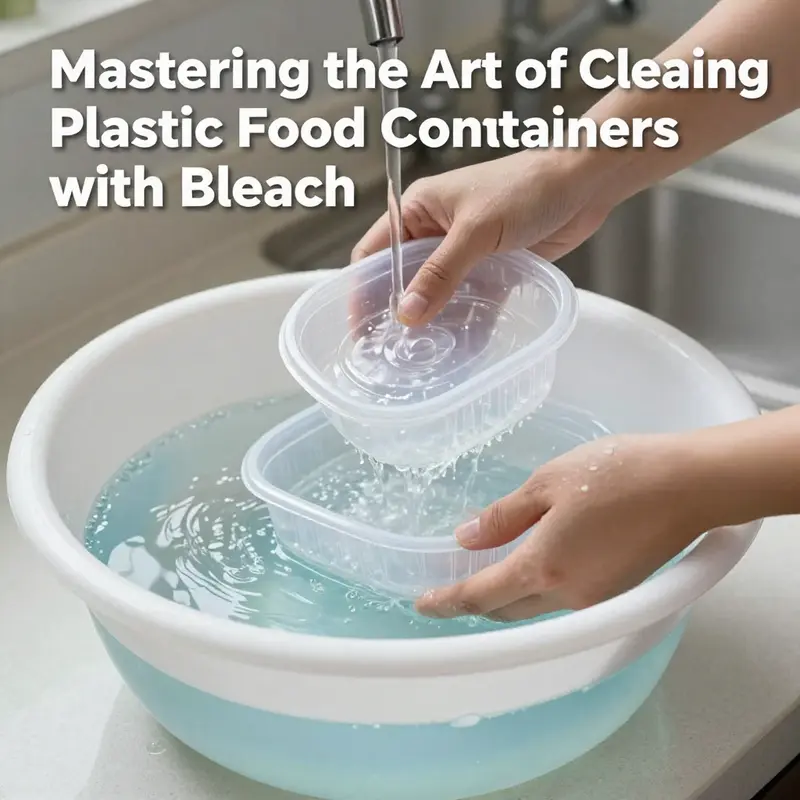
In kitchens worldwide, the drive for clean, safe food storage often leads to a simple, potent question: can bleach be used to sanitize plastic food containers without harming the container or the people who use it? The answer rests not in a single step, but in a careful sequence that respects chemistry, material science, and practical hygiene. The goal is not merely to disinfect but to do so in a way that reduces residue, avoids damage, and remains within the bounds of safety for household use. When done thoughtfully, a diluted bleach solution can be an effective ally. When done carelessly, it can leave behind hazards that rival the very bacteria one hopes to deter. The core of a sound method lies in the details: the right dilution, thorough immersion, complete rinsing, and careful drying, all while honoring the container’s material and its intended use. This chapter weaves those details into a seamless practice, one that fits naturally into the broader conversation about kitchen cleanliness and plastic storage sustainability.
First, the question of dilution anchors the entire process. Household bleach is a chemical oxidizer that, in the right strength, can neutralize a broad spectrum of microbes. Yet its strength is also its risk. The recommended starting point is a clearly defined ratio: one part bleach to twenty parts water, which translates to roughly one tablespoon of bleach per gallon of water. This 1:128 concentration provides a level of disinfection while minimizing aggressive contact with plastic surfaces and reducing the likelihood of removable residues. It is essential to ensure the bleach used is labeled for food-contact surfaces and that undiluted products are never employed. The logic is straightforward: high concentrations can swiftly degrade plastics, especially those not designed to withstand chlorine exposure. When in doubt, remember that the goal is to sanitize without compromising the container’s integrity or safety for future food contact.
The next hinge is the container’s compatibility with chlorine-based disinfection. Plastics vary widely in how they react to bleach. Materials such as polypropylene and high-density polyethylene typically stand up to the mild chlorination described above, while others—such as certain polymers and composites—may warp, crack, or leach additives when exposed to chlorine. The prudent approach is to check the container’s labeling or recycling code. Codes indicating common plastics offer a quick clue, but when in doubt, a conservative path is best. A short soak in a diluted solution is safer than a long, full immersion if there is any doubt about the container’s resilience. With this in mind, the narrative of soaking becomes a careful negotiation between sanitation gains and the risk of structural or chemical changes. In practice, once the material’s compatibility is established, the practitioner proceeds with confidence that the chosen container can tolerate a chlorine-based disinfection step without losing its core functionality.
Submersion is the heart of the technique, and it should be carried out methodically. The container should be fully submerged so that interior and exterior surfaces, including crevices and sealing rims, are covered by the sanitizer. The duration is a balancing act: a soaking time of at least ten minutes provides a robust opportunity for microbes to be exposed to the oxidizing action, yet longer exposure—up to thirty minutes in some cases—may be warranted for containers with stubborn residues or when the environment has high microbial load. The key is to maintain constant contact with the diluted solution while avoiding any gaps in the coverage. This is not a trial-and-error race; it is a deliberate, even ritual that respects the physics of diffusion and the chemistry of chlorine-based disinfectants. A practical cue is to periodically rotate the container if the solution is in a large basin, ensuring every surface experiences the same treatment rather than relying on a single orientation to do all the work.
Rinsing follows soaking with a thorough, multi-pass cleansing. Bleach residues remaining on plastic that later contact food can pose health risks, particularly for sensitive individuals. Therefore, rinsing is not a superficial step but a critical safeguard. After soaking, the container should be rinsed extensively with clean, running water. It is wise to rinse not just once but several times, paying particular attention to the interior corners, the underside of lids, and any grooves that might trap liquid. In practice, multiple rinses—each followed by a quick visual check for lingering cloudiness or a faint chlorine scent—help ensure that no residual chemical remains. The aim is to arrive at a state where the container no longer carries the odor or the feel of bleach when brought to the lips or used for storage. Only then is the container ready for the final phase: drying.
Air drying completes the sanitization sequence and stands as a crucial, frequently overlooked step. Towels, while convenient, can reintroduce contaminants or fibers from fabric, potentially negating the cleanliness achieved through soaking and rinsing. An open, well-ventilated space allows any remaining moisture to evaporate naturally, while airflow helps dissipate any residual fumes. The best practice is to place the container upside down on a clean rack or a drying mat in a location with good air movement. Allow enough time for complete dryness before reuse. This step not only prevents the reintroduction of contaminants through damp surfaces but also minimizes the chance of any residual moisture interfering with the next washing cycle.
While the technique above can be effective, it sits within a framework of broader safety considerations. Do not mix bleach with ammonia-based cleaners, acidic substances such as vinegar, or toilet bowl cleaners that contain hydrochloric acid. Mixing these products can yield toxic gases that irritate the respiratory tract and, in extreme cases, threaten life. Ventilation matters; perform the process in a well-ventilated area, preferably near an open window or under a hood, with gloves protecting hands from irritation. Following these safeguards reduces the likelihood of adverse reactions while preserving the benefits of a properly executed disinfection.
The discussion of technique must also acknowledge the limits. Bleach is not a universal remedy. For routine cleaning of food-contact surfaces, many regulatory authorities emphasize that soap and water are standard first-line practices. Bleach should be employed only when there is a specific sanitation need or when guidelines explicitly advise its use for disinfection. This stance aligns with a cautious, evidence-based approach to kitchen hygiene: use the simplest, least hazardous method that achieves the desired cleanliness. In cases where bleach use seems excessive or the container shows signs of damage, it is wise to consider safer alternatives. White vinegar and baking soda can handle routine cleaning tasks effectively without the chemical risks associated with chlorine compounds. Discoloration or staining, while sometimes improved with a mild bleach intervention, should not become a routine challenge that weakens the container’s integrity; repetitive bleaching can slowly degrade plastics and shorten their working life.
The overall approach, then, blends technique with judgment. Inspect containers before starting the process. If a container shows cracking, warping, or a persistent odor, especially after heating or repeated cycles, discard it. Damaged plastics can harbor bacteria in micro-cracks and may release chemicals when heated or stressed, defeating the purpose of disinfection and posing potential health hazards. In such cases, the cost of a replacement container is a proactive investment in safety rather than a risk-laden compromise.
Beyond the mechanics, there is a practical, everyday dimension to this practice. If you are contemplating a shift toward more sustainable or safer storage solutions, consider how your cleaning routine aligns with packaging choices. The decision to adopt safer storage options can be reinforced by exploring packaging designs intended for easy, thorough cleaning and durability under typical home sanitizing cycles. For instance, choosing containers and packaging that are designed for repeated use and that tolerate mild chlorine exposure can help you maintain hygiene without frequent replacements or intensified chemical use. An example of accessible, thoughtfully designed options can be found in broader packaging discussions that frame the relationship between cleaning practices and storage choices. For convenience and context, you can explore options described under eco-friendly takeout packaging, which emphasizes materials that balance usability with durability. See this resource focused on packaging designed for safe, practical use in home kitchens: eco-friendly takeout boxes for food packaging.
In this integrated view, the practical steps—dilution, immersion, rinsing, and drying—become more than a sequence of chores. They form a disciplined workflow that honors the science of disinfection while respecting the realities of household plastics and the people who rely on them. When used judiciously, bleach can play a constructive role in maintaining hygienic food containers. It remains essential, however, to stay within validated guidelines, to monitor the container’s condition, and to be mindful of regulatory advice that favors safer, simpler cleaning practices when appropriate. The balance between efficacy and safety is not a fixed rule but a dynamic practice that adapts to the materials at hand, the level of contamination, and the overall goals of a kitchen that values both cleanliness and long-term sustainability.
For those seeking a broader regulatory perspective, consult authoritative guidelines on food-contact materials and disinfection practices. The U.S. Food and Drug Administration provides guidance that emphasizes caution with routine use of bleach on food-contact surfaces, underscoring that regular washing with soap and water remains a foundational practice. When bleach is considered, it should be used only as specifically recommended, with careful attention to dilution, contact time, and thorough rinsing. To explore these regulatory perspectives in more depth, you can review the FDA’s guidance on food-contact materials at https://www.fda.gov/food/food-safety-and-inspection/food-contact-materials. This context helps readers place the practical techniques described above within a framework of public-health considerations and ongoing safety updates.
Safer, Effective Ways to Sanitize Plastic Food Containers Without Bleach
When you want plastic food containers clean and safe, disinfecting doesn’t always mean reaching for chlorine bleach. Bleach is powerful, but it has limits. It can damage some plastics. It can leave residues if not rinsed well. It can react dangerously with other cleaners. For routine cleaning and stain removal, several safer and effective options exist. This chapter describes those alternatives, explains how and when to use them, and helps you choose the best method for your container and situation.
White vinegar is a versatile, low-risk cleaner and deodorizer. Its acetic acid dissolves mineral deposits, dissolves light food residues, and neutralizes odors from fish, curry, and garlic. Use it diluted for general cleaning. A 1:1 mix of white vinegar and water will handle odors and light soiling. For mold or persistent smells, soak the container for 30 minutes in undiluted or 1:1 vinegar and water, then rinse thoroughly. Vinegar is gentle on most plastics, but it can leave a faint scent. That scent dissipates as the container air-dries or with an additional water rinse.
Baking soda is ideal when you need a mild abrasive that won’t scratch plastic. Make a paste with a little water and rub it onto stained areas. Let it sit for 10 to 15 minutes, then scrub gently with a soft sponge. Baking soda neutralizes acids and removes grease and baked-on food. It also reduces lingering odors by absorbing them rather than masking them. For deeper cleaning, sprinkle baking soda into the container, add warm water, and let it soak for an hour. Rinse well and air dry.
Lemon juice brings natural acid and fragrance to the cleaning mix. The citric acid helps dissolve stains and can lightly bleach discoloration from tea or tomato sauce. Rub a cut lemon directly on stains for immediate action. Alternatively, squeeze lemon juice into warm water and soak the container for 20 to 30 minutes. Lemon works well alongside baking soda; together they create a fizzy reaction that lifts grime. After using lemon, rinse thoroughly. The fresh scent makes lemon useful when you want both cleaning and deodorizing in one step.
Oxygen-based cleaners are a strong option when stains resist mild acids and abrasives. Products that release oxygen, such as cleaners based on sodium percarbonate or hydrogen peroxide, lift organic dyes like coffee, tea, and tomato. They are gentler on plastics than chlorine bleach and leave no chlorine residue. Follow package dilution instructions carefully. Typically, you dissolve the powder in cold water and soak for about an hour. For safety, use these cleaners in a well-ventilated area. Rinse containers thoroughly after soaking.
Sunlight is free, simple, and surprisingly effective. Ultraviolet light from the sun kills many bacteria and fungi and naturally fades organic stains. After washing, place damp containers in direct sunlight for several hours. Position lids and parts so exposed surfaces get UV light. Avoid leaving plastic too long in hot sun if the material is thin or low-grade, as repeated exposure can accelerate brittleness. Use sunlight as a finishing step for deodorizing and mild sanitizing.
Food-grade sanitizing tablets offer convenience and consistent results. These tablets dissolve in water to produce a sanitizing solution that is safe for food contact surfaces. They are often used in food service settings. Follow manufacturer instructions for tablet-to-water ratios and contact times. These products eliminate microbes reliably and rinse away cleanly, without the corrosive risks of chlorine bleach. They are especially useful when you need documented sanitization or when cleaning many items quickly.
Specialized, food-safe plastic cleaners and neutral-pH detergents exist for regular use. They are formulated to clean without degrading plastic or leaving harmful residues. A neutral-pH product is a good everyday choice. Use warm water and a soft cloth or sponge. These cleaners remove grease and food soils gently and are safe for repeated use. For containers that contact acidic foods, neutral-pH cleaners help avoid chemical stresses to the plastic.
Choosing the right method depends on the goal: cleaning, deodorizing, stain removal, or sanitizing. For routine cleaning after meals, warm soapy water or a neutral-pH cleaner usually suffices. For odors, try white vinegar or lemon soak followed by rinsing. For stains, baking soda, lemon, or an oxygen-based soak often removes discoloration. For sanitation after illness or raw meat exposure, use a proven sanitizer such as food-grade tablets or a properly diluted bleach solution—only when the plastic is bleach-safe. Know the plastic type and manufacturer guidance before using any harsh sanitizer.
Some methods combine well. A sequence of washing, baking soda paste for stains, vinegar soak for odors, and sunlight to finish offers robust results without harsh chemicals. When using multiple steps, always rinse thoroughly between treatments. Residues left by any cleaner can alter taste and potentially irritate sensitive people.
There are times when replacing a container is the safest choice. If plastic is warped, cracked, pitted, or permanently discolored, it may harbor bacteria. If a persistent chemical or food odor remains after repeated cleaning, the material may have absorbed the compound. In those cases, discard the container. Choosing containers made from more inert plastics, glass, or stainless steel reduces the need for aggressive cleaning in the future. If you prefer disposables in some situations, look for food-safe, compostable options like paper or molded fiber. For example, eco-friendly takeout boxes can reduce repeated plastic use while remaining food safe and convenient.
Always pay attention to safety when substituting for bleach. Never mix cleaning agents. Never combine vinegar with bleach, or hydrogen peroxide with vinegar in the same container; those mixes produce harmful gases or reactive compounds. When using concentrated oxygen cleaners, keep them away from acids and organic matter until diluted. Wear gloves if you have sensitive skin. Work in a ventilated area when using concentrated products.
Timing and temperature matter. Warm water improves detergent action and helps dissolve oils. For oxygen-based cleaners, follow temperature guidance on the label; some work best in cold water. Soak times vary. A short, intense soak can shift grime quickly. Longer soaks are better for deep stains or strong odors. After any soak, rinse thoroughly until the water runs clear. Dry parts upside down to air, avoiding towels that can recontaminate surfaces.
When replacing bleach, choose options that match your priorities. If you want chemical-free cleaning, rely on vinegar, baking soda, lemon, and sunlight. If you need stronger stain removal without chlorine, use oxygen-based cleaners. If you need a documented, food-safe sanitizing step, use food-grade tablets or properly diluted bleach—only on plastics labeled as chlorine-safe. That balance keeps containers functional and food-safe while reducing risks tied to chlorine exposure.
Finally, consider prevention. Wash containers promptly after use. Rinse acidic or strongly pigmented foods soon after emptying. Avoid heating containers that show wear. Store lids and containers separately to let them dry fully. These practices reduce odors, stains, and the need for aggressive cleaning.
For authoritative safety guidance on bleach and cleaning agents, refer to official health resources. They explain mixing hazards and proper dilutions. See the Shenzhen Municipal Health Commission’s guidance on cleaning agent safety for detailed warnings about dangerous combinations and safe practices: https://www.szhealth.gov.cn/xxgk/xxgkml/zwgk/202602/t20260214_1989314.html
Final thoughts
Cleaning plastic food containers with bleach can effectively help maintain sanitary standards, but it must be practiced with precision and diligence. By following established safety guidelines, implementing proper dilution methods, and understanding material compatibility, food service operators can harness the power of bleach without compromising safety. Additionally, exploring alternative cleaning solutions can provide effective methods for routine maintenance. In doing so, businesses not only ensure compliance with health standards but also foster a safe and welcoming environment for their customers.