
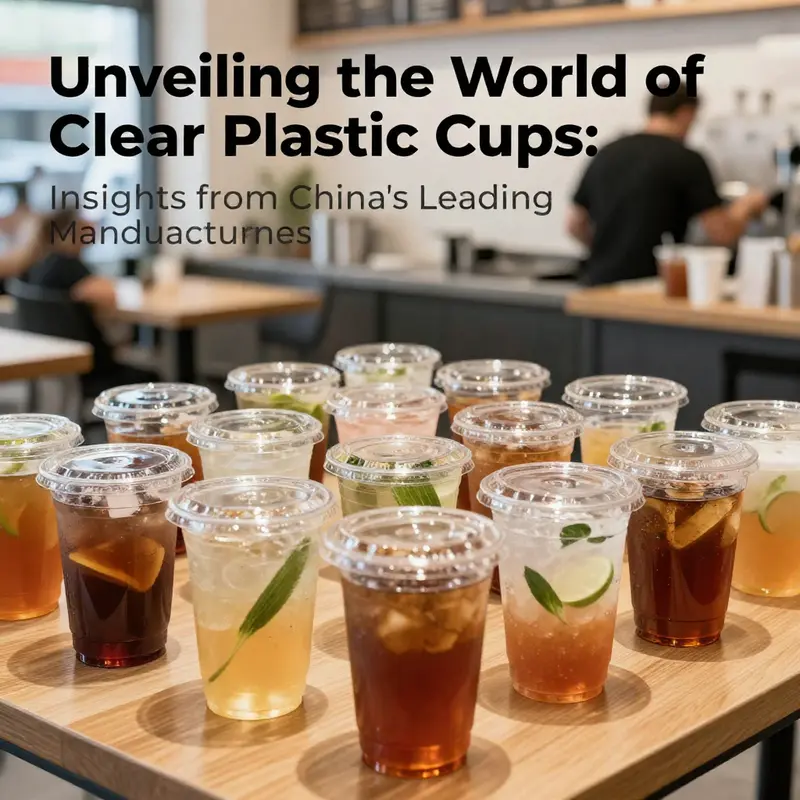
The manufacturing of clear plastic cups in China has seen remarkable growth in recent years, showcasing its importance within the global plastic industry. As demand for single-use beverage containers soars, particularly within bubble tea shops and the rapidly expanding beverage sector, understanding this market becomes essential for stakeholders. This article navigates the intricate landscape of clear cup plastic manufacturing in China, uncovering its market dynamics, technological advancements, economic impacts, and sustainability challenges. Each chapter offers valuable insights tailored to bubble tea shops, restaurants, food trucks, catering services, event planners, and corporate procurement teams, emphasizing how these elements collectively shape sourcing decisions and operational strategies.
From Factories to Front Lines: The Dynamic Market Landscape of Clear Cup Plastic Manufacturing in China
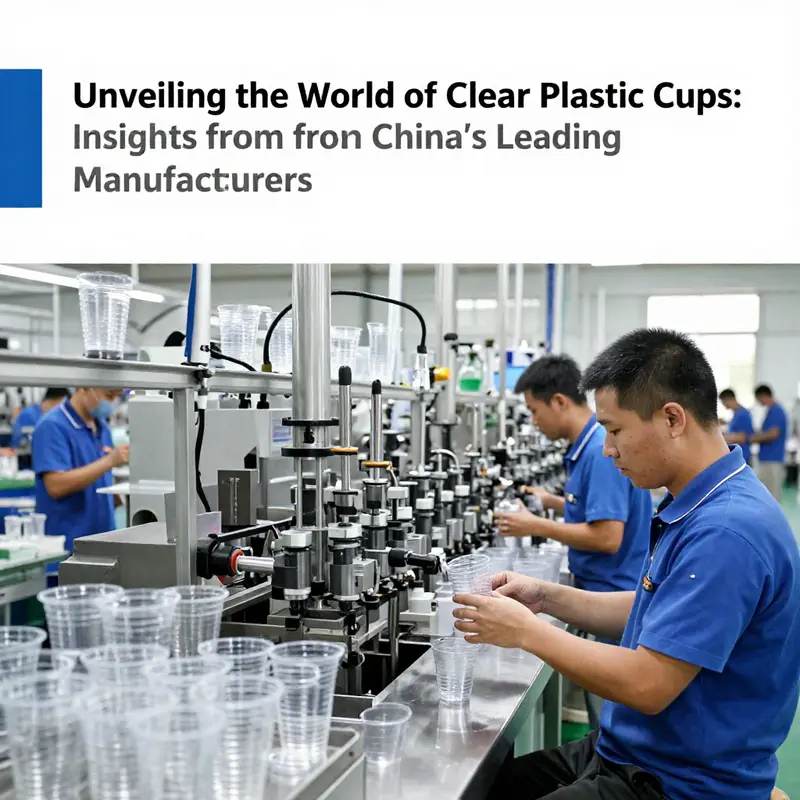
The market for clear cup plastic manufacturing in China sits at a pivotal intersection of scale, speed, and safety. It is a story told not only in square meters of automated production lines but also in the intricate choreography of a supply chain that links resin houses, machinery suppliers, and food service brands across continents. What begins as a straightforward product—a transparent cup for beverages—unfolds into a sophisticated ecosystem where material discipline, process engineering, and relentless cost optimization converge. This chapter ventures through the essential drivers that have made China a dominant force in clear cup production while keeping sight of the evolving expectations that shape this industry today. The narrative is less about isolated factories and more about the connective tissue that binds design choices to market needs, and it shows how a global consumer good emerges from a domestic production system calibrated for both mass delivery and tailored solutions.
In the core clusters that propel this sector, two provinces stand out for their complementary strengths. Guangdong Province functions as the export powerhouse, anchored by sprawling industrial zones near key port cities. The region benefits from mature supply chains for essential raw materials such as polypropylene, polystyrene, and the polyesters that feed the broader packaging economy. This is not merely about raw material access; it is about a networked advantage where suppliers, mold makers, and converter plants operate with a rhythm that reduces input costs and shortens lead times. Factories here commonly employ advanced injection molding and blow molding technology, enabling rapid prototyping alongside high-volume output. For buyers who require fast turnaround and flexible manufacturing arrangements—whether it is a last-minute design tweak, a different lid style, or a new cap color—Guangdong offers an ecosystem that can compress development cycles without compromising consistency. The efficiency gains in Guangdong translate into lower unit costs when orders scale, a critical factor for brands seeking to balance price and quality in crowded markets.
Beyond cost and speed, the Guangdong cluster also embodies a culture of OEM and ODM collaboration. Customers frequently arrive with a concept or a packaging brief and depart with a fully realized product, including specifications for wall-thickness, transparency clarity, lid compatibility, and stacking performance. This is not simply about producing cups; it is about delivering a reliable platform for beverage brands to bring new formats to market quickly. The seduction here is the confidence that a supplier can replicate a design across thousands of lines with the same precision, a capability that underpins large, ongoing contracts with major distributors and hospitality chains. The result is a dynamic where speed to market becomes a strategic advantage rather than a mere operational metric.
In contrast, Zhejiang Province embodies the next phase of the narrative: scale paired with a commitment to sustainability and continuous improvement. Here, the emphasis shifts toward large-scale, high-volume production capacity, often backed by automated lines that minimize human intervention while maximizing quality control. The emphasis on environmental stewardship has grown from a regulatory expectation to a market differentiator. Manufacturers in this region are investing heavily in biodegradable resins and in cleaner manufacturing practices that align with a shifting global preference for responsible packaging. This is not just a trend; it is a strategic response to rising consumer awareness and to procurement policies from retailers and food service operators that increasingly favor sustainable options. Large facilities in Zhejiang are frequently designed with modular automation in mind, allowing factories to reconfigure lines for new product variants without sacrificing throughput. In this context, the capacity to expand into new formats—such as differently shaped cups, altered wall geometry for improved rigidity, or reinforced lids—becomes a practical capability rather than a theoretical possibility.
The national market trend provides a backdrop to these regional dynamics. The clear cup segment has long benefited from a steady influx of domestic demand and a robust export orientation. The market has grown alongside the rise of modern food service networks, quick-service providers, and increasing urban consumption of ready-to-drink beverages. A notable facet of the market trajectory is the growth in safety and environmental standards, which has pushed manufacturers to adopt safer materials and to explore more sustainable production lines. The interplay between domestic consumption and international demand has created a resilient market where producers must balance price competitiveness with quality assurance, and where efficiency must be matched by flexibility to meet varied regulatory and customer specifications.
Technology-driven differentiation matters in this space. Modern clear cup manufacturing is not simply about machining a transparent wall; it is about how a plant orchestrates resin handling, mold design, cycle timing, and quality checks to deliver a uniform product. Advanced injection and blow molding technologies enable not only high-speed production but also fine-grained control over wall thickness, optical clarity, and wall profile. A well-configured line can produce a range of capacities—from smaller 8-ounce servings for single-use coffee at busy kiosks to larger 16-ounce cups for grab-and-go beverages—while maintaining consistent wall thickness that optimizes both rigidity and resilience. The capacity to switch formats without significant downtime is a strategic advantage when a buyer asks for a different lid style, a new anti-spill feature, or a bespoke lid-to-cup fit that reduces leakage risk in transport.
Yet technology by itself does not tell the whole story. A robust supply chain is what makes scale feasible. Guangdong’s ecosystem benefits from a dense cluster of mold makers, cap suppliers, and downstream converters who can operate in concert to deliver a turnkey solution for a brand that needs not only a cup but a complete packaging system. The same goes for Zhejiang, where automated lines are often combined with stringent in-line quality control measures. The emphasis on automation is not merely about volume; it is about consistency, traceability, and the ability to document materials and process parameters across thousands of cycles. For customers who require precise food-contact safety standards, this traceability translates into confidence that a cup will perform as expected in the most demanding service environments, be it a hot tea service in winter or a cold beverage on a crowded summer day.
As the market matures, sustainability emerges as a defining criterion for manufacturers and buyers alike. In addition to the economics of resin selection and waste minimization, the industry is increasingly aligning with global expectations around recyclability and lifecycle impact. Some producers are piloting biodegradable resins and compostable formulations that can meet end-of-life considerations in responsible waste streams. Others optimize processing to reduce energy use or to recover scrap resin for reuse in closed-loop systems. This evolution is not uniform across all facilities, but it signals a broader shift: clear cup manufacturing in China is evolving from a purely cost-driven model toward a more holistic approach that weighs environmental performance and regulatory compliance as fundamental product attributes. Consumers and retailers understand that a clear cup is not simply a disposable container—it is a symbol of brand responsibility, quality assurance, and a commitment to safe, reliable, and sustainable packaging.
The conversation around safety, indeed, anchors much of the industry discourse. Food-contact safety standards require clear plastics to exhibit predictable performance under a range of conditions, including exposure to heat, light, and varying pH levels from different beverages. The industry therefore emphasizes resin quality, molding precision, and robust quality-control protocols. The result is not just a cup that looks clean and clear on a shelf but one that maintains clarity and integrity after repeated use in a service environment. In practical terms, this translates into predictable performance for customers who rely on these cups in high-volume settings. It also means that producers invest in testing regimes that monitor optical clarity, surface gloss, and the absence of internal defects that could affect visibility of the beverage and the perceived freshness of the product inside.
Customization, a defining strength of the modern supply chain, continues to expand the value proposition for clear cups. Many manufacturers offer an array of sizes, from compact 8-ounce forms to larger 16-ounce variants and beyond, with the option to tailor lid designs, stackability, and compatibility with heat-sealing or labeling technologies. The ability to offer domed lids, insulated configurations, or ergonomic grips adds practical appeal for food service operators seeking to streamline throughput or elevate the consumer experience. The capacity to deliver both standardized offerings and highly tailored solutions is what makes Chinese manufacturers particularly attractive to buyers who require agility alongside scale. Experienced suppliers cultivate a collaborative design approach, translating customer briefs into production-ready drawings and test runs that minimize risk in the transition from prototype to full-scale production.
This chapter’s narrative would be incomplete without appreciating how the market translates into real-world procurement decisions. A typical buyer in the hospitality or retail sector evaluates cup suppliers through a blend of price, reliability, and compliance. Price competitiveness often stems from the efficiency of the local supply chain, favorable logistics terms, and the sophistication of the factory floor. Reliability hinges on consistent quality, the ability to meet tight lead times, and effective problem-solving when deviations occur. Compliance—covering food-contact safety, labeling, and environmental standards—shapes supplier qualification and ongoing performance reviews. In this climate, China’s clear cup manufacturers leverage a mature ecosystem to offer a compelling value proposition: a combination of cost efficiency, customization, and governance that supports large, multi-year contracts while still accommodating smaller, emergency orders.
For readers who want to explore a concrete example of the broader market dynamics described here, a representative supplier profile might emphasize rapid prototyping timelines, a robust ODM capability, and a track record of delivering consistent product quality across multiple cup formats. While the specifics of any single provider are numerous and varied, the underlying pattern remains consistent: regional strengths feed global demand through scalable operations, while ongoing investments in automation and sustainability align with evolving customer expectations. The net effect is a market that is not only large in volume but also sophisticated in its approach to product development, process optimization, and environmental stewardship. This combination helps explain why clear cup plastic manufacturing in China continues to be a central artery in the global packaging supply chain, supplying beverages of every kind to a world that increasingly values dependable performance, responsible materials, and design that harmonizes form with function. For readers seeking a tangible touchpoint to the broader discussion, a practical reference to supplier examples and product ranges can be found at the following resource, which reflects the kind of capacity and flexibility described here: disposable-clear-plastic-cup-outdoor-picnic-pet-cup-drinking-cup-for-parties-birthdays-weddings-camping-utensils. This link illustrates how a single SKU category can encompass a spectrum of formats and customization options that align with both domestic and export-oriented demand.
In closing, the market landscape for clear cup plastic manufacturing in China is not a monolith but a living system that thrives on the interplay between regional strengths, advanced manufacturing capabilities, and a shifting emphasis on sustainability and safety. Guangdong’s export-oriented efficiency and Zhejiang’s scalable automation with environmental awareness together form a balanced framework. The sector continues to adapt to changing consumer expectations and regulatory environments while maintaining the reliability and flexibility essential to the hospitality and retail industries. The result is a global supply chain that can move quickly from concept to consumer, delivering clear cups that perform as promised in a wide array of beverage contexts. External resource: https://www.made-in-china.com/products/875336334-221875251/Custom-Logo-Plastic-Cup-with-Lid.html
Clear Thresholds, Global Reach: How China’s Cup-Making Technologies Redefine Clear Plastic Packaging
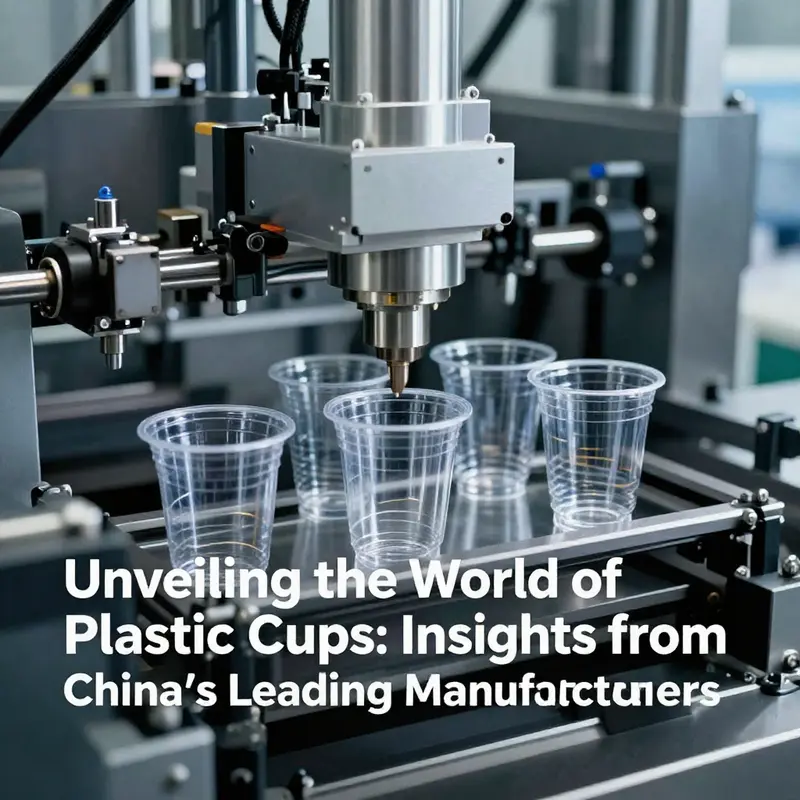
The story of clear cup plastic manufacturing in China is less a tale of single inventions and more a narrative of integrated capability. It unfolds across a landscape where material science, mechanical precision, and logistical networks converge to produce a product that is at once simple in function and demanding in performance. For beverage applications, the clear cup must be safe for food contact, withstand a range of temperatures, resist cracking under pressure, and retain an immaculate level of clarity from first fill to final disposal. In China, meeting these expectations has become less about one breakthrough and more about a cohesive system built on high-speed molding, automation, and a dense ecosystem of specialists who optimize scale without sacrificing quality. The result is a sector that can align with domestic demand and, more crucially for global buyers, provide consistent specifications across large orders, with the flexibility to tailor sizes from compact 8-ounce portions to larger 16-ounce designs and beyond, all while maintaining a favorable price-to-performance balance that is hard to match in many other regions.
At the heart of this transformation lies high-speed, high-precision molding technologies. Chinese producers are increasingly adopting multi-cavity tooling and fast-cycling presses that compress cycle times without compromising the integrity of each cup. The advantages are twofold. First, throughput grows, enabling factories to handle large-scale orders with a level of reliability that reduces lead times for international buyers who must manage complex supply schedules. Second, the precision of these molding systems sharpens consistency. Clarity remains high, walls exhibit uniform thickness, and the bottom geometry stays uniform across thousands of pieces. These outcomes are not incidental; they reflect a disciplined approach to process control that starts with resin selection and continues through melt temperature, pressure profiles, and mold cooling strategies. The result is a family of clear cups with dependable geometry, which is essential for stacking, sealing, and downstream packaging modalities.
The role of automation in this environment cannot be overstated. Robotic handling, automated film or pellet feeding, and computerized control architectures reduce the variability that manual processes can introduce. In practice, automation touches nearly every stage of production, from material loading to inspection and packaging. It is not merely about speed; it is about repeatability and traceability. When a machine runs at a given cycle, sensors monitor temperatures, press tonnage, and cooling rates. This data is continuously compared against target specifications, and deviations trigger immediate adjustments or alarms. The digital thread does not stop at the machine; it extends to the design phase through computer-aided design, which ensures that the dimensions and tolerances of each cup conform to strict standards before any resin is even melted. CAD is employed to optimize the geometry that influences how a cup performs under stacking loads, how the rim seats on a lid, and how the cup handles heat transfer during hot beverages. This convergence of design and manufacturing closes the loop between concept and production, reducing the risk of late-stage redesigns once tooling is in place.
Real-time quality monitoring emerges as a defining feature of this modern production paradigm. Rather than relying on sample checks after a run, many facilities deploy inline vision systems and defect-detection algorithms that inspect wall thickness, clarity, and surface defects as cups exit the mold. The emphasis on minimizing waste aligns with broader sustainability and cost-control goals. Even small reductions in reject rates translate into meaningful savings at scale, where a few percentage points can spell the difference between meeting a tight delivery window and facing out-of-stock situations for major customers. The combination of high-speed molding and continuous quality feedback creates a fabric of reliability that becomes a competitive differentiator in international markets where buyers value predictability almost as much as price.
A distinctive feature of the Chinese manufacturing landscape is its regional clustering, with provinces like Shandong developing specialized ecosystems for precision manufacturing and export logistics. Clusters are not simply geographic coincidences; they are networks that enable shared capabilities, such as access to specialized auxiliary suppliers, tooling houses, and heat-treatment services, all of which contribute to shorter lead times and greater consistency across shops. The advantages extend to the workforce, where technicians gain deep tacit knowledge about material behavior, mold dynamics, and the nuanced coordination required to sustain high-volume production under strict specifications. When a buyer places a large order with a supplier in such a cluster, the supply chain has already been de-risked to a meaningful degree—regional coordination reduces the risk of customs delays, transport bottlenecks, and component shortages. The logistics dimension, especially for export, complements the technical strengths: standardized packaging, reliable freight schedules, and a local capacity for scale that can dramatically shorten the path from factory to port.
Chinese manufacturers have also shown a capacity to continuously innovate within the constraints of global standards. They pursue improvements in both process efficiency and product performance, balancing speed with clarity and strength. This balance is critical for clear cups, where the optical quality of the plastic must resist the dulling effect of surface imperfections, while still enduring practical handling, heat exposure, and stacking pressures. The drive for higher clarity is anchored in polymer science, with emphasis on food-grade polypropylene as the primary resin, chosen for its safety profile, clarity potential, and compatibility with hot-fill processes. Yet the journey from resin to finished product is not linear. It requires careful control of the entire value chain—from resin suppliers who can deliver consistent melt flow and impurities, to extrusion and molding equipment configured for the chosen grade, to downstream trimming, annealing (where applicable), and surface finishing that eliminates micro-blemishes. The result is a clear cup that remains glass-clear under typical usage, remains rigid under common loads, and delivers a predictable performance that buyers can rely upon for both retail shelves and busy hospitality environments.
As the sector scales, customization becomes both more feasible and more essential. The market increasingly demands cups of specific heights, rim diameters, wall thicknesses, and injection-molded features such as domed lids or integrated vents. The high-speed molding platforms can be retooled with minimal downtime to accommodate new cavity configurations, enabling producers to offer a broader portfolio without sacrificing cycle times. Automation supports this flexibility by enabling fast tool-changeover, while CAD-driven design allows for rapid verification of tolerances and aesthetics before any production commit. In practice, this means a single facility can switch between several cup families in a matter of hours rather than days, delivering tailored solutions for different beverage formats, branding requirements, and service channels. This adaptability is particularly valuable for customers who seek to isolate packaging streams by market or by chain, and who must align packaging with campaigns that call for specific sizes and lid styles.
The technological trajectory described here is not purely domestic in its orientation. Chinese manufacturers have built strong capabilities to meet international demand with an eye toward compliance, safety, and consistent performance. The emphasis on real-time monitoring and tight tolerances helps ensure that cups shipped to distant regions arrive with the same clarity and strength as those produced for domestic consumption. The global leadership claim rests on the combination of scale, predictable quality, and the ability to offer customized packaging solutions without sacrificing reliability. This is especially relevant in segments where beverages require strict controls for spill resistance, heat tolerance, and consumer trust in disposable packaging. The emerging picture is one of a mature manufacturing system that integrates state-of-the-art molding, digital design, and end-to-end quality control with a regional logistics framework designed for export, all while maintaining competitive price points that keep Chinese suppliers at the center of global procurement discussions.
The broader context of these advancements includes continued attention to safety and sustainability. While the core materials remain focused on polypropylene for its proven food-safety profile, there is an ongoing interest in process improvements that reduce waste, energy intensity, and downstream environmental impact. In many facilities, conversations around waste minimization translate into tighter scrap management, more efficient cooling cycles, and optimized gating systems that minimize polymer flash. Additionally, with rising attention to recyclability and lifecycle considerations, manufacturers are evaluating how to support end-of-life programs without compromising performance during use. The practical implication for buyers is clear: partnering with producers who can demonstrate a robust quality-management culture, traceability of the production run, and a transparent approach to process optimization can reduce risk in a supply chain that moves quickly and covers vast geographic distance.
For readers interested in the practical realities that underlie these capabilities, consider how the sector responds to the coexistence of speed, clarity, and customization. The equipment and process choices described above translate directly into the ability to fulfill large, time-sensitive orders while maintaining a consistent visual standard that customers expect on shelf and in-service environments. It is this combination of high-speed capability, automated precision, and regional specialization that gives China its current edge in clear cup manufacturing. As the global beverage landscape continues to evolve—with new brands, shifting consumer preferences, and an increasing emphasis on supply-chain resilience—these capabilities provide a resilient platform from which to scale, adapt, and maintain quality across a broad range of applications. The story thus moves beyond a single technology or a single plant to a broader understanding of how an entire sector, anchored by clusters, tools, and strategic design workflows, can deliver predictable performance at scale.
One practical link to observe the real-world implications of these capabilities is in the broader packaging ecosystem, where the demand for clear cups intersects with a wide array of disposable tableware and accessory products. This context helps explain why the technical prowess being developed in these manufacturing clusters matters to buyers who require end-to-end confidence in supplier capability. In addition, as designers and buyers increasingly expect packaging that can be customized for branding, logistics, and sustainability goals, the seamless integration of CAD-driven design with automation and real-time inspection becomes a competitive necessity rather than a luxury. The result is a packaging platform that can adapt to a spectrum of beverage formats and distribution strategies, while preserving the clarity and reliability that define the consumer experience. A practical example of the industry’s breadth can be explored through the following internal reference: disposable-clear-plastic-cup-outdoor-picnic-pet-cup-drinking-cup-for-parties-birthdays-weddings-camping-utensils.
External resource for further reading on market trends and the technological frontier in plastic cup making machines can be found here: https://www.researchandmarkets.com/reports/6348921/technological-advancements-in-plastic-cup-making-machines.
Clear Cups, Global Currents: How China’s Plastic-Cup Manufacturing Shapes Trade, Innovation, and Green Standards
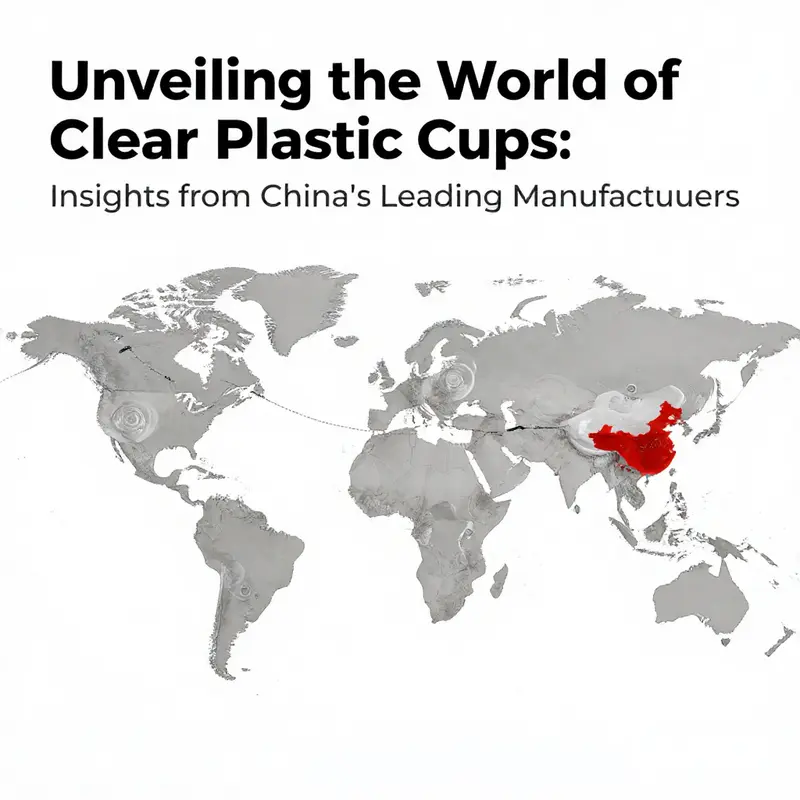
The global trade in disposable packaging rests on a delicate balance of scale, speed, and sustainability, and among the players driving that balance, the clear cup manufacturers in China occupy a pivotal position. Their influence extends well beyond the lines of a factory floor or a shipment manifest. It shows up in how quickly an international buyer can align a new beverage service line with standardized, food-grade materials; in how readily a hospitality chain can roll out a uniform packaging aesthetic across multiple markets; and in how regional trade frameworks reshape the cost and compliance calculus that determines which suppliers win and which wait. The story begins in the heart of a dense, highly integrated supply chain—Guangdong’s cluster of plastic conversion plants where the production of clear cups has evolved into a high-velocity system. In this environment, American, European, and Southeast Asian buyers find themselves drawn to suppliers who can deliver consistent quality, scale, and customization without sacrificing delivery speed. The economics of this arrangement hinge on a straightforward equation: lower input costs, accessible technology, and reliable nationwide logistics translate into competitive pricing for complex, multi-size cups that meet strict food-safety standards. The region’s mature ecosystem reduces the cost of essential inputs—PET, PP, and PS resins—by an estimated 15 to 20 percent, a margin that makes large, recurring orders viable for international brands and private-label producers alike. The advantage is not merely about cheaper plastic; it is about a synchronized set of capabilities: precisely controlled injection molding, blow molding for thin-wall clarity, and the agility to prototype and scale cup designs with remarkable speed. This combination matters because clear cups are a platform product. A simple vessel for beverages becomes a canvas for branding, temperature resilience, stackability, and even consumer perception of sustainability. For buyers who demand both uniformity and customization, a Chinese supplier with an established regional hub can deliver a family of sizes—from small 8-ounce portions to larger 16-ounce equivalents—while offering compatible lids, domed designs, and printing options that uphold quality across thousands of units per day. The advantage translates into tangible trade flows: higher order fulfillment reliability, reduced risk of stockouts, and smoother transitions from pilot runs to mass production. Buyers in emerging markets often require a turnkey solution, and the Guangdong ecosystem has evolved to meet this expectation by integrating upstream material sourcing with downstream processing and packaging solutions. When a single supplier manages resin procurement, molding, quality control, and packaging finish, the total lead time can be significantly compressed. The result is a hooping of efficiency across the supply chain that lowers the landed cost of clear cups and reduces the inventory burden on foreign buyers, especially those managing multi-site operations in hospitality, quick-service, and on-premise catering. The practical effect is a more predictable revenue stream for brands and distributors who rely on consistent packaging performance during peak seasons or major promotions. In the background, another force reshapes the competitive terrain: regional integration under trade agreements such as the Regional Comprehensive Economic Partnership. By lowering tariffs and simplifying origin procedures, RCEP has accelerated access to markets across Southeast Asia, enabling manufacturers to draw on a larger, interconnected customer base while maintaining the cost efficiencies gleaned from the Chinese production base. The impact is not only about price but about reliability and market responsiveness. Tariff reductions and simplified customs procedures reduce the time from order to shelf, which matters as beverage campaigns often hinge on timely product introductions and seasonal demand swings. The narrative extends beyond price and speed into the realm of compliance, where the quality and safety of clear cups are nonnegotiable. Chinese producers have aligned their operations with stringent food-safety standards, using food-grade polypropylene and, in many cases, polyethylenes that meet international norms. The result is a product that can be shipped with confidence into both developed markets and emerging economies that are raising their scrutiny of packaging materials. In turn, this reliability reinforces the attractiveness of Chinese suppliers to OEM and ODM customers who seek consistent performance across long-term contracts and diverse regulatory environments. The broader picture, however, includes a structural shift in the materials backbone of the industry. The polypropylene market, long a cornerstone of packaging production, has shown a gradual move from net importer to net exporter status in recent years. This transformation matters because it influences the stability of supply for clear cup manufacturers, reducing exposure to price spikes and logistics bottlenecks that can arise when a key raw material is in tight supply. A more self-sufficient domestic end-to-end ecosystem in plastics enables greater resilience, which is important for international buyers who must plan for fluctuations in freight costs, currency movements, and regional demand shocks. The capacity to source resin locally and convert it quickly translates into shorter lead times and more predictable pricing, both of which are crucial for large, multi-year packaging programs. The Chinese industry’s capacity to scale remains a decisive factor. Guangdong’s factories are not only large; they are technologically equipped to turn around prototypes at a pace that aligns with the speed of product development in foodservice and retail. Advanced molding technologies, coupled with modular production lines, enable rapid iteration on cup shapes, lid compatibility, and stackability. The ability to customize the geometry of a clear cup—wall thickness, bottom diameter, lip shape, and transparency grade—without sacrificing throughput is a differentiator in a market where customers seek both standardization and branding versatility. These capabilities feed directly into the export dynamic. International buyers appreciate a supplier who can deliver a consistent family of products in multiple sizes and densities while maintaining strict compliance with hygiene and safety norms. The interplay of mass production with customization creates a market layer where price competition coexists with the demand for design flexibility. In this environment, the supplier who can offer integrated services—from resin sourcing through finished cups with lids and printing—becomes a preferred partner. The appeal increases when the supplier can demonstrate a robust quality management system, evidence of repeatability, and the ability to respond quickly to demand surges, whether tied to summer beverage campaigns, holiday promotions, or sudden changes in consumer preferences. The green dimension of this story also matters. China has emerged as a leader in green trade, exporting not only finished products but sustainable packaging concepts. In Zhejiang, for example, manufacturers are investing in greener resins and recycling-enabled processes, recognizing that sustainability is increasingly a market differentiator and a regulatory responsibility. As buyers incorporate carbon accounting into supplier evaluations, the ability to demonstrate lower life-cycle emissions, reduced waste, and circularity in packaging becomes a competitive edge. Yet the global landscape is not without its tensions. The rise of environmental standards and the prospect of carbon-related border adjustments can raise compliance costs for exporters who do not align quickly with evolving green criteria. This reality pushes Chinese manufacturers to invest in cleaner production, energy efficiency, and more transparent supply chains to avoid “green barriers” that could raise the price of entry into developed markets. The industry’s evolution into a green-leaning trajectory does more than just satisfy regulatory demands; it aligns with the expectations of a growing segment of global buyers who want packaging that communicates responsibility as clearly as it does quality. In the long arc, the convergence of scale, technology, and green innovation is reshaping not only what is produced but how it is evaluated in the marketplace. Trade patterns are shifting from a simple cost-minimization calculus to a more nuanced assessment of supplier capabilities, regional stability, and environmental stewardship. The Guangdong cluster’s capacity to deliver high-volume, customizable, food-grade clear cups positions Chinese manufacturers as the backbone of many international packaging programs. That positioning translates into more robust trade flows as buyers look for dependable partners who can grow with their brands. It also invites a broader range of buyers who previously viewed packaging as a logistical burden to consider it a strategic asset—one that can support brand consistency, product integrity, and sustainability commitments across markets. The interlocking dynamics of regional supply networks and global demand show up in everyday decisions—how quickly a new flavor or beverage concept can be brought to market, how a chain of cafes sustains uniform service across cities, and how a festival or event can scale its packaging to meet surge demand without compromising safety or aesthetics. This is not simply domestic production; it is a global pathway that connects raw-material resilience, cutting-edge manufacturing, and smart policy alignment. For readers navigating this space, a practical takeaway is to look for suppliers who offer more than a single-cup proposition. The strongest partners present a cohesive packaging ecosystem—resin supply and processing, finished cups, compatible lids, and branding options—delivered with reliable lead times and transparent quality controls. They also actively engage with evolving environmental standards, investing in cleaner processes and traceable supply chains that support green trade narratives. The integration of regional trade frameworks, like RCEP, with ongoing investments in green materials and efficiency improves the predictability of export performance. As China’s clear cup manufacturers continue to expand their role as global suppliers, their success will increasingly hinge on sustaining that balance between cost discipline, technological adaptability, and responsible stewardship. Buyers who can articulate a clear, long-term packaging strategy—one that accounts for scale, brand consistency, and environmental impact—will find the most value in partnerships that not only deliver cups but sustain the entire packaging program across markets. In this sense, the story of clear cup manufacturing in China is really the story of global trade’s capacity to align production efficiency with evolving consumer expectations and regulatory landscapes. It is a narrative built on clusters that optimize input supply, on factories that turn ideas into finished goods with astonishing speed, and on a policy environment that rewards regional integration and green innovation. The result is a supply pipeline that strengthens the flows of packaging goods across continents, stabilizes pricing under dynamic demand, and supports the expansion of food and beverage service in virtually every corner of the world. For those who want a tangible glimpse into the kinds of products that ride this pipeline, one can explore the broader ecosystem of event-ready packaging options that accompany clear cups in today’s market. See the disposable clear plastic cup product page to understand how a single vessel can be designed for events, hospitality, and everyday use, while maintaining the high standards that buyers expect. disposable-clear-plastic-cup-outdoor-picnic-pet-cup-drinking-cup-for-parties-birthdays-weddings-camping-utensils. This link exemplifies how the packaging ecosystem is marketed and sold, reflecting both the technical sophistication and the global reach of today’s clear cup supply chains. As a closing reflection, the chapter’s thread remains the same: China’s clear cup manufacturing sector stands at the intersection of compact manufacturing precision and expansive global demand. Its ability to optimize input costs, leverage regional production hubs, and align with green and trade-led policy shifts will continue to shape how packaging products travel from Shenzhen and beyond to the shelves of retailers and the tables of consumers around the world. By understanding these dynamics, buyers and policymakers alike can better navigate the opportunities and challenges that define modern global trade in disposable packaging. External insights from global trade research underline that the shift toward green trade and regional integration will continue to influence how packaging industries evolve, reinforcing the importance of adaptable supply chains and transparent sustainability practices for long-term competitiveness. For broader context on these macro trends, see relevant external analyses and trade data that illuminate how policy, markets, and technology converge to shape the future of packaging—and the global economy that depends on it. https://unctad.org
Crystal Cups, Green Footprints: Reimagining Sustainability in China’s Clear-Cup Manufacturing
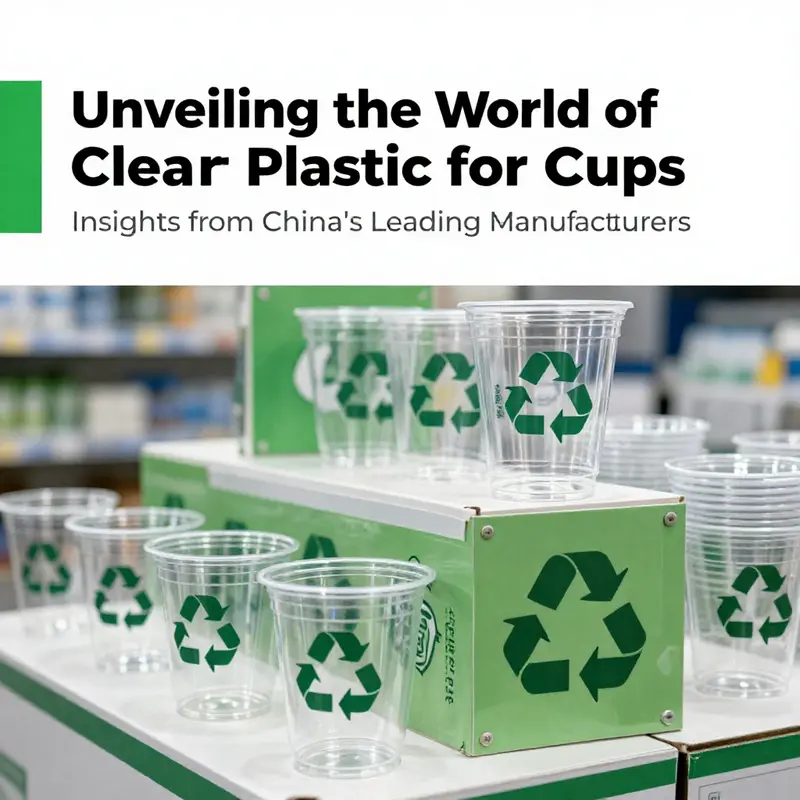
The clear cup sector in China sits at a crossroads where ease of use and transparency of material meet the heavier demands of environmental stewardship. Demand for a simple, hygienic, and reliable cup continues to grow across beverages, catering, and hospitality. Yet the industry is increasingly asked to prove its responsibility across the entire lifecycle—from raw material sourcing to end-of-life processing. The tension is not a theoretical concern; it translates into policy targets, shifting consumer expectations, and a global marketplace that increasingly prizes circularity as much as clarity. In this context, the contemporary chapter of China’s clear-cup manufacturing is less about glossy sheets of polyolefin and more about how to align production with a future that prizes low emissions, high recyclability, and genuine end-of-life recovery. The broader narrative of the industry’s transformation is anchored in three intertwined challenges: waste management realities, material sustainability economics, and tightening regulatory landscapes that push for real, measurable change rather than incremental tweaks. Together, these forces are reshaping not only product design but the very architecture of the supply chain that brings a seemingly simple item—an everyday cup—into the hands of millions.
Waste and recycling emerge as the first, most stubborn obstacle. China’s position as a global manufacturing hub means the country handles vast outputs of disposable cups, yet the post-use pathway remains incomplete. The 2025 sustainability report compiled by the national plastics association emphasizes a troubling statistic: roughly thirty percent of disposable cups are effectively recovered and recycled. The remainder often ends up in landfills or the environment, a consequence that fuels public concerns about white pollution and ecosystem disruption. In practical terms, this means every design decision—from the choice of lid to the adhesive systems used on labels—carries implications for recyclability. Clear cups, commonly produced from materials such as PET and PP, often come with coatings, colorants, or barrier layers that complicate separation and reuse. Even when a fabrication plant itself uses high-grade, food-safe polymers, the downstream waste management system must be capable of sorting, cleaning, and reprocessing streams that are not always uniform in quality or purity. This is not merely a municipal issue but a systemic one, affecting the margins and reputations of manufacturers who must guarantee supply continuity while navigating complex recycling streams. The consequence is that many suppliers are reorienting processes toward design-for-recycling principles, seeking to minimize mixed materials, and to simplify the separation of components at end-of-life.
Second, the economics of greener feedstocks remain a central hurdle. The industry’s traditional toolkit leans on fossil-fuel-based polymers—PP, PET, and PS—for their transparency, rigidity, and processing familiarity. They deliver predictable performance in a range of temperatures, from chilled beverages to hot-fill scenarios. However, these materials are intrinsically carbon-intensive to produce and tail the environmental profile with significant end-of-life challenges. There are promising developments in bio-based alternatives, including polylactic acid (PLA) and other bio-resins, that promise lower net greenhouse gas emissions. Yet the cost gap is nontrivial. Industry stakeholders point to a price premium of roughly forty to sixty percent for biobased formulations, coupled with concerns about heat resistance and long-term storage stability under high-temperature beverage conditions. In regions such as Zhejiang, several firms have begun pilot lines to seed a future in which renewable feedstocks contribute meaningfully to cup production. Still, these efforts must contend with scalability, supply reliability, and the performance parity required for high-volume hospitality and retail operations. The result is a cautious transition: partial substitution, process innovations that reduce energy intensity, and careful material selection that keeps quality and safety uncompromised while exploring the most economical path to lower emissions.
Third, regulatory pressure from major markets adds urgency to the sustainability agenda. The European Union’s Single-Use Plastics Directive, fully implemented in 2025, now restricts the sale of certain single-use cup types in member countries. Meanwhile, several U.S. states have introduced or tightened bans on specific disposable cups and related items. Chinese exporters find themselves in a rapidly changing compliance landscape that demands quicker, more coordinated product upgrades. The impetus is not only about meeting foreign standards; it is also an incentive to upgrade domestic processes, improve traceability, and provide transparent documentation of material content, additives, and end-of-life options. In practice, this translates into enhanced labelling, more robust supplier audits, and a design philosophy that anticipates future restrictions rather than reacting to them after the fact. The shift is gradual but undeniable: it nudges manufacturers toward closed-loop concepts, where the same stream of cup material can be recovered, reprocessed, and reincorporated into new products with minimal degradation in performance.
Yet within these challenges lie meaningful opportunities for transformation. A growing cohort of Chinese manufacturers is experimenting with closed-loop systems that align with the country’s own urban sustainability ambitions. In Guangdong, for instance, leading enterprises have begun implementing take-back programs and material recovery schemes that convert discarded cups into feedstock for new cups. Such models hinge on reliable collection networks, standardized processing steps, and partnerships that span the value chain from restaurant networks to recyclers and reprocessors. These efforts not only reduce waste but also stabilize supply chains by creating more predictable demand for recovered polymer streams. In Zhejiang’s Ningbo region, suppliers are collaborating on plant-fiber and bio-resin composites that deliver a transparent appearance while enabling 90-day compostability under industrial conditions. The technical feat is not merely achieving clear aesthetics but maintaining barrier properties and light-weight performance. If scalable, these materials could redefine what “clear” means in a sustainable sense, offering a pathway to cups that satisfy consumer expectations for clarity while delivering improved end-of-life outcomes.
What makes these developments compelling is their alignment with domestic policy ambitions. China’s “no-waste city” agenda and broader carbon peaking and neutrality targets create a fertile environment for investment in green manufacturing. The incentives are not solely about compliance; they are about resilience—reducing reliance on imported materials, shortening supply chains, and creating domestic capabilities to manage environmental risk. In practice, this has spurred investments in process optimization, energy efficiency, and smarter logistics that minimize emissions across the production lifecycle. The industry is moving toward a more holistic view of value, where clearer cups are not just a feature of product performance but a signal of responsible production, responsible sourcing, and responsible end-of-life management.
The narrative of visible clarity thus becomes entwined with invisible improvements: cleaner streams in recycling facilities, more accurate material declarations, and the design of cups that harmonize with existing waste-management infrastructure. Industry players are increasingly aware that a transparent cup is only as valuable as the system that recovers it, and a system is only as strong as its most vulnerable link. This realization is pushing manufacturers to engage upstream supply chains in material choice and process decisions and to build downstream relationships with waste processors and recyclers. It also invites collaboration with clients who are seeking to meet sustainability targets in their own sourcing and service delivery. In other words, the future of clear-cup manufacturing in China will be defined not only by what the cup looks like but by how it fits within a circular economy strategy that begins at the point of design and ends with reintegration into new products.
To illustrate how this integration can work in practice, consider the small but telling step of selecting a material system with recyclability in mind and pairing it with a modular lid and labeling approach that minimizes composite layers. The idea is to reduce the number of dissimilar materials that must be separated at end-of-life, while preserving the optics and heat performance required by beverage applications. Such choices also simplify the supply chain, enabling better traceability and more efficient recycling streams. The practical upshot is a cup that, in the hands of a consumer, offers the same clarity and convenience, while in the background contributes to a cleaner environment and a more robust domestic manufacturing ecosystem. The balance is delicate, and the path forward is iterative, but the direction is clear: sustainable clarity is achievable when design, materials, and end-of-life considerations are treated as a single, cohesive system.
For further reading on the topic of clear-cup sustainability within the broader context of Chinese manufacturing practices, see the industry’s ongoing work on circular economy approaches and the evolving regulatory landscape. disposable clear plastic cups. This internal reference highlights how product design choices can align with recovery systems and end-of-life processing, illustrating a practical pathway from concept to closed-loop reuse. As the sector continues to mature, the emphasis on lifecycle thinking—materials, processing, logistics, and recovery—will shape which players gain a durable competitive edge in both domestic and international markets.
The overarching takeaway is that the sustainability challenges facing clear cup manufacturers in China are not terminal obstacles but catalysts for a fundamental upgrade of the industry’s capabilities. Companies that invest in materials research, design for recyclability, energy-efficient processing, and collaborative networks across the value chain will be best positioned to meet stricter foreign standards while preserving product performance. This shift—away from simply maximizing output toward integrating environmental responsibility into every stage of production—will determine who leads in a market that prizes transparency in more ways than one. The “crystal cup” remains a symbol of clarity, but its true significance is increasingly tied to the clarity of the industry’s commitments to circularity, accountability, and sustainable growth.
External reference: A comprehensive regulatory and sustainability outlook for the plastics sector in 2025 and beyond is available from the China Plastic Processing Industry Association at https://www.ccppi.org.cn/reports/2025-plastic-sustainability-report. This resource provides broader context for understanding how policy, industry practice, and market demand intersect to shape the future of clear cup manufacturing in China.
Final thoughts
Understanding the landscape of clear plastic cup manufacturing in China reveals essential insights for businesses in the beverage and catering sectors. As demand rises, being informed about market dynamics, technological advancements, and economic impacts can guide strategic sourcing decisions. Moreover, the challenges related to sustainability underscore the industry’s need for innovation and responsibility. By embracing these insights, companies can better position themselves to meet consumer demands while navigating the complexities of global trade.