
In the dynamic world of food service, understanding materials is key, especially when it comes to choosing containers for various applications. As bubble tea shops, restaurants, food trucks, and event planners design their services, the use of clear plastic cups for mixing or pouring craft materials like cast-in polyester resin raises important questions. This article delves into whether clear plastic cups will melt under this resin, exploring the intricacies of the curing process, the implications of exothermic reactions, necessary safety precautions, and best practices to ensure a seamless integration of resin work into beverage offerings.
Heat, Warp, and Resin: Understanding Clear Plastic Cups in Polyester Resin Curing
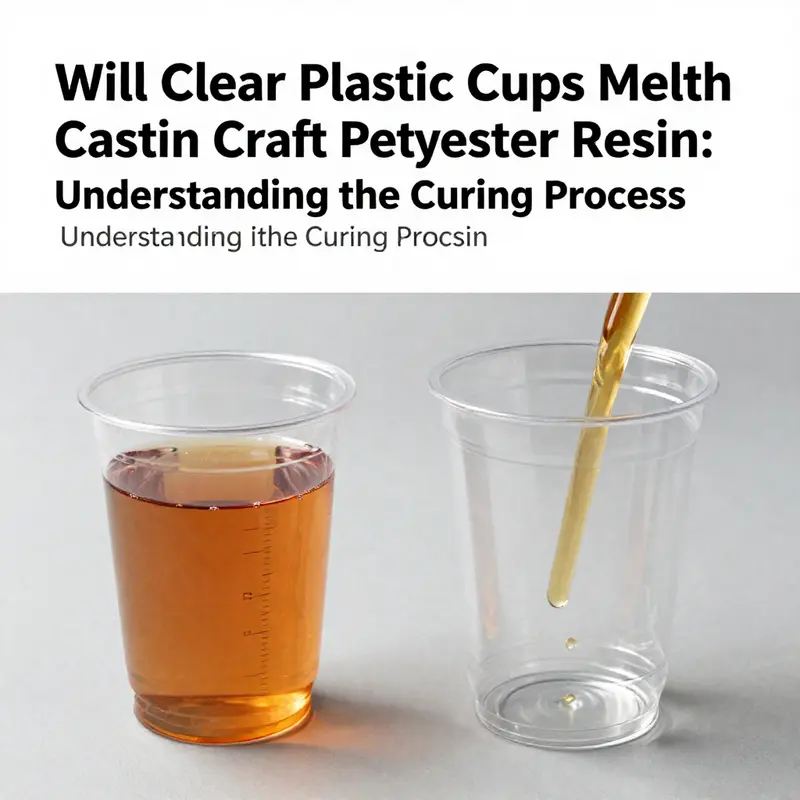
When builders and artists ask whether clear plastic cups will melt under a polyester resin pour, the immediate intuition is simple: heat from the curing resin might melt the cup. In truth, the risk is more nuanced. Clear plastic cups do not typically melt in the sense of bursting into flames or turning into a puddle of melted plastic, but they can soften, deform, or warp under the exothermic heat released during curing. This distinction matters more than it might seem at first glance, because even if the cup materials remain intact, their altered shape can ruin a project. The temperature rise in a resin cast is not a single number but a dynamic, directional heat that can build up wherever the resin is thickest and where the cup walls are in direct contact with the resin mass. The phenomenon is especially pronounced in larger pours or thicker walls, where heat has less surface area to dissipate quickly. In practical terms, the cup may bend, bow, or lose its planar form as the resin cures, creating an irregular surface, a misaligned edge, or a stubborn seal that traps air or uncured resin in places you did not intend. What begins as a simple, transparent vessel can become a distorted container, a fundamental flaw in the aesthetics and structural integrity of a piece.
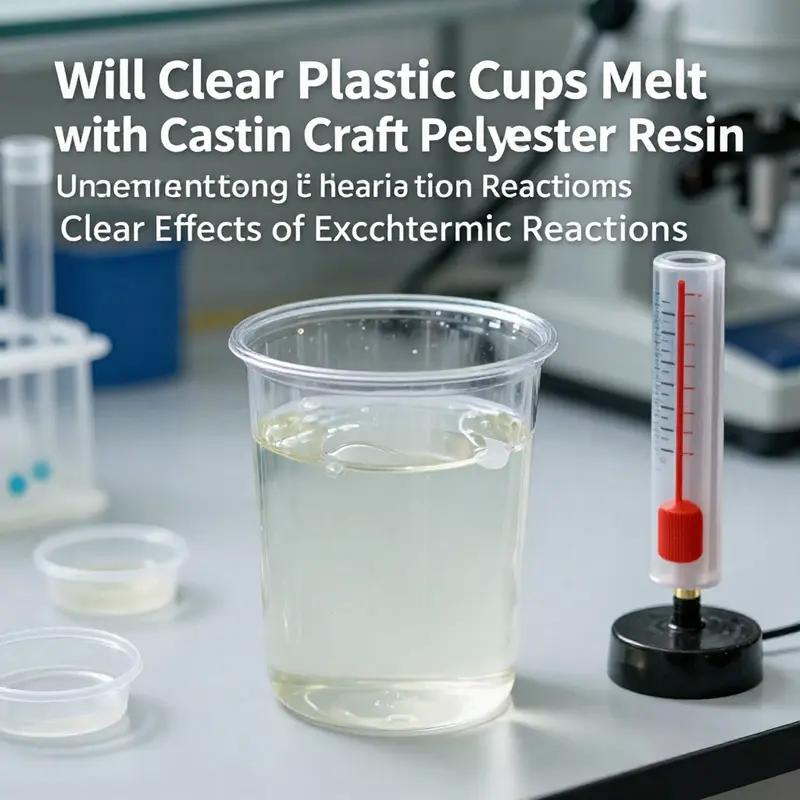
The science behind this is straightforward and rooted in the chemistry of polymerization. Polyester resin cures through a polymerization reaction that releases heat as it progresses. This exothermic reaction is a fundamental characteristic of thermosetting systems. When the resin is poured into a vessel, the heat generated at the curing surface must conduct through the resin bulk and into the walls of the container. If the container is a thin-walled cup, the heat can quickly accumulate at the interface, softening the plastic walls where the resin is most deeply cured. The temperature rise is not uniform; it is highest near the resin mass and where the cup walls meet the air. A thin-walled cup offers less resistance to heat flow, so its practical response is to soften or warp rather than melt outright. In some cases, the cup may even press into the resin, adhering to the surface and forming an unwanted, semi-permanent bond that complicates demolding or creates blemishes on the final piece.
Material composition matters as well. Clear cups offered for beverage use are commonly made from polystyrene or polyethylene terephthalate (PET). Each plastic has its own heat-tolerance profile. Polystyrene, a workhorse for inexpensive disposable cups, is comparatively more susceptible to softening when exposed to elevated heat. PET tends to resist higher temperatures, but the exotherm from curing resin can still push the local temperature to levels that soften or distort the cup wall. The takeaway is not a definitive “melts or does not melt” binary, but a gradient of responses: some cups may hold their shape, while others can sag or buckle, especially around the rim or base where heat concentrates. This is why the initial research notes emphasize that clear cups are not the ideal choice for resin work, even when they seem inert at first glance. Softening can masquerade as a failed surface, a warping around the edge of a casting, or a leakage path that compromises containment and finish.
A related concern is the possibility of adhesion. Polyester resin can interact chemically with plastics in ways that degrade the integrity of the container walls over time, particularly when surfaces are hot or stressed. The result can be a cup that temporarily sticks to the resin, complicating demolding and potentially marring the resin surface with pulled or torn plastic. The heat itself amplifies this risk, as a softened wall adheres more readily to the resin and may pull away, leaving behind residue or a rough texture that interrupts the intended smoothness of the piece. These interactions are rarely catastrophic in the sense of immediate structural failure, but they compound the likelihood of a compromised cast that fails durability, clarity, or both. Against this backdrop, the practical guidance becomes clearer: do not rely on clear plastic cups as mixing or pouring vessels for polyester resin. They simply are not designed for the thermal and chemical rigors of resin curing, even if they appear harmless at the start.
To execute resin work with greater reliability, the choice of mold becomes pivotal. The resin-casting community routinely favors materials with low heat absorption, non-porous surfaces, and reliable release properties. Silicone molds are often celebrated for their high heat tolerance, flexible release, and dimensional stability. They accommodate multiple pours and maintain form under the heat of curing, reducing the risk of warping that can plague cup-based setups. Rigid molds made from certain plastics, acrylics, or polyurethane systems designed for resin applications can also perform well, provided they offer easy demolding and a barrier against resin adhesion. The common thread is material compatibility; the mold should not only withstand the exotherm but also resist chemical interaction with the resin. When a mold fails to provide a clean release or when the resin creeps into tiny imperfections in the mold walls, the finished piece loses clarity and smoothness, and the effort can end in waste. The overarching lesson is practical: reserve clear cups for drinkware, and reserve dedicated resin molds for casting.
Another practical consideration concerns pour strategy. If a project requires greater thickness or a visually dense resin section, the exotherm intensifies. In such scenarios, a thick, monolithic pour into a thin-walled cup or any improvised container can reach heat levels that challenge the container’s integrity. One strategy to mitigate risk is to pour in stages, allowing each layer to cure before adding the next. Layered pours distribute the heat over time and promote more predictable shrinking and surface behavior. While this approach does not guarantee that a cup will survive a cure, it does reduce the likelihood of sudden deformation that compromises the form of the piece. When working with any resin system, building in time for heat to dissipate through the surrounding environment—whether air, a cooling surface, or an ambient room with adequate ventilation—can make the difference between a successful cast and a compromised one. The goal is not to vanquish heat entirely but to manage it so that the container and the resin meet in a controlled, predictable balance.
The safety implications of heat and chemical interaction deserve emphasis as well. If the resin cures in a manner that overheats the container, there is a risk of fumes and accelerated off-gassing. Those fumes can be irritating to the eyes, nose, and throat and may carry more serious health hazards if ventilation is poor. A misused vessel that captures or concentrates heat becomes a safety hazard, a risk that stacks with the potential for resin leakage if the walls soften and sag. The layered reality is this: while a clear cup may not instantly melt away, it introduces avoidable risk into a process that already demands precise handling of materials, timing, and release. For these reasons, the research and practice converge on a single prescriptive conclusion. Clear plastic cups should be set aside for resin work. Use a mold designed for resin casting, or at least a non-porous, heat-resistant vessel that will withstand the curing exotherm without warping, adhesion, or leakage. This safeguard preserves the integrity of the piece and keeps the process safer and more predictable.
From a workflow perspective, the choice of vessels affects not only the immediate cast but subsequent steps in finishing. Warped walls or an irregular surface can alter how the piece sands, polishes, or is finished with color and gloss. If the cup walls flex during curing, the resin surface can develop micro-kinks or translucence that obstructs optical clarity. Even when the final form appears sound, hidden distortions can reveal themselves under light or at certain viewing angles, undermining the visual impact of the piece. This is why a decision at the mixing stage is so consequential. If the aim is to achieve a pristine, transparent, hollow form or a uniform embedded design, the safest path is to bypass clear cups altogether and invest in molds and containers explicitly intended for resin work. The initial conclusion remains valid and consistent: while clear plastic cups may not liquefy in the heat of curing, they are not fit for the purpose due to deformation risk, potential for adhesion, and safety concerns. For the sake of reliability and finish quality, opt for purpose-built resin molds and vessels instead of disposable drinkware.
For readers who want a practical, visual reminder of why this matters, consider a quick test with a small, layered setup that mirrors a typical project’s heat profile. Use a mold that mirrors your intended final geometry, so you can observe how the resin behaves as it cures. Take note of any visible warping, edge curling, or surface irregularities as the exotherm peaks. Check surface contact areas where the resin meets the mold and examine whether any resin adheres to the mold or leaks out through gaps. This kind of careful observation builds a repository of small, repeatable lessons that gradually remove uncertainty from larger, more ambitious pours. It also reinforces a repeatable workflow: prepare the right mold, pour in measured layers, monitor curing conditions, and assess the finish with attention to clarity and smoothness. The more you align your process with the material realities described above, the less likely you are to encounter the kind of failure that arises from using the wrong vessel in the wrong context.
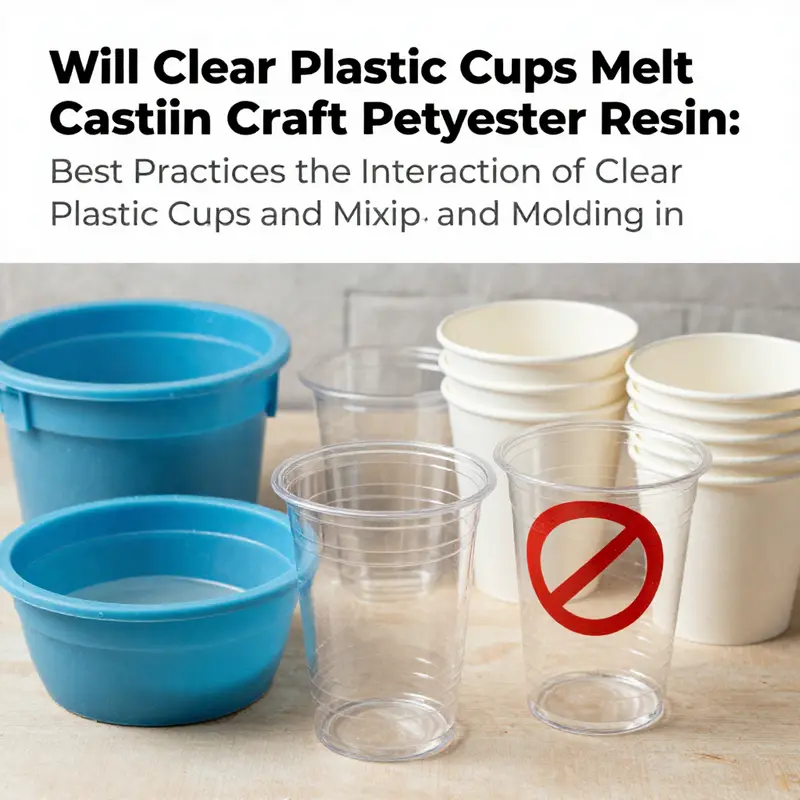
In summary, clear plastic cups do not typically melt when exposed to a curing polyester resin, but they do pose tangible risks of softening, warping, and even adhesion. These outcomes degrade both the aesthetic and functional quality of a resin piece and can introduce safety concerns related to heat buildup and fumes. The reliable path is to discontinue the use of clear cups as mixing or pouring vessels for resin and to lean on materials and molds designed for this purpose. A silicone mold, or another non-porous, heat-tolerant option, provides a more stable platform for casting, enabling clean releases and high-quality finishes. By embracing this approach, you preserve the integrity of the resin piece and maintain control over the curing environment, ensuring consistent results across projects. And when you need a tangible reminder of the stakes and the safer alternatives, remember that there are plenty of beverage containers and everyday items whose limitations become clear only when heat meets resin in a controlled setting. If curiosity drives you to explore, you can glimpse examples of clear cups used for beverages to confirm they are not ideal for resin work by visiting sources that showcase these disposable vessels. For broader guidance, a reliable resource on curing and mold compatibility offers a deeper dive into the chemistry and practicalities of resin casting, including how heat interacts with different materials. See the external resource linked below for a more detailed scientific treatment of curing dynamics.
Internal link note: for a quick reference to the kind of clear disposable cups commonly used for beverages, see this example of disposable clear plastic cups. clear disposable plastic cups
External resource for deeper understanding: https://resinobsession.com/understanding-resin-curing-process/
null
null
Heat, Safety, and Plastic in Resin Work: Do Clear Cups Melt Under Polyester Resin?
Polyester resin cures exothermically, releasing heat as it thickens. The amount of heat depends on pour thickness, ambient temperature, resin formulation, and gel point. The heat is usually not high enough to melt common consumer plastics like PET used in many clear cups, but it can soften or warp certain plastics, especially with thick pours and poorly ventilated heat sinks.
For the maker, the takeaway is that a cup may not melt completely but it is not a reliable vessel for resin mixing or pouring. Heat can soften walls, cause warping, and distort the surface. In severe cases softened plastic can stick to the resin and create adhesion problems, affecting optical clarity.
Beyond deformation, safety matters: the exotherm can raise local temperature and potentially release fumes from softened plastic. While many cups are polystyrene or polypropylene, neither is guaranteed inert under resin heat. The risk of degraded plastic contaminating the resin or off-gassing makes such cups problematic.
A safer approach is to use containers rated for chemical exposure and heat. Options include silicone molds, borosilicate glass, and other resin-rated plastics designed for chemical contact. If you must use molds or vessels, choose ones known to resist heat and chemical interaction. Even with silicone or glass, monitor curing and avoid very thick enclosed cavities which can trap heat.
From a risk-management perspective, consider small, thin pours that dissipate heat, and for thicker pours plan slower cures or staged pours to reduce peak temperatures. Separate the resin from ordinary cups to minimize material transfer and surface defects. Using resin-rated containers helps preserve optical clarity and reduces contamination risk.
In practice, the most reliable path is to treat the vessel as part of the resin system. Use resin-approved vessels, and reserve ordinary clear cups for beverages, not for chemical mixing. For readers seeking further reading, many resin guides emphasize materials compatibility, heat resistance, and clean workflows. A practical takeaway remains: heat matters, materials matter, and the container is a central partner in achieving safe, high-quality results.
If you want concrete starting points, look for disposable or reusable vessels explicitly marketed for resin work, or silicone and glass options. Avoid regular clear cups for resin mixing or pouring when you want a pristine finish. This approach supports consistent curing, reduces deformation, and minimizes safety concerns. The broader resin-safety message is straightforward: plan around heat, choose materials designed for chemical exposure, and keep the workspace well-ventilated.
null
null
Final thoughts
Understanding the interaction between clear plastic cups and cast-in craft polyester resin is crucial for beverage enterprises looking to integrate unique offerings. Although these cups do not melt, the potential for deformation and associated risks necessitate careful consideration. By implementing the suggested safety measures and opting for appropriate mixing tools, businesses can enhance their operations, ensuring safe and efficient use of materials. Embracing these insights empowers beverage-centric professionals to navigate the challenges of resin work with confidence.