
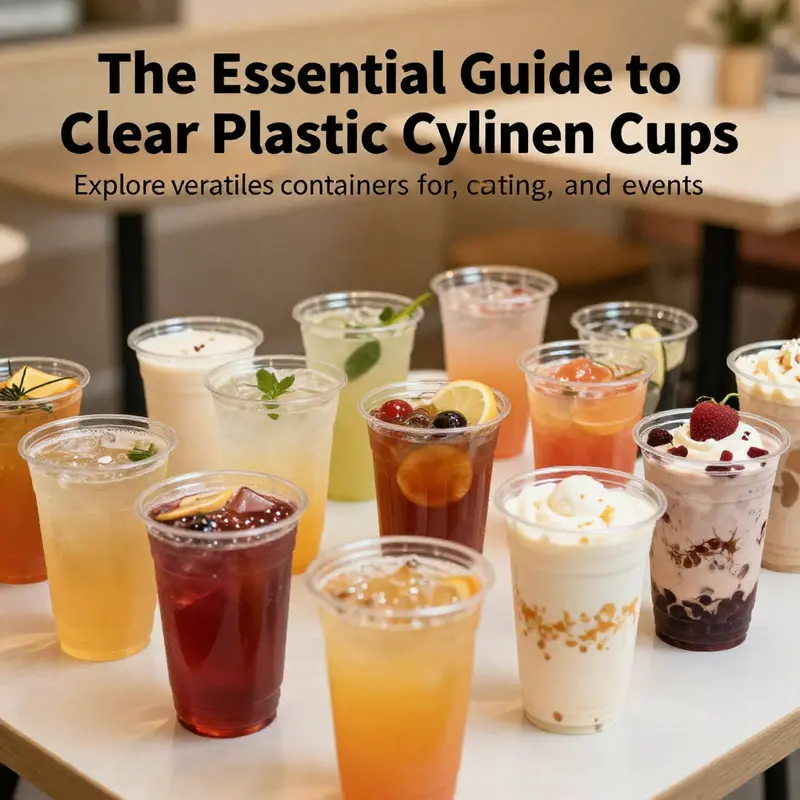
Clear plastic cylinder cups have become a staple across various industries, from bubble tea shops to corporate catering services. Their transparent design showcases colorful beverages and delectable desserts, attracting customers’ attention while maintaining practicality and durability. In this article, we will explore the types and materials of clear plastic cylinder cups, their diverse applications, current market trends, and the important environmental considerations associated with their use, providing a comprehensive understanding for beverage chains, event planners, and procurement teams alike.
null
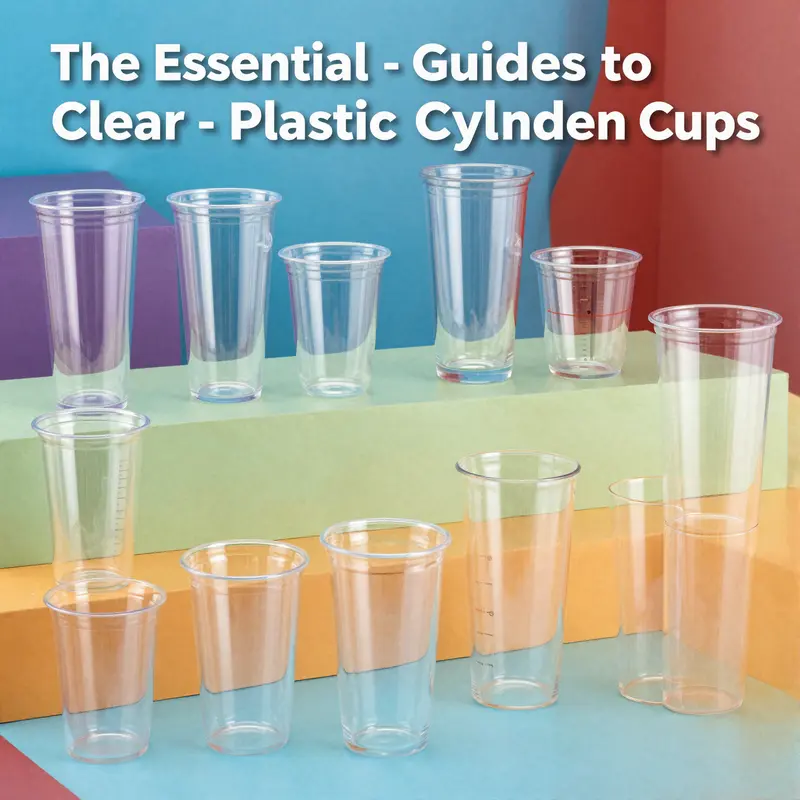
null
Clear Cylinders, Broad Uses: From Everyday Hydration to Brand Visibility and Laboratory Precision
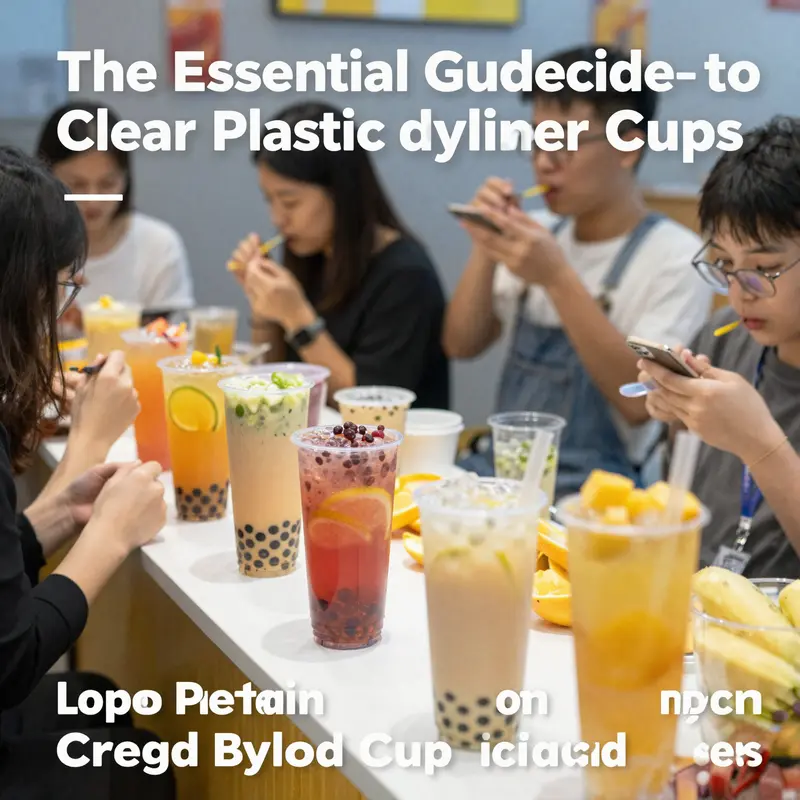
Transparency has a way of doing more than simply showing what’s inside. It invites scrutiny, celebration, and trust all at once. Clear plastic cylinder cups, crafted from materials like PET or PP, turn that transparency into practicality. Their crystal-clear walls reveal color, texture, and viscosity with remarkable fidelity. This is not just a matter of aesthetics; it is a functional advantage that influences how beverages are perceived, how desserts are presented, and how small volumes in a lab are measured and managed. When you hold one of these cups, you are holding a lightweight, shatter-resistant conduit between intention and perception. The smooth, uniform rims contribute to stability during pouring and stacking, while the material itself—robust yet pliable—handles the rigors of everyday service without sacrificing clarity. In this sense, the cups are more than containers; they are the visual and tactile connectors that elevate presentation, safety, and efficiency across multiple settings.
From the moment they are filled, they begin to serve as a stage for the contents. In daily hydration and casual dining, the appeal of a transparent cup is immediate. Water, juice, or a smoothie takes on a richer personality when its hue sits against a glass-clear backdrop. The simplicity of the container places the beverage front and center, inviting the eye to follow the stem of color and the movement of light as you tilt to savor. The lightweight nature makes them ideal for home use, office breaks, and outdoor picnics where glass would be impractical or unsafe. The shatter-resistant quality, paired with a consistent rim that stabilizes pours and reduces spill risk, makes these cups a reliable choice for high-traffic meals and quick-service dining. In many kitchens, they become the go-to option precisely because they minimize breakage without compromising the sensory impact of the drink.
In the realm of events and catering, the value of clear plastic cylinder cups expands beyond function. Their transparency makes beverages pop—whether it’s a bright fruit juice, a layered cocktail-style mocktail, or a velvety yogurt parfait. The cups offer an ideal surface for branding and logos, turning every serving into a potential promotional touchpoint. The market often rewards brands that want a modern, clean aesthetic that doesn’t obscure the product beneath. This is especially important for campaigns that emphasize health, freshness, and environmental responsibility; the clean, contemporary silhouette aligns with a green, modern narrative without demanding bespoke glassware or heavy capital outlays. The ability to customize these cups with minimalist logos or bold color accents provides a practical, scalable approach to event marketing. The cost dynamics are compelling as well. When purchased in bulk, these cups become a pragmatic option for large-scale promotions or product introductions, enabling consistent presentation across dozens or hundreds of service stations. A key virtue here is the balance between price and perception: the units may be inexpensive per piece, yet the result feels purposeful and polished. For practical options designed for outdoor gatherings, see the disposable clear plastic cup for outdoor events.
Beyond hospitality, clear plastic cylinder cups serve as essential tools in laboratory and industrial contexts. In settings that demand traceability and material integrity, transparency acts as a real-time indicator of contents. The visibility of liquids, suspensions, or precipitates supports rapid assessment and reduces the risk of misidentification. The combination of light weight and shatter resistance significantly enhances safety when glass would pose a hazard. While these cups are not specialized lab equipment, their adaptability makes them valuable for dispensing precise volumes during routine procedures, sample demonstrations, or educational activities. In pharmaceutical, cosmetic, and chemical environments, clarity helps operators monitor color changes, layering, or separation phenomena at a glance. The transparency also simplifies inventory control; contents are easy to verify without additional tools, enabling quick checks during handling, sampling, or rework. In tandem with dedicated screw-cap vials and dropper containers—types designed for airtight storage and precise dispensing—clear cylinder cups expand the repertoire of containers available for safe, accurate workflow. They complement the more specialized tools by offering a convenient, see-through option for accessible, everyday use.
The food-packaging niche benefits from miniaturization and portion control. Small, clear, single-serve cups—such as 15-gram portions for fruit jelly or other desserts—are well-suited for organized displays, refrigerated sections, or grab-and-go lines. The see-through nature ensures hygiene and freshness are front and center, reassuring customers as they select a treat or a sample. Lids, when paired with these cups, can prevent spills during transit and maintain product integrity in busy service environments. The result is a cohesive display that preserves hygiene while maintaining a premium look. In all these contexts, the cups act as a versatile platform—highly adaptable for beverages, desserts, and even small servings of lab-safe materials. The surface quality supports sharp, vibrant printing, which is a critical advantage for any form of branding where a logo or message needs to read clearly at a distance.
A closer look at materials and design reveals why these cups perform so reliably across different use cases. PET and PP are chosen for their clarity, chemical stability, and resilience. PET, in particular, offers excellent transparency and a hard-wearing surface that tolerates repeated handling, pouring, and stacking without yellowing or fogging under normal conditions. PP adds heat resistance and a slightly more forgiving edge for handling and sealing with lids. The combined effect is a family of containers that balance visibility with practicality. This is not just about form; it is about an ecosystem of use that recognizes how a simple shape can influence behavior. People are more likely to pour slowly into a container that looks pristine, and they’re more inclined to appreciate the product when it is visible in its full, unaltered color. The look matters because it shapes expectations and experiences—from the moment a cup is picked up to the moment the last sip is savored.
The interplay of price, availability, and performance also shapes how these cups are deployed. The ability to source them in bulk makes them a staple for large-scale operations. The affordability of units that can be produced and distributed rapidly lowers barriers to experimentation in new menus, product launches, or seasonal campaigns. This economic practicality does not come at the expense of quality. A well-made clear plastic cylinder cup maintains its clarity, resists cracking under normal use, and offers a smooth, uniform rim that supports stable pours and ergonomic handling. The printing surfaces are excellent for logo and message display, allowing brands to communicate identity with crisp, high-contrast visuals that remain legible even in dim lighting or crowded settings.
Design considerations extend beyond the visual. The assembly of lids, whether flat or dome-shaped, and the efficiency of stacking systems influence how these cups integrate into larger service workflows. Lids protect contents in transport, preserve freshness, and reduce the risk of leaks in crowded environments. For producers and operators, the promise of stackability means faster restocking and tidier storage, which translates into meaningful labor and space savings. The ability to customize the packaging, not just the cup, is another dimension of value. When brands can pair a consistent look with reliable, cost-effective containers, the entire service experience feels cohesive and deliberate, reinforcing trust with customers and participants.
The breadth of applications also highlights the role of clear plastic cylinder cups as connectors between different sectors. In consumer-facing settings, they reinforce a modern, efficient image. In laboratories, they support transparent workflows and rapid assessment. In food service, they combine presentation with practicality, enabling the expression of quality through color, texture, and arrangement. Even in storage or display contexts—think of small floral arrangements or decorative candle displays—the clean, cylindrical form adds an element of polish that elevates the overall presentation. And because these cups can be embedded within broader packaging or takeout ecosystems, they become a versatile component in the choreography of a business’s physical interface with customers.
What starts as a simple, everyday container ends up shaping experiences in nuanced ways. The potential for customization expands the reach of these cups beyond mere utility. A brand can project its values through a minimal yet powerful graphic on a transparent backdrop, letting the product within tell its story while the cup itself provides a neutral, high-quality frame. In this context, clear plastic cylinder cups serve not only as vessels but as stages for taste, for science, and for corporate storytelling. They are the kind of pragmatic instrument that makes other innovations possible, supporting experimentation in menus, learning in classrooms and laboratories, and engagement in events. The result is a versatile, scalable solution whose value becomes most evident when seen across a spectrum of real-world scenarios rather than in isolation.
As the chapter moves toward the next phase of exploration, it remains clear that the appeal of clear plastic cylinder cups lies in their balance of visibility, durability, and cost. They align with needs for safety and hygiene while offering a canvas for brands to communicate identity and values. They support precise measurement and careful handling in scientific contexts, yet they are friendly enough for daily use and accessible enough for large-scale promotions. They are, in short, a quiet workhorse of modern life, quietly supporting moments that range from the everyday to the exceptional. The next chapters will expand on how these characteristics interact with evolving consumer expectations and sustainability considerations, as well as how procurement strategies can optimize the mix of clarity, capacity, and customization to meet diverse goals. For readers curious about specific product forms and supplier options, the internal resource linked here provides a practical starting point for outdoor-event applications and scalable packaging solutions.
External reference: https://www.dongshu.com.cn/Products/Plastic-Cups/clear-plastic-cylindrical-cups.html
Seeing Through Value: The Economic Pulse and Emerging Dynamics of Clear Plastic Cylinder Cups
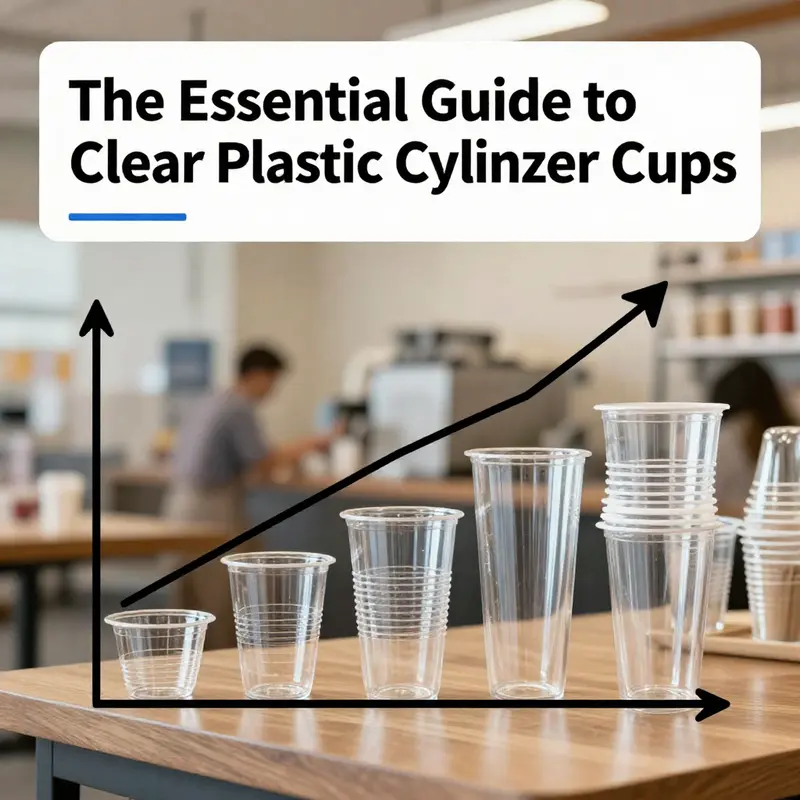
Clear plastic cylinder cups have shifted from simple serving vessels to strategic tools that shape how brands present, distribute, and position beverages, desserts, and even laboratory liquids. Their rise is not just about convenience; it is about the choreography of transparency, stability, and perception in fast-paced service environments. When a cup is crystal clear, the contents become the headline. A smoothie’s color, a layered beverage, or a layered dessert can be imagined, judged, and desired before the first sip. This visual priming contributes to an ecosystem where appearance becomes a driver of choice, and where a single, well-designed cup can elevate an entire experience from ordinary to memorable. The material choices—polyethylene terephthalate (PET) and polypropylene (PP)—are not incidental. They are selected for high clarity and smooth walls that minimize visual distortion, enabling customers to view texture, color, and layering with ease. That clarity does more than please the eye; it reinforces perceptions of quality and freshness. In a marketplace that rewards speed and consistency, a cup must deliver a stable pouring experience, uniform stacking, and reliable handling. The physical integrity of clear cups under typical use—resisting cracks, preserving shape during transport, and maintaining the pristine surface needed for crisp branding—translates into lower risk for vendors. These attributes, in turn, translate into repeat purchase, easier inventory management, and a more seamless customer journey from ordering to consumption. All of this helps explain why clear plastic cylinder cups are increasingly woven into the fabric of food service, catering, events, and even certain laboratory contexts where the clarity of measurement and the cleanliness of presentation matter as much as the liquid inside. The market dynamics driving this growth hinge on several interlocking forces: consumer demand for convenient single-use packaging, the economic appeal of bulk procurement, and the marketing leverage of transparent surfaces that showcase product quality. As the global economy adapts to evolving consumer expectations, the profile of clear cups mirrors broader shifts toward efficiency, reliability, and branding clarity. In many settings, the cups are not just containers but canvases for product storytelling, enabling operators to convey freshness at a glance without relying on external labels or secondary packaging. The result is a pragmatic yet powerful combination: a cost-effective, aesthetically pleasing, and practically reliable solution that supports both everyday service and high-impact promotions. The appeal of such cups extends beyond the restaurant and cafe. In events, offices, and even some lab environments, these cups provide a consistent platform for branding, portion control, and hygienic presentation. They support a streamlined supply chain, where standardized shapes and sizes reduce handling complexity and enable predictable inventory planning. In a crowded market, the ability to offer a uniform look across a wide range of beverages and desserts is an asset that is not easily replicated by opaque or opaque-ish alternatives. The simplicity of a clear cup belies a sophisticated interplay among materials, design, and consumer psychology—an interplay that underpins the economic vitality of this segment. The market signals are clear, and they are echoed in the latest industry assessments. A comprehensive market look published in early 2026 projects the global Plastic Cups market to grow at a compound annual growth rate (CAGR) of about 5.5 percent from 2026 to 2033. This mid-single-digit trajectory points to sustained expansion, driven by ongoing demand for convenient packaging in high-velocity environments—cafés, quick-service restaurants, events, and corporate catering. The scale of the disposable cups market itself underscores the economic weight of this category. In 2025, the market surpassed USD 15.88 billion, and projections for 2035 place it near USD 27.38 billion, signaling robust growth despite the sector’s ongoing environmental debates and a global push toward more sustainable solutions. Such figures are more than arithmetic; they reflect a durable consumer preference for immediacy and presentation, coupled with the logistical realities of hospitality and service industries that prize speed, consistency, and clean aesthetics. In practice, this means more cups being produced, distributed, and purchased—often in bulk—across a spectrum of service contexts. The economics of bulk purchase are particularly compelling. Unit costs can be astonishingly low, with prices beginning in the range of mere pennies per cup when ordered in large quantities. This price point is not merely about minimizing expense; it unlocks scalability for large events, seasonal promotions, and new product launches where the volume of servings can be high and the margins thin. When a brand can deploy a uniform, high-clarity cup across multiple channels—takeout, in-venue service, and event displays—the operational simplicity reduces waste and error, helping operators offer consistent experiences. The cost advantage also enables more aggressive promotional strategies, such as branded, color-accurate print or in-mold labeling (IML), which preserves the “no-label” appearance while delivering brand recognition and regulatory compliance in a streamlined manner. The evolution of printing and labeling technologies has amplified this effect. IML, for instance, uses high-clarity films integrated into the cup during molding, yielding a seamless, premium look that many operators find preferable to traditional labels. The advantage is twofold: it preserves product purity and brand integrity while maintaining a clean, uninterrupted visual field that the eye readily trusts. Yet, the same features that drive aesthetics also introduce design considerations. The need for high-clarity substrates must be balanced against functional realities such as barcode readability and compatibility with scanning systems. A misstep in IML design can obscure a barcode or complicate shelf management, undermining the efficiency gains the format promises. This tension between beauty and practicality is not novel, but it has sharpened with the rise of branding as a differentiator in a crowded market. Another dimension shaping demand is the breadth of applications the cups accommodate. In beverages, 16-ounce disposable PP cups are common for service, while smaller volumes—ranging from 20 milliliters to 50 milliliters—are used as graduated cylinders in laboratory contexts. This versatility supports a portfolio approach for many suppliers, allowing customers to source a consistent aesthetic across both consumer-facing and professional settings. The ability to stack and handle cups with ease reduces labor costs for venues and institutions that rely on quick turnover and high volumes. Manufacturers often highlight the stacking efficiency as a key ergonomic and logistical benefit, essential for both front-of-house service and back-of-house storage. These factors collectively reinforce the strategic value of clear plastic cylinder cups as more than disposable items; they are instruments that can elevate brand perception, improve operational efficiency, and support marketing initiatives across a broad ecosystem. Against this backdrop, environmental considerations have risen to the forefront. Consumers and corporate buyers increasingly weigh sustainability alongside performance. The market has responded with a growing interest in cups made from recycled or compostable materials, including polylactic acid (PLA) and other bio-based polymers. These alternatives promise alignment with green branding, reducing the environmental footprint while preserving brightness and clarity. However, such materials often come with trade-offs. Heat resistance may be reduced, and the cost premium for sustainable materials can be higher, particularly in comparison to traditional PET or PP. As sustainability becomes a competitive differentiator, brands face a nuanced decision matrix: continue leveraging the favorable economics of conventional clear cups, or invest in eco-friendly options that resonate with eco-conscious audiences and corporate social responsibility goals. The decision often hinges on balancing customer expectations with the realities of supply chain resilience, regulatory landscapes, and the willingness of end users to pay for sustainability. For many operators, the path forward is a blended approach. They may maintain core lines of high-clarity PP or PET cups for hot beverages or high-temperature applications while introducing PLA-based or recycled-content variants for cold drinks or presentation-specific occasions. This approach preserves the visual advantages of clear cups while signaling commitment to responsible practices. The marketing implications of these choices are not trivial. Transparent containers invite trust and allow products to speak for themselves, a dynamic that can support premium positioning when paired with precise, high-contrast branding. The potential for customization—logos, color accents, or even textual messages integrated into the cup’s surface via IML or heat-stamp techniques—gives brands a potent tool for differentiating offerings in crowded markets. A well-executed customization strategy can extend beyond the cup itself; it can reinforce a cohesive brand experience across packaging, signage, and on-site displays. In this sense, the cup becomes part of a broader storytelling system. From a logistics standpoint, the market dynamics described above lie within a broader supply chain that seeks efficiency yet remains flexible to meet fluctuating demand. The ability to source uniform cups in bulk, across varying sizes and configurations, simplifies procurement for operators who must adapt quickly to changing menus, seasonal promotions, or event-driven needs. The economics of scale thus reinforce the case for standardization in certain segments, while customization remains a differentiator in others. It is this combination of standardization for efficiency and customization for branding that makes the clear plastic cylinder cup a versatile instrument in modern commerce. For readers seeking concrete product references and a deeper sense of the available design language, consider exploring a representative category that showcases the kind of clear-cup options that fuel this market. See the clear cake cups in action, a format designed for desserts and bite-sized treats at weddings, birthdays, and bakery settings. clear cake cups packaging. This example underscores how the physical form—clear, cylindrical, and compact—translates into practical advantages for both display and service. The synergy between form and function is a recurring theme across the sector, where packaging choices reinforce product narratives and enable smoother execution from kitchen to customer. As the market continues to evolve, the interplay between economic viability, consumer preference for immediate, transparent presentation, and the push toward sustainability will shape what comes next. The growth trajectory remains robust, but the exact mix of materials, printing techniques, and end-of-life strategies will be critical in determining long-run profitability and brand perception. Operators must stay attuned to regulatory developments around single-use plastics, recycling infrastructure, and labeling standards that affect the feasibility and cost of different cup configurations. In the near term, manufacturers and brands will likely continue investing in IML technologies, high-clarity substrates, and design innovations that maximize the perceived value of a simple cup. The result is a market that remains dynamic, with opportunities to optimize both experience and economics. For readers who want to anchor these insights in a broader research context, the LinkedIn-based market trends assessment provides a widely cited macro view of the sector’s trajectory and the pressures shaping pricing, material choice, and innovation strategies. For deeper data, see the Plastic Cups Market Trends Assessment on LinkedIn: Plastic Cups Market Trends Assessment – LinkedIn.
Seeing Through the Cup: Environmental Footprints and the Path to Sustainable Clear Plastic Cylinder Cups
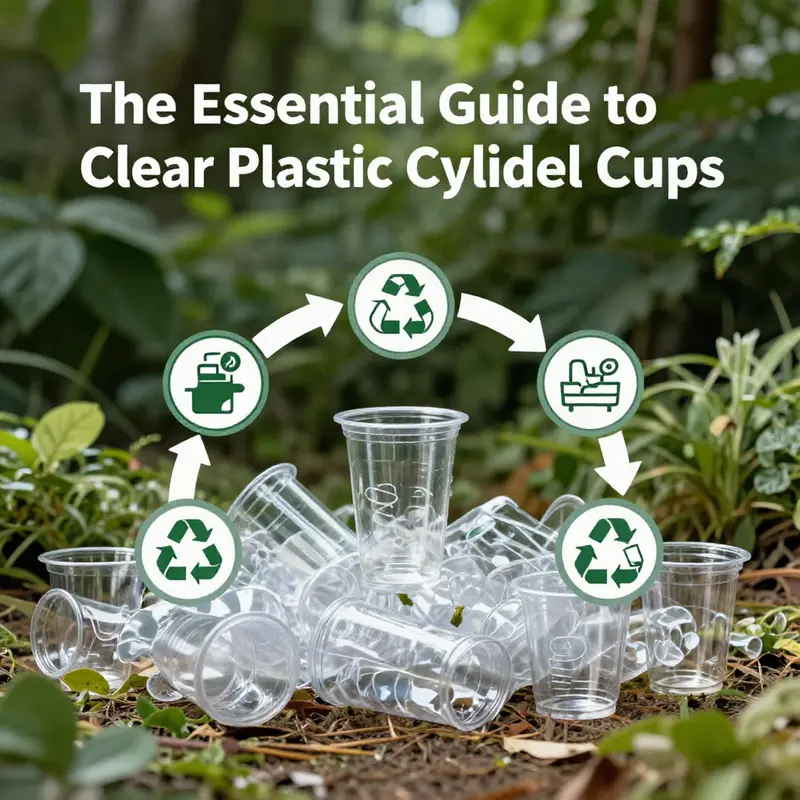
The appeal of clear plastic cylinder cups lies in their clarity, durability, and versatility. They reveal the color and texture of beverages, desserts, and lab liquids with a crisp, unobtrusive transparency. Yet the same transparency that makes them so popular also invites scrutiny. If a serving vessel is visually unobtrusive, its environmental footprint may be anything but. This chapter follows the life of a clear plastic cylinder cup from creation to disposal, tracing how material choices, manufacturing practices, and postuse handling shape a chain of environmental consequences and opportunities. It is not a call to abandon convenience but a call to understand the tradeoffs that sit beneath the surface and to explore pathways that can reduce harm without sacrificing utility. The journey is not purely technical; it intersects consumer habits, business models, and municipal infrastructures that govern what happens after a drink is finished.
Most clear plastic cylinder cups in everyday use are made from petroleum derived polymers such as polystyrene and polypropylene. These materials offer a crystal clear appearance, yield excellent surface quality for logos and branding, and resist cracking under normal handling. They do not biodegrade in ordinary environmental conditions, and their persistence can span centuries. When littered or improperly disposed of, they become part of the landscape and waterway burden. When incinerated, they release heat and pollutants; when buried, they occupy space but do not conveniently break down. The environmental consequences of their production are closely tied to energy consumption and greenhouse gas emissions. The feedstocks themselves come from fossil fuels, and the manufacturing steps—from polymerization to extrusion and molding—consume energy, often sourced from nonrenewable electricity. Each stage contributes to a climate footprint that accumulates across millions of units in a year.
The environmental reality extends beyond production to end-of-life. Recycling remains a central question for many communities. The rate at which single-use cups are recovered for recycling is low, and the reasons are practical as well as economic. Contamination from food residues can render batches unrecyclable, and the market value of postconsumer plastic is often too low to cover processing costs in some jurisdictions. When recycling does occur, it frequently results in downcycling rather than true recycling, producing products of lower quality that may not re-enter the same life cycle. The net effect is a system that often treats the cups as disposable resources without fully capturing the value of the material in a circular loop. Municipal programs struggle with the logistics of sorting, cleaning, and processing small, light-weight objects that travel far and fast in waste streams. In many places, these cups join general waste or are incinerated rather than diverted into a closed recycling loop.
From a lifecycle perspective, the environmental toll of clear plastic cylinder cups is twofold: the direct impacts of production and the indirect consequences of disposal. Production involves energy use and emissions typical of fossil-based polymers, while disposal involves the risk of litter, habitat intrusion, and marine pollution. The cumulative effect is substantial, especially when cups are used in high-volume contexts such as events, catering, and busy foodservice operations where turnover is rapid and cleaning protocols are not always perfect. The sight of a sea of clear cups can be a stark reminder of what is not captured by aesthetics alone: the hidden costs embedded in resource extraction, manufacturing energy, and waste management. This is where the conversation shifts toward meaningful alternatives and smarter designs that align convenience with responsibility.
An important line of inquiry lies in recognizing that not all environmental challenges are created equal. The durability and light weight of clear cups reduce transport emissions per unit, a seeming advantage when hundreds or thousands of cups ship to a single event. However, durability is a double-edged sword: it discourages downcycling into lower grade products, which limits the economic incentives for recycling. The result is a tension between the desire for reliable, leak-resistant serving vessels and the necessity to reduce environmental harm. In this context, the industry has begun to explore clear cups made from bioplastics such as plant-based polymers. Polylactic acid, derived from cornstarch or other feedstocks, offers a compostable option under industrial conditions. Yet compostability is not automatic; it depends on a facility that provides industrial composting at the scale needed for large events or institutions. Home composting is not a viable end-of-life route for these materials, and inappropriate disposal can lead to contamination in recycling streams or improper decomposition in landfills. In practice, any transition toward bioplastics must be coupled with robust infrastructure, clear labeling, and consumer education.
Beyond materials, the system design around cups matters. Reusable cup programs, returnable and refillable systems, and deposit-based models can drastically reduce waste when implemented well. In such arrangements, the emphasis shifts from single-use convenience to lifecycle thinking. A reusable cylinder cup travels through multiple cycles, and its environmental advantage grows with higher reuse rates. The challenge is logistical: ensuring consistent cleaning, reliable return, and predictable demand planning so that a reusable system is economically viable. Businesses have cited reductions in waste volume and improved brand perception when adopting refillable schemes for beverages, snacks, or lab demonstrations, though the upfront costs and operational adjustments can be substantial. A thoughtful blend of reuse where feasible and responsible disposal where reuse is impractical can offer a pragmatic path forward for many service contexts.
Consumer expectations also shape outcomes. People appreciate clarity and a clean presentation; they also value cleanliness, safety, and sustainability. Clear cups support branding, sense of freshness, and product visibility. When a brand can demonstrate responsible stewardship—through labeling that clarifies end-of-life options, or through participation in a takeback or recycling program—the perceived value can rise, even as the physical footprint declines. Education plays a critical role here. Clear messaging about how to dispose of these cups, what facilities exist in a local area, and how to participate in reuse programs can transform a disposable culture into a more circular one. The best designs marry aesthetics with a transparent discussion of environmental tradeoffs, inviting consumers to participate in the decision-making process rather than treating disposal as an afterthought.
In this landscape, environmental considerations do not exist in isolation; they intersect with policy, economics, and the broader goals of sustainability. The shift toward plant-based, compostable, or reusable systems requires more than a change in materials. It calls for coordinated action among manufacturers, distributors, event organizers, and municipalities. Standards and labeling schemes must evolve to reduce confusion about what can be composted or recycled, and facilities must adapt to handle new materials and higher volumes of postuse products. Governments and industry groups are increasingly recognizing that single-use plastics impose external costs on communities and ecosystems. Policies that encourage extended producer responsibility, fund recycling infrastructure, and support research into alternative materials can accelerate progress. At the same time, business models that reward waste reduction, resource efficiency, and product stewardship create incentives for suppliers to innovate without sacrificing affordability or reliability for customers.
Within this shifting landscape, one practical takeaway for readers is to prioritize packaging choices that align with local waste management realities. If a community has robust industrial composting for plant-based plastics, PLA cups with industrial composting support may be a viable option. If not, then the same material may end up in a landfill or a lower-grade recycling stream, undermining the environmental intent. Practitioners can assess life cycle tradeoffs by examining energy use, emissions, and end-of-life options in their own geography. They can also seek partnerships with suppliers who offer clear information about material composition, recycling compatibility, and take-back programs. This kind of partnership turns packaging selection from a one-off purchase into a strategic element of a broader sustainability program. For brands and event organizers, the goal is not to chase the trendiest material but to adopt a deliberate material economy that minimizes harm while preserving the essential functions of the cup: visibility, sterility, and ease of use.
The idea of sustainable serving extends beyond materials to everything from branding to logistics. When cups are designed with waste reduction in mind, manufacturers can minimize packaging, optimize shipping loads, and reduce the ink and additives needed for branding. In some cases, suppliers are experimenting with alternative, lighter-weight designs that preserve performance while lowering resource use. In others, the emphasis shifts to facilitating reuse by providing compatible lids, racks, and cleaning workflows that support efficient turnover. The culinary and scientific sectors share a core objective: maintain product integrity and user experience while curbing the environmental footprint of the tools used to deliver those products. This shared aim invites cross-sector collaboration, where insights about cleaning technologies, labeling conventions, and consumer behavior can transfer from one domain to another.
Among the most compelling opportunities is the reduction of reliance on single-use cups through smarter procurement and event design. For many operations, the math is straightforward: a higher upfront investment in reusable systems can yield long-term savings in waste handling, disposal fees, and even water or energy use associated with waste streams. The challenge is to optimize the balance between economic feasibility and environmental impact. It requires careful inventory management, reliable cleaning capacities, and a clear understanding of how customers will respond. When executed thoughtfully, reusable cylinder cups can deliver a stronger downstream environmental benefit than a one-time use option, especially in venues where high volumes coincide with stable demand patterns and established return pathways. Even in contexts where single-use cups remain necessary for reasons of practicality or safety, a mixed approach can reduce overall waste: reserve reusable systems for higher-traffic periods or longer-duration events and rely on recycled content or compostable variants for shorter, high-turnover moments.
Informed packaging decisions deserve an explicit emphasis on responsible disposal. The environmental debate around clear plastic cups centers on system-level changes as much as material science. Consumers, operators, and policymakers must work together to identify bottlenecks in recycling and composting, and to align incentives with real-world capabilities. An informed choice also means acknowledging the limitations of current technologies and avoiding false promises. While plant-based plastics and special composting facilities offer real benefits, they are not a silver bullet. Real progress arises when procurement decisions are paired with transparent end-of-life pathways, robust infrastructure, and a willingness to adjust practices as new data and technologies emerge. The net effect is a more resilient, adaptable approach to serving needs that respects both the clarity of presentation and the health of the environment.
For readers who want to explore practical avenues in their own operations, there are models of packaging that emphasize environmental stewardship without compromising performance. One avenue gaining traction is eco-friendly disposable 3-compartment packaging boxes, which demonstrates how branding and sustainability can be integrated in a single, economical design. Such initiatives underscore the broader message: sustainable serving does not require sacrificing convenience or aesthetics. It requires thoughtful design, honest communication, and a willingness to invest in systems that keep materials circulating rather than letting them exit the economy as waste. As the industry investigates and tests new materials, the environment benefits from a living laboratory where real-world feedback informs better design, better waste management, and better outcomes for communities that host large-scale food service and research activities.
In sum, the environmental considerations of clear plastic cylinder cups extend beyond the cup itself. They touch on the way products are sourced, manufactured, used, and disposed of. They invite a shift from a linear throwaway mindset to a circular approach that values reuse, responsible disposal, and transparent communication. The path forward is not a single technology or policy, but an integrated strategy that aligns material science with infrastructure, economics, and culture. When a simple, clear cup reflects a broader commitment to stewardship, it can serve as a small, tangible bridge between everyday convenience and a healthier planet. This alignment will matter more as the volume of cups used in events, laboratories, and daily life continues to rise, and as communities mobilize to handle what comes after the final sip.
External resource: https://www.epa.gov/epawaste/hazard/materials/other-plastics
Final thoughts
In summary, clear plastic cylinder cups play an essential role across various industries, offering both aesthetic appeal and practical usability. Their diverse types and materials accommodate a wide range of applications, particularly within beverage and catering markets where presentation is key. As trends continue to shift toward sustainability, businesses must consider the environmental impacts of their packaging choices while being responsive to market demands. By selecting the right clear plastic cylinder cups, brands can enhance customer satisfaction and contribute positively to their operational sustainability.