
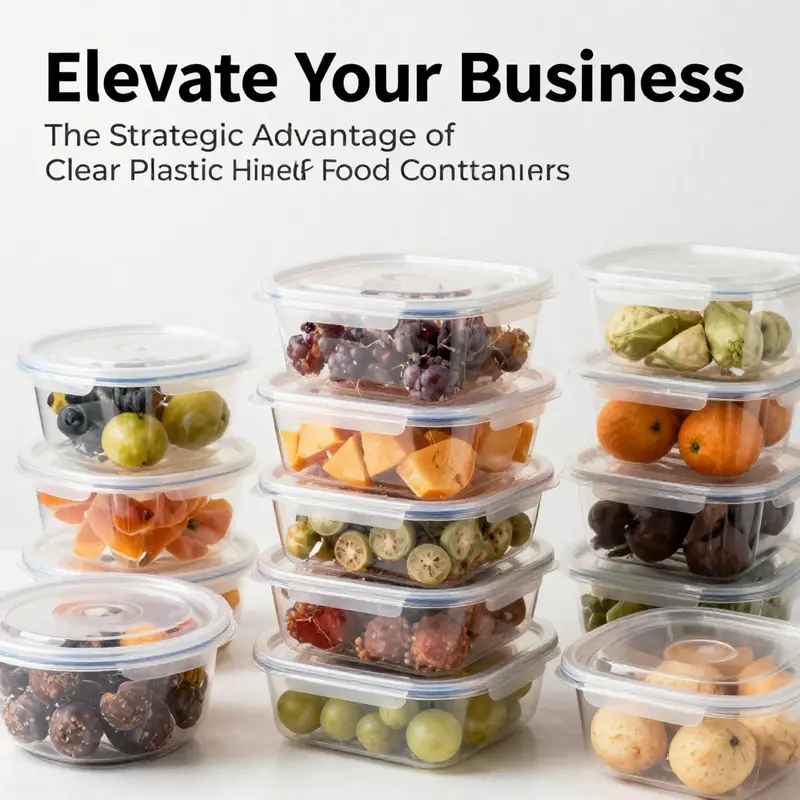
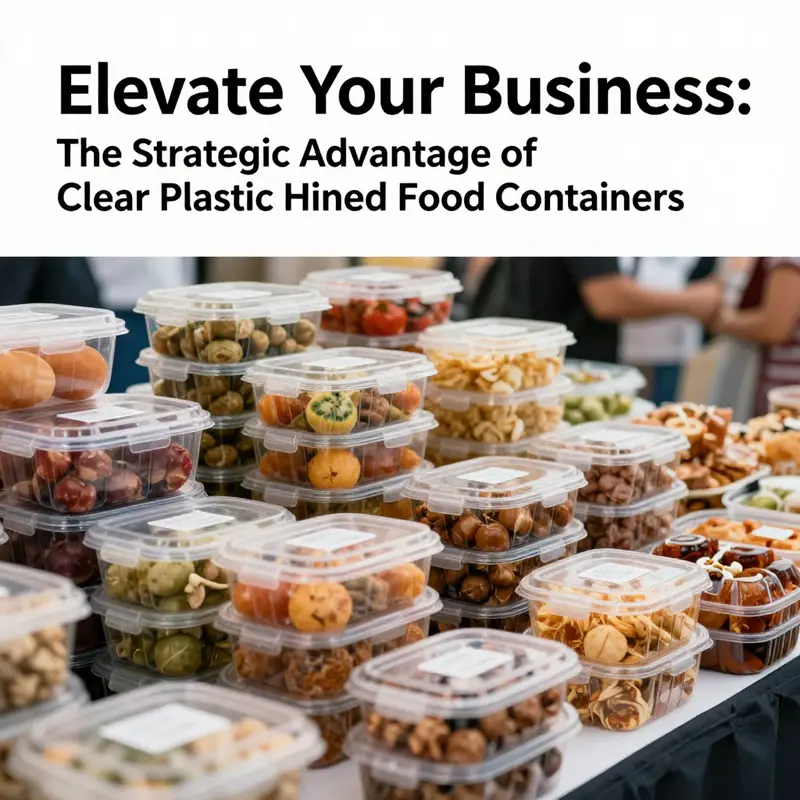
Clear plastic hinged food containers are emerging as essential packaging solutions in the food service industry, appealing to businesses ranging from bubble tea shops to catering services. Their unique blend of convenience, hygiene, and aesthetic appeal makes them a go-to choice for many. This article delves into the manufacturing processes and materials that constitute these containers, relevant market trends, sustainability efforts, and real-world applications that highlight their versatility and effectiveness. By understanding these elements, retailers, restaurants, and event planners can make informed decisions that enhance their product offering and streamline operations.
null
null
null
null
Sustainable Clarity: A Wholesale Guide to Clear Plastic Hinged Containers
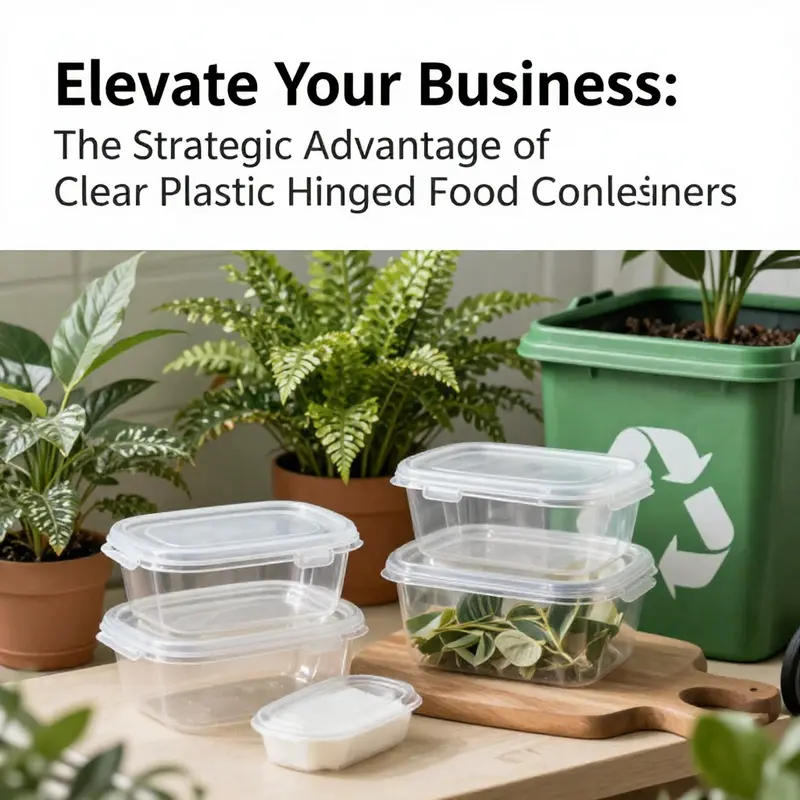
In the wholesale market for clear plastic hinged food containers, visibility and hygiene are essential, but so is stewardship of resources. Buyers expect dependable performance and cost efficiency, alongside credible strategies for reducing waste, improving recyclability, and supporting resilient supply chains. The hinged design, which enables one-handed use and reduces lid loss, remains a key differentiator for delis, bakeries, and takeout counters. Yet sustainability criteria are increasingly shaping purchasing decisions. The challenge now is to balance practicality with environmental responsibility, and to show how material choices, end-of-life handling, and circular economy principles affect total value for operators and their customers.\n\nMaterial choice sits at the heart of sustainability. PET and APET offer clarity, light weight, and good impact resistance, helping products look fresh and perform reliably in a fast-paced service environment. Lighter containers can translate to lower transportation emissions, but the environmental story does not end with optical performance. A complete view includes energy use in production, virgin versus recycled content, and the fate of products after use.\n\nEnd-of-life management is a critical focus. Many containers are designed for single use in busy outlets, which can drive waste if disposal streams are not optimized. Contamination with food residue can hinder recycling and reduce the quality of recovered material. Solutions include choosing products with higher recycled content, clear labeling for recyclability, and guidance for end users on disposal. When recycling streams are strong and contamination is minimized, the environmental benefits multiply across the product’s lifecycle.\n\nIndustry progress is evolving on recycled content and alternatives. Recycled PET, or rPET, can lower virgin resin demand and cut carbon intensity, but gains depend on the quality of the recycled stream and supply chain transparency. Some operators are exploring compostable formats for specific applications, though these require compatible waste infrastructure and careful consideration of heat tolerance and shelf life. Design for recyclability, simplified components, and minimal use of nonessential packaging elements can improve recovery rates and lower overall environmental impact.\n\nWaste management and stakeholder collaboration are ongoing priorities. Wholesalers can support customers by providing materials disclosures, certifications for food-contact safety, and practical guidance on sorting and disposal. Traceability—from resin type to recycled-content levels—helps build trust and demonstrates accountability. In parallel, close collaboration with suppliers to pursue take-back programs, centralized recycling coordination, and lifecycle data creates a more transparent value proposition for retailers and operators.\n\nPractical next steps for wholesalers include prioritizing products designed for recyclability, requesting clear recycled-content disclosures, and offering guidance on end-of-life options. By aligning procurement with responsible sourcing, validated safety standards, and forward-looking waste-management strategies, the industry can retain the advantages of clear plastic hinged containers while advancing a more sustainable packaging ecosystem.
null
null
Final thoughts
Clear plastic hinged food containers serve as more than just a packaging option; they represent a trend towards convenience, sustainability, and efficiency in food service. As the market continues to grow, understanding the manufacturing standards, market dynamics, sustainable practices, and diverse applications of these containers gives businesses a competitive edge. By investing in high-quality, visually appealing, and eco-friendly packaging, brands can elevate their service offerings, ensuring customer satisfaction and loyalty. As you plan your next procurement, remember—the right packaging is key to your success.