
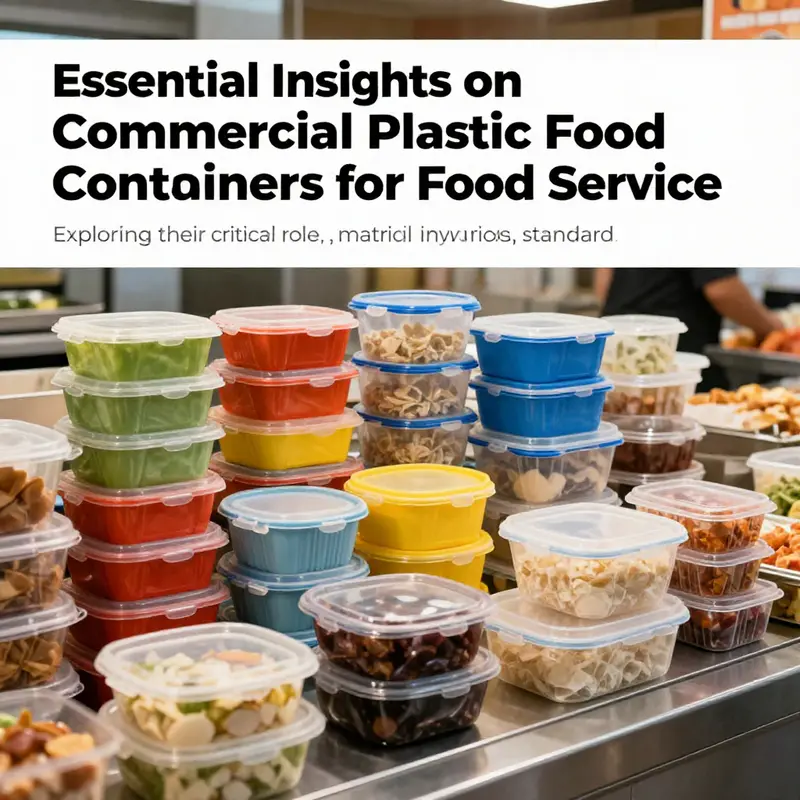
Commercial plastic food containers are a vital resource in the food service industry, impacting everything from food safety to service efficiency. Bubble tea shops, restaurants, and catering services rely on these containers to maintain food quality and adapt to diverse culinary applications. As we explore the multifaceted role of these containers, we will delve into advanced material innovations that cater to modern demands, examine the regulatory standards that ensure safety and compliance, and address the pressing sustainability trends that influence industry choices. This comprehensive view will equip stakeholders with the knowledge needed to make informed decisions about their food container options.
Shaping Efficiency and Safety: How Commercial Plastic Food Containers Steer Modern Food Service
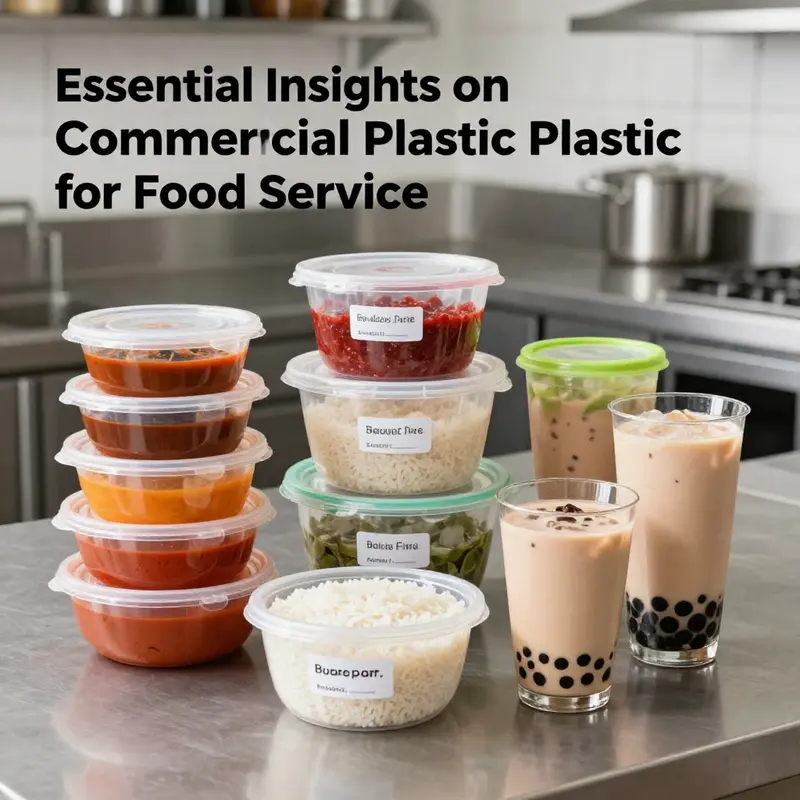
In the fast-paced world of commercial food service, containers do more than hold leftovers or transport meals. They are part of an operational system that influences safety, efficiency, and guest perception. The right container family combines durable construction, reliable sealing, and thoughtful sizing to support hot and cold storage, safe transport, and streamlined service. A well-chosen container reduces waste, simplifies inventory, and helps kitchens scale without compromising quality.
Compartmentalization is a key capability in modern designs. Multi-compartment boxes keep ingredients distinct within a single vessel, minimizing cross-contamination and preserving texture and appearance. This separation often translates into faster plating and more consistent portions, which in turn supports inventory accuracy and waste reduction.
Material choices matter. Polycarbonate offers clarity and rugged reuse for challenging temperature swings, while polypropylene provides heat resistance at a lighter weight and lower cost. Polystyrene remains common for disposable options where visibility is less critical but cost and convenience matter. The best choice balances environmental impact, cleaning protocols, and life-cycle costs for a given operation.
Beyond materials, features like airtight lids, secure clips, stackable designs, and microwave compatibility drive practical value. Clear labeling, uniform lid geometry, and compatible bases reduce user error and downtime. In all cases, safety and regulatory compliance guide selection, from food-contact standards to migration limits and cleaning recommendations. A robust program tracks certifications and test data to support traceability during audits.
Sustainability is increasingly central. Operators weigh durability and recyclability with end-of-life pathways such as recycling or certified compostability where feasible, choosing a mix of durable reusables and thoughtfully designed disposables to meet service demand without compromising the environment. A disciplined approach to labeling, inventory management, and supplier partnerships helps facilities balance cost, safety, and sustainability across multiple sites.
Ultimately, containers influence every phase of service, from prep and storage to transport and plate. When containers perform reliably—no leaks, no misfits, no soggy meals—staff can focus on cooking, presentation, and guest satisfaction. The result is a predictable workflow, reduced waste, and a dependable brand experience across shifts and service contexts.
Material Frontiers in Commercial Plastic Food Containers: From Biopolymers to Smart Packaging
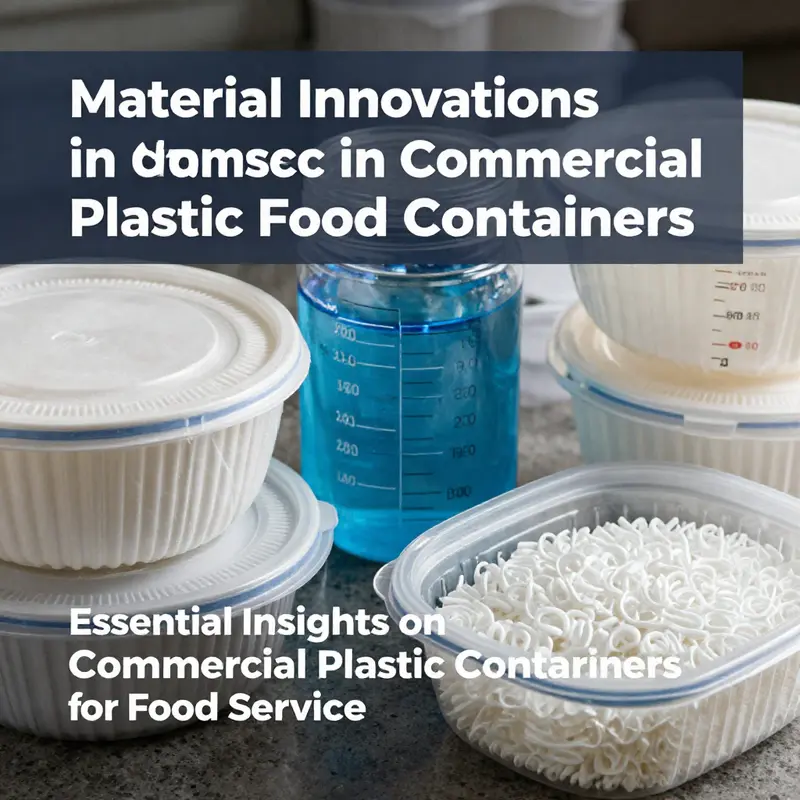
Material innovations in commercial plastic food containers are reshaping safety, efficiency, and sustainability across kitchens, distributors, and retailers. The chapter that follows traces how advances in polymers, additives, and intelligent features expand the utility of plastic containers in professional settings. It moves beyond the old dichotomy of durable versus disposable to reveal a spectrum where temperature performance, barrier properties, recyclability, and data-enabled traceability intertwine.
At the core of contemporary developments is a shift toward bio-based and recyclable polymers that still deliver the reliability expected in high-volume operations. Bioplastics derived from sugarcane, corn starch, or cellulosic feedstocks are enabling new container classes that can meet demand for compostability where local infrastructure exists, while also delivering process compatibility with existing manufacturing lines. Yet end-of-life realities—whether industrial composting or traditional recycling—shape the true environmental benefit and must be planned for in material selection.
Barrier performance remains central. High barrier films and optimized multilayer structures extend shelf life but can complicate recycling. The industry is pursuing designs that balance barrier effectiveness with end-of-life compatibility, such as using recyclable base polymers with thin functional coatings or introducing easy-separable liners. The result is a portfolio of options that can be matched to product type, storage conditions, and regional waste systems.
Smart packaging technologies, including time-temperature indicators, digital serialization, and QR-code based data, are moving from novelty to operational tools. These features support food safety programs, recall readiness, and supply chain visibility, while enabling brands to demonstrate sustainability credentials and consumers to verify provenance.
Across these threads, lifecycle thinking guides material choice. Lighter weights save energy in production and transport, but must retain rigidity, heat resistance, and ease of cleaning. Designers increasingly integrate post-consumer recycled content to close the loop, while also considering compatibility with recycling infrastructure and local regulations. The aim is to deliver performance and safety today without compromising circularity tomorrow.
For practitioners selecting packaging, a practical heuristic is to view the container as part of an integrated system—the container, lid, liner, and coatings must collectively meet temperature, cleanliness, and durability requirements while aligning with end-of-life options available locally. Transparent material data sheets, credible certifications, and clear labeling accelerate informed decisions and build trust with operators, retailers, and consumers.
Regulatory Compass: How Standards and Certifications Steer Safety, Performance, and Sustainability in Commercial Plastic Food Containers
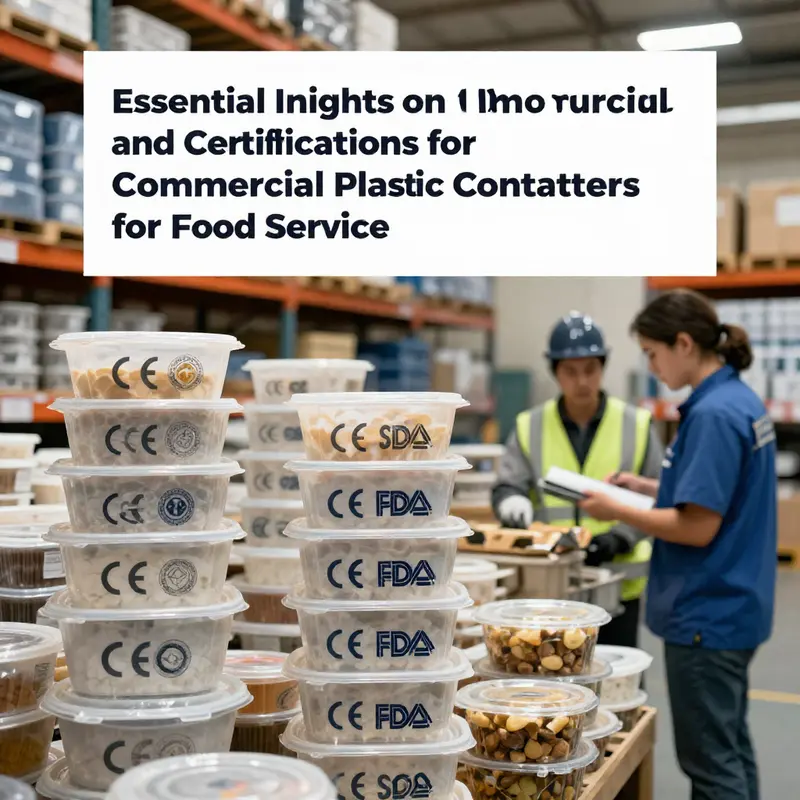
Every day in kitchens across the globe, commercial plastic food containers do more than hold leftovers or transport meals. They act as a critical interface between food and consumer, a boundary that must be managed with care, precision, and accountability. The story of these containers is not just about engineering or affordability; it is about a complex regulatory ecosystem that defines what can touch our food, how it can be used, and how the ecosystem around packaging can evolve with public health and environmental concerns. In practice, standards and certifications shape every major decision a commercial kitchen makes—from material selection and manufacturing processes to performance during thermal exposure, compatibility with cleaning regimes, and the possibilities for reuse or recycling. For operators, understanding this regulatory compass is essential for safeguarding safety, ensuring consistent quality, and meeting the rising expectations of customers who increasingly scrutinize packaging as part of the overall food experience.
In the United States, the Food and Drug Administration governs material safety for food contact through a framework anchored in Title 21 of the Code of Federal Regulations. This framework is not a single rule but a pragmatic system of recognition and testing that governs what substances can be used in packaging that will contact food. At its core is the concept of food-contact substances that have established safety profiles, along with migration guidelines that estimate how much material components could transfer into food under typical use. The measurements are not merely theoretical; they translate into enforceable thresholds that influence what a manufacturer can claim about a container and what a buyer can rely upon in daily operations. The Threshold of Toxicological Concern provides a structured approach to determine safe levels of chemical migration, particularly when data on specific substances may be limited. Medical and nonmedical exposure pathways are weighed to ensure consumer safety while enabling innovation in packaging designs that still comply with strict limits on migration.
Beyond the chemistry of migration, practical compliance hinges on the labeling and the recyclability of materials. In the United States, recycling codes such as #1 and #5 are widely recognized as indicators of materials commonly approved for food contact and compatible with established recycling streams. These codes do not replace regulatory approval, but they help operators and waste teams navigate the end-of-life options for containers and packaging. The regulatory emphasis on migration and safety is complemented by a broader attention to environmental stewardship and supply chain transparency, recognizing that packaging choices reverberate through waste streams and municipal recycling programs.
Across the Atlantic, the European Union frames its regulatory approach through a dual regime that targets both material safety and manufacturing reliability. Regulation (EC) No 1935/2004 establishes that materials and articles intended to contact food must be safe for their intended use, not mislead consumers, and not alter food properties in unacceptable ways. Building on this, Regulation (EU) No 10/2011 specifies specific migration limits for many substances and details testing requirements to verify that these limits are not exceeded. The EU approach places particular emphasis on the rigorous testing of substance migration, especially when containers encounter heat, fatty or acidic foods, or long storage times. The regional stance also reflects a more precautionary posture toward hazardous substances, with explicit restrictions on widely scrutinized components such as bisphenol A and certain phthalates, especially in products aimed at children or intended for prolonged storage. The emphasis on testing and restricted substances helps ensure that packaging not only performs well in the lab but remains safe under real-world culinary conditions.
To translate regulatory expectations into credible assurance, several certifications play a pivotal role. ISO 22000, an international standard for food safety management systems, provides a framework for who does what and how in facilities that manufacture plastic food containers. It emphasizes hazard analysis, control of critical processes, and continual improvement, ensuring that the entire production system—from incoming materials to finished containers—operates with a clear food safety objective. When organizations pursue ISO 22000, they often complement it with the FSSC 22000 scheme, which blends ISO 22000 with additional technical prerequisites to deliver a comprehensive, globally recognized certification that underscores consistent food safety performance across complex supply chains.
In practice, many manufacturers, particularly those operating within or exporting to China and other major manufacturing hubs, also pursue regionally tailored certifications. The China Recycling & Reuse Certification system, for example, aligns with national standards and provides reassurance about the recyclability and waste-management attributes of packaging designed for food contact. While these regional certifications may differ in focus, they share a common objective: to attest that packaging materials not only meet safety requirements but also adhere to responsible manufacturing and end-of-life practices. Certifications like these help buyers verify that a container set can be produced under controlled conditions, with traceable materials and documented testing that mirrors regulatory expectations.
Beyond safety and recyclability, a growing cadre of environmental and sustainability certifications has gained traction. Green Seal and Cradle to Cradle, among others, evaluate environmental performance across life cycles—from material sourcing and production to end-of-life management and potential for reuse. For buyers who seek packaging options that reduce ecological footprints while maintaining performance, these certifications offer a way to balance the classic trade-offs between cost, function, and environmental impact. They also reflect a broader shift in procurement where packaging is not viewed in isolation but as part of a sustainable operations ethos that can influence brand reputation, regulatory risk, and resource efficiency.
With these frameworks in mind, material choice becomes more than a technical decision. Different polymers bring distinct performance profiles that must be aligned with regulatory requirements and culinary realities. Materials such as polycarbonate, polypropylene, and polystyrene each offer specific temperature resistances, chemical stabilities, and migration characteristics that influence their suitability for various applications. In hot-service contexts, for instance, the容器 must demonstrate thermal stability and chemical inertness during reheating or hot holding, while in cold storage, impact resistance and clarity (for visibility of contents) may be prioritized. The choice of material is therefore a negotiation among safety, usability, durability, and cost, guided by the regulatory map that shapes permissible substances, allowable migration levels, and the expected lifecycle performance of the container.
For the operations leader, this regulatory landscape translates into concrete actions. When planning a procurement or redesign, teams typically begin with a risk assessment that evaluates potential migration scenarios across different use cases—cold storage, hot-fill, microwave exposure, and contact with fatty or acidic foods. They then align these findings with the applicable regulations in the regions where their products will be used or resold. Performance testing becomes a recurring discipline: can the container resist acids or staining from foods without transferring detectable residues? Will it maintain its integrity through repeated cycles of washing, sanitizing, or freezing? How does it hold up under exposure to cleaning agents used in commercial kitchens? The answers influence not only safety determinations but also operational considerations such as stacking efficiency in refrigerators, compatibility with dishwashing protocols, and the feasibility of reuse in accordance with any extended-life or circular economy initiatives.
A practical pathway for bridging regulatory requirements with daily purchasing decisions lies in packaging design that intentionally considers both safety tests and user experience. For example, when selecting takeout packaging, buyers often weigh the need for lids that seal securely, materials that resist leakages, and the ability of containers to withstand stacking without deformation. The internal design choices—such as closures, sealing mechanisms, and surface treatments—must be compatible with approved food-contact substances and should not introduce migration risks that exceed the limits defined by regulatory authorities. Clear labeling that communicates compliance, certifications, and recommended use cases also helps kitchen staff and end users handle packaging safely and effectively. This approach reduces the likelihood of misuse that could compromise safety or lead to regulatory action, while supporting a consistent, reliable customer experience.
For educators and practitioners looking to illustrate these concepts through real-world packaging examples, consider the broader ecosystem of options that exist within compliant, certified supply channels. Among the many possibilities, some packaging offerings emphasize multi-compartment and split-functional designs that cater to meal prep, portion control, and delivery. The design philosophy behind these solutions often integrates safety-tested materials with user-friendly functionality, such as airtight lids, clear temperature resistance labeling, and compatibility with standard reheating methods. When evaluating such options, buyers should look for documentation that demonstrates compliance across multiple regulatory frameworks, as well as third-party certifications that speak to manufacturing rigor and environmental responsibility. A holistic view—one that accounts for safety, performance, waste management, and cost—helps kitchens maintain high service standards while navigating the complex regulatory terrain.
In this context, the academic and practitioner conversations converge with practical procurement strategies. Operators increasingly demand evidence of testing that reflects the actual conditions their containers will face—from freezer temperatures to microwave cycles and the rigors of high-volume dishwashing. They also seek assurance that packaging is designed to support efficient storage, efficient transport, and consistent portioning, without compromising safety or contaminating food. The objective is not merely to meet regulatory minimums but to build a robust packaging program that harmonizes safety, reliability, and sustainability across the entire supply chain. For buyers, the path toward such a program often includes engaging with suppliers who can provide transparent documentation of material composition, migration testing results, and evidence of compliance with international standards, as well as information about end-of-life management and recyclability. In other words, regulatory standards and certifications become a shared language between manufacturers, distributors, and food-service operators, enabling informed decisions that protect consumers and support responsible business practices.
To illustrate how packaging can embody this regulatory intelligence in a tangible way, consider a family of takeout and storage solutions designed to meet a wide range of culinary needs while remaining faithful to tested safety profiles. Such products are engineered to perform in fast-paced kitchens, to resist common staining agents and odors, and to withstand the thermal cycles associated with hot lunches and reheated meals. They are also designed with an eye toward recyclability and waste reduction, incorporating materials and manufacturing processes that support efficient recycling streams and minimize environmental impact. The result is a packaging option that aligns with regulatory expectations, demonstrates verified performance, and speaks to a growing consumer demand for packaging that is both safe and sustainable. And as markets evolve, the regulatory compass will continue to point toward enhanced safety testing, broader adoption of internationally recognized certifications, and greater transparency around material sourcing and lifecycle impact, all of which will influence how commercial plastic food containers are designed, produced, and used in the global food chain.
For those seeking further guidance on official regulatory framing and practical implementation, it is valuable to consult authoritative resources that compile and explain these standards. The U.S. FDA maintains comprehensive guidance on food contact materials, including approved substances, testing guidance, and regulatory actions that affect packaging manufacturers and users. This resource offers current, actionable information about how regulators evaluate safety, what constitutes acceptable migration levels, and how industry can stay aligned with evolving scientific and policy developments. As packaging technology advances and consumer expectations shift, staying informed through such official channels becomes an essential component of responsible procurement and kitchen safety culture.
Ultimately, regulatory standards and certifications do more than certify a product. They certify trust—trust that a container will not contaminate food, that it will perform when needed, and that it will contribute to responsible waste management. In an era when food safety concerns, environmental accountability, and regulatory compliance are all scrutinized by regulators, customers, and investors, the packaging choices made by commercial kitchens carry significance far beyond the shelf life of a single item. The regulatory compass, with its blend of government requirements, international standards, third-party certifications, and evolving sustainability benchmarks, offers a navigational map. It helps food-service operators align packaging choices with the safety expectations of the public, the quality demands of modern cuisine, and the environmental responsibilities that increasingly define corporate reputation and operational resilience.
For those who want to deepen their understanding of the regulatory landscape, the key is to approach packaging decisions as part of an integrated system. Material science, manufacturing quality, testing rigor, labeling clarity, and end-of-life considerations all come together in a dynamic, interconnected web. When this system operates with transparency and scientific rigor, it creates a virtuous cycle: safer materials lead to safer food, rigorous certifications reinforce confidence, and sustainable practices reduce waste and resource use without compromising performance. In that way, regulatory standards and certifications do not merely constrain the packaging industry; they empower it to innovate responsibly, support public health, and meet the growing expectations of a society increasingly attentive to how the things that touch its food are made and managed.
For readers seeking official guidance on food-contact materials, the U.S. FDA’s dedicated resources provide up-to-date information on safety determinations, regulatory actions, and scientific assessments relevant to commercial plastic food containers. https://www.fda.gov/food/food-contact-materials
Redesigning for Resilience: Sustainability Trends Shaping Commercial Plastic Food Containers
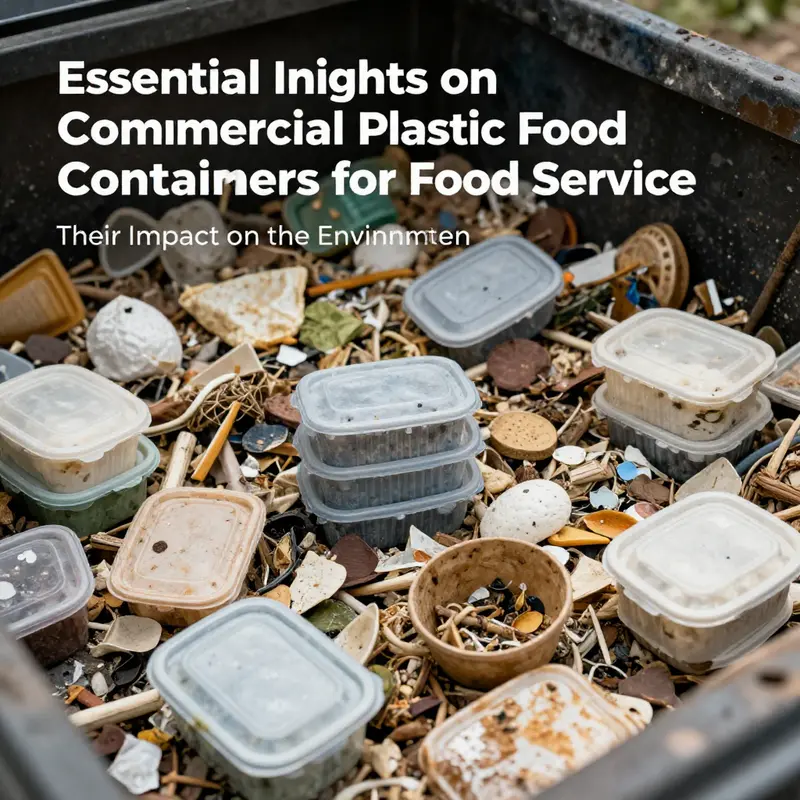
When we examine the transit of food from production to plate, the container that carries it is more than a vessel. It is a hinge point where functionality, safety, and environmental stewardship meet. In commercial kitchens, catering operations, hotels, and fast-service networks, plastic food containers have been optimized not only for durability and hygiene but now for the implications they have on resources, waste, and the climate. The urgency of this shift is underscored by staggering global food waste—about 1.3 billion tons lost or wasted each year—which translates into a heavy burden of greenhouse gases and wasted feedstock. Against this backdrop, the packaging that surrounds meals is not merely a means of transport or portioning; it is a lever for reducing waste, conserving energy, and closing material loops. As the industry moves toward sustainable practice, designers and buyers increasingly seek solutions that balance performance with environmental accountability, aiming for containers that preserve freshness and safety while aligning with circular economy principles.
One of the most visible currents in this evolution is the rise of bio-based and biodegradable plastics. Polylactic acid, derived from renewable resources such as corn starch, has emerged as a credible option for certain applications. It can lower the carbon footprint when produced and disposed of under appropriate industrial conditions, offering a path toward compostability and the regeneration of materials input through a circular system. Yet this promise comes with clear caveats. Industrial composting infrastructure is not ubiquitous, and there are debates about the end-of-life outcomes in mixed waste streams. Consequently, the adoption of bio-based and biodegradable options is most effective when integrated into broader strategies that consider local waste management capabilities, consumer education about disposal, and the compatibility of bio-based materials with existing processing lines. In practice, the shift toward bio-based substrates often prompts a reevaluation of performance envelopes—heat resistance, rigidity, clarity, and barrier properties—that historically favored petroleum-based polymers. Designers respond by exploring blends and composites that preserve structural integrity while maximizing renewable content. The result is a nuanced landscape where sustainability is not a single material choice but a portfolio of approaches tuned to the specifics of application, climate, and end-of-life infrastructure.
A parallel thread in the sustainable evolution of commercial containers centers on recyclability. Recyclable plastics such as PET and HDPE play a pivotal role in extending the life of packaging materials and reducing virgin resin demand. PET, in particular, offers strong barrier properties and high recyclability, facilitating reuse in the economy of packaging circles and enabling consumers and businesses to participate in established recycling streams. The challenge lies not only in the technical recyclability of these materials but in the systems that collect, sort, and process them. Effective recycling depends on consistent labeling, standardized resin identification, and robust post-consumer markets that can absorb recycled content without compromising safety and performance. When these systems function well, the environmental footprint of food containers shrinks as virgin resin needs fall and energy use during manufacturing declines. Yet the economics of recycling are nuanced. Market prices for recycled feedstock, the costs of collection and processing, and the variability of supply can influence the decision to maximize recycled content on a case-by-case basis. In practice, many buyers adopt a pragmatic mix: prioritize materials with well-established recycling streams for mainstream product lines, while exploring niche applications where recycled content or post-consumer recycling is feasible and economically viable.
Material reduction and lightweighting represent another critical pillar of sustainability in commercial plastics. By reducing wall thickness and optimizing structural geometry, manufacturers can achieve meaningful material savings without sacrificing strength, rigidity, or heat resistance. This approach not only cuts raw material use but also reduces transportation emissions, given that lighter containers deliver more efficient logistics. The design challenge is to maintain barrier properties and mechanical performance under the temperature ranges common in food storage and transport, from freezer to microwave-ready reheating. Advances in resins, fillers, and reinforcing agents enable thinner walls that still protect contents from moisture migration, odors, and contamination. The net effect is a gradual decoupling of performance from material mass, enabling a more resource-efficient lifecycle without compromising safety or consumer expectations.
Beyond the material science, sustainable packaging is increasingly anchored in system-level thinking. Reusable and returnable packaging models are gaining traction, especially in premium meal delivery, catering, and high-end food service contexts where the economics of a closed-loop system can be favorable. Reuse programs require careful design to ensure durability, ease of cleaning, and compatibility with existing logistics networks. They also demand thoughtful financing models, such as deposits or subscription-based schemes, to incentivize customers to return containers for reuse rather than discarding them. When implemented well, these systems can dramatically reduce single-use waste, lower lifecycle emissions, and demonstrate a clear commitment to environmental responsibility. The transition, however, is not without complexity. It depends on reliable sanitation workflows, scalable recovery processes, and consumer participation. It also raises questions about contamination control, cross-contact with allergens, and the reliability of supply chains in periods of peak demand. Even so, where a brand or operator can implement a successful reuse loop, the payoff is both ecological and reputational, signaling a mature approach to packaging in a sector long defined by rapid turnover and cost-sensitive procurement.
Interwoven with material choices and end-of-life strategies are the standards and certifications that anchor safety and quality in the marketplace. Containers that handle food must meet a constellation of regulatory expectations, including CE, FDA, SGS, and EU compliance in various markets. These certifications are not mere bureaucratic hurdles; they represent shared benchmarks that ensure materials are safe for contact with food, that migration levels are controlled, and that processes comply with hygiene and environmental expectations. In this sense, sustainability does not come at the expense of safety. Rather, responsible design integrates safety performance with environmental performance, producing packaging that protects both people and planetary health. Many modern containers are engineered to be airtight and stackable, features that extend shelf life, maintain product quality, and improve warehouse efficiency. Airtightness minimizes exposure to air and moisture, helping to reduce spoilage and food waste—a practical, direct link between packaging design and the broader sustainability agenda. Stackability, in turn, optimizes cold-storage space in refrigerators and freezers, lowering energy use in food storage facilities and enabling more efficient inventory management.
The journey toward sustainable commercial packaging is also a journey through consumer perception and policy. The path from “compostable” to “biodegradable” to simply “recyclable” is not always straight. Labeling ambiguity can confuse customers about disposal pathways, potentially undermining the benefits of a given material. This is why many stakeholders advocate for clear, standardized labeling and for communicating end-of-life options that align with local waste streams. In parallel, regulatory trends are tilting toward extended producer responsibility (EPR) and mandates for recycled content. These policies encourage manufacturers to design for recyclability, source recycled materials, and take greater accountability for packaging throughout its lifecycle. The consequence is a packaging landscape where choice is anchored not only in performance and price but also in the broader social contract of producers, retailers, and consumers co-creating a more sustainable system.
The sustainability narrative for commercial plastic containers is not a retreat from durability or hygiene. It is an expansion of capability—an effort to reconcile the pragmatic demands of the kitchen with the ecological realities of a resource-constrained world. In practice, this means a more deliberate use of materials, where the best option is chosen for the specific application and lifecycle, rather than a default to conventional plastics. It means designing for recyclability from the outset, selecting materials that align with robust post-consumer markets, and ensuring that packaging is not merely functional but also accountable. It means embracing innovations that deliver lighter, more efficient designs without compromising the safe handling of hot foods, acids, salts, and oils that challenge containment systems over time. And it means recognizing that the path to sustainable packaging is not a single product switch but a portfolio of strategies—bio-based content where appropriate, recyclable materials where viable, thinner walls where feasible, and reusable systems where the business context supports such an investment.
For practitioners and buyers, the practical takeaway is to treat sustainability as a design spec. Ask how a container performs across the temperature spectrum, how it behaves under storage and transport stress, and what its end-of-life options are in the markets you serve. Seek materials with transparent supply chains and documented recyclability or compostability pathways. Favor systems and suppliers that provide lifecycle data, certifications, and scalable options from small-batch orders to large-scale production. And remember that the most successful packaging solutions are those that reduce waste not just in the product’s usage but across the entire chain—from procurement and manufacturing to distribution and disposal. The goal is a packaging ecosystem where performance, cost, and environmental impact are aligned, delivering reliable containment for meals while contributing to a cleaner, more resilient planet.
To connect theory with practice, consider a pragmatic resource that illustrates practical options for eco-friendly packaging in fast-service contexts. For example, you can explore how a compact, multi-compartment, disposable packaging solution can fit into a reusable or recyclable strategy by examining a model that emphasizes modularity, cleanliness, and return logistics. This approach demonstrates how a seemingly small design decision—partitioning, sealing, and stackability—can ripple through the supply chain, improving portion control, reducing waste, and supporting consistent product quality across multiple service channels. eco-friendly disposable 3-compartment packaging box serves as a concrete reference to how such packaging logic can be implemented in real-world operations without compromising safety or efficiency. While this example is just one of many possible configurations, it embodies the principle that sustainable packaging must be designed with end users in mind—kitchens, drivers, and customers alike—so that green choices become practical, scalable, and economically viable.
Ultimately, the trajectory of sustainable plastic food containers is less about a single miracle material and more about an integrated design philosophy. It is about choosing the right material for the right job, optimizing use to minimize waste, and building systems that keep materials circulating rather than ending their life in a landfill. It is about embracing innovations in bio-based content, improving recycling performance, reducing material usage, and exploring reusable models where the business case permits. It is about transparency, certification, and collaboration across suppliers, manufacturers, regulators, and food service operators. And it is about acknowledging that sustainable packaging is a continuous process—a perpetual refinement of formulations, processes, and practices in pursuit of a more efficient and responsible food system.
For further exploration of the latest developments in sustainable packaging materials and their real-world applications, see the in-depth overview published in Sustainability. External perspectives and data can help translate these trends into actionable procurement and design decisions for commercial food service operations. https://www.mdpi.com/2071-1050/16/14/6098
Final thoughts
In conclusion, commercial plastic food containers are indispensable in the food service sector, blending functionality, safety, and sustainability. By understanding their roles, exploring innovative materials, adhering to regulatory standards, and embracing sustainable practices, businesses can optimize their operations and meet the expectations of both consumers and regulatory bodies. A thoughtful selection of these containers not only enhances service quality but also reflects a commitment to environmental stewardship, which is increasingly becoming vital in today’s market. Choosing the right containers can significantly impact efficiency, safety, and customer satisfaction in your food service operations.