
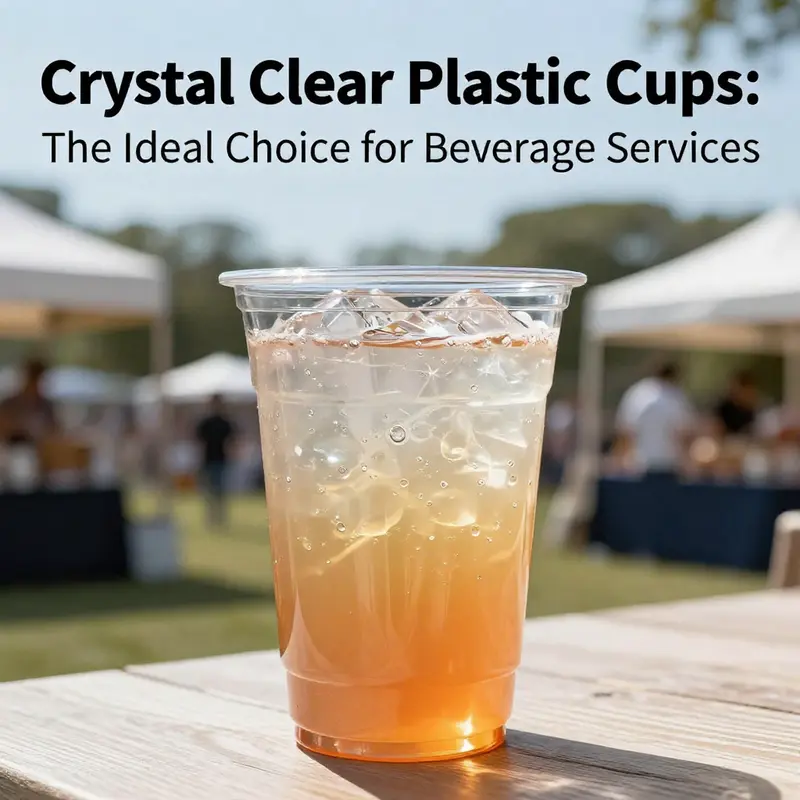
Crystal clear plastic cups, especially the 16-ounce variety, are essential for many beverage businesses—from bubble tea shops to catering services. These cups are not just favored for their appealing appearance and practicality; they also possess attributes that cater to the modern consumer’s preferences, such as environmental considerations and health safety. Throughout this piece, we will dive deep into crucial aspects of these cups: their environmental impact, current market trends, versatile usage in various settings, and health considerations. Each chapter provides insight into how these cups can enhance beverage service delivery while meeting consumer expectations.
null
null
Seeing Through the Moment: The 16 oz Crystal Clear PET Cup in a Market Shaped by Sustainability, Customization, and Performance
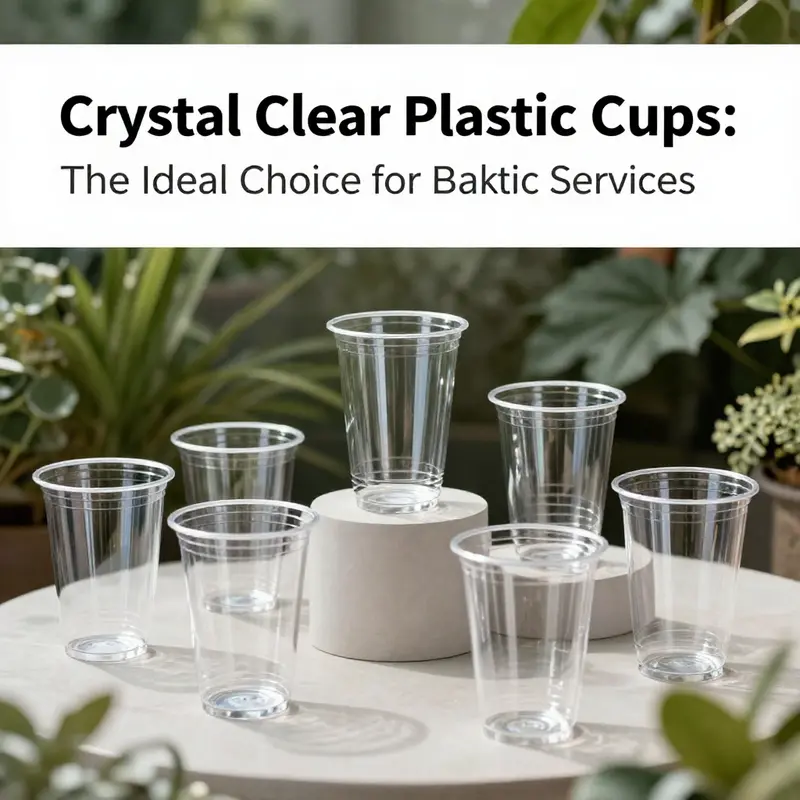
The 16-ounce crystal clear plastic cup has long been a quiet workhorse in the beverage and food service world. Its transparent wall turns the contents into the star of the show, inviting customers to judge color, texture, and freshness at a glance. In a crowded buffet line, a container that is sturdy, lightweight, and visually neutral becomes a silent ambassador for a brand’s hygiene standards and attention to detail. When you lift a 16 oz cup, the experience should feel effortless: a clean edge, a comfortable grip, a rim that keeps the liquid from spilling, and a clear view into the drink that promises purity and quality. These cups are most often made from PET, a material prized for its clarity, light weight, moisture resistance, and recyclability. The BPA-free assurance adds a health-conscious layer to their appeal, aligning with consumer expectations that extend beyond taste and appearance. In practice, this combination of properties makes the 16 oz crystal clear PET cup a versatile tool for cold beverages—from water and iced tea to smoothies and chilled coffee—across a wide spectrum of service settings.
The appeal is not just in what the cup does, but in how it fits into the operational realities of modern food and beverage service. Bulk packaging, often sold in counts of 100 or 200 units, anchors cost efficiency for restaurants, caterers, event planners, and convenience retailers. The ability to order in bulk helps ensure consistency in presentation and performance across multiple venues or events, a critical factor when planning seasonal promotions, large gatherings, or recurring service needs. Yet the economics of these cups are more nuanced than simple unit price. Suppliers increasingly offer customization options, most notably flexographic printing in multiple colors. Branding messages, logos, and event-specific graphics can transform a plain cup into a marketing instrument that travels with the product to the customer’s hands. The minimum order quantities for large-scale production often begin around the 200,000-piece mark, underscoring the responsibilities and commitments that accompany branded reach. Even so, customization remains a powerful differentiator for commercial buyers who want a cohesive, on-brand experience from first glance to last sip.
Within this landscape, the compatibility of the 16 oz cup with various lids is a vital design consideration. Flat lids and crystal clear cup lids extend the utility of these cups beyond the dine-in setting into takeout, drive-thru, and events where grab-and-go service is the norm. The lid-cup pairing must maintain the integrity of the drink during transport, prevent leaks, and support a pleasant user experience with a reliable seal. In practice, this is where the uniform rim design—an often overlooked detail—plays a decisive role. A consistent rim diameter ensures predictable stacking, simplifies inventory management, and supports rapid assembly lines in busy kitchens. It also helps the brand maintain a neat, uniform presentation, which matters when cups are lined up on service counters or displayed in retail layouts. The transparent nature of PET enhances this effect, because a pristine rim and clear walls reflect a level of care and professionalism that customers subconsciously associate with quality.
Sustainability has become a defining lens for assessing any disposable beverage cup, and the 16 oz crystal clear PET cup is no exception. There is a growing shift toward materials that balance performance with environmental responsibility. Plant-based options like polylactic acid (PLA) and biodegradable PET are increasingly appearing in the market as credible alternatives to conventional PET. While PLA and plant-based plastics address compostability and end-of-life concerns, they also come with their own sets of constraints, such as compatibility with existing recycling streams and the need for industrial composting infrastructure. This shift reflects a broader consumer and regulatory push to minimize single-use plastic waste. Companies are responding by expanding ranges of custom-printed, compostable cups and by highlighting the recyclability of PET in regions where recycling facilities are robust and accessible. The evolving regulatory environment and heightened consumer awareness are reshaping how buyers evaluate procurement options, pushing them to ask not only about immediate performance but also lifecycle impact.
In practical terms, buyers are increasingly weighing tradeoffs between clarity, durability, cost, and sustainability credentials. Crystal clear PET cups offer some of the strongest clarity available, a critical factor for product visibility that can influence purchase decisions at the shelf or the table. They also provide reliable moisture resistance and impact performance for cold beverages and short-term food service. Yet the market is learning to balance these advantages with evolving expectations around sustainability. For some clients, this means exploring compostable alternatives for certain event types or geographic regions where composting programs are accessible and well-integrated with waste streams. For others, it means selecting PET cups that are labeled as BPA-free and that originate from suppliers with transparent stewardship of recycling and recovery processes. In all cases, the decision hinges on aligning product performance with environmental responsibility, regulatory compliance, and the practical realities of the operation.
Customization has emerged as a central market driver, extending beyond aesthetics into strategic business advantages. Flexo printing lets brands project a bold identity on every cup, turning each serving into a mini-brand moment. The ability to tailor colors and messaging to particular campaigns or venues helps create a consistent consumer experience from the first glance to the last sip. But customization is not merely about decoration. It is also about reliability and speed. Buyers increasingly rely on suppliers who can deliver high-quality, on-brand cups with predictable lead times and scalable production capabilities. In a market where strategic sourcing guides released in early 2026 emphasize the importance of quality, compliance, scalability, and speed of service, the 16 oz crystal clear PET cup sits at the intersection of creative promotion and practical procurement. It is a tool that can scale with demand without sacrificing the clarity or structural integrity consumers expect, making it well suited for both recurring service needs and one-off events.
While single-use cups remain deeply embedded in many hospitality and events workflows, there is a clear, growing interest in reusable alternatives for venues like stadiums, large events, and high-volume kitchens. The conversation around reusable cups emphasizes durability, dishwasher safety, and lifecycle analysis. For the moment, the 16 oz crystal clear PET cup continues to fulfill a vital role in the single-use segment, especially for beverages served cold and quickly. Yet the momentum toward reusable systems signals a broader industry trajectory: providers are learning to balance convenience with long-term sustainability, experiment with hybrid models, and explore materials and designs that extend the cup’s usefulness beyond a single service cycle. The result is a more nuanced market in which buyers evaluate not just the cup they hold today but the broader impact of their entire takeout and event packaging strategy.
From a procurement standpoint, the 16 oz cup is a case study in how product specifications, supplier qualifications, and branding goals converge. The clarity of PET supports product storytelling—color, texture, and ingredient visibility—while its resilience under cold beverages reduces the risk of cracking or clouding during service. The ability to seal with reliable lids broadens the cup’s utility to takeaway and on-the-go consumption, a necessity in busy urban environments and at outdoor events. Consumers increasingly expect transparency in both product and packaging, and the cup’s visual simplicity helps meet that expectation. As a result, retailers and operators prioritize suppliers who can demonstrate consistent quality, robust compliance with safety standards, scalable production capacity, and timely delivery, particularly when facing spikes in demand around holidays, festivals, or new menu launches.
The broader market signals—sustainability goals, performance expectations, and a strong customization narrative—coalesce around a central question: how can the 16 oz crystal clear PET cup remain relevant as both a disposable tool and a conduit for brand experience? The answer lies in continuous improvement across materials science, manufacturing efficiency, and design. For instance, innovations in PET formulations may yield cups with improved stiffness, better cold drink retention, and enhanced resistance to temperature fluctuations during transport. Similarly, design refinements around rim geometry, wall thickness, and base stability can improve pouring control, reduce spills, and facilitate stable stacking in crowded storage or service areas. These improvements, while incremental, compound to deliver measurable benefits in the day-to-day operations of cafes, stadiums, catering companies, and event venues. They also provide a roadmap for brands seeking to differentiate themselves through packaging that reflects both quality and responsibility.
A practical takeaway for buyers navigating this evolving landscape is the importance of nuanced supplier selection. The market increasingly rewards those who couple product performance with strong sustainability practices and responsive service. The rise of strategic sourcing analyses in early 2026 underscores this trend, highlighting how buyers are prioritizing partners known for high-quality outputs, rigorous safety standards, scalable capacity, and reliable speed. In this context, the 16 oz crystal clear PET cup is not merely a passive container; it is an active element of a broader strategy to deliver consistent customer experiences while aligning with broader environmental goals. The seamless integration of clarity, durability, and brand-ready presentation makes this cup a flexible component in a spectrum of service models—from casual quick-serve to premium catering.
As we consider the user journey, the cup’s transparent walls invite a consumer-focused reconsideration of packaging value. A clear cup lets the drink’s color and texture speak for itself, and that visibility can affect perceived quality. For beverages with vibrant hues, such as freshly brewed iced tea or fruit-forward smoothies, the container acts as a stage for color and texture. When beverages appear visually appealing, customers feel more confident about what they are consuming, a psychological cue that can influence satisfaction and repeat business. At the same time, the cup’s modest weight and strong moisture resistance support a comfortable handling experience, a duality that makes the cup well suited to both dine-in and takeaway contexts. In settings where a server must carry multiple cups at once, a stable stack height and predictable rim contribute to faster, more accurate assembly, reducing the chances of spills and the need for reseating drinks.
This is where the narrative of sustainability, performance, and customization converges with practical operations. The discursive tension between single-use necessity and environmental responsibility prompts a more deliberate evaluation of alternatives, particularly for large-scale operators who manage both cost centers and reputational considerations. Some buyers will lean toward compostable or biodegradable options for events where compost infrastructure exists and consumer education is high. Others will reinforce their operational efficiency by selecting sturdy PET cups designed for reuse or extended life in a vending or hospitality context, paired with robust recycling programs. The conversation is not binary; it is about building a packaging ecosystem that matches the specific needs of a venue, an event, or a brand’s long-term strategy.
In this evolving ecosystem, the practical use case for a single cup can reveal broader industry dynamics. For example, a disposable clear plastic cup used in outdoor settings demonstrates how packaging must withstand sunlight, wind, and temperature variation while remaining visually appealing and easy to handle. The cup’s performance under these conditions—its resistance to sweating, its ability to maintain clarity after cold exposure, and its compatibility with lids and sleeves—speaks to the dual demands of form and function. A dedicated outdoor-use cup, even when not named in product lists here, illustrates how suppliers design for resilience and user experience beyond the four walls of a restaurant or café. For readers seeking concrete examples of this integration in practice, a widely accessible reference on disposable clear plastic cups for outdoor use can be found here: disposable clear plastic cup for outdoor use. This example helps ground the discussion in real-world applications, reminding us that even the simplest container is part of a broader operational system that includes storage, handling, transport, and end-of-life considerations.
The future of the 16 oz crystal clear plastic cup will be shaped by how well it can adapt to these evolving criteria without compromising the core strengths that make it so useful today. Clarity will remain a benchmark, signaling product integrity and quality. Durability will continue to be essential, ensuring that the cup withstands the rigors of fast-paced service and the rough-and-tumble of events with minimal loss of performance. Customization will keep evolving, with advanced printing techniques, extended color palettes, and perhaps even adaptive branding that responds to event contexts or seasonal campaigns. And sustainability will drive a shift toward materials that align with circular economy principles, paired with testing and reporting that reassure buyers about the actual environmental impact of their packaging choices.
For buyers and designers who want to keep pace with these shifts, the path forward is not simply about selecting the most economical option or the most durable option in isolation. It is about choosing a packaging approach that harmonizes visual appeal, operational efficiency, and responsible stewardship. The 16 oz crystal clear PET cup, in its many iterations and applications, can be at the center of such a harmonized strategy. Its transparency invites product storytelling; its lightness supports efficient handling and cost management; its compatibility with lids and branding options offers flexibility; and its potential for improvements in sustainability pathways keeps it relevant in a market that highly values responsible choices. As markets continue to evolve, this cup will likely continue to serve as a reliable canvas on which brands can project their identity while staying aligned with consumer expectations for safety, performance, and environmental sensitivity.
External resource: For a broader technical overview of performance, properties, and types of 16 oz clear PET plastic cups in industrial applications, see the detailed guide at https://www.plasticcupguide.com/16-oz-clear-pet-plastic-cups-guide/.
Crystal Clarity in a 16-Ounce Moment: The Versatility and Craft of PET Cups
When a server slides a crystal clear 16-ounce cup across a table, what the customer notices isn’t just the drink inside. It’s the quiet promise of clarity, durability, and a presentation that feels both professional and practical. These cups, molded from polyethylene terephthalate, or PET, are designed to be nearly invisible vessels that let the beverage take center stage. Their transparency isn’t a cosmetic touch; it’s a functional attribute that enhances perception—from the vivid hue of a smoothie to the deep amber of iced tea or the pale glow of a cold-press coffee. In a fast-paced service environment, that visual appeal matters. It helps beverages look as fresh and appealing as they are, which in turn can influence purchase decisions and the perceived quality of the service itself. Yet beyond aesthetics, the 16-ounce crystal clear PET cup embodies a balance of strength, lightness, and practicality that makes it indispensable in everyday operations, from casual takeout to high-volume catering.
Material choice sits at the heart of this balance. PET is prized for its clarity, a quality that rivals glass while delivering the advantages of plastic: lighter weight, shatter resistance, and easier handling. The surface is smooth and glossy, catching light in a way that makes beverages appear more inviting, while offering a reliable barrier that preserves aroma and taste without introducing unwanted flavors. This material also lends itself to predictable performance in terms of rigidity and stackability. A well- engineered 16-ounce PET cup can withstand the rigors of transport and handling without cracking, yet it remains light enough to minimize fatigue for staff and comfortable for customers to carry. The result is a practical workhorse that supports service flows rather than constraining them.
Safety is another critical dimension of this everyday workhorse. Modern PET cups used in cold beverage service are BPA-free and odorless, addressing a common consumer concern about plastic safety. This emphasis on safety isn’t merely a regulatory compliance note; it translates into tangible peace of mind for operators who want to avoid off-flavors or musty smells that could accompany subpar packaging. In a service landscape that increasingly values transparency and health-conscious choices, the absence of BPA and the absence of odor are features that reinforce trust with guests. Even for events and catering, where large volumes are poured and quickly distributed, the knowledge that the cup won’t impart an unwanted taste or odor is an essential consideration that supports a consistent drinking experience across dozens or hundreds of servings.
From a design perspective, these cups are crafted with practical handling in mind. A uniform rim contributes to stability during pouring and sipping, a small but meaningful detail in busy settings. This uniformity helps prevent spills when beverages are transferred from one station to another, stacked for space efficiency, or dropped into a crowded takeout bag. The cups are engineered to maintain their shape under normal refrigeration and transport conditions, a point that matters when customers retrieve drinks from a crowded cooler or a heated cart. The rigidity of PET means a cup remains robust enough to withstand the occasional rough handling that comes with high-volume service, while still offering the comfortable grip needed during personal consumption.
The versatility of 16-ounce crystal clear PET cups extends beyond the beverage itself. They are well suited to a wide range of cold drinks—from water and iced tea to smoothies, soda, and even cocktails in appropriate contexts. For coffee, the cups handle cold brew and iced variants with ease, as the material remains stable and the clarity persists even when condensation forms on the exterior. The combination of visual transparency and reliable temperature performance is particularly valuable in environments like quick-service restaurants and concession stands where beverages are frequently prepared in advance and required to retain their appearance from the moment they are filled to the moment they reach the customer. While these cups excel with cold beverages, their lightweight and insulating properties also make them a practical choice for short-duration cold-to-room-temperature transitions, ensuring that drinks remain refreshing without sweating excessively or becoming uncomfortably warm.
Another practical facet of these cups is their compatibility with a range of lids. Flat lids and crystal clear lids can be paired with the cups to create a secure, on-the-go solution that preserves carbonation, protects against spills, and simplifies transportation. This compatibility is particularly important for catering and events, where grab-and-go service is common and the ability to seal beverages quickly speeds up line flow and improves customer satisfaction. The option to add a lid without compromising the cup’s clear aesthetics helps maintain a clean, professional presentation across service points, from back-of-house prep to front-of-house pickup.
In terms of sourcing and scale, the 16-ounce crystal clear PET cup is often sold in bulk to support commercial needs. Bulk packaging reduces cost per unit and aligns with the demand patterns of restaurants, caterers, convenience stores, and event planners who regularly serve large volumes. The economics matter: when dozens or hundreds of thousands of cups are needed over a season, the ability to procure in bulk translates into meaningful savings without compromising performance. At the same time, the option for customization adds another layer of value for businesses seeking to reinforce brand identity. Flexographic printing, for example, allows logos or promotional messages to appear directly on the cup, turning a simple vessel into a mobile brand touchpoint. It’s a practical way to extend brand presence beyond the menu board and into hospitality settings where guests notice the cup before they notice the drink itself. Yet customization also comes with constraints, including minimum order quantities and lead times, which buyers weigh against the needs of a particular event or campaign. For many operators, the default 16-ounce cup remains the most versatile, cost-effective choice for day-to-day use, with customization reserved for campaigns, venues, or seasonal promotions.
The conversation about these cups cannot ignore the broader context of sustainability and recycling. PET cups are typically marked as #1 plastic, aligning with widely recognized recycling streams that help reduce waste and support responsible disposal practices when recycling is available. Design decisions, including the use of clear PET, are often taken with an eye toward end-of-life handling. Operators who prioritize sustainability may pair the cups with recycling programs at venues and events, encouraging guests to participate in responsible disposal. While no single packaging solution can be labeled universally sustainable, the PET 16-ounce cup’s recyclability, together with its durable life in service, presents a pragmatic approach for businesses seeking to balance performance with environmental responsibility.
The decision to choose a 16-ounce size hinges on multiple factors that intersect with service design, guest expectations, and the physical logistics of the operation. The 16-ounce capacity offers a generous serving that suits many cold beverages and casual formats without dominating a table or overflowing a crowded tray. It fits conveniently into standard cup holders, a practical detail for on-the-go customers and for drivers who stock beverages for ride-sharing or delivery. Its midrange form factor makes it adaptable for a range of settings—from the intimate table service of a café to the bustling turnover of a stadium corridor. The size also works well for dual-purpose use at buffets, where guests might take a standard drink and, if desired, sample other beverages without switching to a different vessel. This flexibility is part of what makes the 16-ounce crystal clear cup a staple in the modern beverage economy, where speed, presentation, and reliability converge.
From a consumer experience perspective, the visual appeal of the beverage through a crystal clear PET cup is not a trivial detail. Clarity is the vehicle for color and texture cues—the bright green of a lime-peppered drink, the gradient of a layered smoothie, the froth on a chilled coffee beverage. When a cup communicates freshness through its transparency, the overall perception of the drink’s quality improves. This effect is amplified in social and event settings, where presentations often rely on the interplay of color, light, and form to create an appealing sensory narrative. In such contexts, the 16-ounce cup becomes more than a vessel; it contributes to a storytelling moment that helps guests connect with the beverage on an immediate, intuitive level.
The narrative around customization and branding deserves particular attention for operators seeking to leverage packaging as a marketing asset. When a business opts to personalize cups, the impact extends beyond the drink itself. A logo, a color motif, or a simple promotional message visible during service can reinforce recognition and recall. The crucible of customization is the balance between visibility and legibility, especially when cups are used in high-traffic environments where quick recognition matters most. The design must preserve the clarity of the cup while adding a distinctive mark, a delicate balance that demands precise printing processes and quality control. For venues that run large promotional campaigns or seasonal events, this capability can convert ordinary cups into a touchpoint that travelers notice, photograph, and share, further extending the brand’s reach through guest social channels and word-of-mouth. It is in these instances that the economics of bulk purchase and customization intersect with the experiential aims of hospitality—to deliver consistent, high-quality service that is visually coherent across multiple locations and occasions.
For practitioners and buyers navigating this landscape, a few practical considerations emerge. First, the interdependence of cup quality, lid compatibility, and transport stability means that choosing a single element in isolation rarely yields optimal results. Operators benefit from evaluating the entire cup-and-lid ecosystem in their own service contexts, acknowledging how temperature, beverage viscosity, and handling practices influence performance. Second, the need for cost efficiency does not have to compromise quality. Bulk procurement, careful supplier selection, and a clear understanding of MOQs for customization can align budget with brand goals and service standards. Third, the role of sustainability is not a one-off decision but a continuous dialogue with guests and stakeholders. Clear communication about recycling options, local disposal infrastructure, and the cup’s recyclability can help build a narrative of environmental stewardship that resonates with today’s eco-conscious consumers.
An additional layer of nuance comes from the practical realities of supply chains and product specifications. The 16-ounce crystal clear PET cup is one of many shapes and sizes available in the broader category of cold beverage packaging. While it offers a reliable baseline for most everyday needs, operators may occasionally encounter scenarios that call for alternatives—perhaps a slightly taller profile for layered drinks, or a slightly wider rim for easier sipping without spills. Yet within these presets, the 16-ounce crystal clear cup remains a reliable standard due to its balanced attributes: clarity that showcases the drink, strength that survives transport, safety features that reassure guests, and cost efficiency that serves both casual venues and large-scale operations. Its adaptability across settings—from casual dining to catered events—speaks to a design philosophy that values practicality as much as appearance. When service needs are broad and timescales tight, such a cup is not merely convenient; it is foundational to delivering consistent guest experiences.
The broader takeaway for operators and buyers is that the crystal clear 16-ounce PET cup embodies a convergence of aesthetics, performance, and practicality that aligns with the modern demands of hospitality and foodservice. It offers a compelling blend of visual appeal, dependable durability, and safe, recyclable material that supports responsible consumption while enabling efficient service. In a world where first impressions are often shaped by the moment a guest receives a drink, the clarity and form of the cup play a quiet but decisive role in shaping those impressions. The cup becomes less a disposable accessory and more an enabling platform for service excellence, a small but powerful element that helps servers deliver beverages that look as good as they taste and travel as smoothly as the guests expect.
For readers seeking deeper technical context or practical sourcing guidance, further exploration of performance, properties, and variations of 16-ounce clear PET plastic cups can provide a structured framework for selection and procurement. A detailed guide to performance and types helps illuminate the choices behind the clear PET cup family and can anchor purchasing decisions in data and industry norms. This deeper dive complements the experiential narrative of service design with a concrete reference point for understanding how these cups behave across different conditions and use cases. [external resource: https://www.plasticcupguide.com/16-oz-clear-pet-plastic-cups-guide/]
If you’re looking to situate this chapter within a broader ecosystem of packaging and disposable tableware, consider how a single cup can act as a gateway to a larger conversation about event-ready takeout and guest experience. In practice, a well-chosen 16-ounce crystal clear PET cup supports not only beverage presentation but also the logistics of service. It aids in ensuring consistent portion control, reliable stacking and transport, and a uniform aesthetic that reinforces brand and ambiance. It also invites consideration of how cups interact with lids, sleeves, or carriers that can further enhance the guest experience while maintaining the clean, uncluttered visuals that PET cups afford. When an operation aligns these elements—from cup clarity to lid design to branding and sustainability—it creates a cohesive system that elevates both everyday service and special occasions.
In the end, the crystal clear 16-ounce PET cup stands as a quiet ambassador of efficiency and presentation. It is the unglamorous, reliable vessel that supports beverages in a way that feels effortless to the guest and efficient to the operator. Its clarity invites the drink to be seen and judged on its own merits, while its durability and safety reassure both staff and customers. For managers and frontline teams, the cup is not merely a tool; it is a component of the service narrative that helps transform a simple drink into a memorable moment. The ongoing conversation about materials, sustainability, customization, and scalability ensures that these cups remain relevant as expectations evolve and as the industry continues to seek that delicate balance between form, function, and responsibility. As the beverage world continues to innovate—whether through new flavors, new serving formats, or new event concepts—the crystal clear 16-ounce PET cup will likely remain a trusted anchor, providing a stable, adaptable canvas on which creativity, hospitality, and practicality can flourish.
Internal resource note: for a concise overview of disposable clear cups and their applicability across event settings, one relevant resource covers practical considerations for outdoor, party, and catering use. You can explore further through this internal link: disposable-clear-plastic-cup-outdoor-picnic-pet-cup-drinking-cup-for-parties-birthdays-weddings-camping-utensils.
Beyond Clarity: Health, Heat, and the Quiet Rules of 16 oz Crystal-Clear Cups
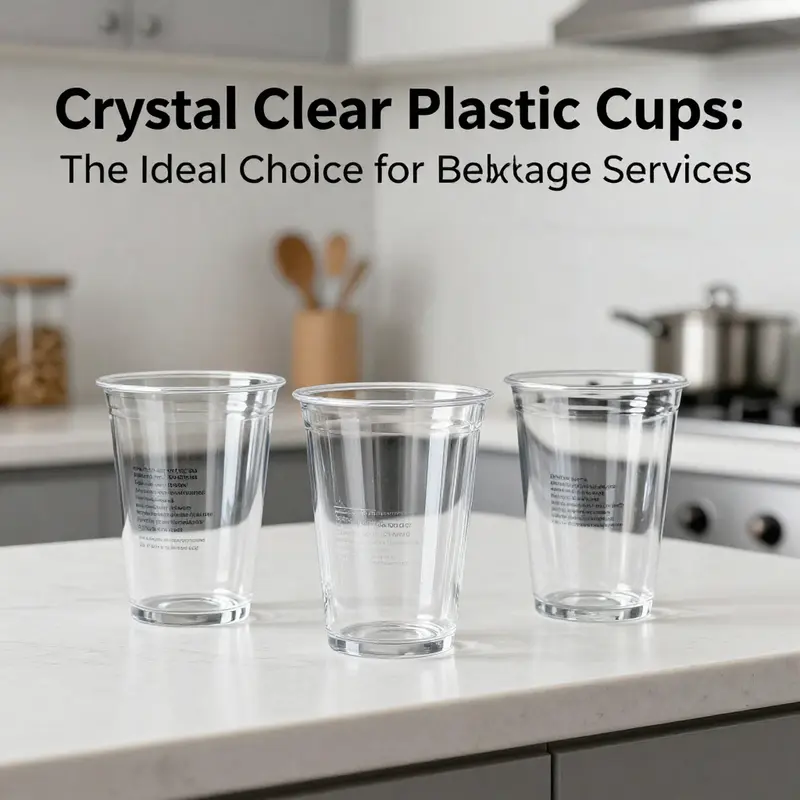
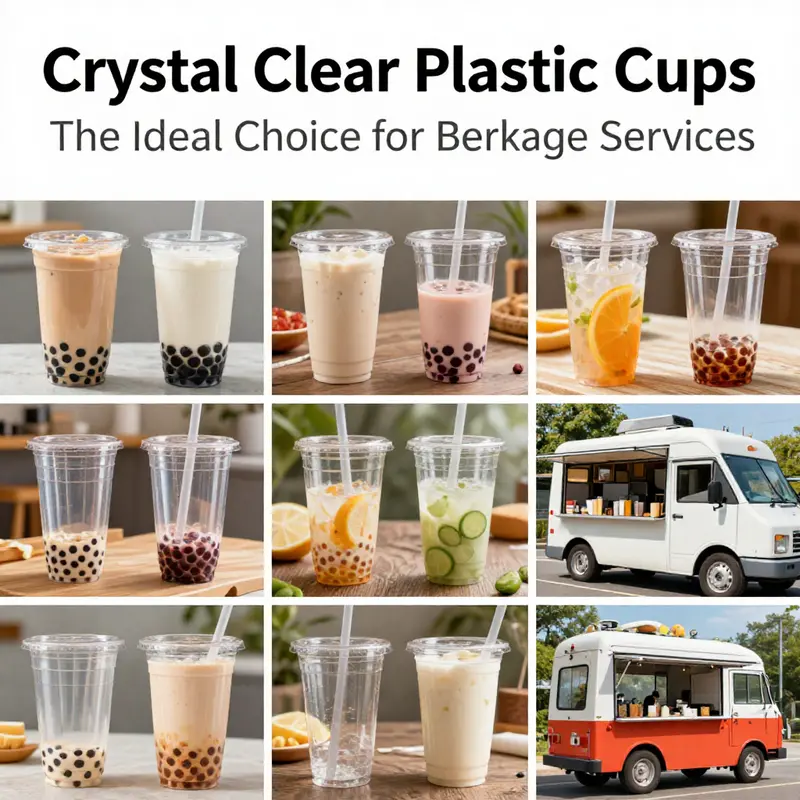
The allure of a crystal clear 16 oz cup goes beyond its ability to show the contents with pristine visibility. In the dining room, at a bustling event, or during a casual gathering, the cup’s transparency signals a standard of cleanliness and professionalism. Yet what sits behind that glassy exterior matters just as much as the glassy look. When a server lifts a cup, when a patron takes a sip, or when a host reviews a bill of health and safety, the material and the way it is used become part of the overall experience. This chapter looks past the surface sheen and dives into the health considerations that accompany the most common 16 oz crystal clear cups. It is not enough to celebrate clarity alone; the choice of material, the limits of heat, and the guidance on reuse all shape the safety, comfort, and trust that a beverage service promises to its customers. The narrative here threads together material science, regulatory touchstones, and pragmatic practices that emerge when a standard vessel is pressed into service in a world that values both convenience and consumer well-being.
When a café or caterer selects a 16 oz cup, the first impulse is universal: transparency. Consumers want to see the beverage as it is poured, to note the color, texture, and any particulate matter that signals freshness. But the glass-like appearance is a feature of the polymer family, not a guarantee of safety. The most widely used substances for these cups are forms of plastic resins known for their clarity, lightness, and cost efficiency. Among these, polystyrene, polypropylene, and polycarbonate each carry distinct safety profiles that respond differently to temperature, exposure, and handling. The health implications hinge on how the cups are used. A cup that remains at room temperature for a cold drink presents a different risk profile than one that is heated in a microwave, left in direct sun, or reused after a dishwashing cycle. The questions that matter most are straightforward yet critical: What materials are in play, and what do the regulatory authorities say about safe use? How do heat, light, and repeated use alter the likelihood of unwanted substances migrating from cup to beverage? And what practical steps can providers take to minimize risk without sacrificing the value of a clean, clear, sturdy vessel?
Polystyrene cups, for their part, have long been favored for their clarity and low cost. They perform well for cold and mildly warm beverages, offering a crisp, clean look that enhances presentation. However, heat introduces a practical and health-related caveat. Styrene, a chemical component associated with polystyrene, can migrate into liquids, especially when temperatures rise or when the material is exposed to heat for extended periods. While the International Agency for Research on Cancer classifies styrene as possibly carcinogenic to humans (Group 2B), the bigger takeaway for consumers and businesses is caution rather than condemnation. The risk is not absolute, but context-sensitive. It is prudent to avoid microwaving PS cups or filling them with hot liquids near or above a boiling point. In other words, if the beverage would demand a cup that endures hot temperatures, the safer route is to select a material that resists leaching more effectively. The policy implication is clear: use polystyrene primarily for cold or cool beverages, or ensure that the product is explicitly rated for hot-use in manufacturing guidelines. These boundaries help protect both customers and the operators who rely on the cup as a trusted medium for hospitality.
Polypropylene, in contrast, offers a different balance of properties that makes it a frequent choice for 16 oz clear cups. PP is renowned for its chemical resistance and relatively high heat tolerance. It resists warping and cracking, which matters when hot beverages are in play or when the cup must survive a busy service environment. From a health perspective, polypropylene shows a lower propensity to leach compared with polystyrene when used within typical serving temperatures. This translates into safer repeat-use scenarios, especially when cups are cleaned and sanitized according to standard food-service practices. The material’s resilience extends to handling during service: stacking, transporting, and pouring are less likely to degrade the cup’s integrity. This translates into fewer micro-cracks and fewer opportunities for unwanted residues to migrate into beverages. Yet even with PP, the safety protocol remains practical: avoid leaving PP cups in heat beyond the manufacturer’s recommended limits, and follow proper washing and sanitizing procedures if reuse is intended. For many operators, PP becomes the workhorse for a broad spectrum of beverages because it aligns with both safety expectations and operational realities.
Polycarbonate deserves mention for its high clarity and toughness, attributes that can be valuable in specific service contexts. However, PC has drawn attention because some of its components have been linked to health concerns. Bisphenol A (BPA), a chemical historically associated with polycarbonate resins, raises questions about potential endocrine-disrupting effects, especially with repeated exposure. In many markets, BPA-free PC formulations have emerged, though the debate over safety remains nuanced. For hot drinks, PC’s durability can be appealing, but operators should verify the specific formulation used in their supply and confirm any health-related cautions from the manufacturer. The key takeaway for health-minded buyers is to scrutinize the labeling and ensure that the product is BPA-free and compliant with relevant food-contact standards. The absence of BPA should be a non-negotiable criterion when hot beverages or frequent reuse are part of the plan.
Beyond these conventional resins, bioplastics such as PLA (polylactic acid) have entered conversations about health and sustainability. PLA offers the promise of being derived from renewable resources and being free from BPA and phthalates. In practice, however, PLA packs a different set of limitations. Its heat resistance is generally lower than that of PP, meaning that hot beverages or long exposure to warm environments are not ideal for PLA-based cups. For cold or lukewarm drinks, PLA can be a suitable option for those who value compostability under industrial conditions and a lower environmental footprint. The decision to lean toward PLA can align with broader sustainability goals, but it should be tempered by an understanding of heat tolerance, disposal infrastructure, and the likelihood that any composting will occur under industrial rather than home conditions. For many service contexts, a blended strategy works best: use PLA or other bioplastics for specific, low-heat applications or for consumer trials in eco-conscious settings, while retaining PET or PP for the majority of cold-beverage service.
Material labeling and regulatory compliance are not mere formalities; they form the practical backbone of safe service. The general rule is straightforward: always check for food-contact compliance markings from recognized authorities. In the United States, this typically means guidance or certification aligned with FDA expectations for food-contact materials, indicating that the cup’s resin and any additives meet safety criteria for the intended use. In Europe, similar scrutiny comes from EU regulations on materials intended to contact food. Labels that explicitly state “BPA-free” or “phthalate-free” add another layer of assurance, particularly when the cup is used for repeated service or for beverages intended for vulnerable populations. The story here is not about a single “best” material; it is about choosing the right material for the job and confirming compliance to protect both consumers and business reputations. This clarity matters most in environments where guests expect consistent quality and safety from the moment the lid is removed until the last sip.
Practical usage guidance follows naturally from the material logic. For cold beverages in a standard one-time-use context, PS and PP cups can perform well, but heat is the variable that shifts risk. The simplest safety practice is to reserve polystyrene for chilled or room-temperature beverages and to select polypropylene for any application that might involve warmer temperatures. If a cup is designed for reuse, its cleaning cycle should align with food-service sanitization standards. Reusing single-use cups is not advisable unless the product is clearly designed for multiple uses and supports repeated cleaning without compromising integrity. In any case, avoid exposing cups to prolonged ultraviolet exposure, which can degrade polymers and alter surface characteristics. Long-term UV light can promote embrittlement or surface changes that invite micro-leaching, even if the beverage itself remains within safe temperature range. The health implication here is straightforward: the longer a cup sits under intense light, the greater the chance that the surface may slowly degrade and interact with the liquid.
From a safety-seeking perspective, the packaging and handling of these cups matter as much as the resin itself. The cleanliness of the cup stock, the cleanliness of the environment where it is filled, and the speed of turnover all influence the final consumer experience. The experience is as much about perception as it is about actual safety. A guest who sees a spotless, clear cup and receives a beverage that matches that expectation reinforces trust. Conversely, a cup that feels warm to the touch, or shows a clouded edge after a wash cycle, can create doubt about the beverage’s safety or freshness. For operators, maintaining trust means a deliberate approach to material selection, temperature control, and hygiene protocols that protect the product’s integrity from the moment it is filled to the moment it reaches the customer.
The food-safety landscape also includes disposal and end-of-life considerations. Recyclability is a factor that many consumers now weigh when choosing where to dine or purchase beverages. PET cups, often used for their clarity and recyclability, fit into modern recycling streams where available. However, the ease of recycling a given cup depends on local infrastructure and collection practices. In contexts where recycling is challenging, the health conversation extends to environmental health as well; the broader impact of waste on communities and ecosystems is part of the package that accompanies any disposable container. Operators can communicate practical guidance to guests, clarifying what is compostable, recyclable, or reusable in their particular setting. The result is a service experience that respects both health and environmental stewardship, aligning the guest’s trust with responsible business practice.
To ground these considerations in a tangible service scenario, imagine a casual event that features a clear 16 oz cup as the vessel of choice for a selection of cold beverages. The host, mindful of health and safety, would choose a PP-based cup for its heat resilience and lower leaching risk in the presence of moderate temperatures. The event would feature clearly labeled, food-contact compliant materials, with attention paid to storage away from direct sunlight and heat to prevent any surface degradation. Staff would be trained to avoid microwaving cups, to use lids designed for spill resistance when appropriate, and to communicate to guests that the cups are intended for single-use in this context. In a more sustainable frame, a smaller subset of guests who favor eco-friendly options might opt for PLA-based cups for cold beverages, recognizing the trade-off in heat tolerance. Even in these scenarios, the guiding principle remains consistent: prioritize customer safety by matching material performance to actual use, then reinforce that commitment with clear labeling and responsible disposal guidance.
For readers seeking a concise pathway to informed decision-making, one practical reminder stands out. The material choice and the allowed usage conditions should be explicit in the supplier documentation, along with any health and safety statements. The cup should carry clear indications of whether it is intended for single-use or reusable, what temperatures are safe, and whether the product is BPA-free or phthalate-free. When in doubt, consult the manufacturer’s specifications, and verify compliance with applicable food-contact regulations. The goal is not to sway the reader toward a single material but to empower a decision rooted in the beverage’s temperature profile, the service context, and the guest’s health expectations.
To bring this discussion full circle, consider the pragmatic act of linking health considerations to everyday choices. A host who understands that 16 oz crystal clear cups can carry different risk profiles depending on material and use will be better prepared to meet safety expectations without sacrificing the clarity and reliability that guests expect. The best practices are practical and accessible: select materials according to temperature exposure, confirm regulatory compliance and labeling, avoid reuse of single-use cups unless explicitly approved, and keep the environment shielded from intense UV and direct heat. In doing so, the clarity of the cup remains a reliable signal of care—care for the guest, care for the operation, and care for the environment when disposal and recycling are part of the conversation.
For readers who want a tangible example of a clear plastic cup designed for practical, on-the-go service, the following product page offers a close look at a disposable clear plastic cup intended for outdoor and party settings: disposable clear plastic cup outdoors — PET cup drinking cup for parties. This reference underscores how the physical attributes of clarity and durability intersect with the operational realities of service environments. By examining such examples, operators can better assess how specific materials and design features align with their safety policies and guest expectations.
As this exploration of health considerations for 16 oz crystal clear cups unfolds, the thread that remains central is clear communication and careful selection. The decision to choose PS, PP, PC, or PLA must be anchored in actual serving conditions, temperature exposure, and the established guidelines that govern food-contact materials. The lesson is not simply about avoiding risk; it is about marrying clarity with conscientious practice. The cup’s gleam becomes a reflection of a broader commitment: to deliver beverages in vessels that are not only visually appealing but also aligned with health standards, regulatory expectations, and responsible use. In that alignment, the quiet rules of the cup—its material, its temperature resilience, its labeling—work together to support a safer, more trustworthy beverage experience for every guest.
External resource for deeper regulatory context: https://www.fda.gov/food/food-contact-materials
Final thoughts
In summary, crystal clear plastic cups in the 16 oz size present numerous benefits for beverage businesses, appealing to both style and functionality. By understanding their environmental impact, keeping up with market trends, recognizing their versatility, and ensuring health safety, establishments can provide customers with excellent service while promoting sustainable practices. Whether you manage a bubble tea shop, a food truck, or an event planning service, incorporating these cups into your offerings could set you apart in a competitive market.